Korean Sesame Porridge (Toasted Sesame Silky Rice Porridge)
Rice Easy

Korean Sesame Porridge (Toasted Sesame Silky Rice Porridge)

Quick answer

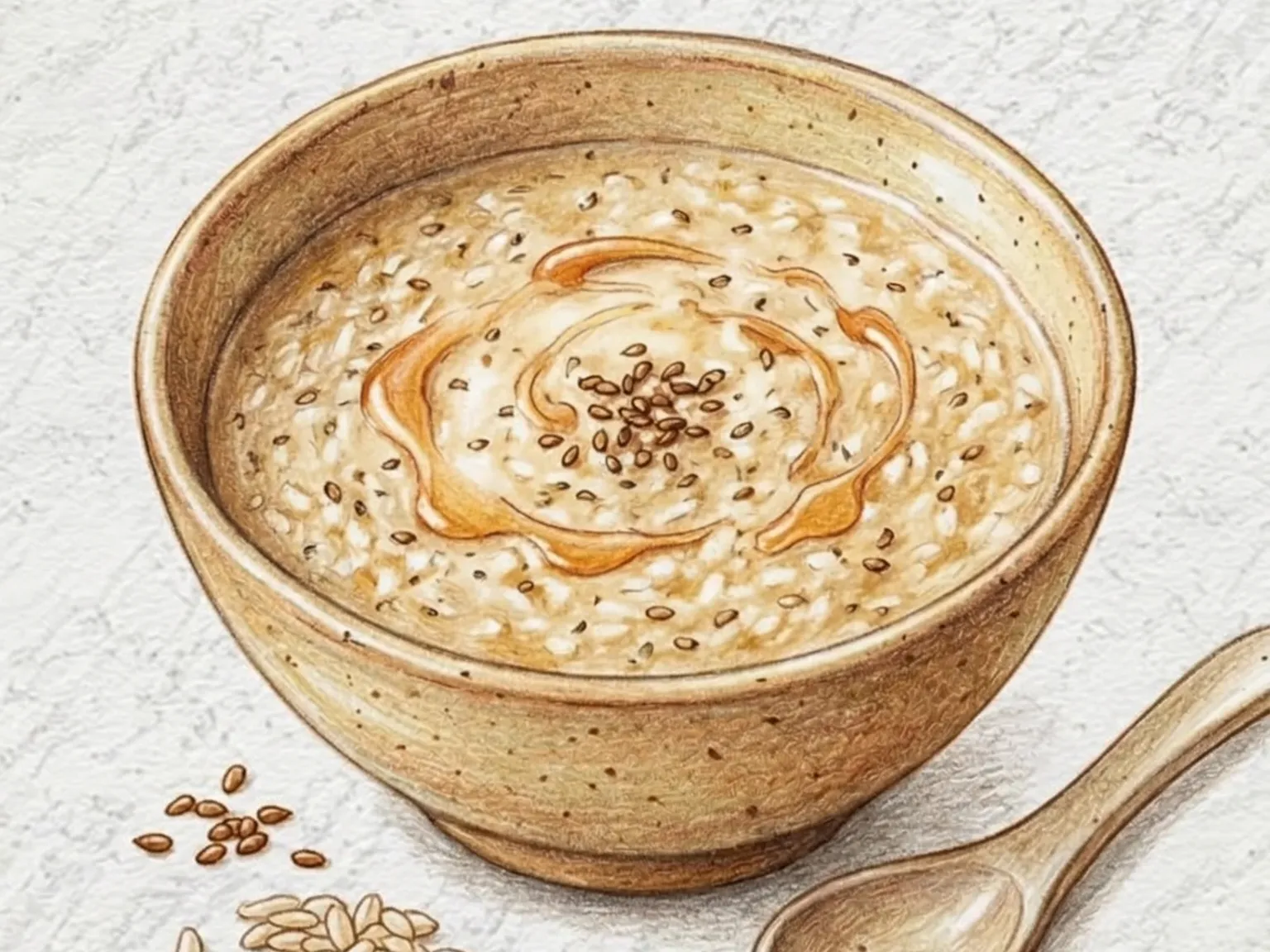
Kkaejuk is a traditional Korean porridge made by grinding toasted sesame seeds to a fine powder and simmering them with soaked rice, water, and milk until the mixture rea...

What makes this special

  • Finely ground toasted sesame seeds adopt a silky, cream-soup consistency in this traditional kkaejuk.
  • Only toasted sesame works here; raw seeds lack the nutty depth this porridge needs
  • Milk added to water gives a richer texture and creamy ivory color
Total time
45 min
Level
Easy
Servings
2 servings
Ingredients
6
Calories
390 kcal
Protein
9 g

Key ingredients

short-grain ricetoasted sesame seedswatermilksalt

Core cooking flow

  1. 1 Soak 1 cup short-grain rice for 30 minutes, then drain it well.
  2. 2 Grind 4 tablespoons toasted sesame seeds very finely in a mortar or blender.
  3. 3 Put the soaked rice and 900 ml water in a pot and bring it to a boil over medium heat.

Kkaejuk is a traditional Korean porridge made by grinding toasted sesame seeds to a fine powder and simmering them with soaked rice, water, and milk until the mixture reaches a silky, cream-soup consistency. Toasting the seeds before grinding is not optional -- raw sesame lacks the deep, roasted fragrance that defines the dish, and the heat of toasting develops oils and aroma compounds that grinding alone cannot produce. Constant stirring over low heat prevents the mixture from scorching and coaxes the rice grains into breaking down completely, merging with the sesame base so no distinct texture remains. Milk enriches the body beyond what water alone provides and gives the finished porridge a warm ivory color. The simplest version is seasoned with nothing but salt and served with a drizzle of honey or rice syrup, letting the roasted sesame flavor carry the bowl without distraction. Easily digestible and gentle on the stomach, kkaejuk has a long tradition as a morning meal, a recovery food for the sick, and a postpartum nourishment dish in Korean households.

Prep 15min Cook 30min 2 servings
Recipes by ingredient → short grain rice milk honey

Instructions

Read the steps as a cooking flow: prep, heat, seasoning, doneness control, and finish.

6 steps
  1. 1
    Step

    Soak 1 cup short-grain rice for 30 minutes, then drain it well.

    If excess soaking water stays with the grains, the porridge will loosen early and become harder to thicken evenly later.

  2. 2
    Finish

    Grind 4 tablespoons toasted sesame seeds very finely in a mortar or blender.

    Stop when the seeds look powdery and slightly oily, because coarse pieces will make the finished porridge feel gritty instead of silky.

  3. 3
    Control

    Put the soaked rice and 900 ml water in a pot and bring it to a boil over medium heat.

    Once it bubbles, stir along the bottom often so the starch does not settle and stick.

  4. 4
    Control

    Lower the heat and simmer for about 20 minutes.

    Stir frequently until the rice grains swell, lose their sharp edges, and the liquid turns cloudy and thicker, adding patience before the sesame goes in.

  5. 5
    Control

    Add the ground sesame and 150 ml milk, then keep simmering on low for about 8 minutes.

    Stir constantly, scraping the bottom, until the porridge turns warm ivory and thick like cream soup.

  6. 6
    Finish

    Season with 1/2 teaspoon salt, taste once, and turn off the heat.

    Ladle into bowls while warm and finish with 1 tablespoon honey, or rice syrup if you prefer a rounder sweetness.

After the steps

Pick a recipe that fits this dish.

Continue with shared ingredients, meal pairings, or a similar method.

Recipes That Go Well With This

More Rice →

Based on shared ingredients and meal pairing

Korean Kimchi Porridge (Fermented Kimchi Pork Rice Porridge)
Shared ingredient: short grain rice Rice

Korean Kimchi Porridge (Fermented Kimchi Pork Rice Porridge)

Well-fermented napa kimchi is chopped into small pieces and stir-fried with ground pork in sesame oil first, building a savory, aromatic base before the soaked rice and water go in for a slow, gentle simmer of thirty minutes. The extended cooking time is what fundamentally changes the character of the dish: the raw, sharp edge of the chili fades and the fermentation tang disperses through the porridge evenly, becoming deep and mellow rather than assertive, while the pork contributes a rich savory backbone that plain kimchi alone could not provide. Soup soy sauce is added toward the end to adjust the salt, and sesame seeds scattered over the finished bowl add a final nutty aroma. The more sour and deeply fermented the kimchi used, the more complex and layered the finished juk becomes -- bright red in color and bold in flavor. This is a traditional Korean porridge associated with recovery and comfort, eaten warm when the stomach is unsettled, appetite has gone quiet, or the cold calls for something deeply nourishing. Diced silken tofu added during the last few minutes of simmering introduces a new texture and adds protein without disrupting the clean, porridge-like consistency.

Korean Chicken Rice Porridge
Shared ingredient: short grain rice Rice

Korean Chicken Rice Porridge

Dakjuk is a Korean chicken rice porridge built from a straightforward foundation: a whole chicken breast poached in water until tender, then shredded along the grain and returned to the broth with soaked short-grain rice. The rice and minced garlic are first sauteed briefly in sesame oil so each grain takes on a faint nuttiness before the stock is added, which carries through into the finished porridge. As the rice simmers and slowly breaks down over twenty-five or more minutes of regular stirring, it releases starch that thickens the liquid into a smooth, flowing consistency without turning gluey. The chicken adds lean protein without weighing the dish down, and the garlic mellows from sharp to a quiet warmth. Sliced green onion scattered on top provides a fresh, grassy contrast to the mild, savory base. Dakjuk has been a household staple in Korea for generations, reached for when the body needs recovery, when the stomach asks for something gentle, or when a warm and undemanding breakfast is simply the right start to the morning.

Korean Stir-fried Seaweed Stems
Serve together Side dishes

Korean Stir-fried Seaweed Stems

Miyeok-julgi-bokkeum is stir-fried seaweed stems - specifically the thick midrib portions of salted miyeok (wakame) - offering a textural experience entirely different from miyeok-muchim (seaweed salad) or miyeok-guk (seaweed soup). While seaweed leaves are soft and slippery, the stems are thick and resilient, producing a distinctive crunchy pop with each bite. Salt levels vary by brand, so soaking in cold water for ten minutes is the baseline desalting step, but tasting before cooking and rinsing again if needed is essential. Julienned onion and carrot stir-fried alongside break the monotony of seaweed alone, adding sweetness and color. Garlic sauteed in oil first establishes an aromatic foundation. A finishing drizzle of sesame oil and sesame seeds bridges the oceanic seaweed flavor with a toasty nuttiness. The extremely low calorie count makes this banchan a staple in diet-conscious Korean meal plans.

Korean Pine Nut Porridge (Creamy Nutty Nourishing Rice Porridge)
Similar recipe Rice

Korean Pine Nut Porridge (Creamy Nutty Nourishing Rice Porridge)

Pine nuts are blended with water into a smooth milk, then stirred into soaked rice that has been sauteed in sesame oil to bring out its starch aroma. The pine nut milk is added after the rice has already simmered for ten minutes, because prolonged boiling diminishes the nuts' volatile fragrance. The finished porridge has a pale cream hue and leaves a lingering resinous pine-nut note on the palate. Thinly sliced jujube garnish adds a pop of red color and gentle natural sweetness that complements the nuttiness.

Serve with this

Korean Seokbakji Radish Kimchi
Kimchi Easy

Korean Seokbakji Radish Kimchi

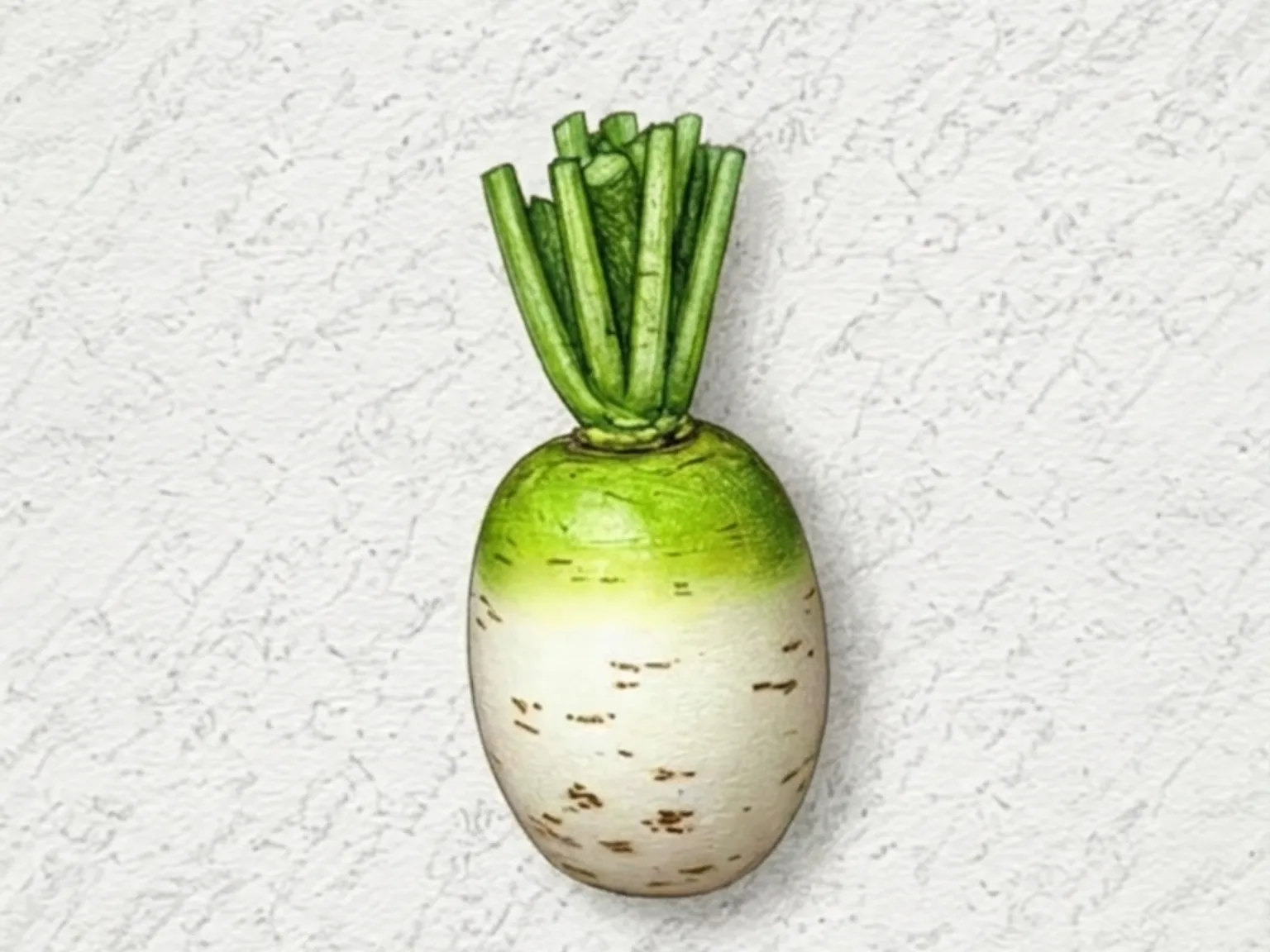
Seokbakji is a traditional Korean radish kimchi in which large-cut radish cubes are salted for one hour, drained, and tossed with a seasoning of gochugaru, salted shrimp, minced garlic, ginger, and scallion pieces before being set aside to ferment. The size of the radish pieces is the most important factor in this kimchi - smaller cuts turn mushy during fermentation as salt and acid break down the cell structure, while large cubes maintain their firm, satisfying crunch throughout the entire maturation period. Salted shrimp here does far more than add salt: its fermented depth provides an umami backbone that gochugaru alone cannot deliver. After one day of fermentation at room temperature, two more days in the refrigerator allow lactic acid bacteria to develop a clean, refreshing sourness. The liquid that the radish releases during this process becomes a flavorful brine - this brine is one of seokbakji's most prized characteristics. Placed alongside a bowl of seolleongtang or gukbap, the cold, crunchy kimchi and its tangy liquid cut directly through the richness of the bone broth, refreshing the palate between spoonfuls. Compared to kkakdugi, seokbakji pieces are larger and more liquid-forward.

🍱 Lunchbox 🏠 Everyday
Prep 35min Cook 10min 4 servings
Korean Taro Soup (Autumn Taro in Nutty Perilla Seed Broth)
Soups Medium

Korean Taro Soup (Autumn Taro in Nutty Perilla Seed Broth)

Toran-guk is an autumn soup centered on taro root, which is first parboiled to remove its slippery mucilage, then simmered in a broth thickened with ground perilla seeds. The taro pieces cook to a texture that falls somewhere between potato and chestnut - they crumble softly on the tongue yet retain a subtle stickiness that gives each bite a gentle cling. Ground perilla dissolves into the liquid and turns it opaque and creamy, layering a nutty richness over the taro's mild, earthy flavor. Beef is often added for depth, its rendered fat and juices rounding out the broth, while an anchovy-kelp base underneath sharpens the umami. The soup is closely associated with Chuseok, the Korean harvest festival, when taro is freshly dug and at its peak sweetness. Cooking the taro just long enough to soften without disintegrating is the key challenge - underdone pieces are chalky and irritate the throat, while overcooked ones dissolve into the broth and lose their identity. Served hot with steamed rice, toran-guk is one of those seasonal dishes that Koreans anticipate all year and miss the moment autumn ends.

🏠 Everyday 🥗 Light & Healthy
Prep 20min Cook 35min 2 servings
Korean Sigeumchi Dubu Jjigae (Spinach Tofu Stew)
Stews Easy

Korean Sigeumchi Dubu Jjigae (Spinach Tofu Stew)

Sigeumchi-dubu-jjigae is a Korean stew built from fresh spinach and soft tofu simmered in anchovy-kelp stock, seasoned with soup soy sauce and perilla oil. The process starts by warming perilla oil in the pot and softening minced garlic until its sharpness mellows into a rounded fragrance that transfers into the oil, giving the broth a subtle depth that would be absent if the garlic were added raw. Zucchini and onion release their natural sweetness as they cook, rounding out the broth and preventing it from tasting flat or austere. Soft tofu, added mid-way, absorbs the seasoned liquid gradually as it heats through, holding its shape while taking on the flavor of the broth around it. Spinach goes in last, only long enough to wilt, because extended cooking destroys the color and reduces the leaves to a limp, dull mass that works against the dish. The iron-forward earthiness of spinach pairs naturally with the mild creaminess of tofu and the nutty undercurrent of perilla oil, producing a stew that reads as simple but carries enough layered flavor to satisfy. This is a standard of Korean home cooking that earns its place at the table for being genuinely easy on the stomach, particularly welcome when appetite is low or the body calls for something clean.

🥗 Light & Healthy 🏠 Everyday
Prep 12min Cook 18min 2 servings

Similar recipes

Black Sesame Pudding
Desserts Easy

Black Sesame Pudding

Heukimja pudding is a chilled dessert made by warming milk and heavy cream on low heat with black sesame powder to extract its flavor, then setting the mixture with gelatin. The key to a silky consistency is stopping the heat when tiny bubbles appear at the edge of the pan, well before a full boil, which would cause the fat to separate. After seasoning with sugar and salt and straining once to remove any gritty particles, the liquid is divided into cups and refrigerated for at least two hours until set. A light dusting of black sesame powder on top before serving adds a visual accent and an extra layer of roasted, nutty fragrance. A small pinch of salt is worth adding because it subdues any residual bitterness from the sesame and makes the sweetness come through more cleanly. Gelatin sheets and powdered gelatin both work, but sheets tend to produce a smoother, cleaner result.

🧒 Kid-Friendly 🌙 Late Night
Prep 15min Cook 10min 4 servings
Korean Napa Cabbage Doenjang Porridge
Rice Easy

Korean Napa Cabbage Doenjang Porridge

Baechu doenjang juk is a Korean porridge where soaked rice is first toasted in sesame oil before any liquid is added, building a nutty foundation that plain boiled rice cannot provide. The doenjang is dissolved and strained through a fine-mesh sieve directly into anchovy stock so the finished porridge stays smooth without chalky bits of fermented paste. Finely chopped napa cabbage and onion go in with the strained stock: the onion melts quietly into the broth as it cooks, contributing a background sweetness, while the cabbage softens until it nearly disappears into the porridge's texture. Stirring frequently over medium-low heat for at least twenty minutes is what allows the rice grains to break down evenly and merge with the liquid rather than sitting as distinct kernels in thin broth. Skipping the initial oil-toasting step and adding raw soaked rice directly causes the starch to release unevenly, producing a porridge that sticks to the bottom of the pot and tastes flat. A drop of sesame oil and a final seasoning with guk-ganjang complete the dish. The result is a bowl that feels gentle on the stomach while carrying the full fermented complexity and depth of doenjang - suitable as a light meal or a restorative dish during recovery.

🥗 Light & Healthy 🏠 Everyday
Prep 10min Cook 30min 2 servings
Tofu Salad (Pan-Seared Tofu on Fresh Greens)
Salads Easy

Tofu Salad (Pan-Seared Tofu on Fresh Greens)

Dubu salad is made by pressing firm tofu to remove excess moisture, then pan-searing it until the outside turns golden and crisp while the inside stays soft and tender. The seared tofu is placed over a bed of baby greens, sliced cucumber, and cherry tomatoes. Wrapping the tofu in two layers of paper towels and setting a weight on top for twenty to thirty minutes draws out enough water so the surface browns properly in the pan without steaming. A dressing of soy sauce, sesame oil, lemon juice, and olive oil moves easily between Korean and Western flavor profiles. The salad is high in plant protein and low in fat, making it a practical and satisfying option when a light, clean-tasting meal is the goal.

🥗 Light & Healthy ⚡ Quick
Prep 15min Cook 8min 2 servings

Tips

Use toasted sesame for the best nutty flavor.
Rice syrup works well instead of honey for sweetness.

Nutrition (per serving)

Calories
390
kcal
Protein
9
g
Carbs
56
g
Fat
14
g