Charim

2686 Korean & World Recipes

2686+ Korean recipes, clean and organized. Ingredients to instructions, all at a glance.

Korean Cockle & Water Parsley Mixed Rice
RiceMedium

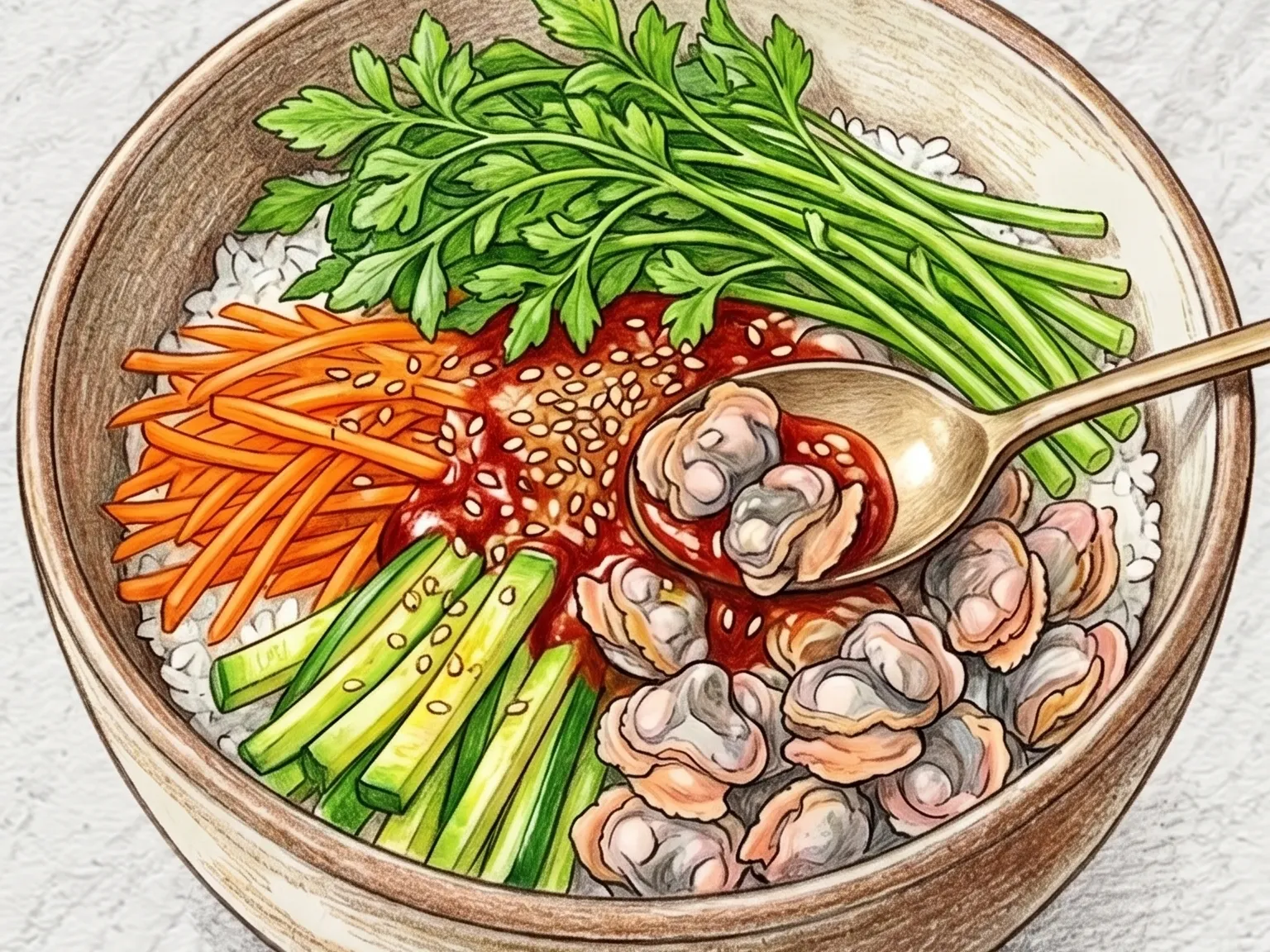
Korean Cockle & Water Parsley Mixed Rice

Cockle meat is rinsed in light salt water, blanched for just thirty seconds to preserve its firm chew, then arranged over rice alongside julienned carrots, sautéed zucchini, and raw water parsley (minari). A gochujang-based sauce binds everything when mixed, and the briny sweetness of the cockles plays off minari's clean, herbaceous bite. Adding the parsley last preserves its volatile aroma, and over-blanching the cockles will turn them rubbery - brief heat exposure is critical. This seasonal bibimbap is at its best in early spring when cockles are plump and sweet, finished with sesame oil and toasted seeds.

Prep 20minCook 15min2 servings

Adjust Servings

2servings
servings

Instructions

  1. 1

    Rinse rice, cook it, and let it steam for 10 minutes.

  2. 2

    Rinse cockle meat in light salted water, then blanch for 30 seconds.

  3. 3

    Julienne carrot and zucchini, then stir-fry each briefly and cool.

  4. 4

    Mix gochujang, soy sauce, minced garlic, and 1 tbsp sesame oil for sauce.

  5. 5

    Top rice with minari, cockles, and vegetables, then add sauce and sesame seeds and mix.

🛒Shop Ingredients on Amazon

As an Amazon Associate, we may earn from qualifying purchases.

Tips

Add minari at the end to preserve its fresh aroma.
Do not overcook cockles; brief blanching keeps them tender.

Nutrition (per serving)

Calories
520
kcal
Protein
24
g
Carbs
78
g
Fat
13
g

More Recipes

Korean Water Parsley Pancake
GrilledEasy

Korean Water Parsley Pancake

Minari-jeon is a Korean spring pancake made by cutting water parsley into five-centimeter lengths and mixing them into a batter of Korean pancake mix, water, egg, and salt, then pan-frying in oil until golden on both sides. Water parsley's cool, herbaceous fragrance permeates the entire pancake, and its stems provide a fresh, snappy bite against the soft batter. Spreading the mixture thin and cooking over medium heat for three to four minutes per side ensures crisp, almost fried edges, while overcooking quickly diminishes the herb's distinctive aroma. Dipping slices in cho-ganjang-soy sauce mixed with vinegar-balances the subtle bitterness of the parsley with sharp acidity.

🍺 Bar Snacks Quick
Prep 12minCook 8min2 servings
Korean Water Parsley Salad
Side dishesEasy

Korean Water Parsley Salad

Minari-muchim is blanched water parsley (minari) dressed in a gochugaru-soy-vinegar sauce - a spring banchan built entirely around the herb's distinctive fragrance. Minari is a semi-aquatic plant that grows in clean-running paddies and wetlands across Korea, carrying an aroma in a different family from Western parsley or celery. The blanching window determines whether the dish succeeds: past twenty seconds, the volatile aromatic compounds escape with the steam and the entire point of using minari is lost. Trimming the tough lower stems and cutting to 5 cm lengths makes eating easier, and cold-water shocking after blanching locks in the chlorophyll for vivid green color. The vinegar in the dressing amplifies the herbal brightness while suppressing any aquatic mustiness that water-grown plants can carry. International awareness of this ingredient grew after the 2020 film 'Minari.' Dipping raw minari in cho-gochujang (vinegared chili paste) is another popular serving method.

🏠 Everyday🍱 Lunchbox
Prep 10minCook 2min4 servings
Korean Beef and Water Parsley Pot Rice
RiceMedium

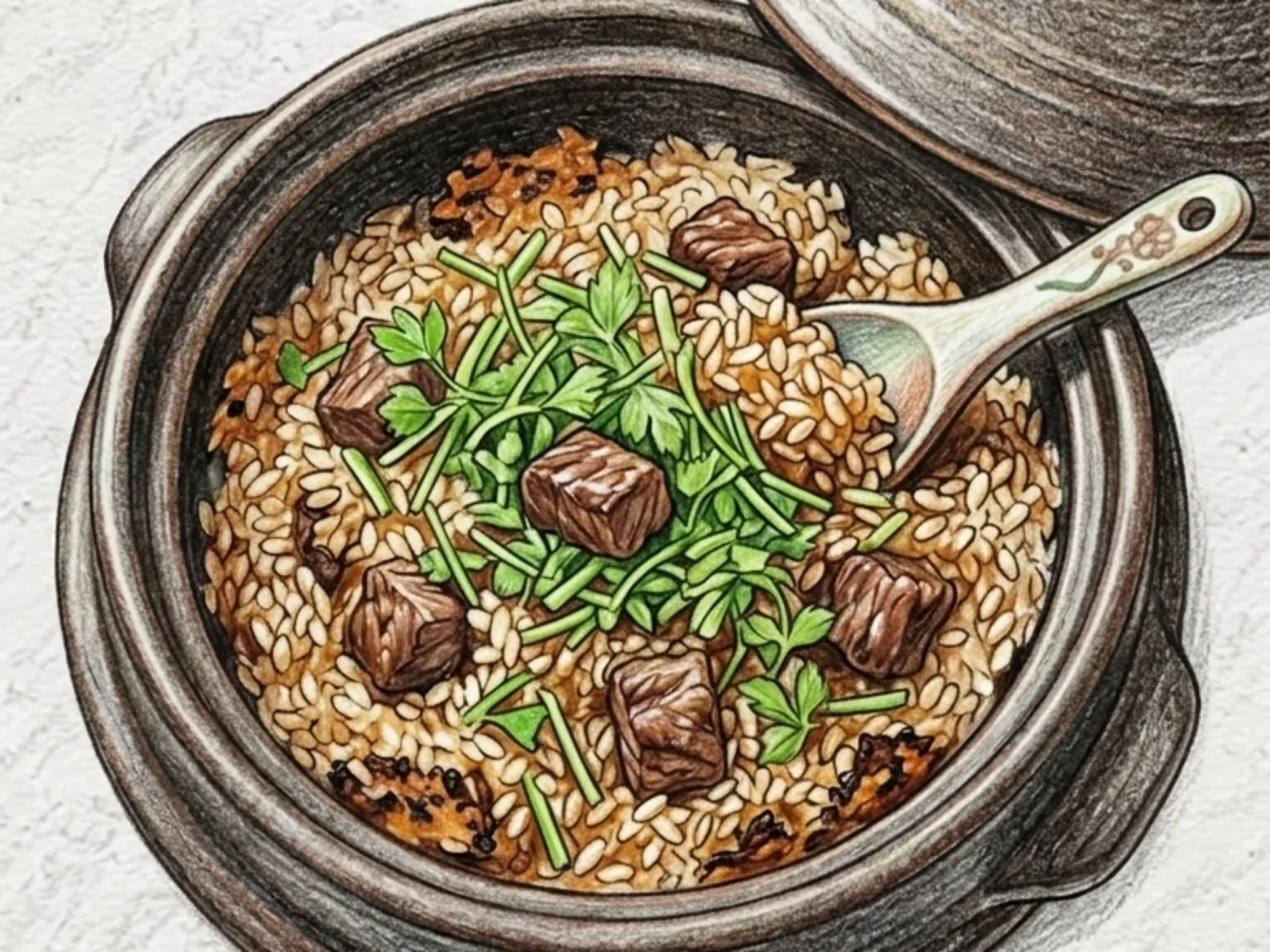
Korean Beef and Water Parsley Pot Rice

Soy-marinated beef is layered with rice in a heavy pot and cooked until the meat juices soak into every grain. Onion and beef are first seared on high heat for depth, then soaked rice and water go in for a slow, covered cook. Water parsley added just before resting contributes a fresh, aromatic lift that cuts through the richness of the beef. The heavy-bottomed pot also creates an even layer of crispy scorched rice at the bottom, adding a satisfying crunch to every serving.

🏠 Everyday
Prep 20minCook 25min2 servings
Korean Mixed Rice Bowl (Colorful Vegetables & Gochujang)
RiceMedium

Korean Mixed Rice Bowl (Colorful Vegetables & Gochujang)

Bibimbap is one of Korea's most iconic one-bowl meals, built by arranging individually seasoned vegetables - spinach, bean sprouts, zucchini, and carrots - alongside marinated beef and a fried egg over steamed rice, then mixing everything together with gochujang. Each component keeps its own texture and flavor until the moment you stir, creating a lively medley of crisp, soft, and spicy in every spoonful. It works well as a weeknight dinner using whatever leftover namul you have on hand, and when prepared in a hot stone pot, the rice forms a golden, crunchy crust at the bottom that adds another layer of enjoyment.

🏠 Everyday
Prep 20minCook 15min2 servings
Korean Water Parsley Clam Porridge
RiceEasy

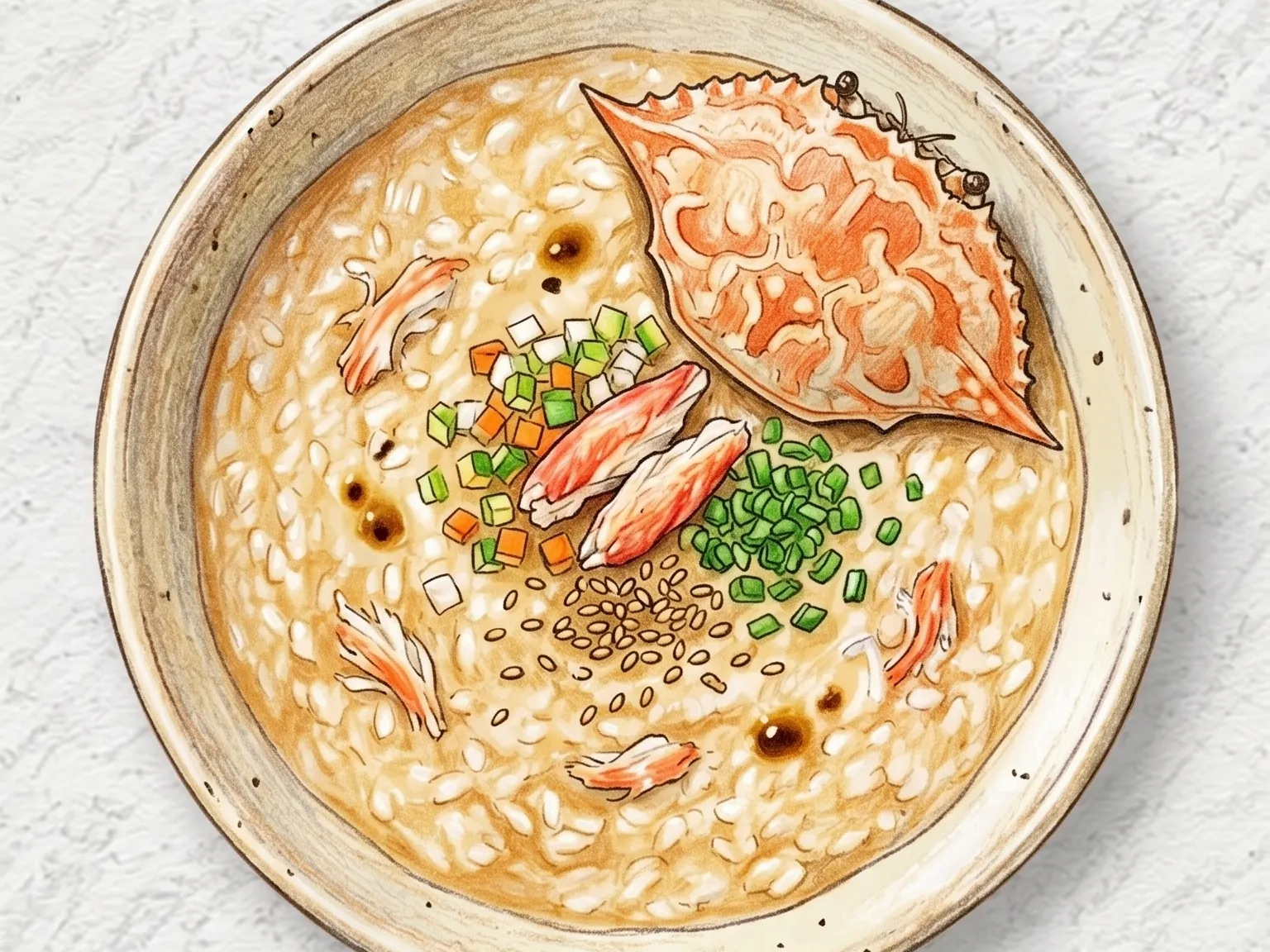
Korean Water Parsley Clam Porridge

This mild seafood porridge starts with sesame-oil-sauteed onion and garlic, then simmers soaked rice and clam meat into a smooth, comforting bowl. The clams release a clean, briny sweetness that permeates every spoonful, and water parsley stirred in at the end leaves a bright, herbal finish. The key is to cook the rice slowly on medium-low heat for the right porridge consistency, adding clams late to keep them tender. It works especially well as a gentle breakfast or hangover remedy.

🏠 Everyday
Prep 20minCook 30min2 servings
Korean Deodeok Gochujang Bibimbap
RiceEasy

Korean Deodeok Gochujang Bibimbap

Deodeok gochujang bibimbap is a Korean mixed rice bowl that highlights mountain root dressed in a spicy-sweet gochujang sauce. The deodeok is peeled, lightly pounded, and torn into strips along the grain, then briefly stir-fried with the sauce to mellow its bitter edge while keeping its fibrous crunch intact. Julienned cucumber, carrot, and torn lettuce are arranged over rice alongside the glazed root, providing crisp, fresh counterpoints. Plum syrup and vinegar in the sauce add a tangy brightness that prevents the gochujang from feeling heavy. When everything is mixed together with a generous pour of sesame oil, the dressing coats each grain of rice and vegetable strand evenly. The dish showcases deodeok's distinctive herbal aroma against the backdrop of Korea's most iconic condiment, and it works best in spring when the roots are at their most fragrant and tender.

🏠 Everyday
Prep 20minCook 15min2 servings
More Rice