Charim

2686 Korean & World Recipes

2686+ Korean recipes, clean and organized. Ingredients to instructions, all at a glance.

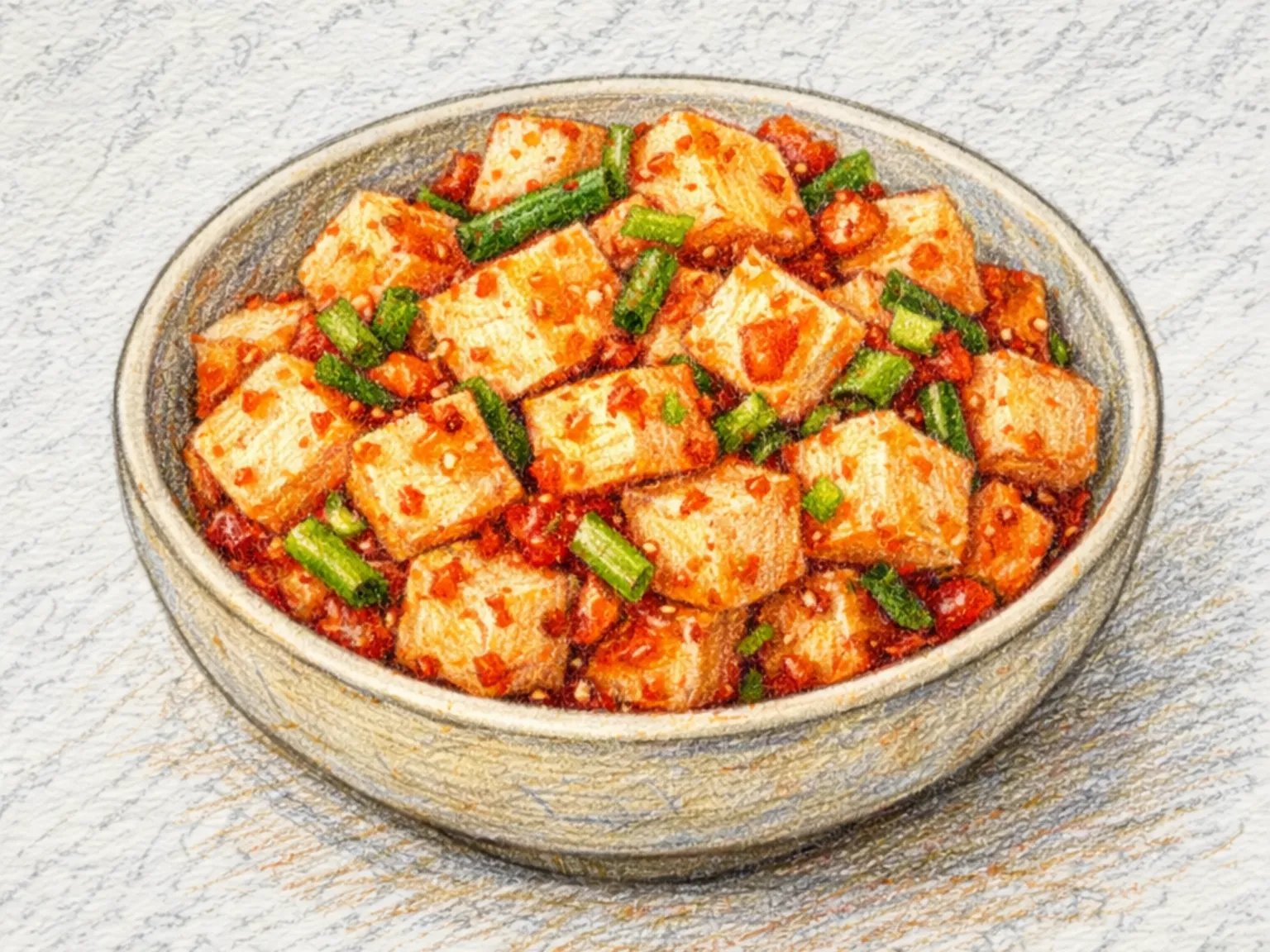
Korean Kohlrabi Kimchi (Cubed Gochugaru Fermented Crisp)
KimchiEasy

Korean Kohlrabi Kimchi (Cubed Gochugaru Fermented Crisp)

Kolrabi kimchi is made by cutting kohlrabi into 2 cm cubes, brining them in coarse salt, and mixing with gochugaru, fish sauce, minced garlic, and plum syrup before fermentation. Kohlrabi contains less moisture and has a denser structure than Korean radish, so its crisp texture holds up well even after days of fermentation, and its natural sweetness creates a clear contrast against the spicy seasoning. Fish sauce provides a fermented savory base while plum syrup adds both acidity and sweetness to keep the flavors in balance. Eaten fresh, it tastes clean and salad-like; after three to four days, the umami deepens noticeably.

Prep 30min04 servings

Adjust Servings

2servings
servings

Instructions

  1. 1

    Peel kohlrabi thickly and cut into 2 cm cubes.

  2. 2

    Salt for 30 minutes, then drain released liquid.

  3. 3

    Mix chili flakes, garlic, fish sauce, and plum syrup.

  4. 4

    Add drained kohlrabi and scallions, then toss evenly.

  5. 5

    Store in a container, ferment at room temp for half a day, then refrigerate.

🛒Shop Ingredients on Amazon

As an Amazon Associate, we may earn from qualifying purchases.

Tips

It is crisp when young; umami deepens after 3–4 days.

Nutrition (per serving)

Calories
60
kcal
Protein
2
g
Carbs
12
g
Fat
1
g

More Recipes

Korean Kohlrabi Soy Pickle
KimchiEasy

Korean Kohlrabi Soy Pickle

Kohlrabi jangajji is a Korean soy pickle made by thickly peeling kohlrabi, cutting it into 2 cm cubes, and submerging the pieces with garlic and dried chili in a brine of boiled soy sauce, vinegar, and sugar. Kohlrabi's dense cellular structure absorbs the brine slowly, holding a firmer crunch and a more pronounced sweetness than radish over several days of pickling. The soy sauce's savory depth and the vinegar's acidity draw out the kohlrabi's natural sugars, and dried chili lays a subtle warm note in the background. This pickle works especially well as a palate cleanser alongside grilled meats or samgyeopsal, cutting through richness with its tart, sweet bite.

🍱 Lunchbox
Prep 20minCook 12min4 servings
Korean Cabbage Kimchi (Crunchy Green Cabbage Kimchi)
KimchiEasy

Korean Cabbage Kimchi (Crunchy Green Cabbage Kimchi)

Yangbaechu kimchi is a Korean cabbage kimchi made by salting green cabbage and tossing it with chili flakes, fish sauce, and minced garlic. The thicker leaves and lower moisture content of green cabbage compared to napa cabbage result in a noticeably crunchier texture that persists through fermentation. The natural sweetness of cabbage softens the heat from the chili seasoning, while carrot and scallion pieces add color and freshness. Six hours of fermentation at room temperature followed by refrigeration lets the tanginess develop gradually. It serves as a lighter alternative when traditional napa kimchi feels too heavy.

🏠 Everyday🍱 Lunchbox
Prep 30minCook 10min4 servings
Korean White Kimchi (Non-Spicy Napa Pear Fermented)
KimchiMedium

Korean White Kimchi (Non-Spicy Napa Pear Fermented)

Baek kimchi is a Korean white kimchi made without gochugaru, producing a completely non-spicy, clear-broth fermented vegetable. Napa cabbage is salted and wilted, rinsed, then layered with julienned radish, sliced garlic, and ginger tucked between the leaves. Pureed pear serves as a natural sugar source that feeds the fermentation, while dried jujubes add a subtle background sweetness to the brine. Salted water is poured over the assembled cabbage, the container is sealed, and after one day at room temperature the kimchi moves to the refrigerator for a slow ferment. Without chili heat, the flavor profile centers on the clean lactic acidity that develops over time, balanced by the fruit sweetness and the warm bite of garlic and ginger. The fermentation is slower than standard kimchi, reaching its optimal taste at two to three weeks. It is eaten with its brine, either on its own or as a palate cleanser alongside rich meat dishes.

🏠 Everyday🍱 Lunchbox
Prep 50minCook 20min4 servings
Korean Fermented Kale Kimchi
KimchiMedium

Korean Fermented Kale Kimchi

Kale kimchi is made by wilting kale leaves in coarse salt, then tossing them with julienned radish, scallions, gochugaru, soup soy sauce, and pear puree before fermenting. The kale's robust green flavor mellows during fermentation while its sturdy leaf structure maintains a satisfying chew, and the radish strips add a crisp counterpoint. Pear puree wraps around the chili heat with fruit sweetness, and soup soy sauce anchors the seasoning with a quiet umami depth. Made with the same technique as napa cabbage kimchi but carrying kale's distinctive slight bitterness, this version adds a layer of complexity and nutritional density to the traditional format.

🍱 Lunchbox
Prep 30minCook 5min4 servings
Korean Fresh Cabbage Kimchi
Side dishesEasy

Korean Fresh Cabbage Kimchi

Geotjeori is kimchi's unfermented cousin - raw napa cabbage dressed in gochugaru seasoning and eaten immediately. The leaves are tossed with red pepper flakes, anchovy fish sauce, garlic, and sugar, drawing out just enough moisture to form a light, spicy brine. Unlike aged kimchi, geotjeori tastes bright and vegetal with the clean crunch of fresh cabbage intact. Koreans pair it with grilled pork belly or doenjang-jjigae.

🏠 Everyday🍱 Lunchbox
Prep 20min6 servings
Korean Kimchi Pancake
GrilledEasy

Korean Kimchi Pancake

Well-fermented kimchi is chopped fine and mixed into a batter of Korean pancake mix, kimchi brine, and chili flakes, then fried in oil until both sides turn golden. Adding the kimchi brine directly into the batter is the key step, as its lactic acid tang brings depth that plain water cannot. Cooking four minutes on the first side and three on the second produces a crisp exterior while the interior stays moist from the kimchi moisture.

🍺 Bar Snacks
Prep 10minCook 12min2 servings
More Kimchi