Korean Poke Bowl Salad
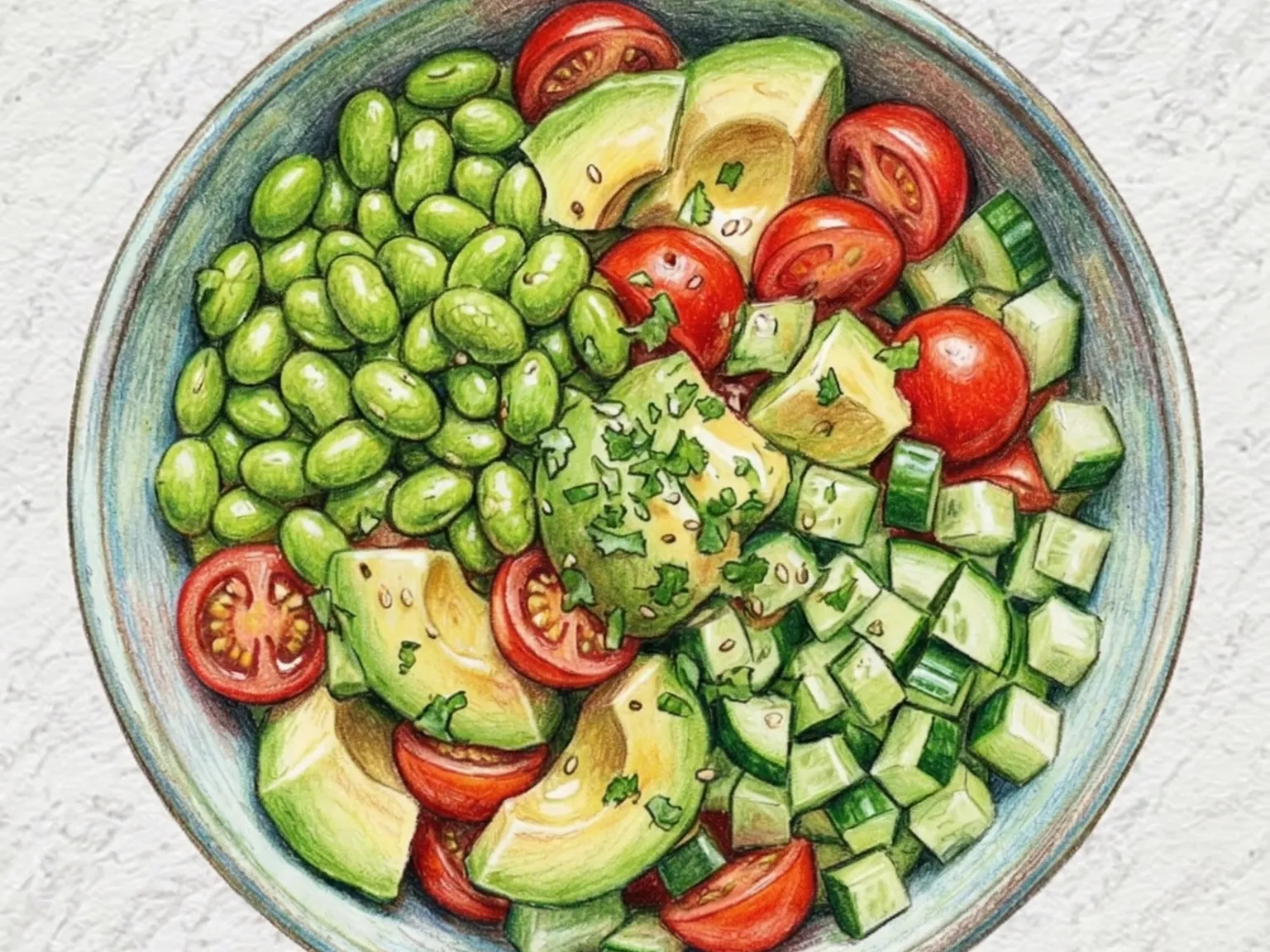
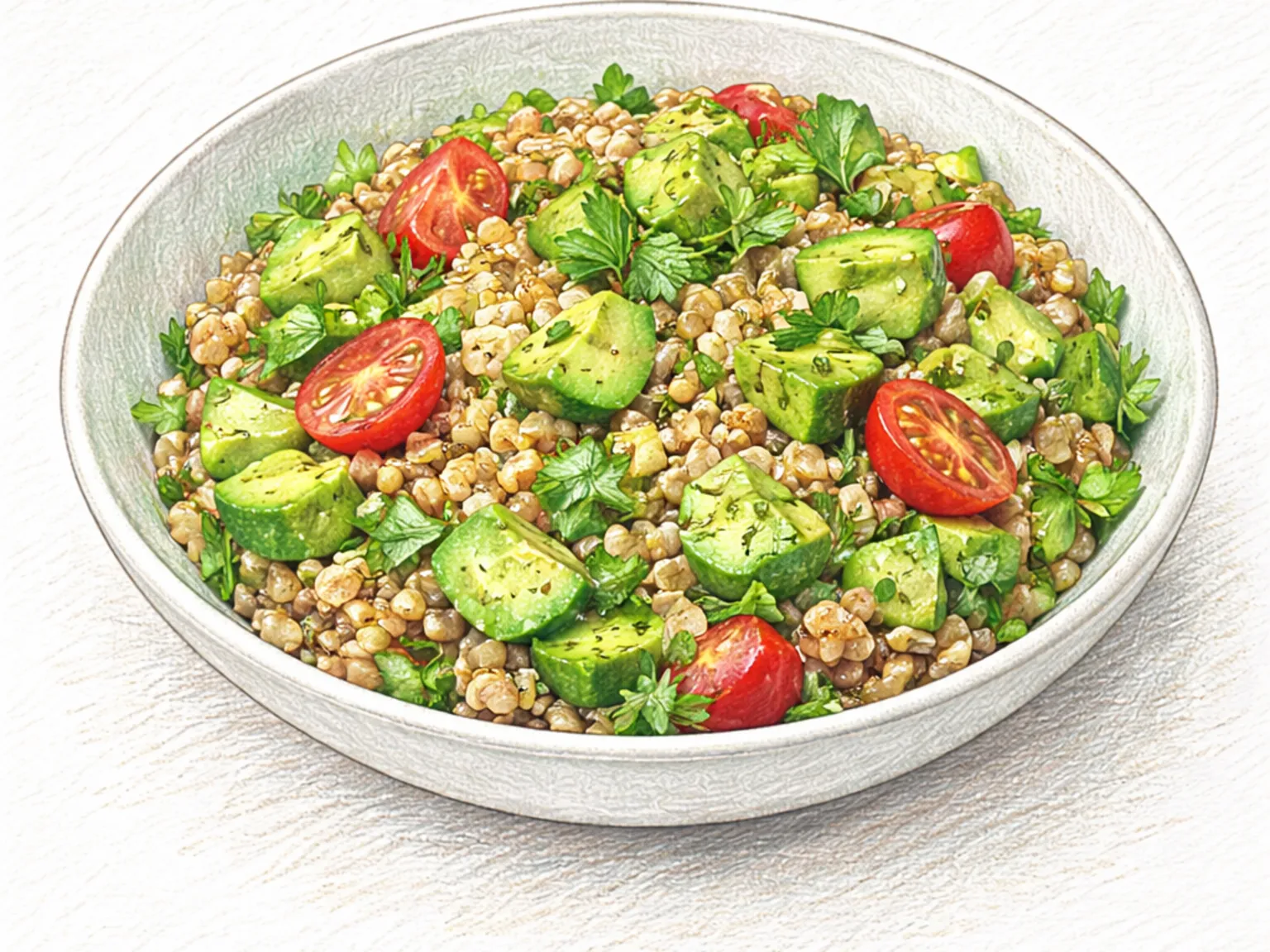
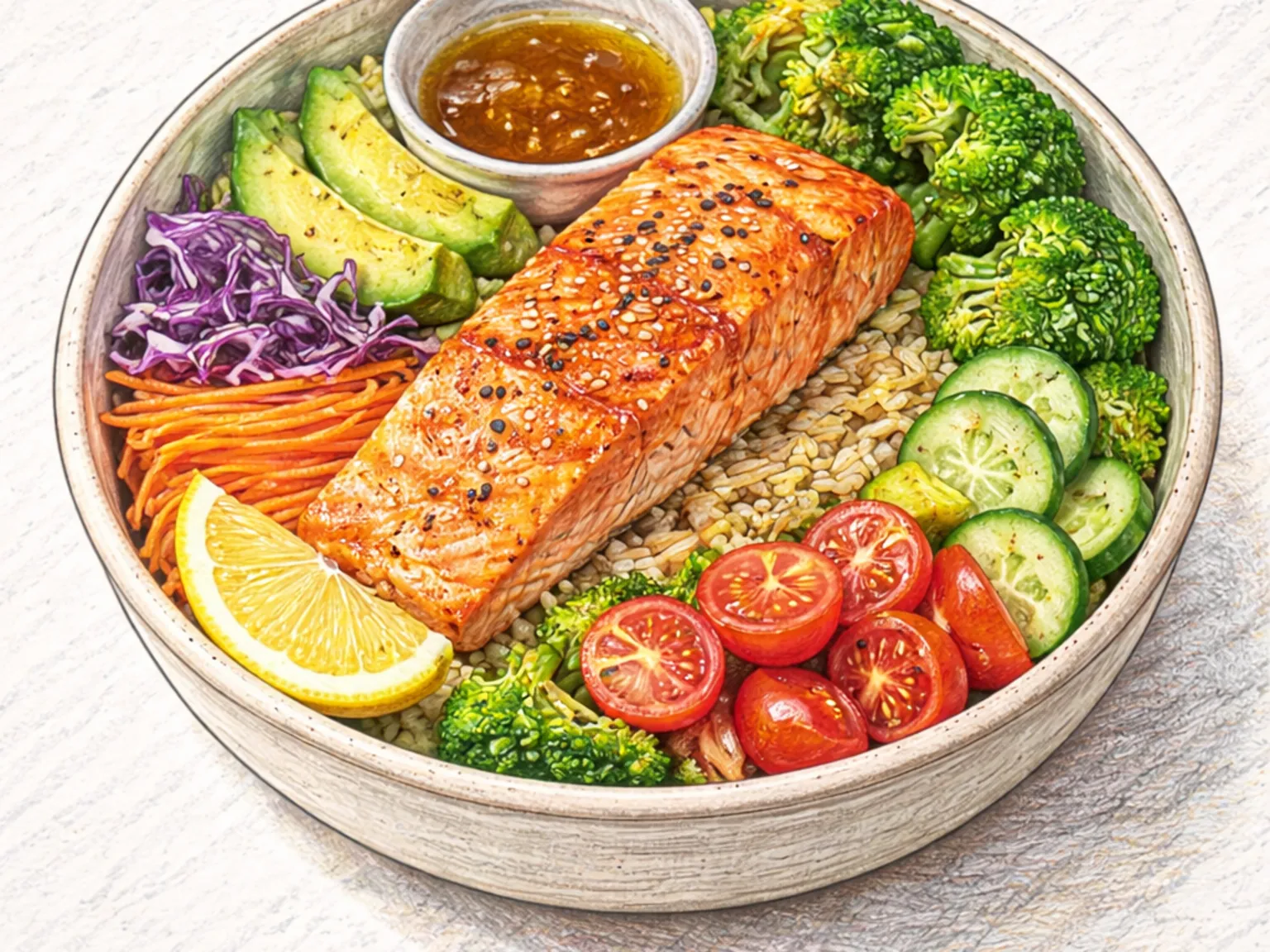
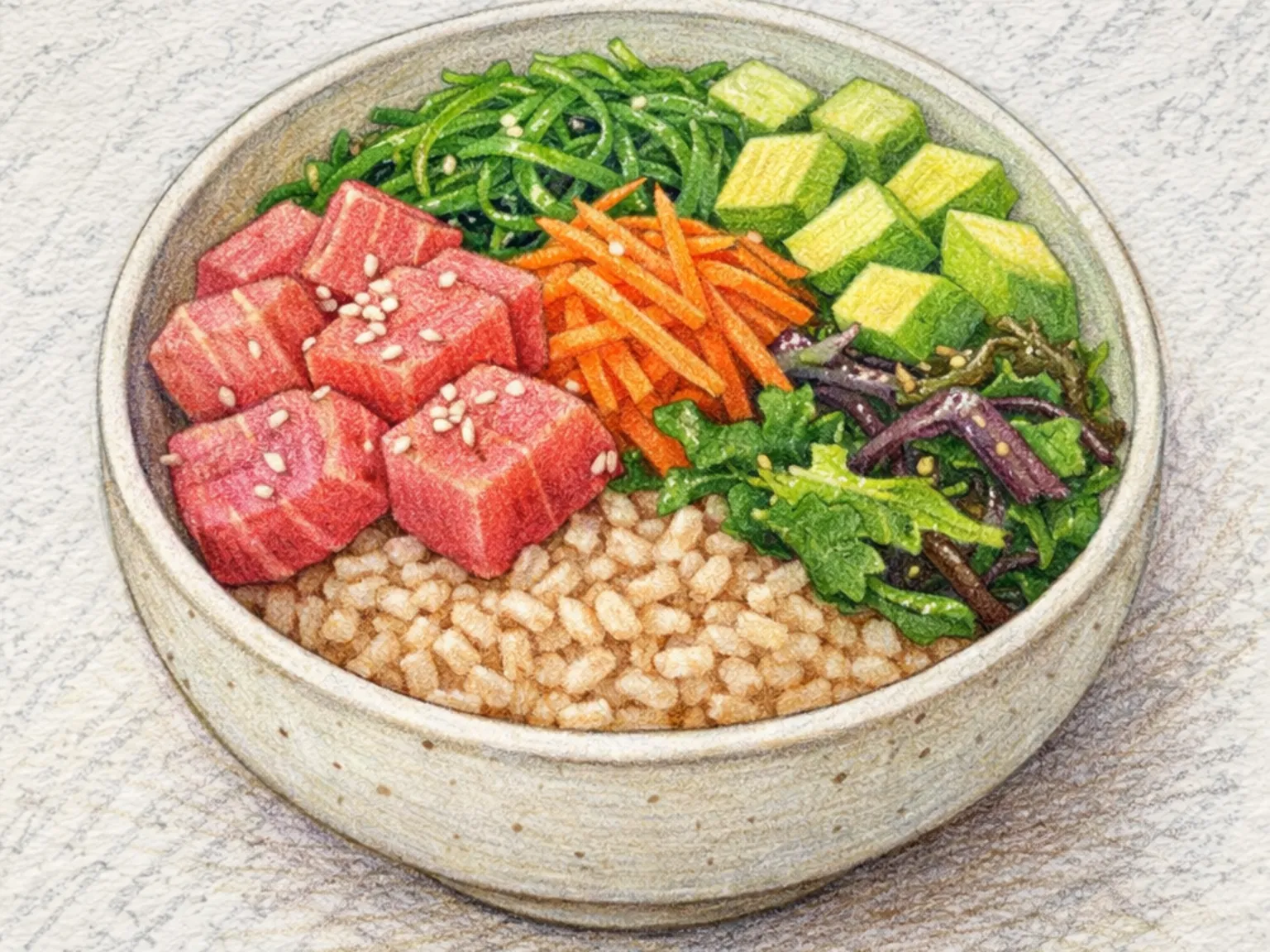
Sashimi-grade tuna is cubed and kept well chilled before being arranged over brown rice in a Korean-inflected poke bowl. The sauce combines soy sauce, sesame oil, and gochujang, layering savory heat onto the tuna's clean fat. Sliced avocado contributes creamy richness, seaweed salad adds a slippery oceanic note, and thinly cut cucumber provides a cool, crisp contrast. Brown rice serves as the sturdy, slightly nutty base that anchors the toppings and turns the bowl into a complete meal with protein, healthy fats, and whole grains in a single serving.
Adjust Servings
Instructions
- 1
Cut tuna into 1.5 cm cubes and keep chilled.
- 2
Thinly slice cucumber and slice avocado.
- 3
Mix soy sauce, sesame oil, and gochujang for a Korean-style sauce.
- 4
Place brown rice in bowls and arrange cucumber, avocado, seaweed salad, and tuna on top.
- 5
Drizzle sauce just before eating and gently mix everything together.
As an Amazon Associate, we may earn from qualifying purchases.
Tips
Nutrition (per serving)
More Recipes

Salmon Poke Bowl
Salmon poke bowl dices sashimi-grade salmon into 1.5-centimeter cubes and marinates them briefly in soy sauce and sesame oil for five minutes, then arranges the fish in sections over steamed rice alongside avocado, cucumber, edamame, and sliced green onion. The short soy marinade draws moisture from the salmon's surface just enough to tamp down any fishiness while amplifying umami, and sesame oil adds a glossy sheen with a toasted fragrance. Avocado's creamy fat cushions the firm, springy bite of the raw fish, while edamame contributes a nutty bean flavor and cucumber brings a cool crunch. Using only sashimi-grade salmon is essential for safe raw consumption.

Kimbap Salad Bowl (Without the rice)
This bowl deconstructs kimbap by arranging its signature fillings - spinach, carrot, pickled radish, and egg strips - without the rice wrapper. A simple sauce of soy sauce and sesame oil ties the components together with the same savory, nutty flavor profile found in traditional kimbap rolls. Seaweed flakes should be added only at the table to preserve their crispness and oceanic aroma. The pickled radish contributes enough salt and acidity to season the entire bowl without extra condiments, making it a satisfying low-carb alternative when a kimbap craving strikes.

Mushroom Spinach Warm Salad
Button mushrooms are seared over high heat for a caramelized crust, then spinach is added just long enough to barely wilt. Garlic bloomed in olive oil first ensures the entire pan carries its fragrance. A drizzle of balsamic vinegar lifts the dish with sweetness and acidity, and grated parmesan melts in for salty umami depth. The salad is best served immediately while the spinach holds its color and the mushrooms retain their springy bite, making it a quick side for weeknight dinners.

Ssamjang Tofu Kale Crunch Salad
Ssamjang tofu kale crunch salad sears firm tofu in olive oil for six to seven minutes until golden and crisp on the outside while staying tender within, then combines it with kale massaged with salt, shredded red cabbage, cucumber, and sliced almonds in a ssamjang-based dressing. The dressing blends ssamjang's fermented depth - a mix of doenjang and gochujang - with lemon juice, honey, and olive oil, layering umami, acidity, and gentle sweetness in a way that tempers kale's natural bitterness. Massaging the kale with salt before dressing breaks down its tough cell walls, making the leaves pliable and far more absorbent. Pressing moisture from the tofu thoroughly before pan-frying is what produces the crisp, golden crust rather than a pale, steamed surface.

Korean Tuna Stew
A quick weeknight stew built around a single can of tuna. The tuna's oil and flaked meat dissolve into the broth along with gochugaru and soup soy sauce, creating a brothy base that is both spicy and full of umami. Zucchini and onion contribute natural sweetness, tofu softens into the stock, and a cheongyang chili brings an extra kick of heat.

Korean Kimchi Rice Bowl (Stir-Fried Aged Kimchi over Steamed Rice)
Stir-frying aged kimchi drives off moisture and triggers caramelization, mellowing the sourness into a deeper, sweeter intensity. A splash of soy sauce and sesame oil adds salty nuttiness to the charred edges. Topped over plain rice with a single fried egg, this bowl is deceptively simple - yet using well-fermented kimchi (mukeunji) introduces layers of tangy complexity that elevate it beyond its minimal ingredient list. The entire dish comes together in under fifteen minutes, making it the go-to Korean rice bowl when the pantry is nearly bare.