Korean Mapo Tofu Rice Bowl
Rice Medium

Korean Mapo Tofu Rice Bowl

Quick answer

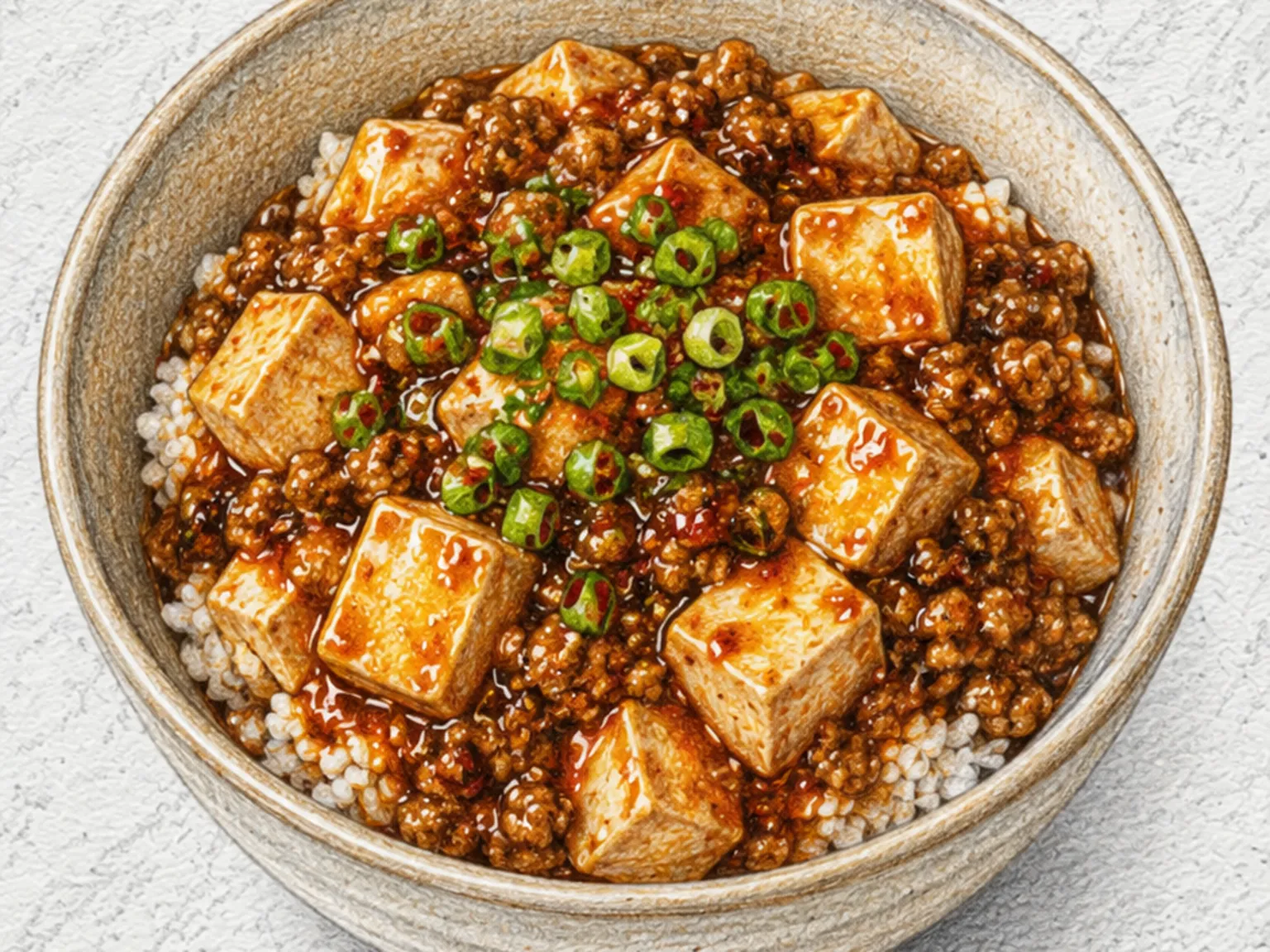
Soft tofu and ground pork are cooked in a Sichuan-inspired doubanjiang sauce, then ladled over steamed rice.

What makes this special

  • Blanching tofu in salted water helps the cubes stay intact during the spicy stir-fry for mapadubu-deopbap.
  • Tofu blanched in salted boiling water first to hold its shape during stir-frying
  • Fermented doubanjiang heat layers over the minced pork umami for depth
Total time
22 min
Level
Medium
Servings
2 servings
Ingredients
10
Calories
560 kcal
Protein
28 g

Key ingredients

Cooked riceSoft tofuGround porkGreen onionDoubanjiang

Core cooking flow

  1. 1 Cut 300 g soft tofu into 2 cm cubes. Blanch it in salted boiling water for 2...
  2. 2 Heat 2 tablespoons cooking oil in a pan over medium heat.
  3. 3 Add 1 tablespoon minced garlic and 1.5 tablespoons doubanjiang.

Soft tofu and ground pork are cooked in a Sichuan-inspired doubanjiang sauce, then ladled over steamed rice. Blanching the tofu in salted water firms it up so the cubes hold their shape through stir-frying. The fermented heat of doubanjiang builds layers of flavor alongside the pork, and a starch slurry thickens everything into a glossy sauce that clings to each grain of rice. A finishing drizzle of sesame oil rounds out the dish, and a pinch of Sichuan pepper adds authentic numbing heat. It can be served as a one-bowl meal, with simple accompaniments chosen to match the sauce, broth, or topping.

Prep 10min Cook 12min 2 servings

Instructions

Read the steps as a cooking flow: prep, heat, seasoning, doneness control, and finish.

6 steps
  1. 1
    Season

    Cut 300 g soft tofu into 2 cm cubes.

    Blanch it in salted boiling water for 2 minutes, then drain well and set it aside gently so the edges stay firm and the cubes do not break.

  2. 2
    Control

    Heat 2 tablespoons cooking oil in a pan over medium heat.

    Add 120 g ground pork and stir-fry for about 3 minutes, breaking it up, until no pink remains and the oil starts to look savory.

  3. 3
    Heat

    Add 1 tablespoon minced garlic and 1.5 tablespoons doubanjiang.

    Lower the heat slightly and cook for 1 minute, stirring constantly so the paste does not scorch and the oil turns red and fragrant.

  4. 4
    Control

    Pour in 1/2 cup water and bring it to a boil.

    Add the tofu, reduce to low heat, and simmer for 3 minutes, shaking the pan instead of stirring hard so the sauce coats the cubes.

  5. 5
    Season

    Season with 1 tablespoon soy sauce, then drizzle in 1 tablespoon starch slurry while the sauce is bubbling.

    Cook about 30 seconds more until glossy, lightly thickened, and loose enough to soak into rice.

  6. 6
    Finish

    Divide 2 cups cooked rice into bowls and spoon the mapo tofu generously over the top.

    Finish with 1 teaspoon sesame oil and 30 g green onion, then add Sichuan pepper if stronger numbing heat is desired.

After the steps

Pick a recipe that fits this dish.

Continue with shared ingredients, meal pairings, or a similar method.

Recipes That Go Well With This

More Rice →

Based on shared ingredients and meal pairing

Korean Soft Tofu Stew Rice Bowl
Shared ingredient: cooked short-grain rice Rice

Korean Soft Tofu Stew Rice Bowl

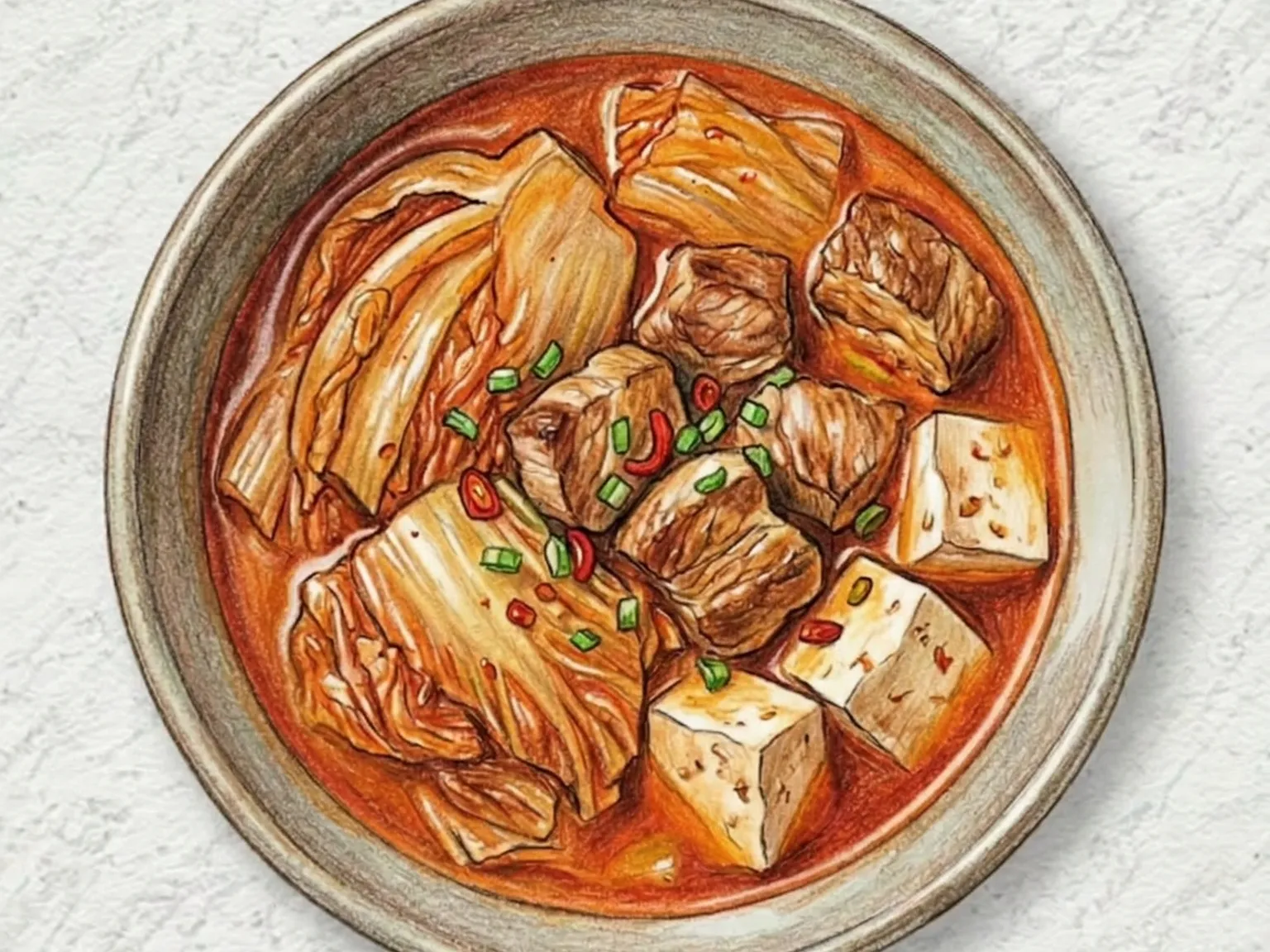
Fiery soft-tofu stew is cooked until bubbling and poured directly over a bowl of rice so the spicy broth seeps into every grain. The silky tofu breaks apart gently, creating pockets of creamy texture within the chili-laced soup. Cracking a raw egg into the simmering pot softens the heat and adds body to the broth. Variations with shrimp, clams, or pork each shift the base flavor in a different direction, making this a versatile single-bowl meal. Serving it soon after cooking keeps the intended texture clearer, while brief resting lets the sauce or broth settle into the dish.

Korean Spicy Dakgalbi Rice Bowl
Shared ingredient: cooked short-grain rice Rice

Korean Spicy Dakgalbi Rice Bowl

Dakgalbi deopbap serves the core flavors of Chuncheon's famous spicy chicken in a single rice bowl. Boneless chicken thigh is stir-fried alongside cabbage, onion, and green onion in a gochujang-based marinade balanced with sugar and a splash of soy sauce. The chicken is cooked over high heat throughout -- this creates a caramelized crust on the meat's surface and keeps the vegetables at a slight crunch rather than softening them completely. Sesame oil is added off the heat as a final step, contributing a toasty fragrance that rounds out the bold seasoning without overpowering it. At traditional dakgalbi restaurants in Chuncheon, the meal ends with fried rice made by mixing cooked rice directly into the residual sauce left on the hot iron plate -- this bowl captures that same moment in a format that can be made at home without a cast-iron griddle. The dish requires no banchan; the seasoned protein and vegetables together with the rice form a self-contained meal.

Korean Pickled Celtuce Stems
Serve together Side dishes

Korean Pickled Celtuce Stems

Gungchae is the dried stem of celtuce (Lactuca sativa var. asparagina), known in Chinese as wosun, and in Korea it carries the name meaning palace vegetable, reflecting its historical association with royal court cuisine. When rehydrated from its dried state, the stems regain a firm, almost cartilaginous crunch that is the defining quality of the ingredient and the entire reason to use it. Packed into sterilized glass jars, the stems are covered with a boiling brine of soy sauce, vinegar, sugar, and water poured in while still hot, which drives the seasoning into the outer layers while preserving the interior snap. The pickle is edible after a single day, but three days is when the balance of tangy, salty, and sweet flavors reaches its peak. Served alongside grilled meats or rich main dishes, the crisp texture and bright acidity cut through heaviness and refresh the palate between bites, making it a natural companion to oily or heavily seasoned Korean mains.

Korean Braised Tofu Rice Bowl
Similar recipe Rice

Korean Braised Tofu Rice Bowl

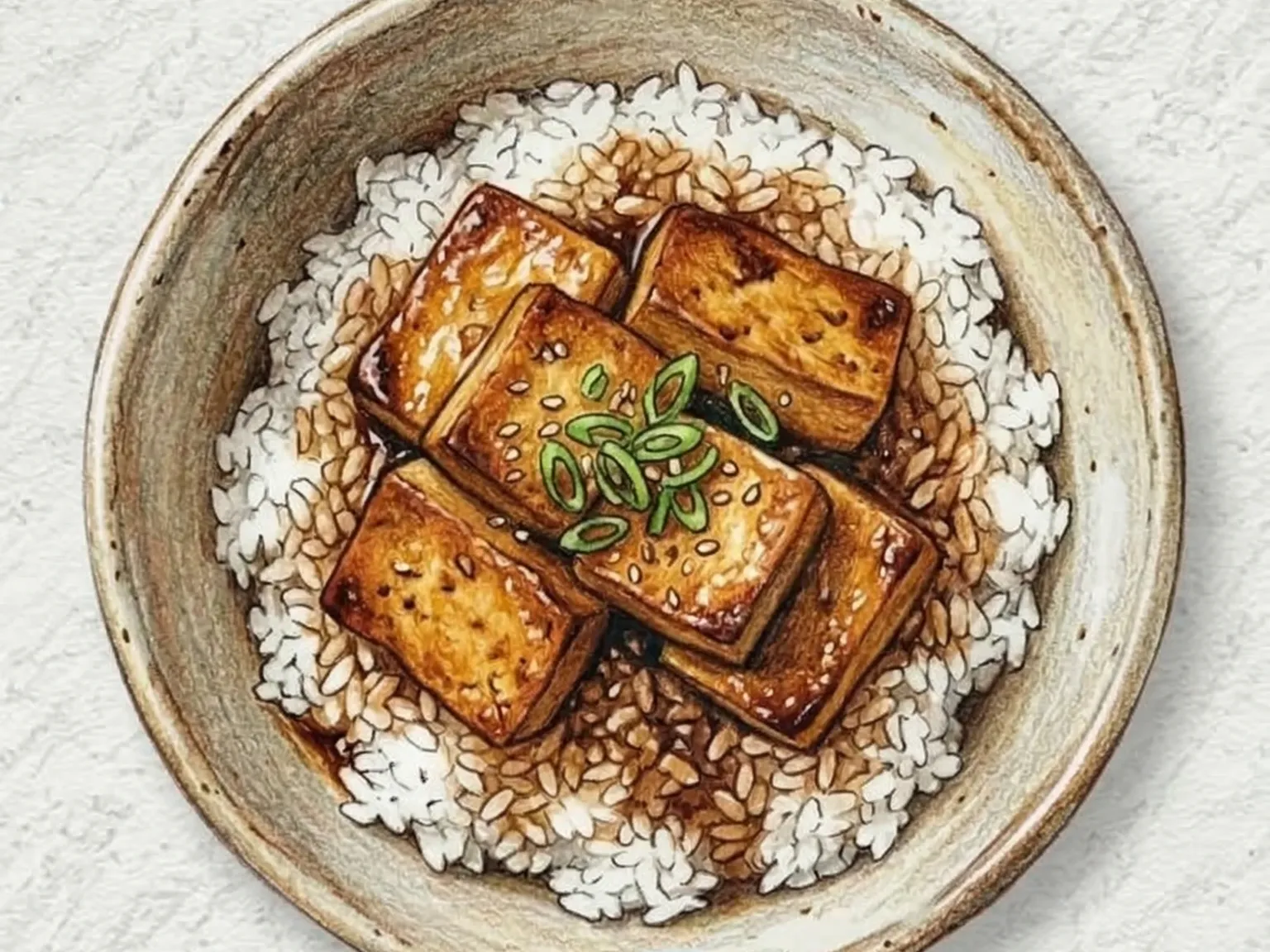
Dubu jorim deopbap places soy-braised tofu over a bowl of hot steamed rice, using the reduced braising glaze as the primary seasoning for the entire dish. Firm tofu is sliced into rectangles, patted dry to remove surface moisture, and pan-fried over high heat until a dense golden crust forms on both sides. This crust is essential - without it, the tofu absorbs the braising sauce too quickly and falls apart. With it, the exterior holds its structure while the interior slowly soaks up the seasoning from the inside out. The braising sauce is built from soy sauce, sugar, minced garlic, and a small amount of water. Sliced onion cooks alongside the tofu in the sauce, softening and dissolving into the liquid to contribute sweetness as the sauce reduces to a sticky, mahogany-colored glaze. Cheongyang chili, sliced on the bias, introduces a sharp clean heat that cuts through the sweetness of the sauce. Green onion goes in last, just before plating, to keep its fragrance intact. The finished sauce is spooned over the rice along with the tofu, where it seeps into each grain and ensures that flavor remains consistent from the first bite to the last. The dish stands on its own without additional side dishes and provides a practical source of plant protein for vegetarian meals.

Serve with this

Korean Dongchimi Radish Water Kimchi
Kimchi Easy

Korean Dongchimi Radish Water Kimchi

Dongchimi is a Korean radish water kimchi made by salting whole Korean radishes, then submerging them with Asian pear, garlic, ginger, scallions, and green chili in a clean saltwater brine for several days of cold fermentation. As the radish starch breaks down through lactic fermentation, the brine develops a natural effervescence and bright, refreshing acidity. Pear lends a gentle fruit sweetness, and ginger sharpens the finish. The clear, chilled broth can be drunk on its own as a palate cleanser or used as a base for cold noodle dishes in winter, cutting through the richness of grilled meats and heavy stews. Dongchimi is traditionally prepared alongside napa kimchi during the late-autumn kimjang season. It requires at least three to five days of cool fermentation before the carbonation develops properly. Choosing medium-sized, firm radishes over small ones preserves a crisp texture for longer. Once fully fermented, the brine keeps well under refrigeration for two to three weeks.

🏠 Everyday 🍱 Lunchbox
Prep 30min Cook 5min 4 servings
Korean Beef and Taro Stem Soup
Soups Medium

Korean Beef and Taro Stem Soup

Torandae soegogi-guk pairs rehydrated taro stems with beef brisket in a clear, soy-seasoned broth. The brisket is simmered until it yields a clean yet deeply flavored stock, with surface fat skimmed periodically to keep the liquid transparent. Taro stems, soaked until pliable, are added to the broth and cooked until they drink in the beefy liquid - each bite releases a rush of savory juice, while the stems' stubborn fibers maintain a chewy resistance that contrasts with the fork-tender meat. Soup soy sauce tints the broth a light amber and adds umami without heaviness, and minced garlic provides a quiet warmth in the background. Sliced scallion goes in at the end for freshness. The shredded brisket is typically arranged on top as a garnish, so each bowl delivers a balanced combination of tender meat, textured stems, and aromatic broth. It is a homestyle soup that benefits from simplicity, letting the interplay between the two main ingredients speak for itself.

🏠 Everyday 🥗 Light & Healthy
Prep 20min Cook 35min 4 servings
Korean Silken Tofu Seafood Stew
Stews Easy

Korean Silken Tofu Seafood Stew

Sundubu haemul jjigae is a seafood soft tofu stew that combines silken tofu with shrimp and Manila clams in an anchovy stock seasoned with gochujang and Korean chili flakes. The aromatics are stir-fried in sesame oil first to build a deeper base before the stock is added. As the shrimp and clams cook through, they release their own briny juices into the spicy broth and push the umami noticeably higher. An egg cracked in at the end binds gently with the silken tofu, adding richness and a slight body to the broth. Deveining the shrimp and removing the back intestine keeps the flavor clean, and soaking the clams in lightly salted water beforehand purges any sand that would otherwise cloud the stock.

🏠 Everyday ⚡ Quick
Prep 15min Cook 15min 2 servings

Similar recipes

Korean Chicken Mayo Rice Bowl
Rice Easy

Korean Chicken Mayo Rice Bowl

Chikin mayo deopbap is a Korean rice bowl topped with pan-fried chicken breast glazed in a sweet-salty soy sauce and finished with a generous drizzle of mayonnaise. The chicken is cooked over medium-high heat until the exterior turns golden and slightly crisp while the inside stays moist. A soy sauce and sugar glaze added near the end caramelizes around each piece, creating a sticky coating that clings well. The mayonnaise adds creaminess and a mild tang that balance the saltiness of the glaze; when it hits the warm chicken and rice, it loosens slightly into a sauce that seeps down through the bowl. With only a handful of everyday ingredients and around fifteen minutes of cooking time, it matches the convenience of a packaged lunch box while delivering noticeably better flavor and texture.

🍱 Lunchbox ⚡ Quick
Prep 12min Cook 15min 2 servings
Korean Bunsik Kimchi Bokkeumbap (Kimchi Fried Rice)
Street food Easy

Korean Bunsik Kimchi Bokkeumbap (Kimchi Fried Rice)

Bunsik-style kimchi fried rice starts by making scallion oil from green onions, then stir-frying well-fermented kimchi to drive off moisture before seasoning with gochujang and soy sauce and tossing in day-old rice. The scallion oil lays a nutty base across the rice, and the aged kimchi's sharp acidity layers with the gochujang's heat to build depth. Cold leftover rice fries without turning mushy, keeping individual grains distinct, and the dish is topped with seaweed flakes and a runny fried egg. A small amount of sugar can be added if the kimchi's sourness is overpowering.

🧒 Kid-Friendly 🌙 Late Night
Prep 10min Cook 15min 2 servings
Korean Spicy Braised Tofu
Stir-fry Easy

Korean Spicy Braised Tofu

Spicy dubu-jorim pan-sears firm tofu slabs cut 1.5 centimeters thick until golden on both sides, then braises them in a sauce of soy sauce, gochugaru, garlic, and sugar. Searing first firms the tofu so it holds its shape through the eight-minute simmer, during which onion and green onion cook alongside in the reducing liquid. The chili flakes deliver a direct, persistent heat that penetrates the tofu as the sauce thickens, balanced by the sugar's sweetness. A final circle of sesame oil ties the flavors together with a roasted, nutty aroma.

🏠 Everyday 🍱 Lunchbox
Prep 10min Cook 15min 2 servings

Tips

Blanching tofu in salt water helps it hold its shape.
A pinch of Sichuan pepper adds authentic numbing heat.

Nutrition (per serving)

Calories
560
kcal
Protein
28
g
Carbs
58
g
Fat
24
g