Moroccan Carrot Chickpea Salad

Moroccan Carrot Chickpea Salad

Quick answer

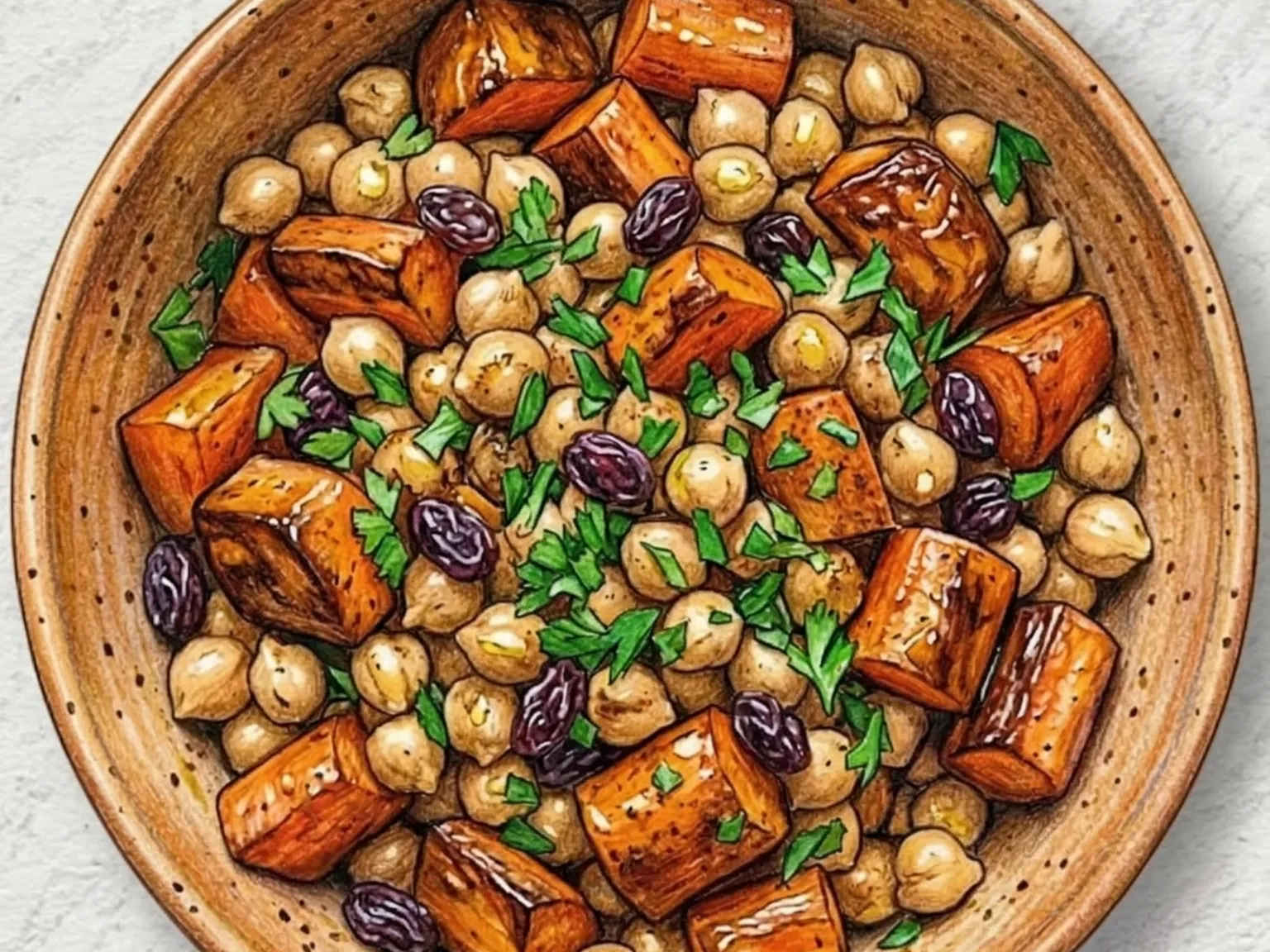
Carrots are roasted with cumin and paprika until the edges caramelize while the centers stay tender and sweet.

What makes this special

  • Moroccan Carrot Chickpea Salad relies on cumin-roasted carrots and a lean lemon vinaigrette.
  • Cumin-and-paprika-roasted carrots brown outside while staying sweet inside
  • Raisins scattered through echo Morocco's sweet-salty balance with fruit-like sweetness
Total time
25 min
Level
Easy
Servings
2 servings
Ingredients
8
Calories
340 kcal
Protein
11 g

Key ingredients

carrotchickpeasraisinsparsleylemon juice

Core cooking flow

  1. 1 Preheat the oven to 200°C. Cut 250 g carrots into thick julienne strips or s...
  2. 2 Toss the carrots with part of the olive oil, 1 tsp ground cumin, and part of the salt.
  3. 3 Spread the carrots in one layer and roast for 18-22 minutes.

Carrots are roasted with cumin and paprika until the edges caramelize while the centers stay tender and sweet. Cooked chickpeas add enough protein to make the salad substantial on its own. A lean dressing of lemon juice and olive oil tempers the warm spice notes with bright acidity, while raisins tucked throughout provide pockets of fruity sweetness. Chopped parsley lifts the bowl with fresh herbal contrast. The sweet-savory balance characteristic of Moroccan cooking makes this versatile alongside bread, rice, or grilled meat.

Prep 20min Cook 5min 2 servings

Instructions

Read the steps as a cooking flow: prep, heat, seasoning, doneness control, and finish.

6 steps
  1. 1
    Prep

    Preheat the oven to 200°C.

    Cut 250 g carrots into thick julienne strips or small batons, keeping them sturdy enough so the edges brown without the thin ends burning.

  2. 2
    Season

    Toss the carrots with part of the olive oil, 1 tsp ground cumin, and part of the salt.

    If cumin tastes strong to you, start with 1/2 tsp and adjust after roasting.

  3. 3
    Step

    Spread the carrots in one layer and roast for 18-22 minutes.

    Turn them once halfway through, then remove them when the edges are lightly browned and the centers are tender.

  4. 4
    Step

    Rinse 180 g chickpeas and drain them very well.

    If they still look wet, pat them lightly with a towel so the dressing does not turn watery in the bowl.

  5. 5
    Season

    Whisk 2 tbsp lemon juice with the remaining olive oil and remaining salt to make the dressing.

    Add the warm carrots, chickpeas, and 30 g raisins while the carrots can still absorb flavor.

  6. 6
    Finish

    Add 3 tbsp chopped parsley and toss gently so the carrots keep their shape.

    Let the salad rest for 10 minutes, taste for salt and lemon, then serve warm or chilled.

After the steps

Pick a recipe that fits this dish.

Continue with shared ingredients, meal pairings, or a similar method.

Recipes That Go Well With This

More Salads →

Based on shared ingredients and meal pairing

Roasted Cauliflower Tahini Salad
Shared ingredient: parsley Salads

Roasted Cauliflower Tahini Salad

Cauliflower florets reach a specific texture and flavor profile when roasted in a mixture of olive oil and salt. This process continues in the oven until the edges of the vegetable turn a deep golden brown. This dry heat method creates a transformation that is distinct from moist heat methods like steaming or boiling. High oven temperatures trigger caramelization and the Maillard reaction, which together extract a nutty and slightly sweet complexity from the cauliflower. This development is significant because the vegetable is otherwise quite mild and neutral in its raw or boiled state. The concentrated flavor resulting from roasting provides the necessary foundation for the tahini dressing. Because the dressing is thick and carries a heavy sesame richness, it requires the caramelized depth of the roasted cauliflower to act as a balance. Without this roasting process, the dressing might easily overpower a vegetable that has not developed its own strong character. The preparation of the sauce involves whisking tahini paste with fresh lemon juice and minced garlic. This mixture is stirred until it becomes smooth. The acidity from the lemon juice is essential here as it cuts through the density of the sesame paste. This ensures the final sauce remains bright on the palate instead of feeling heavy or overly thick. To complete the dish, large amounts of chopped flat-leaf parsley are scattered over the top. This addition introduces a vivid green color and a clean herbal quality that serves to offset the richness of both the tahini and the oil used during the roasting process. A light dusting of cumin or smoked paprika can be applied as a final step to sharpen the Middle Eastern characteristics of the salad. The final result presents a series of layered flavors including the toasted sesame from the tahini, the caramelized edges of the cauliflower, the sharp acid of the lemon, and the clean finish provided by the parsley. Each of these components acts as a distinct note within the overall composition. This combination is a common staple in Middle Eastern culinary traditions. It functions well when served alongside flatbread or as an accompaniment to grilled portions of meat or fish.

Freekeh Herb Salad (Smoky Roasted Wheat & Fresh Herbs)
Shared ingredient: parsley Salads

Freekeh Herb Salad (Smoky Roasted Wheat & Fresh Herbs)

Freekeh is an ancient Middle Eastern grain produced by harvesting wheat while the grain is still immature and green, then roasting the harvested stalks over an open fire. The outer chaff burns away while the moist interior of each grain survives the flame, and it is this controlled scorching that gives freekeh its defining characteristic: a pronounced smoky aroma layered over the nutty, grassy quality of young wheat. When boiled, the grains hold their shape and retain a firm chew that standard wheat varieties lose after cooking, making freekeh particularly suited to salads that must hold up at room temperature. In this preparation, the cooked grain is combined with generous quantities of fresh parsley, mint, and dill, whose cool, bright flavors complement rather than compete with the smoke. A dressing of fresh lemon juice and extra-virgin olive oil is enough to bring the bowl together, as the grain itself provides sufficient depth without a complex sauce. Diced cucumber and halved cherry tomatoes add moisture and acidity, and crumbled feta cheese contributes salt and a creamy richness that ties the components into a coherent whole. The salad benefits from resting for at least an hour before serving, as the dressing absorbs into the grain and the herb and grain flavors gradually merge.

Red Lentil Soup
Serve together Western

Red Lentil Soup

Red lentil soup is a Middle Eastern and Mediterranean staple made by simmering red lentils with cumin, turmeric, and vegetable stock until the lentils dissolve into a silky, golden broth. Onion and garlic are sauteed in olive oil, then the ground spices are toasted briefly to bloom their earthy, warm aromatics into the fat, which flavors the entire pot. Red lentils require no soaking - they go straight into the stock and break down within twenty to twenty-five minutes, their skins splitting apart to create a naturally creamy texture without the need for blending. A generous squeeze of lemon juice at the end is essential, cutting through the heaviness of the spices with a bright, clean acidity. A final drizzle of olive oil over each bowl adds a layer of richness that deepens every spoonful.

Falafel Salad Bowl
Similar recipe Salads

Falafel Salad Bowl

A falafel salad bowl arranges crisp, herb-packed chickpea fritters over a bed of mixed greens or grains alongside chopped cucumber, tomato, red onion, and pickled vegetables. The falafel are made from soaked raw chickpeas blended with parsley, cilantro, cumin, and garlic, then fried or baked until the exterior turns deeply golden while the interior stays bright green and moist. A generous drizzle of tahini dressing ties the bowl together with its nutty, slightly bitter sesame character, and a squeeze of fresh lemon lifts the entire dish. Adding cooked quinoa, bulgur, or couscous underneath turns it into a filling one-bowl meal. Each bite moves between crispy falafel, crunchy raw vegetables, and creamy dressing, so no two forkfuls feel the same. Originating across the Middle East, falafel has become an internationally recognized symbol of plant-based cooking, and this bowl format balances protein and fiber in a well-rounded single serving.

Serve with this

Kongguksu-Style Cold Linguine
Pasta Easy

Kongguksu-Style Cold Linguine

Kongguksu-style cold linguine reinterprets Korea's chilled soy noodle soup using Italian linguine in place of traditional wheat noodles. Unsweetened soy milk is blended with toasted sesame seeds and peanut butter into a thick, nutty cold broth poured directly over the pasta at serving. The linguine is cooked al dente and immediately shocked in ice water to firm up the texture and chill it completely before the broth goes on. Julienned cucumber and halved cherry tomatoes scatter on top for fresh crunch and color. Salt and sugar are adjusted at the end to balance the broth's natural bean flavor against the richness from the peanut butter. The full preparation takes about ten minutes, with stovetop time limited strictly to boiling the pasta, which makes it one of the more practical cold dishes to assemble in summer heat. Adding more peanut butter thickens the broth further, while extra sesame seeds push the nuttiness higher.

🥗 Light & Healthy ⚡ Quick
Prep 20min Cook 10min 2 servings
Cantonese Steamed Fish
Asian Easy

Cantonese Steamed Fish

Cantonese steamed fish - ching jing yu - is the clearest expression of the Cantonese philosophy of letting premium ingredients speak for themselves with minimal interference. The technique requires the freshest possible whole fish - sea bass, grouper, or pomfret are the standard choices - because steaming conceals nothing. Any fish that is even slightly past its peak will betray itself the moment it comes off the heat. The fish is scored on both sides to allow even heat penetration, placed on a plate with thin ginger slices tucked underneath and inside the cavity to neutralize any fishiness, then steamed over vigorously boiling water for exactly eight to ten minutes depending on thickness. Even one minute of overcooking transforms the silky, translucent flesh into something dry and dull - timing is the entire technique. The moment the fish leaves the steamer, all accumulated liquid on the plate must be poured off immediately, because that liquid carries concentrated fishiness that would spoil the clean finish. A generous pile of julienned scallion and fresh ginger is arranged on top, then a ladle of oil heated until just beginning to smoke is poured directly over the aromatics. The sizzling releases their fragrance in a single burst that infuses the fish. Seasoned soy sauce and a few drops of sesame oil complete the dish. In Cantonese banquet culture, the steamed fish course is typically the most expensive item on the table, with guests selecting a live fish directly from the restaurant tank.

🥗 Light & Healthy ⚡ Quick
Prep 15min Cook 12min 2 servings
Korean Grilled Gizzard Shad
Grilled Easy

Korean Grilled Gizzard Shad

Jeoneo-gui is a grilled gizzard shad dish that captures the best of autumn, when this small fish is at peak fat content and flavor. The fish is scored on both sides with close, shallow cuts, rubbed with coarse salt, and left to rest for ten minutes before grilling. The resting time allows surface moisture to draw out, which reduces fishiness and creates the conditions for a properly crisp skin over a hot pan or grill. Gizzard shad has numerous fine, small bones that make the raw fish awkward to eat, but scoring densely and cooking over high heat softens the bones through heat, allowing the entire fish to be eaten without picking. A ginger soy dipping sauce - minced ginger, soy sauce, rice vinegar, and sliced cheongyang chili - accompanies the fish to cut through its notable oiliness, with the sharp ginger note neutralizing the fishy aroma. Autumn gizzard shad is so prized in Korea that the proverb says its grilling smell is enough to bring a daughter-in-law back home.

🍺 Bar Snacks 🏠 Everyday
Prep 15min Cook 12min 2 servings

Similar recipes

Fattoush Salad (Crispy Pita & Sumac Veggie Salad)
Salads Easy

Fattoush Salad (Crispy Pita & Sumac Veggie Salad)

Fattoush is a Levantine bread salad in which crisped pita chips are as important as the vegetables surrounding them, providing a textural anchor that elevates the dish beyond a simple green salad. Tomatoes, cucumber, radishes, and romaine are cut into generous pieces and tossed with a dressing of lemon juice, olive oil, and ground sumac. Sumac brings a flavor that resists easy comparison - a tart, fruity sourness distinct from lemon and unrelated to vinegar - and its reddish hue stains the dressing a deep rose color that coats every surface. Added to lemon juice, sumac creates a layered acidity with more dimension than either ingredient alone. Pita chips must be added immediately before serving and eaten without delay, because the juicy vegetables and dressing begin softening them within minutes. The ideal bite captures both the residual crunch at the center of the chip and the moistened, flavor-soaked edge. Fresh mint and flat-leaf parsley contribute a clean herbal brightness that lifts the heavier elements of the dressing. Pomegranate seeds scattered over the top add bursts of sweet-tart juice and a jewel-like visual contrast that is characteristic of Levantine presentation.

🥗 Light & Healthy ⚡ Quick
Prep 15min Cook 8min 2 servings
Korean Fermented Kale Kimchi
Kimchi Medium

Korean Fermented Kale Kimchi

Kale kimchi is made by wilting kale leaves in coarse salt, then tossing them with julienned radish, scallions, gochugaru, soup soy sauce, and pear puree before fermenting. The kale's strong green flavor mellows during fermentation while its sturdy leaf structure maintains a satisfying chew, and the radish strips add a crisp counterpoint to the soft seasoning. Pear puree wraps around the chili heat with fruit sweetness, and soup soy sauce anchors the seasoning with a quiet umami depth. Made using the same technique as napa cabbage kimchi but carrying kale's distinctive slight bitterness, this version adds a layer of complexity and nutritional density to the traditional format. Kale requires less salting time than napa cabbage, and weighting it down evenly during the process ensures consistent wilting throughout the batch.

🍱 Lunchbox 🏠 Everyday
Prep 30min Cook 5min 4 servings
Korean Broccoli Doenjang Salad
Side dishes Easy

Korean Broccoli Doenjang Salad

Blanched broccoli tossed in doenjang dressing is a modern Korean banchan that pairs Western ingredients with traditional fermented seasoning. Florets and thinly sliced stems blanch for ninety seconds in salted boiling water, then shock in cold water to lock in vivid green color and a firm, crisp bite. The dressing is built from doenjang stirred with rice vinegar and oligosaccharide syrup, combining fermented salt depth, acidity, and a gentle natural sweetness that lifts rather than masks the vegetable's mild bitterness. Using the stems alongside the florets eliminates waste and adds textural variety to each bite. Ready in under ten minutes and holds well refrigerated for two days.

🥗 Light & Healthy 🏠 Everyday
Prep 10min Cook 5min 4 servings

Tips

Start with 1/2 tsp cumin if you prefer milder spice.

Nutrition (per serving)

Calories
340
kcal
Protein
11
g
Carbs
48
g
Fat
12
g