Korean Radish Rice (Julienned Radish Steamed with Short-Grain Rice)
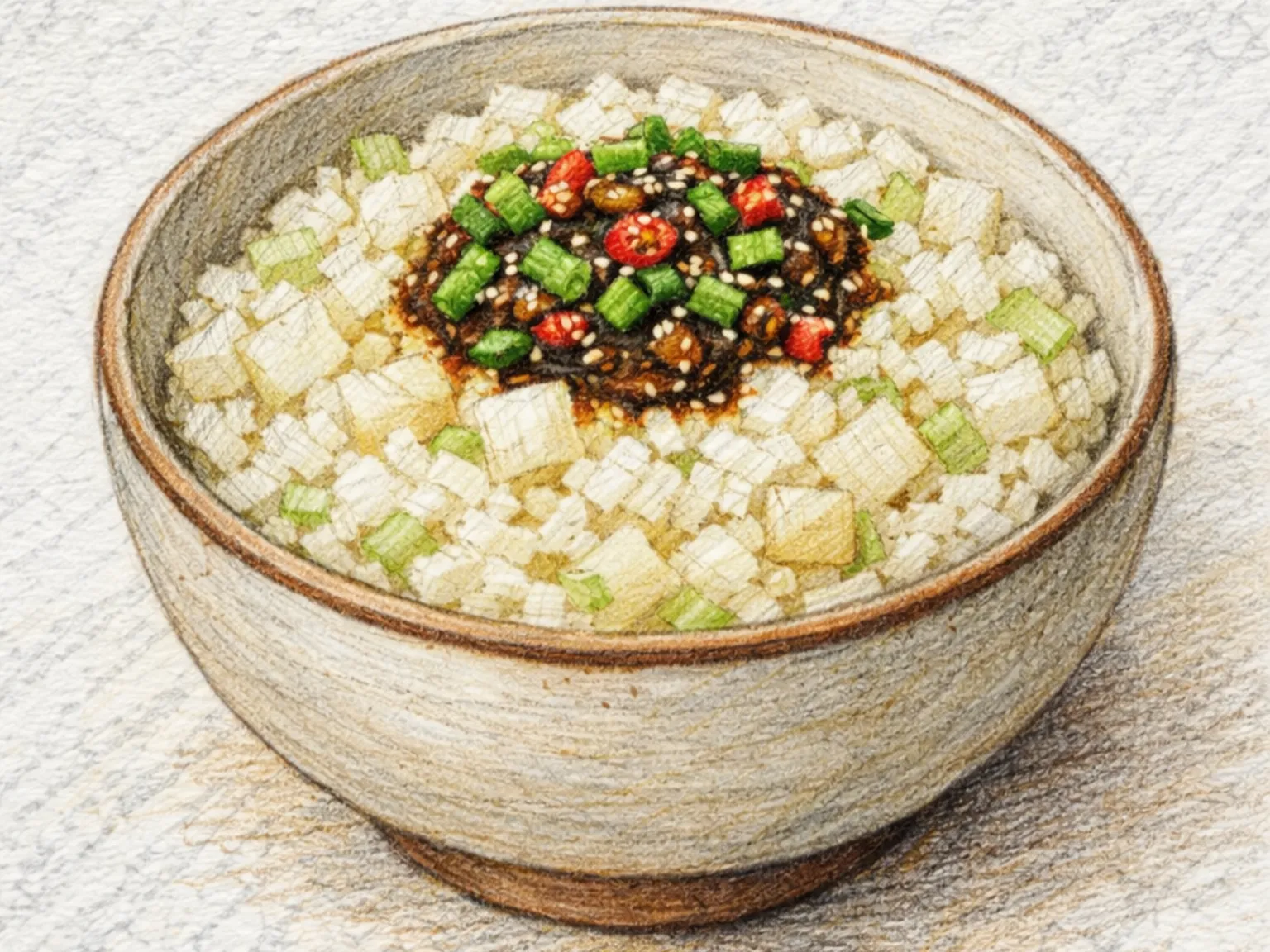
Mu-bap is Korean radish rice where finely julienned radish steams on top of rice, releasing its natural moisture and sweetness into every grain. The cooked radish-rice is then tossed with a seasoning sauce of soy sauce, sesame oil, chives, red pepper flakes, and sesame seeds right before eating to keep the texture fluffy. Cutting the radish into thin, even strips ensures it cooks at the same rate as the rice. Winter radish, which is at its peak sweetness, makes this simple dish especially flavorful.
Adjust Servings
Instructions
- 1
Rinse rice, soak for 20 minutes, and drain.
- 2
Julienne the radish into thin strips.
- 3
Place rice in a pot, layer radish on top, and add water.
- 4
Bring to a boil on high, then cook on low for 12 minutes.
- 5
Turn off heat and let it steam-rest for 10 minutes.
- 6
Mix soy sauce, chives, chili flakes, sesame oil, and sesame seeds for seasoning sauce.
As an Amazon Associate, we may earn from qualifying purchases.
Tips
Nutrition (per serving)
More Recipes

Korean Oyster Rice (Winter Pot Rice with Plump Oysters)
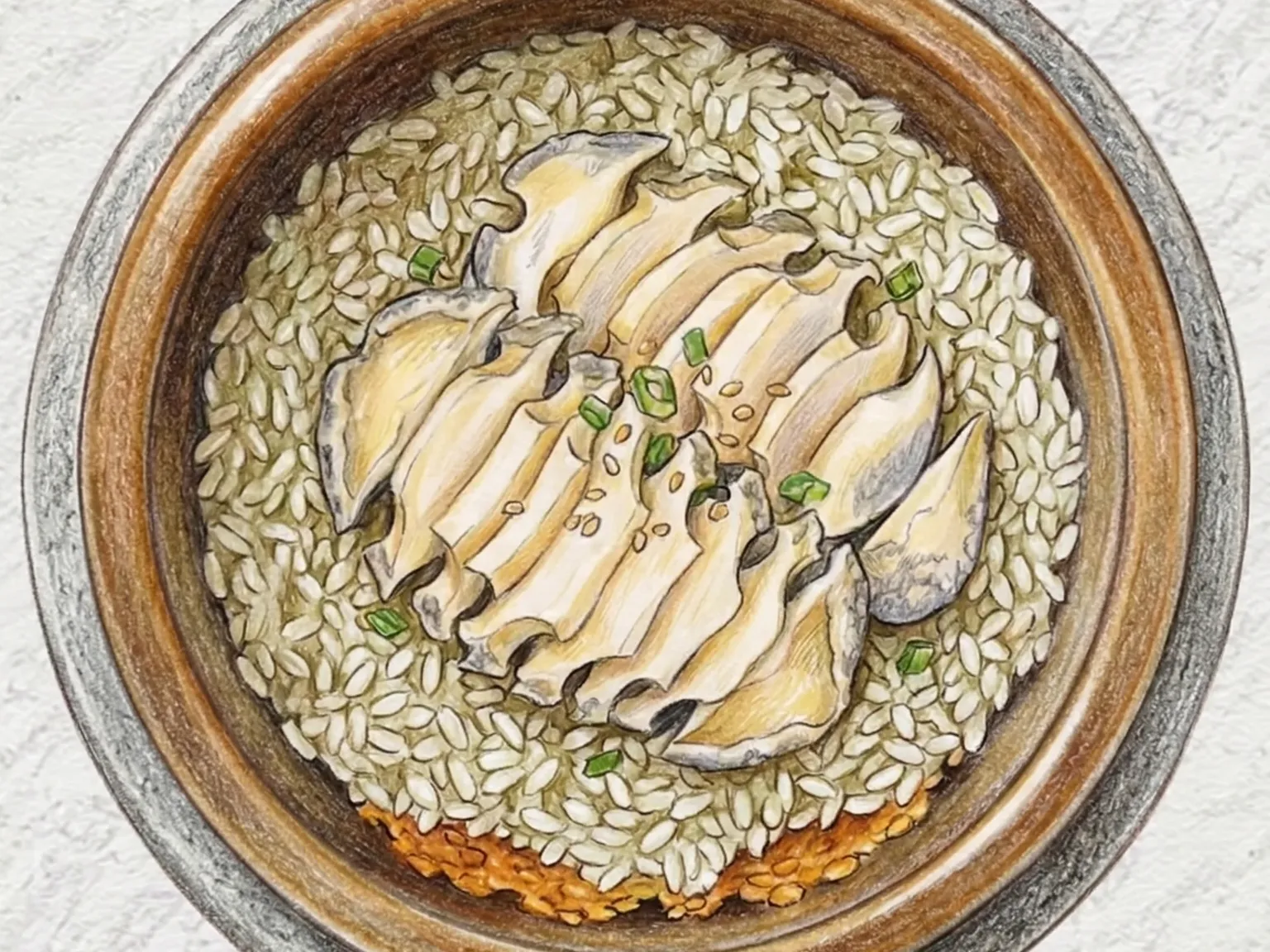
Plump winter oysters are steamed on top of rice during the final resting stage so they cook gently without shrinking or turning rubbery. Julienned Korean radish laid at the bottom of the pot prevents sticking and releases moisture and sweetness that subtly enrich the grains. The finished rice is served with a dipping sauce of soy sauce, sesame oil, red pepper flakes, and green onion, and mixing everything together lets the briny oyster juices merge with the sharp, nutty dressing. Timing the oysters to the very end of cooking is what keeps them tender and full-sized.

Deodeok Butter Rice Bowl (Korean Mountain Root)
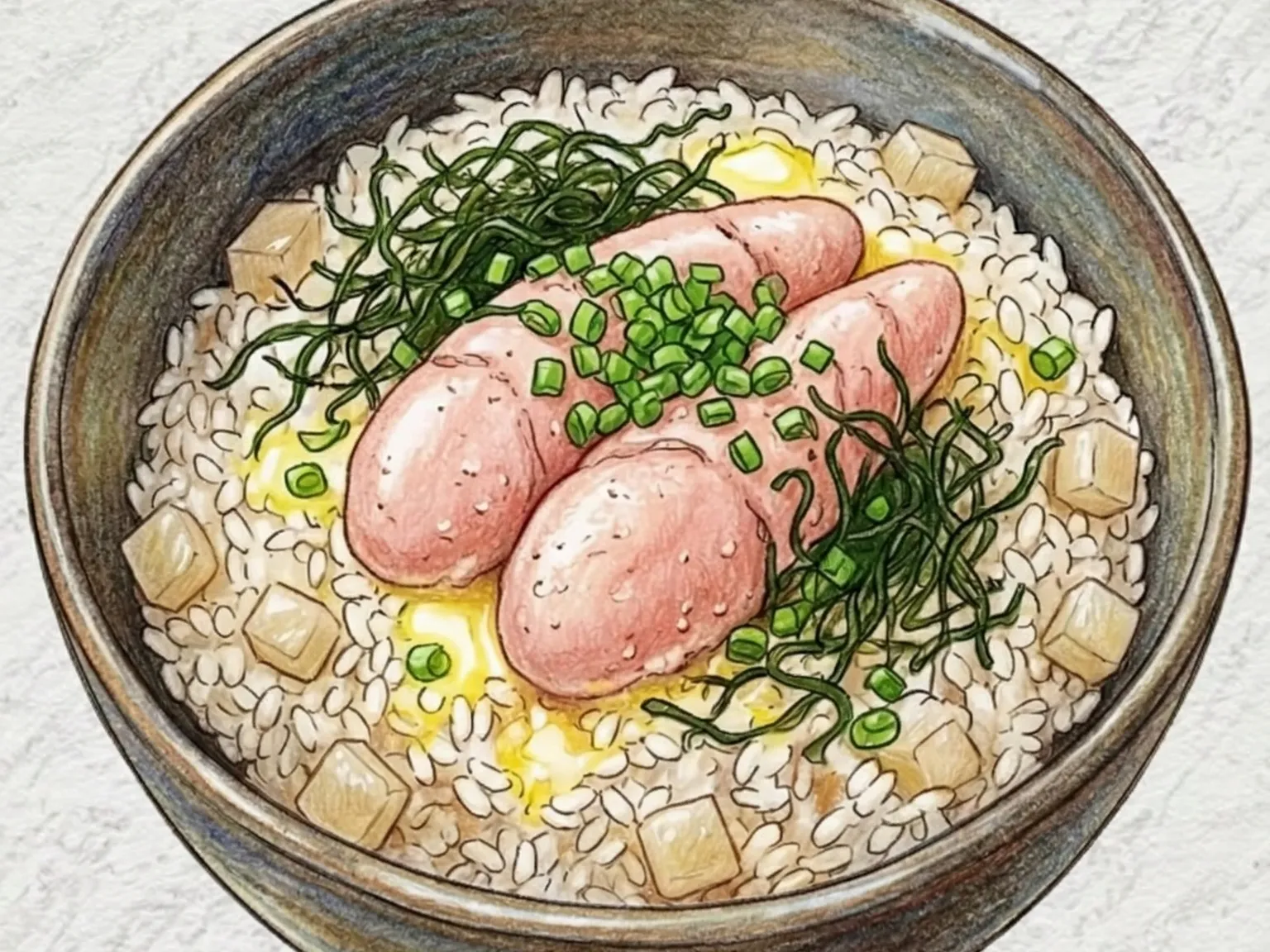
Buttery, soy-glazed deodeok (Korean mountain root) served over warm rice - earthy, aromatic, and ready in 35 minutes. The deodeok is peeled, lightly pounded to tenderize its fibers, then pan-seared in butter until golden. A mixture of soy sauce, oligosaccharide syrup, and garlic is poured over and reduced into a glossy coating that clings to each strip. The root's natural bittersweet aroma, which can be sharp when raw, softens against the butter's richness while remaining distinctly present. A final knob of butter stirred into the sauce just before plating adds a layer of velvety depth. The glazed deodeok sits on warm rice with the pan sauce spooned over, finished with chopped scallion and sesame seeds. The dish is at its best in spring when fresh deodeok is in season and the root's fragrance is most pronounced.

Korean Bean Sprout Rice (Pot-Steamed Rice with Soy Sprouts)
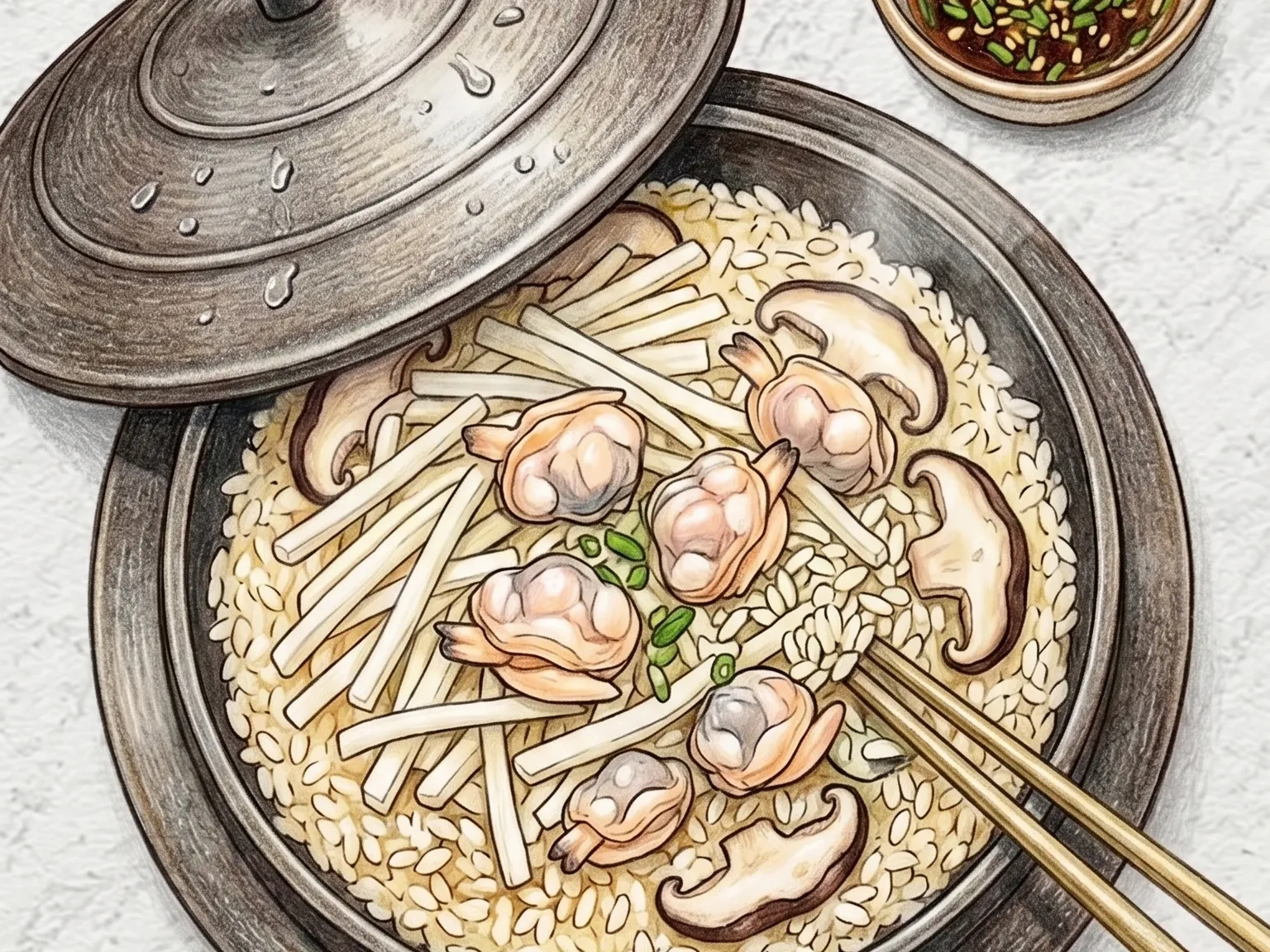
Washed bean sprouts are piled on top of soaked rice in a pot, then cooked together - the lid stays closed throughout to prevent a beany smell from developing. After fifteen minutes on low heat and five minutes of resting, the rice emerges with the sprouts steamed directly into it. A simple seasoning sauce of soy sauce, sesame oil, chili flakes, sliced green onion, and sesame seeds is mixed in at the table. The crunch of the sprouts against the soft rice creates a satisfying textural contrast, and the salty-sweet soy dressing ties everything together - proof that minimal ingredients can produce a deeply comforting Korean home meal.

Braised Korean Radish (Soy Garlic Slow-Cooked Side)
Mu-jjim is a Korean braised radish dish where thick-cut Korean radish is simmered slowly in a covered pot with soy sauce, sugar, and garlic. The radish absorbs the seasoned liquid as it cooks, turning translucent and developing a deep sweetness that balances the salty soy base. A drizzle of sesame oil at the end adds a nutty fragrance, and a single sliced green chili contributes a mild kick to the finish. Despite its simplicity, this is a satisfying everyday banchan that pairs naturally with rice throughout the year.

Korean Wild Chive Soy Butter Rice
Dallae ganjang butter bap is a Korean one-bowl meal that comes together in under ten minutes by folding melted butter, soy sauce, and wild chives into warm rice. The butter coats each grain with richness, soy sauce provides a salty backbone, and the wild chives - called dallae - introduce a sharp, garlicky bite that lifts the dish out of plainness. A raw egg yolk placed on top breaks into a golden sauce when stirred in, binding the ingredients into a cohesive, velvety mixture. The chives are best in spring when their pungency peaks, and they need only twenty seconds in the buttered pan to release their aroma without losing it to overcooking. With just a handful of pantry staples, this dish fills the gap on evenings when the refrigerator offers little else.

Korean Mushroom Pancake (Crispy Shiitake and King Oyster Jeon)
Beoseot-jeon is a Korean mushroom pancake made by slicing king oyster and shiitake mushrooms thin, coating them in a light batter of Korean pancake mix, egg, and water, then pan-frying until golden. King oyster mushrooms contribute a firm, chewy bite from their thick stems, while shiitake caps trap batter in their natural ridges, creating extra-crispy edges. The key is to keep the batter coating thin so the earthy mushroom flavor comes through clearly, and to blot the sliced mushrooms dry before mixing-excess moisture makes the pancake soggy instead of crisp. Dipping in cho-ganjang, a mix of soy sauce and vinegar, brings out the mushrooms' natural umami.