Multigrain Salad
Salads Medium

Multigrain Salad

Quick answer

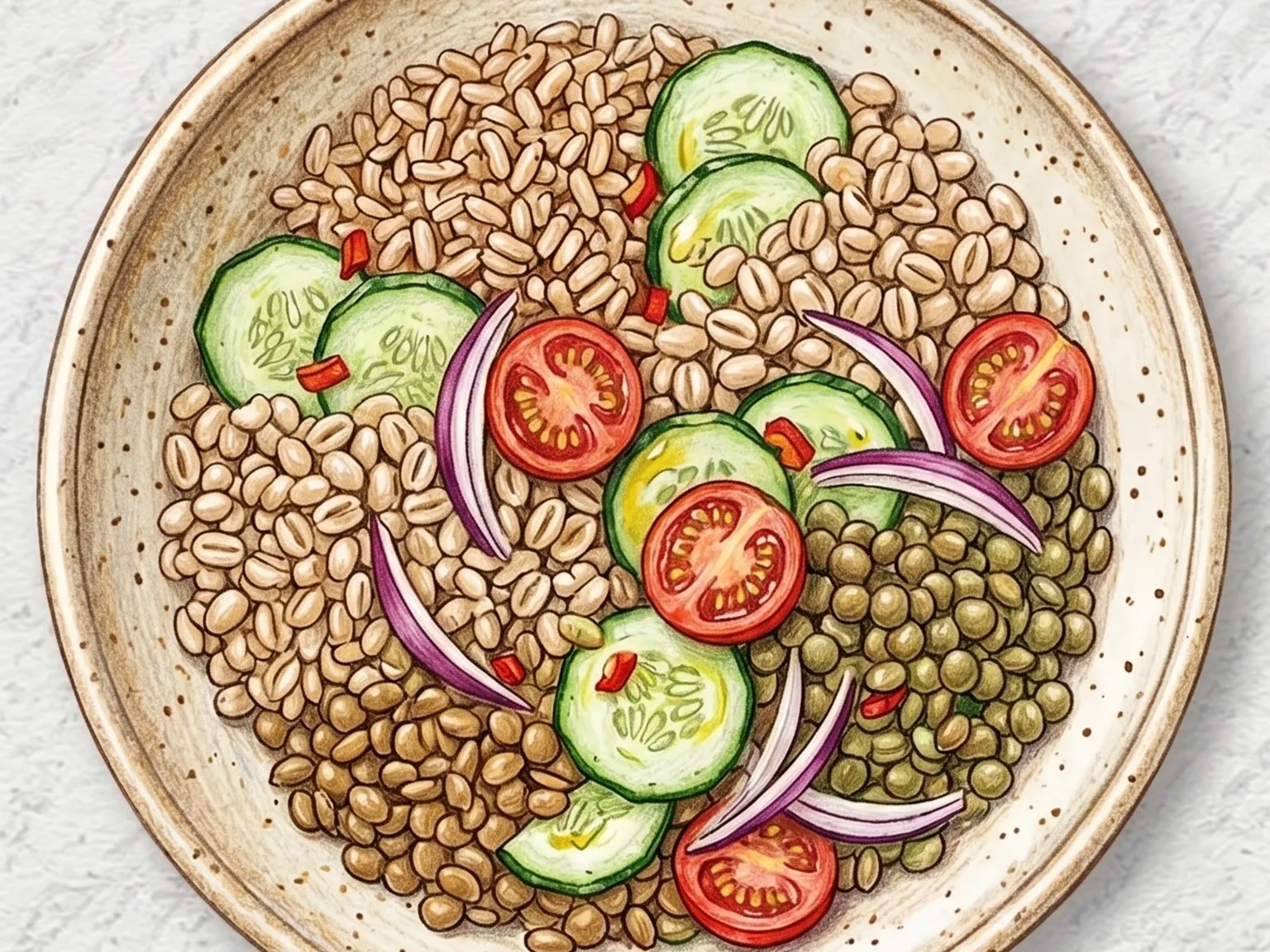
Brown rice, barley, and lentils are each boiled separately and cooled before being combined, so that every grain contributes its own distinct size and texture to the finished bowl.

What makes this special

  • Multigrain Salad features brown rice, barley, and lentils cooked for distinct, individual textures.
  • Brown rice, barley, and lentils cooked separately each keep their own distinct texture
  • Perilla oil and apple vinegar dressing wraps grains in nutty, lightly acidic flavors
Total time
38 min
Level
Medium
Servings
4 servings
Ingredients
8
Calories
290 kcal
Protein
11 g

Key ingredients

Cooked brown riceCooked barleyCooked lentilsCucumberRed onion

Core cooking flow

  1. 1 Make sure the cooked brown rice, barley, and lentils are completely cool before mixing.
  2. 2 Cut the cucumber into thin strips and slice the red onion finely.
  3. 3 Halve the cherry tomatoes so their juice can help season the bowl.

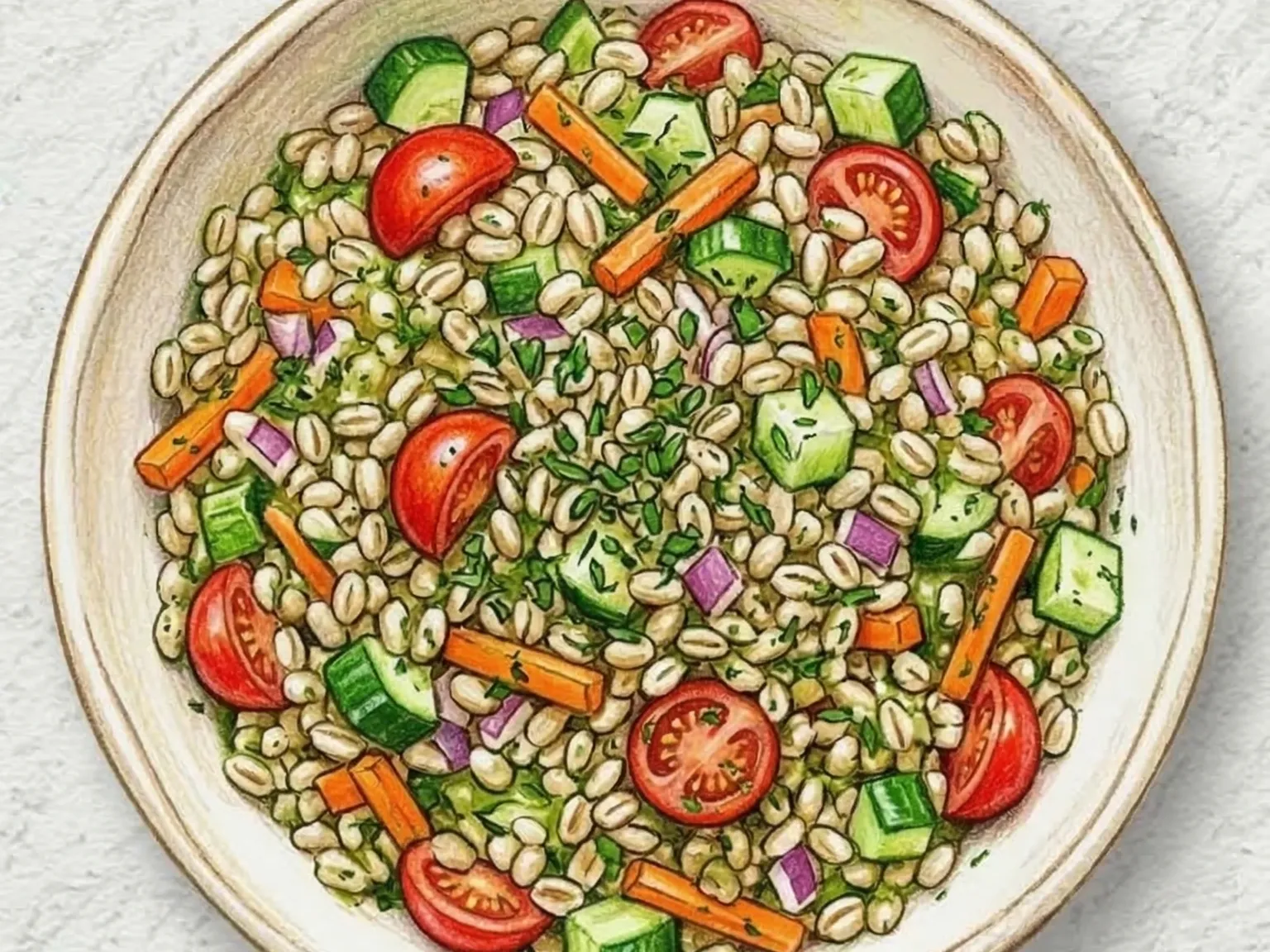
Brown rice, barley, and lentils are each boiled separately and cooled before being combined, so that every grain contributes its own distinct size and texture to the finished bowl. The brown rice stays chewy, the barley holds a thick bite, and the lentils offer a soft give that rounds out the contrast. Julienned cucumber and red onion introduce crunch and a mild sharpness that keep the heavier grains from feeling dense. Halved cherry tomatoes release juice as a natural supplement to the dressing, and a mixture of perilla oil and apple cider vinegar ties the bowl together with nuttiness and clean acidity. Adding sliced red chili or diced bell pepper extends the color and sweetness without changing the character of the dish. It holds well at room temperature, which makes it practical for meal prep and packed lunches. The combination of dietary fiber and plant protein means a moderate portion keeps hunger at bay for several hours.

Prep 18min Cook 20min 4 servings
Recipes by ingredient → cucumber perilla oil

Instructions

Read the steps as a cooking flow: prep, heat, seasoning, doneness control, and finish.

6 steps
  1. 1
    Heat

    Make sure the cooked brown rice, barley, and lentils are completely cool before mixing.

    If any grains still feel warm, spread them on a tray for about 20 minutes so the vegetables stay crisp.

  2. 2
    Season

    Cut the cucumber into thin strips and slice the red onion finely.

    If the onion smells too sharp, soak it in cold water for 5 minutes, then drain well so it does not water down the salad.

  3. 3
    Season

    Halve the cherry tomatoes so their juice can help season the bowl.

    Add the cooled grains to a large mixing bowl first, then loosen any clumps gently with a spoon before adding the vegetables.

  4. 4
    Season

    Add the cucumber, red onion, and cherry tomatoes to the grains.

    Toss from the bottom upward with light movements, avoiding heavy pressure so the lentils keep some shape and the salad stays textured.

  5. 5
    Season

    Drizzle the apple cider vinegar over the salad first so the acidity coats the grains evenly.

    Add the perilla oil at the end, then toss only until it smells nutty and glossy.

  6. 6
    Season

    Chill the salad for 15 minutes so the dressing settles into the grains.

    Before serving, leave it at room temperature for 5 minutes, then fold once more to bring the tomato juices through.

After the steps

Pick a recipe that fits this dish.

Continue with shared ingredients, meal pairings, or a similar method.

Recipes That Go Well With This

More Salads →

Based on shared ingredients and meal pairing

Charred Broccolini Doenjang Lentil Salad
Shared ingredient: red onion Salads

Charred Broccolini Doenjang Lentil Salad

Charred broccolini doenjang lentil salad halves broccolini lengthwise, coats it in olive oil, and chars it in a very hot pan for 4 to 5 minutes until the cut edges darken and take on a bitter, smoky note. Cooked lentils add a starchy, filling body to the bowl. A dressing of doenjang, Dijon mustard, apple cider vinegar, and minced garlic layers fermented depth against sharp acidity. Roughly chopped walnuts break open with each bite and release a fatty, toasted richness. The apple cider vinegar cuts through the salt of the doenjang, keeping the dressing balanced. Draining the lentils thoroughly is necessary to prevent the dressing from diluting, and letting the assembled bowl rest five minutes before serving allows the grains to draw in the seasoning.

Chwinamul Smoked Mackerel Salad
Shared ingredient: cherry tomatoes Salads

Chwinamul Smoked Mackerel Salad

Flaked smoked mackerel sits at the center of this salad, bringing an oily, smoke-forward richness that contrasts directly with the clean, grassy notes of briefly blanched chwinamul. The chwinamul is blanched just long enough to remove its raw edge while retaining its green color and faint herbal bitterness. Cooked green lentils add earthy substance and make the salad genuinely filling. Halved cherry tomatoes introduce a burst of juice that cuts through the mackerel fat and keeps the dish from feeling heavy. A vinaigrette built from Dijon mustard, apple cider vinegar, and olive oil draws the separate elements together, and the smoky fat from the mackerel gradually bleeds into the dressing as it sits, deepening the overall flavor. The combination of protein from the fish, fiber from the lentils and greens, and healthy fat from the mackerel and olive oil makes this a nutritionally complete single-bowl meal.

Korean Grilled Yellow Croaker
Serve together Grilled

Korean Grilled Yellow Croaker

Yellow croaker is scaled and gutted, then salted for ten minutes to draw surface moisture out of the flesh, which simultaneously reduces any fishy odor and firms the exterior slightly before cooking. A light dusting of flour creates a thin barrier between the skin and the hot oil, preventing the delicate skin from sticking to the pan and forming a fine crisp layer that holds the juices inside. The mild, clean white flesh of yellow croaker is one of its most valued qualities, and the flour coating allows that flavor to express itself without interruption from heavy seasoning. Knowing when to flip is the central technique: the fish should not be touched until the underside has turned fully golden-brown and released naturally from the pan surface, at which point two wide spatulas used simultaneously keep the body intact through the turn. Yellow croaker has been a fixture on ancestral memorial tables (jesa-sang) and ceremonial spreads throughout Korean history, and remains a steady everyday banchan alongside rice and soup.

Grilled Mackerel Perilla Salad
Similar recipe Salads

Grilled Mackerel Perilla Salad

Grilled mackerel perilla salad starts by salting mackerel fillets for five minutes, then patting them completely dry before setting them skin-side down in a hot pan. The drying step draws surface moisture out of the fish so the skin crisps sharply in the pan rather than steaming, and the brief salt also damps down the mackerel's characteristic fishiness. Four minutes skin-side down followed by two minutes on the flesh side leaves the exterior with a firm, golden crust while the interior stays moist and just cooked through. Once off the heat the fish is broken into irregular pieces and scattered over a bed of romaine, thinly sliced perilla leaves, cucumber batons, and radish sprouts. A dressing of soy sauce, yuzu marmalade, and sesame oil brings the whole dish together: the aromatic acidity of yuzu cuts cleanly through the oily richness of mackerel in a way that a plain rice vinegar dressing cannot. Cutting perilla into thin ribbons rather than tearing it distributes the herb's peppery, anise-like fragrance evenly across every forkful so no bite is without it. The contrast of warm fish against cold vegetables and crisp greens makes each serving feel alive rather than flat.

Serve with this

Doenjang Clam Spinach Orzo
Pasta Medium

Doenjang Clam Spinach Orzo

Doenjang clam spinach orzo is a one-bowl pasta built by cooking orzo in doenjang-seasoned vegetable stock alongside clams in a method borrowed directly from risotto technique. The clams are first purged in salt water to remove sand, then steamed open in white wine so they release their briny cooking liquid into the pan. That liquid merges with the already-present fermented depth of doenjang to form a layered savory base that carries the pasta from the very first minute of cooking. Toasting the orzo in butter or oil before adding any liquid coats the starch on each grain, a step that slows its release and produces a consistently creamy sauce by the end rather than a gluey mass or a watery broth. The stock goes in two or three additions rather than all at once, each addition added only once the previous one has been absorbed, and the pasta is stirred throughout so the released starch works into the liquid rather than sinking to the bottom. Spinach added in the final thirty to sixty seconds of cooking wilts just enough to turn tender without losing its bright green color or dissolving into the sauce. A knob of cold butter stirred in off heat as the finishing touch emulsifies into the sauce, adding a glossy sheen and a rounded, buttery richness that ties all the flavors together.

🥗 Light & Healthy 🏠 Everyday
Prep 12min Cook 18min 2 servings
Soybean Paste Stew with Clams
Asian Easy

Soybean Paste Stew with Clams

Doenjang jjigae with clams is one of the most frequently made stews in Korean households, built on the combination of fermented soybean paste's deep, earthy flavor and the clean briny umami of manila clams. The clams are purged of sand before being added to a pot of doenjang-laced broth, where they open and release their salty, seawater-flavored liquor directly into the soup. The result transforms the base from something merely savory into something distinctly oceanic and complex. Zucchini softens in the bubbling broth and contributes a natural sweetness as it breaks down, while blocks of soft tofu act as sponges, soaking up the seasoned liquid and releasing it in a burst of hot, flavorful broth when bitten into. Sliced cheongyang chili peppers are added to interrupt the heaviness of the fermented paste and sharpen the overall flavor. The stew is typically served in an earthenware pot while still bubbling, alongside rice. Many Koreans ladle the broth directly over their bowl of rice. The recipe adapts to any season: assembled with leftover summer vegetables from the refrigerator for a lighter version, or cooked piping hot in a stone pot through winter.

🏠 Everyday
Prep 12min Cook 25min 2 servings
Caesar Salad
Western Easy

Caesar Salad

Caesar salad is built on romaine lettuce torn into rough, generous pieces and tossed in a dressing made from mayonnaise, lemon juice, garlic, and anchovy. The anchovy does not taste fishy in the finished dressing; it dissolves into the fat of the mayonnaise and functions as a deep umami foundation that keeps the salad interesting beyond its creamy surface. Lemon juice cuts through the richness of the mayo base, so the dressing coats the lettuce heavily without feeling cloying. Croutons are cubed bread toasted in olive oil until the outside turns crisp and golden but the inside stays slightly soft and chewy, giving them enough structure to absorb dressing without going immediately soggy. Wide, thin shavings of Parmesan add a dry, salty intensity that contrasts with the watery crunch of the romaine. With a short ingredient list, the quality of the dressing balance and the texture of the croutons determine the final outcome.

🥗 Light & Healthy ⚡ Quick
Prep 15min Cook 10min 2 servings

Similar recipes

Wild Rice Crispy Seaweed Salad
Salads Medium

Wild Rice Crispy Seaweed Salad

Wild rice crispy seaweed salad combines cooked and cooled wild rice with julienned red cabbage, carrot, and thawed edamame, dressed in soy sauce, brown rice vinegar, sesame oil, and minced garlic, then topped with crispy seaweed chips. Wild rice takes longer to cook than regular rice due to its tough hull, but cooling it completely is essential - warm grains clump together and lose their distinct chewy bite. The dressing layers soy saltiness and garlic depth over a gentle vinegar acidity and sesame richness, elevating the mild grain base. Edamame contributes soft protein while the raw vegetables provide a crisp, fresh contrast to the chewy rice. The seaweed chips must be added just before serving to preserve their crunch and concentrated umami.

🥗 Light & Healthy 🍱 Lunchbox
Prep 20min Cook 30min 4 servings
Korean Chwinamul Pot Rice
Rice Easy

Korean Chwinamul Pot Rice

Chwinamul sotbap is a Korean pot rice made by layering lightly seasoned wild chwinamul greens over soaked rice and cooking everything together in kelp stock until done. The greens release their distinctively herbal, faintly bitter fragrance directly into the rice as it steams, filling the room with an earthy mountain scent when the lid is lifted. Mixed at the table with a soy-sesame sauce, the initial bitterness softens into a pleasant background that makes each spoonful layered and grounding. It is best prepared in spring when chwinamul is freshly picked, offering the sharpest aroma and the most tender stems. Dried chwinamul, soaked and squeezed before use, extends the recipe across all four seasons, though the fresh version carries a vitality and brightness that dried leaves cannot fully replicate.

🏠 Everyday
Prep 15min Cook 25min 2 servings
Korean Vegetable Porridge (Yachae Juk)
Rice Easy

Korean Vegetable Porridge (Yachae Juk)

Yachae Juk is a mild, traditional Korean vegetable porridge that is easy on the stomach. The recipe uses finely diced zucchini, carrots, potatoes, and shiitake mushrooms, cooked slowly with pre-soaked rice. Preparing the vegetables in uniform, small pieces ensures they soften at the same rate to create a smooth texture. The cooking process starts by coating the soaked rice in toasted sesame oil in a heavy-bottomed pot before lightly sautéing the vegetables. Water is added, and the porridge is simmered over low heat for about thirty minutes, with regular stirring to prevent the starch from sticking to the bottom. This gentle simmering coaxes out the natural sweetness of the vegetables. A minimal seasoning of salt and soup soy sauce is added at the end to keep the vegetable broth clean and clear. It is a light, digestible dish suited for breakfast or recovery.

🥗 Light & Healthy
Prep 15min Cook 35min 2 servings

Tips

Use cooled grains so vegetables stay crisp.
Add perilla oil at the end to preserve aroma.

Nutrition (per serving)

Calories
290
kcal
Protein
11
g
Carbs
45
g
Fat
8
g