Naengi Beef Salad (Shepherd's purse)
Salads Medium

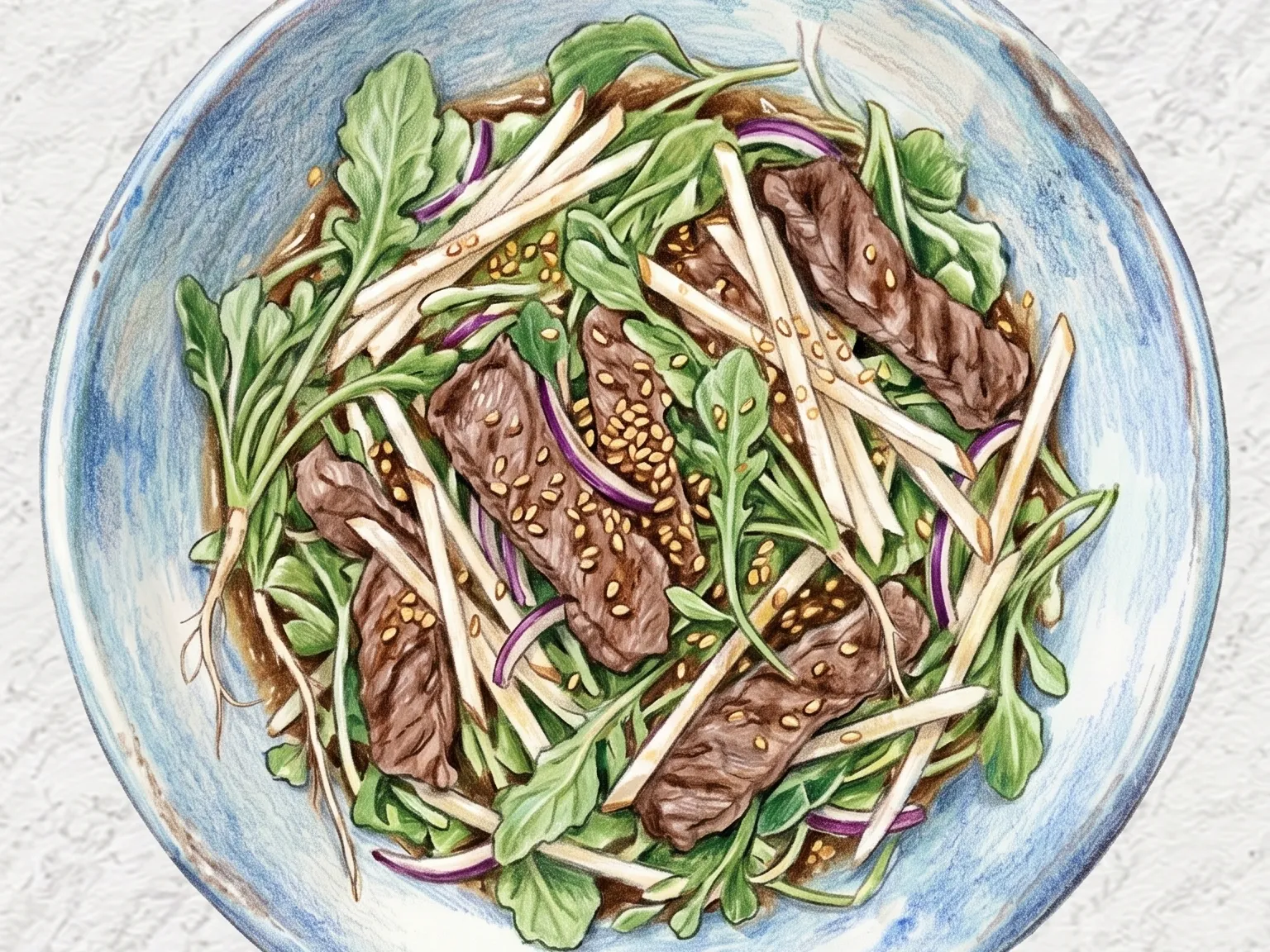
Naengi Beef Salad (Shepherd's purse)

Quick answer

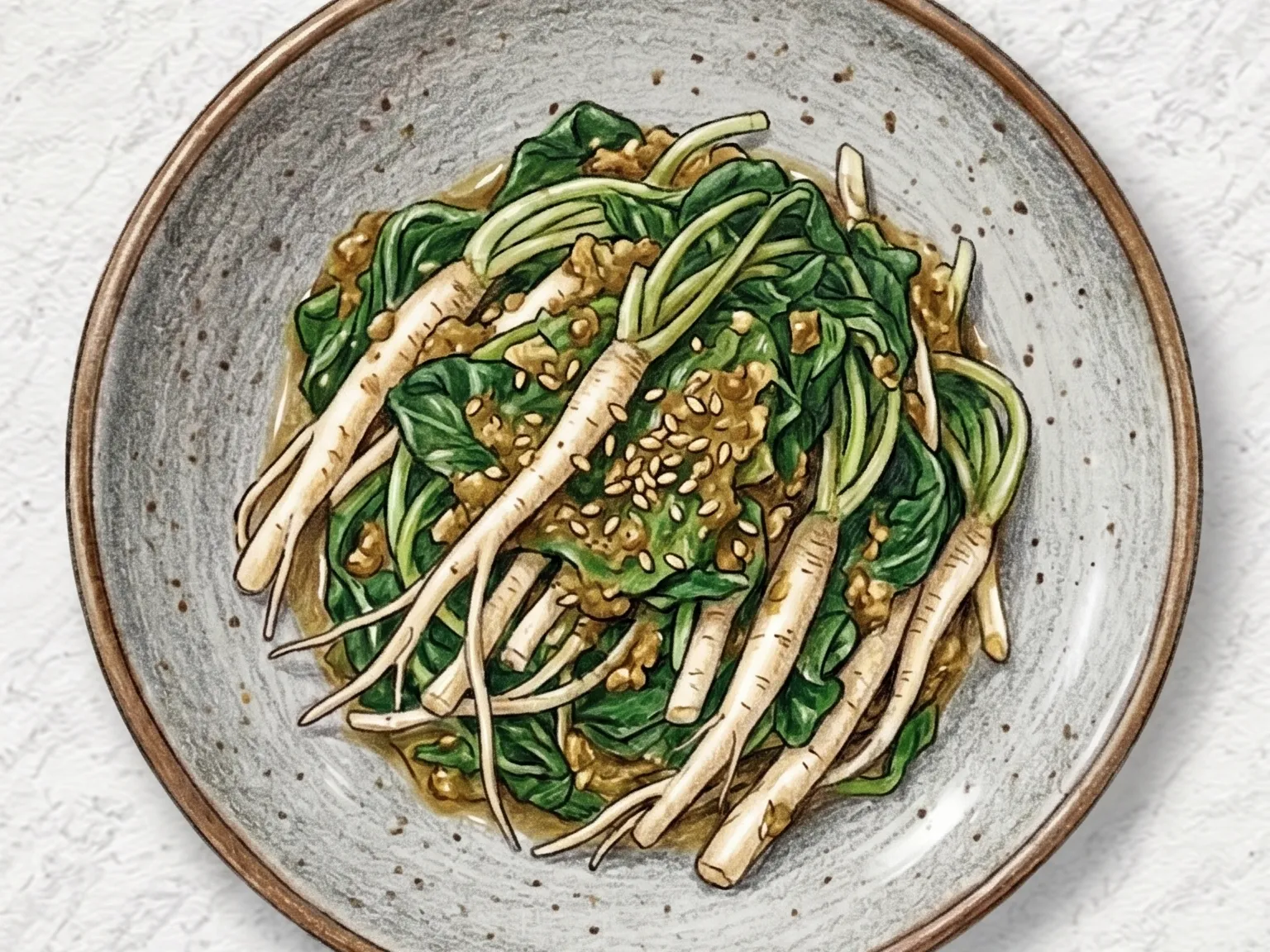
Fresh naengi - shepherd's purse - is blanched to mellow its earthy bite while keeping the fragrance intact.

What makes this special

  • Naengi Beef Salad balances the earthy fragrance of shepherd's purse with quick-seared sirloin.
  • Blanching naengi just 30 seconds preserves the earthy, spring-herbal fragrance
  • Julienned pear bridges meaty richness and naengi's bitterness with fruit sweetness
Total time
35 min
Level
Medium
Servings
4 servings
Ingredients
10
Calories
285 kcal
Protein
22 g

Key ingredients

shepherd's pursebeef sirloinKorean pearred onionsoy sauce

Core cooking flow

  1. 1 Rinse 180 g shepherd's purse several times, opening the roots to remove trap...
  2. 2 Squeeze the cooled shepherd's purse in small handfuls, pressing rather than...
  3. 3 Slice 280 g beef sirloin thinly and season it lightly with salt and pepper.

Fresh naengi - shepherd's purse - is blanched to mellow its earthy bite while keeping the fragrance intact. Beef sirloin is sliced thin and seared quickly so the surface chars lightly and the center stays moist. Julienned Korean pear bridges the beef's richness and the naengi's mild bitterness with clean sweetness. A dressing of soy sauce, vinegar, sesame oil, and plum extract balances salty, sour, and subtly sweet, while red onion and toasted sesame seeds finish with sharpness and nutty crunch.

Prep 25min Cook 10min 4 servings

Instructions

Read the steps as a cooking flow: prep, heat, seasoning, doneness control, and finish.

6 steps
  1. 1
    Heat

    Rinse 180 g shepherd's purse several times, opening the roots to remove trapped soil, and trim any tough ends.

    Blanch it in fully boiling water for only 30 seconds, then cool it immediately in cold water.

  2. 2
    Prep

    Squeeze the cooled shepherd's purse in small handfuls, pressing rather than twisting hard so the aroma is not washed out.

    Shake the strands loose afterward so the dressing can coat them evenly.

  3. 3
    Control

    Slice 280 g beef sirloin thinly and season it lightly with salt and pepper.

    Heat the pan well over high heat, then sear the beef briefly so the outside browns while the center stays moist.

  4. 4
    Season

    Julienne 120 g Korean pear into thin, even strips.

    Slice 70 g red onion thinly, soak it in cold water for 5 minutes to mellow the sharpness, then drain it well so the salad does not turn watery.

  5. 5
    Season

    Mix 2 tablespoons soy sauce, 1.5 tablespoons vinegar, 1 tablespoon sesame oil, 1 teaspoon minced garlic, and 1 tablespoon plum extract. Taste the dressing before adding it, checking that the salty, sour, and sweet notes feel balanced.

  6. 6
    Finish

    Put the shepherd's purse, pear, red onion, and seared beef in a bowl, then add the dressing gradually while tossing lightly.

    Sprinkle 1 tablespoon toasted sesame seeds, rest for 5 minutes, and serve while the pear is still crisp.

After the steps

Pick a recipe that fits this dish.

Continue with shared ingredients, meal pairings, or a similar method.

Recipes That Go Well With This

More Salads →

Based on shared ingredients and meal pairing

Naengi Doenjang Mushroom Salad
Shared ingredient: shepherd's purse Salads

Naengi Doenjang Mushroom Salad

Naengi is blanched for about thirty seconds in boiling water to remove its raw grassy edge while keeping the earthy, faintly sweet spring aroma that makes it distinctive. Oyster mushrooms go onto a dry, well-heated pan with no oil, pressed gently as they cook, so the moisture evaporates and the surfaces caramelize to a light golden color, concentrating their savory depth. The dressing is made by dissolving doenjang in yuja marmalade, rice vinegar, and sesame oil, producing a layered flavor that is nutty and fermented at the base with a bright citrus lift. Baby greens spread across the plate as a soft, neutral bed, and halved cherry tomatoes add bursts of juice that cut through the weight of the fermented paste. A few drops of sesame oil and toasted sesame seeds add a roasted, nutty finish, and minced garlic folded into the dressing contributes a quiet warmth that ties the individual flavors together without dominating. Using freshly foraged naengi in early spring gives the salad a vivid seasonal character that dried or stored greens cannot replicate.

Naengi Scallop Yuja Salad
Shared ingredient: shepherd's purse Salads

Naengi Scallop Yuja Salad

Scallops are seared in butter over high heat, touching the pan only long enough for the Maillard reaction to produce a caramelized crust on the outside while the center stays translucent and tender. That contrast between the browned exterior and the soft interior is the structural anchor of this salad. Blanched naengi, a spring herb with an earthy, faintly bitter character distinct to Korean wild greens, contrasts directly against the scallop's clean sweetness. Arugula brings a peppery sharpness that adds tension and depth to the overall flavor. The dressing is made by whisking yuja marmalade into white wine vinegar and olive oil, and the floral citrus note of yuja acts as a bridge between the seafood and the spring greens, unifying what could otherwise be a collection of unrelated ingredients. Orange segments placed on top add a layer of sweet acidity and vivid color. The finished plate is clean, bright, and aromatically precise, equally appropriate as a first course in a multi-dish meal or as the centerpiece of a casual guest dinner.

Korean Grilled Deodeok Root
Serve together Grilled

Korean Grilled Deodeok Root

Deodeok-gui is a traditional Korean mountain vegetable dish where peeled deodeok roots are pounded flat with a mallet, coated in a paste of gochujang, gochugaru, honey, sesame oil, and garlic, then grilled over high heat. The pounding step is critical: it breaks down the tough fibers so the seasoning absorbs evenly and the root develops a pleasant chewiness instead of remaining stringy. Soaking the peeled deodeok in lightly salted water for about thirty minutes before pounding draws out the sharpest bitterness, leaving only the characteristic mellow, slightly medicinal aroma the root is known for. That bittersweet quality sits in balance between the fermented spice of gochujang and the sweetness of honey. Quick grilling at high temperature chars the glaze just enough to add smokiness while keeping the interior moist; applying the seasoning paste in two stages during grilling builds a thicker, glossier layer on the surface. Toasted sesame seeds scattered on top contribute nuttiness that complements the wild herb's earthy, resinous character.

Squid Naengi Chojang Salad
Similar recipe Salads

Squid Naengi Chojang Salad

Preparing squid for a seasonal salad involves a quick blanching process in boiling water for less than thirty seconds. This precise timing keeps the seafood tender and prevents it from turning rubbery or tough. Shepherd's purse, or naengi, contributes an earthy aroma characteristic of early spring that complements the oceanic profile of the squid. Crisp lettuce and fresh cucumber provide a crunchy texture that contrasts with the soft seafood pieces. The dressing relies on a combination of gochujang, rice vinegar, and oligosaccharide syrup to create a spicy, tangy, and mildly sweet foundation for the ingredients. To finish the sauce, sesame oil contributes a nutty scent while minced garlic adds a sharp, aromatic quality that integrates the different components. Careful cleaning of the naengi to remove soil and fine roots is necessary before briefly blanching it in salted water to eliminate bitterness and preserve its fragrance. Serving this dish cold during the early spring months highlights the specific seasonal qualities of the ingredients. For variations, scallops or shrimp can replace the squid, as they both pair well with the spicy dressing. Similarly, spring cabbage or wild chives can substitute for the shepherd's purse to maintain the seasonal character of the salad.

Serve with this

Kongguksu-Style Cold Linguine
Pasta Easy

Kongguksu-Style Cold Linguine

Kongguksu-style cold linguine reinterprets Korea's chilled soy noodle soup using Italian linguine in place of traditional wheat noodles. Unsweetened soy milk is blended with toasted sesame seeds and peanut butter into a thick, nutty cold broth poured directly over the pasta at serving. The linguine is cooked al dente and immediately shocked in ice water to firm up the texture and chill it completely before the broth goes on. Julienned cucumber and halved cherry tomatoes scatter on top for fresh crunch and color. Salt and sugar are adjusted at the end to balance the broth's natural bean flavor against the richness from the peanut butter. The full preparation takes about ten minutes, with stovetop time limited strictly to boiling the pasta, which makes it one of the more practical cold dishes to assemble in summer heat. Adding more peanut butter thickens the broth further, while extra sesame seeds push the nuttiness higher.

🥗 Light & Healthy ⚡ Quick
Prep 20min Cook 10min 2 servings
Soybean Paste Stew with Clams
Asian Easy

Soybean Paste Stew with Clams

Doenjang jjigae with clams is one of the most frequently made stews in Korean households, built on the combination of fermented soybean paste's deep, earthy flavor and the clean briny umami of manila clams. The clams are purged of sand before being added to a pot of doenjang-laced broth, where they open and release their salty, seawater-flavored liquor directly into the soup. The result transforms the base from something merely savory into something distinctly oceanic and complex. Zucchini softens in the bubbling broth and contributes a natural sweetness as it breaks down, while blocks of soft tofu act as sponges, soaking up the seasoned liquid and releasing it in a burst of hot, flavorful broth when bitten into. Sliced cheongyang chili peppers are added to interrupt the heaviness of the fermented paste and sharpen the overall flavor. The stew is typically served in an earthenware pot while still bubbling, alongside rice. Many Koreans ladle the broth directly over their bowl of rice. The recipe adapts to any season: assembled with leftover summer vegetables from the refrigerator for a lighter version, or cooked piping hot in a stone pot through winter.

🏠 Everyday
Prep 12min Cook 25min 2 servings
Grilled Chicken Caesar Salad
Western Easy

Grilled Chicken Caesar Salad

Grilled chicken Caesar salad is a classic constructed salad built on pan-seared chicken breast, crisp romaine lettuce, house-made Caesar dressing, croutons, and shaved Parmesan. The chicken breast is seasoned simply with salt and pepper and cooked over medium-high heat until golden on both sides, then left to rest for five minutes before slicing. Resting allows the muscle fibers to relax and the internal juices to redistribute, so each slice stays moist at the center rather than releasing liquid when cut. Slicing too thinly also causes rapid heat loss and results in a dry, mealy texture, so cutting into thicker pieces is preferable. The dressing is made by whisking together mayonnaise, fresh lemon juice, minced garlic, and a small amount of Worcestershire sauce. That combination produces a coating that is creamy and rich but balanced by the sharpness of citrus and the depth of the fermented condiment. Romaine is torn into bite-sized pieces and tossed lightly with dressing before the chicken and croutons are added on top, which prevents the weight of the toppings from bruising the leaves and accelerating wilting. Croutons go on last and should not be tossed through the greens, as contact with dressing causes them to absorb moisture and lose crunch quickly. Parmesan provides the concentrated salty umami of aged hard cheese that ties the neutral lettuce, mild chicken, and tangy dressing into a unified plate. The salad must be assembled immediately before serving to preserve the distinct textures that make it satisfying.

🥗 Light & Healthy 🏠 Everyday
Prep 20min Cook 12min 2 servings

Similar recipes

Buchu Beef Mustard Salad (Seared Beef & Chive Mustard Salad)
Salads Medium

Buchu Beef Mustard Salad (Seared Beef & Chive Mustard Salad)

Buchu beef mustard salad sears lean beef round over high heat to char the surface while keeping the center pink, then slices it thick over a bed of garlic chives and shredded red cabbage. Hot mustard dissolved into a soy-vinegar dressing produces a sharp nasal heat that cuts directly through the beef fat with each bite. Julienned Korean pear adds a crisp, clean sweetness that balances the salt and acidity of the dressing, while the garlic chives contribute their pungent, onion-forward aroma as a defining note. Slicing the beef at least 1 cm thick prevents it from toughening as it cools, and resting the seared meat for five minutes before cutting keeps the juices in. The salad comes together in the time it takes the beef to rest.

🥗 Light & Healthy 🏠 Everyday
Prep 15min Cook 7min 2 servings
Korean Chwinamul Pot Rice
Rice Easy

Korean Chwinamul Pot Rice

Chwinamul sotbap is a Korean pot rice made by layering lightly seasoned wild chwinamul greens over soaked rice and cooking everything together in kelp stock until done. The greens release their distinctively herbal, faintly bitter fragrance directly into the rice as it steams, filling the room with an earthy mountain scent when the lid is lifted. Mixed at the table with a soy-sesame sauce, the initial bitterness softens into a pleasant background that makes each spoonful layered and grounding. It is best prepared in spring when chwinamul is freshly picked, offering the sharpest aroma and the most tender stems. Dried chwinamul, soaked and squeezed before use, extends the recipe across all four seasons, though the fresh version carries a vitality and brightness that dried leaves cannot fully replicate.

🏠 Everyday
Prep 15min Cook 25min 2 servings
Korean Shepherd's Purse Beef Soup
Soups Easy

Korean Shepherd's Purse Beef Soup

Naengi-soegogi-guk brings together sesame-oil-seared beef and shepherd's purse in a clear, deeply flavored broth. Thinly sliced brisket is stir-fried in sesame oil first, building a savory, aromatic base before water and a small amount of doenjang are added. The soup simmers until the beef releases its full flavor into the broth, then soup soy sauce and garlic round out the seasoning. Shepherd's purse goes in near the end and cooks for just five minutes so its characteristic earthy bitterness and wild green scent stay vivid rather than cooking out. The result is a bowl that feels both substantial and distinctly seasonal, with rich beef broth anchoring the delicate, slightly bitter quality of the spring herb. Adding the herb too early dulls its aroma, so timing is the most critical step in the preparation.

🏠 Everyday 🥗 Light & Healthy
Prep 18min Cook 25min 4 servings

Tips

Do not over-blanch naengi; keep it around 30 seconds to preserve aroma.
Use a very hot pan and short cooking time to keep beef juicy.

Nutrition (per serving)

Calories
285
kcal
Protein
22
g
Carbs
11
g
Fat
16
g