Korean Shepherd's Purse Doenjang Pot Rice
Rice Medium

Korean Shepherd's Purse Doenjang Pot Rice

Quick answer

This spring pot rice infuses each grain with the deep, earthy flavor of doenjang dissolved in kelp stock.

What makes this special

  • Kelp broth with doenjang carries deep, fermented flavor into every grain of this pot rice.
  • Doenjang dissolved in kelp broth cooks into the rice so the fermented savoriness penetrates each grain
  • Shepherd's purse bitter note cuts doenjang's saltiness, a pairing unique to early spring
Total time
39 min
Level
Medium
Servings
2 servings
Ingredients
9
Calories
470 kcal
Protein
10 g

Key ingredients

short-grain ricenaengi (shepherd's purse)doenjangzucchinionion

Core cooking flow

  1. 1 Rinse 1.5 cups short-grain rice until the water runs mostly clear, then soak for 30 minutes.
  2. 2 Dice 70 g zucchini and 50 g onion into small, even cubes.
  3. 3 Set the pot over medium heat and add 1 tablespoon perilla oil.

This spring pot rice infuses each grain with the deep, earthy flavor of doenjang dissolved in kelp stock. Naengi, or shepherd's purse, contributes a gentle herbal bitterness that offsets the fermented saltiness, while zucchini and onion bring natural sweetness for balance. Vegetables are first sauteed in perilla oil for fragrance, then doenjang and soaked rice join the pot for a slow cook. Naengi goes in after the pot starts boiling to protect its delicate aroma, and ground sesame seeds finish the dish with a final nutty layer.

Prep 15min Cook 24min 2 servings

Instructions

Read the steps as a cooking flow: prep, heat, seasoning, doneness control, and finish.

6 steps
  1. 1
    Prep

    Rinse 1.5 cups short-grain rice until the water runs mostly clear, then soak for 30 minutes.

    Trim any soil from 90 g naengi, rinse gently, drain well, and cut into 3 cm pieces.

  2. 2
    Step

    Dice 70 g zucchini and 50 g onion into small, even cubes.

    Keeping the pieces similar in size helps them soften at the same pace and spread sweetness through the rice without leaving hard bits.

  3. 3
    Control

    Set the pot over medium heat and add 1 tablespoon perilla oil.

    Add onion, 1 teaspoon minced garlic, and zucchini, then saute for about 2 minutes until glossy and fragrant but not browned.

  4. 4
    Step

    Add 1 tablespoon doenjang and stir for about 30 seconds so it loosens into the vegetables.

    Add the drained rice and stir for 1 minute, coating the grains until they look glossy.

  5. 5
    Control

    Pour in 1.8 cups kelp stock and bring it to a boil over high heat.

    Once it bubbles strongly, taste the liquid for saltiness and add 1-2 tablespoons water if the doenjang tastes too strong.

  6. 6
    Control

    Spread the naengi over the rice, cover, and cook on low heat for 12 minutes without lifting the lid.

    Turn off the heat, rest covered for 10 minutes, then sprinkle 1 teaspoon ground sesame seeds and fold gently from the bottom.

After the steps

Pick a recipe that fits this dish.

Continue with shared ingredients, meal pairings, or a similar method.

Recipes That Go Well With This

More Rice →

Based on shared ingredients and meal pairing

Korean Shepherd's Purse Doenjang Jjigae
Shared ingredient: shepherd's purse Stews

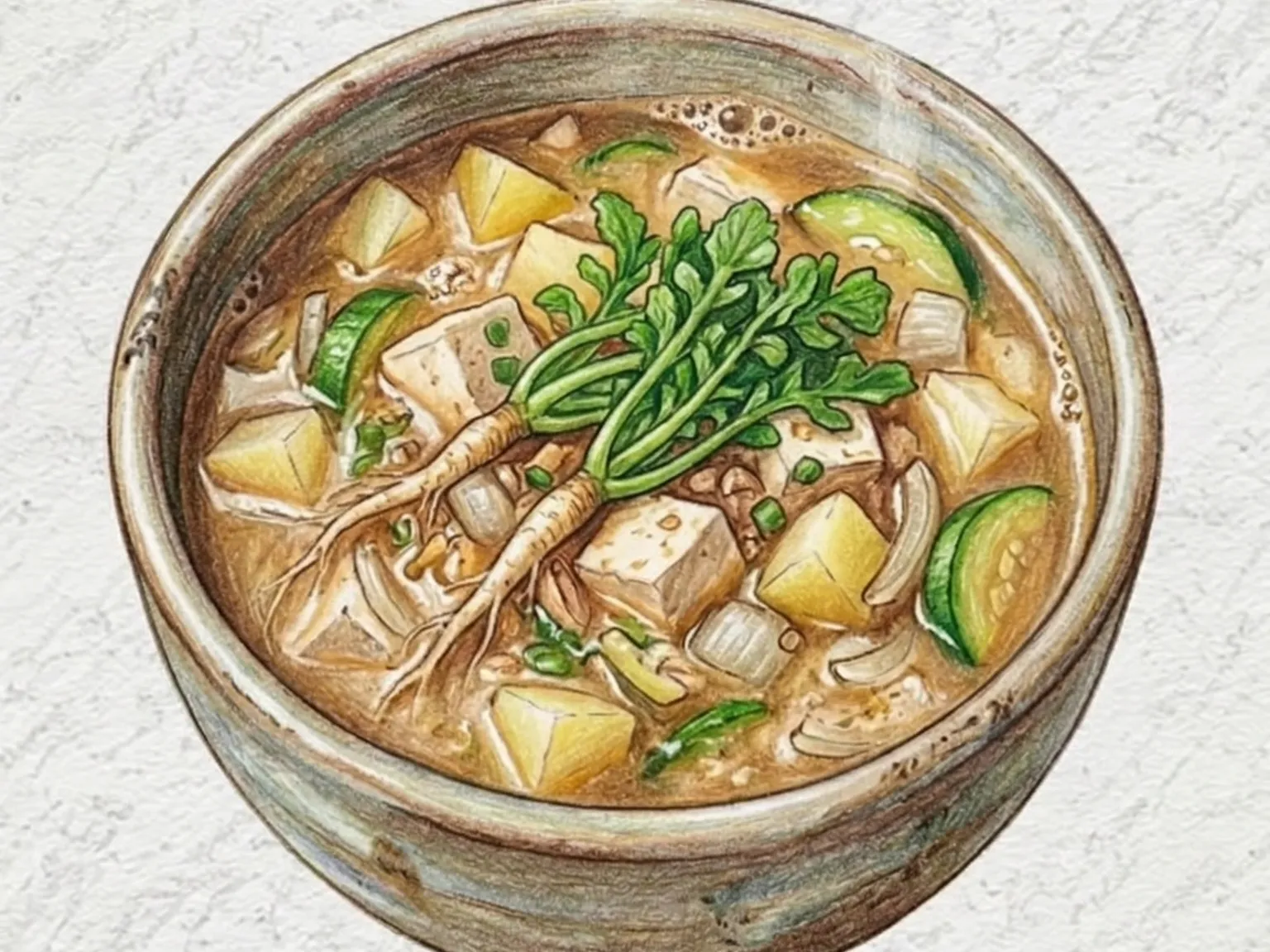
Korean Shepherd's Purse Doenjang Jjigae

This seasonal Korean stew features shepherd's purse, called naengi in Korean, which is a spring herb valued for its earthy and slightly bitter flavor. The recipe begins by simmering potato and zucchini in an anchovy stock seasoned with doenjang, a fermented Korean soybean paste. Adding the potato and onion first establishes a sweet base for the broth. Tofu and minced garlic are introduced later to ensure the tofu remains intact. The shepherd's purse is thoroughly washed, keeping the roots attached to preserve its distinctive fragrance, and is added in the last two minutes of cooking. This technique keeps the herb from wilting excessively and maintains its fresh aroma. The final dish combines the soft texture of tofu with the dense bite of the vegetables, resulting in a comforting and warm broth suitable for everyday meals.

Korean Dureup Pot Rice (Spring Angelica Shoot Pot Rice)
Shared ingredient: short grain rice Rice

Korean Dureup Pot Rice (Spring Angelica Shoot Pot Rice)

Durup sotbap is a Korean spring pot rice centered on dureup, the young shoots of the Aralia elata tree that appear for only a few weeks between late March and late April. During this narrow season, the shoots carry a pleasantly bitter, faintly woodsy flavor that is unlike any other vegetable used in Korean cooking, and sotbap is one of the most direct ways to taste that character. The rice cooks in kelp stock rather than plain water, giving every grain a subtle umami base, with soup soy sauce and garlic seasoning from within the pot. Blanching the dureup requires restraint: twenty to thirty seconds in boiling water is enough to soften the fibrous ends and mellow the sharpness slightly, while keeping the bright green color intact and the slender stems with just enough resistance. Blanching longer dulls both the color and the flavor. The shoots are placed over the nearly finished rice just before the pot rests with its lid sealed for ten minutes. During that resting period the steam carries the herbal fragrance of the dureup into every grain of rice. The lid must not be opened during this time, as releasing the steam interrupts even cooking. Served with a soy-sesame dipping sauce mixed through the rice, the nuttiness of the oil wraps around the bitterness of the shoots, and the combination captures something specifically tied to early spring in the Korean mountains.

Korean Sea Squirt Soybean Paste Soup
Serve together Soups

Korean Sea Squirt Soybean Paste Soup

Mideodeok-doenjang-guk is a Korean soybean paste soup made with sea squirt, one of the more unusual and intensely flavored combinations in everyday Korean cooking. Sea squirt, called mideodeok in Korean, belongs to the same class of sea creatures as the better-known meongge. What sets it apart is the small pocket of brine inside its leathery outer skin. When bitten, the skin pops and releases a burst of concentrated ocean liquid that spreads through the surrounding broth. Combined with the fermented earthiness of doenjang, this creates a double layer of umami that lingers well past the last spoonful. The soup is built on anchovy-kelp stock, which reinforces the seafood character and keeps the base clean. Doenjang is stirred in once the stock is fully boiling so it dissolves evenly without losing its fermented depth. Radish and zucchini are added to balance the intensity: both vegetables absorb the strong flavors of the broth while contributing a quiet sweetness. One or two Cheongyang chili peppers provide a clean, building heat that cuts through any richness. Generous sliced green onion added just before serving keeps the finish bright and aromatic. Sea squirt should not be scored or cut before the soup is finished, as breaking the skin early causes the inner liquid to drain away into the pot rather than releasing inside the mouth. Along the southern coast of South Korea, particularly in Tongyeong and Geoje where mideodeok is harvested in large quantities, this soup is ordinary home cooking. Elsewhere it is a deliberate seasonal choice, best in late spring and early summer.

Korean Shepherd's Purse Kimchi
Similar recipe Kimchi

Korean Shepherd's Purse Kimchi

Naengi kimchi is a seasonal Korean side dish where shepherd's purse, an early-spring wild herb with a distinctive earthy fragrance, is blanched for just twenty seconds in boiling salted water. This brief blanching is the defining technique - long enough to strip away the raw bitterness and any soil odor, yet short enough to preserve the herb's own clean, spring-like aroma. The cooled and thoroughly squeezed greens are then dressed in a paste of gochugaru, anchovy fish sauce, minced garlic, and sweet rice paste, which provides enough body and viscosity to coat each slender stem evenly. The fish sauce's fermented depth meets the herb's green, earthy character, producing a layered flavor that neither ingredient achieves on its own. Sesame seeds scattered on top add a quiet toasted crunch. At least two hours of refrigeration allows the seasoning to settle and deepen before the kimchi is at its best.

Serve with this

Korean Beef Mushroom Stew
Stews Medium

Korean Beef Mushroom Stew

Soegogi-beoseot-jjigae is a Korean stew featuring thinly sliced beef with oyster mushrooms and shiitake mushrooms in a beef stock base. The beef stays tender throughout the cooking time because it is cut thin, and the two varieties of mushrooms contribute layered umami that deepens the broth considerably. Firm tofu absorbs the surrounding liquid and takes on the flavors of the stew while adding protein and body to the pot. Onion and green onion provide sweetness and fragrance that round out the savory base. The stew is seasoned simply with soup soy sauce and garlic, which keeps the natural flavors of beef and mushroom prominent. Tearing oyster mushrooms by hand along their grain allows the broth to penetrate the fibers better than cutting, and removing the tough stems from shiitake mushrooms before adding them keeps the broth clean and free of bitterness.

🏠 Everyday
Prep 18min Cook 24min 4 servings
Korean Stir-fried Potato and Shrimp
Side dishes Medium

Korean Stir-fried Potato and Shrimp

Gamja-saeu-bokkeum pairs julienned potatoes with shell-on medium shrimp in a clean, garlic-forward stir-fry. The potatoes are soaked in cold water first to remove surface starch, as skipping this step leads to clumping in the pan and a starchy, heavy texture. Garlic sizzles in oil to build an aromatic base before the shrimp go in, cooking until half-done so their natural sweetness transfers to the potato strips when the two are combined. Seasoned with nothing more than salt, pepper, and a finish of sesame oil, this banchan lets the contrast between the potato's floury bite and the shrimp's springy snap carry the dish. Thin slices of Cheongyang chili pepper can be added for a clean, sharp heat that makes the stir-fry even more compatible as a rice side dish. The combination of orange shrimp, pale yellow potato, and green chili also gives the finished plate a natural visual balance.

🏠 Everyday 🍱 Lunchbox
Prep 15min Cook 10min 4 servings
Korean Pickled Shishito Peppers
Kimchi Easy

Korean Pickled Shishito Peppers

Kkwarigochu jangajji is a Korean pickled shishito pepper side dish made by pricking each pepper all over with a toothpick, blanching briefly in salted boiling water for thirty to sixty seconds, and submerging them with sliced garlic and optional cheongyang chili in a brine of soy sauce, vinegar, and sugar brought to a boil. Pricking the peppers before blanching ensures the brine penetrates evenly through the hollow interior, eliminating any difference in seasoning between the skin and the flesh inside. Blanching for only thirty seconds to one minute wilts the peppers just enough to make them pliable while keeping a firm, springy bite and their natural mild heat. Pouring the brine hot, then letting the jar cool before refrigerating, helps the peppers hold their green color rather than browning. Vinegar cuts through the saltiness of the soy sauce and prevents the pickle from tasting heavy, while sugar smooths the sharpness into a balanced, clean finish. Ready after at least one day of refrigeration and keeps well for over a week, making it a reliable banchan to have on hand when the weeknight table needs one more dish.

🏠 Everyday 🍱 Lunchbox
Prep 20min Cook 12min 4 servings

Similar recipes

Korean Shepherd's Purse Pollack Soup
Soups Easy

Korean Shepherd's Purse Pollack Soup

Naengi-bugeo-guk is a clear Korean soup that brings together dried pollack strips and fresh shepherd's purse, pairing the hearty depth of a winter pantry staple with the clean, herbaceous fragrance of early spring. Sautéing the pollack strips in sesame oil before adding water is the foundational step, as the dry heat coaxes a toasty, nutty aroma out of the surface proteins and primes the broth to carry deep flavor from the first minute of simmering. As the soup cooks, the concentrated umami locked inside the dried fish slowly dissolves into the liquid, building a broth that feels rich without being heavy. Cubed tofu goes in mid-cook, softening into a silky texture while keeping the overall flavor clean and mild. The shepherd's purse is added at the very end, just long enough to wilt, so that its faintly bitter, earthy spring perfume remains in the finished bowl rather than cooking off. Soup soy sauce and minced garlic season without clouding the broth. This soup is a fixture of Korean spring cooking, prized for being gentle on the stomach while delivering genuine depth.

🏠 Everyday 🥗 Light & Healthy
Prep 15min Cook 20min 2 servings
Korean Shepherd's Purse Soup
Soups Easy

Korean Shepherd's Purse Soup

Naengi-guk is a Korean spring soup made with anchovy-kelp stock, doenjang, and fresh shepherd's purse (naengi). Naengi is a cruciferous plant gathered from paddies, field edges, and roadsides in early spring, and both the root and the leaves are used. The root contributes an earthy, mineral fragrance and the leaves carry a slightly bitter green quality that together define the soup's character. The stock is made from dried anchovies and kelp simmered and strained, providing a clean umami base. Doenjang is dissolved through a mesh strainer rather than stirred directly into the pot, which keeps the broth clear rather than murky while still delivering the fermented soybean depth. Diced tofu simmers in the seasoned broth until warmed through. Naengi goes in during the final two to three minutes of cooking: longer exposure to heat breaks down the aromatic compounds in the herb and erases the spring fragrance that makes the soup worth making in the first place. The pairing of naengi's earthy bitterness with the fermented depth of the doenjang and the clean mineral tone of the anchovy stock produces a flavor that is distinctly seasonal and difficult to replicate outside of spring. Soup soy sauce, salt, and a small amount of garlic complete the seasoning. In Korean food culture, naengi-guk on the table is understood as one of the clearest signs that winter is finished.

🏠 Everyday 🥗 Light & Healthy
Prep 15min Cook 20min 4 servings
Korean Seasoned Shepherd's Purse
Side dishes Easy

Korean Seasoned Shepherd's Purse

Naengi-namul-muchim is a fragrant spring banchan made from shepherd's purse (naengi), a wild green foraged from rice paddy edges and field margins in early spring. The root is eaten along with the leaves - its distinctive earthy, almost truffle-like aroma defines the dish, and discarding it halves the point of using naengi at all. Cleaning the roots of clinging soil is the most time-consuming prep step, requiring careful scraping with a knife. Blanching must stay under thirty seconds to preserve the volatile aromatics, with immediate cold-water shocking to lock in color and fragrance. Doenjang, soup soy sauce, minced garlic, and sesame oil form the dressing - the fermented paste's earthy depth meets the herb's soil-scented fragrance to create a layered spring flavor. Doenjang rather than gochujang is the traditional choice because chili heat would overwhelm naengi's delicate perfume. Available at Korean markets only during the brief February-to-March window, it is one of the most anticipated seasonal namul.

🏠 Everyday 🍱 Lunchbox
Prep 15min Cook 3min 4 servings

Tips

Add naengi after boiling starts to preserve its aroma.
Adjust saltiness by adding 1-2 tbsp water depending on doenjang salinity.

Nutrition (per serving)

Calories
470
kcal
Protein
10
g
Carbs
79
g
Fat
11
g