Charim

2686 Korean & World Recipes

2686+ Korean recipes, clean and organized. Ingredients to instructions, all at a glance.

Korean Shepherd's Purse Kimchi
KimchiMedium

Korean Shepherd's Purse Kimchi

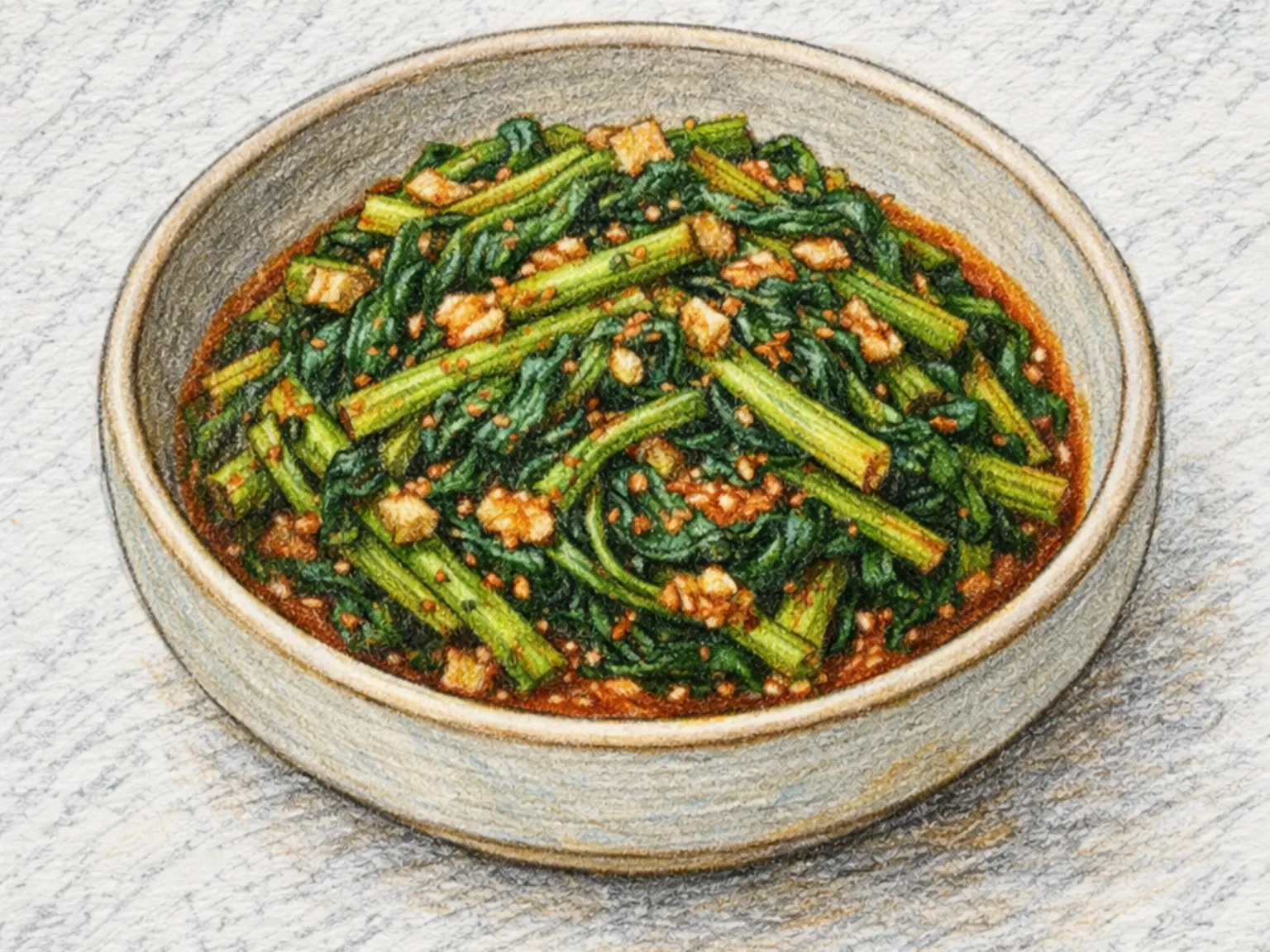
Naengi kimchi is a seasonal Korean side dish where shepherd's purse - an early-spring wild herb - is blanched for just twenty seconds in salted boiling water to remove bitterness without killing its distinctive herbal fragrance. The cooled, squeezed greens are dressed in a paste of gochugaru, anchovy fish sauce, minced garlic, and sweet rice paste, which provides enough viscosity to coat each stem evenly. The fish sauce's fermented depth meets the herb's green, earthy character to build a layered flavor that neither ingredient achieves alone. Sesame seeds scattered on top add a quiet toasted crunch. Resting the kimchi in the refrigerator for at least two hours lets the seasoning settle and deepen before serving.

Prep 25minCook 1min2 servings

Adjust Servings

2servings
servings

Instructions

  1. 1

    Clean soil from shepherd's purse roots thoroughly and split thick stems lengthwise.

  2. 2

    Blanch in salted boiling water for 20 seconds, then cool in cold water and squeeze out moisture.

  3. 3

    Mix chili flakes, fish sauce, minced garlic, sweet rice paste, and sugar to make seasoning.

  4. 4

    Add seasoning to the greens and toss evenly so stems do not clump.

  5. 5

    Finish with sesame seeds and rest in the fridge for 2 hours to settle flavors.

🛒Shop Ingredients on Amazon

As an Amazon Associate, we may earn from qualifying purchases.

Tips

Keeping blanching short preserves the distinctive naengi aroma.
If unavailable, use 1 tbsp water to loosen the seasoning instead.

Nutrition (per serving)

Calories
64
kcal
Protein
3
g
Carbs
8
g
Fat
2
g

More Recipes

Korean Garlic Scape Kimchi
KimchiEasy

Korean Garlic Scape Kimchi

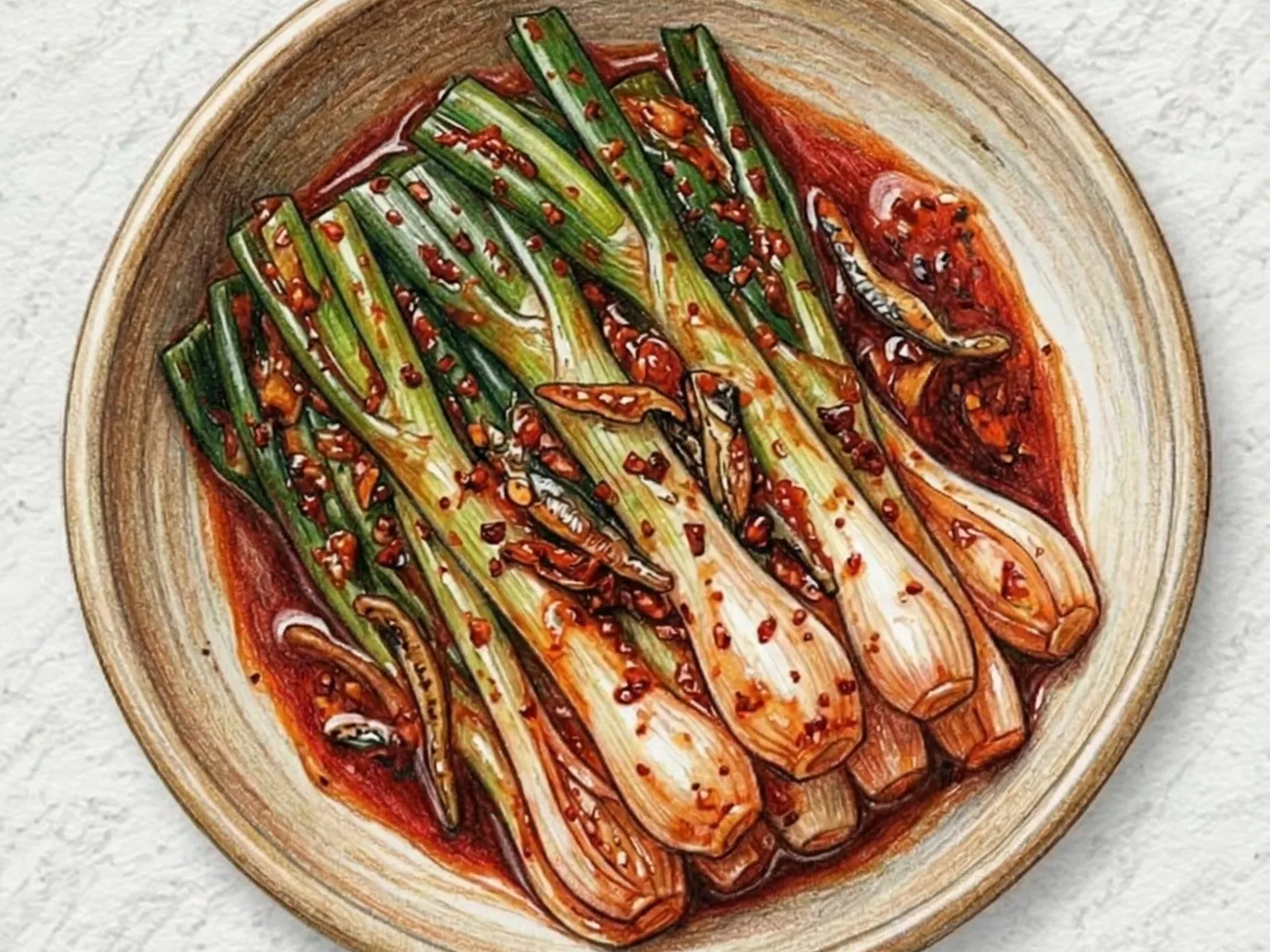
Maneul jong kimchi is a Korean garlic scape kimchi made by lightly brining the scapes, then dressing them in a paste of gochugaru, fish sauce, and plum syrup blended with pureed onion and pear. The scapes' sharp, peppery garlic aroma survives fermentation while the stems maintain their crisp snap, delivering alternating waves of heat and umami with each bite. Pear lays a fruit sweetness into the base that buffers the chili intensity, and fish sauce adds the fermented depth expected in Korean kimchi. Trimming the woody bottoms before seasoning improves the texture, and the flavor settles into balance after about two days of fermentation.

🍱 Lunchbox
Prep 30minCook 5min4 servings
Korean Coastal Hogfennel Kimchi
KimchiMedium

Korean Coastal Hogfennel Kimchi

Bangpungnamul kimchi is a seasonal Korean kimchi made by dressing coastal hogfennel herb in a chili-based seasoning paste. The herb is first lightly salted to soften its fibers, then mixed with Korean chili flakes, anchovy fish sauce, soup soy sauce, minced garlic, and ginger. Sweet rice paste acts as a binder, helping the seasoning adhere evenly to each leaf. Sliced scallions are folded in for a crisp textural element. The herb's natural bitterness mellows noticeably during fermentation, producing a flavor profile distinct from standard napa cabbage kimchi. One day at room temperature followed by refrigerated storage achieves a balanced level of fermentation that preserves the herb's character while developing lactic acidity.

🏠 Everyday🍱 Lunchbox
Prep 35minCook 8min2 servings
Korean Shepherd's Purse Doenjang Pot Rice
RiceMedium

Korean Shepherd's Purse Doenjang Pot Rice

This spring pot rice infuses each grain with the deep, earthy flavor of doenjang dissolved in kelp stock. Naengi, or shepherd's purse, contributes a gentle herbal bitterness that offsets the fermented saltiness, while zucchini and onion bring natural sweetness for balance. Vegetables are first sauteed in perilla oil for fragrance, then doenjang and soaked rice join the pot for a slow cook. Naengi goes in after the pot starts boiling to protect its delicate aroma, and ground sesame seeds finish the dish with a final nutty layer.

🏠 Everyday
Prep 15minCook 24min2 servings
Korean Shepherd's Purse Tofu Stir-fry
Stir-fryEasy

Korean Shepherd's Purse Tofu Stir-fry

Naengi-dubu-bokkeum is a spring-seasonal Korean stir-fry that pairs shepherd's purse - a wild herb with a distinctive earthy bitterness - with cubed firm tofu in perilla oil and soy sauce. The tofu is pan-seared until golden to build a crust, then set aside while onion and garlic cook in the same pan before soy sauces go in. The tofu returns along with the cleaned, trimmed shepherd's purse, which needs only two minutes of gentle tossing to wilt without losing its herbal bite. A final drizzle of perilla oil and a pinch of toasted sesame seeds layer nuttiness over the herb's green, slightly bitter fragrance.

🏠 Everyday🍱 Lunchbox
Prep 18minCook 10min2 servings
Korean Pepper Leaf Kimchi
KimchiMedium

Korean Pepper Leaf Kimchi

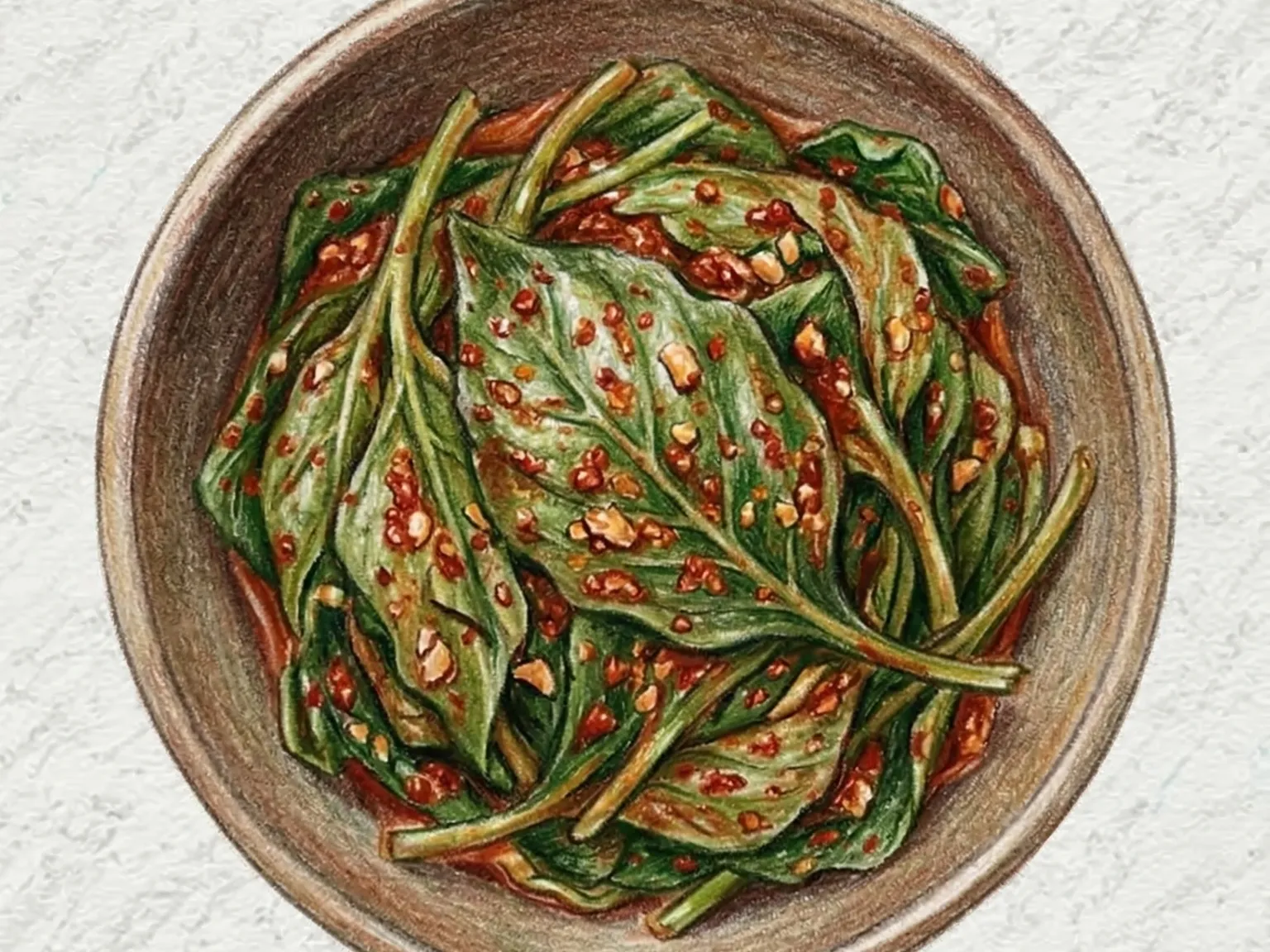
Gochuip kimchi is a Korean pepper leaf kimchi where the leaves are briefly blanched to reduce volume and remove bitterness, then tossed with gochugaru, anchovy fish sauce, garlic, and glutinous rice paste for about a day of room-temperature fermentation. Blanching softens the leaves and allows the seasoning to cling evenly to their surfaces. The rice paste acts as both a binding agent and a fermentation accelerator, promoting lactic acid activity even in the short curing window. Beneath the spicy coating, the pepper leaves contribute a subtle green, herbaceous note that distinguishes this from standard napa kimchi, making it a distinctive summer preparation.

🍱 Lunchbox
Prep 25minCook 8min4 servings
Korean Seasoned Shepherd's Purse
Side dishesEasy

Korean Seasoned Shepherd's Purse

Naengi-namul-muchim is a fragrant spring banchan made from shepherd's purse (naengi), a wild green foraged from rice paddy edges and field margins in early spring. The root is eaten along with the leaves - its distinctive earthy, almost truffle-like aroma defines the dish, and discarding it halves the point of using naengi at all. Cleaning the roots of clinging soil is the most time-consuming prep step, requiring careful scraping with a knife. Blanching must stay under thirty seconds to preserve the volatile aromatics, with immediate cold-water shocking to lock in color and fragrance. Doenjang, soup soy sauce, minced garlic, and sesame oil form the dressing - the fermented paste's earthy depth meets the herb's soil-scented fragrance to create a layered spring flavor. Doenjang rather than gochujang is the traditional choice because chili heat would overwhelm naengi's delicate perfume. Available at Korean markets only during the brief February-to-March window, it is one of the most anticipated seasonal namul.

🏠 Everyday🍱 Lunchbox
Prep 15minCook 3min4 servings
More Kimchi