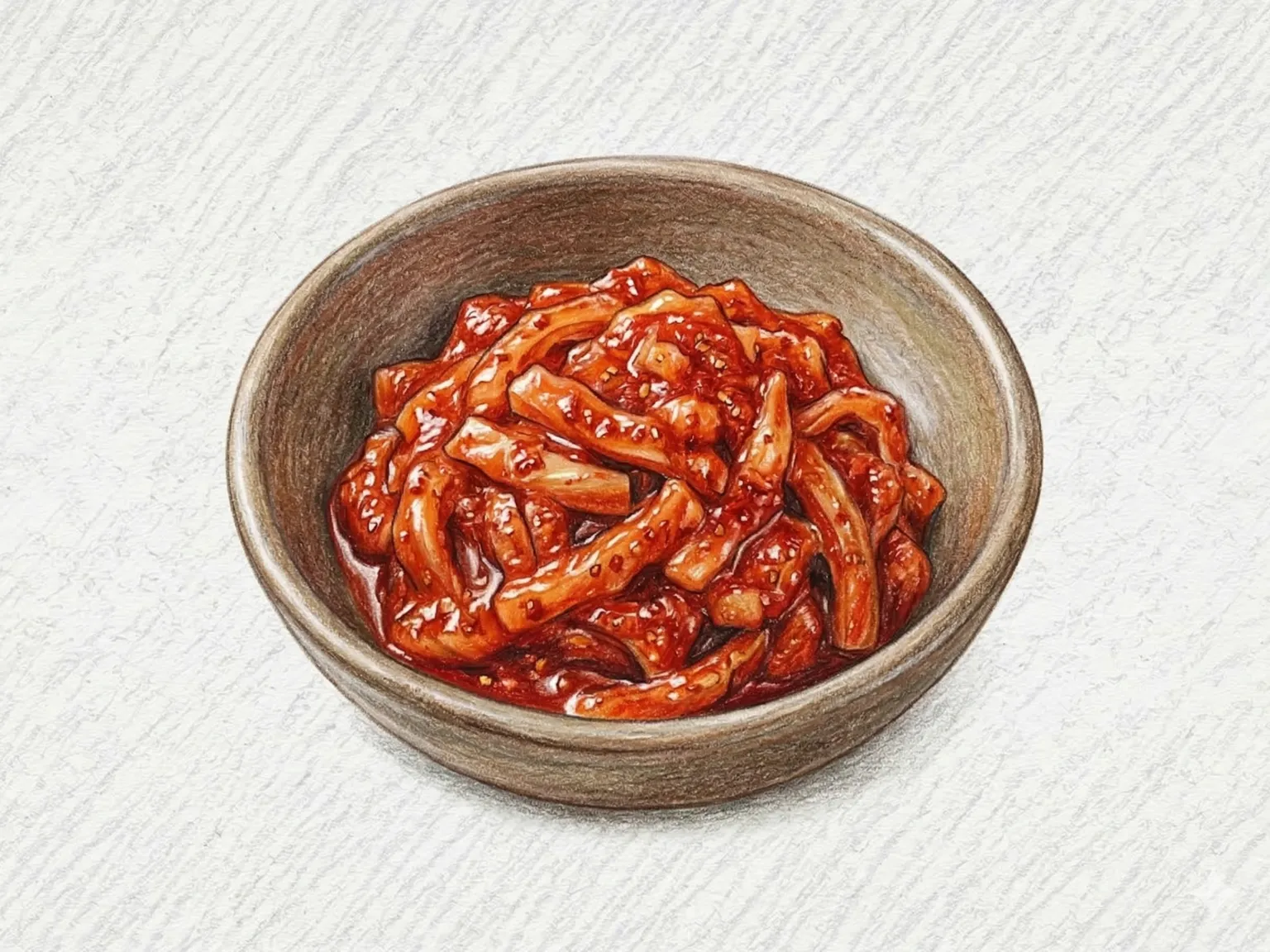
Korean Spicy Fermented Squid Jeotgal
Begin with squid that has been frozen at -20°C or below for at least 24 hours and thawed in the refrigerator, and remove any visible parasites while cleaning it. Mix 700 g finely chopped squid with 60 g coarse salt and refrigerate for 1 hour, turning once, then drain it well and press it gently before folding in the chili seasoning. Ferment in the refrigerator for 2 to 3 days, mixing once daily from top to bottom.
Quick answer
- Total time
- At least 2 days 1 hr
- Level
- Medium
- Servings
- 4 servings
- Ingredients
- 9
About this dish
Salting firms the squid flesh enough to keep a pleasantly chewy bite after it is coated in the red seasoning.
Read more
Starch syrup gives the gochugaru paste a gloss and a little sweetness that keeps the salt from standing alone. The squid should be frozen at -20°C or below for at least 24 hours and thawed in the fridge before cleaning, with any visible parasites removed. Hot rice is the usual partner.
Ingredients
Instructions
- 1
Use 700 g squid that has been frozen at -20°C or below for at least 24 hours and thawed in the refrigerator.
Remove the skin and innards, rinse it under running water, pat it dry, and remove any visible parasites. Chop it finely so the seasoning can penetrate quickly during the short cold fermentation.
- 2
Mix the squid evenly with 60 g coarse salt and refrigerate it for 1 hour.
Turn it once halfway through so the moisture drains evenly and the flesh firms without leaving pockets of salt.
- 3
Drain the salted squid well in a sieve.
Press it gently to remove excess liquid, because a wet surface will thin the seasoning paste and make the finished jeotgal taste less concentrated.
- 4
In a bowl, mix 2 tablespoons gochugaru, 1 tablespoon minced garlic, 1 teaspoon minced ginger, 1 tablespoon fish sauce, and 1 tablespoon corn syrup. Stir until the paste looks glossy and evenly red.
- 5
Add the drained squid to the seasoning and fold it carefully until every piece is coated red.
Pack it into an airtight container, pressing lightly to remove air gaps without crushing the squid.
- 6
Ferment it in the refrigerator for 2 to 3 days, mixing once daily from top to bottom.
Before serving, sprinkle with 1 teaspoon sesame seeds, and if it tastes too salty, mix in a little sesame oil.
Use-up ingredient planner
Turn these ingredients into two more meals
The overlap excludes basic seasonings. Open the next recipe and your selected dishes will stay with you.

Changnan Jeotgal
coarse salt, minced ginger
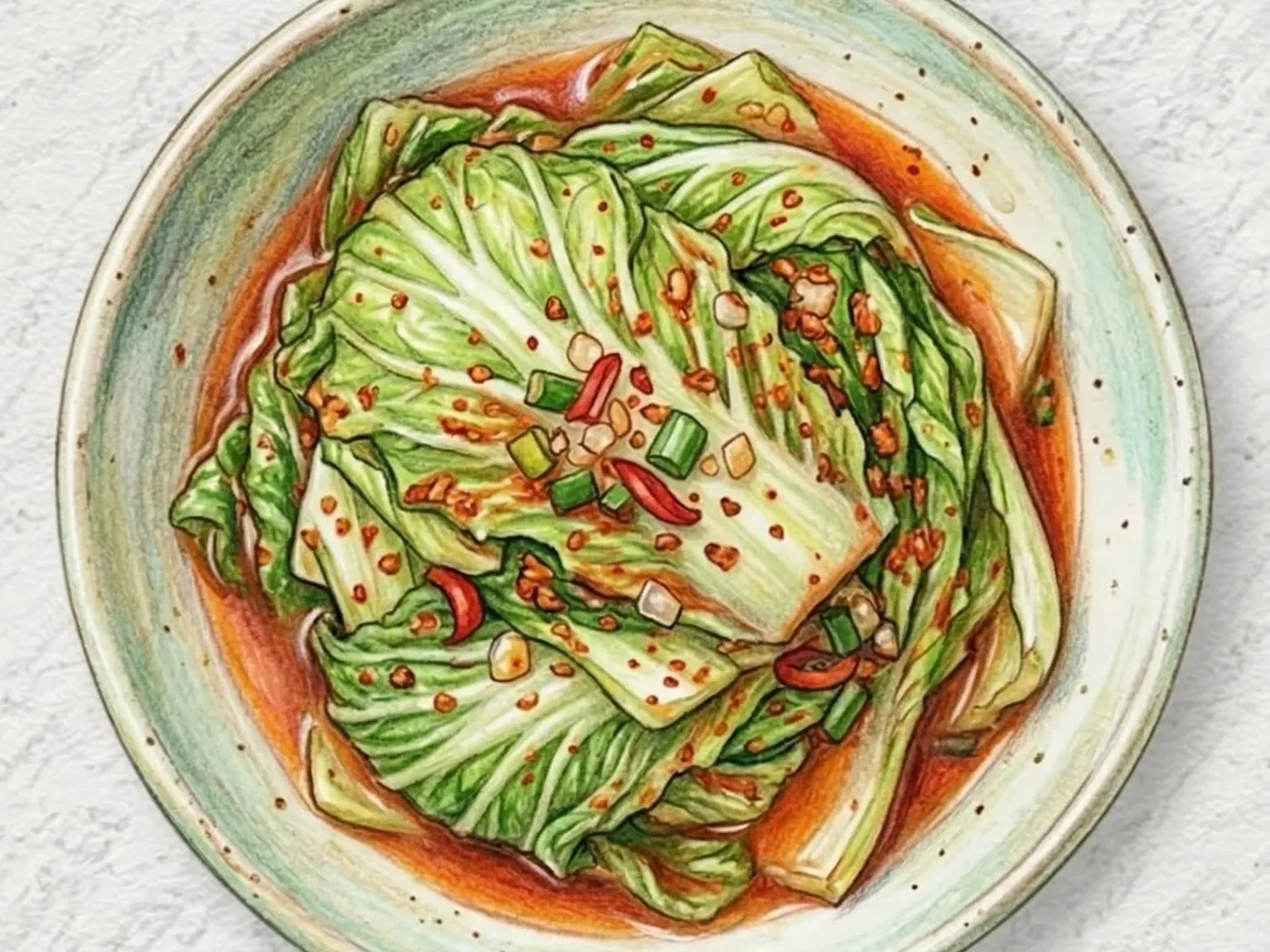
Korean Young Napa Kimchi (Spring Cabbage Quick Ferment)
coarse salt, minced ginger
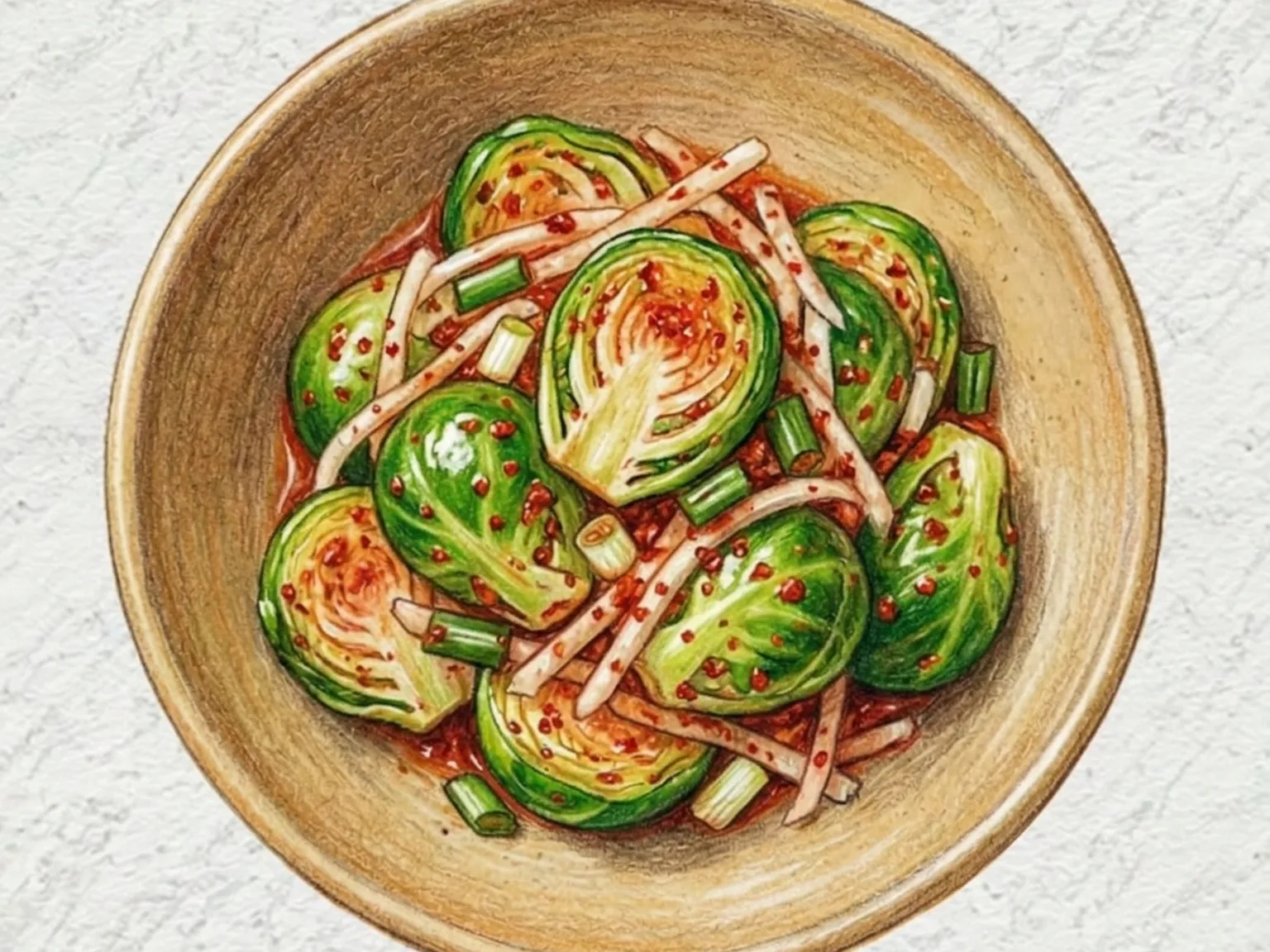
Korean Bangwool Yangbaechu Kimchi (Brussels Sprout Kimchi)
coarse salt, minced ginger