Korean Red Bean Porridge (Velvety Adzuki Porridge with Rice Dumplings)
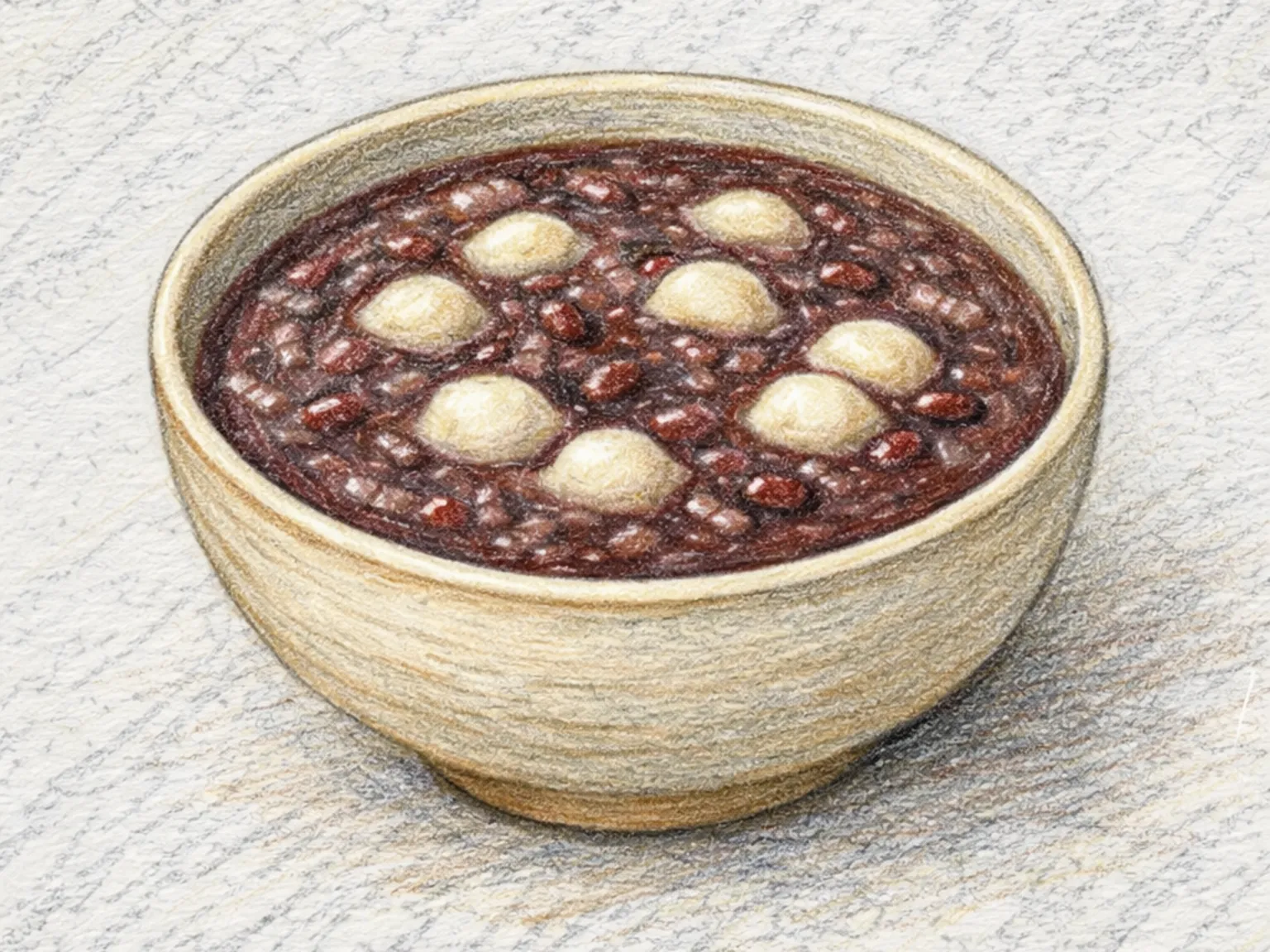
Pat-juk is a traditional Korean red bean porridge made by boiling dried red beans until very soft, straining them to extract a smooth, deeply colored paste, and simmering that paste with rice until it thickens into a velvety porridge. Small dumplings rolled from glutinous rice flour - called saeal-sim - are dropped in toward the end, giving each spoonful a chewy counterpoint to the creamy base. The porridge carries a gentle, natural sweetness from the red beans, which can be adjusted with a touch of sugar. A dusting of cinnamon on top complements the earthy bean flavor. Traditionally served on the winter solstice, pat-juk is equally satisfying as an everyday warm meal or a light late-night dish.
Adjust Servings
Instructions
- 1
Rinse beans, boil for 10 minutes, and discard the first water.
- 2
Add fresh 1600 ml water and simmer for 40 minutes until tender.
- 3
Strain half the cooked beans to create a thick base.
- 4
Mix sweet rice flour with warm water and shape into small rice balls.
- 5
Add diluted rice flour to the bean base, then cook rice balls until they float.
- 6
Season with salt and sugar, then finish with a touch of cinnamon.
As an Amazon Associate, we may earn from qualifying purchases.
Tips
Nutrition (per serving)
More Recipes

Korean Red Bean Rice (Steamed Rice with Adzuki Beans)
Pat-bap is Korean red bean rice, traditionally eaten on the winter solstice to ward off misfortune. Dried red beans are boiled until just before their skins split, then removed so the tinted cooking liquid can be used to soak and cook the rice, dyeing every grain a soft reddish hue. The beans themselves are folded back in, contributing a starchy, mildly sweet flavor that deepens with each bite. A light sprinkle of salt draws out the beans' natural sweetness without masking their earthy character. The dish is intentionally simple - a bowl of pat-bap with kimchi on the side makes a complete, comforting meal rooted in centuries of Korean seasonal food culture.

Korean Oyster Porridge (Savory Briny Rice Porridge)
Fresh oysters and soaked rice are first sauteed in sesame oil, then simmered with water and finely diced radish for twenty minutes before the oysters go in for a final seven minutes of gentle cooking. Adding the oysters late preserves their plump bite and prevents them from becoming chewy, while the radish dissolves slightly to lend a quiet sweetness to the broth. Soup soy sauce seasons the porridge without masking the natural brine of the shellfish, and a teaspoon of ginger juice can be added to temper any fishiness. The result is a warming, protein-rich bowl that soothes the stomach while delivering concentrated ocean flavor.

Korean Maesaengi Oyster Porridge
Maesaengi gul juk is a warming Korean winter porridge built on sesame-oil-toasted rice simmered in anchovy-kelp stock. Delicate strands of maesaengi seaweed lend a mild oceanic fragrance, while plump oysters release briny juices that deepen the broth. The rice is stir-fried in sesame oil before the stock goes in, giving the porridge a nutty backbone. Maesaengi goes in at the very end to keep its vivid green color and fresh sea aroma intact.

Sweet Red Bean Porridge (Korean Adzuki Rice Dessert Soup)
Danpat-juk is a Korean sweet red bean porridge made by boiling dried red beans until soft, then straining two-thirds into a smooth puree while keeping the remaining third whole for textural contrast. The first boiling water is discarded to remove the raw, astringent taste of the beans, and the final porridge is seasoned with sugar, salt, and a touch of cinnamon for warmth. Small glutinous rice dumplings called saealsim are shaped by hand and dropped into the simmering bean liquid, where they float to the surface once cooked through, adding chewy bites throughout. Because the porridge thickens considerably as it cools, it should be finished slightly thinner than the desired final consistency.

Korean Red Bean Noodle Soup
Pat kalguksu is a traditional Korean noodle dish served in a thick, pureed red bean broth. The beans are boiled twice - the first water is discarded to remove bitterness - then blended smooth and strained to create a velvety base. Glutinous rice flour thickens the broth further, while salt and sugar balance its nutty, mildly sweet profile. Cooked chestnuts and pine nuts are placed on top as garnish, adding crunch and reinforcing the dish's earthy character.

Korean Geomeun Kong Juk (Black Bean Porridge)
Black beans are soaked for at least four hours, boiled until soft, then blended with their cooking liquid into a smooth slurry. This bean puree is combined with separately soaked rice and simmered on low heat, stirring frequently to prevent sticking, until everything merges into a thick, velvety porridge. The beans' deep, almost nutty flavor dominates each spoonful, and the dish can be finished with salt alone for a savory version or with a tablespoon of sugar for a subtly sweet one. Pine nuts and sesame seeds on top add a contrasting crunch and reinforce the overall nuttiness.