Roasted Vegetable Salad
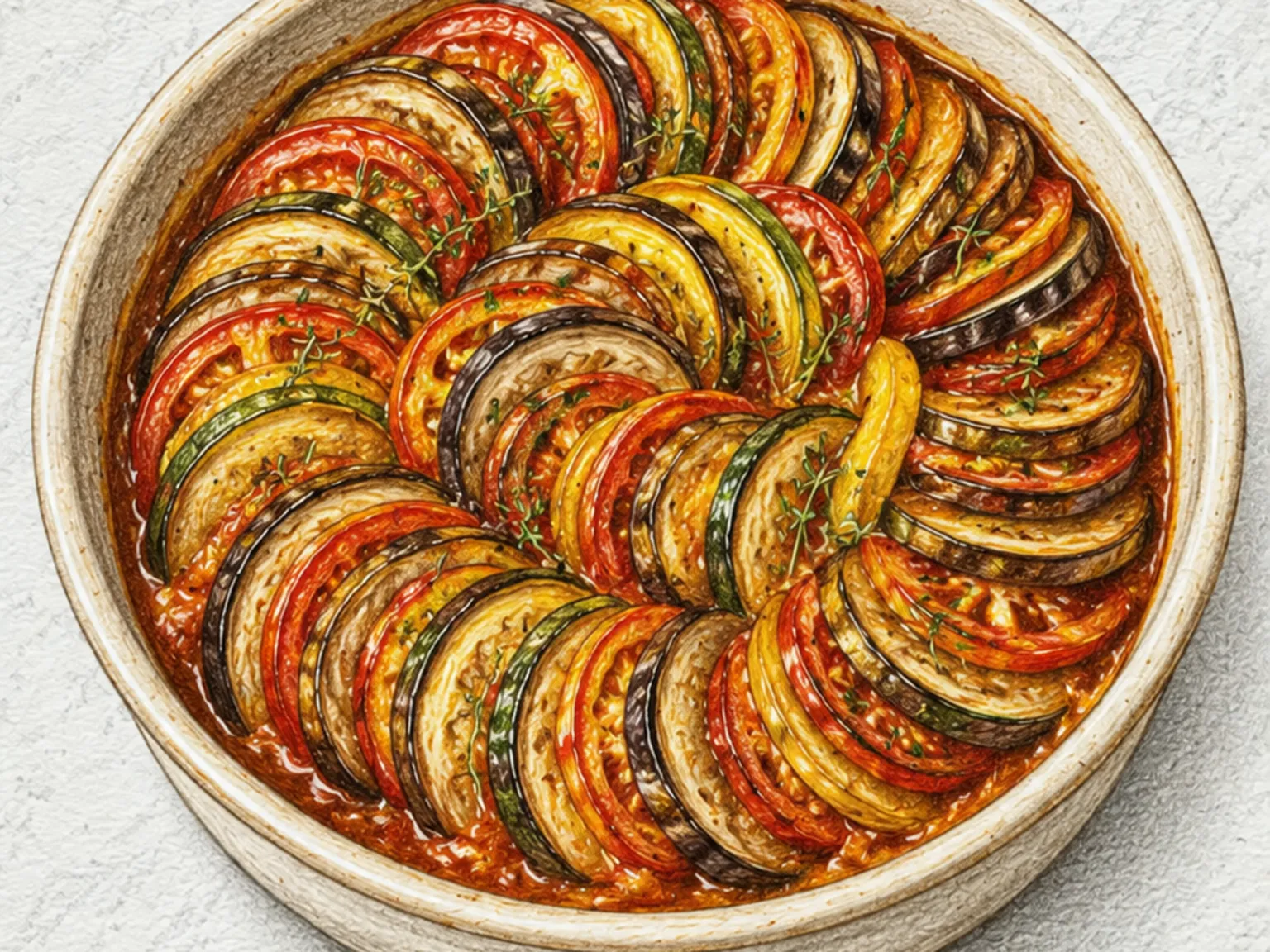
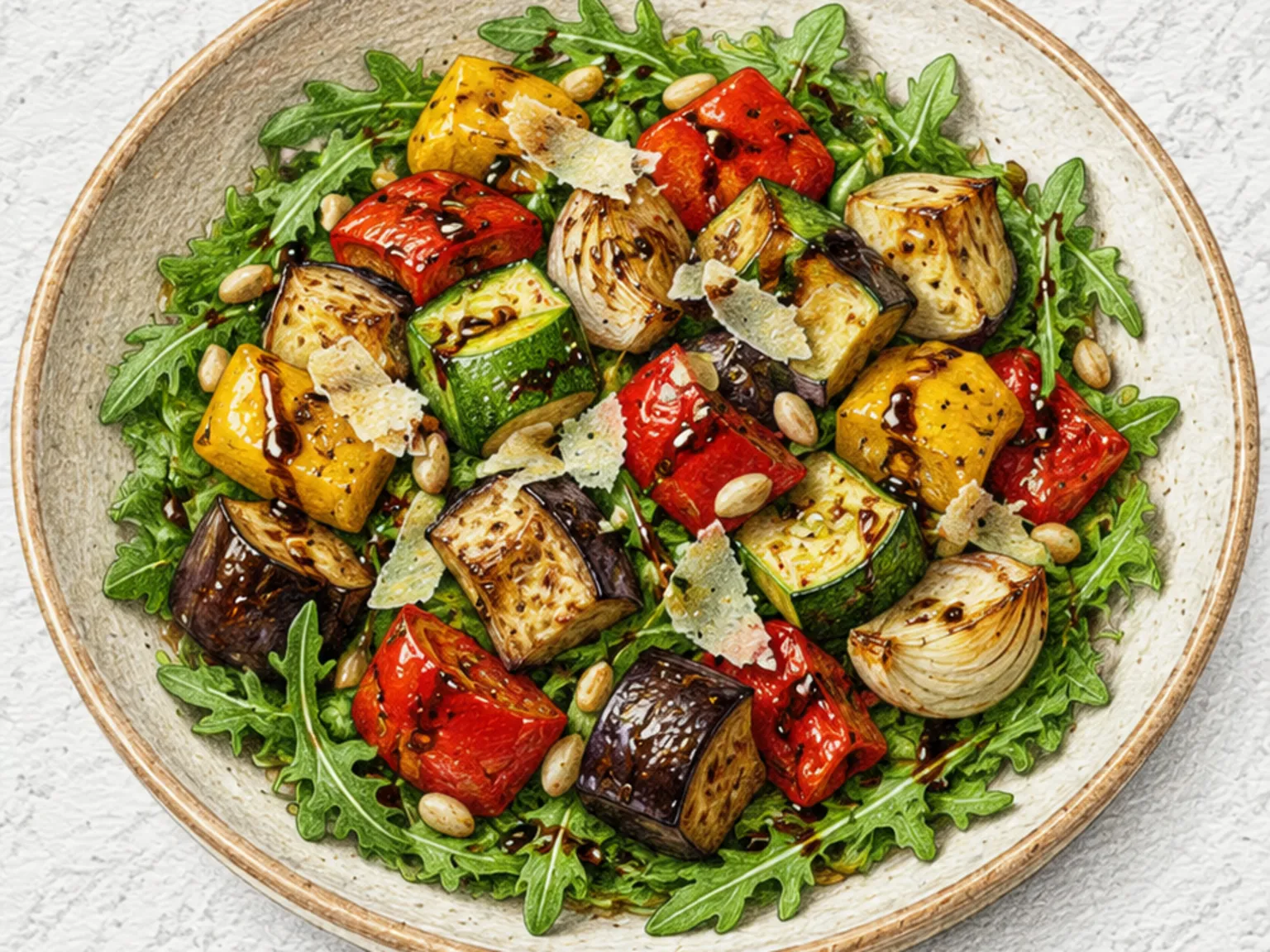
Roasted vegetable salad cuts bell pepper, zucchini, eggplant, and onion into even pieces and roasts them at 200 degrees Celsius for 20 to 25 minutes until the surfaces caramelize and the natural sugars concentrate. The charred, sweet vegetables are piled over peppery arugula and finished with a drizzle of balsamic vinegar whose dark, tangy acidity pulls the dish together. The bitterness of arugula acts as a counterweight to the roasted sweetness, keeping each bite balanced. Maintaining a thickness of 1.5 to 2 centimeters prevents the vegetables from drying out and turning leathery in the oven's dry heat.
Adjust Servings
Instructions
- 1
Preheat oven to 200C.
- 2
Cut vegetables evenly and toss with olive oil.
- 3
Spread on a tray and roast for 20-25 minutes.
- 4
Place arugula in a bowl and top with roasted vegetables.
- 5
Drizzle balsamic vinegar and toss lightly before serving.
As an Amazon Associate, we may earn from qualifying purchases.
Tips
Nutrition (per serving)
More Recipes

Mushroom Spinach Warm Salad
Button mushrooms are seared over high heat for a caramelized crust, then spinach is added just long enough to barely wilt. Garlic bloomed in olive oil first ensures the entire pan carries its fragrance. A drizzle of balsamic vinegar lifts the dish with sweetness and acidity, and grated parmesan melts in for salty umami depth. The salad is best served immediately while the spinach holds its color and the mushrooms retain their springy bite, making it a quick side for weeknight dinners.

Citrus Fennel Salad (Orange & Shaved Fennel with Arugula)
Fennel is shaved thin to highlight its anise-scented crunch, then paired with segmented orange for juicy acidity. Arugula contributes a peppery bite that offsets the citrus sweetness, and sliced almonds add a toasted crunch. The dressing stays minimal - olive oil and white wine vinegar - letting the raw ingredients speak clearly. This Italian-style salad works particularly well before rich meat or fish courses, as the citrus and fennel combination stimulates the palate.

Caprese Salad
Caprese salad arranges ripe tomato, fresh mozzarella, and basil leaves in alternating slices, relying on just three main ingredients dressed with extra virgin olive oil and salt. Because the recipe involves no cooking, the tomato's ripeness and the mozzarella's milky freshness determine the entire flavor profile. A thin drizzle of balsamic glaze adds concentrated grape-vinegar sweetness that contrasts with the cheese's fat, while basil's volatile aromatics release directly on the plate. Dressing the salad right before serving minimizes the moisture that tomatoes release when salted in advance.

Antipasto Salad
Antipasto - literally 'before the meal' in Italian - is a course of cured meats, cheeses, olives, and preserved vegetables served at the start of an Italian dinner, and this salad reformats that tradition into a single composed bowl. Crisp romaine or iceberg lettuce forms the base, topped with sliced salami, capicola, provolone, marinated artichoke hearts, roasted red peppers, and briny Kalamata olives. A red wine vinegar dressing with dried oregano and garlic ties the components together with a sharp, herbal acidity. The salad works because every ingredient brings a different intensity - salty cured meat, tangy cheese, sweet peppers, and bitter greens - so no two bites taste the same. Italian-American delis in New York and New Jersey popularized this format in the mid-20th century, and it has since become a fixture of catered lunches and family gatherings.

Frittata
Frittata whisks eight eggs with milk and salt, then builds layers of flavor on the stovetop before finishing in the oven. Onion is sautéed in olive oil in an oven-safe pan, followed by spinach and halved cherry tomatoes cooked just enough to soften. The egg mixture is poured over the vegetables and left undisturbed until the edges begin to set. Grated cheddar cheese goes on top before the pan moves to a 190-degree oven for ten minutes, where the frittata puffs and cooks through evenly. It is done when the center springs back gently to the touch. Over-whisking the eggs introduces too many air bubbles and can make the texture coarse rather than tender. Leftovers taste great cold in sandwiches the next day.

Hearty Minestrone Soup
Hearty minestrone soup is an Italian vegetable soup that begins by patiently sauteing onion, carrot, celery, and zucchini in olive oil to draw out their natural sweetness before adding crushed tomatoes and vegetable broth. Taking time to cook the vegetables over medium heat allows caramelization to occur, building a clean yet deep flavor base for the broth. Kidney beans contribute plant-based protein and a starchy thickness, while small pasta cooked directly in the soup releases additional starch that enriches the overall texture. Adding a Parmesan rind during the simmer infuses the broth with a quiet umami depth. A final garnish of grated Parmesan and a drizzle of olive oil just before serving rounds out the bowl with richness and savory warmth.