Korean Shrimp Jeon (Egg-Battered Pan-Fried Shrimp Pancake)

Korean Shrimp Jeon (Egg-Battered Pan-Fried Shrimp Pancake)

Quick answer

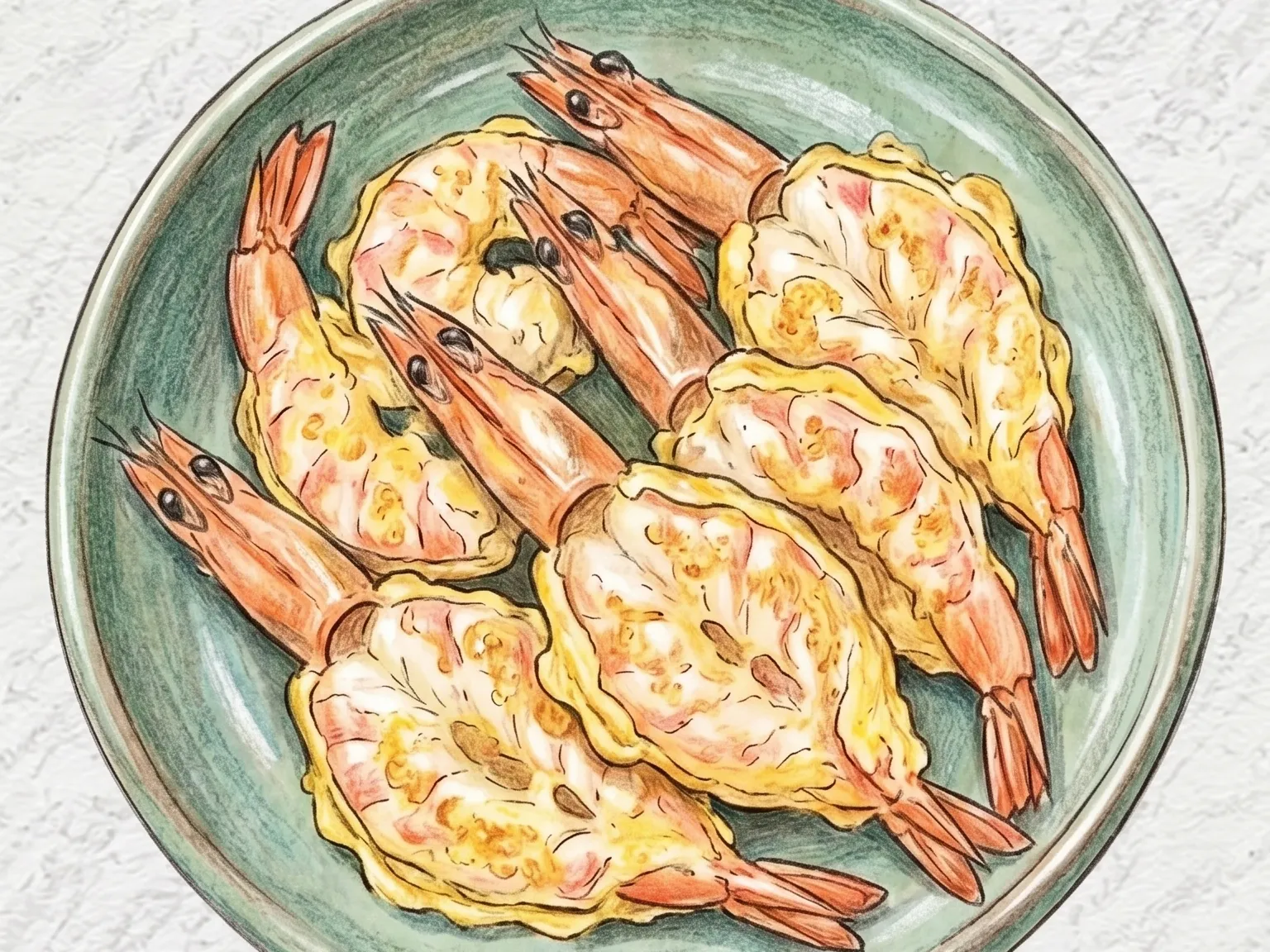
Saeu-jeon is a Korean shrimp pancake where peeled, deveined medium shrimp are butterflied, seasoned with salt and pepper, dredged in flour, dipped in beaten egg, and pan-...

What makes this special

  • Butterflied shrimp are dipped in egg wash and pan-fried to create these light, savory pancakes.
  • Butterflied belly side flattens the shrimp for even heat transfer
  • Shaking off excess flour before egg wash ensures a uniform thin coat
Total time
25 min
Level
Easy
Servings
2 servings
Ingredients
7
Calories
260 kcal
Protein
24 g

Key ingredients

medium shrimpsaltblack pepperflouregg

Core cooking flow

  1. 1 Peel and devein 220 g medium shrimp, then pat them very dry with paper towels.
  2. 2 Sprinkle 1/4 teaspoon salt and 1/4 teaspoon black pepper over both sides of the shrimp.
  3. 3 Coat the shrimp lightly with 3 tablespoons flour, covering the cut surface as well.

Saeu-jeon is a Korean shrimp pancake where peeled, deveined medium shrimp are butterflied, seasoned with salt and pepper, dredged in flour, dipped in beaten egg, and pan-fried for one to two minutes per side over medium heat. Butterflying flattens each shrimp so heat transfers evenly across the surface, and the flour layer between the shrimp and egg acts as adhesive that keeps the coating from sliding off. Shaking excess flour through a sieve before dipping ensures an even egg coat and uniform thickness across every piece, and medium heat is essential-too high and the egg scorches while the shrimp inside stays undercooked. The shrimp should be removed the moment the flesh turns pink; any additional time on the heat contracts the protein and turns the texture tough.

Prep 15min Cook 10min 2 servings
Recipes by ingredient → flour egg

Instructions

Read the steps as a cooking flow: prep, heat, seasoning, doneness control, and finish.

6 steps
  1. 1
    Heat

    Peel and devein 220 g medium shrimp, then pat them very dry with paper towels.

    Cut shallowly along the belly side and open each shrimp flat so it cooks evenly and holds the coating.

  2. 2
    Season

    Sprinkle 1/4 teaspoon salt and 1/4 teaspoon black pepper over both sides of the shrimp.

    Let them rest for only 5 minutes so the seasoning penetrates without drawing out too much moisture.

  3. 3
    Control

    Coat the shrimp lightly with 3 tablespoons flour, covering the cut surface as well.

    Shake off the extra with a sieve or fingertips so the beaten egg sticks evenly instead of forming thick patches.

  4. 4
    Control

    Beat 2 eggs until the whites and yolks are fully blended, then dip the shrimp one at a time.

    Warm the pan over medium heat and add 1.5 tablespoons cooking oil before the egg starts dripping off.

  5. 5
    Heat

    Lay the shrimp in a single layer without overlapping and cook the first side for 1 to 2 minutes.

    Turn them when the egg edges set and the underside looks pale golden, not browned hard.

  6. 6
    Finish

    Cook the second side for only 1 to 2 minutes, then remove the shrimp as soon as the flesh turns pink.

    Drain briefly on a rack or paper towel and serve with wedges from the lemons.

After the steps

Pick a recipe that fits this dish.

Continue with shared ingredients, meal pairings, or a similar method.

Recipes That Go Well With This

More Grilled →

Based on shared ingredients and meal pairing

Korean Chive and Beef Jeon
Shared ingredient: flour Grilled

Korean Chive and Beef Jeon

Buchu-soegogi-jeon are Korean chive and beef patties made from ground beef, pressed firm tofu, finely chopped garlic chives, and onion seasoned with soy sauce, garlic, and sesame oil, shaped into small ovals, dipped in beaten egg, and pan-fried for three minutes per side. Squeezing every drop of moisture from the tofu before mixing is the critical step - it prevents the patties from falling apart on the pan while contributing a soft texture that tempers the density of the beef. The egg coating sets into a thin golden crust on the outside, while the interior stays moist and fragrant with seared chive and beef. These are a standard on Korean holiday tables and guest spreads: one-bite sized, easy to pick up, and the soy-garlic-sesame seasoning holds its flavor without degrading as the patties cool.

Korean Tofu Jeon (Golden Egg-Coated Pan-Fried Tofu)
Shared ingredient: flour Grilled

Korean Tofu Jeon (Golden Egg-Coated Pan-Fried Tofu)

Dubu-jeon is a Korean pan-fried tofu dish and a standard side dish in everyday home cooking as well as a fixture on ancestral rite tables. Firm tofu is sliced to about 1 cm thickness, seasoned with salt and pepper, dusted in a thin layer of flour to help the coating adhere, dipped in beaten egg, then fried on each side in a lightly oiled pan until the exterior turns golden and set. Pressing the tofu before cooking is the most important preparatory step: wrapping the slices in paper towels and placing a heavy object on top for at least fifteen minutes removes enough moisture to prevent the oil from splattering and allows the egg coating to bond tightly to the surface. Three to four uninterrupted minutes per side over medium heat are needed to develop an even golden crust without burning the egg; turning the pieces too often strips the batter away and leaves patches of bare tofu. The fried tofu is mild and nutty on its own, but a dipping sauce of soy sauce mixed with a small amount of vinegar and red pepper flakes adds salt, acidity, and heat that transform the simple base into something more complex. Eaten hot, the egg coating is thin and slightly crisp; as it cools the exterior softens while the interior remains tender.

Korean Seafood Hot Pot Soup
Serve together Soups

Korean Seafood Hot Pot Soup

Haemul-tang is a Korean seafood hot pot that throws together crab, shrimp, clams, and squid in a fiery, brick-red broth. The liquid starts with gochugaru and plenty of garlic, building a spicy base that the seafood then amplifies with its own briny juices. Radish chunks soften as the pot bubbles, thickening the broth slightly and adding a cool sweetness behind the heat. Green onions and cheongyang peppers go in toward the end for a sharp, vegetal bite. The magic of haemul-tang lies in the convergence of flavors: crab shells release a sweet, crustacean stock; clams open to spill their liquor; shrimp and squid contribute distinct textures from snappy to chewy. The pot is brought to the table still at a rolling boil, and diners pick through the shells and tentacles while the broth continues to concentrate.

Korean Steamed Shrimp
Similar recipe Steamed

Korean Steamed Shrimp

Saeu jjim is a traditional Korean method for preparing steamed shrimp by utilizing a specific layering technique within a steamer. The process begins by creating a foundation of sliced onions, green onions, and garlic cloves across the steamer basket. Whole shrimp are then carefully arranged directly on top of this bed of aromatic vegetables. As the water boils below, the rising steam carries the volatile oils and scents of the onion and garlic upward, allowing these fragrances to penetrate the shrimp through their shells. A small amount of rice wine is applied to the shrimp before the lid is closed to neutralize any strong briny odors that may be present. Leaving the shells intact during the steaming process is a deliberate step to minimize the loss of internal moisture. This protective layer ensures the meat remains firm and juicy while preserving the natural sugars found in the seafood. Precision regarding the cooking duration is a critical factor for success. The shrimp typically require only eight to nine minutes of exposure to the steam once the water has reached a steady boil. If the cooking time exceeds this window, the proteins in the flesh will contract and cause the texture to become noticeably tough and dry. When the time is up and the lid is lifted, it should be tilted to the side rather than pulled straight up. This prevents the heavy condensation collected on the underside of the lid from dripping back down onto the shrimp, which would otherwise dilute the seasoning on the surface of the shells. Just before the dish is served, a light squeeze of fresh lemon juice is applied to provide a bright acidity that complements the inherent sweetness of the shrimp. While the dish is sufficiently flavorful to be eaten without any dipping sauce, it is often accompanied by cho-ganjang, which is a mixture of soy sauce and vinegar. Alternatively, a sweet chili sauce can be provided as a condiment for individuals who prefer an additional flavor profile alongside the seafood.

Serve with this

Korean Stir-Fried Sweet Potato Stems
Side dishes Medium

Korean Stir-Fried Sweet Potato Stems

Goguma julgi - sweet potato stems - are the above-ground vines of the sweet potato plant, a byproduct that Korean cooks transform into a summer namul rather than discarding. The most labor-intensive step is peeling each stem by hand, pinching the outer skin with a fingernail and pulling it away to reveal the tender core beneath. After blanching for two minutes and rinsing in cold water, the stems are stir-fried in perilla oil with garlic and seasoned with soup soy sauce. Perilla powder stirred in at the end thickens the remaining liquid into a nutty glaze. In season during summer, the stems are harvested from sweet potato fields before the tubers themselves are dug up.

🏠 Everyday 🍱 Lunchbox
Prep 30min Cook 10min 4 servings
Korean Grilled Eel Rice Bowl
Rice Medium

Korean Grilled Eel Rice Bowl

Jangeeo deopbap is a bowl of grilled freshwater eel over steamed rice, where the key technique is building up a thick, lacquered glaze through multiple applications of a sweet-salty sauce reduced from soy sauce, mirin, sugar, and ginger juice. The eel starts skin-side down on the grill over medium heat for around five minutes to crisp the skin, then is flipped and basted repeatedly with the sauce as it finishes cooking. A single coat of sauce produces a pale, thin color, so at least two applications and ideally three or more are needed to build the characteristic glossy surface. With each additional coat, the sugars in the sauce react with heat through both Maillard browning and caramelization, layering flavor with every pass. Because freshwater eel is naturally fatty, fat drips during grilling can cause flare-ups, so heat control is important throughout the process. Sansho pepper dusted on at the end cuts through the eel's inherent richness with a sharp, numbing fragrance that balances the sweet glaze and keeps the dish from feeling heavy.

🎉 Special Occasion 🏠 Everyday
Prep 10min Cook 15min 1 servings
Korean Bitter Herb Kimchi
Kimchi Hard

Korean Bitter Herb Kimchi

Sseumbagwi kimchi is a traditional spring fermented side dish made from sseumbagwi, a wild bitter herb that grows in Korea during early spring. The herb is soaked in cold water for at least twenty minutes to pull back its pronounced bitterness before being salted to soften the stalks. It is then dressed in a seasoning paste built from gochugaru, sand lance fish sauce, minced garlic, ginger, sweet rice paste, and plum syrup, mixed together with cut scallions. The rice paste adds body to the seasoning so it clings to the herb's thin stems and narrow leaves rather than sliding off. Plum syrup works on both the bitterness and the salt's edge at once, smoothing the overall profile without masking the herb's character. Sand lance fish sauce is preferred over anchovy sauce here because its gentler aroma does not compete with the plant's natural flavor. Five hours of room-temperature fermentation followed by refrigeration sets off lactic acid development, layering tangy depth over the bitter-green base. The flavor peaks around day three when bitterness, acidity, and umami reach the best balance. If the raw herb tastes too sharp, one additional soak in fresh cold water brings it within range before seasoning.

🎉 Special Occasion 🍱 Lunchbox
Prep 45min Cook 5min 4 servings

Similar recipes

Korean Chive Shrimp Jeon (Crispy Chive and Shrimp Pancake)
Grilled Easy

Korean Chive Shrimp Jeon (Crispy Chive and Shrimp Pancake)

Buchu-saewu-jeon is a Korean garlic chive and shrimp pancake made by folding coarsely chopped shrimp, garlic chives, and julienned onion into an egg-enriched batter before pan-frying over medium heat. Leaving the shrimp in rough chunks rather than mincing them fine is what gives each bite a distinct, springy snap along with the natural sweetness of shellfish. Onion softens and caramelizes as it cooks, tempering the brine of the shrimp, while a pinch of black pepper adds quiet warmth behind the other flavors. Spreading the batter thin and cooking for three minutes before flipping ensures the shrimp-studded edges turn crisp and lacy while the chive-packed center stays moist and tender. Egg raises the batter's binding strength so the pancake holds together cleanly when turned. The finished jeon pairs especially well with a soy-vinegar dipping sauce, which draws out the sweetness of the seafood more clearly than a plain soy sauce would.

🍺 Bar Snacks 🏠 Everyday
Prep 20min Cook 12min 2 servings
Korean Seafood Scallion Pancake
Grilled Easy

Korean Seafood Scallion Pancake

Haemul-pajeon is a Korean seafood scallion pancake built by laying scallion segments cut to six or seven centimeters in an oiled pan, topping them with sliced squid and peeled shrimp, then pouring a thin batter of Korean pancake mix and cold water over everything and cooking on medium heat. Cold water inhibits gluten development, which is the secret to shatteringly crisp edges, and the scallions pressed directly against the hot oil caramelize underneath the batter, releasing a sweet, aromatic fragrance unique to pajeon. Shaking the pan before flipping confirms the bottom has released cleanly-forcing a stuck pancake tears the delicate structure-and adding a drizzle of oil around the edges for the second side crisps the perimeter into a golden, almost fried ring. Thinly sliced red chili on top adds color and a gentle heat, completing the dish that is Korea's most iconic pairing with makgeolli rice wine.

🍺 Bar Snacks 🏠 Everyday
Prep 20min Cook 15min 2 servings
Korean Perilla Leaf Chicken Jeon
Pancakes Medium

Korean Perilla Leaf Chicken Jeon

Perilla leaves are paired back-to-back with a filling of ground chicken and firm tofu, then dusted in flour, coated in beaten egg, and pan-fried. Ground chicken keeps the filling lean, and the tofu adds a soft, creamy texture without adding heaviness. Perilla's assertive herbal scent pairs naturally with the mild chicken, and minced green onion and garlic season the filling throughout. Each piece is bite-sized and holds up well after cooling, making it a good option for packed lunches as well as a table side dish.

🍺 Bar Snacks 🍱 Lunchbox
Prep 22min Cook 14min 2 servings

Tips

Cook briefly to keep shrimp tender.
Shake off excess flour for an even egg coat.

Nutrition (per serving)

Calories
260
kcal
Protein
24
g
Carbs
9
g
Fat
13
g