Korean Mackerel and Dried Greens Rice Soup
Rice Medium

Korean Mackerel and Dried Greens Rice Soup

Quick answer

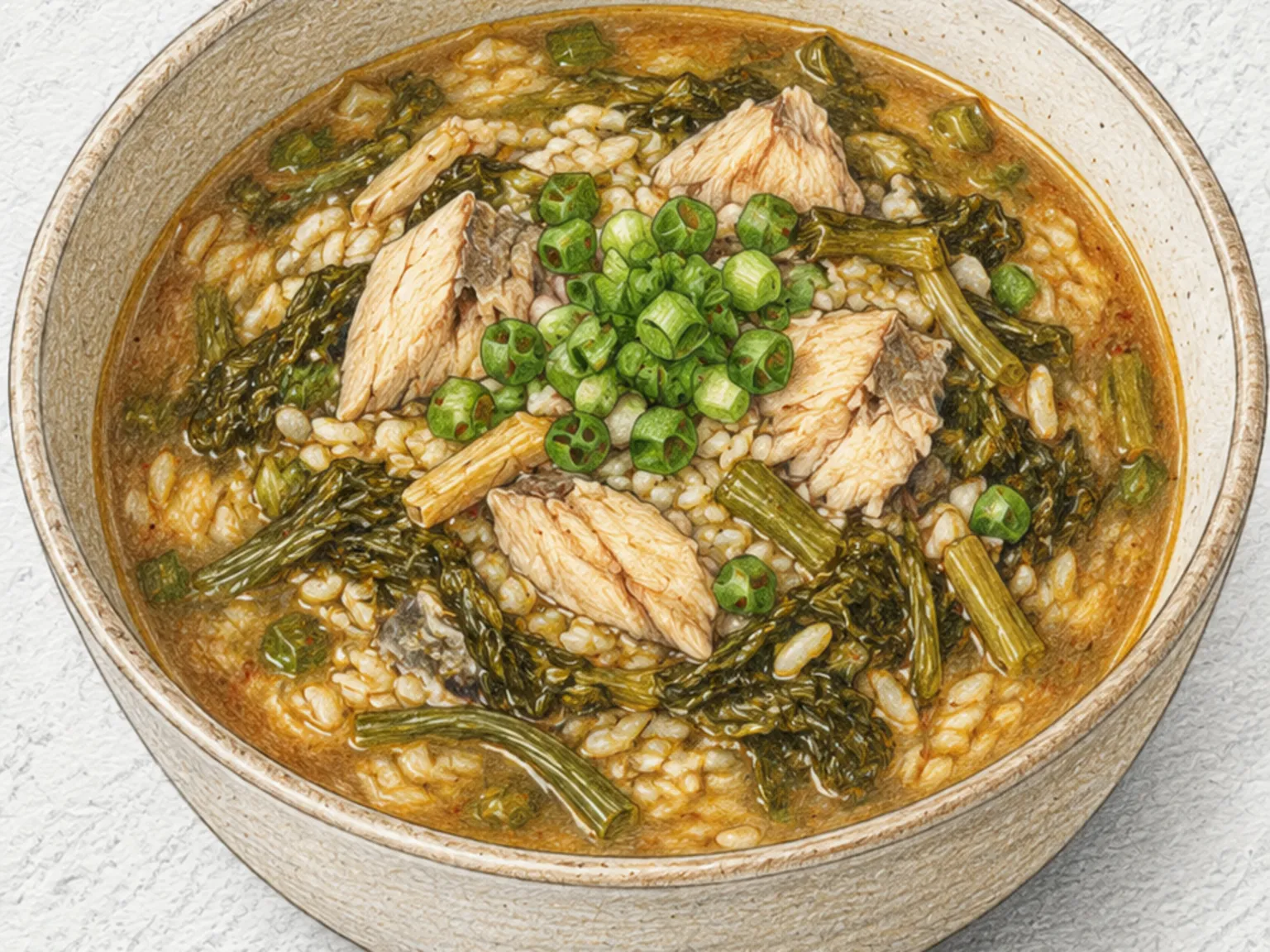
Siraegi-godeungeo gukbap is a hearty Korean rice soup that simmers mackerel fillet and dried radish greens in a doenjang-based broth, then ladles everything over rice.

What makes this special

  • Siraegi-godeungeo-gukbap combines marinated mackerel and dried greens in a rich, savory soybean paste broth.
  • Mackerel marinated in gochugaru and garlic 10 minutes before entering the pot
  • Doenjang strained through a sieve into anchovy stock for lump-free broth
Total time
60 min
Level
Medium
Servings
4 servings
Ingredients
9
Calories
520 kcal
Protein
27 g

Key ingredients

boneless mackerelboiled dried radish greenscooked riceanchovy stockdoenjang

Core cooking flow

  1. 1 Trim tough stems from 250 g boiled siraegi, then cut the greens into 4 cm lengths.
  2. 2 Cut 300 g boneless mackerel into bite-size pieces.
  3. 3 Bring 6 cups anchovy stock to a full boil over high heat.

Siraegi-godeungeo gukbap is a hearty Korean rice soup that simmers mackerel fillet and dried radish greens in a doenjang-based broth, then ladles everything over rice. The mackerel contributes a bold, oily umami while the siraegi adds an earthy vegetal depth - together in the fermented soybean broth, they create a rich, layered flavor. Anchovy stock forms the base, and a spoonful of gochugaru gives the soup a gentle heat that warms from the inside. The dried greens are boiled until completely tender before going into the pot, and the mackerel is deboned for easy eating. Finished with scallion and garlic, the broth soaks into the rice grains, making each spoonful a complete bite of soup, fish, greens, and grain.

Prep 25min Cook 35min 4 servings

Instructions

Read the steps as a cooking flow: prep, heat, seasoning, doneness control, and finish.

6 steps
  1. 1
    Heat

    Trim tough stems from 250 g boiled siraegi, then cut the greens into 4 cm lengths.

    Squeeze firmly to remove excess moisture so the doenjang broth stays clean and does not turn watery.

  2. 2
    Season

    Cut 300 g boneless mackerel into bite-size pieces.

    Toss with 0.5 tablespoon gochugaru and 0.5 tablespoon minced garlic, then let it season for 10 minutes without pressing the fish apart.

  3. 3
    Control

    Bring 6 cups anchovy stock to a full boil over high heat.

    Dissolve 1.5 tablespoons doenjang through a strainer, pressing only the paste through to reduce lumps and harsh bits.

  4. 4
    Control

    When the broth returns to a boil, add the siraegi and simmer over medium heat for 12 minutes.

    The stems should soften noticeably and the broth color should deepen before adding fish.

  5. 5
    Control

    Add the seasoned mackerel, then lower the heat to medium-low and simmer for 10 minutes.

    Avoid hard stirring because the flesh breaks easily, and gently shake the pot instead if needed.

  6. 6
    Control

    Season with 1 tablespoon soup soy sauce, the remaining minced garlic, and the remaining gochugaru.

    Add sliced green onion, simmer 2 minutes more, then ladle the hot soup over bowls of cooked rice.

After the steps

Pick a recipe that fits this dish.

Continue with shared ingredients, meal pairings, or a similar method.

Recipes That Go Well With This

More Rice →

Based on shared ingredients and meal pairing

Korean Dried Radish Greens Beef Pot Rice
Shared ingredient: boiled dried radish greens Rice

Korean Dried Radish Greens Beef Pot Rice

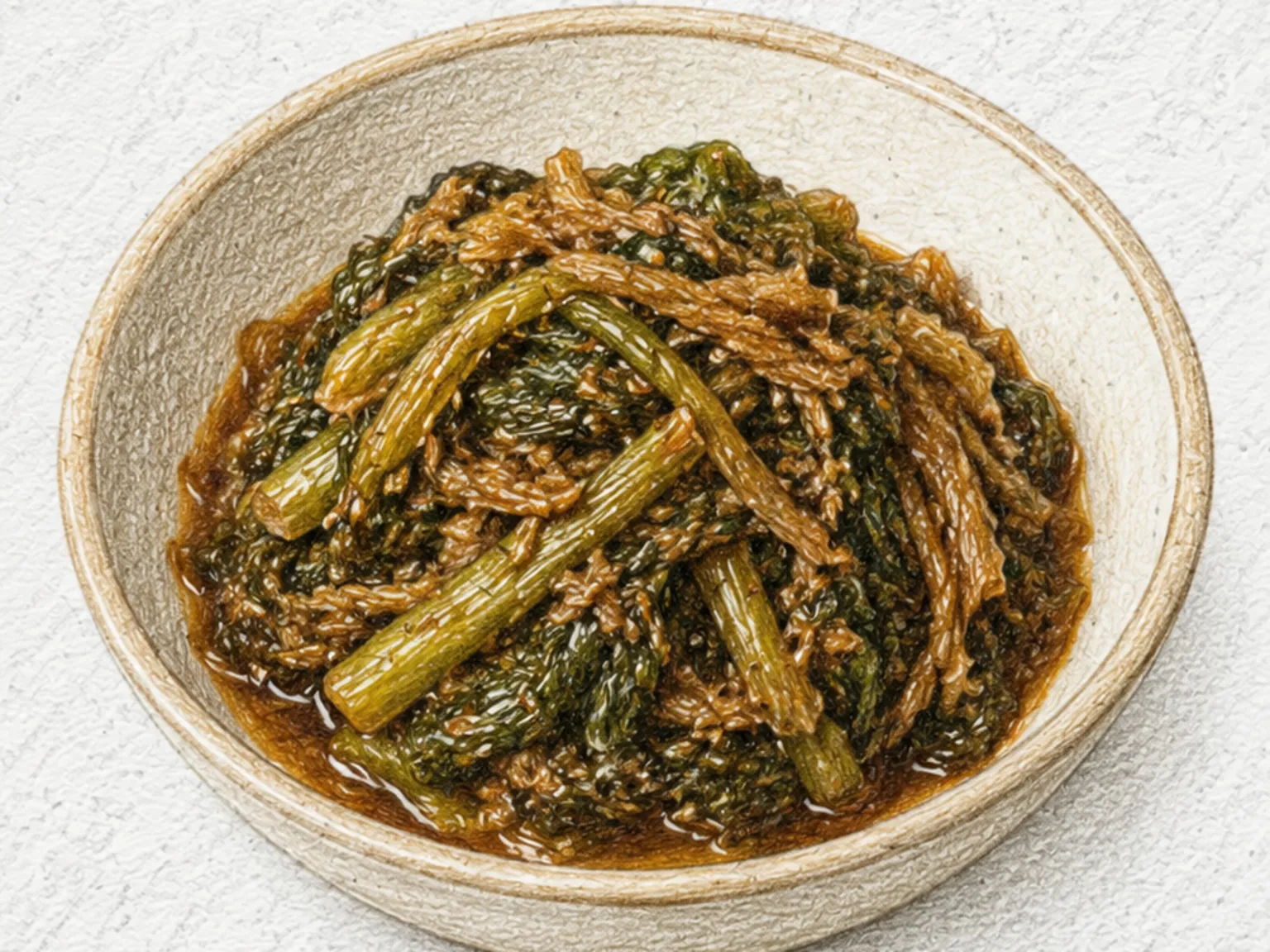
This pot rice layers soy-garlic marinated beef and softened siraegi over soaked rice, then cooks everything together in a heavy pot so the meat juices and earthy green flavors permeate every grain. Perilla oil is added to the pot, giving the finished rice a glossy sheen and a distinctly nutty aroma. As the rice cooks, the beef releases its savory juices downward while the siraegi steams on top, creating a gradient of flavor from meaty bottom to herbaceous top. A doenjang-based sauce mixed in at the table adds a salty, fermented punch that amplifies both the beef and the greens. The crispy scorched rice - nurungji - that forms at the bottom of the pot provides a crunchy finish to an otherwise soft, deeply flavored meal.

Korean Dried Radish Greens Chicken Porridge
Shared ingredient: boiled dried radish greens Rice

Korean Dried Radish Greens Chicken Porridge

This porridge combines shredded poached chicken breast with siraegi (dried radish greens) and rice for a clean, protein-rich bowl. The siraegi lends a grounding earthiness to the porridge base, while the hand-torn chicken provides a fibrous, lean texture in every spoonful. Rice is first stir-fried in sesame oil to add a nutty layer before water is poured in and everything simmers slowly until the grains dissolve into a thick, smooth consistency. Scallion and garlic build aromatic depth, and a splash of light soy sauce ties the flavors together without heaviness. Low in fat and easy to digest, this is a restorative meal that feels light on the stomach while still delivering substance and warmth.

Korean Buckwheat Jelly Cold Broth Bowl
Serve together Soups

Korean Buckwheat Jelly Cold Broth Bowl

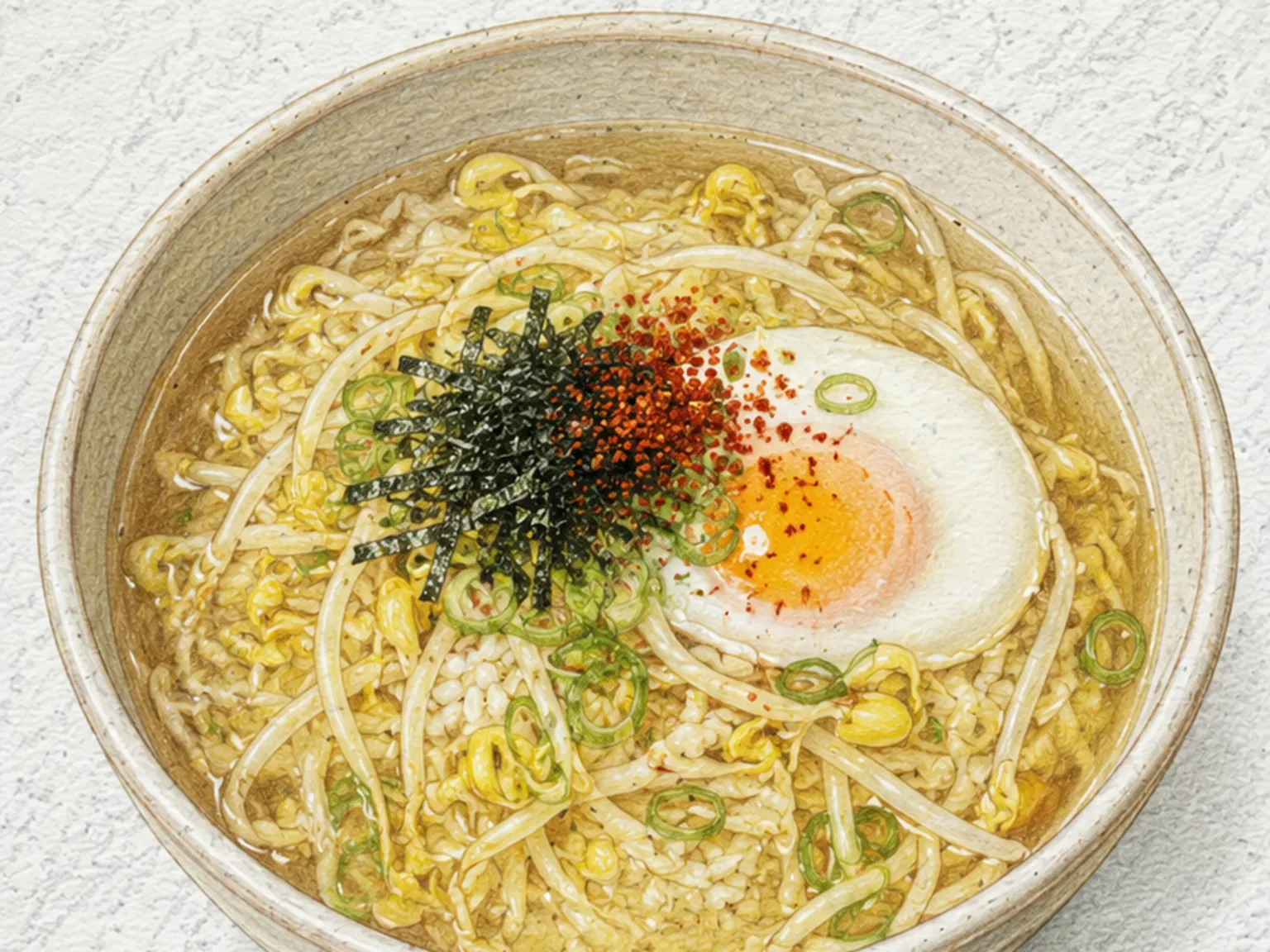
Memil-muksabal is a chilled Korean dish in which firm blocks of buckwheat jelly sit submerged in cold, seasoned broth. The broth is typically made from anchovy or beef stock, cooled to refrigerator temperature, and sharpened with soy sauce, rice vinegar, and a touch of sugar that balances the acidity. Buckwheat jelly has a neutral, slightly earthy flavor and a slippery, springy texture that absorbs the surrounding seasonings with each bite. Julienned cucumber adds crunch, crushed roasted sesame seeds contribute nuttiness, and shredded dried seaweed brings a gentle oceanic accent. The dish is almost calorie-free compared to noodle soups and digests easily, which is why it appears on Korean tables most frequently during the hottest weeks of summer. Making the jelly from scratch involves boiling buckwheat starch until thick and letting it set, but store-bought blocks simplify the process to little more than slicing and assembling. The cold broth hits the palate first, followed by the yielding texture of the jelly - a sequence that feels instantly cooling.

Korean Dried Radish Greens Pork Soup
Similar recipe Soups

Korean Dried Radish Greens Pork Soup

Siraegi-dwaejigogi-guk is a hearty Korean soup that marries dried radish greens with pork in a broth deepened by doenjang and warmed with a moderate dose of gochugaru. The dried greens are first boiled until pliable, then dressed with soybean paste so the fermented flavor works its way into every fiber. Pork shoulder or neck, cut into bite-sized pieces, simmers alongside, releasing rendered fat that enriches the broth and adds a full-bodied mouthfeel. The chili flakes turn the liquid a dark reddish-brown and introduce a gentle heat that prevents the pork fat from feeling heavy. Garlic and green onion build the aromatic base, and some cooks add a splash of perilla oil at the end for an extra layer of nuttiness. The greens keep a pleasant chew even after long cooking, providing textural contrast to the tender pork. Served over rice with plenty of broth ladled on top, each spoonful delivers doenjang, pork, and radish greens in a single, satisfying combination. This soup is at its best during winter, when dried radish greens from the autumn harvest are at peak flavor and the cold weather demands something hot and substantial.

Serve with this

Korean Dried Radish Greens & Clam Soybean Stew
Stews Medium

Korean Dried Radish Greens & Clam Soybean Stew

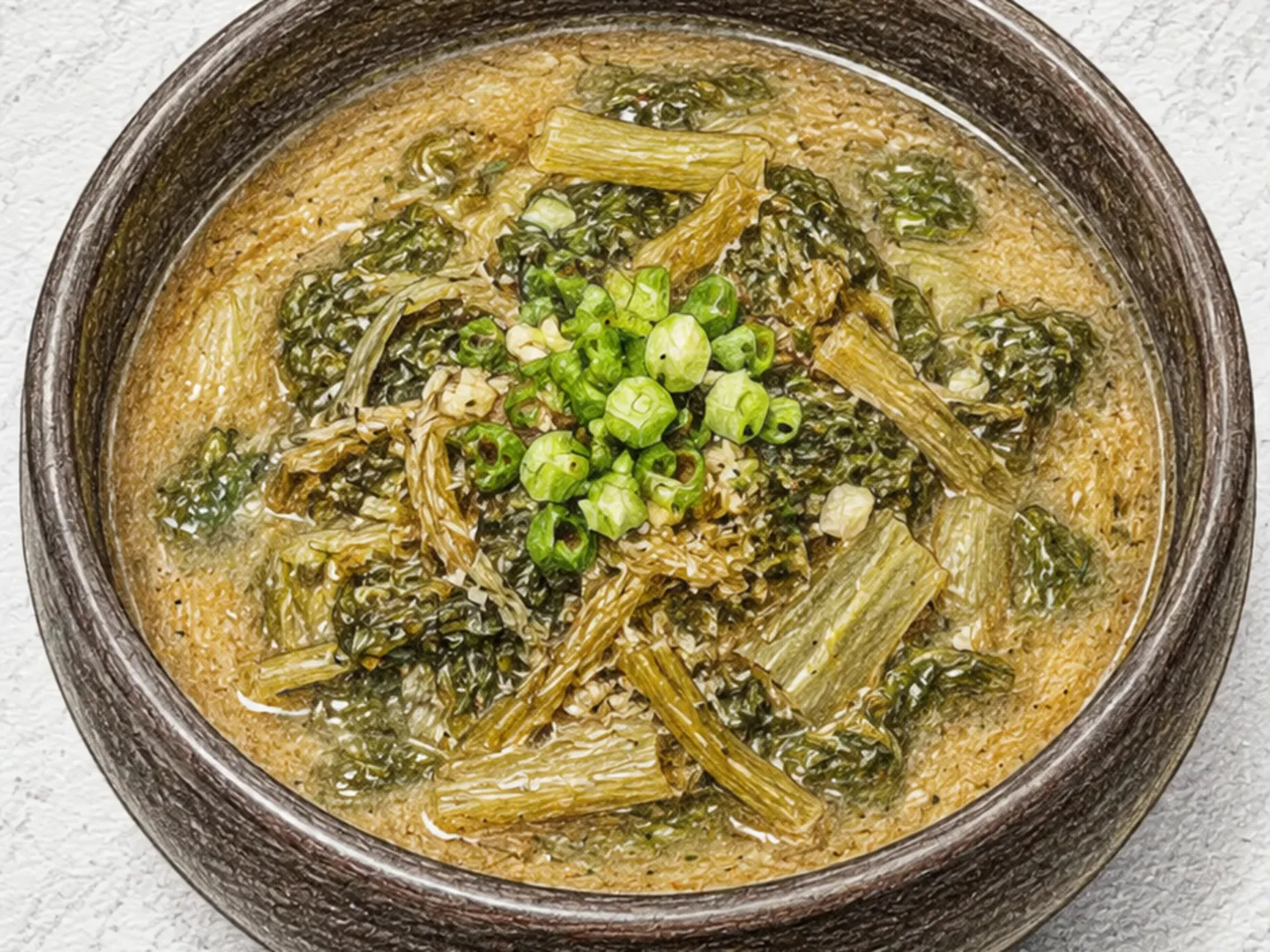
This stew pairs rehydrated dried radish greens with fresh clams in a broth of rice-rinse water seasoned with doenjang and a measured amount of gochujang. The radish greens go into perilla oil first, sauteing until their nutty aroma blooms fully before the clams are added. As the clams open, they release a clean, briny liquid that merges with the fermented soybean paste to form a layered, deeply savory base. Korean radish and onion contribute background sweetness, while green onion and garlic anchor the aromatic profile with a sharp edge. The rice-rinse water introduces a gentle body to the broth, giving it a slightly thickened, silky texture that coats each spoonful. The doenjang works its way into the fibrous radish greens during cooking, so each bite carries the full weight of the seasoning. This is the kind of stew that makes plain rice disappear from the bowl without effort.

🏠 Everyday
Prep 20min Cook 25min 4 servings
Shredded Chili Pickle
Side dishes Easy

Shredded Chili Pickle

Shredded chili pickle is a spicy and sour side dish that pairs exceptionally well with grilled meat dishes. This recipe combines hot Cheongyang chilies and mild, crunchy cucumber peppers to balance the heat level and texture. The chilies are washed, dried, and cleaned of their seeds to eliminate any bitter taste. Slicing them into thin strips of two to three millimeters ensures that the brine penetrates quickly and evenly. The pickle liquid is made by boiling equal parts of soy sauce, vinegar, sugar, and water. Once boiled, the brine is cooled for ten to fifteen minutes to release the steam before being poured over the shredded chilies in an airtight container. The mixture is left at room temperature for four to six hours to cool, then sealed and kept in the refrigerator to be served from the next day.

🔥 Trending Now ⚡ Quick
Prep 15min Cook 5min 4 servings
Korean Sweet Potato Stem Kimchi
Kimchi Medium

Korean Sweet Potato Stem Kimchi

Goguma julgi kimchi is made from sweet potato stems, prepared by carefully peeling their tough, stringy outer skin to expose the elastic inner fiber, blanching briefly, then seasoning with gochugaru, anchovy fish sauce, minced garlic, and glutinous rice paste before being left to ferment. Once stripped of the outer skin, the stems retain only their springy, chewy core, which gives every bite a bouncy, almost springy resistance that sets this kimchi apart from leafy varieties. As the fermentation progresses, the seasoning works its way deep into the fibrous channels of each stem, building a well-balanced spicy-salty flavor throughout. Scallions bring a fresh herbal note, and onion rounds the sharp edges of the chili seasoning with natural sweetness. The peeling is time-consuming, but the distinctive texture rewards the effort. Made in peak summer when sweet potato stems are freshest, this kimchi is considered a seasonal treat.

🍱 Lunchbox 🏠 Everyday
Prep 35min Cook 10min 4 servings

Similar recipes

Korean Thistle and Mackerel Pot Rice
Rice Medium

Korean Thistle and Mackerel Pot Rice

Gondre mackerel sotbap begins by stir-frying thinly sliced radish in sesame oil to build a savory base, then soaked rice and squeezed gondre thistle greens are added before a mackerel fillet marinated in cooking wine and ginger juice is placed skin-side up on top. The pot is covered and cooked over low heat for fourteen minutes, followed by five minutes of resting off the heat. During that resting period, the earthy, slightly smoky aroma of gondre and the concentrated umami of the mackerel seep into each grain of rice without further stirring. Keeping the fish skin-side up protects the flesh from breaking apart during cooking and prevents the pot from becoming cloudy with loose pieces. The radish layer at the bottom absorbs moisture and guards against sticking while contributing its own mild sweetness to the rice underneath. Before eating, a drizzle of soy sauce is poured over the opened pot and the contents are tossed together lightly, bringing the mountain-foraged greens and the sea fish into a unified, quietly complex bowl. The scorched rice crust that forms on the bottom of the pot is steeped in hot water to make nurungji tea.

🏠 Everyday
Prep 18min Cook 28min 2 servings
Korean Dried Radish Greens Beef Soup
Soups Medium

Korean Dried Radish Greens Beef Soup

Siraegi-soegogi-guk combines beef brisket or shank with dried radish greens in a doenjang-seasoned broth that is simultaneously meaty, earthy, and fermented. The beef simmers first, building a clear stock with substantial body, before the pre-boiled and softened radish greens are introduced. Doenjang dissolves into the stock and acts as a bridge between the animal richness of the beef and the vegetal, slightly bitter quality of the greens, making both taste more complete than they would alone. An optional spoonful of gochugaru adds warmth and color, shifting the soup from mild to gently spicy. Garlic and green onion handle the aromatic duties, and a scoop of ground perilla seeds - stirred in near the end - gives the broth a creamy, nutty finish that softens the edges. This soup is one of the more filling options in the Korean guk repertoire because both the beef and the fibrous greens provide substance and chew. A single bowl, ladled generously over rice, can replace an entire meal without any additional banchan. The flavors deepen overnight, making leftovers an anticipated breakfast rather than an afterthought.

🏠 Everyday 🥗 Light & Healthy
Prep 20min Cook 45min 4 servings
Korean Dried Greens Mackerel Stew
Stews Medium

Korean Dried Greens Mackerel Stew

Siraegi-godeungeo-jjigae is a spicy Korean stew that combines mackerel and boiled dried radish greens in a gochugaru-seasoned broth. The oily, pronounced umami of the mackerel and the earthy, slightly musty depth of the dried greens amplify each other in the pot, while Korean radish maintains a clean, refreshing base that prevents the combination from becoming too heavy. Using rice-rinse water as the broth foundation is a traditional technique that neutralizes the mackerel's fishiness while simultaneously giving the liquid a mild, rounded body that plain water cannot provide. The radish greens must be well squeezed after boiling to remove any grassy, off-putting odor; briefly sauteing them in perilla oil before adding them to the stew deepens their nutty character further. Seasoning with gochugaru alone, without gochujang, preserves the clarity and clean red color of the broth and keeps its defining quality: a penetrating spiciness that is simultaneously bracing and warming rather than paste-thick and murky. Onion, green onion, and minced garlic round out the aromatics and complete the flavor profile of a classic everyday Korean jjigae. Mackerel is typically added bone-in, and eating it by working the flesh off the bones with chopsticks as you go is part of the simple, unhurried character of the dish.

🏠 Everyday
Prep 20min Cook 35min 4 servings

Tips

If needed, add 1 tbsp rice wine to reduce fishy odor.
Longer simmering of siraegi deepens the broth flavor.

Nutrition (per serving)

Calories
520
kcal
Protein
27
g
Carbs
63
g
Fat
16
g