Chicken Soboro Rice Bowl (Ground Chicken and Scrambled Egg over Rice)
Rice Easy

Chicken Soboro Rice Bowl (Ground Chicken and Scrambled Egg over Rice)

Quick answer

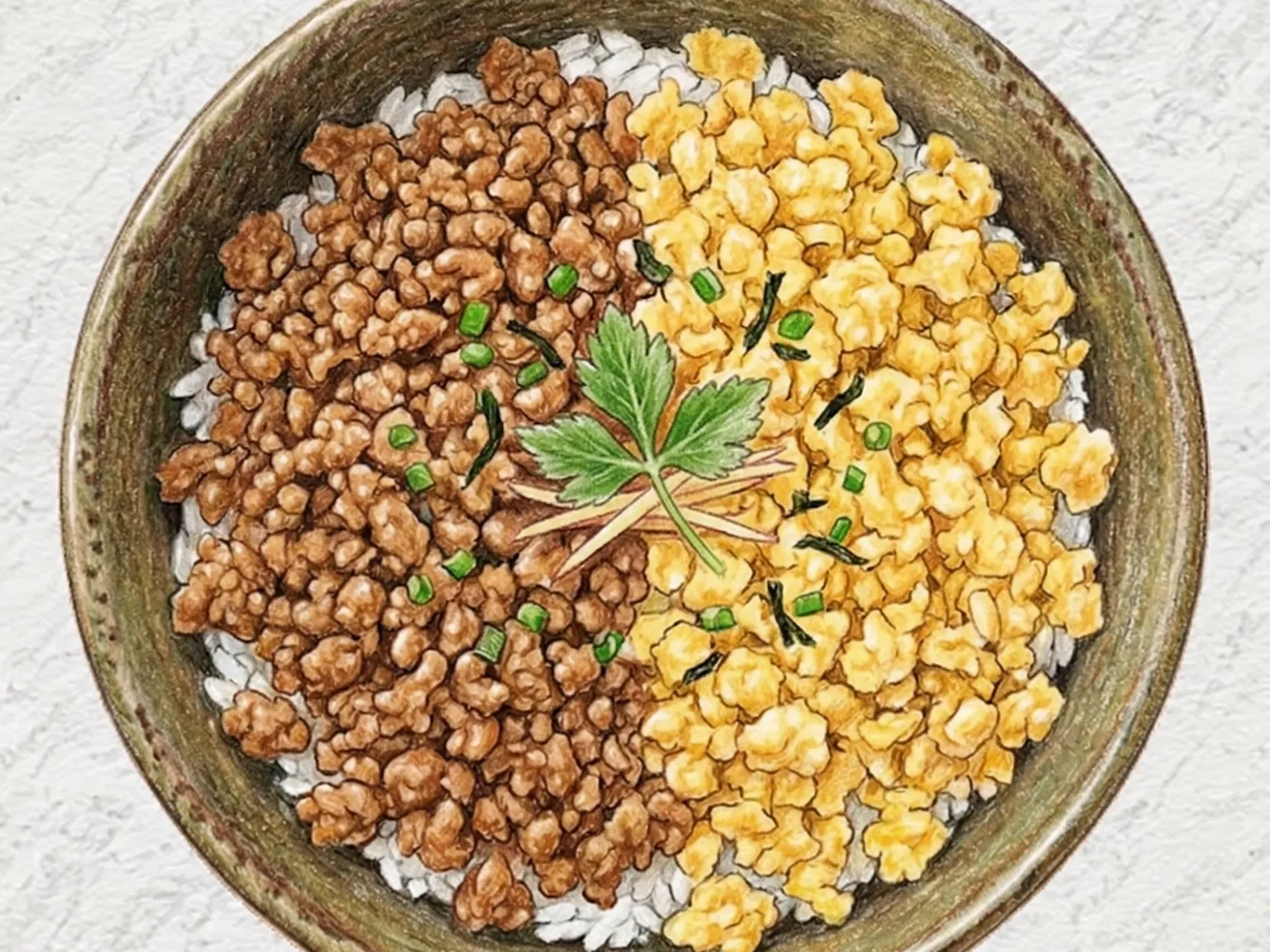
Soboro-don is a Japanese-style rice bowl that tops steamed rice with two side-by-side mounds: savory minced chicken and sweet scrambled egg.

What makes this special

  • Constant chopstick stirring breaks chicken and egg into fine, savory crumbles over rice.
  • Ginger-mirin-soy marinade and chopstick stirring break chicken into fine crumbles
  • Egg beaten with sugar and stirred on low heat forms silky yellow crumbles
Total time
30 min
Level
Easy
Servings
2 servings
Ingredients
7
Calories
500 kcal
Protein
30 g

Key ingredients

cooked riceground chickeneggssoy saucesugar

Core cooking flow

  1. 1 Keep the 2 cups of cooked rice warm before assembling the bowls.
  2. 2 Add 1.5 tablespoons soy sauce, half the sugar, 1 tablespoon mirin, and 1 tea...
  3. 3 Cook the chicken for about 6 minutes until excess moisture evaporates.

Soboro-don is a Japanese-style rice bowl that tops steamed rice with two side-by-side mounds: savory minced chicken and sweet scrambled egg. The chicken is seasoned with soy sauce, sugar, mirin, and ginger juice, then stirred constantly with chopsticks over medium heat until it breaks into fine, crumbly grains that are individually coated in glaze. The egg is treated the same way - beaten, poured into a pan, and stirred into soft, fluffy curds. Arranged half-and-half on the rice, the brown chicken and bright yellow egg create a visual contrast that makes the bowl inviting. Both toppings share a gentle sweetness balanced by soy umami, and their fine, loose texture means every bite blends effortlessly with the rice beneath.

Prep 15min Cook 15min 2 servings

Instructions

Read the steps as a cooking flow: prep, heat, seasoning, doneness control, and finish.

6 steps
  1. 1
    Heat

    Keep the 2 cups of cooked rice warm before assembling the bowls.

    Place 220 g ground chicken in the pan and break up any packed clumps first so it can cook into fine, even crumbles.

  2. 2
    Control

    Add 1.5 tablespoons soy sauce, half the sugar, 1 tablespoon mirin, and 1 teaspoon ginger juice to the chicken.

    Set over medium heat and stir constantly with chopsticks to keep the meat from forming large pieces.

  3. 3
    Season

    Cook the chicken for about 6 minutes until excess moisture evaporates.

    Stop when the seasoning looks glossy on the meat and the grains are loose and crumbly, before the soy glaze begins to scorch.

  4. 4
    Season

    Beat the 3 eggs with the remaining sugar until no clear streaks of white remain.

    Stir smoothly and thoroughly, because an even mixture makes smaller, softer egg crumbles once it hits the pan.

  5. 5
    Control

    Lower the pan to low heat and pour in the beaten egg.

    Move chopsticks quickly across the bottom before it sets into sheets, cooking it into fine yellow crumbles that stay soft rather than dry.

  6. 6
    Finish

    Spoon the warm rice into bowls and arrange the chicken soboro and egg soboro in separate halves.

    Sprinkle a little seaweed flakes if desired, then serve right away while the rice is warm and the toppings are loose.

After the steps

Pick a recipe that fits this dish.

Continue with shared ingredients, meal pairings, or a similar method.

Recipes That Go Well With This

More Rice →

Based on shared ingredients and meal pairing

Chicken and Egg Rice Bowl
Shared ingredient: cooked short-grain rice Rice

Chicken and Egg Rice Bowl

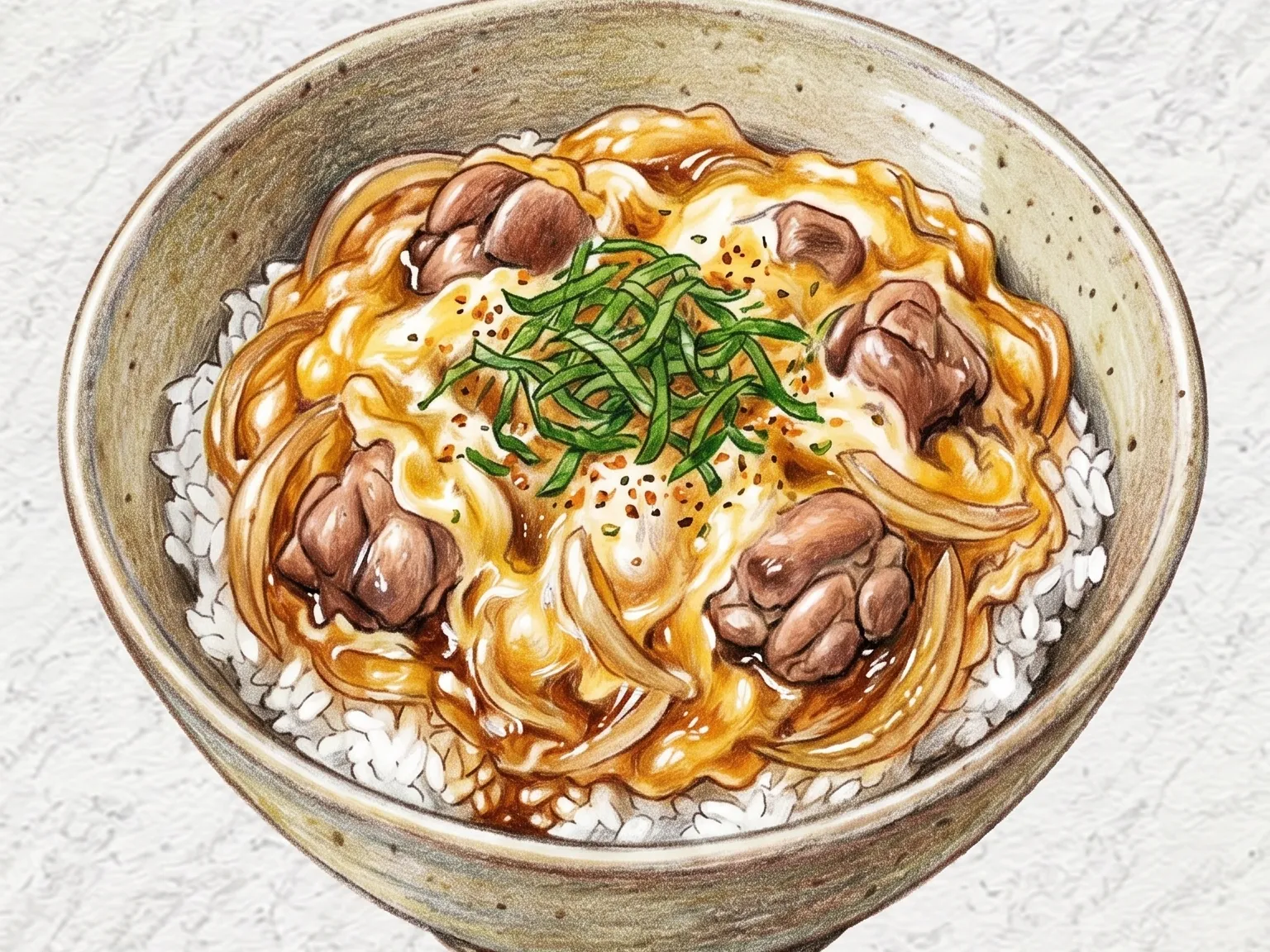
Oyakodon simmers bite-size chicken thigh and sliced onion in a soy-mirin broth, then binds everything with a soft-set egg before sliding it over steamed rice. The name means 'parent and child,' referring to the chicken and egg sharing the same bowl. Onion goes into the broth first to release its natural sweetness, followed by the chicken, which cooks just until tender. Beaten eggs are poured in a circular motion and the lid goes on briefly, leaving the egg custardy rather than fully set. That half-cooked egg absorbs the savory-sweet broth and coats each grain of rice. Despite using only a handful of ingredients, the layered umami from soy sauce and mirin gives the dish a satisfying depth.

Mitsuba Oyakodon (Japanese Chicken Egg Rice Bowl with Mitsuba Herb)
Shared ingredient: cooked short-grain rice Asian

Mitsuba Oyakodon (Japanese Chicken Egg Rice Bowl with Mitsuba Herb)

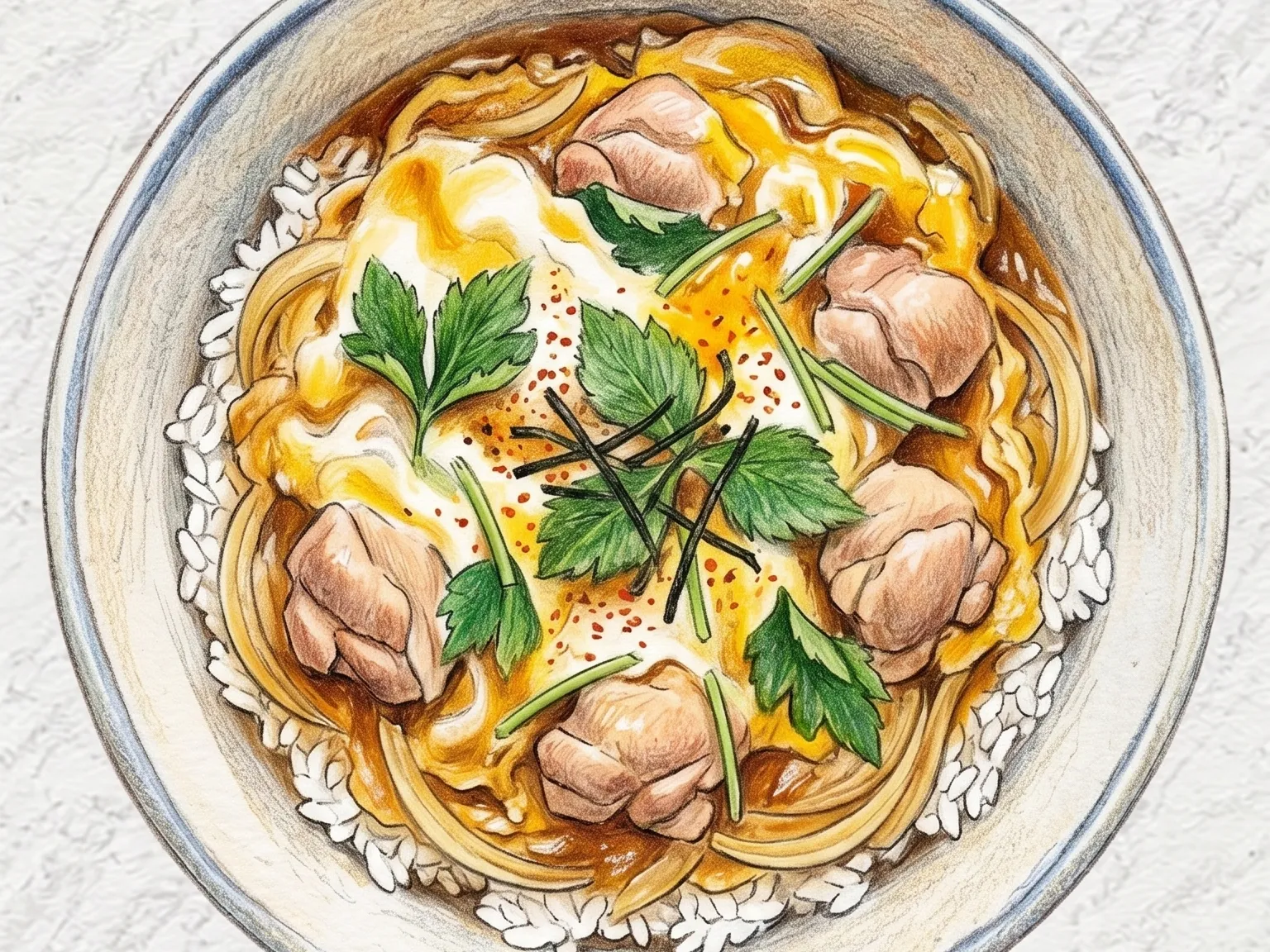
This Japanese chicken and egg rice bowl features chicken thighs and sliced onions simmered in dashi stock, soy sauce, and mirin. The chicken is cut into bite-sized pieces and cooked in the broth until tender. Beaten eggs are added in two batches: the first half is allowed to set slightly before the remainder is poured, creating a mixture of firm and silky, runny textures. To keep the egg texture soft, it is important not to overbeat the eggs before cooking. Fresh mitsuba, a Japanese wild parsley, is cut into four-centimeter pieces and placed on top during the last twenty seconds of cooking with the lid closed. This brief steaming preserves its delicate celery-like fragrance and green color. Letting the dish rest off the heat for thirty seconds before serving over warm rice ensures a smooth custard-like texture that coats each grain.

Korean Green Onion Salad (Doenjang-Dressed Grilled Meat Side)
Serve together Side dishes

Korean Green Onion Salad (Doenjang-Dressed Grilled Meat Side)

Jjokpa-muchim dresses thin, tender Korean chives in doenjang and gochujang, functioning as a supporting banchan that almost invariably accompanies grilled samgyeopsal or pan-roasted fish. Jjokpa is milder and naturally sweeter than regular green onion, which is what makes it suitable for eating raw: the gentle sharpness cuts through the fat of grilled pork without overwhelming the palate. The fermented, earthy depth of doenjang and the spicy kick of gochujang layer over the chive's natural pungency, building complex flavor from three uncomplicated ingredients. The essential rule is to dress the chives immediately before serving, because the salt in both pastes begins drawing moisture from the jjokpa within minutes, collapsing the crisp snap that defines the dish. Cut to four-centimeter lengths and gently tumbled in the sauce, the preparation takes under five minutes. Spring jjokpa is the most tender and sweet of the year, making it the best season to make this banchan. A few drops of sesame oil folded in at the end add a toasty fragrance, and a pinch of minced garlic sharpens the overall aroma. Perilla oil can substitute for sesame oil and delivers a deeper, more distinctive nuttiness.

Yakitori Rice Bowl (Soy-Mirin Glazed Grilled Chicken over Rice)
Similar recipe Rice

Yakitori Rice Bowl (Soy-Mirin Glazed Grilled Chicken over Rice)

Direct heat and a repetitive glazing process define the preparation of this chicken skewer bowl. Small pieces of chicken thigh are secured onto skewers and grilled over a flame while a mixture of soy sauce, mirin, and sugar is applied in thin, sequential layers. This technique builds a lacquered surface through caramelization, which directs the sweet and salty flavors to the exterior of the meat. Applying the sauce too heavily in a single pass often leads to burning and an uneven crust. Because chicken thigh contains natural fats, the meat remains moist and tender even under high temperatures. When the cooked pieces are removed from the skewers and placed onto the rice, the excess glaze permeates the grains to provide sufficient seasoning. Sprinkling shichimi togarashi or sansho powder introduces a sharp or citrus-like contrast to the sweetness of the chicken. While chicken breast serves as a leaner alternative, it requires a longer marinating period and a shorter time on the grill to prevent the meat from drying out. The tare sauce can be prepared in advance and stored in the refrigerator for several weeks. Adding a halved soft-boiled egg or sliced scallions provides different textures and prevents the meal from feeling repetitive.

Serve with this

Korean Zucchini Kimchi (Summer Fresh Gochugaru Quick)
Kimchi Easy

Korean Zucchini Kimchi (Summer Fresh Gochugaru Quick)

Hobak kimchi represents a seasonal Korean vegetable preparation specifically associated with the summer months. This timing is chosen because domestic aehobak reach their peak levels of natural sweetness and maintain a particularly tender internal structure during this time of year. To prepare the zucchini for seasoning, the vegetable is typically sliced into thin half-moon shapes or uniform rectangular pieces. The salting stage for these slices is kept intentionally brief. This limited salting time serves a specific functional purpose in the recipe by preventing the extraction of excessive moisture from the vegetable cells. If the zucchini remains in salt for an extended period, the individual slices tend to lose their structural integrity and collapse, which eliminates the characteristic crispness that defines the quality of the finished dish. Once the brief salting process is complete, the zucchini pieces are rinsed in cold water and squeezed firmly by hand to remove as much residual liquid as possible. The seasoning phase involves thoroughly tossing the prepared slices with a combination of red chili flakes known as gochugaru, fish sauce, and finely minced garlic. Rather than utilizing refined sugar for seasoning, this recipe relies on the addition of plum extract. The extract provides a balanced and rounded natural sweetness to the profile of the dish without the need for processed additives. Fresh garlic chives are integrated into the mixture to contribute an aromatic and grassy quality that connects the different flavor elements together. Thinly sliced onions are also added to provide a subtle savory depth in the background. This particular variety is a no-fermentation kimchi, meaning it is designed to be consumed on the same day it is made or within two days at the most. Beyond this forty-eight hour window, the texture of the zucchini softens significantly and the initial freshness of the ingredients begins to dissipate. To maintain the best possible quality during this short period, the kimchi should be kept in a tightly sealed container and stored in the refrigerator.

🍱 Lunchbox ⚡ Quick
Prep 22min Cook 5min 2 servings
Korean Soft Tofu Soup (Mild Clear Broth with Silken Tofu)
Soups Easy

Korean Soft Tofu Soup (Mild Clear Broth with Silken Tofu)

Sundubu-guk is the gentler sibling of the more widely known sundubu-jjigae, trading the latter's fiery red broth for a clear, mild soup that puts silken tofu front and center. The base is a simple anchovy and kelp stock, seasoned with soup soy sauce and nothing more assertive, so the broth stays transparent and clean on the palate. Blocks of unpressed soft tofu are slipped into the simmering liquid and heated just until they are warmed through - overcooked sundubu loses the trembling, custard-like texture that defines the dish. Each spoonful collapses gently on the tongue, releasing a faint, sweet soybean flavor that pairs effortlessly with the umami-rich stock. A small addition of salted shrimp paste can be stirred in at the table to introduce a subtle marine depth without disrupting the soup's calm character. This is the soup Koreans turn to when appetite is low, digestion needs rest, or the body simply craves something warm and uncomplicated. It is equally suitable for young children and elderly diners, and its quiet simplicity is precisely its strength.

🏠 Everyday ⚡ Quick
Prep 5min Cook 15min 4 servings
Korean Kimchi Mandu Jjigae (Kimchi Dumpling Stew)
Stews Easy

Korean Kimchi Mandu Jjigae (Kimchi Dumpling Stew)

Kimchi mandu jjigae drops whole frozen kimchi dumplings straight into a simmering pot of aged kimchi, tofu, and anchovy stock. The dumpling wrappers absorb the broth as they cook, swelling plump and moist, while the kimchi filling inside echoes the stew's tangy base and doubles the fermented depth. Gochugaru and soup soy sauce add a clean chili heat, and firm tofu cubes absorb the spiced broth for a softer textural contrast. Because the dumplings themselves carry seasoning, it is better to start with less sauce and adjust after tasting the broth. This is a filling, no-fuss meal that needs nothing more than a bowl of steamed rice alongside it.

🏠 Everyday ⚡ Quick
Prep 8min Cook 15min 2 servings

Similar recipes

Pork Rice Bowl (Sweet-Salty Glazed Pork over Rice)
Rice Easy

Pork Rice Bowl (Sweet-Salty Glazed Pork over Rice)

Butadon is a Japanese pork rice bowl that originated in Obihiro, Hokkaido, where thin slices of pork belly or shoulder are simmered with onion in a glaze of soy sauce, mirin, and sugar, then laid over a bowl of steamed rice. The soy salt and sugar sweetness balance precisely as the meat absorbs the sauce, while the onion dissolves gradually into the cooking liquid, contributing a natural sweetness that deepens the glaze. Where the pork meets the pan, the edges caramelize into a slightly charred coating that adds a roasted dimension to the otherwise clean, saucy topping. Hokkaido pork, with its firm texture and higher fat content, is traditional, though any well-marbled cut works. The preparation is genuinely simple - one pan, one sauce, no elaborate knife work - which is exactly why it became a staple weeknight meal across Japan.

🏠 Everyday ⚡ Quick
Prep 15min Cook 15min 2 servings
Steak Rice Bowl (Seared Beef with Soy-Garlic Glaze over Rice)
Rice Medium

Steak Rice Bowl (Seared Beef with Soy-Garlic Glaze over Rice)

A thick-cut beef steak is seared at high heat until a deep brown crust forms, then sliced and fanned over a bowl of hot rice. A glaze of soy sauce, garlic, and mirin is spooned over the slices, coating them in a glossy, caramelized finish. As the warm rice absorbs the pan juices, each spoonful carries the full weight of the beef's seared flavor. A runny fried egg or a small dab of wasabi on the side balances the richness with creaminess or heat. Controlling resting time and grain texture helps the ingredients cook evenly while keeping the final seasoning balanced.

🎉 Special Occasion 🍺 Bar Snacks
Prep 15min Cook 15min 2 servings
Japanese Ginger Soy Braised Chicken
Stir-fry Easy

Japanese Ginger Soy Braised Chicken

Toriniku shigureni is a Japanese-style simmered dish of ground chicken cooked down with julienned ginger, soy sauce, mirin, and sugar until most of the liquid evaporates. The chicken is browned first over medium heat, then ginger is added for its sharp bite before the braising liquid goes in. As the sauce reduces over six minutes, it concentrates into a sweet-salty glaze that clings to the meat. The ginger tames any gamey notes while adding warmth, making this a versatile topping for rice bowls or a compact side dish for packed lunches.

🏠 Everyday 🌙 Late Night
Prep 10min Cook 12min 2 servings

Tips

Low heat gives fine fluffy egg crumbles.
A teaspoon of cooking sake reduces chicken odor.

Nutrition (per serving)

Calories
500
kcal
Protein
30
g
Carbs
59
g
Fat
14
g