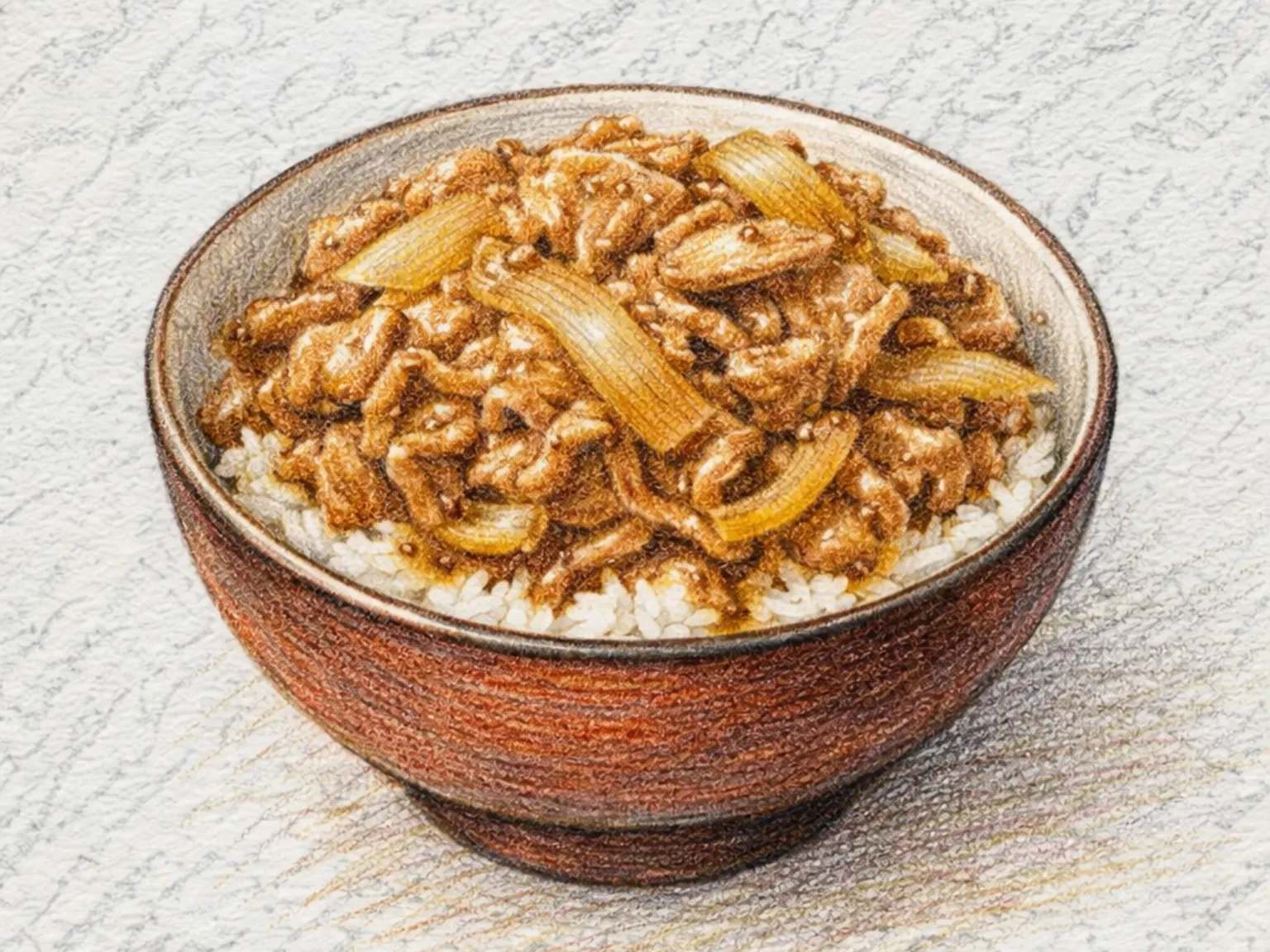
Korean Soy Glazed Beef Rice Bowl
Sogogi deopbap tops steamed rice with thin-sliced beef and onions cooked in a sweet-soy glaze, served with just enough sauce to soak into the grains. The beef is marinated briefly in a mixture of dark soy sauce, sugar, and minced garlic, which caramelizes quickly in a hot pan. Onion slices cook alongside the beef, their natural sweetness balancing the salty-sweet sauce as they soften. Sesame oil added toward the end leaves a nutty aftertaste that lingers. The key is keeping a small pool of sauce in the pan rather than reducing it completely - that glossy liquid seeps into the rice and makes each spoonful flavorful without needing additional seasoning. A generous crack of black pepper at the end adds a sharp finish.
Adjust Servings
Instructions
- 1
Marinate beef with soy sauce, sugar, garlic, and pepper for 10 minutes.
- 2
Thinly slice the onion.
- 3
Spread beef in a hot pan and stir-fry quickly over high heat.
- 4
When beef is half-cooked, add onion and stir-fry 3 more minutes.
- 5
Add sesame oil, toss for 30 seconds, then turn off heat.
- 6
Serve the beef stir-fry over rice.
As an Amazon Associate, we may earn from qualifying purchases.
Tips
Nutrition (per serving)
More Recipes

Korean Jangjorim Butter Rice
Unsalted butter is melted into hot rice so each grain is coated in a slick of fat, then topped with shredded soy-braised beef and its concentrated braising liquid. The beef's soy-based marinade carries enough salt and sweetness that no additional seasoning is needed, and breaking a raw egg yolk into the center and stirring transforms the texture into something creamy. Roasted seaweed flakes add a brittle crunch and oceanic note, while scallion and sesame seeds round out the finish. If the jangjorim is already prepared, the entire assembly takes less than fifteen minutes.

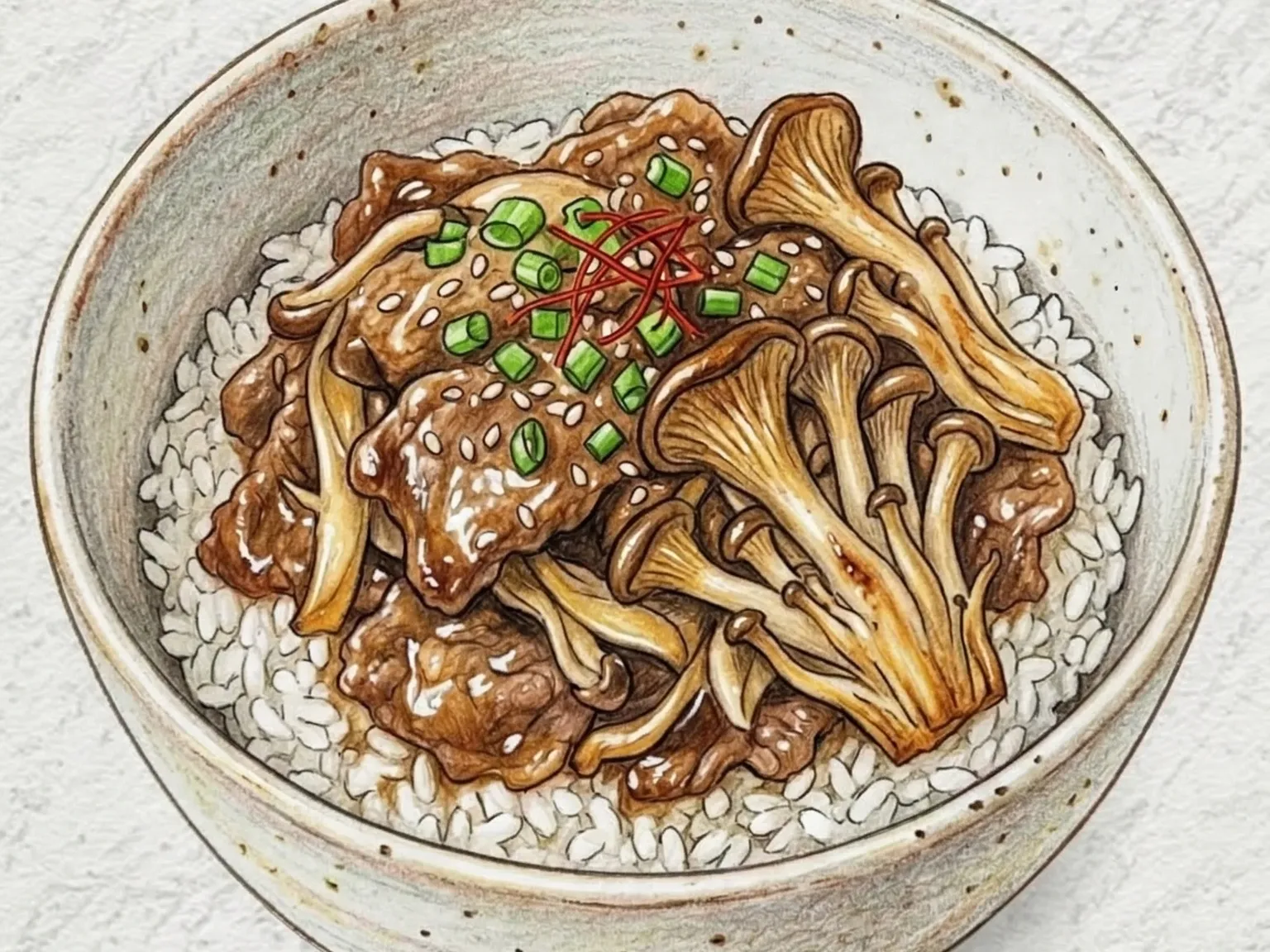
Korean Bulgogi Mushroom Rice Bowl
Soy-and-pear-juice-marinated beef is stir-fried with torn oyster mushrooms and served over rice for an umami-loaded bowl. Pre-cooking the mushrooms drives off excess moisture, so the sauce stays concentrated and glossy when the marinated beef joins the pan. Pear juice tenderizes the beef naturally while contributing a subtle sweetness, and sesame oil ties the flavors together with its toasty fragrance. If pear juice is unavailable, a teaspoon of sugar with a tablespoon of water makes a workable substitute.

Korean Gochujang Chicken Mayo Rice Bowl
Crispy chicken thigh glazed in gochujang and drizzled with creamy mayo over rice - the ultimate Korean comfort bowl. Bite-sized chicken thigh pieces are stir-fried in a sauce of gochujang, soy sauce, sugar, and garlic until a glossy, spicy-sweet glaze coats every piece. The sauced chicken is piled over warm rice and finished with a zigzag drizzle of mayonnaise, creating a three-way interplay of fermented chili heat, caramelized sweetness, and cool creaminess. Onion cooked alongside the chicken adds a natural sweetness to the sauce, and chopped green onion on top provides a fresh finishing note. Thigh meat holds its moisture better than breast through the high-heat stir-fry, keeping the bowl from drying out.

Korean Pork Belly Kimchi Fried Rice
Pork belly is diced small and rendered in a hot pan until golden, producing enough fat to cook the entire dish without additional oil. Aged kimchi and onion go into that rendered fat, where the kimchi's sharp tang softens into the pork's richness. Gochujang and soy sauce season the rice as it joins the pan, and aggressive high-heat stir-frying keeps each grain distinct rather than clumpy. Day-old cold rice works best because its lower moisture content yields a drier, crispier result, and a fried egg on top provides a creamy counterpoint when the yolk breaks.

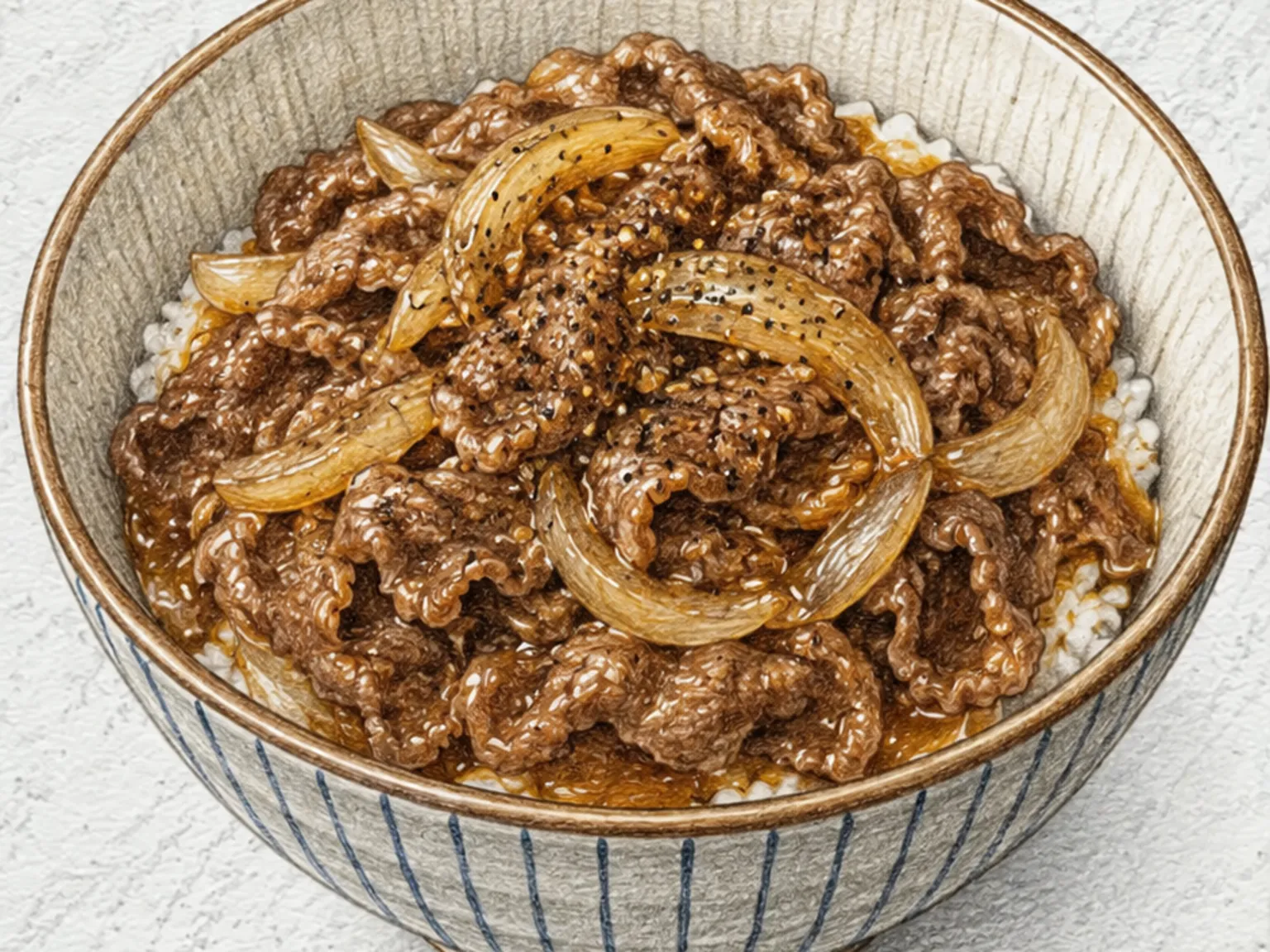
Korean Soy Sauce Bulgogi (Soy-Pear Marinated Thinly Sliced Beef)
Ganjang bulgogi is one of Korea's most beloved home-cooked main dishes, featuring thinly sliced beef marinated in soy sauce, pear juice, sugar, garlic, and sesame oil. The pear juice acts as a natural tenderizer while contributing subtle sweetness that complements the salty depth of soy. Onion, carrot, and green onion are stir-fried together with the beef over high heat, creating smoky caramelized edges while keeping the center moist. The dish finishes with just enough sauce to spoon over rice, making each bite rich and satisfying.

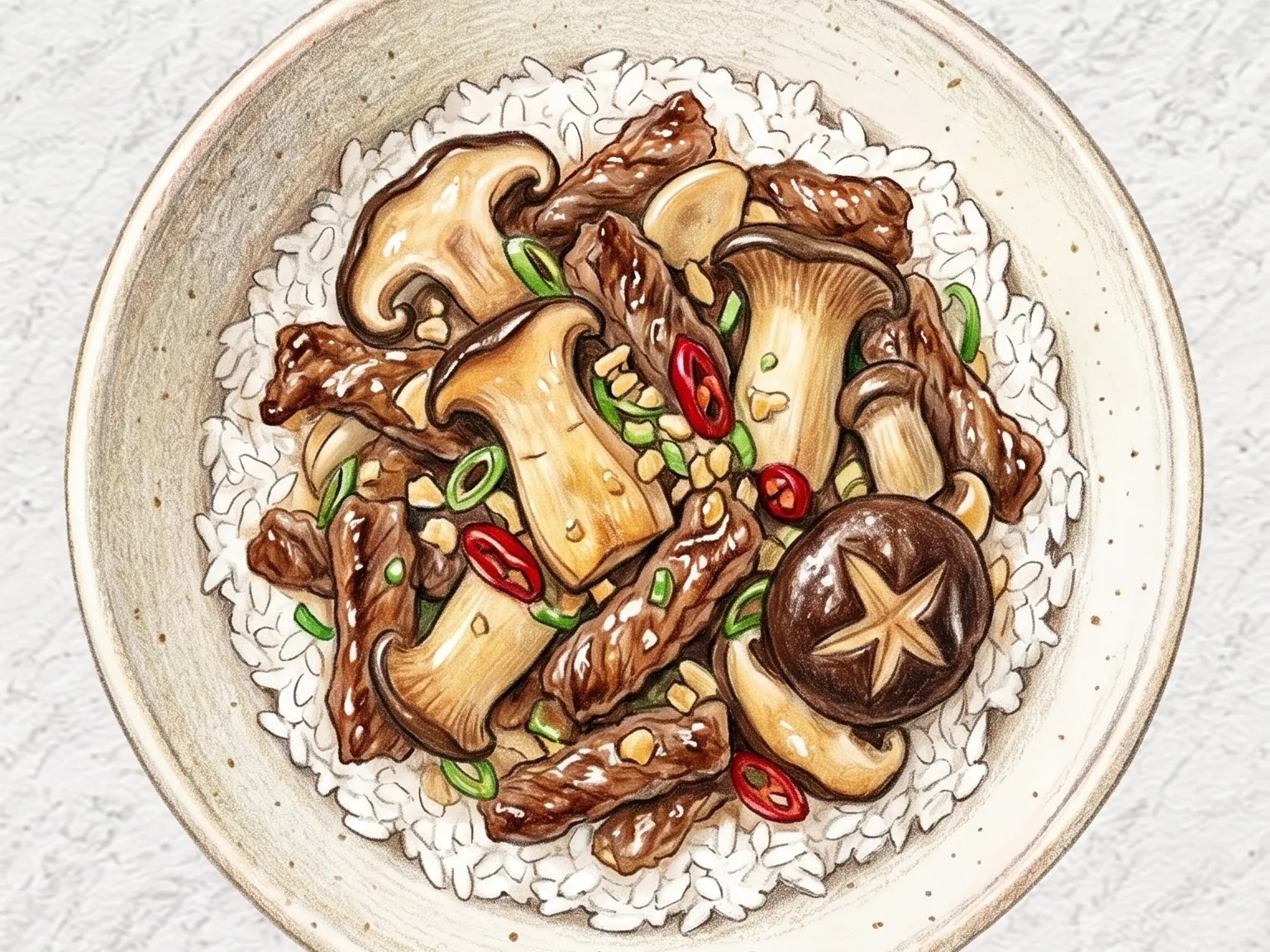
Korean Soy Bulgogi with Mushrooms
Thinly sliced beef is marinated in soy sauce, Korean pear juice, and sesame oil, then stir-fried over high heat together with shiitake and king oyster mushrooms. The pear juice tenderizes the protein and leaves a subtle fruit sweetness in the background, while the two mushroom varieties absorb the meat juices and contribute their own textures: shiitake with a firm, chewy bite and king oyster with a thick, clean meatiness. Spreading the ingredients across the pan rather than crowding them is critical; excess moisture needs to evaporate quickly so the marinade can reduce into a glossy coating instead of pooling into a broth. Green onion goes in during the final minute of cooking, adding a sharp, fresh note that cuts through the sweet soy richness and lifts the entire dish.