Watermelon Punch
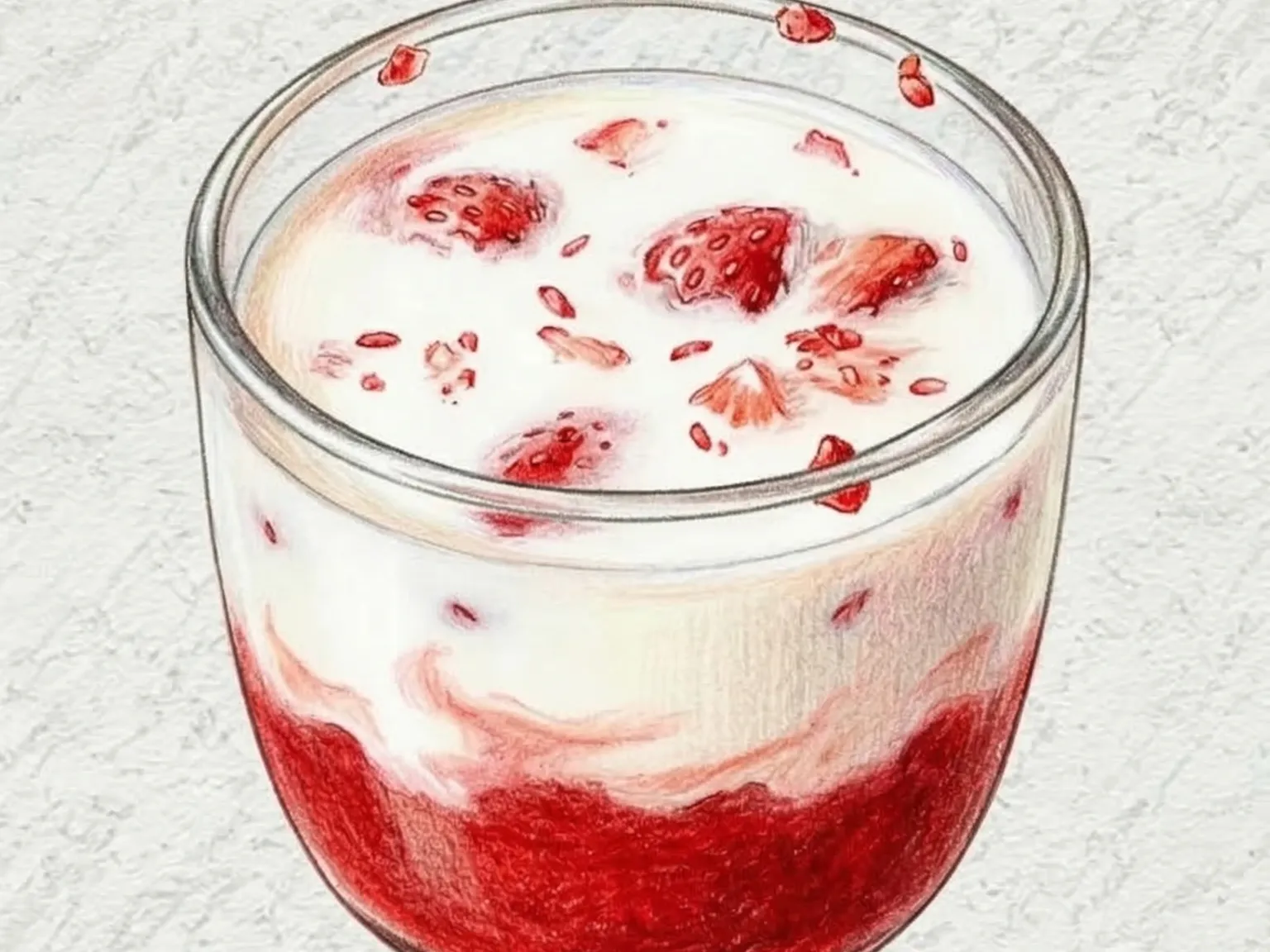
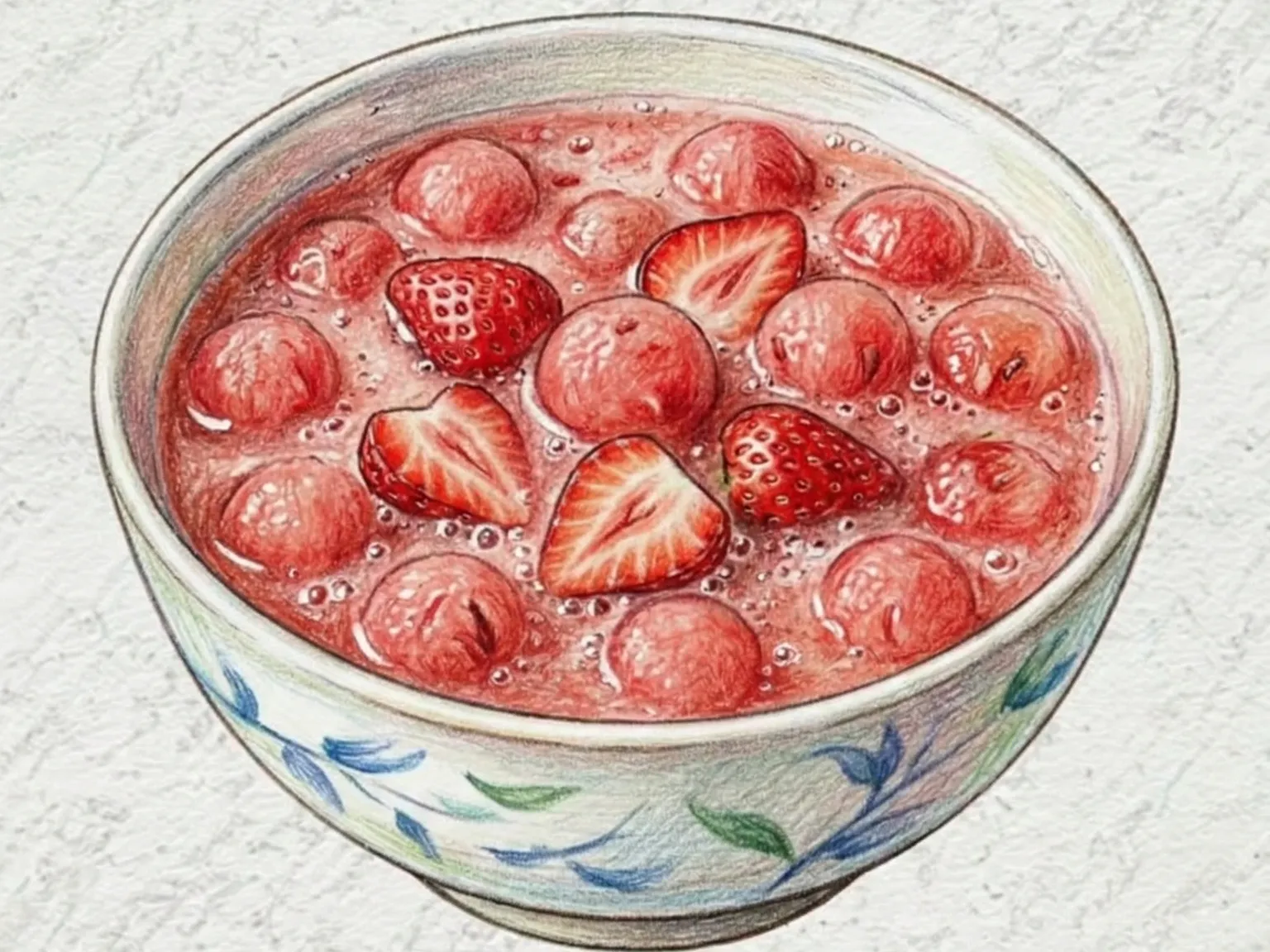
Subak hwachae is a Korean summer punch that uses half its watermelon blended and strained into a smooth juice base, with the other half scooped into balls as garnish. Mixing the watermelon juice with milk creates a pink, creamy foundation, and lemon-lime soda is stirred in just before serving to preserve its fizz. Adding strawberries and blueberries introduces an acidic brightness and color contrast that watermelon alone lacks, and generous ice keeps the drink cold enough for the fruit aromas to stay sharp. Chilling the watermelon juice thoroughly before combining it with milk is essential to prevent the two liquids from separating.
Adjust Servings
Instructions
- 1
Remove seeds from watermelon; scoop half into balls and cube the rest for blending.
- 2
Blend cubed watermelon with sugar until smooth, then strain once.
- 3
Combine the strained watermelon juice and milk in a large bowl for the base.
- 4
Add soda just before serving and stir gently to keep carbonation.
- 5
Add watermelon balls, strawberries, blueberries, and ice, then serve immediately.
As an Amazon Associate, we may earn from qualifying purchases.
Tips
Nutrition (per serving)
More Recipes

Schisandra Fruit Punch (Korean Cold-Brewed Berry Fruit Bowl)
Omija hwachae is a traditional Korean fruit punch made by cold-infusing dried schisandra berries in water for at least two hours to extract a vivid red liquid, then sweetening it with honey. Cold extraction is essential because hot water draws out harsh astringency from the berries; only a small portion of the infusion is gently warmed to dissolve the honey before being recombined. Scooped balls of Korean pear and watermelon sit in the chilled omija broth, delivering a crisp, juicy bite against the tart-sweet liquid. Pine nuts floated on top add a mild fatty richness that tempers the acidity, and serving over ice sharpens every layer of flavor.

Korean Mixed Fruit Punch
Modum hwa-chae is a Korean fruit punch made by dicing several types of fruit - apple, pear, and green grapes - into similar-sized pieces and immersing them in a mixture of honey water and sparkling water. The apple and pear provide a firm, crunchy bite, while the grapes pop with juicy bursts of flavor. Honey dissolved in cold water merges with the fruits' own juices to create a naturally sweet base, and the carbonation from sparkling water rises through the fruit pieces, adding effervescence. Plenty of ice keeps the punch thoroughly chilled, making it a staple summer refreshment in Korea.

Cinnamon Persimmon Ice (Korean Spiced Punch Scraped Ice Dessert)
Sujeonggwa granita takes the traditional Korean cinnamon-ginger punch, sweetens it with dark brown sugar, and freezes it into a flaky ice dessert by scraping with a fork at regular intervals. The spiced liquid is poured into a shallow metal tray and scraped every hour three or four times to break the ice into coarse, sandy crystals; more rounds of scraping produce finer, more uniform texture. Cinnamon and ginger concentrate into every ice shard, so the granita tastes intensely spiced even at freezing temperature. Thin strips of dried persimmon and a scattering of pine nuts on top add chewy sweetness and mild richness that offset the granular crunch of the ice.

Korean Street Egg Bread (Sweet Batter Muffin with Whole Egg)
Gyeran-ppang is a Korean street-style egg bread made by pouring a sweet batter of cake flour, baking powder, milk, and melted butter into a muffin mold, then cracking a whole egg on top before baking. A small amount of diced ham sits beneath the egg, adding a salty counterpoint to the sweet dough. Baking at 180 degrees Celsius for sixteen minutes yields a jammy yolk, while eighteen minutes produces a firmer set, letting the baker control doneness to taste. Vanilla extract in the batter tempers any eggy notes, and a sprinkle of parsley before the oven adds a faint herbal fragrance to the golden, puffy surface.

Candied Tangerine Peel (Korean Citrus Honey Confection)
Gyul jeonggwa is a traditional Korean candied confection made by slicing tangerine peels into 0.8 cm strips, blanching them twice in salted water to draw out bitterness, then simmering in a syrup of sugar, honey, and cinnamon for thirty-five to forty minutes on low heat. Leaving a moderate amount of white pith intact preserves the essential citrus oils that give the finished candy its bright, aromatic character. As the peels cook, they turn translucent and absorb the syrup, developing a dense, chewy texture similar to a fruit jelly. A splash of lemon juice at the end prevents the syrup from crystallizing and rounds out the sweetness with a clean acidic note, and drying the pieces on a rack for an hour after cooking yields a non-sticky surface.

Fruit Salad (Fresh Seasonal Fruit in Yogurt)
Fruit salad dices apple, banana, kiwi, strawberries, and blueberries into uniform bite-sized pieces and folds them gently into a light dressing of plain yogurt, honey, and lemon juice. Cutting everything to a similar size ensures an even mix of crisp, soft, and juicy textures in every spoonful. The lemon juice serves two purposes - it adds a bright acidity that ties the different fruits together and slows the oxidation that turns apple flesh brown. Banana should be added last to prevent it from turning mushy under the weight of the other ingredients. Using unsweetened yogurt lets the natural sweetness of the fruit stand out more clearly, and chilling the finished salad for about ten minutes allows the fruit juices to merge with the dressing for a more cohesive flavor.