Bam Tiramisu (Chestnut Tiramisu)
Desserts Medium

Bam Tiramisu (Chestnut Tiramisu)

Quick answer

Chestnut tiramisu is a variation of the traditional Italian dessert that incorporates chestnut puree into the mascarpone cheese filling.

What makes this special

  • Boiled chestnut puree adds an earthy depth to the creamy mascarpone layers of this Bam Tiramisu.
  • Hand-mashed chestnut puree gives mascarpone an earthy, complex depth
  • Ladyfingers dipped in espresso for just one second to prevent layer collapse
Total time
25 min
Level
Medium
Servings
2 servings
Ingredients
8
Calories
520 kcal
Protein
9 g

Key ingredients

mascarpone cheesecooked chestnutsheavy creamsugarespresso

Core cooking flow

  1. 1 Of 100g cooked chestnuts, mash 70g finely with a fork for blending into the...
  2. 2 Pour 120ml cold heavy cream into a chilled bowl, add 15g sugar, and whip to...
  3. 3 Combine 180g mascarpone, remaining 15g sugar, 2ml vanilla extract, and the m...

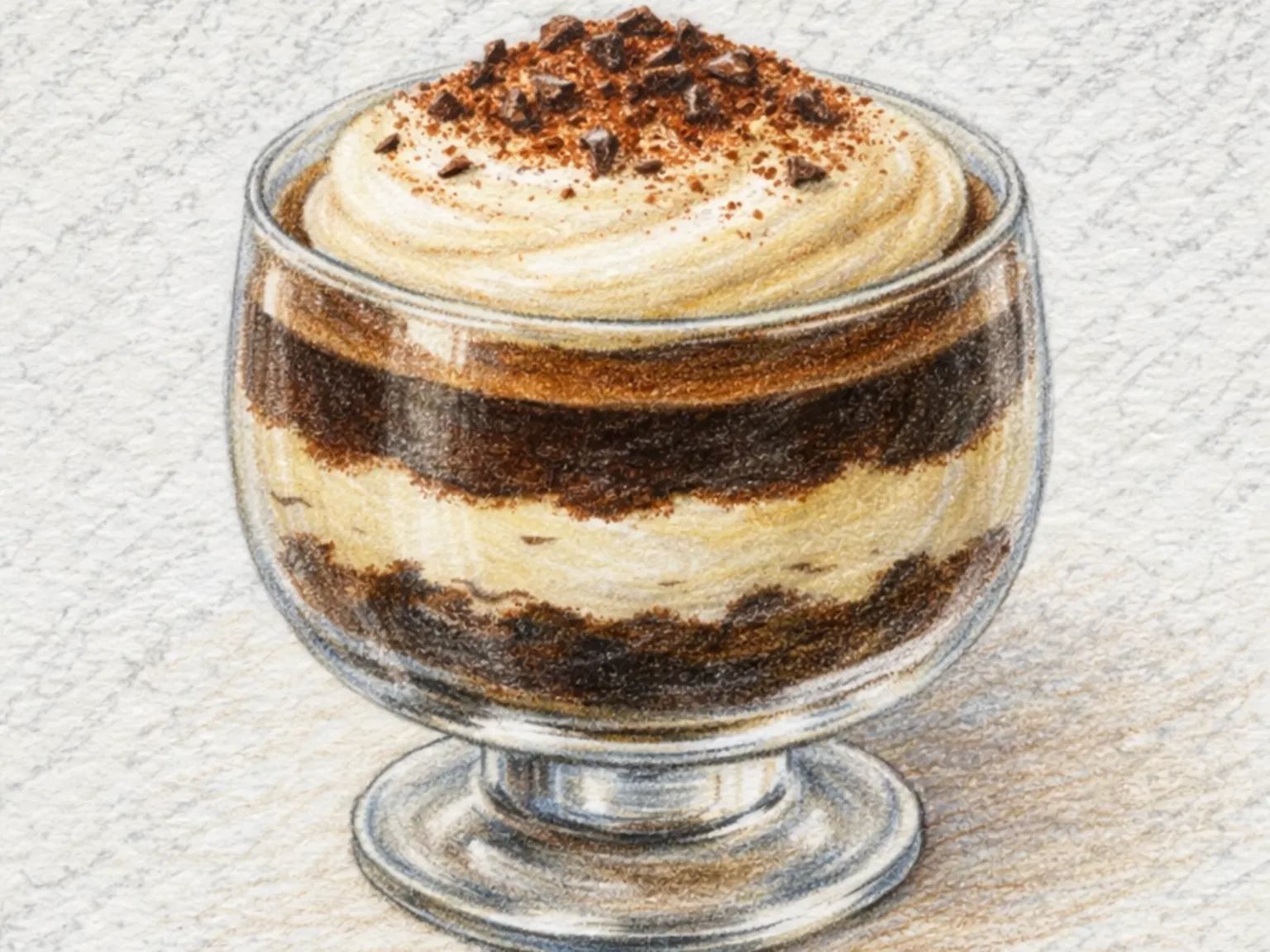
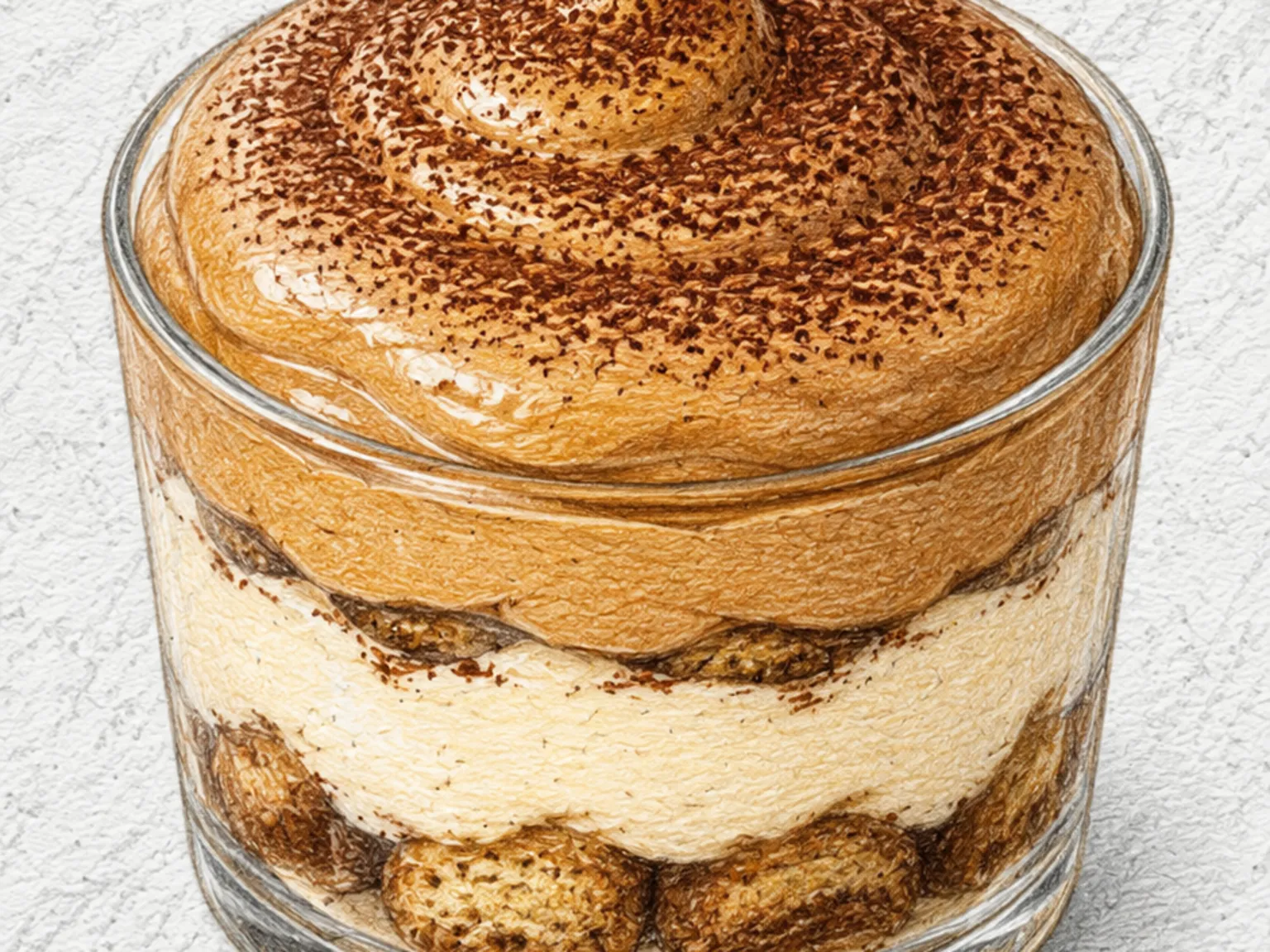
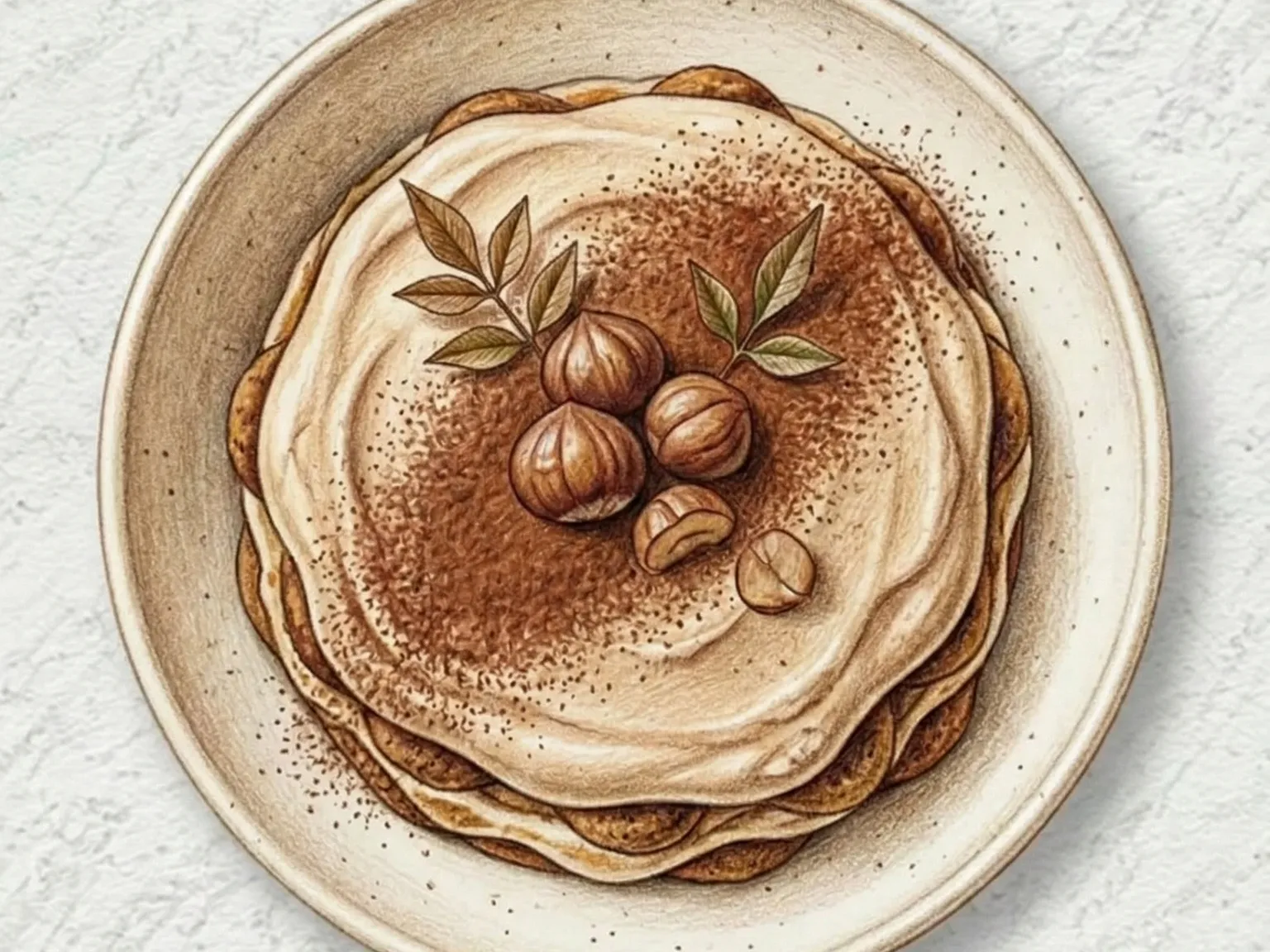
Chestnut tiramisu is a variation of the traditional Italian dessert that incorporates chestnut puree into the mascarpone cheese filling. This modification transforms a standard cafe dessert into a preparation specifically associated with the autumn season in Korea. The fundamental elements of the recipe remain consistent with the classic version. It utilizes ladyfinger biscuits that have been soaked in espresso, a filling made of whipped mascarpone and cream, and a final layer of cocoa powder. However, the introduction of chestnut puree alters the profile of the cream. Instead of a simple dairy richness, the mixture takes on an earthy quality. Using a puree made from chestnuts boiled at home, rather than a store-bought paste, helps maintain the natural grain of the nut. This provides the cream with a specific texture that is noticeable in every spoonful. When preparing the ladyfingers, the espresso soak requires a high level of precision. Each biscuit should be dipped for approximately one to two seconds. If the ladyfingers are submerged for a longer duration, they absorb an excessive amount of liquid. This leads to a waterlogged consistency which can cause the structural layers of the dessert to collapse while it sits in the refrigerator. The assembly process follows a predictable sequence. A layer of soaked ladyfingers is placed at the bottom, followed by a layer of the chestnut cream. This pattern is repeated once more before the entire dish is placed in the refrigerator to rest for at least four hours. This period of refrigeration is essential to the final outcome. During these hours, the ladyfingers absorb moisture from both the espresso and the cream layer above them. This process changes the biscuits from a crunchy state to a soft texture similar to cake, which allows for clean slices. Just before the dessert is served, a thin layer of cocoa powder is applied to the top. This adds a bitter element that balances the sweetness of the chestnuts. Preparing the tiramisu in individual glass containers or cups ensures that the portions are easy to manage and allows the different layers of the dessert to be clearly visible from the side.

Prep 20min Cook 5min 2 servings
Recipes by ingredient → heavy cream

Instructions

Read the steps as a cooking flow: prep, heat, seasoning, doneness control, and finish.

6 steps
  1. 1
    Finish

    Of 100g cooked chestnuts, mash 70g finely with a fork for blending into the cream, and finely chop the remaining 30g to reserve as a topping.

  2. 2
    Season

    Pour 120ml cold heavy cream into a chilled bowl, add 15g sugar, and whip to 70 percent peaks so the cream holds soft, slightly drooping tips.

  3. 3
    Season

    Combine 180g mascarpone, remaining 15g sugar, 2ml vanilla extract, and the mashed chestnuts in one bowl, stir until smooth, then fold in the whipped cream in two additions to keep the mixture airy.

  4. 4
    Step

    Dip each of 10 ladyfingers into 80ml espresso for exactly 1 second per side, then arrange as a single layer at the bottom of each cup or dish.

  5. 5
    Step

    Spread half the chestnut cream over the first biscuit layer, add a second layer of soaked ladyfingers, then spread the remaining cream evenly on top.

  6. 6
    Finish

    Cover with wrap and refrigerate for at least 4 hours, then sift 8g cocoa powder evenly over the top and finish with the reserved chopped chestnuts.

After the steps

Pick a recipe that fits this dish.

Continue with shared ingredients, meal pairings, or a similar method.

Recipes That Go Well With This

More Desserts →

Based on shared ingredients and meal pairing

Chestnut Espresso Tiramisu
Shared ingredient: mascarpone cheese Baking

Chestnut Espresso Tiramisu

Chestnut espresso tiramisu layers a mascarpone cream enriched with chestnut puree over espresso-soaked savoiardi biscuits, bringing an autumnal depth to the Italian classic. Strong espresso spiked with rum or marsala wine saturates the ladyfingers without making them soggy, providing a bitter, caffeinated base for the cream above. The mascarpone is first beaten smooth, then folded together with chestnut puree and a pate a bombe made from egg yolks whipped with hot sugar syrup, giving the cream a stable, mousse-like body that slices cleanly after setting. Chestnut puree contributes a dense, mellow sweetness entirely unlike refined sugar - it rounds the espresso's bitterness rather than masking it, and its earthy, nutty undertones push the cream toward something more complex than the vanilla-forward original. The finished layers are dusted with unsweetened cocoa powder, adding one more note of controlled bitterness, and refrigerated for at least six hours. Overnight chilling is the better choice: the espresso migrates up through the cream layers during that time, the flavors blend into a cohesive whole, and the texture firms from loose cream into the silkable, sliceable consistency that defines a properly rested tiramisu. Served cold, the chestnut and coffee notes become sharp and distinct.

Dalgona Tiramisu (Korean Whipped Coffee Cream Layered Tiramisu)
Shared ingredient: mascarpone cheese Baking

Dalgona Tiramisu (Korean Whipped Coffee Cream Layered Tiramisu)

This Korean variation of tiramisu incorporates the whipped dalgona coffee method that gained international popularity and integrates it into the traditional framework of a classic Italian dessert. To create the characteristic topping, instant coffee is combined with sugar and hot water, then whipped vigorously until the mixture transforms into a dense and aerated foam. This specific preparation method results in a coffee profile that is significantly more concentrated and prominent than the standard espresso soak typically used in such recipes. The dalgona foam is positioned between layers of smooth mascarpone cream and ladyfingers that have been briefly submerged in espresso. This addition provides both a deep intensity of flavor and a texture that resembles a light mousse throughout the dish. The dessert requires a minimum of four hours in the refrigerator to allow the various components to settle and merge properly. Once thoroughly chilled, each serving provides a combination of the softened biscuit, the creamy mascarpone, and the coffee foam in a single bite. A thin layer of cocoa powder is applied across the surface to provide a finished appearance and a subtle bitterness. If a version with less sweetness is preferred, the volume of dalgona syrup can be decreased to allow the natural bitter qualities of the coffee to become more apparent.

Calzone
Serve together Western

Calzone

Calzone rolls pizza dough into a circle, fills one half with ricotta, mozzarella, diced ham, and fresh basil, then folds into a half-moon shape, seals the edges with a fork, and bakes until golden at 220 degrees Celsius. Leaving a two-centimeter border free of filling is critical -- overstuffing causes steam pressure to burst the seam during baking. Brushing a thin line of water along the edge before pressing firmly with a fork creates a tighter seal that holds through the full bake. Fifteen to twenty minutes in a well-preheated oven produces a crisp, burnished exterior while the interior heats the ricotta into a soft cream and melts the mozzarella into long, stretchy strings. Brushing olive oil on the surface before baking adds a richer color and a slight nuttiness to the crust. Tomato sauce served on the side for dipping provides an acidic counterpoint that cuts through the dense cheese filling and keeps each bite feeling balanced.

Classic Tiramisu
Similar recipe Western

Classic Tiramisu

Classic tiramisu layers ladyfingers briefly soaked in a syrup of cooled espresso and Marsala wine with a cream made from egg yolks whipped with sugar over a bain-marie, then folded with mascarpone and softly whipped heavy cream. Dipping the ladyfingers for only about one second prevents them from absorbing too much liquid and collapsing. Whipping the cream to soft peaks and folding it gently keeps the filling light rather than dense. The bittersweet depth of espresso plays against the rich, buttery smoothness of mascarpone, creating a flavor contrast that develops further with chilling. A minimum of four hours in the refrigerator, ideally overnight, allows the layers to meld into a cohesive, melt-in-the-mouth texture. Cocoa powder dusted generously over the surface just before serving adds a final bitter note.

Serve with this

Bomboloni (Italian Cream-Filled Deep-Fried Yeast Doughnuts)
Baking Hard

Bomboloni (Italian Cream-Filled Deep-Fried Yeast Doughnuts)

Bomboloni are Italian filled doughnuts made from an enriched yeasted dough that is shaped into balls, deep-fried, and piped full of cream or jam while still warm. The dough - built on bread flour, eggs, butter, and milk - develops strong gluten during proofing, which gives the fried result a thin, crisp outer shell enclosing a pillowy soft interior. Rolling the hot doughnuts in granulated sugar immediately after frying coats them in a crunchy, sweet layer that crackles on the first bite. Vanilla custard is the classic filling, its smooth richness contrasting with the airy bread, though strawberry jam and chocolate cream are equally popular variations. Bomboloni are best eaten within minutes of frying.

🎉 Special Occasion 🧒 Kid-Friendly
Prep 35min Cook 20min 4 servings
Tomato Basil Juice
Drinks Easy

Tomato Basil Juice

Tomato basil juice is a cold savory drink made by blending ripe tomatoes with fresh basil leaves and straining the result through a fine sieve to remove seeds and skins. The ripeness of the tomato determines much of the flavor: fully ripe tomatoes carry free glutamates that produce a natural umami depth, whereas underripe fruit tastes predominantly sour without the sweetness and savory body that makes the juice satisfying. Basil should be added to the blender immediately before blending rather than sitting cut or torn, because the volatile oils that produce its aroma begin oxidizing quickly once the leaves are damaged. After blending to a smooth consistency, passing the juice through a fine-mesh strainer or cheesecloth removes the solids and produces a texture smooth enough to drink without resistance. Salt and black pepper season the juice, and fresh lemon juice raises the acidity in a way that brightens the overall flavor rather than making it sour. A small addition of olive oil emulsifies into the juice and activates fat-soluble aromatic compounds in both the tomato and the basil, producing a fuller, rounder flavor than the unstrained version. The juice must be thoroughly chilled before serving, as warmth mutes the herbal freshness. It works well as a brunch drink, a light non-alcoholic aperitif, or a base for savory cocktails.

🍺 Bar Snacks ⚡ Quick
Prep 10min 2 servings
Korean Beoteo Oksusu Cup (Butter Corn Cup)
Street food Easy

Korean Beoteo Oksusu Cup (Butter Corn Cup)

Butter corn cup is a Korean street snack made by stir-frying drained sweet corn in butter, then mixing it with mayonnaise and topping it with mozzarella in a heatproof cup before a final round of heating. Cooking the corn in butter drives off residual moisture from the canned or frozen kernels and lightly caramelizes their surfaces, concentrating the natural sweetness and adding a layer of nuttiness that plain steamed corn cannot provide. Mayonnaise coats every kernel in a creamy, slightly tangy film, while the mozzarella melted over the top creates a stretchy, gooey cheese layer that pulls apart with each spoonful. Sugar, salt, and black pepper balance the overall profile into a sweet-salty combination with just enough seasoning to keep the corn flavor central. A sprinkle of parsley adds a faint herbal note at the finish. The dish is rich from the combination of butter and mayonnaise, and mozzarella loses its stretch quickly as it cools, which makes eating it immediately out of the cup the correct approach.

🧒 Kid-Friendly 🌙 Late Night
Prep 8min Cook 10min 2 servings

Similar recipes

Mugwort Tiramisu (Korean Herbal Twist on Italian Classic)
Baking Easy

Mugwort Tiramisu (Korean Herbal Twist on Italian Classic)

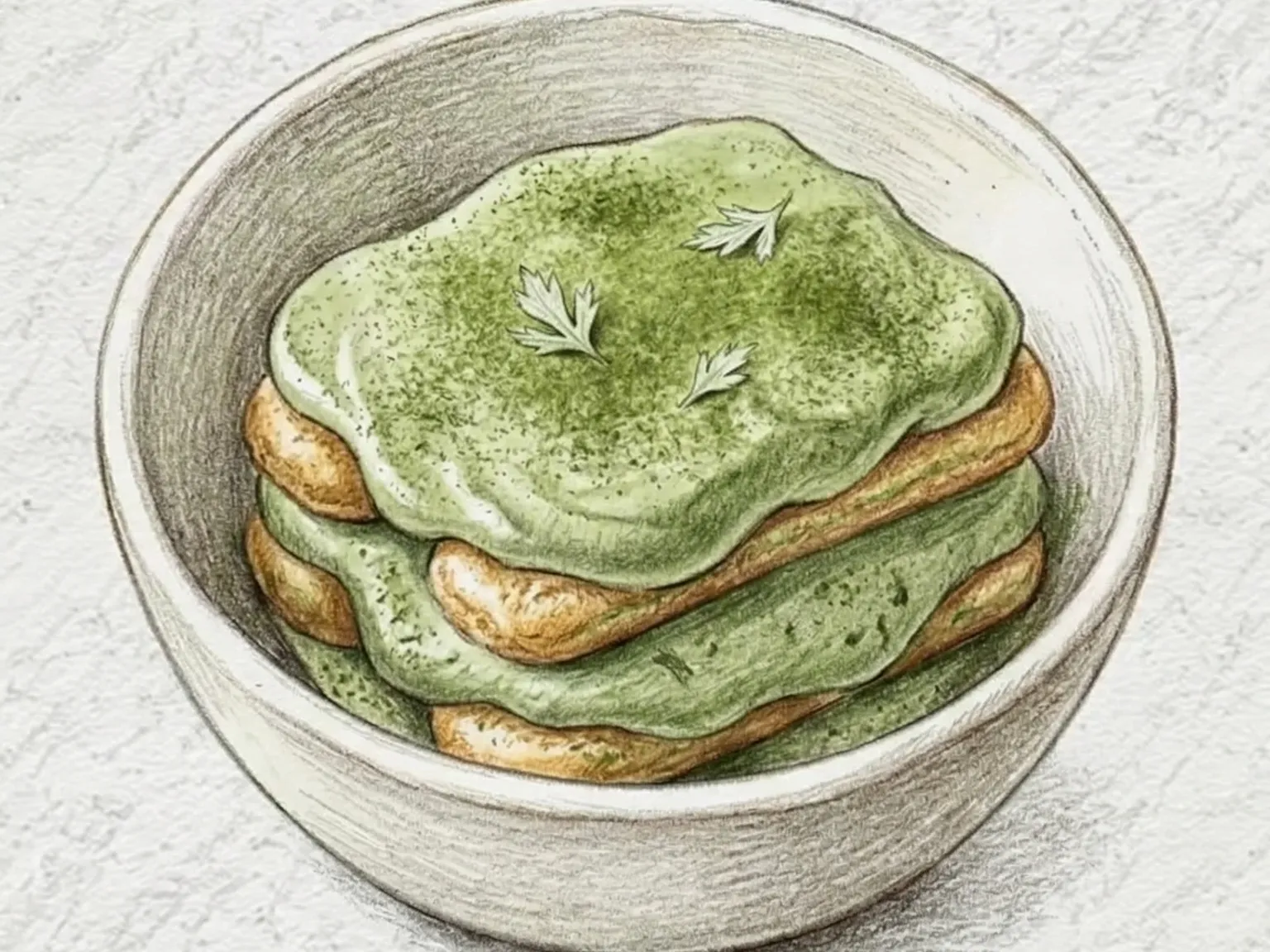
This dessert is a Korean interpretation of the classic Italian tiramisu, featuring aromatic mugwort powder folded into mascarpone cream. Instead of a traditional matcha flavor, mugwort introduces a deep, earthy, and slightly medicinal herbal fragrance. The process involves whipping heavy cream and folding it into a sweetened mascarpone base with sifted mugwort powder. Ladyfingers are briefly dipped in espresso for just one second to prevent them from becoming soggy, then layered alternately with the green-hued cream. A rest of at least four hours in the refrigerator, or ideally overnight, allows the biscuits to absorb moisture from the cream, softening the layers into a unified, mousse-like texture. Before serving, a final dusting of mugwort powder is sifted over the top, balancing the bittersweet espresso and rich cream with fresh herbal notes.

🧒 Kid-Friendly 🎉 Special Occasion
Prep 25min 4 servings
Panna Cotta
Western Easy

Panna Cotta

Panna cotta is a cold dessert from the Piedmont region of Italy, made by gently warming heavy cream with vanilla and sugar, then setting it with gelatin. The gelatin ratio is critical - too much produces a rubbery texture like firm pudding, while too little leaves it unable to hold its shape. A properly made panna cotta trembles when nudged with a spoon yet scoops cleanly. The cream must be heated only until small bubbles appear at the edges, never brought to a full boil, which would cause the fat to separate and ruin the silky consistency. Strawberry coulis or caramel sauce provides contrast - fruit acidity or bittersweet caramel against the rich cream. Using a whole vanilla bean rather than extract yields a more complex fragrance, and the dark seeds suspended in the white cream create visual appeal.

🎉 Special Occasion 🧒 Kid-Friendly
Prep 15min Cook 10min 4 servings
Vanilla Panna Cotta
Baking Easy

Vanilla Panna Cotta

Heavy cream and milk are gently heated with sugar and vanilla, then set with gelatin into a chilled Italian dessert that requires no oven at all. After four hours of refrigeration, the mixture firms to a silky consistency that trembles on the spoon and dissolves on the tongue. The vanilla fragrance is carried by the high fat content of the cream, releasing slowly with each bite rather than hitting all at once. Sweetness is kept moderate so the dairy richness speaks for itself, leaving a clean finish. To unmold, a brief dip of the cup in warm water loosens the edges. Berry coulis or salted caramel sauce over the top adds color and a contrasting flavor note. Gelatin must be dissolved off the heat to preserve its setting strength.

🧒 Kid-Friendly
Prep 15min Cook 10min 4 servings

Tips

Quick dipping prevents soggy ladyfingers.
Overnight chilling deepens the chestnut flavor in the cream.

Nutrition (per serving)

Calories
520
kcal
Protein
9
g
Carbs
38
g
Fat
37
g