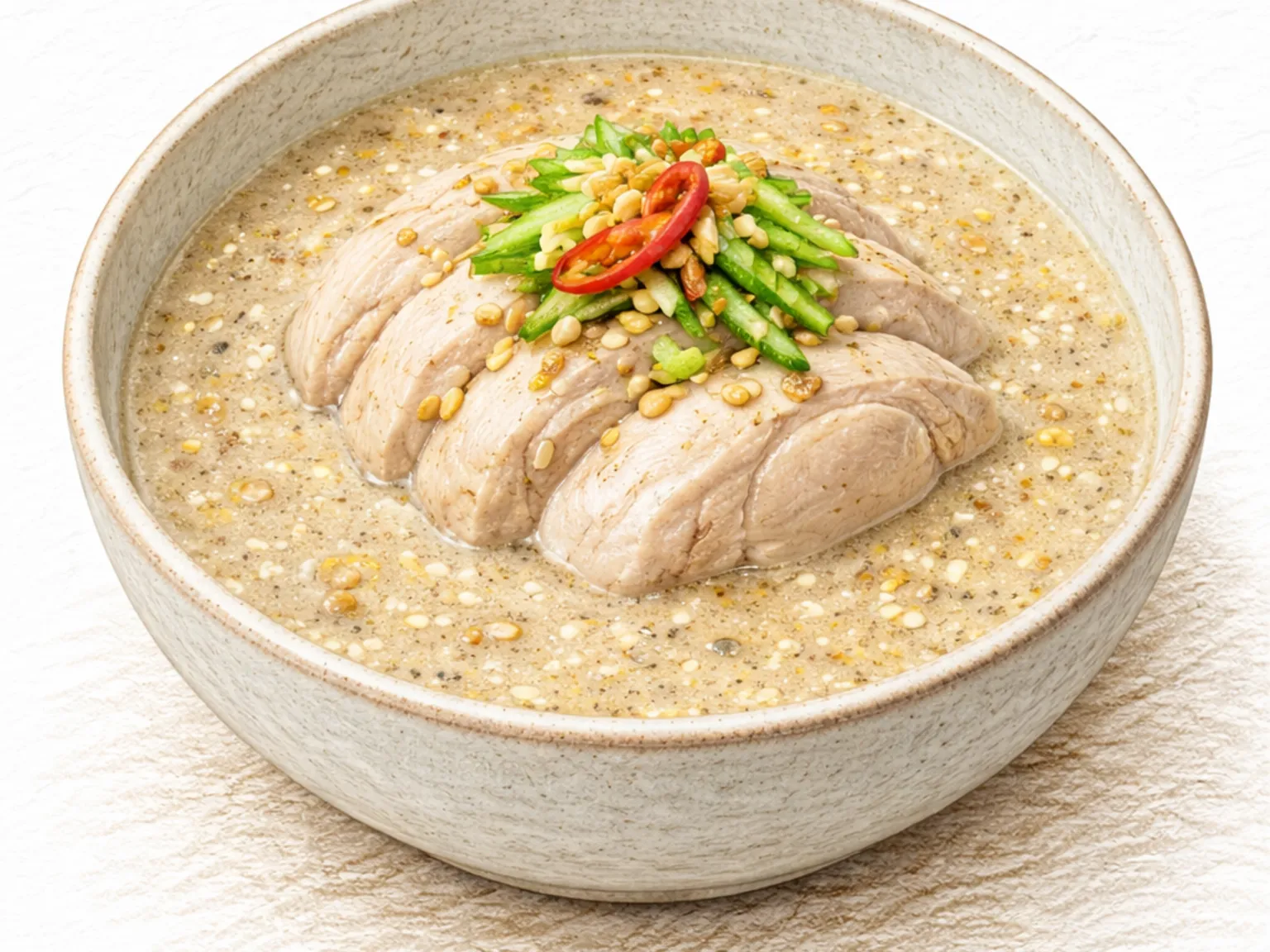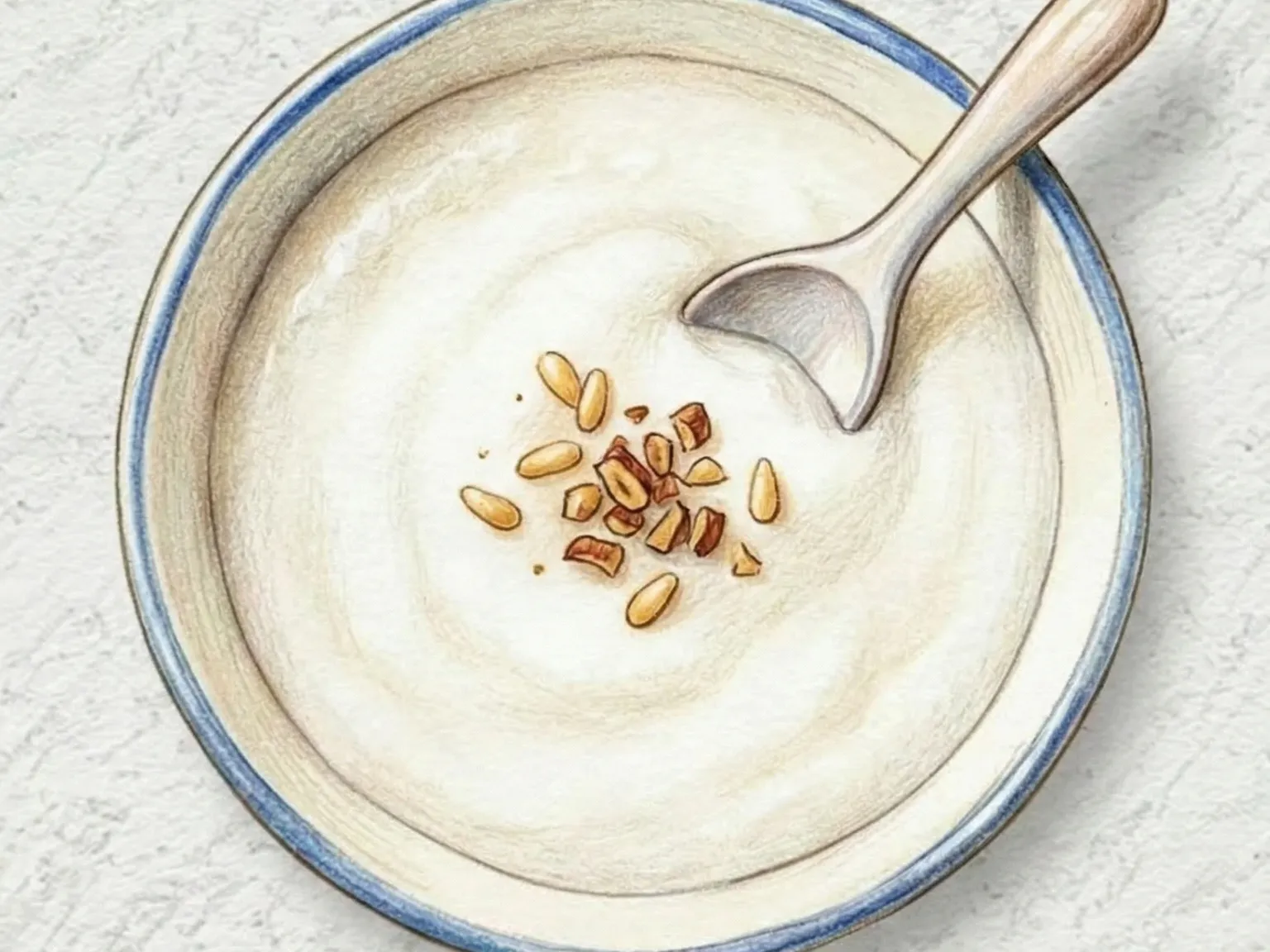
Korean Milk Rice Porridge

Korean Milk Rice Porridge

Quick answer

Tarakjuk is a traditional Korean milk rice porridge made by coarsely grinding soaked rice, simmering it in water first to initiate gelatinization, then gradually incorpor...

What makes this special

  • Tarakjuk milk rice porridge uses coarsely ground grains to maintain body within its creamy milk base.
  • Coarsely ground rice keeps some texture in the porridge; smooth grinding ruins it
  • Milk added in 2-3 stages prevents protein and fat from separating
Total time
40 min
Level
Easy
Servings
2 servings
Ingredients
7
Calories
320 kcal
Protein
10 g

Key ingredients

soaked short-grain ricemilkwatersaltsugar

Core cooking flow

  1. 1 Drain 120 g soaked short-grain rice well in a sieve.
  2. 2 Put the ground rice and remaining 150 ml water in a pot over medium-low heat.
  3. 3 When heavy bubbles rise, add the 500 ml milk in 3 portions.

Tarakjuk is a traditional Korean milk rice porridge made by coarsely grinding soaked rice, simmering it in water first to initiate gelatinization, then gradually incorporating milk over sustained stirring. Grinding the rice coarsely rather than to a fine paste preserves some texture in the finished porridge, preventing it from becoming uniformly smooth. Once the rice has been simmered in plain water and the starch begins to thicken the base, milk is added in two or three separate additions over ten minutes of constant stirring. Pouring all the milk in at once risks splitting due to the temperature differential between the cold dairy and the hot starch base. Each addition is stirred in fully before the next portion goes in, allowing the proteins and fats in the milk to incorporate evenly without curdling. A small pinch of salt and a measured amount of sugar are added to tie together the toasty, nutty character of the grain and the mild sweetness of the dairy -- neither should dominate. A final three minutes of simmering brings the porridge to a consistency that flows slowly off the back of a spoon. Pine nuts on top contribute a richly oily nuttiness, and a pinch of ground cinnamon adds a warm, aromatic finish. Historical records from the Joseon period note tarakjuk as a medicinal restorative prepared in the royal court.

Prep 15min Cook 25min 2 servings
Recipes by ingredient → milk

Instructions

Read the steps as a cooking flow: prep, heat, seasoning, doneness control, and finish.

6 steps
  1. 1
    Step

    Drain 120 g soaked short-grain rice well in a sieve.

    Blend it with 100 ml water for only 10 to 15 seconds, stopping when no whole grains remain but the texture is still slightly coarse.

  2. 2
    Control

    Put the ground rice and remaining 150 ml water in a pot over medium-low heat.

    Stir by scraping the bottom for about 8 minutes, until the starch loosens and the mixture starts to thicken.

  3. 3
    Step

    When heavy bubbles rise, add the 500 ml milk in 3 portions.

    Stir each portion in completely before adding the next, keeping the heat medium-low so the dairy does not separate.

  4. 4
    Step

    After all the milk is added, keep stirring for 10 minutes.

    Scrape the edges and bottom often to prevent scorching, while the rice softens and the porridge becomes evenly creamy.

  5. 5
    Control

    Add 0.25 teaspoon salt and 1.5 tablespoons sugar, then stir until evenly dissolved.

    Simmer on low heat for 3 more minutes, until the porridge falls from a spoon in a slow ribbon.

  6. 6
    Finish

    For a smoother texture, strain the porridge once before ladling it into warm bowls.

    Top with 2 tablespoons pine nuts and 0.25 teaspoon ground cinnamon, then serve immediately while hot.

After the steps

Pick a recipe that fits this dish.

Continue with shared ingredients, meal pairings, or a similar method.

Recipes That Go Well With This

More Desserts →

Based on shared ingredients and meal pairing

Sweet Pumpkin Porridge (Korean Kabocha Glutinous Rice Porridge)
Shared ingredient: milk Desserts

Sweet Pumpkin Porridge (Korean Kabocha Glutinous Rice Porridge)

Hobakjuk is a Korean sweet pumpkin porridge made by steaming kabocha squash, blending it smooth with water, and simmering the puree with a glutinous rice flour slurry over medium-low heat until thick and velvety. Steaming the squash with the skin on concentrates its natural sugars, and blending with 300 ml of water creates a uniform, smooth base. The rice flour slurry gelatinizes as it heats, giving the porridge its characteristic viscosity, while a pour of milk rounds out the texture with a creamy richness. Pine nuts scattered on top add a fatty, resinous aroma over the squash, and sweetness is best adjusted at the very end to account for natural variation in pumpkin sugar content.

Korean Sweet Glutinous Rice
Shared ingredient: pine nuts Rice

Korean Sweet Glutinous Rice

Glutinous rice is soaked, steamed, and dressed with a mixture of soy sauce, sesame oil, and honey, then studded with jujubes, chestnuts, and pine nuts before a second steaming. The double-steaming process gives the rice a dense, chewy stickiness while the soy sauce penetrates each grain and tints it a deep amber. Jujubes lend a natural caramel-like sweetness, chestnuts add a crumbly, starchy contrast, and pine nuts contribute a subtle oiliness that enriches the overall taste. Traditionally prepared for the first full moon festival, yakbap is equally enjoyable as an everyday snack or packed lunch.

Korean Dalgona Coffee (Whipped Instant Coffee Foam Milk)
Serve together Drinks

Korean Dalgona Coffee (Whipped Instant Coffee Foam Milk)

Dalgona coffee is made by whipping equal parts instant coffee, sugar, and hot water with a hand mixer for three to five minutes until stiff, caramel-colored peaks form, then spooning the foam over iced milk. The whipped layer carries a concentrated, bittersweet coffee flavor that gradually blends into the cold, neutral milk below as you stir. A light dusting of cocoa powder on top introduces a faint chocolate note, and increasing the sugar slightly helps the whipped cream hold its stiff structure longer.

Pan-Fried Sweet Rice Cake
Similar recipe Desserts

Pan-Fried Sweet Rice Cake

Bukkumi is a traditional Korean pan-fried rice cake made from glutinous rice flour dough filled with sweet red bean paste seasoned with cinnamon and sugar. Using hot water to form the dough partially gelatinizes the starch, creating a pliable skin that stretches without cracking - though the dough must stay covered with a damp cloth throughout assembly to prevent the surface from drying out. Folding the dough into half-moon shapes seals in a cinnamon-laced bean paste filling that lifts the dense sweetness of the red bean with a warm spice note. Pan-frying on low heat builds a golden crust on each side while keeping the filling warm and molten at the center. A light drizzle of honey or a pinch of sugar right after frying adds a final layer of sweetness.

Serve with this

Injeolmi Crumble Muffins (Roasted Soybean Crumble Top)
Baking Medium

Injeolmi Crumble Muffins (Roasted Soybean Crumble Top)

Injeolmi crumble muffin takes the roasted soybean powder that coats injeolmi rice cakes and builds it into both the muffin batter and the crumble topping, translating a beloved Korean rice cake flavor into a baked format. The batter is soft and moist throughout, carrying a mild nuttiness that runs from the first bite to the last, while the crumble on top bakes into crunchy, sandy clusters that shatter when bitten - a textural contrast between the pillow-soft interior and the crisp crown that defines each mouthful. Sweetness is kept deliberately moderate, making these appropriate as an after-school snack for children while remaining interesting for adults who appreciate the depth of roasted grain flavors. Paired with a grain latte or a misutgaru drink, the shared soybean-and-roasted-grain family of flavors amplifies in a way that plain coffee or tea cannot replicate. Each muffin fills the kitchen with a roasted, faintly popcorn-like aroma as it bakes, a signal that the soybean powder is developing the same toasty character it has on traditional injeolmi.

🧒 Kid-Friendly
Prep 20min Cook 22min 4 servings
Korean Spicy Rice Cakes (Gochujang Braised Chewy Tteok with Fish Cake)
Street food Easy

Korean Spicy Rice Cakes (Gochujang Braised Chewy Tteok with Fish Cake)

Simmering cylindrical rice cakes and thin fish cake sheets in a spicy base of gochujang, red chili flakes, sugar, and soy sauce creates a sticky, glossy coating. The starch released from the rice cakes as the liquid reduces acts as a natural thickener, ensuring the sauce clings tightly to each ingredient. While the fish cakes soak up the heat from the surrounding liquid, they release a subtle seafood essence into the pan, and the addition of green onions at the final stage provides a crisp contrast to the underlying sweetness. Preparing a stock from dried anchovies and kelp rather than using plain water establishes a solid savory foundation for the entire dish. It helps to start with only half the seasoning paste, adding the remainder gradually to manage the final intensity and texture as the volume decreases. If the liquid evaporates too quickly, adding small amounts of water prevents the sugars in the sauce from scorching before the rice cakes reach the desired softness. For rice cakes that have been chilled or feel exceptionally firm, a short soak in cool water or a quick blanch in boiling water helps them cook through evenly. Serving the finished dish with boiled eggs, blood sausage, or assorted fried items replicates the setup found at traditional street stalls. This recipe scales easily into different versions by incorporating heavy cream or tomato-based sauces, resulting in the rose and cream variations often found in modern snack shops.

🍺 Bar Snacks 🧒 Kid-Friendly
Prep 5min Cook 20min 2 servings
Tuna Noodle Casserole
Western Easy

Tuna Noodle Casserole

Tuna noodle casserole boils egg noodles one minute short of the package time, sautés onion and mushrooms in butter, builds a cream sauce with flour and milk, folds in drained tuna and half the cheddar cheese, then bakes the mixture topped with the remaining cheese at 190 degrees Celsius for 20 minutes. Undercooking the noodles is intentional - they continue absorbing sauce and softening in the oven, so fully cooked noodles turn mushy by the time the casserole is done. Toasting the flour in butter before adding milk eliminates the raw flour taste and produces a smooth sauce when the milk is poured in gradually. Draining the tuna well keeps the sauce from becoming greasy. Splitting the cheese between the sauce and the topping gives the casserole depth throughout while creating a golden, bubbling gratin crust on the surface.

🏠 Everyday 🧒 Kid-Friendly
Prep 15min Cook 30min 4 servings

Similar recipes

Three-Color Sweet Rice Balls
Desserts Medium

Three-Color Sweet Rice Balls

Samsek gyeongdan are traditional Korean rice cake balls made from glutinous rice flour dough divided into three colors: plain white, green from mugwort powder, and pink from prickly pear powder, then rolled into small spheres and boiled. The dough must be kneaded with hot water to fully activate the starch's sticky quality; water that is too cool makes the dough prone to cracking when shaped. The balls need one extra minute of cooking after they float to ensure the centers turn fully translucent, and pulling them out immediately after floating often leaves a dense, undercooked core. The mugwort batch carries an herbal, grassy note, and the prickly pear version offers a faint fruity tang, so three distinct flavors emerge from the same base recipe. Transferring the cooked balls immediately to cold water stops carryover cooking and preserves the springy, bouncy texture. Rolling them in a mixture of roasted soybean powder or black sesame powder with sugar coats each ball in nuttiness, and a light brush of sesame oil prevents the balls from sticking together while giving the surface a subtle sheen.

🧒 Kid-Friendly
Prep 25min Cook 15min 4 servings
Korean Rice Puff Gangjeong
Street food Easy

Korean Rice Puff Gangjeong

Ssal-gangjeong is a traditional Korean confection made by binding puffed rice, roasted peanuts, sunflower seeds, and black sesame in a syrup of rice malt and sugar, then pressing the mixture into a mold to set. Controlling syrup temperature is essential: heating too high makes the bars rock-hard once cooled, so stopping when the syrup forms soft threads keeps the final texture crisp yet breakable. The airy crunch of puffed rice contrasts with the firm bite of whole nuts, while black sesame adds a lingering toasty undertone. Scoring the slab before it fully cools produces clean cuts, and storing in an airtight container preserves the crispness for several days.

🧒 Kid-Friendly 🏠 Everyday
Prep 20min Cook 15min 4 servings
Grilled Sliced Rice Cake (Pan-Fried Rice Cake with Soy Honey Glaze)
Desserts Easy

Grilled Sliced Rice Cake (Pan-Fried Rice Cake with Soy Honey Glaze)

Jeolpyeon-gui is a Korean grilled rice cake snack made by pan-frying flat rice cake slices in sesame oil over medium-low heat until golden on both sides, then glazing them in a sauce of soy sauce, honey, sugar, and water over low heat. Searing the rice cakes in sesame oil before adding the glaze creates a thin, crisped surface layer that performs two functions at once: it keeps the interior from losing its chewy, dense character and creates enough texture for the glaze to cling to rather than slide off. Once the glaze goes in, the heat must drop immediately to low -- the sugar content is high enough to burn in seconds if left on medium heat. The entire coating step takes only two to three minutes of flipping the pieces until the sauce reduces into a lacquered shell. Soy sauce delivers a salty, savory backbone, honey brings a weighted sweetness that granulated sugar alone would flatten, and together they form a glaze that tastes more complex than the ingredient list suggests. Toasted sesame seeds and pine nuts scattered over the finished pieces add a nutty fragrance that plays off the soy-based umami below. Leftovers reheat well in a dry pan and regain most of their crispness.

🧒 Kid-Friendly 🌙 Late Night
Prep 10min Cook 12min 2 servings

Tips

Add milk gradually to prevent curdling or separation.
For a smoother finish, strain once before serving.

Nutrition (per serving)

Calories
320
kcal
Protein
10
g
Carbs
46
g
Fat
10
g