Korean Burdock Beef Pot Rice
Rice Medium

Korean Burdock Beef Pot Rice

Quick answer

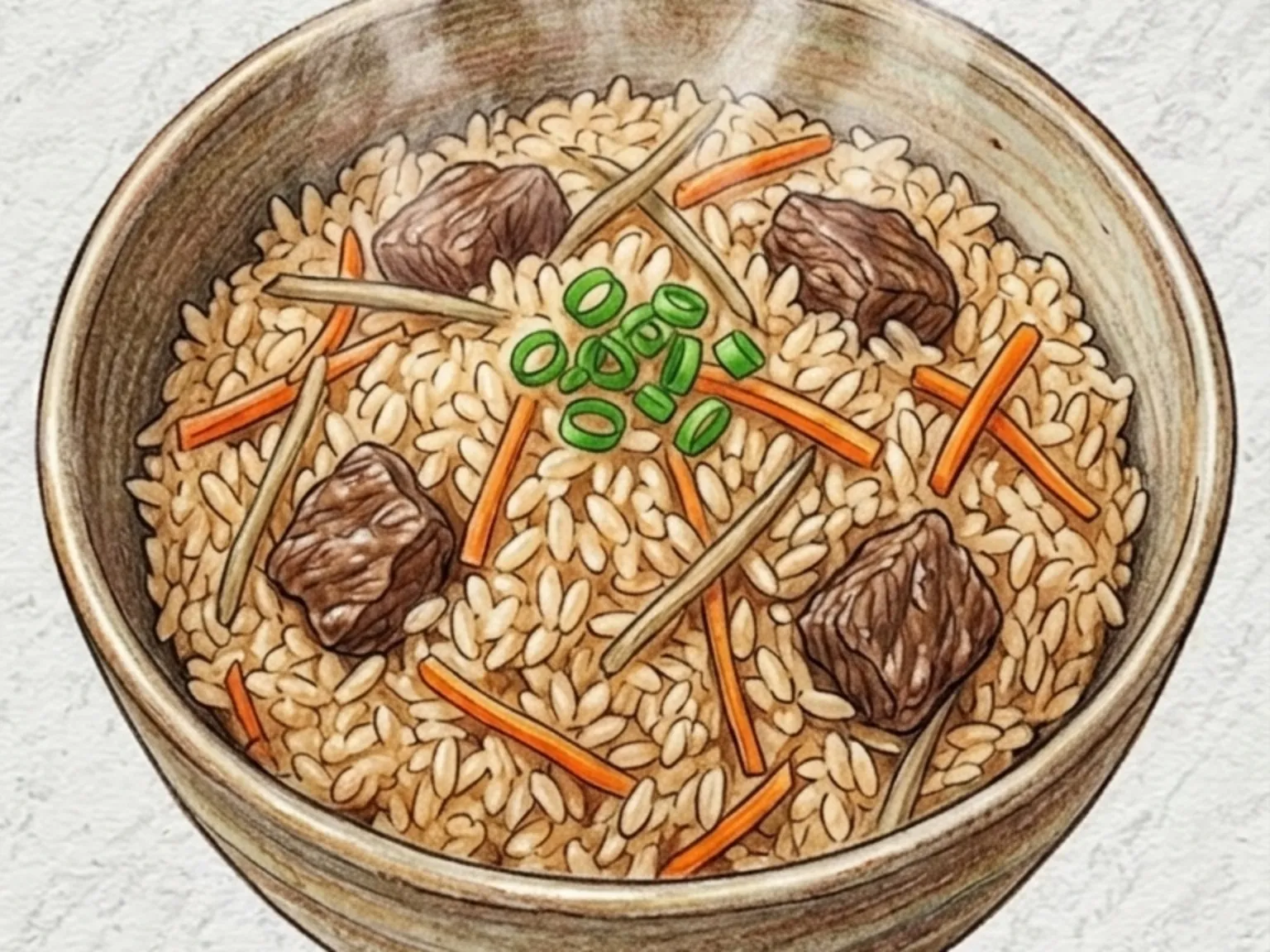
Beef is marinated in soy sauce to build savory depth, then placed on top of rice with crisp-cut burdock root and cooked together in a heavy pot.

What makes this special

  • Ueong sogogi sotbap seasons rice with natural juices from soy-mirin marinated beef and burdock.
  • Soy-mirin-marinated beef releases juices that soak into the rice without extra sauce
  • Burdock, beef, and carrot sautéed 3 minutes together layers earthy and sweet notes
Total time
55 min
Level
Medium
Servings
4 servings
Ingredients
10
Calories
510 kcal
Protein
19 g

Key ingredients

Short-grain riceJulienned lean beefBurdock rootCarrotSoy sauce

Core cooking flow

  1. 1 Rinse 360 g short-grain rice until the water runs mostly clear, soak it for...
  2. 2 Toss 180 g julienned lean beef with 1 tablespoon soy sauce, 1 tablespoon coo...
  3. 3 Warm a heavy pot over medium heat, add 1 tablespoon sesame oil, and put in the beef first.

Beef is marinated in soy sauce to build savory depth, then placed on top of rice with crisp-cut burdock root and cooked together in a heavy pot. The marinated beef releases its juices during cooking, and they soak into the rice so each grain carries flavor without any extra sauce. Burdock retains its firm texture even after pot-cooking, releasing an earthy sweetness with every chew. Adding carrot brings a gentle sweetness and color that rounds out the bowl. Adding seasoning in stages makes it easier to adjust saltiness, sweetness, and heat without covering the base ingredients.

Prep 20min Cook 35min 4 servings

Instructions

Read the steps as a cooking flow: prep, heat, seasoning, doneness control, and finish.

6 steps
  1. 1
    Control

    Rinse 360 g short-grain rice until the water runs mostly clear, soak it for 30 minutes, then drain it in a sieve for 10 minutes.

    Julienne the burdock thinly, soak it in vinegar water for 5 minutes, and rinse to reduce harshness.

  2. 2
    Season

    Toss 180 g julienned lean beef with 1 tablespoon soy sauce, 1 tablespoon cooking wine, and 1 teaspoon minced garlic.

    Marinate for 10 minutes, turning once if needed, so the seasoning spreads evenly instead of pooling in one spot.

  3. 3
    Control

    Warm a heavy pot over medium heat, add 1 tablespoon sesame oil, and put in the beef first.

    When the outside changes color, add 140 g burdock and 60 g carrot, then stir-fry for about 3 minutes without browning the garlic.

  4. 4
    Control

    Add the drained rice and stir over medium heat for 1 minute, coating the grains with oil and seasoning.

    Pour in 460 ml water and the remaining 1 tablespoon soy sauce, scraping the bottom so any stuck seasoning dissolves into the liquid.

  5. 5
    Control

    Cover the pot and heat on high until large bubbles appear around the edges, then reduce to low.

    Cook for 15 minutes without lifting the lid; for a crisp bottom, raise the heat slightly only for the final 30 seconds.

  6. 6
    Finish

    Turn off the heat and let the pot rest, covered, for 10 minutes so moisture settles evenly through the rice.

    Add 20 g scallion, fluff gently from the bottom upward, and serve while the burdock is still lightly firm.

After the steps

Pick a recipe that fits this dish.

Continue with shared ingredients, meal pairings, or a similar method.

Recipes That Go Well With This

More Rice →

Based on shared ingredients and meal pairing

Korean Abalone Pot Rice (Ocean-Scented Sesame Base Grain Pot)
Shared ingredient: short grain rice Rice

Korean Abalone Pot Rice (Ocean-Scented Sesame Base Grain Pot)

Jeonbok sotbap is an abalone and rice dish cooked in a heavy-bottomed pot, where the process of building flavor begins before the rice itself goes in. Abalone innards are sauteed directly in the cooking vessel with sesame oil, and their distinctive green pigment dissolves into the fat and spreads a deep, marine-tinged aroma throughout the pot. Soaked rice and water are added to this scented base and the rice is cooked in the usual way, absorbing the briny fragrance into each grain. Sliced abalone meat is placed on top of the rice only when it is nearly done, then the lid is replaced for a five-minute steam that gently cooks the abalone without toughening it. Extending this resting time by two or three minutes generates a layer of nurungji, scorched rice at the bottom of the pot, that adds a crisp textural counterpoint. A sauce of soy sauce, sliced chives, minced garlic, and sesame seeds is mixed into each bowl at the table, bringing a savory, nutty accent that complements the abalone's subtle flavor.

Korean Beef and Water Parsley Pot Rice
Shared ingredient: short grain rice Rice

Korean Beef and Water Parsley Pot Rice

Soy-marinated beef is layered with rice in a heavy pot and cooked until the meat juices soak into every grain. Onion and beef are first seared on high heat for depth, then soaked rice and water go in for a slow, covered cook. Water parsley added just before resting contributes a fresh, aromatic lift that cuts through the richness of the beef. The heavy-bottomed pot also creates an even layer of crispy scorched rice at the bottom, adding a satisfying crunch to every serving. Controlling resting time and grain texture helps the ingredients cook evenly while keeping the final seasoning balanced.

Gomtang (Slow-Simmered Ox Bone Beef Soup)
Serve together Soups

Gomtang (Slow-Simmered Ox Bone Beef Soup)

Gomtang is a Korean bone soup made by simmering beef leg bones and brisket in water for five to six hours or longer until the broth turns opaque and milky white. The prolonged cooking extracts collagen, marrow, and fat from the bones, giving the liquid a creamy texture and a deep beefy flavor that needs only salt and black pepper to taste complete. Before the long simmer begins, the bones should be soaked in cold water for at least an hour to draw out the blood, then parboiled briefly in a fresh pot of water and rinsed clean so that the final broth comes out clear and free of off flavors. The brisket is removed partway through cooking, sliced thin against the grain, and arranged on top of the steaming soup for serving. Sliced green onion and a generous shake of black pepper cut cleanly through the richness of the milky broth. The most common way to eat gomtang is with a bowl of steamed rice submerged directly into the soup, letting the grains soak up all the flavor. This is slow food in the truest sense - the hours of effort yield a pot that can sustain a family across two meals - and it remains one of the dishes Koreans reach for instinctively when the cold sets in.

Korean Lotus Root Shrimp Pot Rice
Similar recipe Rice

Korean Lotus Root Shrimp Pot Rice

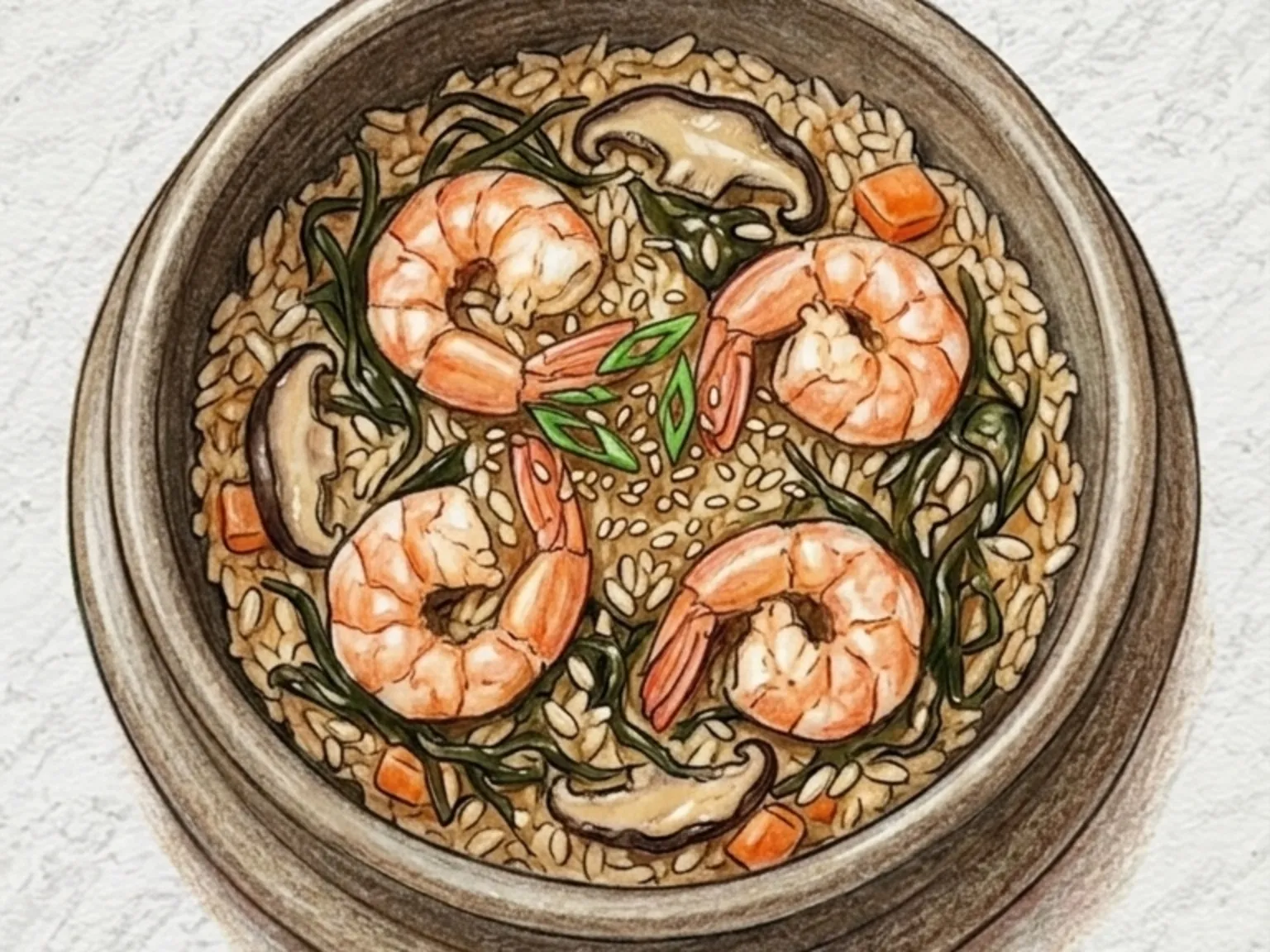
This pot rice pairs shrimp with lotus root, creating a contrast between the bouncy shellfish and the crunchy root vegetable. Shiitake mushroom deepens the umami layer, and garlic weaves a steady aroma throughout. Light soy sauce seasons the rice just enough to let the natural flavors of each ingredient come through. A drizzle of sesame oil at the end gives the grains a glossy sheen and nutty finish. When the lid comes off, the red of the shrimp against the white lotus root cross-sections makes for a striking presentation.

Serve with this

Korean Tomato Beef Rib Stew
Stews Medium

Korean Tomato Beef Rib Stew

Tomato galbi jjigae is a fusion Korean stew that combines beef short ribs with ripe tomatoes in a spicy broth seasoned with gochujang and gochugaru. The preparation requires soaking the ribs to remove blood, followed by a ten-minute blanching step to eliminate impurities. The ribs are then simmered with onions and minced garlic for twenty-five minutes to extract a golden beef stock. Ripe tomatoes and large potato chunks are added to the pot along with soy sauce, chili paste, and chili powder. As the mixture simmers for twelve minutes, the natural acidity of the tomatoes balances the rich fat from the ribs, creating a thick, savory broth. The potatoes cook until soft and floury, adding substance to the stew. The dish is finished by letting it rest off the heat for three minutes, ensuring the beef ribs become tender throughout.

🏠 Everyday 🎉 Special Occasion
Prep 25min Cook 45min 4 servings
Korean Beef & Shiitake Japchae
Side dishes Medium

Korean Beef & Shiitake Japchae

Japchae originated as a Joseon royal court dish of stir-fried vegetables before sweet potato glass noodles were added to create the form recognized today. This version pairs glass noodles with soy-marinated beef and sliced shiitake mushrooms. Each component cooks separately: beef and mushrooms stir-fried with garlic, spinach blanched and squeezed dry, carrots and onions sauteed until just tender. A final toss with sesame oil brings everything together. The noodles should be translucent and springy, carrying a sweet-salty soy glaze into each forkful. A standard presence on every Korean holiday table at Chuseok, Seollal, and birthday celebrations alike.

🏠 Everyday 🎉 Special Occasion
Prep 20min Cook 18min 4 servings
Korean Stuffed Bossam Kimchi
Kimchi Hard

Korean Stuffed Bossam Kimchi

Bo-kimchi is a premium Korean stuffed kimchi where brined napa cabbage leaves are wrapped around a filling of julienned radish, water dropwort, chestnuts, jujubes, shrimp, and pine nuts, then tied into bundles and left to ferment. Each ingredient in the stuffing develops its own flavor during fermentation, building a complex, layered taste enclosed in a single neat package. Shrimp and pine nuts contribute richness and a roasted note, while chestnuts and jujubes add subtle sweetness that lifts this well above everyday kimchi. Originating in the Gaeseong region and tracing its lineage through Goryeo-era court cuisine, it is a kimchi reserved for holidays and formal occasions.

🎉 Special Occasion 🥗 Light & Healthy
Prep 70min Cook 15min 4 servings

Similar recipes

Korean Soy Glazed Beef Rice Bowl
Rice Easy

Korean Soy Glazed Beef Rice Bowl

Sogogi deopbap tops steamed rice with thin-sliced beef and onions cooked in a sweet-soy glaze, served with just enough sauce to soak into the grains. The beef is marinated briefly in a mixture of dark soy sauce, sugar, and minced garlic, which caramelizes quickly in a hot pan. Onion slices cook alongside the beef, their natural sweetness balancing the salty-sweet sauce as they soften. Sesame oil added toward the end leaves a nutty aftertaste that lingers. The key is keeping a small pool of sauce in the pan rather than reducing it completely - that glossy liquid seeps into the rice and makes each spoonful flavorful without needing additional seasoning. A generous crack of black pepper at the end adds a sharp finish.

🏠 Everyday ⚡ Quick
Prep 15min Cook 12min 2 servings
Korean Mushroom Bulgogi Jeongol
Stews Medium

Korean Mushroom Bulgogi Jeongol

Soy sauce-marinated beef and a mix of shiitake and enoki mushrooms simmer together in a generous broth, with the beef's umami and the shiitake's deep, earthy scent building into the stock as the jeongol cooks. Sweet potato noodles absorb that concentrated broth, picking up its full flavor in every chewy strand. Onion's natural sweetness moderates the saltiness of the soy-based stock, and the garlic-infused liquid makes the dish work equally well as a rice accompaniment or a drinking table side. The jeongol is typically left on a portable burner at the table and eaten continuously as it cooks.

🎉 Special Occasion 🍺 Bar Snacks
Prep 20min Cook 20min 4 servings
Korean Soy Bulgogi with Mushrooms
Stir-fry Easy

Korean Soy Bulgogi with Mushrooms

Thinly sliced beef is marinated in soy sauce, Korean pear juice, and sesame oil, then stir-fried over high heat together with shiitake and king oyster mushrooms. Pear juice acts as a natural tenderizer: its enzymes break down muscle proteins so each slice pulls apart along the grain instead of resisting the tooth, and its fructose tempers the salt of the soy sauce into a balanced sweet-salty base. The two mushroom varieties are not interchangeable in role - shiitake brings a firm, chewy bite while king oyster delivers a thick, clean meatiness that holds its shape through the heat. Crowding the pan is the single most common mistake: when too much goes in at once, the temperature drops and the ingredients steam rather than sear, resulting in gray, soft pieces instead of the glazed, caramelized coating the dish depends on. Work in small batches over sustained high heat so the marinade reduces against the hot pan surface. Green onion added in the final minute retains its sharp, fresh character and cuts through the sweet richness, providing the finishing contrast the dish needs.

🏠 Everyday 🌙 Late Night
Prep 18min Cook 12min 4 servings

Tips

Slice burdock thin so it cooks evenly with the rice.
For crispy scorched rice, raise heat slightly for the last 30 seconds.

Nutrition (per serving)

Calories
510
kcal
Protein
19
g
Carbs
78
g
Fat
12
g