Wafu Daikon Salad (Shredded Radish with Japanese Soy Dressing)
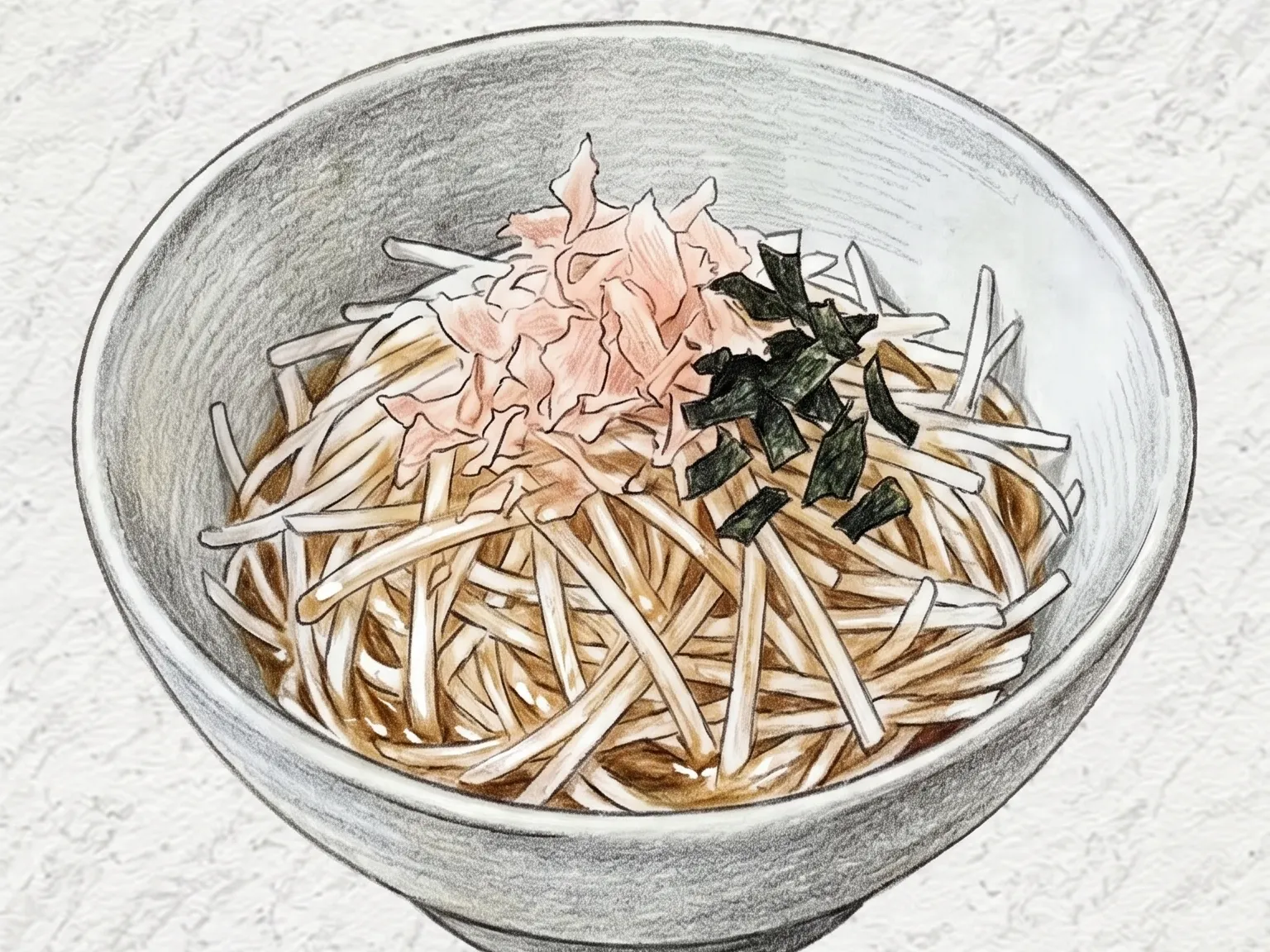
Wafu daikon salad shreds daikon radish into very fine julienne strips and dresses them with a Japanese wafu dressing made from soy sauce, rice vinegar, and sesame oil, finished with bonito flakes and torn nori. Soaking the shredded daikon in cold water for five minutes draws out excess starch and maximizes its crisp, snappy texture - draining and drying thoroughly afterward prevents the dressing from becoming diluted. The dressing layers soy salt over the gentle acidity of rice vinegar and the nuttiness of sesame oil, giving depth to the otherwise neutral radish. Bonito flakes placed on top wave gently in the residual heat and release a smoky umami that permeates the salad. Shredded nori adds a briny crunch that creates textural contrast throughout the bowl.
Adjust Servings
Instructions
- 1
Julienne daikon very thinly and soak in cold water for 5 minutes for crispness.
- 2
Drain and thoroughly dry the daikon.
- 3
Mix soy sauce, rice vinegar, and sesame oil for the dressing.
- 4
Toss daikon and sprouts lightly with the dressing and plate.
- 5
Top with bonito flakes and shredded nori to finish.
As an Amazon Associate, we may earn from qualifying purchases.
Tips
Nutrition (per serving)
More Recipes

Sunomono Cucumber Salad (Japanese Sweet Vinegar Cucumber Slices)
Sunomono cucumber salad slices cucumber paper-thin, salts the slices for five minutes to draw out excess moisture, then squeezes them dry and dresses them in a mixture of rice vinegar, sugar, and a touch of soy sauce along with rehydrated wakame. Salting and squeezing the cucumber first is what keeps the vinegar dressing sharp and concentrated rather than watered down. The crisp, snappy cucumber and the slippery, silky wakame create a textural contrast in every bite, and a scattering of sesame seeds adds a toasted nuttiness to the clean finish. The entire preparation requires no cooking and takes under fifteen minutes, making it a practical side dish for summer meals or alongside grilled meats.

Edamame Avocado Salad
Shelled edamame provides a firm, pop-in-the-mouth texture alongside creamy avocado chunks in this protein-focused salad. A soy-lime dressing gives the bowl an East Asian brightness, with a small amount of sesame oil adding depth. Sliced cucumber and cherry tomatoes contribute crunch and moisture to keep things fresh. No cooking is required beyond boiling the edamame - the rest is assembled raw, making total preparation time under 15 minutes.

Buckwheat Noodle Salad
Buckwheat noodle salad rinses boiled soba noodles several times in cold water to strip away surface starch and firm their texture, then tosses them with leaf lettuce, cucumber, and shredded red cabbage in a tsuyu-based dressing. The cold rinse sharpens the soba's characteristic coarse, chewy bite, and the vegetables weave crisp moisture between the noodle strands. Tsuyu's concentrated savory depth balanced by rice vinegar's acidity creates a dressing that finishes clean on the palate. Shredded roasted seaweed scattered over the top adds a toasted ocean note that carries through each bite. The red cabbage contributes a purple accent that contrasts visually with the muted brown of the buckwheat noodles.

Grapefruit Shiso Shrimp Salad
Grapefruit shiso shrimp salad tosses ice-chilled blanched shrimp, membrane-free grapefruit segments, shredded shiso leaves, and thinly sliced cucumber and radish in a yuja marmalade dressing. Blanching shrimp for just two minutes and shocking them in ice water locks in a firm, springy texture by rapidly contracting the protein. Removing all white pith from the grapefruit eliminates bitterness, leaving only the clean, tart juice of the flesh. The dressing - yuja marmalade, rice vinegar, olive oil, and pepper - doubles down on citrus aroma, while the mint-like herbal note of shiso leaves neutralizes any hint of fishiness. Serving the salad well chilled keeps every texture and fragrance sharp and distinct.

Japanese Simmered Yellowtail and Daikon
Yellowtail and daikon radish are simmered together in a dashi-based sauce of soy sauce, mirin, and sake. The fatty yellowtail becomes flaky and rich as it cooks, while the daikon absorbs the concentrated braising liquid and turns translucent. Sugar adds a gentle sweetness to balance the salty soy, and fresh ginger cuts through the fishiness. This is a quintessential Japanese home-cooked dish, best made in winter when yellowtail is at its fattiest.

Steamed Komatsuna and Tofu
Komatsuna mushi is a Japanese steamed dish of mustard spinach and tofu finished with a light dashi-soy dipping sauce. The komatsuna has a subtle bitterness that pairs well with the mild, creamy tofu, and the dashi broth ties them together with clean umami. Seasoning is kept to salt and soy sauce only, allowing the natural flavors of the greens and tofu to come through without interference. Free of added oil, this is a light preparation that fits naturally into a multi-dish Japanese home meal.