Korean Sweet Glutinous Rice
Rice Medium

Korean Sweet Glutinous Rice

Quick answer

Glutinous rice is soaked, steamed, and dressed with a mixture of soy sauce, sesame oil, and honey, then studded with jujubes, chestnuts, and pine nuts before a second steaming.

What makes this special

  • Yakbap undergoes double-steaming to drive a soy-honey syrup deep into the chewy glutinous grains.
  • Double-steaming drives soy-honey syrup deep into every glutinous grain
  • Shredded jujube, mealy chestnut, and oily pine nut each offer a different bite
Total time
75 min
Level
Medium
Servings
4 servings
Ingredients
8
Calories
450 kcal
Protein
7 g

Key ingredients

glutinous ricesoy saucehoneysesame oiljujubes

Core cooking flow

  1. 1 Rinse 2 cups glutinous rice until the water runs mostly clear, soak it for 2 hours, then drain it well.
  2. 2 Remove the pits from 8 jujubes and slice them thinly.
  3. 3 Combine 2 tablespoons soy sauce, 3 tablespoons honey, 1 tablespoon sesame oi...

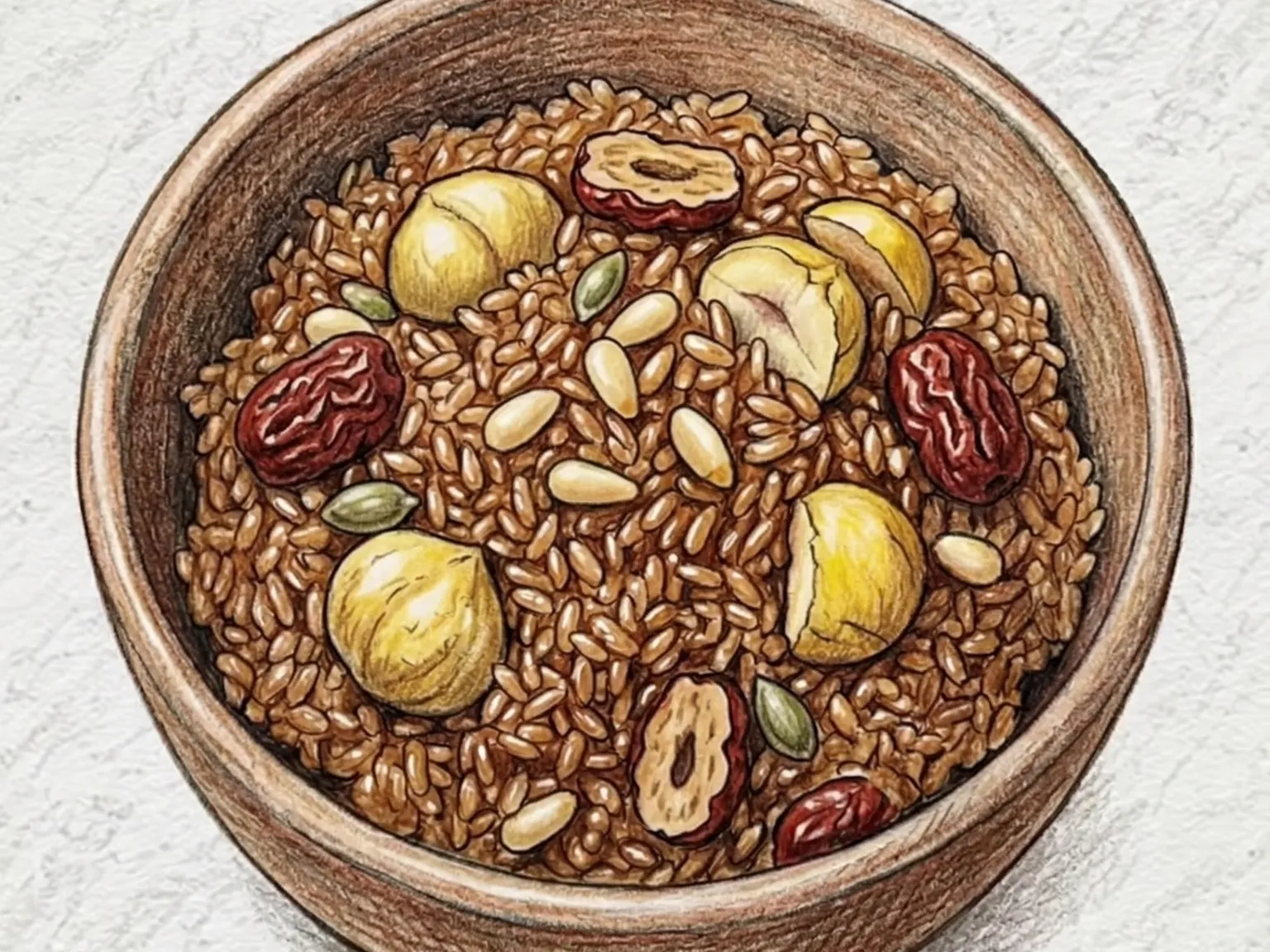
Glutinous rice is soaked, steamed, and dressed with a mixture of soy sauce, sesame oil, and honey, then studded with jujubes, chestnuts, and pine nuts before a second steaming. The double-steaming process gives the rice a dense, chewy stickiness while the soy sauce penetrates each grain and tints it a deep amber. Jujubes lend a natural caramel-like sweetness, chestnuts add a crumbly, starchy contrast, and pine nuts contribute a subtle oiliness that enriches the overall taste. Traditionally prepared for the first full moon festival, yakbap is equally enjoyable as an everyday snack or packed lunch.

Prep 30min Cook 45min 4 servings
Recipes by ingredient → soy sauce honey sesame oil

Instructions

Read the steps as a cooking flow: prep, heat, seasoning, doneness control, and finish.

6 steps
  1. 1
    Control

    Rinse 2 cups glutinous rice until the water runs mostly clear, soak it for 2 hours, then drain it well.

    When the steamer is fully steaming, cook over medium heat for 25 minutes.

  2. 2
    Finish

    Remove the pits from 8 jujubes and slice them thinly.

    Cut 100 g chestnuts into bite-size pieces, and set aside a small pinch of the 2 tablespoons pine nuts for a clean garnish at the end.

  3. 3
    Control

    Combine 2 tablespoons soy sauce, 3 tablespoons honey, 1 tablespoon sesame oil, and 1/2 teaspoon ground cinnamon in a small pot.

    Warm over low heat just until the honey loosens, avoiding a hard boil.

  4. 4
    Season

    Pour the warm seasoning syrup over the hot steamed rice first, then fold with a rice paddle as if cutting through it.

    When the grains look glossy amber, add the jujubes, chestnuts, and pine nuts.

  5. 5
    Control

    Transfer the seasoned rice to a mold or heatproof bowl and press the top lightly so the layer is even, not compacted hard.

    Steam again over medium heat for 12 minutes once the steamer is steaming.

  6. 6
    Finish

    After steaming, let the yakbap cool for about 10 minutes so it firms enough to slice neatly.

    Lightly coat the knife with a trace of sesame oil, cut into portions, and finish with the reserved pine nuts.

After the steps

Pick a recipe that fits this dish.

Continue with shared ingredients, meal pairings, or a similar method.

Recipes That Go Well With This

More Rice →

Based on shared ingredients and meal pairing

Yaksik (Korean Royal Sweet Glutinous Rice with Jujube)
Shared ingredient: glutinous rice Baking

Yaksik (Korean Royal Sweet Glutinous Rice with Jujube)

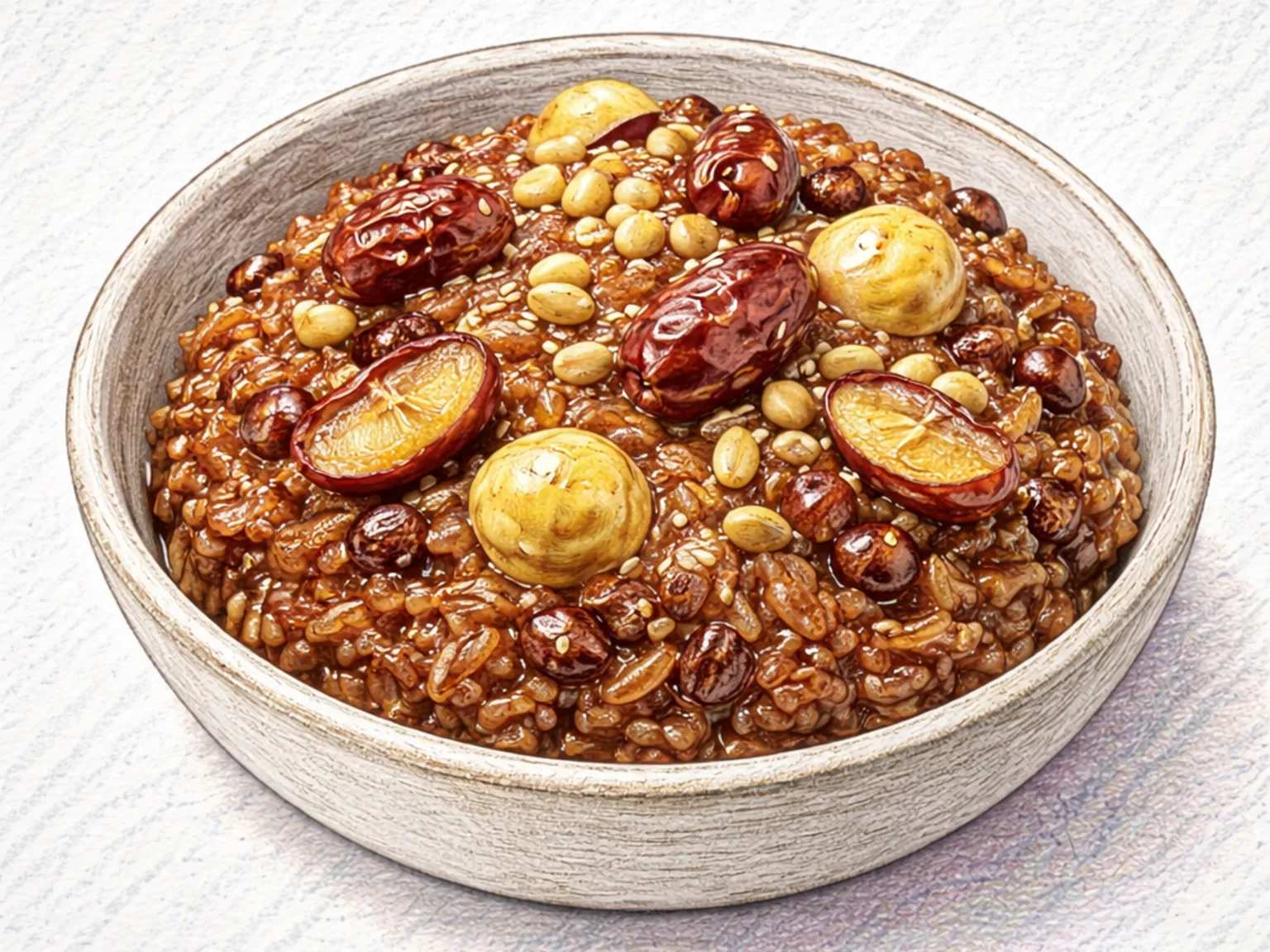
Yaksik is a traditional Korean sweet rice dish with roots in royal court cuisine. Glutinous rice is mixed with soy sauce, honey, and sesame oil, then steamed with jujubes and chestnuts until each grain absorbs a deep caramel-brown color and a sweet-salty seasoning. The soy sauce provides savory depth while the honey glazes the rice with a gentle sheen and lingering sweetness. Jujubes burst with natural fruity sweetness when bitten, and chestnuts contribute a crumbly, starchy contrast to the chewy rice. A pinch of cinnamon adds warm spice that ties the elements together. Yaksik holds its texture well at room temperature, making it equally suited for packed lunches or make-ahead desserts.

Sweet Rice Honey Muffins
Shared ingredient: glutinous rice Desserts

Sweet Rice Honey Muffins

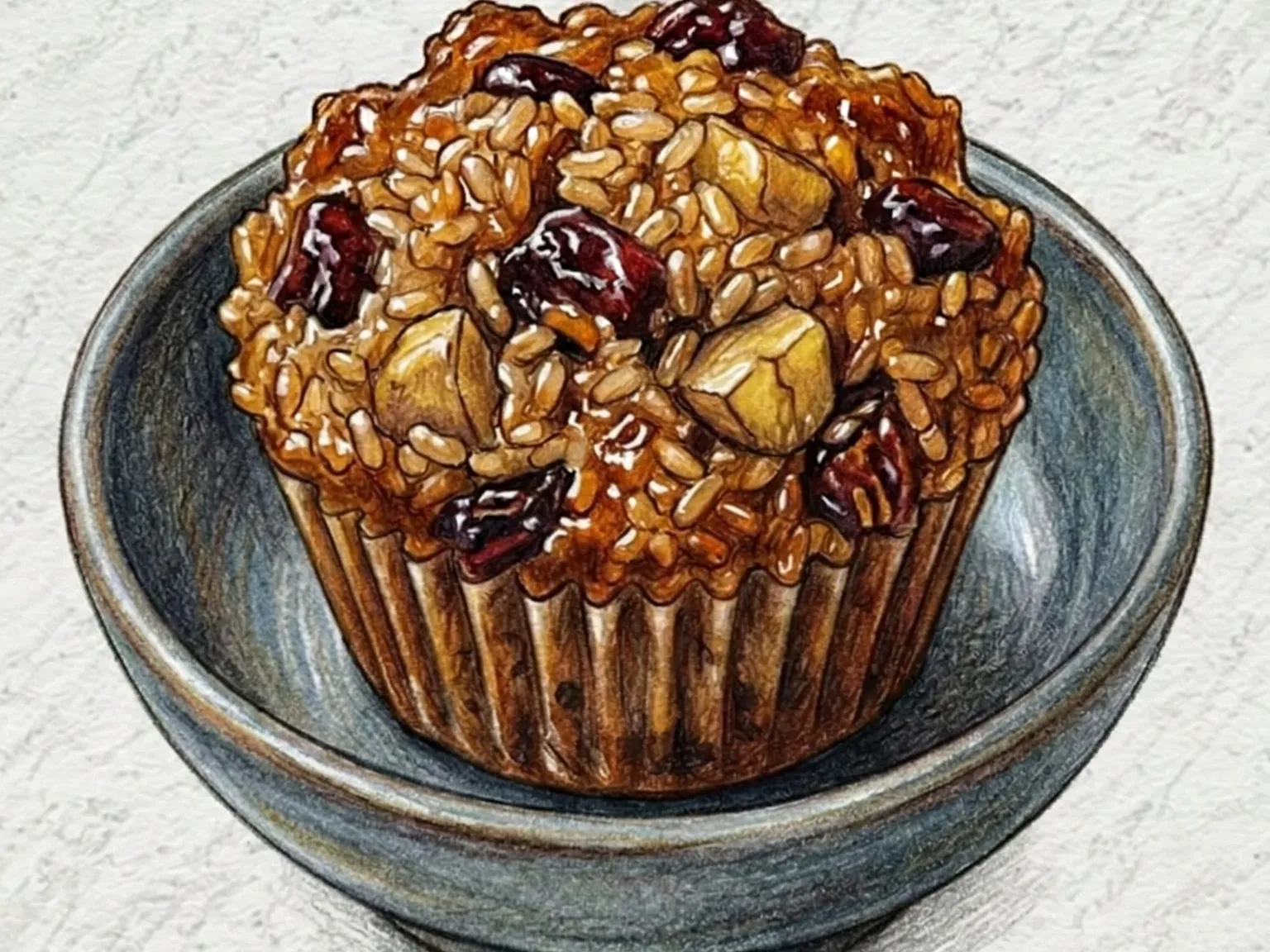
Yakbap muffins bake soaked glutinous rice that has been marinated for 20 minutes in a seasoning of soy sauce, dark brown sugar, honey, and sesame oil, then portioned into muffin cups with sliced jujubes and diced chestnuts before going into a 180-degree oven. The soy sauce provides a savory depth that folds into the brown sugar and honey to produce the dark, caramel-like sweetness that distinguishes traditional yakbap, while sesame oil amplifies the grain aroma throughout. Jujubes are sliced thin so their juices seep between the rice grains during baking, and the chestnut cubes provide a starchy, crumbly resistance against the sticky glutinous rice. Pine nuts placed on top release their oils as they roast, filling the oven with a nutty fragrance that deepens as the muffins brown. A 10-minute rest after removing them from the oven allows the residual heat to distribute evenly, so the glutinous rice firms into a clean shape that separates easily from the mold. The recipe reinterprets traditional yakshik as individual servings suited to a modern table.

Jesa Tangguk (Ancestral Clear Beef Soup)
Serve together Soups

Jesa Tangguk (Ancestral Clear Beef Soup)

Jesa-tangguk is a traditional Korean clear soup prepared for ancestral rites and formal family gatherings. Beef brisket is first soaked in cold water for at least an hour to draw out the blood, then simmered over medium heat for an extended time to produce a clear, deeply flavored stock that forms the foundation of the entire bowl. Skimming the surface regularly during cooking keeps the broth transparent and clean-tasting. Radish cooks until nearly translucent, releasing a gentle natural sweetness into the stock, while blocks of tofu and sliced shiitake mushrooms add contrasting textures. Seasoning is limited to soup soy sauce and garlic, preserving the purity of the broth and allowing each ingredient's flavor to come through undisguised. Fat is skimmed away before serving, producing the spotless, refined finish expected of ritual food. The aesthetic matters as much as the flavor: ingredients are cut into tidy, uniform shapes and arranged with deliberate care, reflecting the reverence that is central to the jesa ritual. Beyond ceremonial occasions, jesa-tangguk is a comforting home-style soup enjoyed at holidays and family meals for its clean, balanced warmth.

Pan-Fried Sweet Rice Cake
Similar recipe Desserts

Pan-Fried Sweet Rice Cake

Bukkumi is a traditional Korean pan-fried rice cake made from glutinous rice flour dough filled with sweet red bean paste seasoned with cinnamon and sugar. Using hot water to form the dough partially gelatinizes the starch, creating a pliable skin that stretches without cracking - though the dough must stay covered with a damp cloth throughout assembly to prevent the surface from drying out. Folding the dough into half-moon shapes seals in a cinnamon-laced bean paste filling that lifts the dense sweetness of the red bean with a warm spice note. Pan-frying on low heat builds a golden crust on each side while keeping the filling warm and molten at the center. A light drizzle of honey or a pinch of sugar right after frying adds a final layer of sweetness.

Serve with this

Korean Perilla Mushroom Hot Pot
Stews Easy

Korean Perilla Mushroom Hot Pot

Korean perilla mushroom hot pot is a hearty vegetarian dish made with shiitake, oyster, and enoki mushrooms, tofu, and bok choy simmered in a light vegetable stock. The cooking process starts by boiling the vegetable stock seasoned with soup soy sauce and minced garlic. Shiitake and oyster mushrooms are added first to build a deep umami base. Tofu, enoki mushrooms, and bok choy are then arranged on top and simmered until the vegetables are tender. To finish, ground perilla seed powder is gently stirred into the broth at the very end, which prevents the soup from becoming gritty while releasing a rich, nutty aroma and creating a naturally thick texture. This hot pot delivers a satisfying combination of earthy mushrooms, soft tofu, and crisp bok choy, offering a comforting meatless meal.

🏠 Everyday 🥗 Light & Healthy
Prep 15min Cook 18min 2 servings
Korean Bracken Fern Namul with Perilla
Side dishes Medium

Korean Bracken Fern Namul with Perilla

This perilla-scented bracken fern namul begins by pre-seasoning 250 grams of boiled bracken with soup soy sauce, minced garlic, and half the perilla oil for five minutes so the flavor seeps into the chewy fibers. Green onion is sauteed briefly in the remaining perilla oil to build an aromatic base before the seasoned bracken joins the pan for a two-minute stir-fry that drives off excess moisture. Adding water and ground perilla seeds, then simmering gently for five minutes, transforms the dish into a lightly sauced namul where every strand carries a nutty, earthy depth. Sesame seeds scattered at the end add a visual accent and a faint crunch that complements the bracken's dense chew.

🏠 Everyday 🎉 Special Occasion
Prep 15min Cook 12min 2 servings
Korean Salted Yellow Croaker Jeotgal
Kimchi Hard

Korean Salted Yellow Croaker Jeotgal

Jogi jeotgal is a Korean salted and fermented yellow croaker made by gutting the fish, layering it in coarse sea salt for an initial multi-day cure in the refrigerator, then folding in gochugaru, garlic, ginger, and rice wine for a second stage of aging. Over the extended fermentation, fish protein breaks down into a concentrated savory depth that bears no resemblance to the raw ingredient, while the sea salt continuously draws out moisture and causes the flesh to contract and firm. Gochugaru and ginger suppress the fermentation smell and add a mild heat and aromatic warmth, while rice wine smooths out the sharp, rough edges that develop early in the process. The finished jeotgal is used in small amounts, placed over rice or added to kimchi jjigae as a flavor amplifier, a condiment that delivers significant depth from a very small quantity.

🎉 Special Occasion 🍱 Lunchbox
Prep 35min 4 servings

Similar recipes

Three-Color Sweet Rice Balls
Desserts Medium

Three-Color Sweet Rice Balls

Samsek gyeongdan are traditional Korean rice cake balls made from glutinous rice flour dough divided into three colors: plain white, green from mugwort powder, and pink from prickly pear powder, then rolled into small spheres and boiled. The dough must be kneaded with hot water to fully activate the starch's sticky quality; water that is too cool makes the dough prone to cracking when shaped. The balls need one extra minute of cooking after they float to ensure the centers turn fully translucent, and pulling them out immediately after floating often leaves a dense, undercooked core. The mugwort batch carries an herbal, grassy note, and the prickly pear version offers a faint fruity tang, so three distinct flavors emerge from the same base recipe. Transferring the cooked balls immediately to cold water stops carryover cooking and preserves the springy, bouncy texture. Rolling them in a mixture of roasted soybean powder or black sesame powder with sugar coats each ball in nuttiness, and a light brush of sesame oil prevents the balls from sticking together while giving the surface a subtle sheen.

🧒 Kid-Friendly
Prep 25min Cook 15min 4 servings
Sweet Pumpkin Porridge (Korean Kabocha Glutinous Rice Porridge)
Desserts Easy

Sweet Pumpkin Porridge (Korean Kabocha Glutinous Rice Porridge)

Hobakjuk is a Korean sweet pumpkin porridge made by steaming kabocha squash, blending it smooth with water, and simmering the puree with a glutinous rice flour slurry over medium-low heat until thick and velvety. Steaming the squash with the skin on concentrates its natural sugars, and blending with 300 ml of water creates a uniform, smooth base. The rice flour slurry gelatinizes as it heats, giving the porridge its characteristic viscosity, while a pour of milk rounds out the texture with a creamy richness. Pine nuts scattered on top add a fatty, resinous aroma over the squash, and sweetness is best adjusted at the very end to account for natural variation in pumpkin sugar content.

🧒 Kid-Friendly
Prep 15min Cook 25min 2 servings
Sweet Rice Punch (Traditional Korean Malted Barley Grain Drink)
Desserts Medium

Sweet Rice Punch (Traditional Korean Malted Barley Grain Drink)

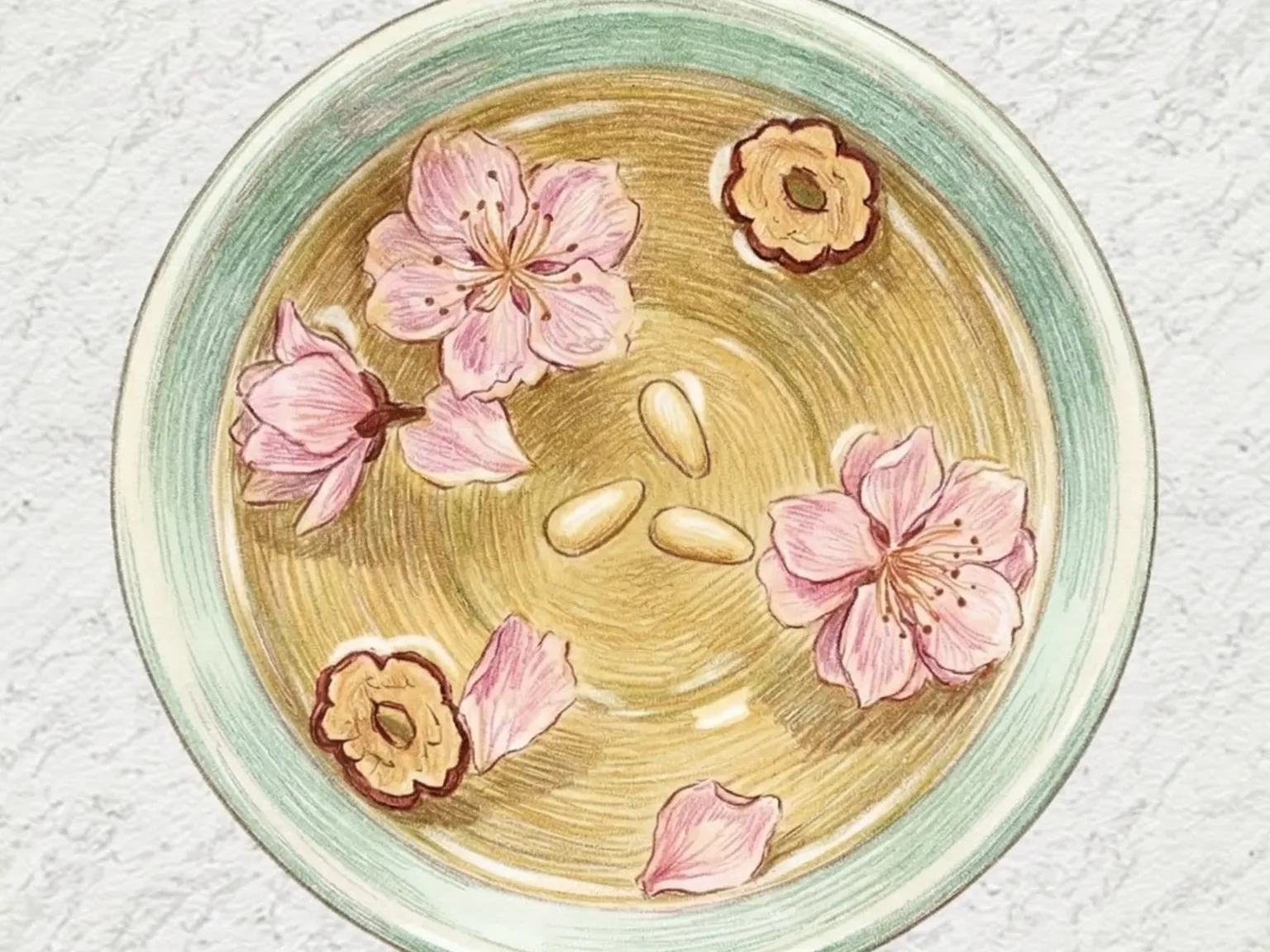
Sikhye is a traditional Korean sweet rice punch made by steeping malted barley powder in lukewarm water, straining the liquid, adding cooked rice, and holding the mixture at around 60 degrees Celsius for one hour until the rice grains float to the surface. The amylase enzymes in the malt break down the rice starch, producing a distinctly malty, clear sweetness with grain depth that no sugar alone can replicate. Only the clear top liquid is used after settling -- discarding the sediment keeps the punch from turning cloudy. Simmering with sugar and sliced ginger for 20 minutes rounds the sweetness and adds a gentle, spiced warmth to the finish. Served well chilled with the reserved floating rice grains and pine nuts on top, the cold temperature sharpens the malty aroma and makes each sip crisp. Temperature control during the steeping stage is critical: if the mixture exceeds 70 degrees Celsius, the amylase denatures and the grains will not float, so keeping a steady 60-degree hold determines whether the preparation succeeds.

🎉 Special Occasion 🧒 Kid-Friendly
Prep 20min Cook 180min 4 servings

Tips

Proper soaking is key for chewy texture.
Adjust sweetness by changing honey amount.

Nutrition (per serving)

Calories
450
kcal
Protein
7
g
Carbs
87
g
Fat
8
g