Charim

2686 Korean & World Recipes

2686+ Korean recipes, clean and organized. Ingredients to instructions, all at a glance.

Korean Cabbage Kimchi (Crunchy Green Cabbage Kimchi)
KimchiEasy

Korean Cabbage Kimchi (Crunchy Green Cabbage Kimchi)

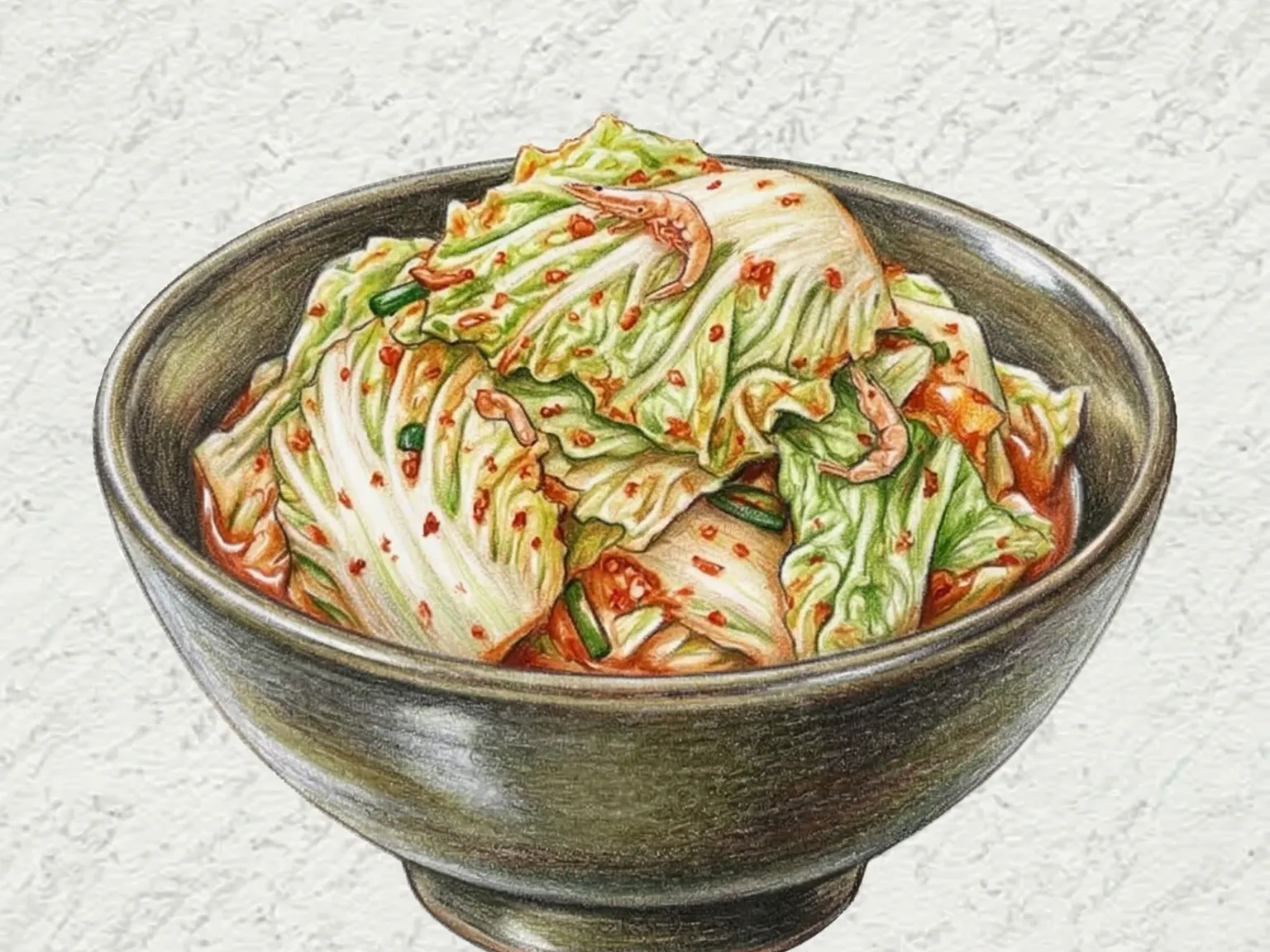
Yangbaechu kimchi is a Korean cabbage kimchi made by salting green cabbage and tossing it with chili flakes, fish sauce, and minced garlic. The thicker leaves and lower moisture content of green cabbage compared to napa cabbage result in a noticeably crunchier texture that persists through fermentation. The natural sweetness of cabbage softens the heat from the chili seasoning, while carrot and scallion pieces add color and freshness. Six hours of fermentation at room temperature followed by refrigeration lets the tanginess develop gradually. It serves as a lighter alternative when traditional napa kimchi feels too heavy.

Prep 30minCook 10min4 servings

Adjust Servings

2servings
servings

Instructions

  1. 1

    Cut cabbage into bite-size pieces and salt for 40 minutes.

  2. 2

    Rinse and drain cabbage; slice carrot and scallions.

  3. 3

    Combine chili flakes, fish sauce, and garlic for seasoning paste.

  4. 4

    Mix vegetables with seasoning until evenly coated.

  5. 5

    Ferment 6 hours at room temp, then refrigerate.

🛒Shop Ingredients on Amazon

As an Amazon Associate, we may earn from qualifying purchases.

Tips

Do not over-brine cabbage or it can get tough.

Nutrition (per serving)

Calories
61
kcal
Protein
2
g
Carbs
12
g
Fat
1
g

More Recipes

Korean Red Cabbage Kimchi
KimchiEasy

Korean Red Cabbage Kimchi

Jeokchae kimchi is a Korean kimchi made with red cabbage that is salted, then dressed in gochugaru, sand lance fish sauce, garlic, and Korean pear juice for a short fermentation. Red cabbage leaves are thicker and denser than napa, maintaining a pronounced crunch even after brining, and their anthocyanin pigment merges with the red chili seasoning to produce a striking purple hue. Pear juice provides a gentle fruit sweetness beneath the spice, and sand lance fish sauce ensures deep umami despite the abbreviated aging. Scallions add a fresh finish, and the vivid color makes this a visually distinctive kimchi on any table.

🍱 Lunchbox
Prep 30min2 servings
Korean Zucchini Kimchi (Summer Fresh Gochugaru Quick)
KimchiEasy

Korean Zucchini Kimchi (Summer Fresh Gochugaru Quick)

Hobak kimchi is a Korean summer zucchini kimchi where half-moon or thin-cut slices are lightly salted, then tossed with gochugaru, fish sauce, garlic, garlic chives, and plum extract. Minimal salting preserves the zucchini's natural crunch and gentle sweetness, and plum extract provides a rounded sweetness without added sugar. Garlic chives tie the flavors together with their aromatic, grassy note, and onion adds an extra layer of savory depth. This is a no-fermentation kimchi meant to be eaten immediately after preparation, making it an efficient seasonal banchan when fresh summer zucchini is at its peak.

🍱 Lunchbox
Prep 22minCook 5min2 servings
Korean Green Onion Kimchi
KimchiMedium

Korean Green Onion Kimchi

Daepa kimchi is made by cutting large green onions into six- to seven-centimeter lengths and gently coating them in a paste of gochugaru, anchovy fish sauce, soy sauce, plum extract, and glutinous rice paste. The rice paste acts as a binder that keeps the seasoning clinging to the onion surfaces throughout fermentation instead of sliding off. Handling the stalks carefully so they stay intact is important for presentation, and splitting thicker white portions lengthwise gives the paste more surface area to penetrate. Eight hours of room-temperature fermentation followed by two days of refrigeration brings the kimchi to its peak, where the sharp allium bite of the green onion meets the deep fermented umami of the fish sauce.

🍱 Lunchbox
Prep 25minCook 5min4 servings
Korean Bangwool Yangbaechu Kimchi (Brussels Sprout Kimchi)
KimchiMedium

Korean Bangwool Yangbaechu Kimchi (Brussels Sprout Kimchi)

Bangwool yangbaechu kimchi is a creative Korean kimchi made from halved Brussels sprouts brined in salt, then dressed with gochugaru, fish sauce, garlic, and apple. The sprouts retain their firm, dense crunch even after salting, releasing a natural sweetness as you chew that balances the spicy-salty seasoning. Apple adds a fruit sweetness that softens the chili heat, and scallions contribute a fresh note. This seasonal kimchi combines the fermented depth of traditional kimchi with the compact, sweet character of Brussels sprouts.

🍱 Lunchbox
Prep 30min4 servings
Korean Yangbaechu Kkae Bokkeum (Sesame Cabbage Stir-fry)
Side dishesEasy

Korean Yangbaechu Kkae Bokkeum (Sesame Cabbage Stir-fry)

Shredded cabbage, onion, and carrot are stir-fried over high heat with soup soy sauce and finished with sesame oil and a generous handful of toasted sesame seeds. Cabbage benefits from fast, hot cooking: the edges char lightly and caramelize while the interior retains its crisp bite, and the heat unlocks a gentle natural sweetness hidden in the raw leaves. Soup soy sauce seasons the vegetables with depth while keeping the finished dish pale and clean-looking, and minced garlic stirred in early fills the pan with fragrance. Carrot goes into the pan first to draw out its sugar, and as the onion softens, its moisture deglazes the surface and adds another layer of mellow sweetness. Sesame oil drizzled off-heat coats the vegetables in a nutty sheen, and the sesame seeds scattered on top provide a crunchy, aromatic punctuation with every bite. The dish is lean and uncomplicated, relying on the quality of fresh vegetables and precise timing rather than heavy seasoning, making it a banchan suited to daily meals.

🏠 Everyday🍱 Lunchbox
Prep 12minCook 8min4 servings
Korean Fresh Cabbage Kimchi
Side dishesEasy

Korean Fresh Cabbage Kimchi

Geotjeori is kimchi's unfermented cousin - raw napa cabbage dressed in gochugaru seasoning and eaten immediately. The leaves are tossed with red pepper flakes, anchovy fish sauce, garlic, and sugar, drawing out just enough moisture to form a light, spicy brine. Unlike aged kimchi, geotjeori tastes bright and vegetal with the clean crunch of fresh cabbage intact. Koreans pair it with grilled pork belly or doenjang-jjigae.

🏠 Everyday🍱 Lunchbox
Prep 20min6 servings
More Kimchi