Charim

2686 Korean & World Recipes

2686+ Korean recipes, clean and organized. Ingredients to instructions, all at a glance.

Korean Young Radish Water Kimchi
Kimchi Medium

Korean Young Radish Water Kimchi

Yeolmu mul-kimchi is a water kimchi in which salted young radish greens are submerged in a clear broth infused with garlic, ginger, scallions, and sliced radish. The garlic and ginger are squeezed through cloth rather than added directly, producing a transparent, clean-tasting liquid. Plum syrup contributes a natural sweetness and acidity that develops further during fermentation. After eight hours at room temperature and twelve more in the refrigerator, the brine becomes effervescent and refreshingly tart, making it ideal to serve cold alongside bibim guksu or steamed rice in summer. Using filtered cold water ensures the cleanest possible flavor.

Prep 30min 0 4 servings

Adjust Servings

2servings
servings

Instructions

  1. 1

    Cut young radish into 5 cm pieces, wash, and salt for 20 minutes to reduce raw odor.

  2. 2

    Slice radish thinly into squares and cut scallions into 4 cm lengths.

  3. 3

    Blend garlic and ginger, place in cloth, and squeeze in water to infuse flavor only.

  4. 4

    Add plum syrup and salt to the infused water to make clear kimchi broth.

  5. 5

    Rinse salted radish greens, place with radish and scallions in a container, then pour broth.

  6. 6

    Ferment 8 hours at room temp, then chill 12 more hours before serving cold.

🛒Shop Ingredients on Amazon

As an Amazon Associate, we may earn from qualifying purchases.

Tips

No boiling is needed, but filtered cold water gives a cleaner taste.
Use ginger sparingly; too much can add bitterness.

Nutrition (per serving)

Calories
38
kcal
Protein
1
g
Carbs
7
g
Fat
0
g

More Recipes

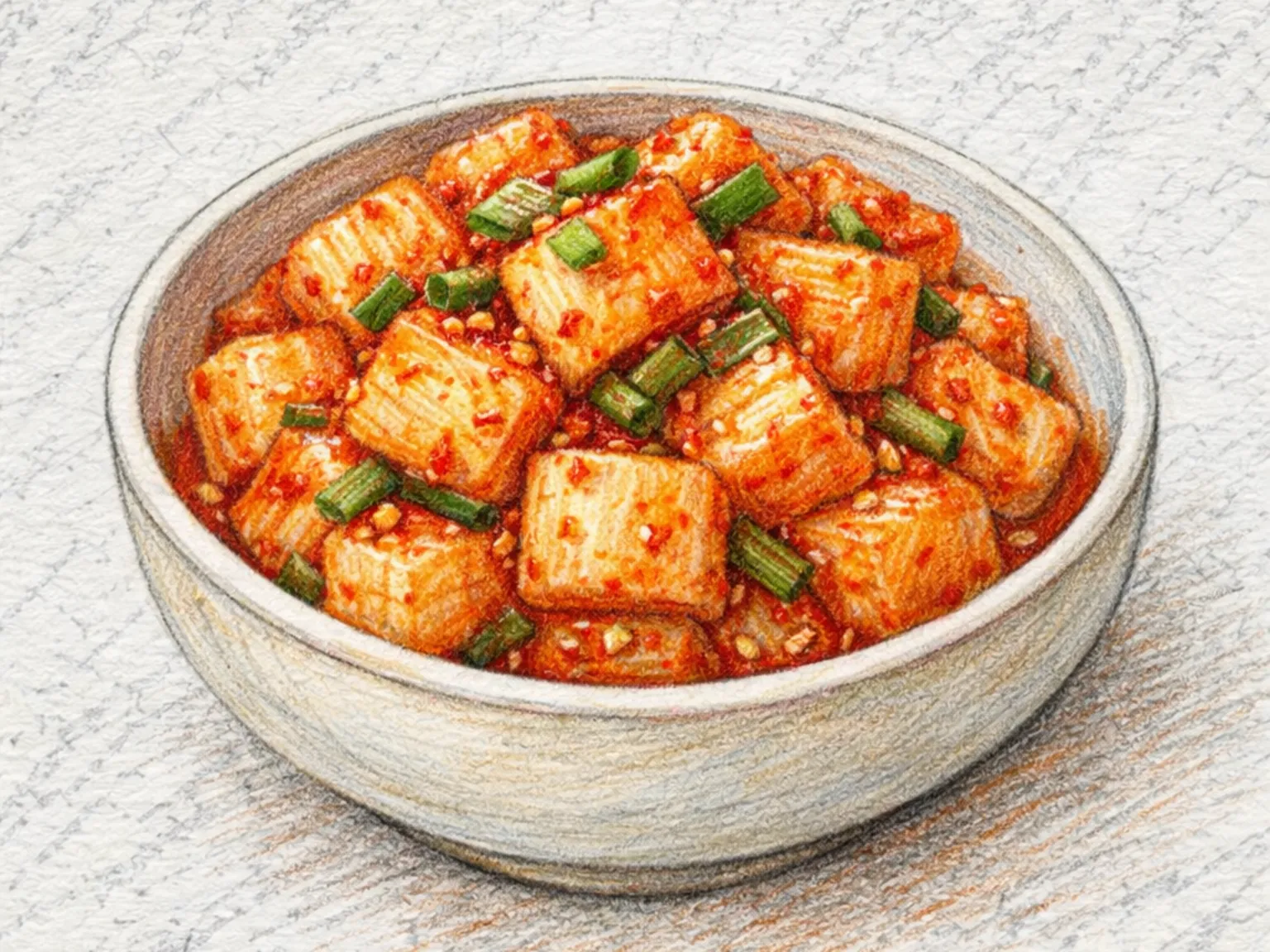
Korean Dongchimi Radish Water Kimchi
KimchiEasy

Korean Dongchimi Radish Water Kimchi

Dongchimi is a Korean radish water kimchi made by brining whole Korean radishes in salt, then submerging them with Asian pear, garlic, ginger, scallions, and green chili in a clean saltwater solution for several days of cold fermentation. As the radish starch breaks down through lactic fermentation, the brine develops a natural effervescence and refreshing acidity. Pear lends a gentle fruit sweetness, and ginger sharpens the finish. The clear, chilled broth can be drunk on its own as a palate cleanser or used as a base for cold noodle dishes in winter, cutting through the richness of grilled meats and heavy stews.

🏠 Everyday🍱 Lunchbox
Prep 30minCook 5min4 servings
Korean Young Radish Barley Bibimbap
RiceEasy

Korean Young Radish Barley Bibimbap

Barley-mixed rice has a hearty, popping texture and a nutty flavor that pairs naturally with the crisp, tart bite of freshly made young radish kimchi. The crunchy stems of the kimchi contrast with the chewy barley grains, and stirring in gochujang ties the tangy, spicy, and sweet elements together into a cohesive bowl. A spoonful of sesame oil folded in at the end adds a roasted fragrance that lifts the overall depth of flavor. This bibimbap is especially refreshing in the summer months as a cooling, appetite-stimulating meal.

🏠 Everyday🍱 Lunchbox
Prep 18minCook 22min2 servings
Korean Young Radish Kimchi
Side dishesMedium

Korean Young Radish Kimchi

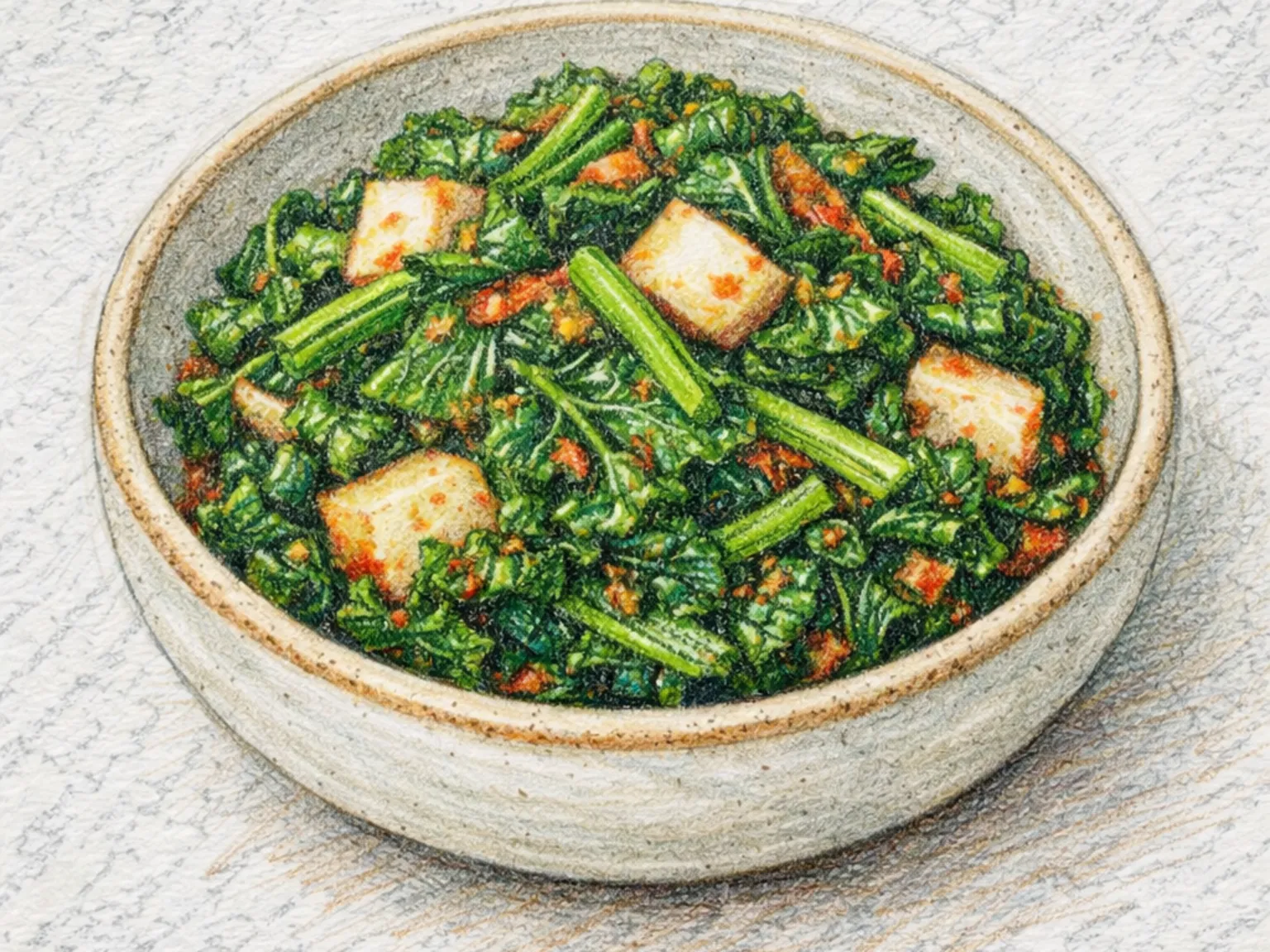
Young radish greens and their slender stems are salted briefly, dressed in a gochugaru-based paste, and fermented into a kimchi synonymous with Korean summer. The greens are more delicate than mature radish, absorbing the seasoning quickly while retaining a refreshing crunch that lasts well into fermentation. Gochugaru and anchovy fish sauce form the backbone of the paste, delivering heat and deep umami in equal measure, while garlic lends a pungent undercurrent that mellows as the fermentation progresses. Once dressed, the radish greens release their own moisture, creating a naturally occurring brine that becomes the hallmark of yeolmu kimchi: a tangy, chili-flecked liquid that can be spooned over cold noodles or rice. Even half a day at room temperature kicks off the fermentation, introducing a sharp, fizzy acidity that signals the kimchi is alive. Transferring it to the refrigerator slows the process and stabilizes the flavor at a bright, appetizing sourness. Draped over bibim-guksu or naengmyeon, it brings a cooling, spicy bite that defines the Korean summer table.

🏠 Everyday
Prep 30min4 servings
Korean Sedum Water Kimchi
KimchiEasy

Korean Sedum Water Kimchi

Dolnamul mul kimchi is a Korean water kimchi made with sedum greens, Korean radish, pear, and scallions fermented in a light, clear brine. Thinly sliced radish is salted to draw out moisture, while julienned pear dissolves natural sweetness into the liquid. Wrapping gochugaru in cheesecloth and steeping it in the brine imparts a gentle chili aroma and pale blush of color without clouding the broth. The sedum is added last to preserve its crisp, succulent texture. One day of fermentation at room temperature generates a mild effervescence and refreshing tang, after which the kimchi is refrigerated and served cold. Ladled over rice as a cold soup, this seasonal preparation captures the vitality of early spring.

🥗 Light & Healthy🍱 Lunchbox
Prep 25minCook 10min4 servings
Korean Young Radish Cold Noodles
NoodlesEasy

Korean Young Radish Cold Noodles

Yeolmu mul guksu is a Korean cold noodle soup where the broth comes directly from yeolmu kimchi liquid mixed with cold water or light stock. The fermented, tangy kimchi brine serves as the soup base, eliminating the need for separate seasoning. Chilled somyeon noodles sit in the broth, topped with crunchy yeolmu kimchi pieces and often a few ice cubes. A halved boiled egg and sesame seeds are standard garnishes. The dish takes about 25 minutes to prepare and is straightforward as long as yeolmu kimchi is available.

🏠 Everyday
Prep 15minCook 10min2 servings
Korean Radish Sprout Kimchi
KimchiEasy

Korean Radish Sprout Kimchi

Musun kimchi is an instant Korean side dish made by tossing thin radish sprouts in a seasoning of gochugaru, sand lance fish sauce, minced garlic, and a splash of vinegar. The sprouts carry a sharp, peppery bite that stacks naturally with the chili heat and the fish sauce's fermented depth. Mixing must stay under thirty seconds - overworking the delicate stems releases a grassy off-note instead of the clean radish sharpness. Vinegar sharpens the finish with bright acidity, and a final drizzle of sesame oil ties the bowl together with a toasted richness. This kimchi is at its best eaten the same day, while the sprouts still hold their crisp snap.

🥗 Light & Healthy🍱 Lunchbox
Prep 20minCook 5min4 servings
More Kimchi →