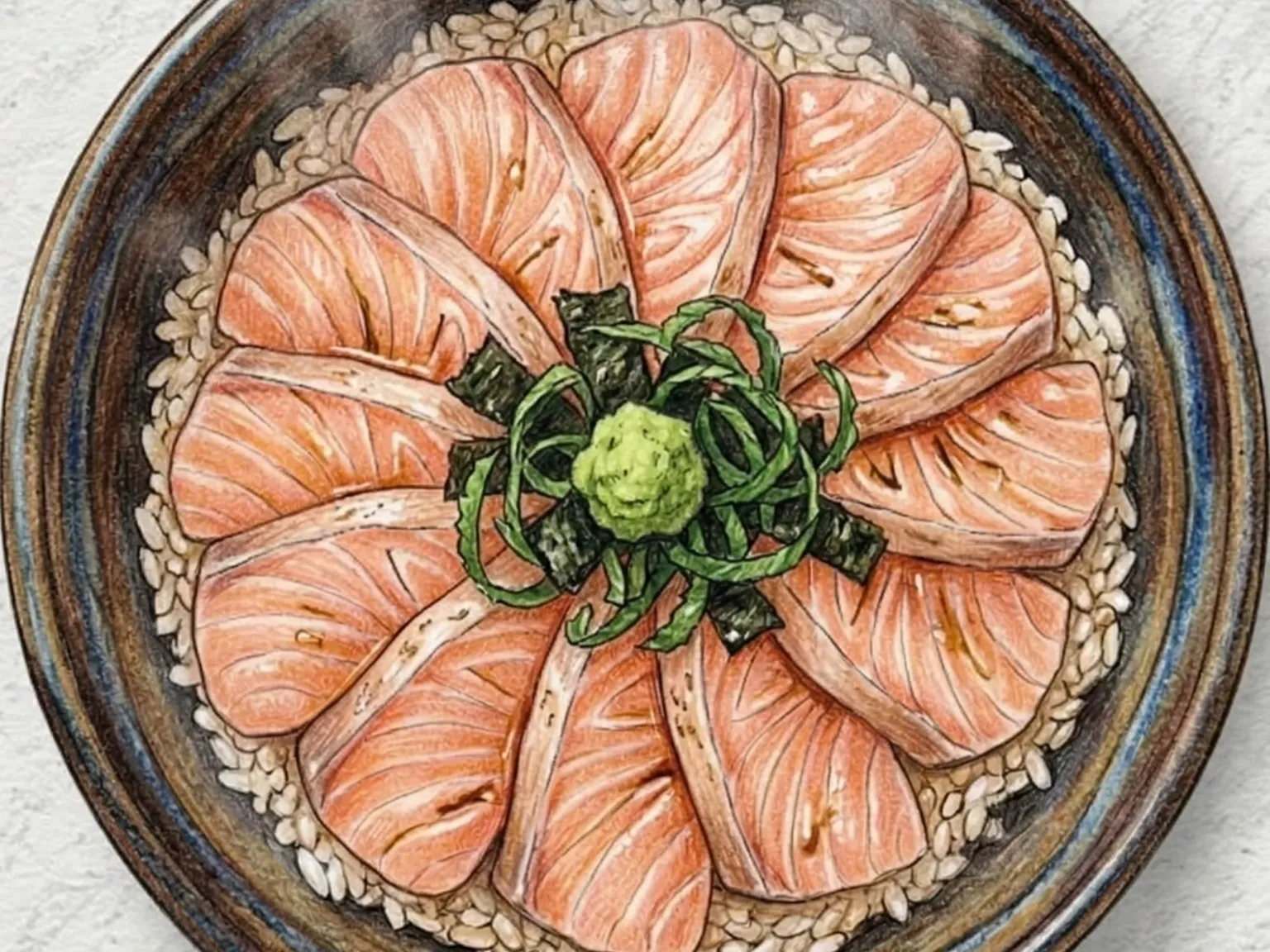
Korean Salmon Rice Bowl (Marinated Raw Salmon over Warm Rice)
Quick answer
- Total time
- 20 min
- Level
- Easy
- Servings
- 2 servings
- Ingredients
- 6
About this dish
Raw salmon and avocado alternate over warm rice, dressed with soy sauce, mirin, and sesame oil: half the sauce coats the salmon for a short rest in the fridge, and the rest is drizzled over the rice.
Read more
Buy salmon sold for raw eating and kept refrigerated. Smell and appearance alone do not tell you it is safe raw. Keep it chilled until you cut it, and use a clean knife and board. Neither the warm rice nor the soy sauce cooks the fish, and the unheated mirin keeps its alcohol. The bowl is best eaten right away, before a long marinade toughens the flesh and the warm rice changes its texture.
Ingredients
Instructions
- 1
Pat 200 g sashimi-grade salmon dry and check the grain before cutting it into bite-size pieces.
Pull the knife in one smooth motion so the flesh stays clean-edged instead of crushed.
- 2
Combine 2 tablespoons soy sauce, 1 tablespoon mirin, and 1 teaspoon sesame oil in a small bowl.
Stir until the oil breaks into fine droplets so the salty seasoning coats evenly.
- 3
Add only half of the dressing to the salmon and toss gently with chopsticks.
Chill for 10 minutes, but do not marinate much longer because the soy sauce can firm the surface too much.
- 4
Prepare 2 bowls of warm rice and let heavy steam subside for about 1 minute.
Warm rice changes the texture of raw salmon but does not cook it safely.
- 5
Slice 1/2 avocado into pieces that are easy to eat, then arrange it over the rice, alternating with the salmon.
Drizzle the remaining dressing from the edges first so the rice is seasoned without flooding the fish.
- 6
Check that the salmon looks lightly glossy and coated, while the rice is seasoned but not soggy.
Serve the bowl immediately because the residual heat keeps changing the texture of the raw salmon.
Use-up ingredient planner
Turn these ingredients into two more meals
The overlap excludes basic seasonings. Open the next recipe and your selected dishes will stay with you.
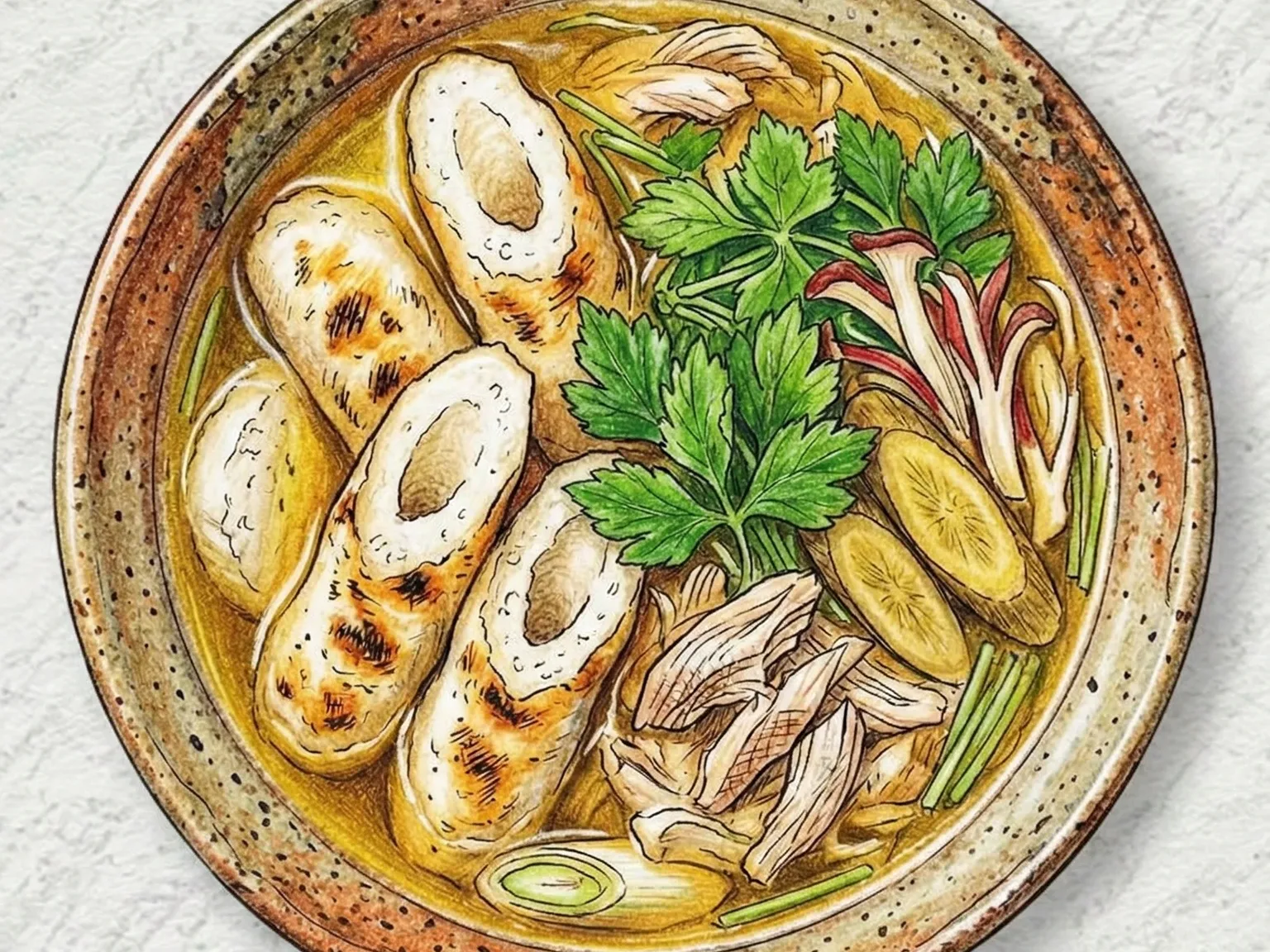
Kiritanpo Nabe (Akita-Style Grilled Rice Stick Hot Pot)
Cooked rice, Mirin
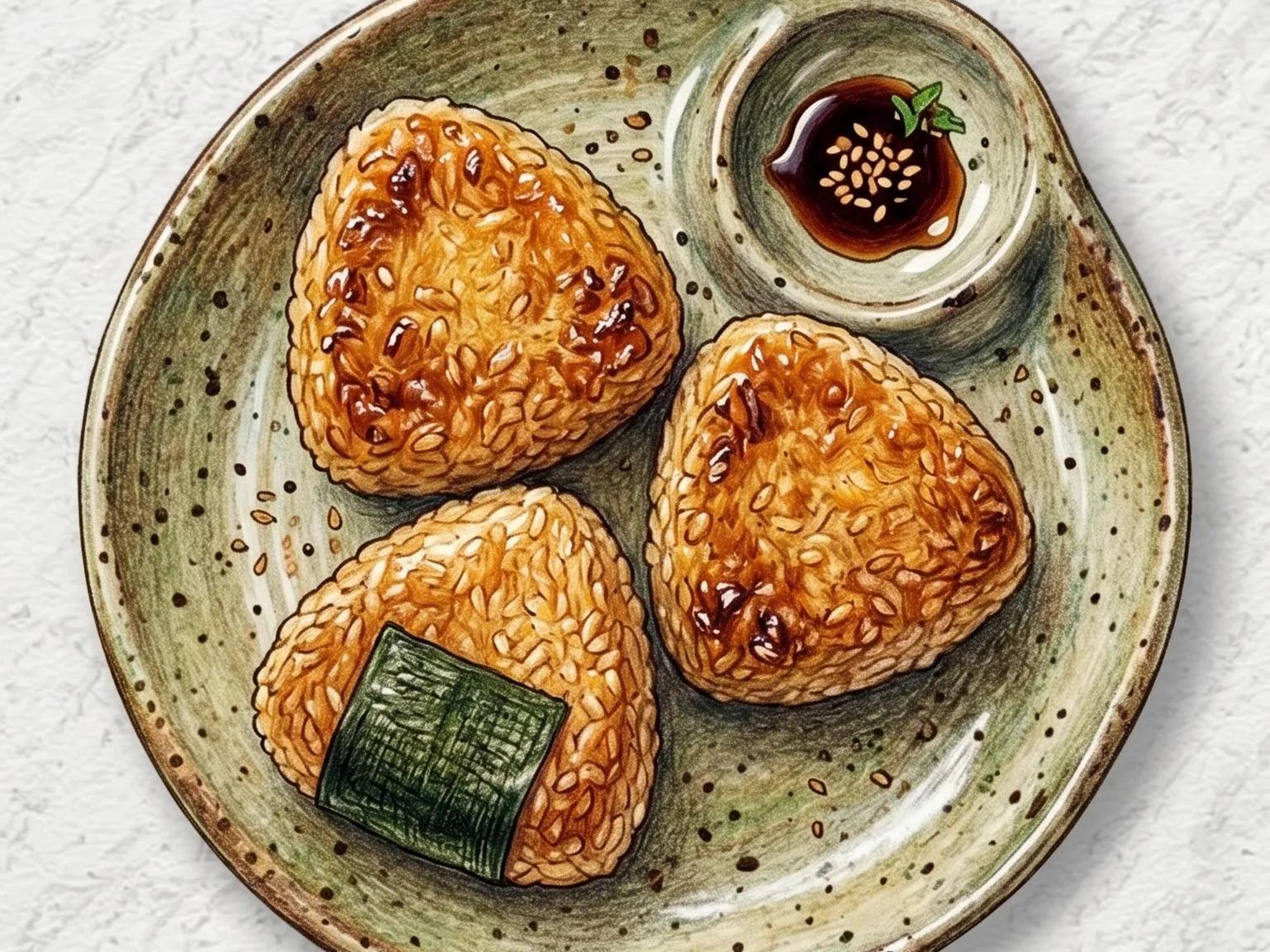
Yaki Onigiri (Japanese Soy-Glazed Grilled Rice Balls)
Cooked rice, Mirin
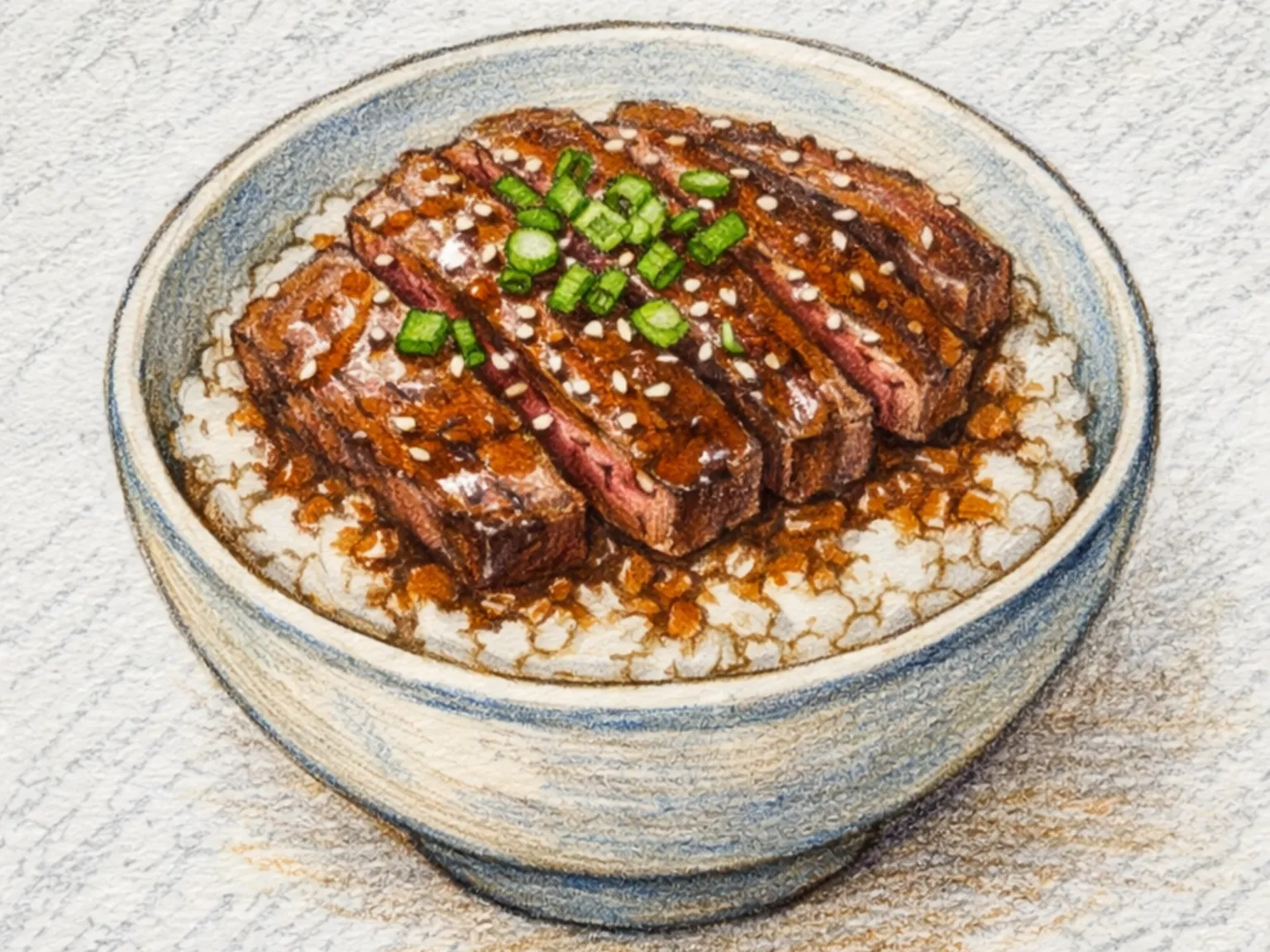
Steak Rice Bowl (Seared Beef with Soy-Garlic Glaze over Rice)
Cooked rice, Mirin