Korean Lotus Root Shiitake Pot Rice
Rice Medium

Korean Lotus Root Shiitake Pot Rice

Quick answer

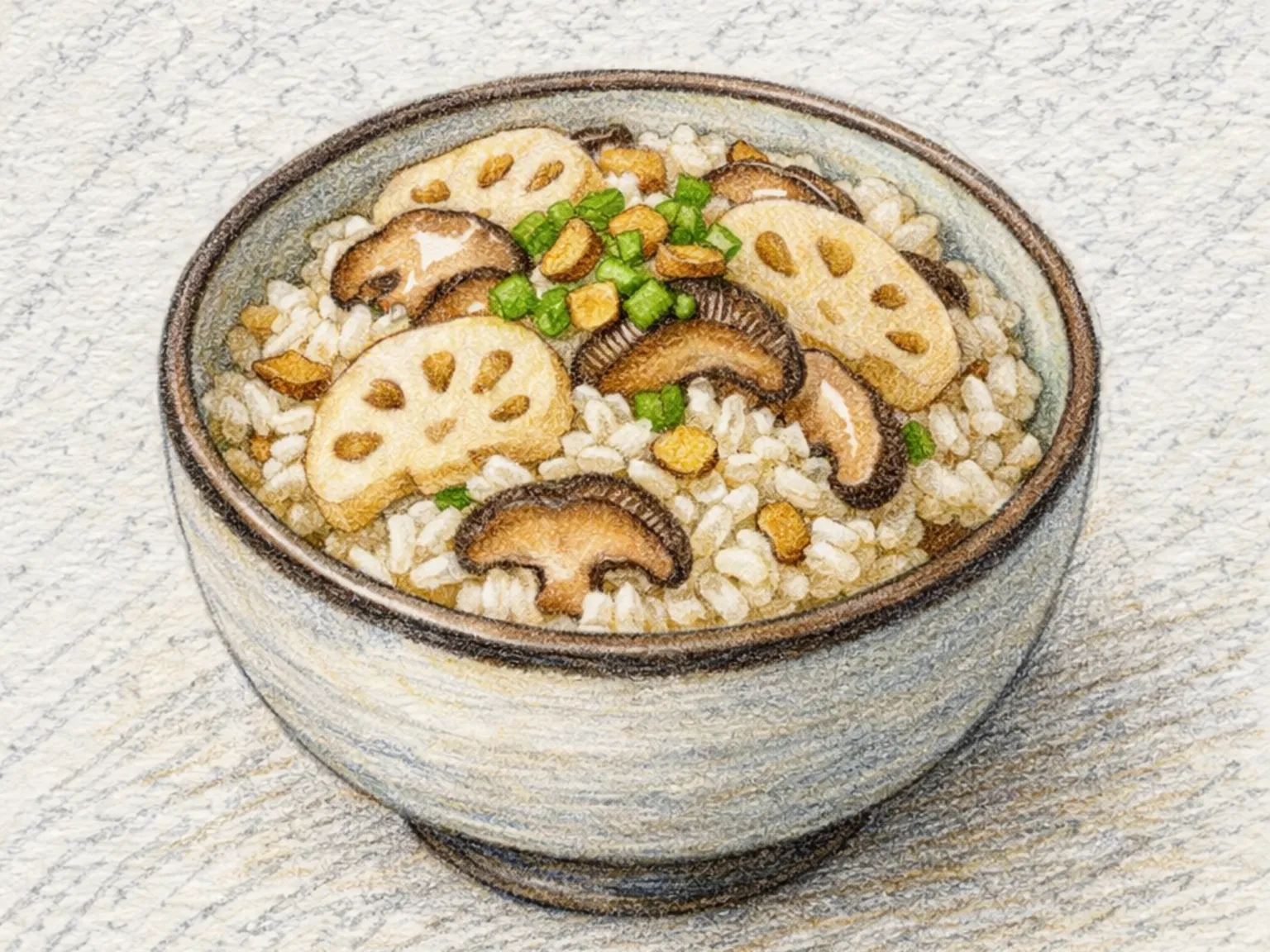
Yeongeun-pyogo-sotbap is a Korean pot rice dish that combines short-grain rice with crisp lotus root and chewy shiitake mushrooms.

What makes this special

  • Yeongeun pyogo sotbap coats grains in perilla oil and shiitake for a glossy, chewy pot rice.
  • Perilla oil coating before cooking gives each grain a glossy, nutty character
  • Lotus root's crunch and shiitake's chew offer contrasting textures in one pot
Total time
50 min
Level
Medium
Servings
4 servings
Ingredients
10
Calories
430 kcal
Protein
10 g

Key ingredients

Short-grain riceLotus rootShiitake mushroomsCarrotMinced garlic

Core cooking flow

  1. 1 Rinse 360 g short-grain rice until the water runs mostly clear, then soak it for 30 minutes.
  2. 2 Slice 220 g lotus root into thin half-moons so it cooks through while staying crisp.
  3. 3 Warm the pot over medium heat and add 1.5 tbsp perilla oil.

Yeongeun-pyogo-sotbap is a Korean pot rice dish that combines short-grain rice with crisp lotus root and chewy shiitake mushrooms. The process begins by soaking the rice for thirty minutes, then draining it. Minced garlic, diced shiitake, and carrots are sautéed in perilla oil to release moisture. The rice and thinly sliced lotus root are added next, coating the grains in oil to ensure a glossy texture and nutty flavor. Water and soy sauce are poured in, and the pot is simmered on low heat for fourteen minutes. Resting the covered pot off the heat for ten minutes is the key step to settle the aroma and finalize the texture. Before serving, fresh scallions and toasted sesame seeds are scattered over the top and fluffed gently to prevent crushing the rice.

Prep 20min Cook 30min 4 servings

Instructions

Read the steps as a cooking flow: prep, heat, seasoning, doneness control, and finish.

6 steps
  1. 1
    Step

    Rinse 360 g short-grain rice until the water runs mostly clear, then soak it for 30 minutes.

    Drain in a sieve for about 10 minutes so excess water does not throw off the pot-rice texture.

  2. 2
    Heat

    Slice 220 g lotus root into thin half-moons so it cooks through while staying crisp.

    Cut 140 g shiitake mushrooms and 80 g carrot into 0.5 cm pieces so they soften evenly with the rice.

  3. 3
    Control

    Warm the pot over medium heat and add 1.5 tbsp perilla oil.

    Add the minced garlic, shiitake, and carrot, then sauté for about 3 minutes until the mushrooms lose moisture and smell nutty, not browned.

  4. 4
    Season

    Add the drained rice and lotus root, then stir for 2 minutes to coat the grains with oil.

    When the rice looks glossy, pour in 460 ml water and 2 tbsp soy sauce, spreading the ingredients evenly.

  5. 5
    Control

    Bring the pot to a boil over high heat.

    Once the edges bubble steadily, cover, lower to low heat, and cook for 14 minutes without opening the lid, so the steam stays trapped and the rice cooks evenly.

  6. 6
    Finish

    Turn off the heat and let the covered pot rest for 10 minutes, which finishes the rice and settles the aroma.

    Add 30 g scallion and 1 tbsp sesame seeds, then fluff gently without crushing the grains.

After the steps

Pick a recipe that fits this dish.

Continue with shared ingredients, meal pairings, or a similar method.

Recipes That Go Well With This

More Rice →

Based on shared ingredients and meal pairing

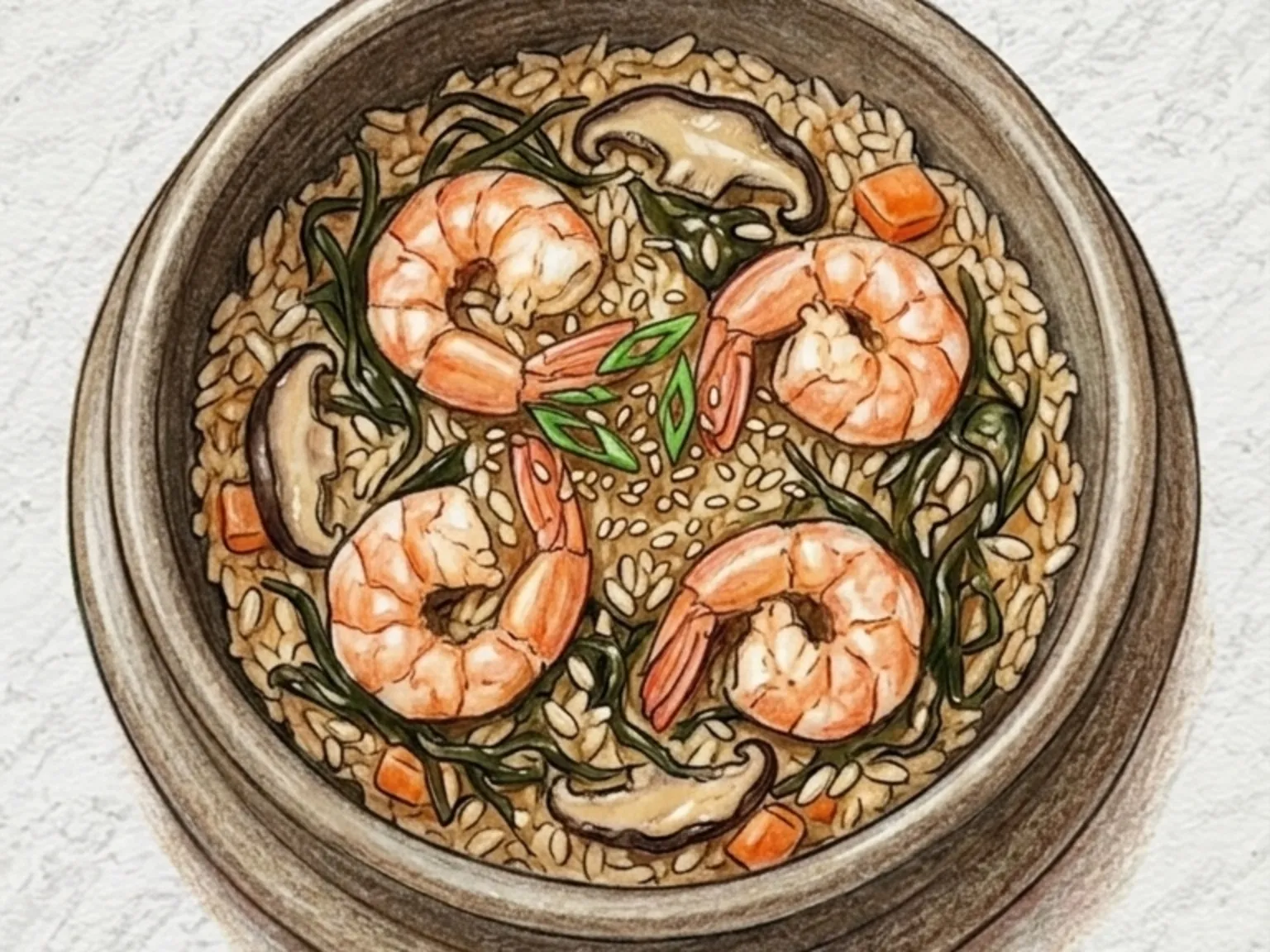
Korean Lotus Root Shrimp Pot Rice
Shared ingredient: short grain rice Rice

Korean Lotus Root Shrimp Pot Rice

This pot rice pairs shrimp with lotus root, creating a contrast between the bouncy shellfish and the crunchy root vegetable. Shiitake mushroom deepens the umami layer, and garlic weaves a steady aroma throughout. Light soy sauce seasons the rice just enough to let the natural flavors of each ingredient come through. A drizzle of sesame oil at the end gives the grains a glossy sheen and nutty finish. When the lid comes off, the red of the shrimp against the white lotus root cross-sections makes for a striking presentation.

Korean Truffle Mushroom Pot Rice
Shared ingredient: short grain rice Rice

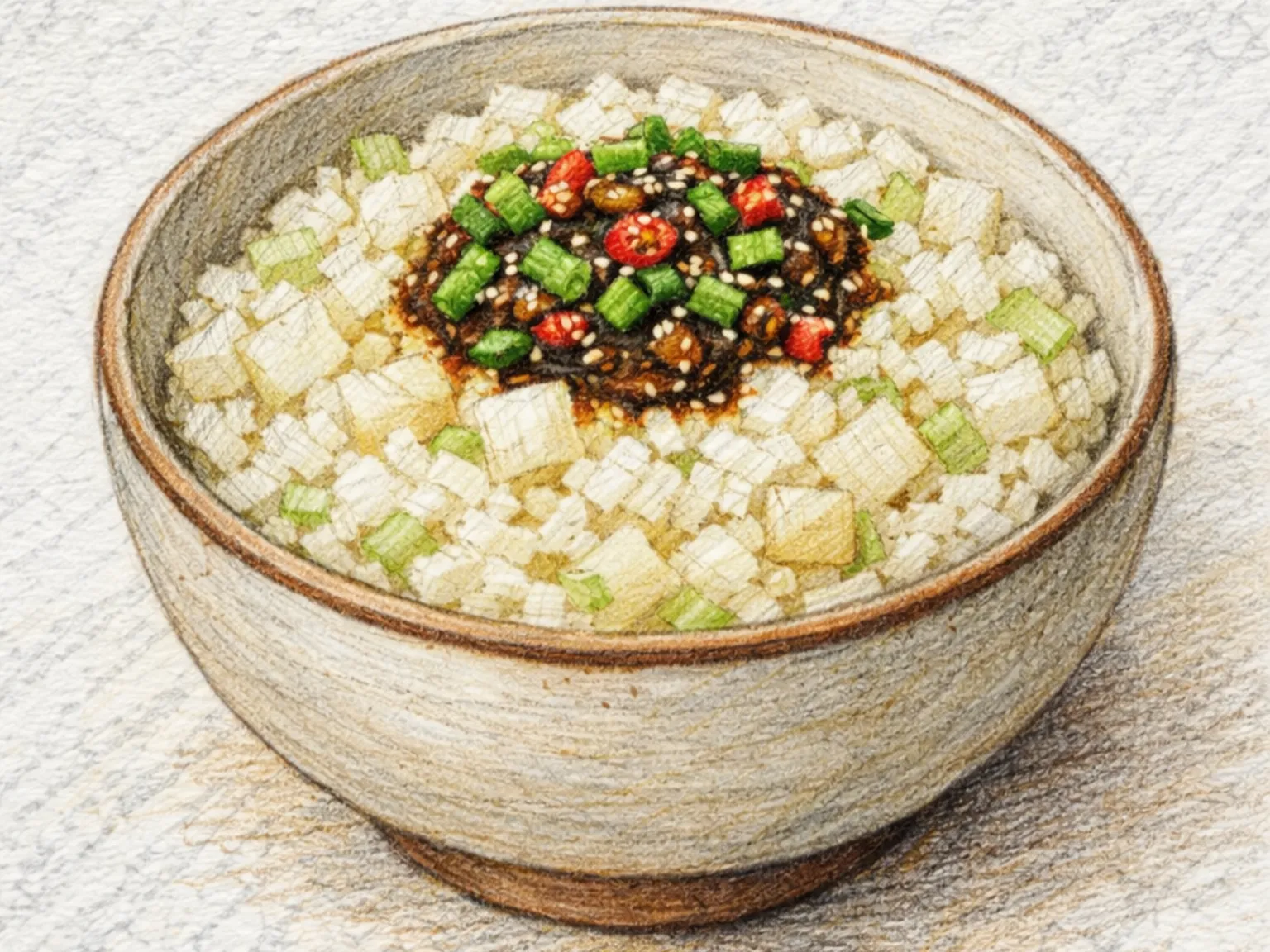
Korean Truffle Mushroom Pot Rice

Shiitake and king oyster mushrooms are generously added to a pot of rice and cooked so their released moisture and earthy fragrance infuse every grain. The shiitake stays chewy while thick-sliced king oyster offers a meaty, substantial bite. Once the rice is done, a few drops of truffle oil are drizzled over the top, layering the mushrooms' natural earthiness with the truffle's deep, aromatic intensity. Mixing in a soy-seasoned sauce adds a salty edge that brings the whole bowl into balance. Controlling resting time and grain texture helps the ingredients cook evenly while keeping the final seasoning balanced.

Jangeo-tang (Spicy Freshwater Eel Soup)
Serve together Soups

Jangeo-tang (Spicy Freshwater Eel Soup)

Jangeo-tang is a nourishing Korean eel soup in which freshwater eel is boiled, deboned, and simmered in a seasoning base of doenjang and gochugaru. Dried radish greens (sirae-gi) are added to the pot for an earthy, faintly bitter depth that grounds the overall richness. Garlic and green onion work against any fishiness, leaving behind the clean, fatty character of the eel itself. What distinguishes this broth from a straightforward spicy soup is the interaction between the fermented weight of doenjang, the direct heat of gochugaru, and the rendered fat of the eel: the three together produce a complexity that neither doenjang nor chili achieves alone. The eel meat holds its grain even with extended cooking, remaining tender without falling apart. Rich in protein and unsaturated fats, this soup has long been categorized as a stamina-restoring food in Korean culinary tradition, consumed during the three hottest periods of summer or whenever the body needs rebuilding. Sliced green chili or perilla seed powder can be stirred in to shift the broth's profile.

Korean Shiitake Mushroom Rice
Similar recipe Rice

Korean Shiitake Mushroom Rice

Pyogo-beoseot-bap is a Korean pot rice that cooks thickly sliced fresh shiitake mushrooms directly on top of soaked rice, allowing the mushrooms' concentrated umami and earthy aroma to infuse every grain as steam circulates inside the sealed pot. Once the rice is done, it is mixed with a soy-sesame dipping sauce made from soy sauce, sesame oil, chopped scallion, and toasted sesame seeds, which amplifies the earthy depth already present in the rice and ties all the flavors into a cohesive bowl. The shiitake mushrooms retain a satisfying meaty chew even after the cooking process, giving the dish a substantive bite that rivals meat-based rice bowls and makes the absence of protein go unnoticed. Adding julienned carrot to the pot introduces a subtle natural sweetness and a vivid splash of color to the cross-section when the rice is served. This is a classic vegetarian option in Korean home cooking, valued for the remarkable way a single key ingredient can carry an entire meal without requiring broth, seasoning, or complexity beyond the mushroom itself.

Serve with this

Korean Seafood Hot Pot (Shrimp, Squid & Crab Spicy Pot)
Stews Medium

Korean Seafood Hot Pot (Shrimp, Squid & Crab Spicy Pot)

Haemul jeongol is a Korean seafood hot pot that brings together shrimp, Manila clams, squid, and blue crab in a spicy kelp-based broth seasoned with gochujang and gochugaru. The two chili seasonings serve different purposes: gochujang contributes fermented umami depth and body to the broth, while gochugaru adds clean heat and the vivid red color that makes the dish visually striking. Each type of seafood contributes something distinct to the pot. The clams release their natural briny-sweet liquor as they open, forming the backbone of the broth's flavor. The blue crab sweetens the stock progressively as it simmers, adding a richness that builds over time. The squid provides a chewy textural counterpoint to the softer elements, and the shrimp contribute a clean, delicate sweetness. Tofu and zucchini round out the pot with soft contrast between the firm seafood, and soup soy sauce is used for final seasoning rather than regular soy sauce to avoid darkening the broth. Because jeongol is served bubbling at the table and eaten while still cooking, the seafood should not be fully cooked before serving - shrimp and squid in particular should be added just as the broth comes to a boil and cooked only briefly, since prolonged heat makes them rubbery and dry. The wide vessel and communal style of eating, with everyone reaching into the same pot, is central to what makes haemul jeongol a gathering dish rather than a solo meal.

🎉 Special Occasion
Prep 20min Cook 20min 4 servings
Korean Seasoned Bellflower Root
Side dishes Medium

Korean Seasoned Bellflower Root

Doraji -- balloon flower root -- has been used in Korean cooking since the Goryeo dynasty, valued as both a medicinal herb and a staple namul ingredient. Unlike doraji-bokkeum, which stir-fries the root with gochujang and heat, this cold muchim preserves the characteristic firm, snappy crunch that makes doraji distinctive. The roots are shredded along the grain into thin strips, then vigorously rubbed with salt to draw out the saponins responsible for their sharp bitterness, and rinsed multiple times until the water runs clear. A seasoning of gochujang, vinegar, sugar, and sesame oil works into each fibrous strand, layering sweet, sour, and spicy notes over the residual earthiness of the root. This banchan appears on both Chuseok and Seollal holiday tables as one of the five-color namul, where the white of the doraji root represents the metal element in the five-phase system. Because the root holds its crunch well, this dish can be prepared ahead of time without losing texture, making it a practical choice for large gatherings.

🏠 Everyday 🎉 Special Occasion
Prep 30min Cook 5min 4 servings
Korean Bitter Herb Kimchi
Kimchi Hard

Korean Bitter Herb Kimchi

Sseumbagwi kimchi is a traditional spring fermented side dish made from sseumbagwi, a wild bitter herb that grows in Korea during early spring. The herb is soaked in cold water for at least twenty minutes to pull back its pronounced bitterness before being salted to soften the stalks. It is then dressed in a seasoning paste built from gochugaru, sand lance fish sauce, minced garlic, ginger, sweet rice paste, and plum syrup, mixed together with cut scallions. The rice paste adds body to the seasoning so it clings to the herb's thin stems and narrow leaves rather than sliding off. Plum syrup works on both the bitterness and the salt's edge at once, smoothing the overall profile without masking the herb's character. Sand lance fish sauce is preferred over anchovy sauce here because its gentler aroma does not compete with the plant's natural flavor. Five hours of room-temperature fermentation followed by refrigeration sets off lactic acid development, layering tangy depth over the bitter-green base. The flavor peaks around day three when bitterness, acidity, and umami reach the best balance. If the raw herb tastes too sharp, one additional soak in fresh cold water brings it within range before seasoning.

🎉 Special Occasion 🍱 Lunchbox
Prep 45min Cook 5min 4 servings

Similar recipes

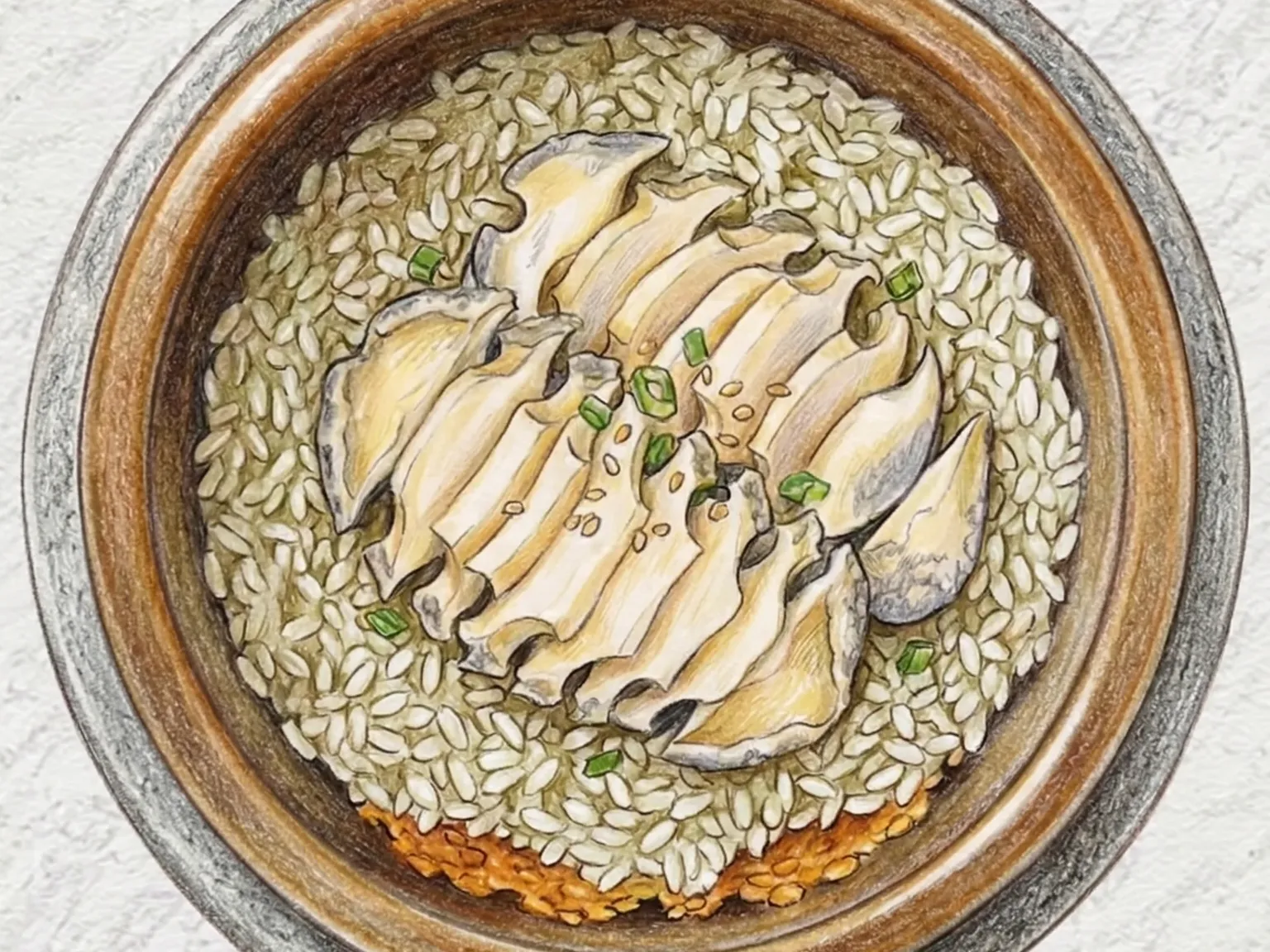
Korean Herb Mushroom Pot Rice
Rice Medium

Korean Herb Mushroom Pot Rice

Chamnamul beoseot sotbap is a Korean pot rice cooked with fragrant chamnamul herbs, oyster mushrooms, and shiitake mushrooms in kelp stock. The chamnamul infuses the rice with a fresh, slightly herbaceous scent, while the two types of mushroom contribute contrasting textures and layers of umami. Oyster mushrooms are soft and springy, while shiitake mushrooms are firmer with a deeper, woodsy character. Served with a soy-sesame dipping sauce drizzled over the top and mixed in, every spoonful carries a balanced salty, nutty finish. Even without any meat, the mushroom depth and herbal brightness make each bowl feel substantial. The nurungji crust that forms at the bottom of the pot adds a toasty crunch that is one of the small rewards of cooking rice this way, and scraping it into hot water makes a simple, satisfying nurungji tea to close the meal.

🏠 Everyday
Prep 20min Cook 30min 4 servings
Korean Lotus Root Soup (Sliced Lotus Root in Anchovy Broth)
Soups Easy

Korean Lotus Root Soup (Sliced Lotus Root in Anchovy Broth)

Yeongeun-guk is a clear soup built around thinly sliced lotus root simmered in anchovy broth. The lotus root is peeled and soaked in cold water immediately to prevent browning, then cooked for twelve minutes, which softens it slightly while preserving the characteristic crunch. As the starch leaches out, the broth takes on a subtle thickness. Garlic, soup soy sauce, salt, and a dusting of black pepper are the only seasonings, letting the lotus root's gentle sweetness remain the focal point. Low in calories and high in dietary fiber, this soup fits comfortably into a lighter meal.

🥗 Light & Healthy 🏠 Everyday
Prep 15min Cook 22min 4 servings
Korean Lotus Root Kimchi (Crunchy Spiced Root Kimchi)
Kimchi Medium

Korean Lotus Root Kimchi (Crunchy Spiced Root Kimchi)

Starting with sliced lotus root boiled in vinegar water helps remove bitterness while keeping the vegetable pale and crisp. The seasoning combines gochugaru, minced garlic, and anchovy fish sauce with the addition of fresh pear juice. This pear juice provides natural sugars and necessary moisture so the chili paste coats each slice evenly without becoming dry or clumping. Even after the fermentation process begins, the lotus root maintains its signature firm and crunchy texture. Sliced scallions are tossed in to add a fresh aromatic quality that balances the spicy garlic paste. One full day of refrigeration allows the flavors to settle into the flesh before serving. Because the seasoning gets trapped inside the characteristic holes of the root, the paste should remain thick rather than watery to ensure consistent flavor. When left to ferment for a few more days, the developing acidity helps cut through the richness of grilled meats or fried dishes. A light addition of sesame oil and toasted sesame seeds at the end brings a toasted scent to every bite.

🥗 Light & Healthy 🍱 Lunchbox
Prep 35min Cook 2min 4 servings

Tips

Slice lotus root thinly so it cooks evenly.
The 10-minute resting step is key for texture and aroma.

Nutrition (per serving)

Calories
430
kcal
Protein
10
g
Carbs
78
g
Fat
8
g