Korean Lotus Root Shrimp Pot Rice
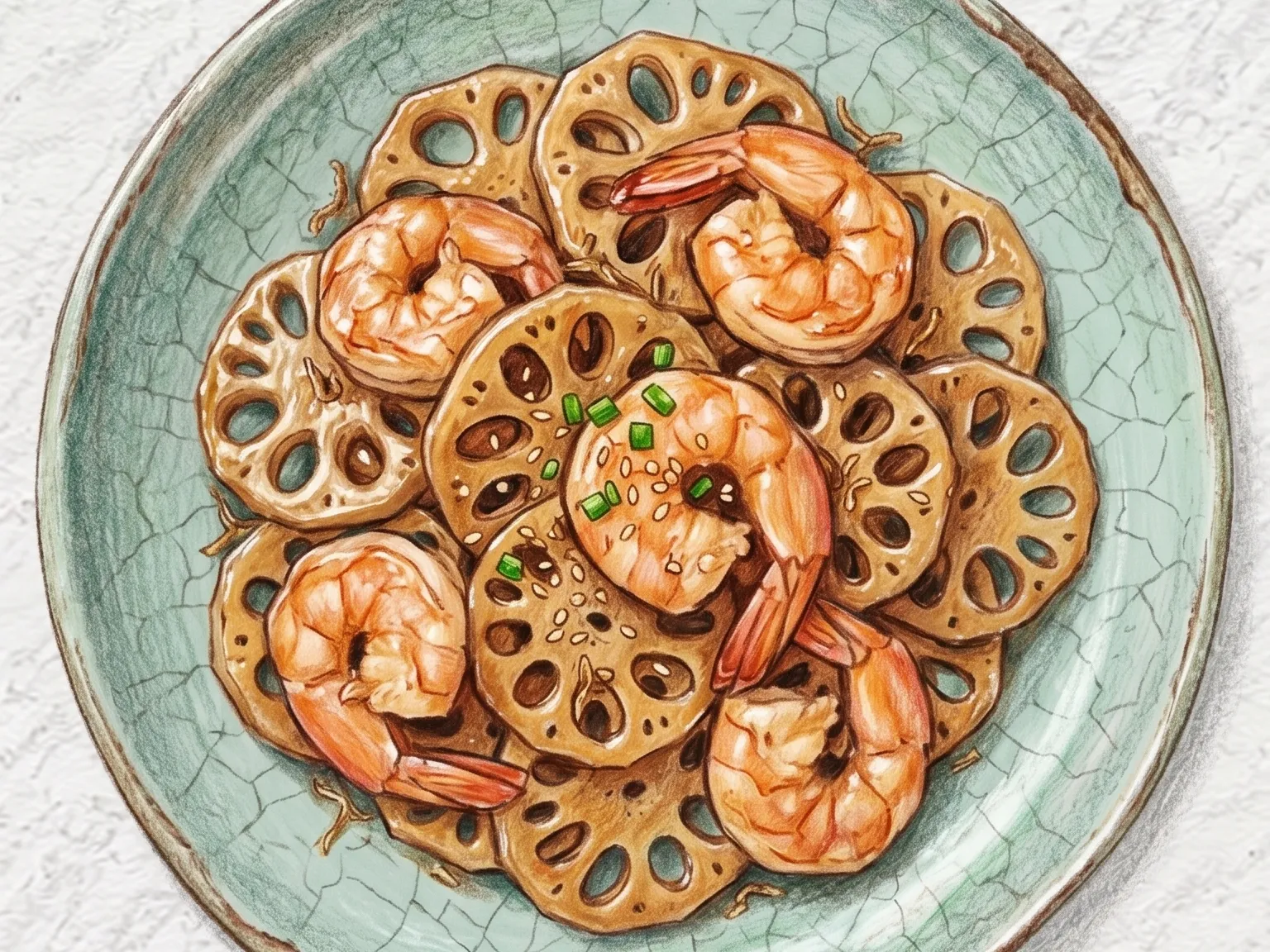
This pot rice pairs shrimp with lotus root, creating a contrast between the bouncy shellfish and the crunchy root vegetable. Shiitake mushroom deepens the umami layer, and garlic weaves a steady aroma throughout. Light soy sauce seasons the rice just enough to let the natural flavors of each ingredient come through. A drizzle of sesame oil at the end gives the grains a glossy sheen and nutty finish. When the lid comes off, the red of the shrimp against the white lotus root cross-sections makes for a striking presentation.
Adjust Servings
Instructions
- 1
Soak the rice for 30 minutes, then drain well.
- 2
Slice lotus root into half-moons, soak in vinegar water for 5 minutes, then rinse.
- 3
Marinate shrimp with minced garlic and 0.5 tbsp soup soy sauce for 10 minutes.
- 4
Heat sesame oil in a pot and stir-fry lotus root and mushrooms for 2 minutes.
- 5
Add soaked rice, stir for 1 minute, then add water and remaining soy sauce.
- 6
Once boiling over medium heat, place shrimp on top and cook on low for 12 minutes.
- 7
Turn off heat, rest covered for 10 minutes, then gently mix and serve.
As an Amazon Associate, we may earn from qualifying purchases.
Tips
Nutrition (per serving)
More Recipes

Korean Burdock Beef Pot Rice
Beef is marinated in soy sauce to build savory depth, then placed on top of rice with crisp-cut burdock root and cooked together in a heavy pot. The marinated beef releases its juices during cooking, and they soak into the rice so each grain carries flavor without any extra sauce. Burdock retains its firm texture even after pot-cooking, releasing an earthy sweetness with every chew. Adding carrot brings a gentle sweetness and color that rounds out the bowl.

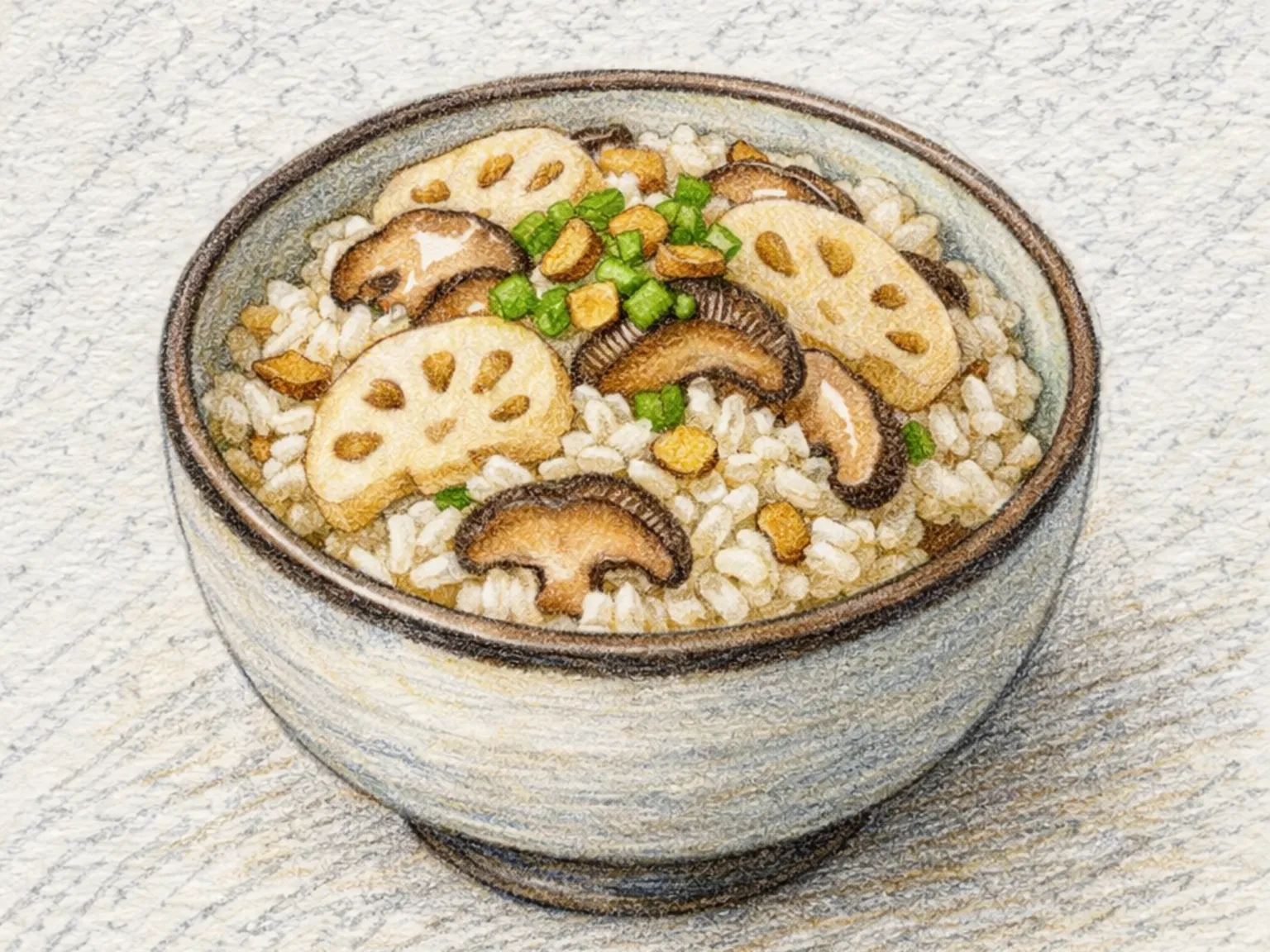
Korean Lotus Root Shiitake Pot Rice
This pot rice combines lotus root and shiitake mushroom, each contributing a different texture to the same pot. Lotus root stays crisp while shiitake offers a chewy bite, keeping the rice from being monotone. The grains are lightly coated in perilla oil before water is added, which gives them a glossy finish and nutty undertone. A soy sauce mix with chopped scallions and sesame seeds is stirred in at the table for a salty, aromatic contrast. Diced carrot adds subtle sweetness and color.

Korean Abalone Pot Rice (Ocean-Scented Sesame Base Grain Pot)
Abalone innards are sauteed in sesame oil directly in the cooking pot to build an aromatic base, then soaked rice and water are added and the rice is cooked so every grain absorbs the marine fragrance. Thinly sliced abalone meat goes on top only when the rice is nearly done, steaming for five minutes under the lid to cook gently without toughening. Extending the resting time by a couple of minutes produces a layer of crispy scorched rice at the bottom, adding textural contrast. A seasoning sauce of soy sauce, chives, garlic, and sesame seeds is mixed into each serving, amplifying the abalone's subtle flavor with salt and nuttiness.

Korean Salmon Pot Rice (Salmon Fillet Steamed Directly on Rice)
A whole salmon fillet is placed directly on top of rice in a heavy pot before cooking begins. As the rice steams, the salmon's oils melt downward and seep between the grains, lending a natural richness and sheen without any added fat. During the resting stage the fish finishes cooking gently, turning tender enough to flake apart with chopsticks and mix evenly through the rice. A soy-wasabi sauce drizzled over the bowl and stirred in adds a sharp, salty kick that carries through to the last spoonful.

Korean Braised Lotus Root
Lotus root rounds are simmered in soy sauce, sugar, and corn syrup until each slice glistens with a translucent, caramel-colored glaze. Cooking activates the starch in the lotus root, turning the exterior smooth and the interior pleasantly sticky, a texture unique to this root vegetable. As the soy sauce permeates the flesh, the ivory color deepens into a clear amber that signals the seasoning has reached the center. A splash of vinegar at the start prevents discoloration and introduces a faint tartness that prevents the sweetness from becoming cloying. The corn syrup reduces over low heat for fifteen to twenty minutes, forming a glass-like coating that catches the light on every surface. Because the liquid seeps through the root's hollow channels, every bite delivers consistent flavor regardless of angle. The finished jorim retains its crunch at the core while the outer layer yields with a gentle chew, and refrigerated in a sealed container the dish stays good for well over a week.

Lotus Root Persimmon Salad
Blanched lotus root delivers a clean crunch that pairs with sweet persimmon slices to capture autumn's character in a single plate. The dressing keeps to olive oil, honey, and lemon juice, letting the produce speak without distraction. Crumbled feta introduces a salty, tangy dairy note that sharpens the fruit's sweetness. Walnuts, toasted briefly in a dry pan, add earthy fat and a crisp contrast to the softer persimmon. Baby greens form the base layer for color, and splitting the dressing between two additions - tossing two-thirds with the salad, drizzling the rest on top - ensures seasoning reaches every component.