Korean Nutritious Mixed Rice
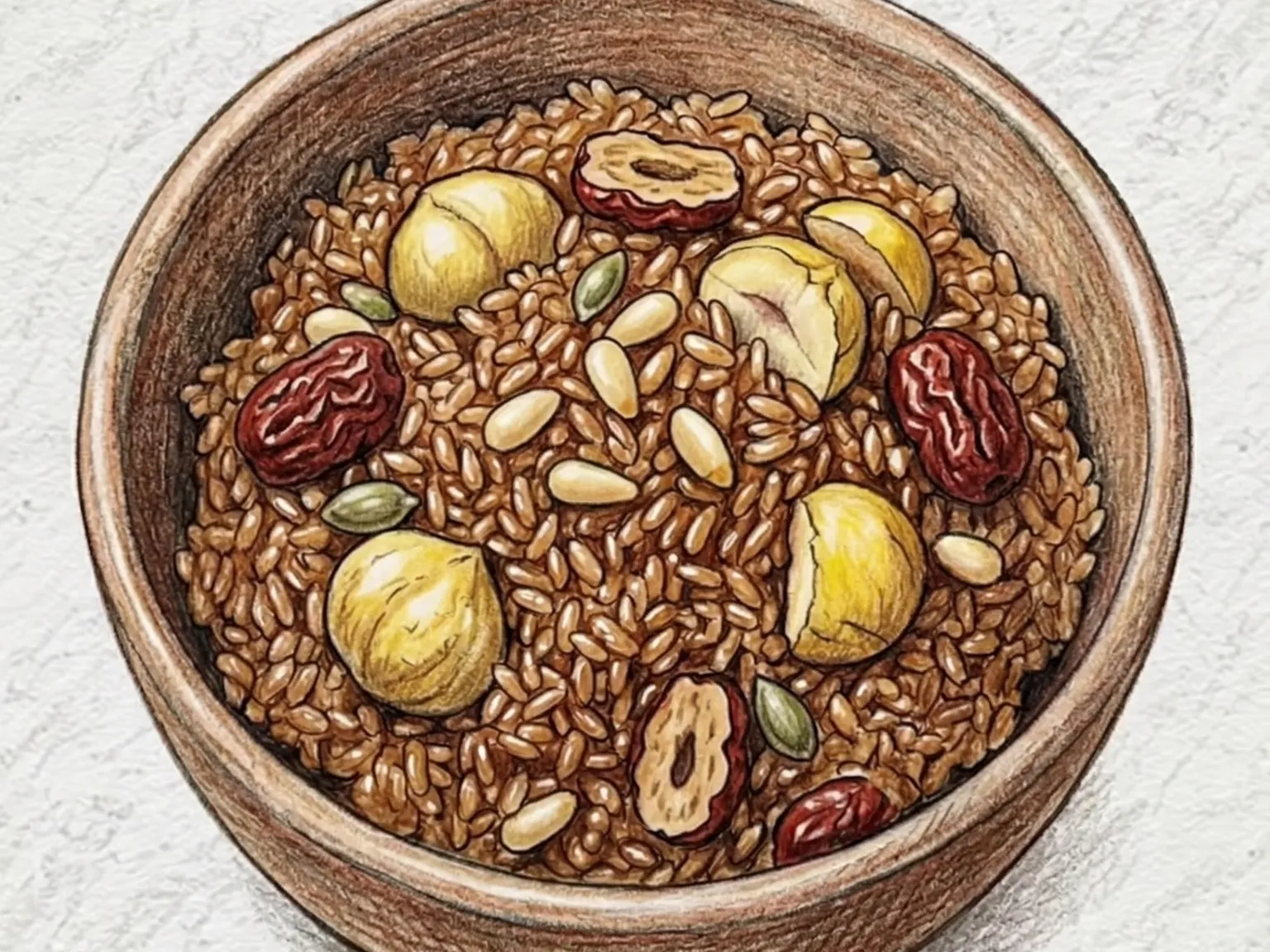
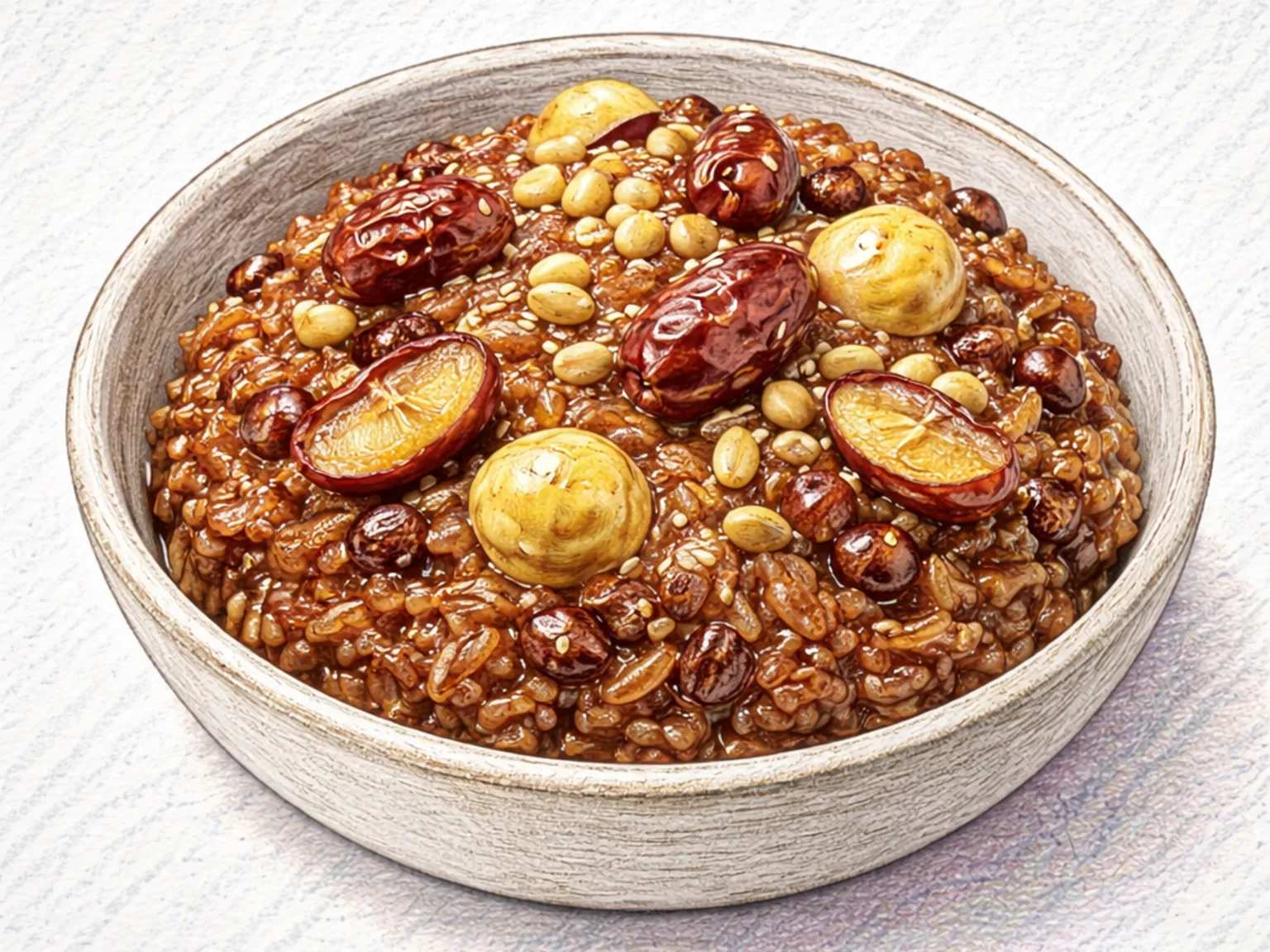
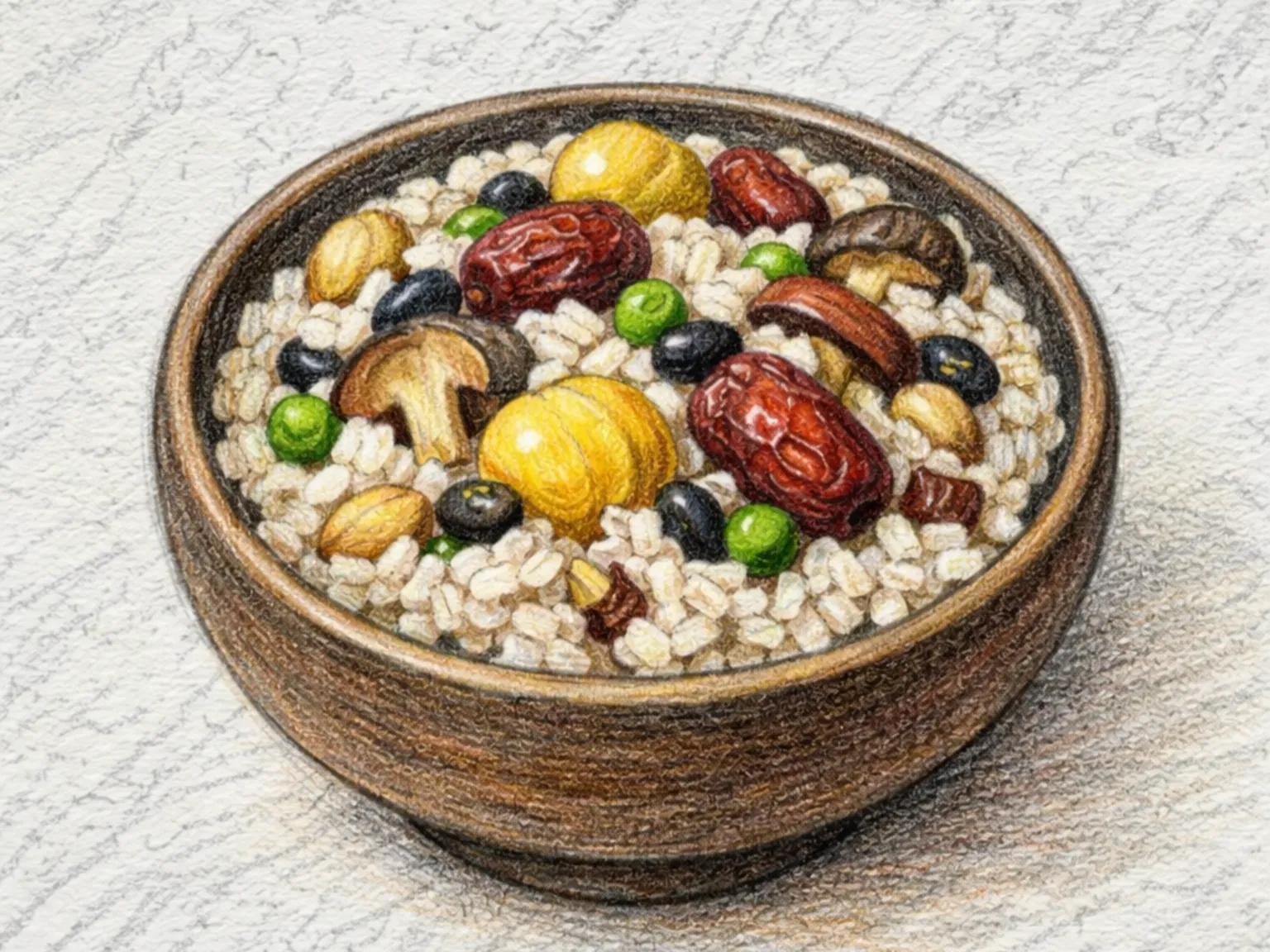
Yeongyangbap is a traditional Korean mixed grain rice made with glutinous and regular rice, chestnuts, jujubes, black beans, and shiitake mushrooms. The chestnuts add a starchy, crumbly texture, jujubes bring natural sweetness, black beans contribute nuttiness, and mushrooms round out the umami. The glutinous rice ratio gives the dish a sticky quality that binds the toppings to each grain. The dish relies on the inherent flavors of its ingredients rather than heavy seasoning. While it often appears on holiday and special occasion tables, it works equally well as an everyday meal.
Adjust Servings
Instructions
- 1
Wash and soak both rice types for 1 hour.
- 2
Halve chestnuts and slice seeded jujubes.
- 3
Slice mushrooms and drain soaked beans.
- 4
Place rice, beans, mushrooms, chestnuts, and jujubes in a pot and add water.
- 5
Bring to a boil, then reduce to low and cook for 25 minutes.
- 6
Turn off heat, steam for 10 minutes, then fluff and serve.
As an Amazon Associate, we may earn from qualifying purchases.
Tips
Nutrition (per serving)
More Recipes

Korean Daechu Bam Shake (Jujube Chestnut Shake)
Daechu bam shake is made by soaking pitted dried jujubes in warm milk for ten minutes, then blending them with boiled chestnuts, plain yogurt, honey, and a touch of ground cinnamon. The chestnuts contribute a starchy thickness that gives the shake a substantial body, while the jujubes provide a concentrated fruity sweetness that makes additional sugar unnecessary. Straining the blend once through a sieve removes any coarse jujube skin, resulting in a silky-smooth texture.

Korean Mixed Rice Bowl (Colorful Vegetables & Gochujang)
Bibimbap is one of Korea's most iconic one-bowl meals, built by arranging individually seasoned vegetables - spinach, bean sprouts, zucchini, and carrots - alongside marinated beef and a fried egg over steamed rice, then mixing everything together with gochujang. Each component keeps its own texture and flavor until the moment you stir, creating a lively medley of crisp, soft, and spicy in every spoonful. It works well as a weeknight dinner using whatever leftover namul you have on hand, and when prepared in a hot stone pot, the rice forms a golden, crunchy crust at the bottom that adds another layer of enjoyment.

Korean Deodeok Gochujang Bibimbap
Deodeok gochujang bibimbap is a Korean mixed rice bowl that highlights mountain root dressed in a spicy-sweet gochujang sauce. The deodeok is peeled, lightly pounded, and torn into strips along the grain, then briefly stir-fried with the sauce to mellow its bitter edge while keeping its fibrous crunch intact. Julienned cucumber, carrot, and torn lettuce are arranged over rice alongside the glazed root, providing crisp, fresh counterpoints. Plum syrup and vinegar in the sauce add a tangy brightness that prevents the gochujang from feeling heavy. When everything is mixed together with a generous pour of sesame oil, the dressing coats each grain of rice and vegetable strand evenly. The dish showcases deodeok's distinctive herbal aroma against the backdrop of Korea's most iconic condiment, and it works best in spring when the roots are at their most fragrant and tender.

Korean Vegetable Fried Rice
Carrots, onions, zucchini, and bell peppers are finely diced and tossed with rice in a hot wok, moving fast enough that each grain separates and picks up a light char. The vegetables release just enough moisture to keep the rice from drying out while the high heat ensures the grains stay individually distinct. Soy sauce and sesame oil provide a clean, nutty seasoning that lets the vegetable flavors come through. Topping with a fried egg or a shower of crushed nori turns this simple fried rice into a satisfying meal.

Korean Chwinamul Pot Rice
Chwinamul sotbap is a Korean pot rice made by layering lightly seasoned wild chwinamul greens over soaked rice and cooking everything in kelp stock. The greens release their distinctively herbal, faintly bitter fragrance directly into the rice as it steams, filling the kitchen with an earthy mountain scent when the lid comes off. Mixed with a soy-sesame dipping sauce, the bitterness softens into a pleasant backdrop that makes each spoonful complex and grounding. It is best prepared in spring when chwinamul is in season, offering peak aroma and the most tender stems. Dried chwinamul can be rehydrated for year-round cooking, though the fresh version carries a brightness that the dried form cannot fully replicate.

Yaksik (Korean Royal Sweet Glutinous Rice with Jujube)
Yaksik is a traditional Korean sweet rice dish with roots in royal court cuisine. Glutinous rice is mixed with soy sauce, honey, and sesame oil, then steamed with jujubes and chestnuts until each grain absorbs a deep caramel-brown color and a sweet-salty seasoning. The soy sauce provides savory depth while the honey glazes the rice with a gentle sheen and lingering sweetness. Jujubes burst with natural fruity sweetness when bitten, and chestnuts contribute a crumbly, starchy contrast to the chewy rice. A pinch of cinnamon adds warm spice that ties the elements together. Yaksik holds its texture well at room temperature, making it equally suited for packed lunches or make-ahead desserts.