Yuja Cheesecake Bars (Citron Cheesecake)
Quick answer
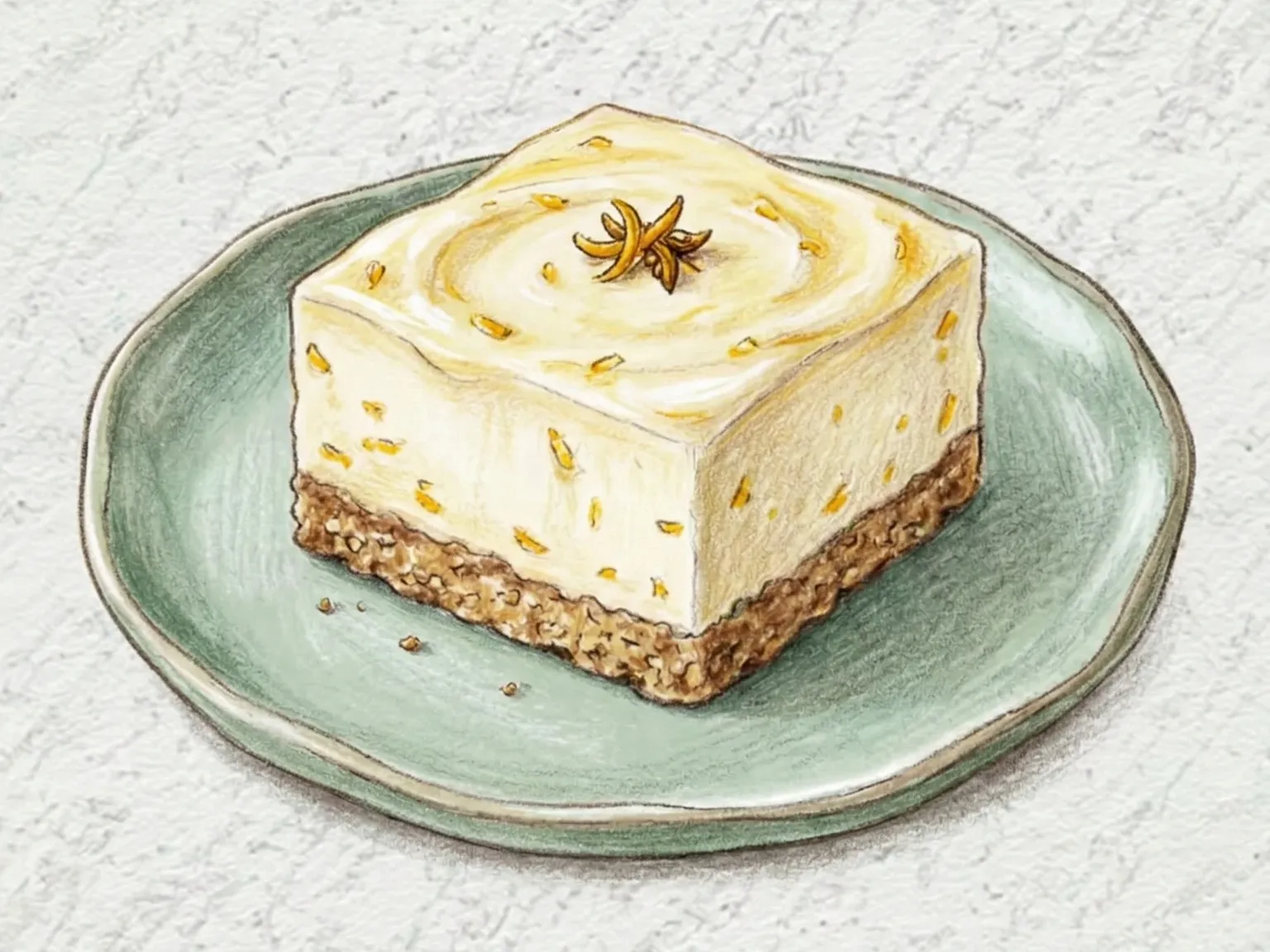
Yuja cheesecake bars are a baked dessert that begins with a pressed crust of cracker crumbs and melted butter, pre-baked for eight minutes to set a firm base before the f...
What makes this special
- Yuja cheesecake bars feature a pre-baked cracker crust that stays crisp under citron-infused filling.
- Pre-baking the cracker base 8 minutes keeps layers intact under the filling
- 70g of yuja-cheong layers citrus aroma and light acidity over the dense cream cheese
Key ingredients
Core cooking flow
- 1 Preheat the oven to 170C and line a 20x20cm square pan with parchment paper...
- 2 Mix 120g cracker crumbs with 45g melted butter until the mixture clumps when...
- 3 Soften 280g cream cheese at room temperature for at least 30 minutes, add 55...
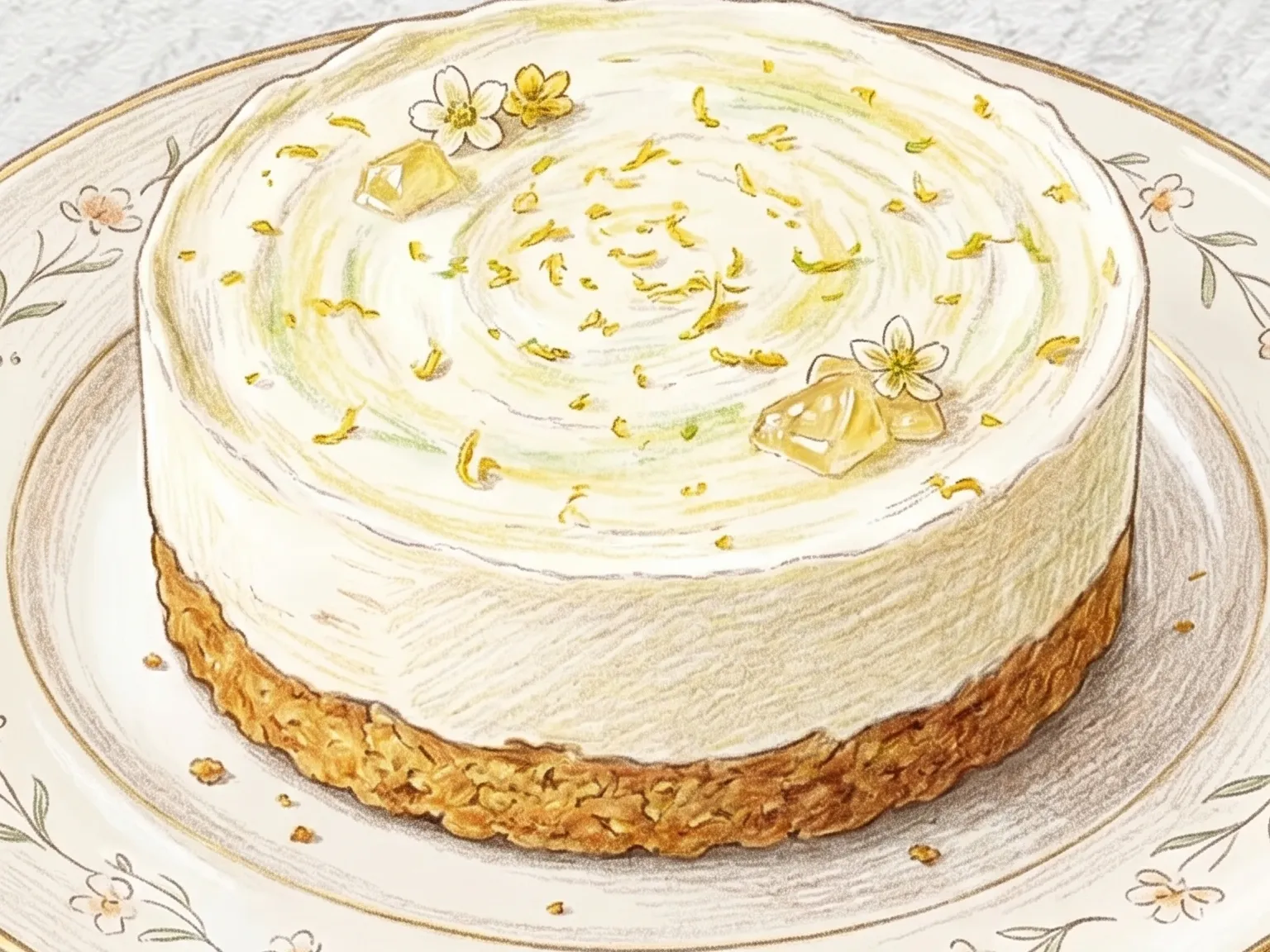
Yuja cheesecake bars are a baked dessert that begins with a pressed crust of cracker crumbs and melted butter, pre-baked for eight minutes to set a firm base before the filling goes in. The filling combines softened cream cheese, eggs, sugar, and yuja citron marmalade, poured over the crust and baked at 170 degrees Celsius until just set. Pre-baking the crust is essential for keeping the layers distinct, and room-temperature cream cheese is non-negotiable for a batter free of lumps. Seventy grams of yuja marmalade introduces the fruit's sharp, floral citrus fragrance alongside clean acidity that cuts through the dense richness of the cheese layer, preventing the aftertaste from feeling heavy or cloying. Chilling for two full hours in the refrigerator before slicing produces straight, clean edges on each bar, and the texture sits between dense and silky, dissolving slowly once it hits the palate.
Instructions
Read the steps as a cooking flow: prep, heat, seasoning, doneness control, and finish.
- 1Step
Preheat the oven to 170C and line a 20x20cm square pan with parchment paper leaving generous overhang on two sides so the bars can be lifted out cleanly later.
- 2Heat
Mix 120g cracker crumbs with 45g melted butter until the mixture clumps when squeezed, press evenly into the pan bottom, and prebake at 170C for 8 minutes until just set.
- 3Season
Soften 280g cream cheese at room temperature for at least 30 minutes, add 55g sugar, and beat with a hand mixer until completely smooth with no lumps.
- 4Step
Add 2 eggs one at a time, waiting until each is fully incorporated before adding the next, then stir in 70g yuja syrup, 60ml heavy cream, and 5ml lemon juice with a spatula using gentle strokes to minimize air.
- 5Heat
Pour the filling evenly over the prebaked crust and bake at 170C for 24 minutes; the bars are done when the outer 3 to 4cm is set and the center jiggles slightly when the pan is gently shaken.
- 6Prep
Remove from the oven, cool completely at room temperature, then refrigerate for at least 2 hours until fully firm, lift out using the parchment overhang, and cut into bars with a sharp knife.
After the steps
Pick a recipe that fits this dish.
Continue with shared ingredients, meal pairings, or a similar method.
Recipes That Go Well With This
More Desserts →Based on shared ingredients and meal pairing
Injeolmi Crumble Cheesecake
This fusion dessert combines the nutty flavor of Korean roasted soybean powder, known as injeolmi, with a cream cheese base. The batter is prepared by mixing softened cream cheese with sugar, salt, eggs, and heavy cream. Sifted sweet rice flour is folded in to create a chewy texture reminiscent of traditional rice cakes inside the dense cake, while a portion of roasted soybean powder adds a gentle nuttiness. The topping consists of a crumble made by rubbing the remaining soybean powder with melted unsalted butter, which is scattered over the batter. Baking at 165 degrees Celsius for 40 to 45 minutes yields a crisp crumble top that contrasts with the smooth, thick cheese layer underneath. Chilling the cake in the refrigerator for at least three hours settles the structure and deepens the roasted aroma. It pairs well with green tea or grain lattes.
Yuja Madeleines (Brown Butter Citrus French Shell Cakes)
These yuja madeleines rely on brown butter for a deeply nutty base that elevates the batter beyond a standard madeleine. About 35 grams of yuja marmalade is folded directly into the mixture, distributing bright citrus oil and small shreds of peel throughout each shell-shaped cake. A 30-minute rest in the refrigerator helps develop the signature madeleine hump during baking. The two-stage bake - 3 minutes at 200 degrees Celsius followed by 8 to 9 minutes at 180 degrees - crisps the thin edges while keeping the center moist and springy. A small measure of lemon juice reinforces the yuja acidity, preventing the sweetness from becoming one-dimensional.
Black Rice Cream Cheese Tart
Black rice cream cheese tart is a Korean-style baked tart that combines a crisp, buttery shell with a cream cheese filling tinted and flavored with black rice flour. The filling is made by blending cream cheese, sugar, egg, and heavy cream until smooth, then folding in black rice powder, which gives the mixture a pale purple color and a subtle roasted grain character. Baked at a moderate temperature, the filling puffs gently in the oven before settling back into a dense, silky layer as it cools - the texture sits between a cheesecake and a custard tart, smooth and rich but not heavy. The pre-baked tart shell provides a firm, buttery crunch that contrasts the soft filling above. Vanilla extract ties the tangy cream cheese to the earthy black rice notes, rounding out the flavor so neither element dominates.
Red Bean Pastry (Korean Gyeongju Soft Bun with Anko)
Gyeongju-ppang is a baked Korean pastry made from a yeast-leavened dough enriched with milk and butter, wrapped generously around a core of sweet red bean paste. The dough is rolled thin, formed around the filling with the seam placed down, and baked at 180 degrees Celsius until the top domes up smooth and the surface takes on a pale golden color. Because the filling-to-dough ratio is deliberately high, the dominant flavor in each bite is the dense, sweet red bean, with the thin enriched shell contributing a quiet dairy aroma. The pastry traces its lineage to hwangnam-ppang, originating in the Hwangnam district of Gyeongju, and has become one of the city's defining food souvenirs. It stays moist after cooling, which makes it practical both as a packaged gift and as an everyday snack eaten at room temperature.
Serve with this
Korean Sweet Chili Cheese Balls
Sweet chili cheese balls are a fried snack made from glutinous rice flour dough mixed with milk, wrapped around mozzarella cubes, shaped into spheres, and deep-fried at 160 degrees Celsius. Adding a small amount of baking powder to the dough causes it to puff evenly during frying, creating a thin, crisp crust on the outside while the mozzarella inside melts into a soft, stretchy core. Keeping the oil at a moderate 160 degrees is the critical step, because a higher temperature browns and sets the shell before the cheese inside has had enough time to melt fully. Dipping in sweet chili sauce brings a layer of fruity sweetness and gentle heat over the creamy mozzarella, and the sauce's slight tanginess cuts the fried richness to leave the palate feeling clean. Sealing the seam of each ball tightly when wrapping is important, as any gap will let the melting cheese escape into the oil during frying.
Clear Korean Rice Wine (Traditional Fermented Yakju)
Yakju is a traditional Korean clear rice wine produced by steaming soaked glutinous rice for 35 minutes, then fermenting it with crushed nuruk starter, dry yeast, and water for seven to ten days at room temperature. Daily stirring distributes the yeast culture evenly, and sliced ginger and jujube are added during fermentation to suppress off-flavors and contribute subtle aromatics. After fermentation, the solids are allowed to settle completely so only the clear upper liquid is carefully decanted, giving yakju its transparent appearance and refined taste distinct from cloudy makgeolli. Two days of cold aging in the refrigerator rounds off the sharp alcohol edge, bringing forward a smooth, grain-forward character.
Baked Ziti
Baked ziti is an Italian-American oven pasta that delivers a lasagna-style flavor structure with far less assembly work. Tubular ziti noodles are boiled to al dente, tossed in a beef-and-tomato meat sauce, then layered in a baking dish with generous amounts of ricotta and shredded mozzarella. The tube shape traps sauce inside each piece, distributing flavor more evenly than flat pasta can. Parmesan spread across the top browns into a thin, crisp crust during the thirty-five-minute bake, while the interior melds into a cohesive mass of sauce-soaked pasta and melted cheese. Because no individual pasta sheets need to be layered, total hands-on preparation time is considerably shorter than classic lasagna. The dish scales easily to four or more servings in a single pan, making it well suited for family dinners and gatherings. Adding a small amount of water or sauce before reheating keeps leftovers from drying out.
Similar recipes
Mocha Red Bean Crumble Cake
Cocoa powder and instant coffee are folded into the batter together, producing a deep mocha character where the bitterness of coffee amplifies the chocolate's intensity rather than competing with it. Sweetened red bean paste - left in small, discernible pieces - is scattered through the crumb, providing pockets of earthy sweetness that interrupt the mocha richness with each bite. A buttery crumble topping bakes to a golden, crunchy cap that contrasts sharply with the moist cake below. The balance of red bean to batter matters: too much and the cake becomes dense and stodgy, too little and the Korean accent disappears. Resting the cake overnight allows the coffee and red bean flavors to meld into a more unified profile, making the second-day slice arguably better than the first.
Omija Cream Cheese Muffins (Korean Schisandra Muffins)
Soft muffin batter is dotted with cubes of cream cheese and swirled with omija syrup, then baked until the tops dome and crack. The cream cheese melts partially in the oven, creating dense, tangy pockets that contrast with the airy crumb around them. Omija - the Korean five-flavor berry - adds a layered tartness that goes beyond simple fruit sourness, carrying faint bitter, peppery, and salty undertones that make each bite more complex than a typical fruit muffin. The cream cheese smooths out the omija's sharper edges, acting as a rich buffer between the berry's intensity and the sweet batter. A final brush of omija syrup over the warm muffin tops deepens the pink color and reinforces the berry flavor on the crust, where it concentrates into a thin, tacky glaze.
Candied Sweet Potato
Goguma mattang is a Korean candied sweet potato snack made by cutting peeled sweet potatoes into large chunks and deep-frying them at 170 degrees Celsius until the interior turns floury and soft. A syrup of sugar, corn syrup, water, and a measured splash of soy sauce is cooked separately until large, foamy bubbles form - the visual cue for adding the fried sweet potatoes. Everything must be coated within thirty seconds to lock in a thin, glass-like caramel shell that crisps and turns translucent as it cools. The soy sauce shifts the flavor from purely sweet to a rounded, slightly savory depth. Pre-draining surface moisture from the cut sweet potatoes reduces oil splatter during frying and helps the syrup grip the pieces evenly. Black sesame seeds are scattered over the finished pieces for a toasted, nutty note, and each piece is spread individually on parchment paper while still warm so they cool without sticking together.