Candied Sweet Potato

Candied Sweet Potato

Quick answer

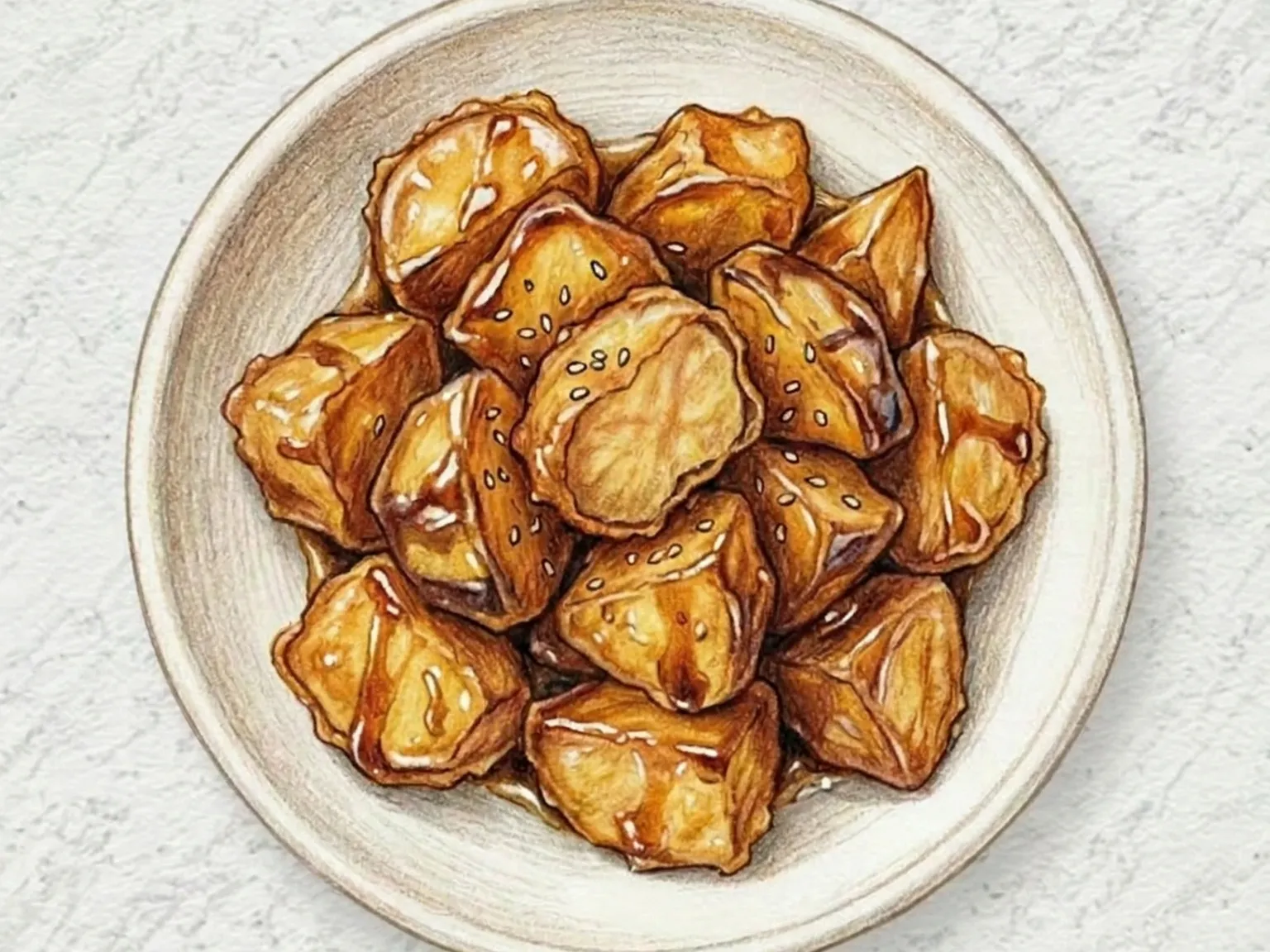
Goguma mattang is a Korean candied sweet potato snack made by cutting peeled sweet potatoes into large chunks and deep-frying them at 170 degrees Celsius until the interi...

What makes this special

  • Goguma mattang candied sweet potato features deep-fried chunks coated in a soy-infused caramel glaze.
  • A touch of soy sauce adds savory depth to the caramel coating
  • Add sweet potato once large bubbles form; that timing locks in the glassy crust
Total time
35 min
Level
Easy
Servings
4 servings
Ingredients
7
Calories
318 kcal
Protein
2 g

Key ingredients

Sweet potatoesCooking oilSugarCorn syrupSoy sauce

Core cooking flow

  1. 1 Peel 500g sweet potato and cut into large bite-sized pieces of 3 to 4cm, kee...
  2. 2 Soak in cold water for 10 minutes to remove surface starch, then pat complet...
  3. 3 Fry the sweet potato in 170C oil for 6 to 7 minutes until a chopstick slides...

Goguma mattang is a Korean candied sweet potato snack made by cutting peeled sweet potatoes into large chunks and deep-frying them at 170 degrees Celsius until the interior turns floury and soft. A syrup of sugar, corn syrup, water, and a measured splash of soy sauce is cooked separately until large, foamy bubbles form - the visual cue for adding the fried sweet potatoes. Everything must be coated within thirty seconds to lock in a thin, glass-like caramel shell that crisps and turns translucent as it cools. The soy sauce shifts the flavor from purely sweet to a rounded, slightly savory depth. Pre-draining surface moisture from the cut sweet potatoes reduces oil splatter during frying and helps the syrup grip the pieces evenly. Black sesame seeds are scattered over the finished pieces for a toasted, nutty note, and each piece is spread individually on parchment paper while still warm so they cool without sticking together.

Prep 15min Cook 20min 4 servings
Recipes by ingredient → soy sauce

Instructions

Read the steps as a cooking flow: prep, heat, seasoning, doneness control, and finish.

6 steps
  1. 1
    Heat

    Peel 500g sweet potato and cut into large bite-sized pieces of 3 to 4cm, keeping the edges angular so they hold their shape during frying.

  2. 2
    Heat

    Soak in cold water for 10 minutes to remove surface starch, then pat completely dry with kitchen paper; any remaining moisture will cause the oil to spatter during frying.

  3. 3
    Heat

    Fry the sweet potato in 170C oil for 6 to 7 minutes until a chopstick slides through the center with no resistance, then remove and drain.

  4. 4
    Control

    Combine 80g sugar, 35g corn syrup, 20ml water, and 3ml soy sauce in a pan over low heat and cook, stirring gently at the edges, until the mixture bubbles with a light golden caramel color.

  5. 5
    Step

    When the syrup forms large bubbles, quickly add the fried sweet potato and toss within 30 seconds until every surface is evenly coated before the syrup hardens.

  6. 6
    Step

    Sprinkle 6g black sesame seeds over the top, spread onto parchment paper or a silicone mat with pieces separated so they do not stick to each other, and cool completely before serving.

After the steps

Pick a recipe that fits this dish.

Continue with shared ingredients, meal pairings, or a similar method.

Recipes That Go Well With This

More Desserts →

Based on shared ingredients and meal pairing

Korean Shredded Sweet Potato Fritter
Shared ingredient: sweet potato Pancakes

Korean Shredded Sweet Potato Fritter

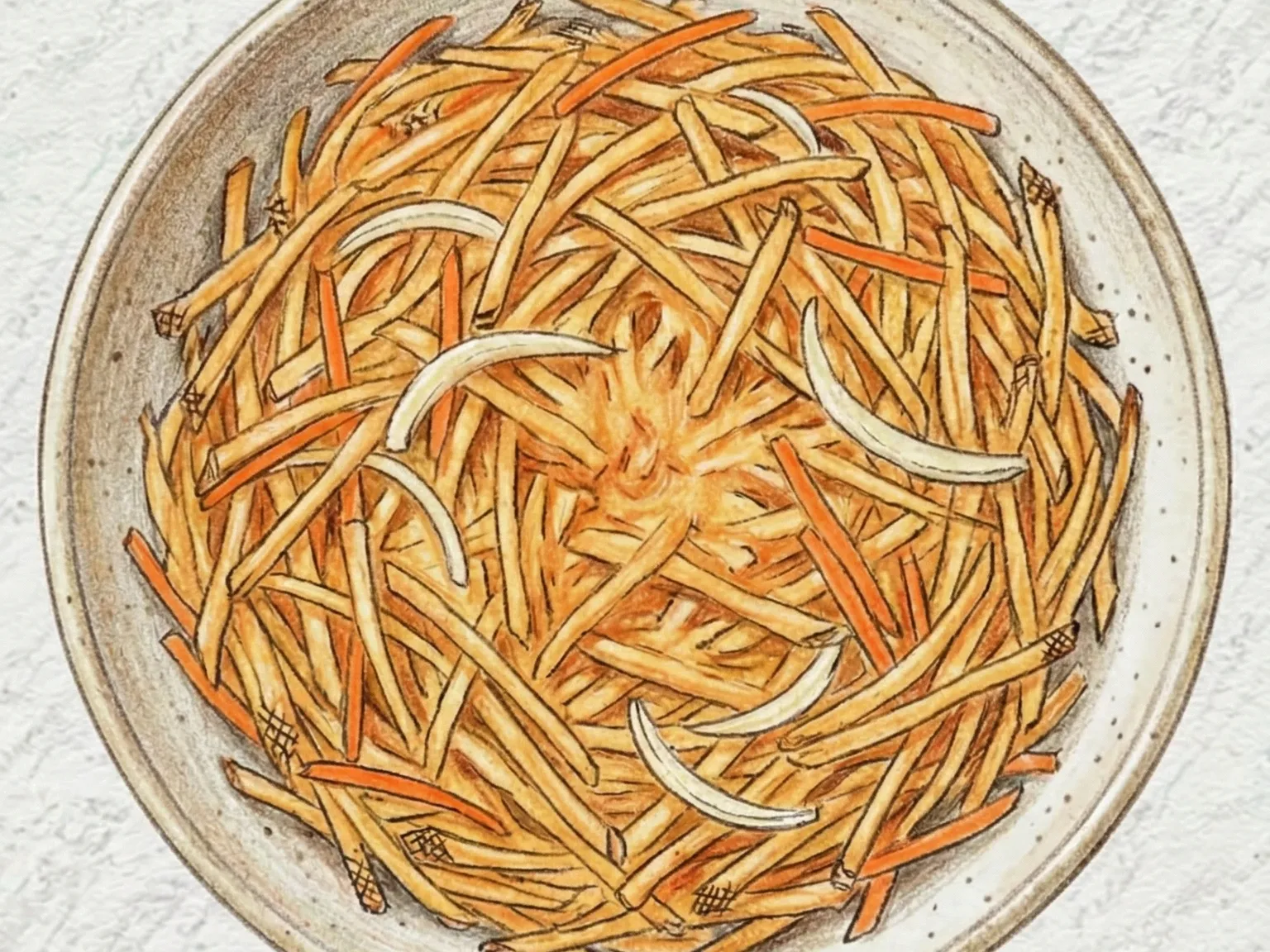
Sweet potato is cut into thin strips and pan-fried with julienned carrot and onion in a tempura-style batter. The overlapping sweet potato strands crisp up at the edges during frying, while the centers stay soft and carry the vegetable's natural sweetness. Using cold water to mix the batter keeps it light and loose, preserving the crunch of each strand after cooking. Black sesame seeds scattered over the top add a nutty note and visual contrast. The jeon is best eaten immediately off the pan, when the edges are at peak crispness. A soy-vinegar dipping sauce alongside balances the natural sweetness of the vegetables with a clean, sharp note.

Korean Sweet Potato Pancakes
Shared ingredient: sweet potato Grilled

Korean Sweet Potato Pancakes

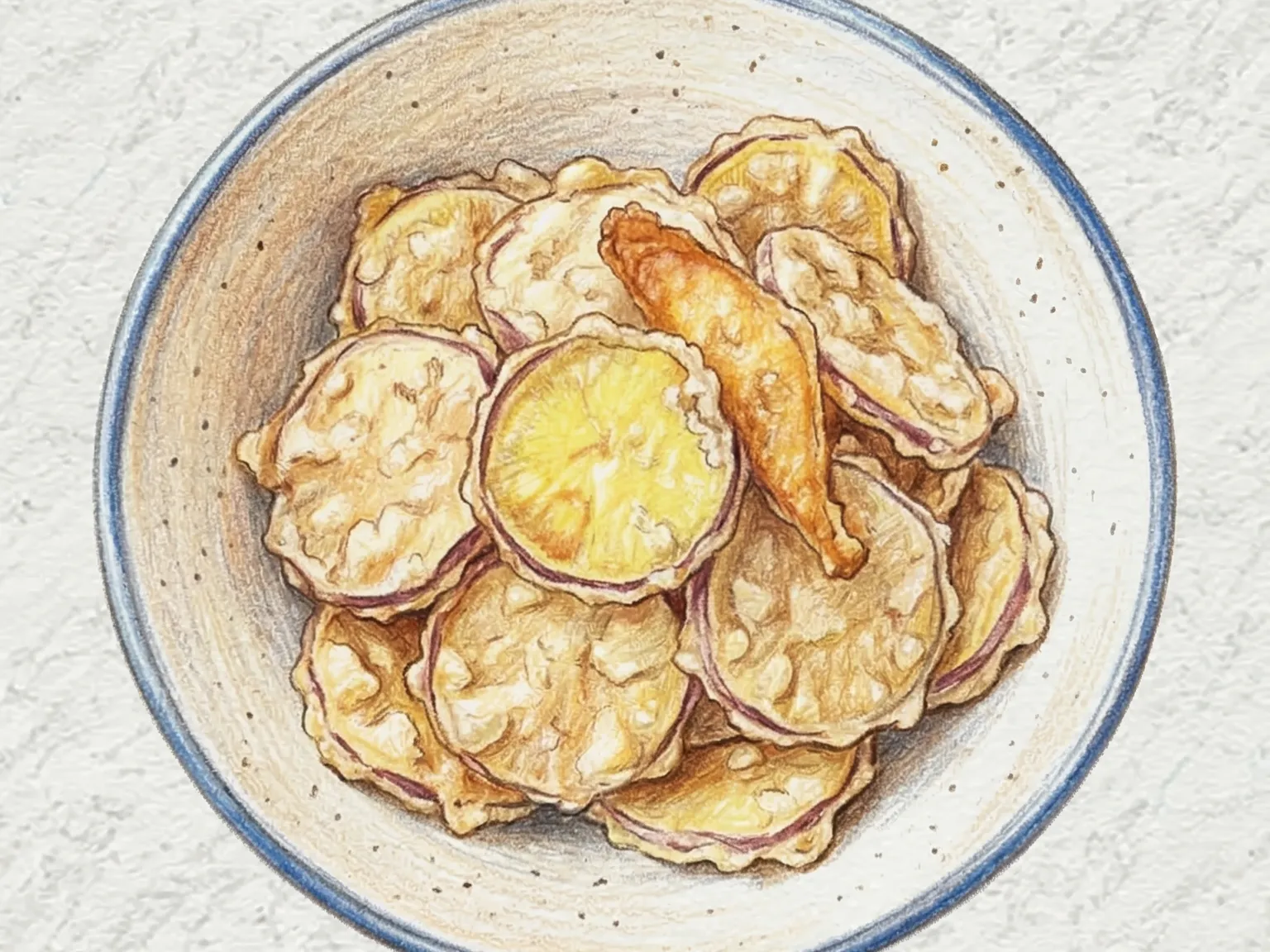
Goguma-jeon is a Korean sweet potato pancake made by julienning peeled sweet potatoes, folding them into a batter of pancake mix, water, salt, and a touch of sugar, then spreading the mixture thin in an oiled pan and frying both sides until golden. The sweet potato's starch gelatinizes in the heat and bonds with the batter to create lacy, crisp edges, while the center retains the tuber's natural moist sweetness. Keeping the pancake thin is non-negotiable-pressing the batter flat with the back of a spoon ensures even cooking and maximum crunch, because thick portions steam internally and turn soggy. Adding a teaspoon of sugar to the batter amplifies the sweet potato's subtle sweetness and encourages faster caramelization at the edges.

Korean Street Stall Udon (Dashi Broth Fish Cake Noodle Soup)
Serve together Street food

Korean Street Stall Udon (Dashi Broth Fish Cake Noodle Soup)

This street stall-style udon starts with kombu cold-steeped in water that is then brought to a gentle boil and simmered for eight minutes to extract its clean, mineral sweetness. The heat is turned off before bonito flakes are added, left to steep for two minutes until the broth turns golden and faintly smoky, then strained clear. Soup soy sauce and regular soy sauce are used together so the broth achieves both the right color and a balanced savory depth, and a small amount of sugar smooths the sharp edge of the soy without making the broth sweet. Fish cake slices are added directly to the hot broth and simmered for roughly five minutes, releasing their own mild umami into the liquid while absorbing the dashi flavor in return. Cooking them much longer causes the texture to deteriorate. Udon noodles are blanched separately in a second pot to wash off surface starch, then transferred to serving bowls while the broth is brought back to a rolling boil. Pouring the hot broth over the noodles at the last moment rather than simmering the noodles in the broth keeps them springy and prevents the soup from turning cloudy. Sliced scallion and dried seaweed flakes go on top as the final garnish.

Sweet Pumpkin Porridge (Korean Kabocha Glutinous Rice Porridge)
Similar recipe Desserts

Sweet Pumpkin Porridge (Korean Kabocha Glutinous Rice Porridge)

Hobakjuk is a Korean sweet pumpkin porridge made by steaming kabocha squash, blending it smooth with water, and simmering the puree with a glutinous rice flour slurry over medium-low heat until thick and velvety. Steaming the squash with the skin on concentrates its natural sugars, and blending with 300 ml of water creates a uniform, smooth base. The rice flour slurry gelatinizes as it heats, giving the porridge its characteristic viscosity, while a pour of milk rounds out the texture with a creamy richness. Pine nuts scattered on top add a fatty, resinous aroma over the squash, and sweetness is best adjusted at the very end to account for natural variation in pumpkin sugar content.

Serve with this

Korean Spicy Stir-fried Cartilage
Drinks Medium

Korean Spicy Stir-fried Cartilage

Odolppyeo-bokkeum is a fiery Korean stir-fry of chicken cartilage marinated in a sauce of gochujang, gochugaru, soy sauce, garlic, and sugar, then cooked at maximum heat for a short burst. The cartilage delivers a distinctive crunch-then-chew that no other cut can replicate, and thorough drying with paper towels before marinating ensures the sauce clings directly to the surface. After ten minutes of marinating, the cartilage hits a ripping-hot oiled pan to pick up smoky wok char, followed by onion, green onion, and hot green chilies that are tossed until all moisture evaporates and the glaze turns glossy. Keeping the total stir-fry time brief is critical, since prolonged cooking turns the cartilage from pleasantly crunchy to unpleasantly tough.

🍺 Bar Snacks 🌙 Late Night
Prep 15min Cook 12min 2 servings
Danhobak Cream Cheese Swirl Muffin (Kabocha Cream Cheese Swirl Muffin)
Baking Medium

Danhobak Cream Cheese Swirl Muffin (Kabocha Cream Cheese Swirl Muffin)

Kabocha squash swirl muffins are autumn bakes that use steamed and mashed kabocha puree in the batter and a lightly sweetened cream cheese filling swirled across the top before baking. The puree contributes natural moisture and sweetness that transform the crumb from the typically dry muffin texture into something denser and notably more tender, while the orange pigment of the squash tints the batter to a warm amber that signals the season. A small amount of cinnamon and nutmeg deepens the earthy sweetness of the squash and wraps each bite in the rounded, cozy warmth that autumn spices are known for. The cream cheese filling is kept at minimal sweetness so its tanginess remains assertive, and drawing swirls through the batter with a toothpick before baking creates marble-like veins across the surface and through the interior once cut. The muffins emerge from the oven with lightly cracked, golden tops, and splitting one open reveals bright orange crumb threaded with white cream cheese streaks. The interplay between the sharp, rich cream cheese and the spiced squash crumb produces a complexity that makes these more interesting than a single-note muffin, and they come together in under an hour from mixing bowl to cooling rack.

🧒 Kid-Friendly
Prep 20min Cook 22min 4 servings
Cornbread
Western Easy

Cornbread

Cornbread is a Southern American quick bread made from cornmeal, flour, sugar, baking powder, milk, egg, and melted butter, baked until golden. Mixing the wet and dry ingredients separately and combining them with minimal stirring prevents overdeveloping gluten, which keeps the crumb tender and moist rather than tough. Baking at 200 degrees Celsius for twenty-two to twenty-five minutes produces a crisp exterior with a lightly sweet, nutty interior characteristic of cornmeal. The bread pairs well with stews, chili, and soups; its coarse grain absorbs broth and sauce effectively, making every bite more flavorful the longer it sits in the bowl.

🏠 Everyday 🧒 Kid-Friendly
Prep 10min Cook 25min 4 servings

Similar recipes

Yuja Cheesecake Bars (Citron Cheesecake)
Desserts Medium

Yuja Cheesecake Bars (Citron Cheesecake)

Yuja cheesecake bars are a baked dessert that begins with a pressed crust of cracker crumbs and melted butter, pre-baked for eight minutes to set a firm base before the filling goes in. The filling combines softened cream cheese, eggs, sugar, and yuja citron marmalade, poured over the crust and baked at 170 degrees Celsius until just set. Pre-baking the crust is essential for keeping the layers distinct, and room-temperature cream cheese is non-negotiable for a batter free of lumps. Seventy grams of yuja marmalade introduces the fruit's sharp, floral citrus fragrance alongside clean acidity that cuts through the dense richness of the cheese layer, preventing the aftertaste from feeling heavy or cloying. Chilling for two full hours in the refrigerator before slicing produces straight, clean edges on each bar, and the texture sits between dense and silky, dissolving slowly once it hits the palate.

🧒 Kid-Friendly 🎉 Special Occasion
Prep 20min Cook 32min 4 servings
Candied Tangerine Peel (Korean Citrus Honey Confection)
Desserts Medium

Candied Tangerine Peel (Korean Citrus Honey Confection)

Gyul jeonggwa is a traditional Korean confection made by cutting tangerine peels into 0.8 cm strips with a moderate amount of white pith left on, blanching the strips twice in salted water to eliminate bitterness, then cooking them low and slow in a syrup of sugar, honey, and cinnamon for thirty-five to forty minutes. Keeping the pith is deliberate: it holds the essential citrus oils that define the candy's fragrance, so trimming too much away produces a noticeably flatter result. The longer the peels simmer, the more completely they turn translucent, pulling syrup into every layer of fiber until the texture becomes dense and springy, close to a firm fruit jelly. Lemon juice added toward the end of cooking performs two functions: it inhibits crystallization of the syrup as it cools, and its acidity trims back the sweetness for a cleaner finish. Draining the pieces and resting them on a rack for an hour produces a dry, non-tacky surface that holds its shape well.

🧒 Kid-Friendly 🎉 Special Occasion
Prep 25min Cook 70min 4 servings
Saenggang Jeonggwa (Candied Ginger)
Desserts Medium

Saenggang Jeonggwa (Candied Ginger)

Saenggang jeonggwa is a traditional Korean candied ginger prepared by slicing fresh ginger thin, blanching it twice to reduce the raw heat, then simmering the pieces slowly in a glaze of sugar and grain syrup. A ten-minute soak in cold water draws out the sharpest bite first, and two rounds of boiling soften the pungency further while leaving the clean, aromatic core intact. The slices are cooked on low heat until the syrup reduces to a thick, glossy coat on the surface, at which point lemon juice is added to introduce an acidity that keeps the sweetness from becoming cloying. Once dried on a rack and rolled in granulated sugar, the finished pieces carry a crisp, crystalline shell on the outside. On the first bite, the sugar crust shatters, and the chewy, syrup-saturated ginger beneath releases a slow, building warmth that lingers well after the piece is finished.

🎉 Special Occasion 🧒 Kid-Friendly
Prep 15min Cook 45min 4 servings

Tips

Drying the sweet potatoes well prevents oil splatter.
Do not overcook syrup; finish tossing within 30 seconds.

Nutrition (per serving)

Calories
318
kcal
Protein
2
g
Carbs
49
g
Fat
13
g