Pasta

Pasta Recipes

109 recipes. Page 3 of 5

Pasta is the crown jewel of Italian cuisine, pairing noodles like spaghetti, penne, and linguine with an endless variety of sauces. Tomato-based, cream, and olive-oil sauces each produce a completely different dish. In Korea, carbonara, aglio e olio, and rosé pasta have become especially popular.

Pasta
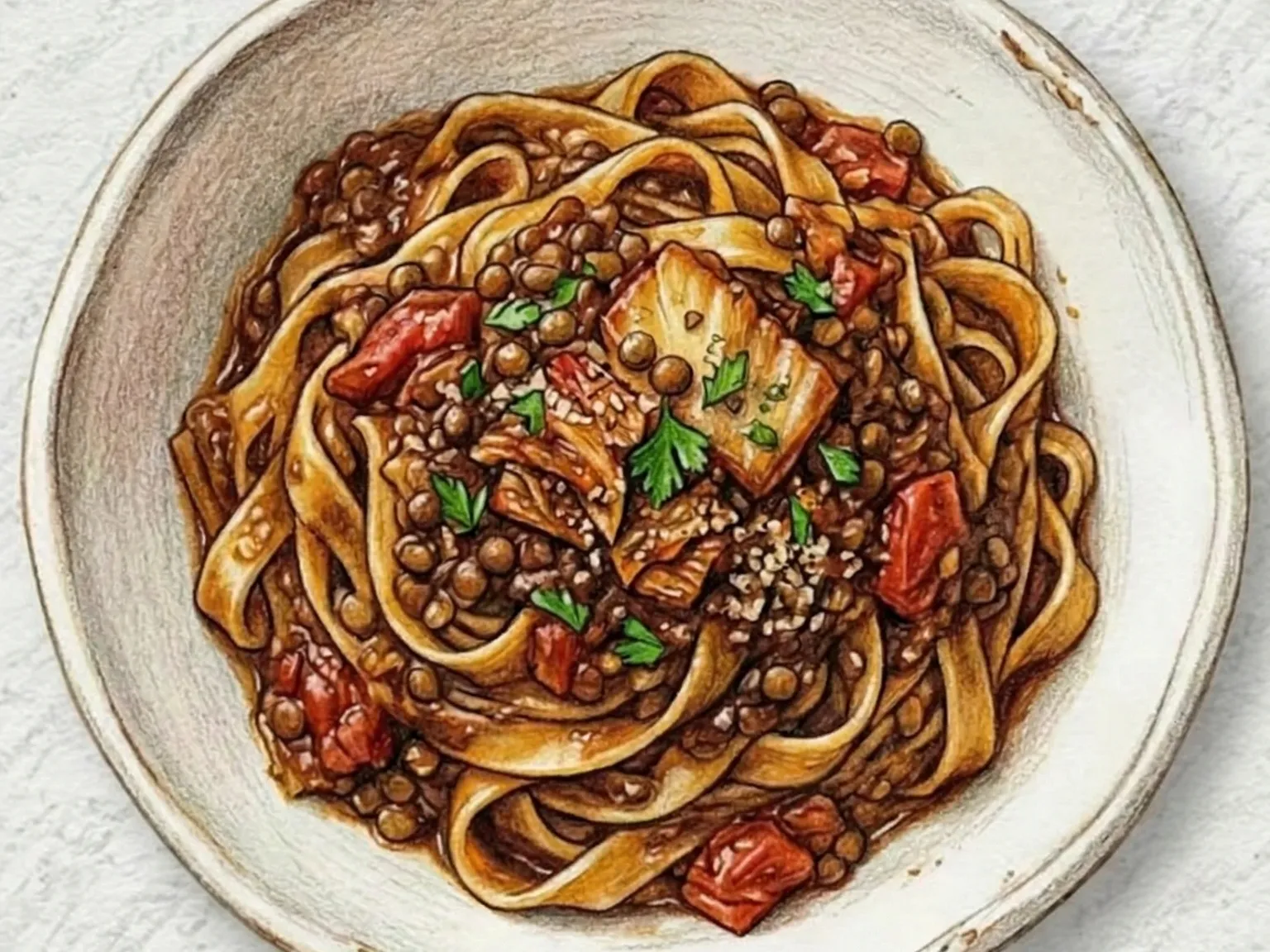
Kimchi Lentil Ragu Tagliatelle
Pasta Medium

Kimchi Lentil Ragu Tagliatelle

Kimchi lentil ragu tagliatelle simmers brown lentils and finely diced vegetables in tomato puree and vegetable stock, then adds aged kimchi near the end of cooking. Rinse 160g brown lentils, soak them for 15 minutes, and drain them thoroughly. Finely chop 180g aged kimchi and reserve 2 tablespoons of its juice for the final stage. Dice 120g onion, 80g carrot, 60g celery, and 3 garlic cloves into small, even pieces so they soften at the same rate and do not remain as large chunks in the finished sauce. Cook the vegetables in 2 tablespoons olive oil over low heat for about 6 minutes. Aim for a translucent, softened base rather than browning it. Add the drained lentils, 450g tomato puree, 300ml vegetable stock, and 1 teaspoon sugar. Simmer over low heat for about 30 minutes, stirring from time to time to prevent the thickening mixture from catching on the bottom. Continue until the lentils are tender and the sauce has reduced. Stir in the chopped kimchi and reserved juice only then, and cook for 5 more minutes so the kimchi does not break down too far. Boil 360g tagliatelle in salted water until al dente and transfer it to the ragu. Toss for 2 minutes, adding pasta water in small splashes instead of all at once, until the sauce coats both sides of the wide ribbons. Serve as soon as the sauce reaches that clinging consistency.

🥗 Light & Healthy 🎉 Special Occasion
Prep 20min Cook 35min 4 servings
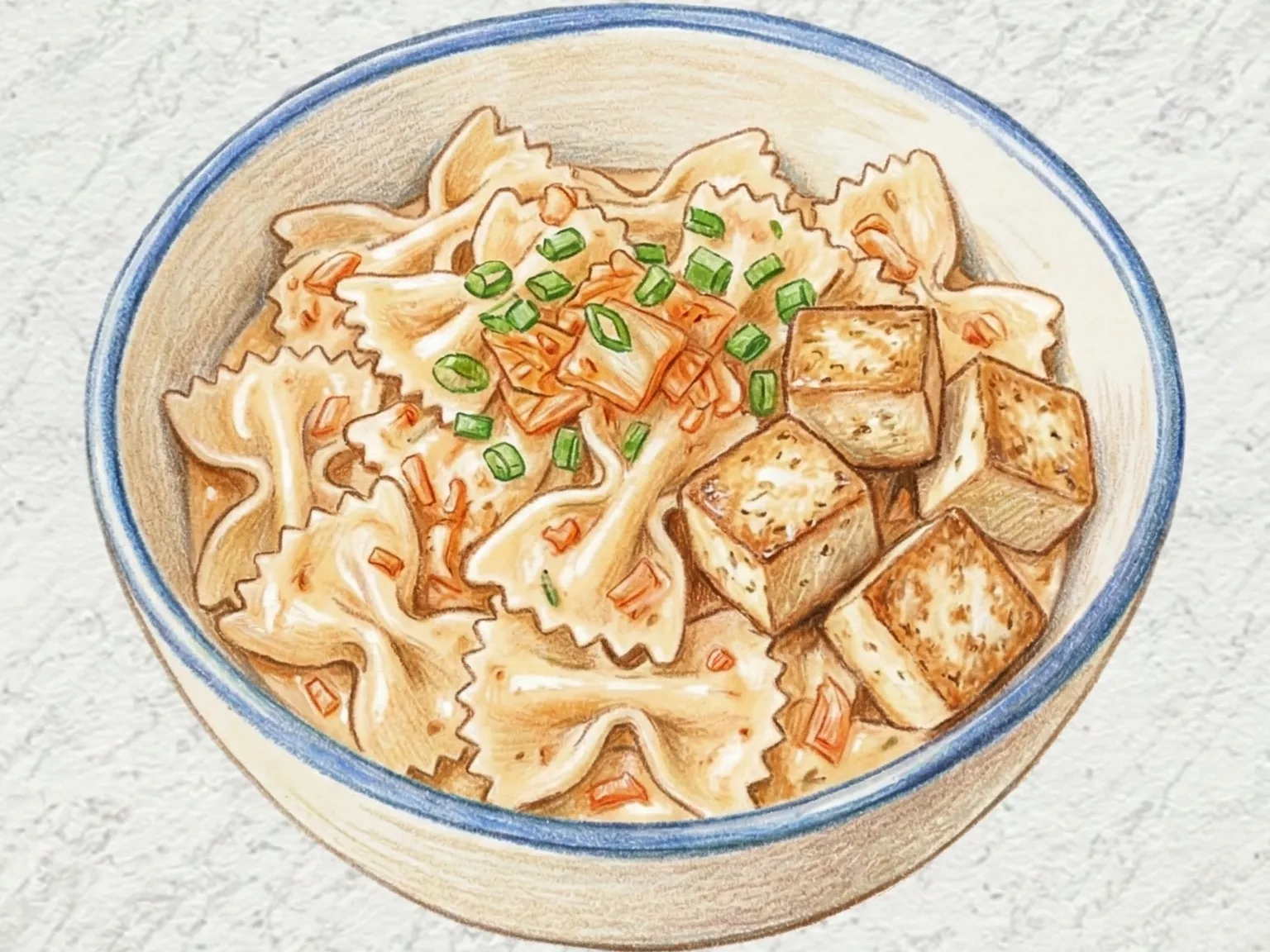
Kimchi Tofu Alfredo Farfalle (Creamy Kimchi Bow-Tie Pasta)
Pasta Easy

Kimchi Tofu Alfredo Farfalle (Creamy Kimchi Bow-Tie Pasta)

Kimchi tofu Alfredo farfalle combines well-drained ripe kimchi and browned firm tofu with a cream and Parmesan sauce. Squeeze the liquid firmly from 120g kimchi and chop it finely. Press 150g firm tofu with paper towels until the surface is dry, then cut it into 1cm cubes. Removing that moisture helps the tofu brown in the pan instead of steaming. Cook 180g farfalle in salted water until al dente and reserve 3/4 cup of the pasta water before draining. In a wide pan, melt 15g butter with 1 tablespoon olive oil over medium heat. Add 2 sliced garlic cloves and cook them only until fragrant, before the edges turn dark. Stir in the kimchi and cook for about 3 minutes, until the pan looks less watery. Add the tofu and leave it relatively undisturbed for 2 to 3 minutes so the edges can turn golden without the cubes breaking apart. Pour in 180ml heavy cream and 80ml milk and simmer for about 2 minutes over medium heat. Lower the heat before adding 35g Parmesan, then stir until the cheese melts smoothly. This temperature change helps keep the dairy sauce from separating. Add the drained farfalle and loosen the sauce with the reserved pasta water in small additions rather than pouring it all in. Stop when the sauce coats the folded centers of the pasta without running thin. Finish with 0.5 teaspoon black pepper and serve immediately. Thoroughly draining both the kimchi and tofu before cooking is the main control for preserving the intended sauce consistency.

🏠 Everyday ⚡ Quick
Prep 10min Cook 15min 2 servings
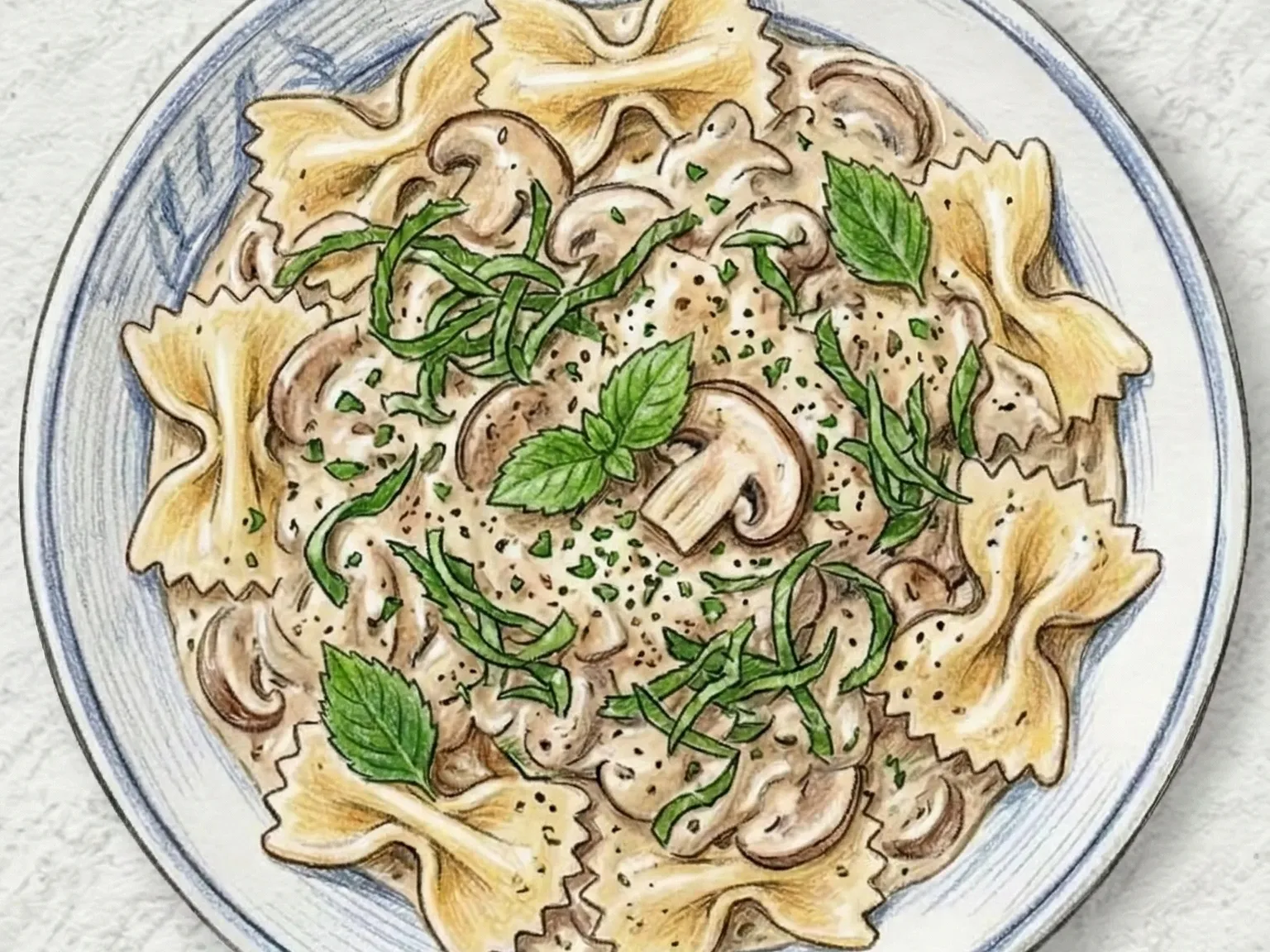
Kkaennip Mushroom Cream Farfalle
Pasta Easy

Kkaennip Mushroom Cream Farfalle

Kkaennip mushroom cream farfalle combines sliced button mushrooms and fresh perilla leaves in a cream sauce over bow-tie pasta. The mushrooms are sauteed in olive oil until their moisture cooks off and their flavor concentrates, with onion and garlic building the aromatic base. Heavy cream is then added to form the sauce, and shredded perilla goes in at the end so the leaves wilt just enough to release their fragrance without losing it to the heat. Parmesan contributes salt and a nutty underpinning, while farfalle's ridged and folded surface holds the sauce across every piece. The defining quality of the dish is the perilla itself, whose scent belongs to the sesame family and sits in entirely different territory from basil or mint - grassy, faintly resinous, and unmistakably Korean. Few other herbs could give a cream pasta this specific character.

🏠 Everyday 🌙 Late Night
Prep 15min Cook 20min 2 servings
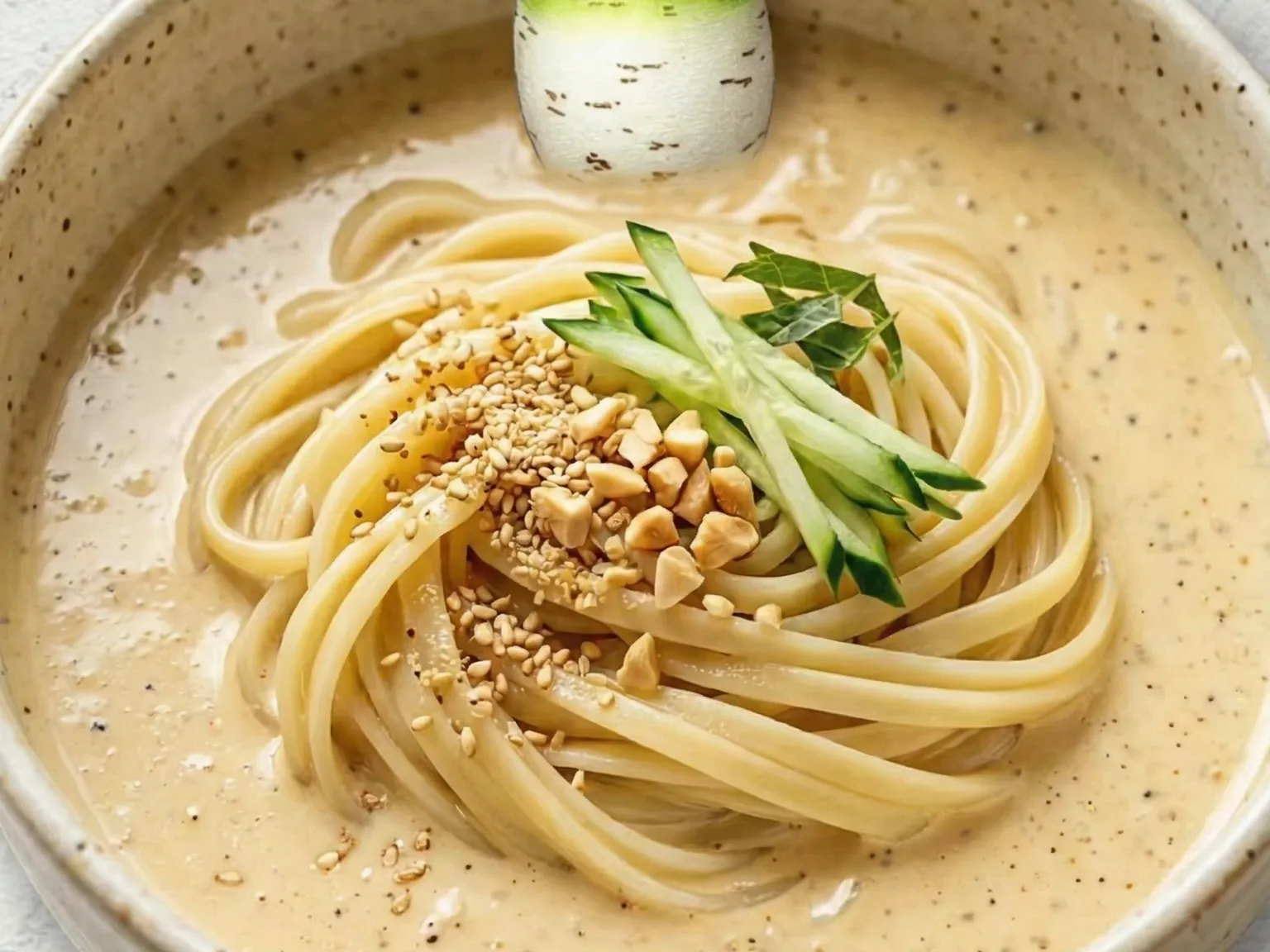
Kongguksu-Style Cold Linguine
Pasta Easy

Kongguksu-Style Cold Linguine

Kongguksu-style cold linguine reinterprets Korea's chilled soy noodle soup using Italian linguine in place of traditional wheat noodles. Unsweetened soy milk is blended with toasted sesame seeds and peanut butter into a thick, nutty cold broth poured directly over the pasta at serving. The linguine is cooked al dente and immediately shocked in ice water to firm up the texture and chill it completely before the broth goes on. Julienned cucumber and halved cherry tomatoes scatter on top for fresh crunch and color. Salt and sugar are adjusted at the end to balance the broth's natural bean flavor against the richness from the peanut butter. The full preparation takes about ten minutes, with stovetop time limited strictly to boiling the pasta, which makes it one of the more practical cold dishes to assemble in summer heat. Adding more peanut butter thickens the broth further, while extra sesame seeds push the nuttiness higher.

🥗 Light & Healthy ⚡ Quick
Prep 20min Cook 10min 2 servings
Korean Macaroni Salad (Sweet Mayo Pasta from Retro Diners)
Pasta Easy

Korean Macaroni Salad (Sweet Mayo Pasta from Retro Diners)

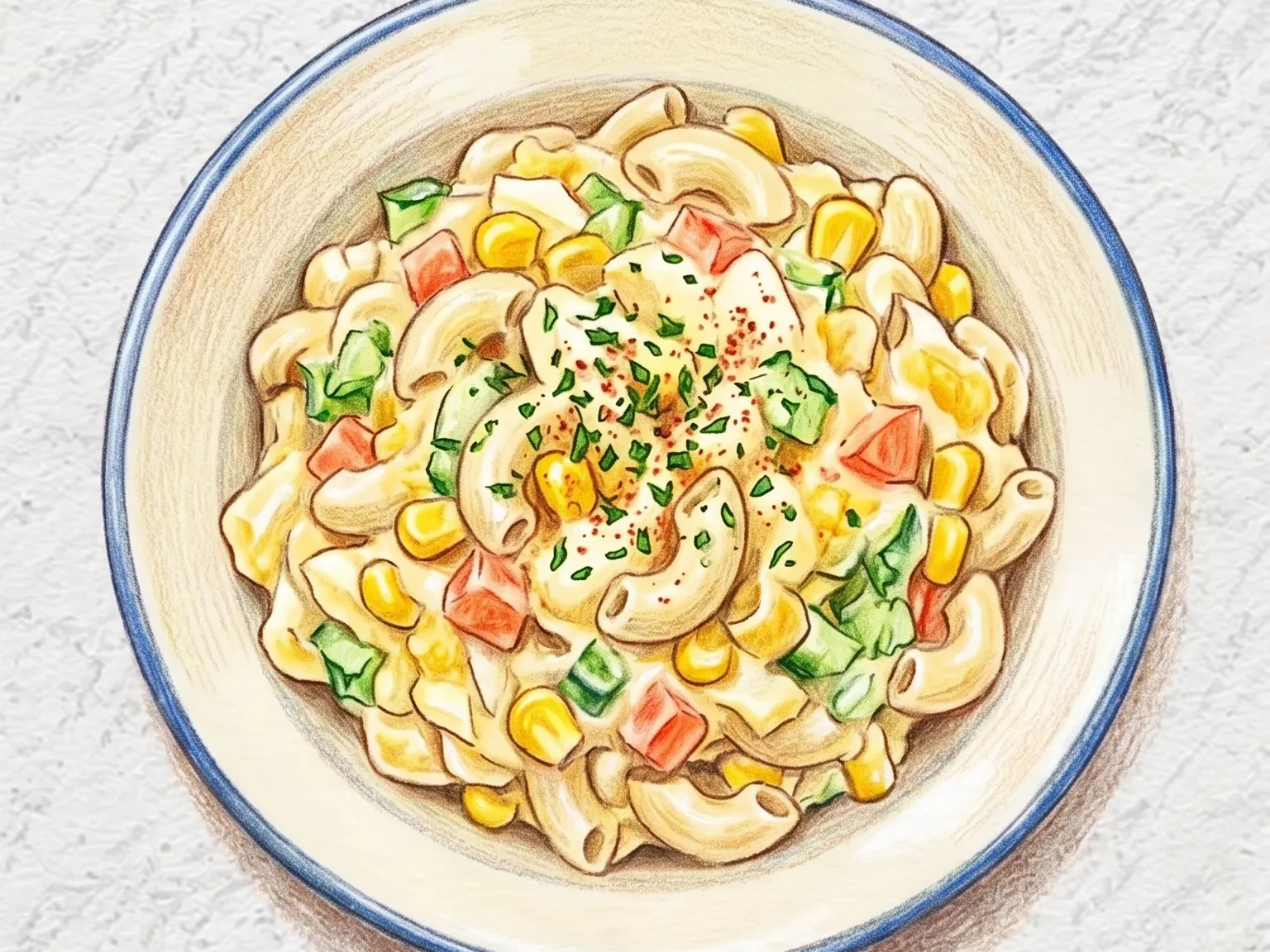
Korean macaroni salad is a retro banchan that became a fixture of bunsikjip snack bars and gyeongyangsik Western-style restaurants during the 1970s and 80s, and it has remained a nostalgic staple ever since. The Korean version differs from its Western counterpart in two notable ways: sugar is added to the dressing, making the whole salad distinctly sweeter, and sweet corn kernels replace the mustard or herbs common in American recipes, contributing a pop of juicy sweetness with each bite. The pasta is boiled for eight minutes or longer, well past al dente, because softer noodles tangle more effectively with the mayonnaise and hold the dressing inside rather than letting it slide off. Cucumber must be salted and then squeezed firmly to extract moisture before it goes into the salad; skipping this step causes the dressing to thin and puddle at the bottom over time. Carrot is blanched for exactly one minute to preserve its crunch, and crushed hard-boiled egg stirred into the dressing gives the salad a richer, denser body. The finished salad needs at least twenty minutes in the refrigerator for the mayonnaise to firm up and adhere to the pasta so it holds its shape on the plate. This salad is a standard side at gyeongyangsik restaurants alongside donkatsu and hamburger steak, and it appears regularly as a complimentary banchan at gimbap shops. A dusting of paprika powder or chopped parsley adds color to the otherwise pale presentation.

🏠 Everyday 🧒 Kid-Friendly
Prep 15min Cook 10min 4 servings
Mac and Cheese
Pasta Easy

Mac and Cheese

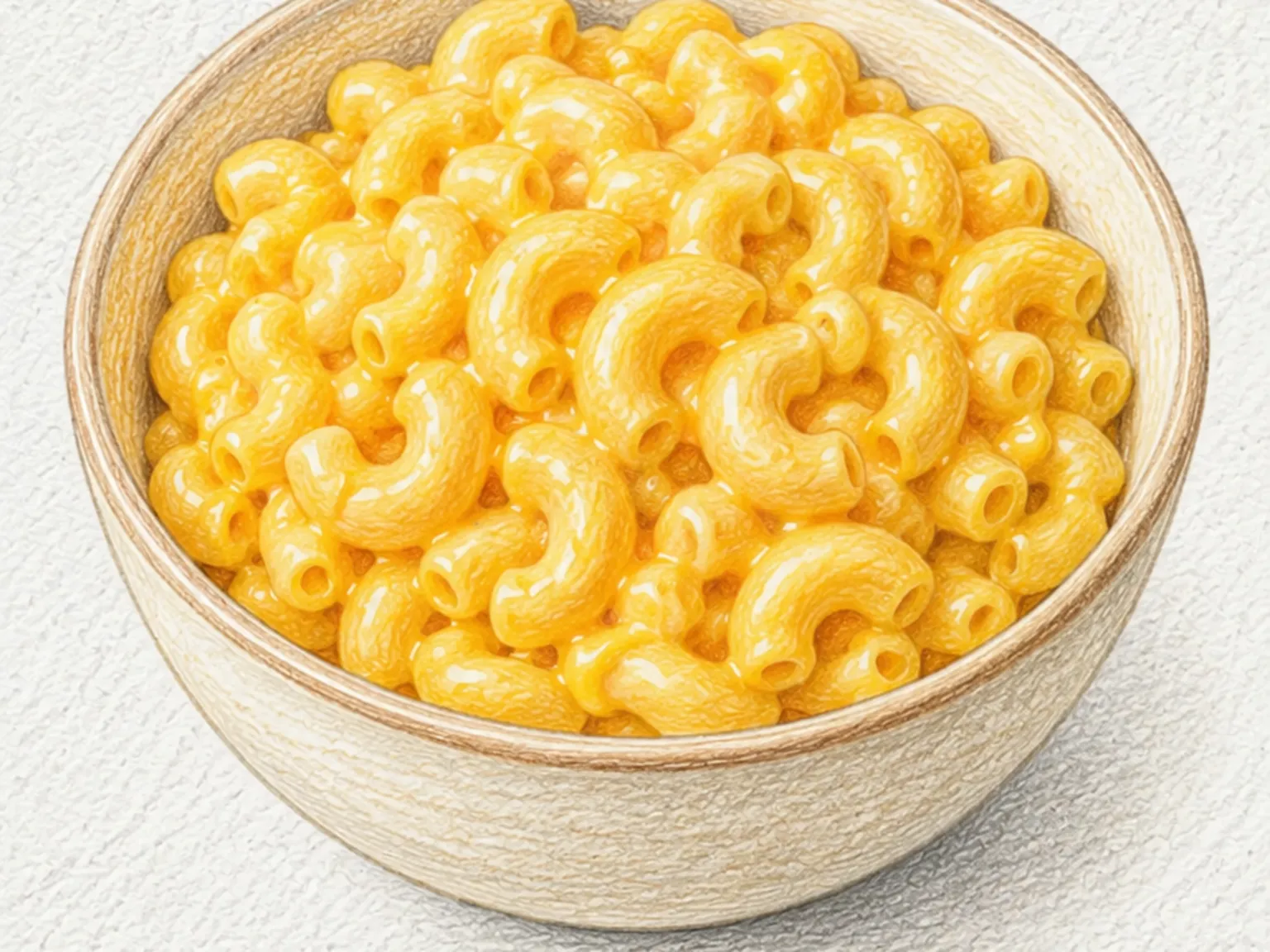
A smooth mac and cheese sauce follows a fixed sequence: flour cooked in butter, milk whisked in through three additions, and cheddar melted over very low heat after the base thickens. Following that order addresses the two main texture problems in the recipe: lumps from the flour and separation from overheated cheddar. For 4 servings, use 250 g elbow macaroni, 200 g cheddar cheese, and 2 cups milk. Boil the macaroni in salted water for 1 minute less than the time printed on the package. The pasta will spend another 1 to 2 minutes in the sauce, so it should not become fully soft in the water. Before draining, save 2 to 3 tablespoons of the pasta water in a separate cup. Melt 30 g butter in a pot over low heat and add 2 tablespoons flour. Whisk for 1 to 2 minutes, until the mixture looks foamy and loses its raw flour smell, but stop before it turns brown. Pour in the 2 cups milk in three additions. Whisk each addition completely smooth before adding the next one. After all the milk is incorporated, cook over medium heat for 3 to 5 minutes while stirring. The base is ready when it has thickened enough to leave a light coating on the whisk. Reduce the heat to very low before adding the cheddar. Stir in the 200 g cheese a little at a time, then season with 1 teaspoon salt and 0.5 teaspoon black pepper. Avoid bringing the cheese sauce to a hard boil because high heat can split it and produce a grainy, oily texture. Add the drained macaroni and stir over low heat for 1 to 2 minutes so the noodles finish cooking inside the sauce. If the coating becomes too thick and heavy, loosen it with the reserved pasta water one spoonful at a time. Serve as soon as the macaroni looks glossy and still tastes al dente. For the optional baked finish, move it to a baking dish and heat it only until the top turns golden while the inside remains creamy.

🧒 Kid-Friendly 🏠 Everyday
Prep 10min Cook 25min 4 servings
Mala Chicken Alfredo Fusilli
Pasta Easy

Mala Chicken Alfredo Fusilli

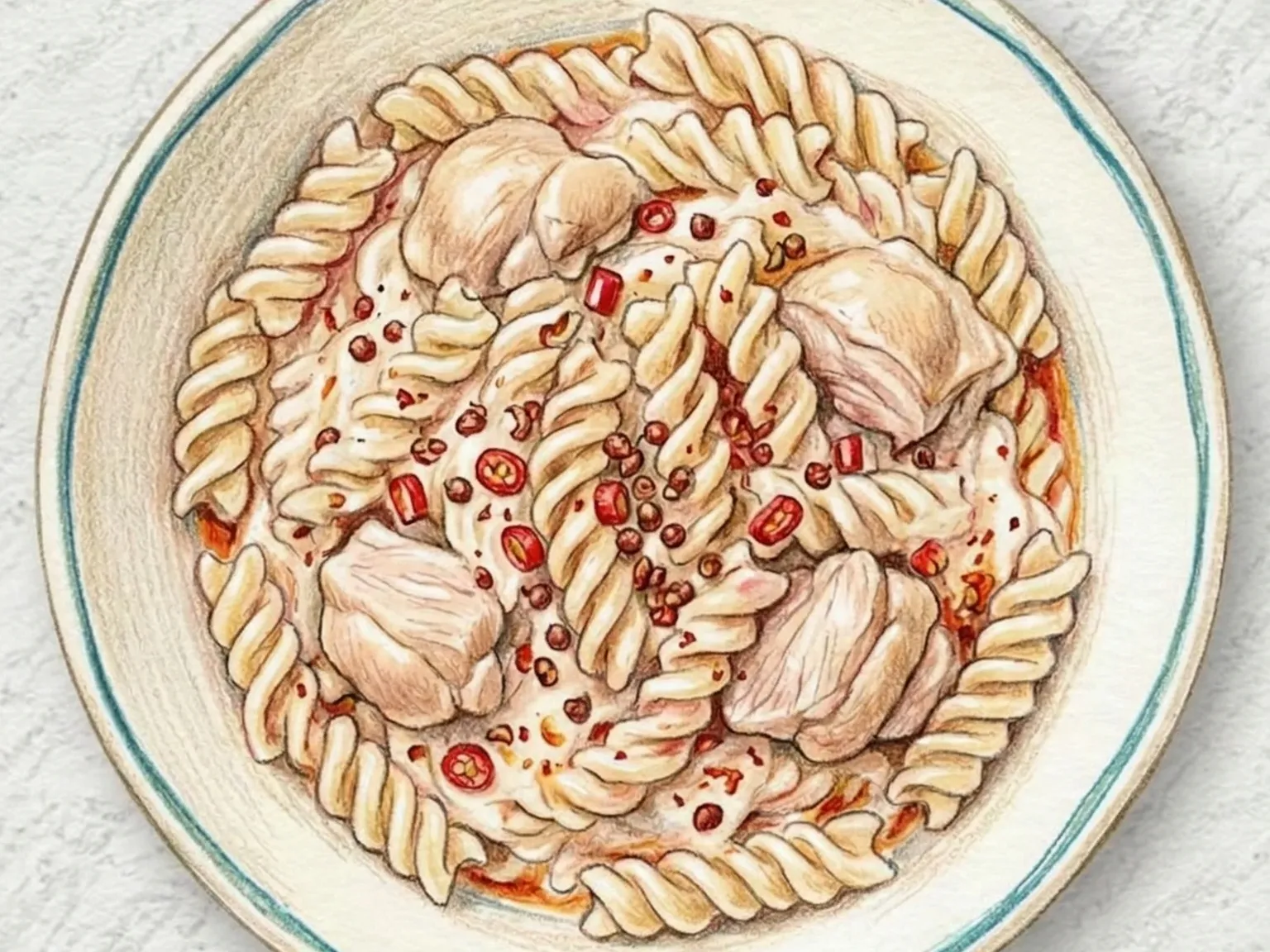
Mala chicken Alfredo fusilli combines browned chicken thigh and mala sauce with a cream, milk, and Parmigiano sauce. Cut 220g boneless chicken thigh into pieces about 3cm wide and season them lightly with salt and pepper. Cook 180g fusilli in salted water for 1 minute less than the package time and reserve 1 cup of pasta water. Melt 12g butter in a wide pan, then cook 70g finely diced onion and 10g sliced garlic over medium heat for 2 minutes, until softened. Add the chicken, raise the heat, and cook for 4 to 5 minutes. Check that the center is cooked through after the outside has browned. Add 1 tablespoon mala sauce only after the chicken is cooked and stir for 30 seconds. Since prepared mala sauces vary in saltiness, begin with the listed amount and check the final seasoning later. Pour in 220ml heavy cream and 80ml milk and simmer over medium heat for 2 to 3 minutes. Add 25g grated Parmigiano and stir until it has melted completely. Add the cooked fusilli, then use the reserved pasta water in small additions instead of pouring in the entire cup. Toss over medium-low heat for 1 minute. Stop adding water when the sauce no longer pools thinly on the bottom and instead coats the outside and spiral grooves of the pasta. Controlling both the mala sauce and pasta water at the end is the practical way to balance seasoning and sauce consistency together.

🍺 Bar Snacks 🌙 Late Night
Prep 15min Cook 20min 2 servings
Meat Sauce Pasta
Pasta Easy

Meat Sauce Pasta

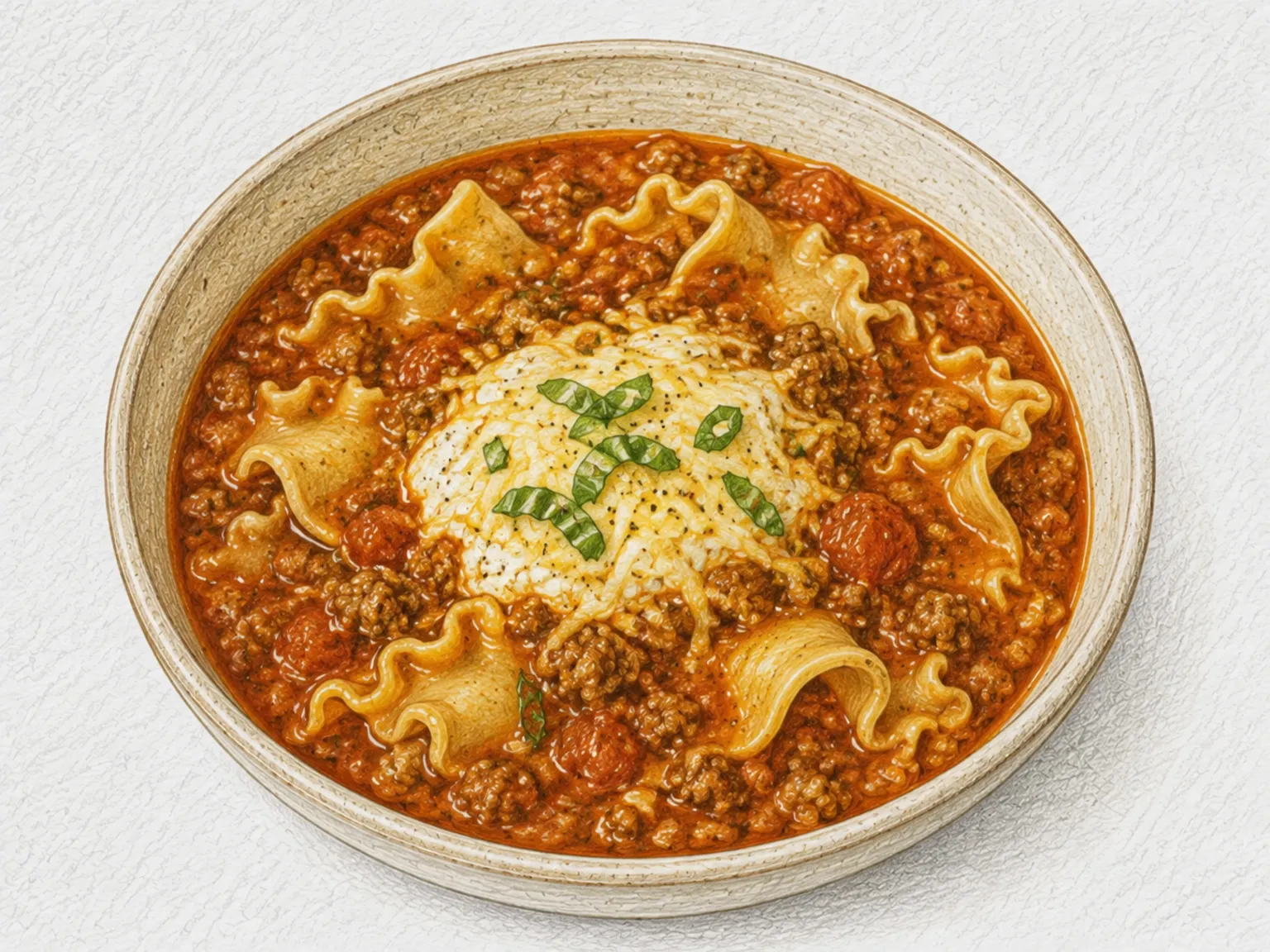
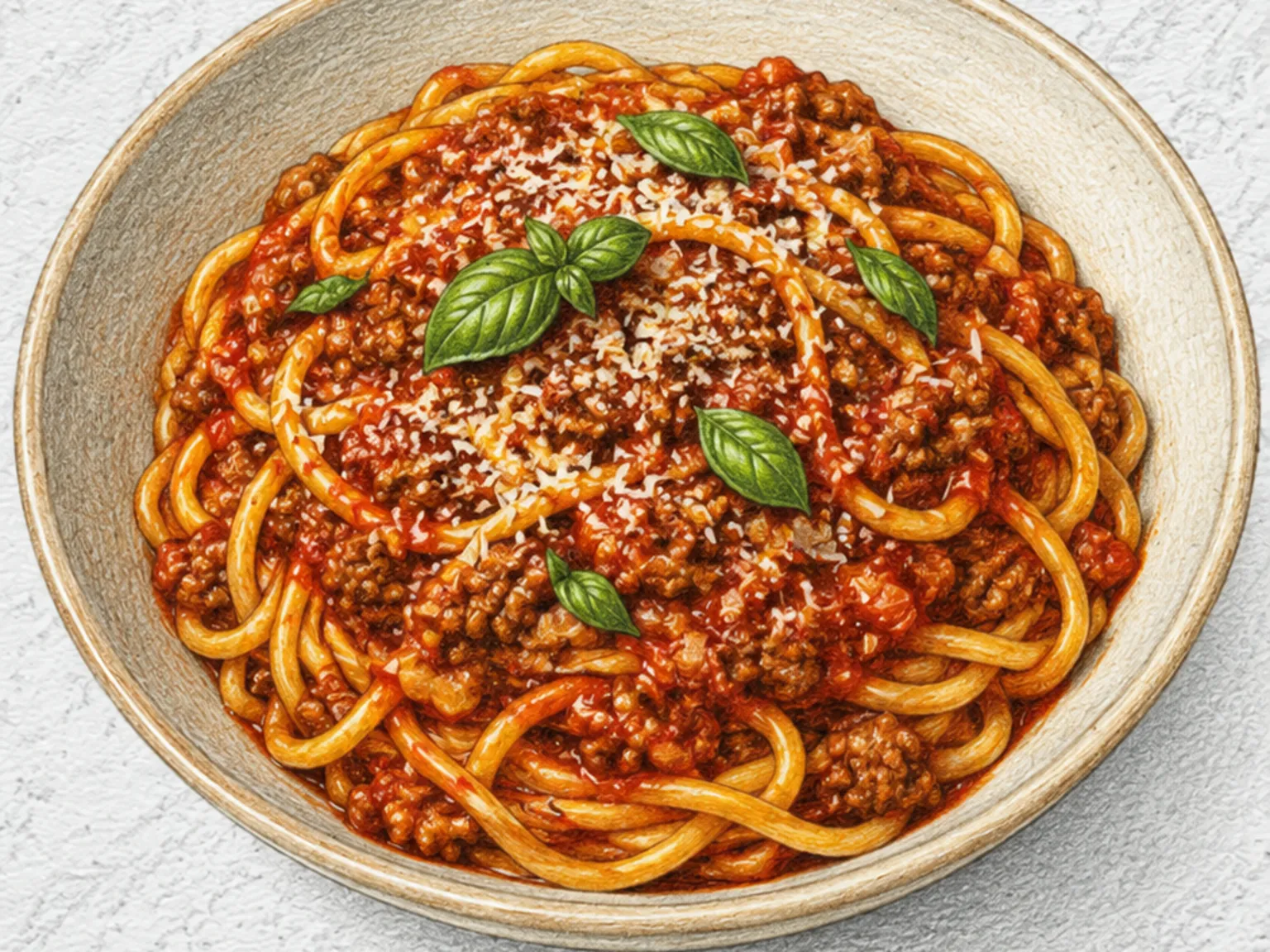
Meat sauce pasta builds flavor by spreading ground beef over high heat until its moisture evaporates and browned spots form, then simmering tomato sauce and paste until they cling to the meat. For 2 servings, use 200 g spaghetti, 200 g ground beef, 0.5 onion, 3 garlic cloves, 200 ml tomato sauce, 1 tablespoon tomato paste, 2 tablespoons olive oil, 0.5 teaspoon salt, 0.25 teaspoon black pepper, 20 g Parmesan, and 3 basil leaves. Finely dice the onion and mince the garlic. Bring a large pot of water to a strong boil and salt it so the spaghetti seasons while cooking. Heat the olive oil in a wide pan over medium heat. Cook the onion for about 3 minutes until translucent, then add the garlic and stir only until fragrant. Add the ground beef, raise the heat to high, and spread the meat across the pan. Cook for about 5 minutes, letting moisture escape and browned areas develop. Stir in the tomato sauce and tomato paste until no concentrated lumps remain. Lower the heat and simmer for at least 15 minutes, stirring occasionally so the thickening sauce does not scorch. Cook the spaghetti 1 minute less than its package time and reserve a cup of pasta water. Season the sauce with salt and pepper, transfer the pasta into the pan, and toss over medium-low heat for 1 to 2 minutes. Add pasta water only as needed, then finish with Parmesan and basil.

🏠 Everyday 🧒 Kid-Friendly
Prep 10min Cook 30min 2 servings
Mentaiko Cream Pasta
Pasta Easy

Mentaiko Cream Pasta

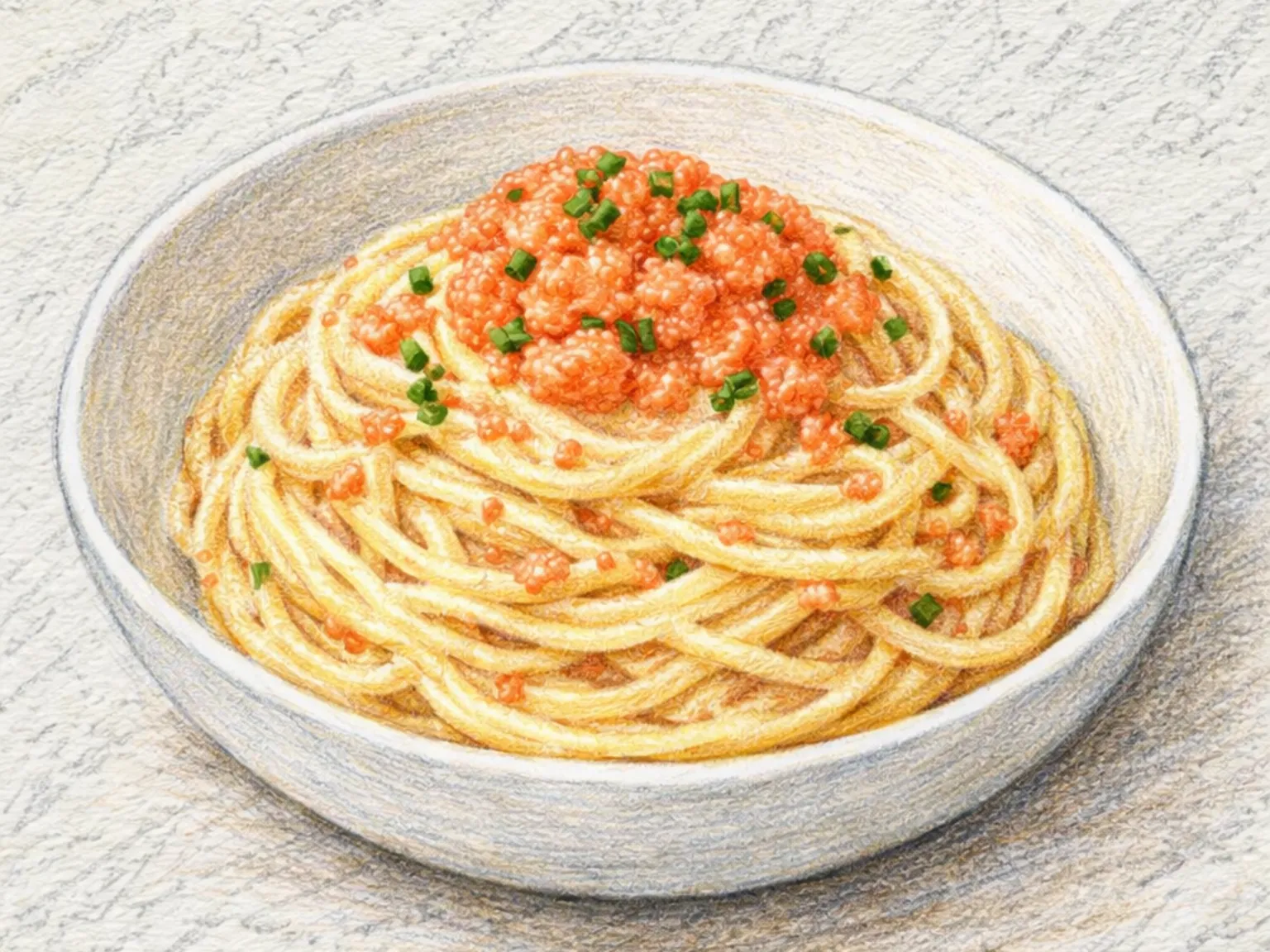
Mentaiko cream pasta is a Japanese-style cream pasta in which salted pollock roe is stirred into a warm butter, heavy cream, and milk base until the sauce turns silky and coats the spaghetti in a fine layer studded with tiny bursts of roe. Minced garlic is sauteed gently in butter over low heat until just fragrant and sweet, then the cream and milk are poured in and brought only to the point before a full boil, as a rolling boil causes the sauce to break and separate. Once the temperature is controlled, two-thirds of the roe goes into the sauce along with the drained spaghetti, everything tossed quickly so the roe cooks only through the residual heat of the pasta and sauce rather than direct flame, which would make it taste fishy. Reserved pasta water, added a spoonful at a time, adjusts the consistency without diluting the richness. Finely grated Parmesan adds another tier of umami and salt, while a few drops of fresh lemon juice cut through the cream and leave a clean, bright finish that keeps the dish from feeling too heavy. The remaining raw roe and crumbled roasted seaweed are arranged on top before serving, creating a contrast of red and black that signals the flavors inside, and folding them in at the table releases a fresh, briny aroma.

🏠 Everyday 🌙 Late Night
Prep 10min Cook 15min 2 servings
Minari Pesto Chicken Gemelli
Pasta Medium

Minari Pesto Chicken Gemelli

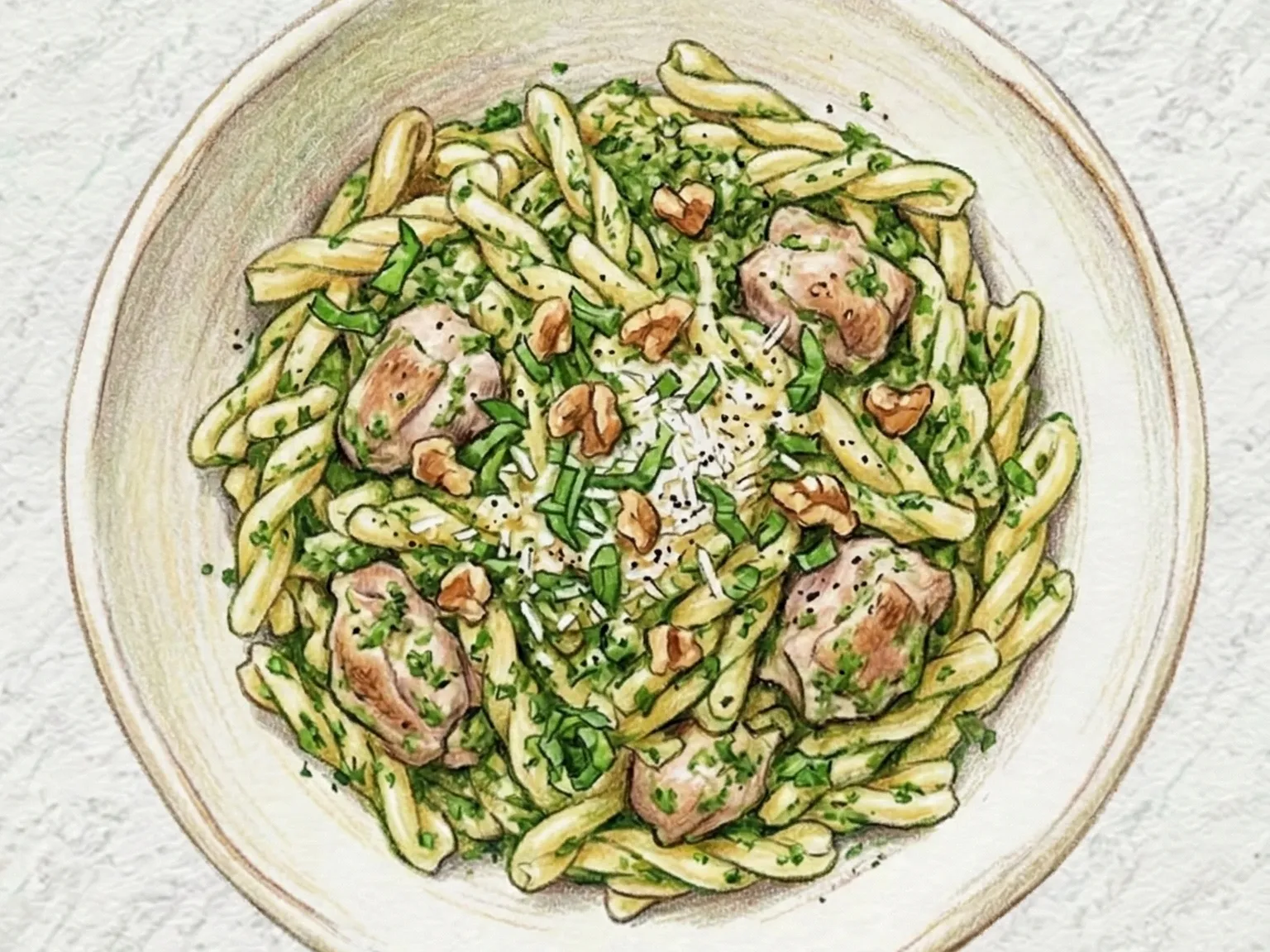
Minari pesto chicken gemelli is built on a sauce made by grinding Korean water parsley and walnuts together into a pesto that reads as herbaceous and faintly bitter rather than the sweet, basil-forward character of the Italian original. Minari has a clean, lightly peppery green aroma with a slight cooling quality that carries through to the finished sauce. Walnuts replace pine nuts, adding a denser, earthier nuttiness along with a coarser texture in the paste. Chicken thighs are seared in a hot pan until the skin side develops a proper golden crust through the Maillard reaction, which adds savory depth the breast cut lacks. Parmesan cheese and olive oil give the pesto its creamy, cohesive body. Lemon juice is added last to cut through the oil and brighten the entire dish without making it feel acidic. Gemelli is a natural choice because its tightly twisted double-helix shape traps the thick sauce inside each coil, ensuring good coverage in every bite. If minari is unavailable, ssukgat can substitute, but the flavor profile shifts toward a more bitter, chrysanthemum-like note.

🎉 Special Occasion 🍺 Bar Snacks
Prep 20min Cook 20min 4 servings
Minestrone
Pasta Easy

Minestrone

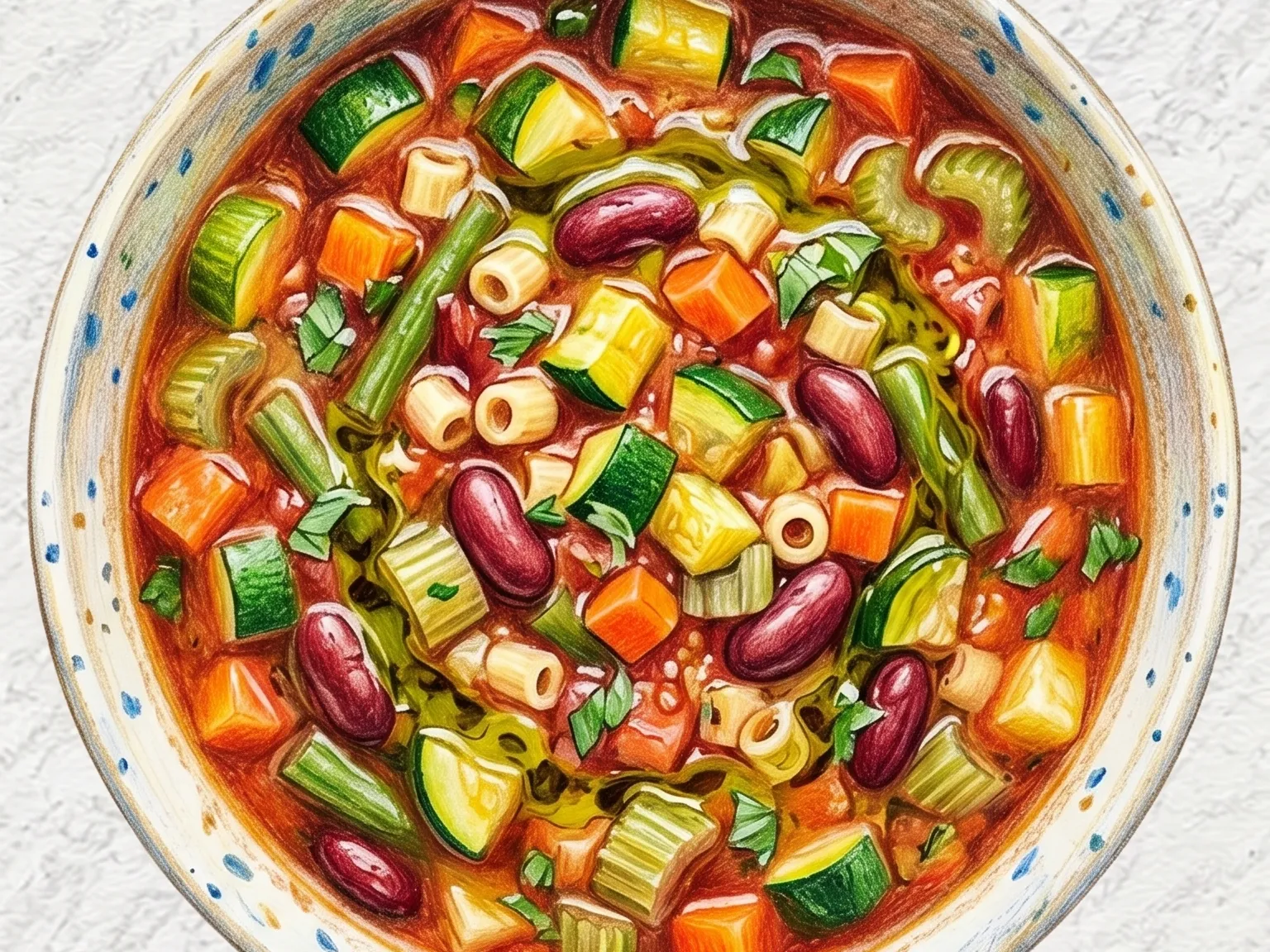
Minestrone keeps its vegetables distinct by adding them according to cooking time instead of boiling everything from the beginning. Cut 1 onion, 2 carrots, 2 celery stalks, and 1 zucchini into similarly sized small pieces so each spoonful cooks evenly. Finely chop 3 garlic cloves and hold them separately. Warm 3 tablespoons olive oil in a pot over medium heat, then cook the onion, carrots, and celery for about 6 minutes. Add the garlic only after the firmer vegetables soften and the onion edges turn translucent. Cook it for 30 seconds, stopping before it browns. Crush in 400 g whole peeled tomatoes and simmer over medium heat for 5 minutes. Pour in 1200 ml vegetable stock, then add the zucchini and 400 g canned kidney beans. Bring the pot to a boil, lower the heat, and simmer gently for 20 minutes so the vegetables and beans flavor the broth without being broken apart by a violent boil. Add 100 g ditalini directly to the soup and stir the bottom well. Cook for about 8 minutes, checking for a slightly firm al dente center. The starch released by the pasta will thicken the broth as it cooks. If the finished soup becomes tighter than intended, loosen it with a little more hot stock rather than cold water. Turn off the heat before adding 10 g fresh basil and a final drizzle of olive oil, preserving their fresh aroma. Other leftover vegetables can be incorporated using the same order: sturdy pieces early, quick-softening pieces later, and pasta only for its final cooking time.

🏠 Everyday 🎉 Special Occasion
Prep 20min Cook 40min 6 servings
Mushroom Truffle Gnocchi
Pasta Medium

Mushroom Truffle Gnocchi

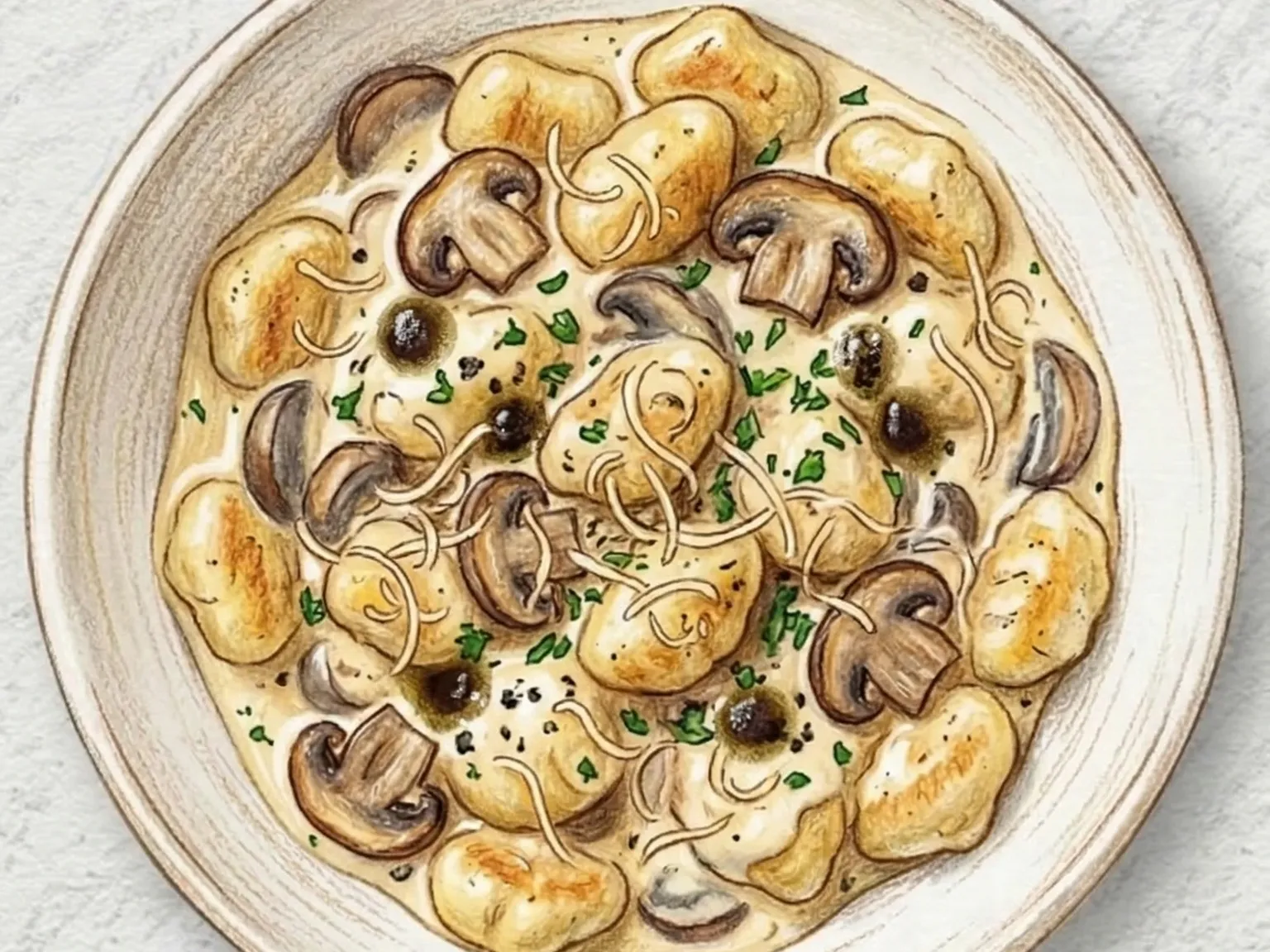
Mushroom truffle gnocchi treats its two main aromas at different temperatures: mushrooms need high heat for browning, while truffle oil is added only after the heat is off. Slice 180 g button mushrooms so they can spread across a wide pan in one layer. Finely mince 2 garlic cloves and measure 150 ml heavy cream, 35 g Parmesan, 1 tablespoon butter, and 1/2 teaspoon salt before cooking. Keep 1 teaspoon truffle oil aside strictly for the finish. Bring a generous pot of water to a steady boil and add 300 g potato gnocchi. Once they float, cook them for only 20 to 30 seconds more, then lift them out and drain thoroughly so residual water does not dilute the cream sauce. Heat a wide pan over high heat, melt the butter, and arrange the mushrooms without overlap. Leave them largely undisturbed for 3 to 4 minutes, allowing their moisture to evaporate and their edges to brown instead of steam. Lower the heat to medium and cook the garlic for just 30 seconds. Pour in the cream before the garlic browns and develops bitterness. Simmer over low heat for 2 to 3 minutes, season with the salt, and look for a consistency that lightly coats the back of a spoon. Add the drained gnocchi and toss gently. Stir in the Parmesan until the sauce clings evenly to each piece. Turn off the heat before drizzling in the truffle oil, mix once, and serve immediately while its aroma remains clear above the browned mushrooms and warm cream.

🎉 Special Occasion 🌙 Late Night
Prep 15min Cook 18min 2 servings
Myeongran Lemon Cream Fettuccine
Pasta Medium

Myeongran Lemon Cream Fettuccine

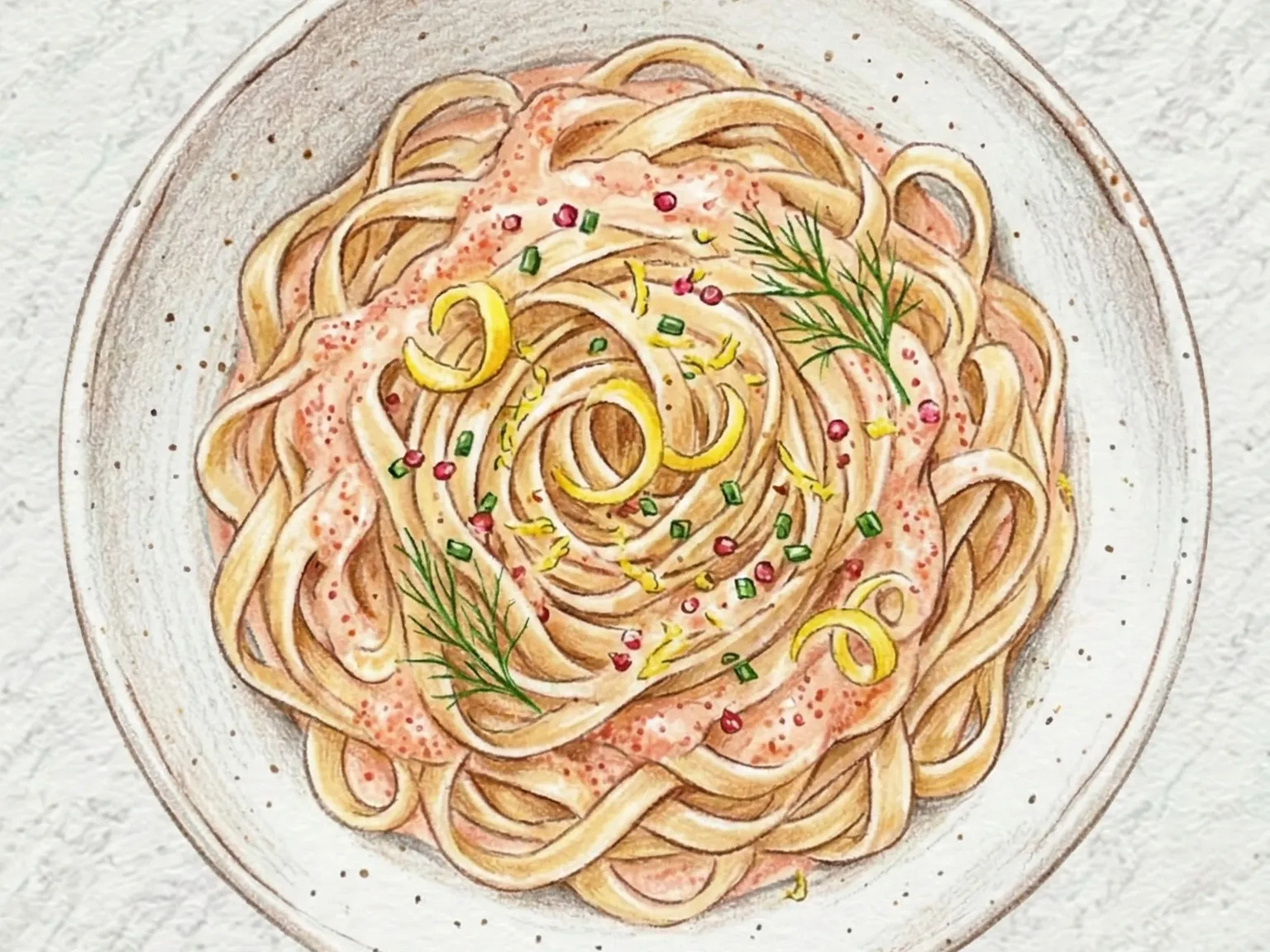
Myeongran lemon cream fettuccine wraps wide pasta ribbons in a sauce made from salted pollock roe, heavy cream, butter, and lemon zest. The small eggs of the roe are left intact and stirred into the sauce off the heat so they stay soft and burst with briny flavor when bitten rather than turning granular or hard. Garlic bloomed in butter forms the aromatic base, and a mixture of heavy cream with milk tempers the roe's saltiness into a smooth, balanced coating. Using lemon zest rather than juice adds a bright citrus fragrance without diluting the sauce or introducing acidity that would curdle the cream. Parmigiano-Reggiano deepens the savory foundation, and fettuccine's broad, flat surface holds the thick cream more effectively than thinner pasta shapes. The entire dish takes about twenty minutes from start to plate, making it a practical weeknight option that does not sacrifice depth of flavor for speed. The critical technique -- incorporating the roe off the heat -- keeps the texture creamy throughout and prevents the eggs from cooking into tough, unpleasant morsels.

🍺 Bar Snacks 🎉 Special Occasion
Prep 15min Cook 20min 2 servings
Japanese Napolitan Spaghetti
Pasta Easy

Japanese Napolitan Spaghetti

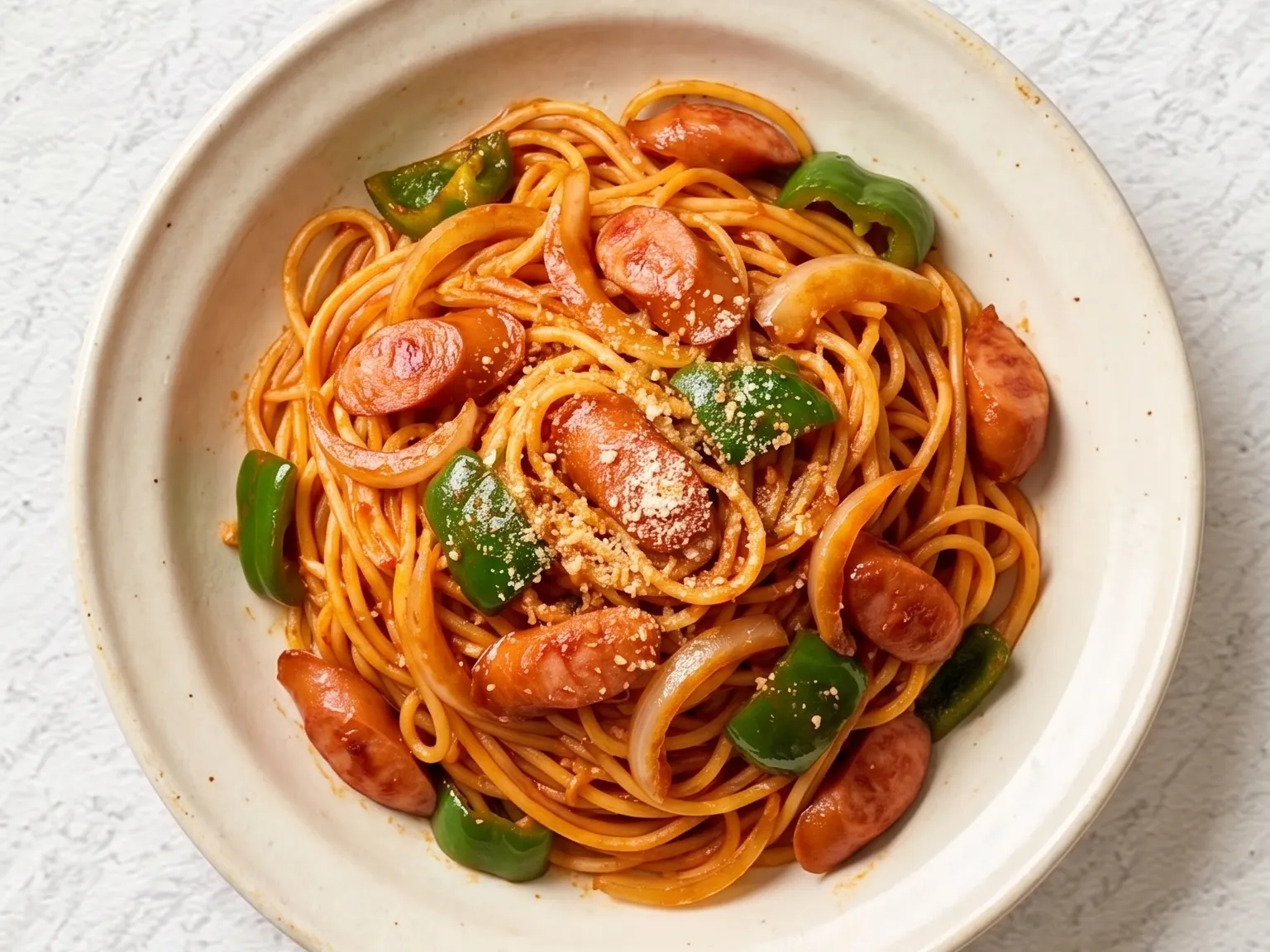
Napolitan spaghetti is a Japanese yoshoku pasta stir-fried with ketchup, sausage, onion, and green bell pepper that traces its origins to postwar Japan, when imported ingredients were scarce and cooks adapted Western techniques with locally available pantry staples. Cooking the ketchup in the pan first drives off moisture and concentrates its tomato sweetness, transforming it from a condiment into a sauce base with genuine depth. Worcestershire sauce adds a layer of fermented complexity that ketchup alone cannot provide. The sausage goes in first to render its fat and build flavor, followed by onion and pepper stir-fried quickly over high heat to retain their texture. Spaghetti cooked al dente with a quarter cup of pasta water reserved helps the sauce cling to the noodles when tossed together in the pan. A knob of butter stirred in at the end rounds off the ketchup's acidity and gives the finished dish a glossy, sweet-savory character that has made napolitan a beloved nostalgic dish in Japanese home cooking.

🏠 Everyday 🧒 Kid-Friendly
Prep 15min Cook 15min 2 servings
Orecchiette with Broccoli Rabe
Pasta Easy

Orecchiette with Broccoli Rabe

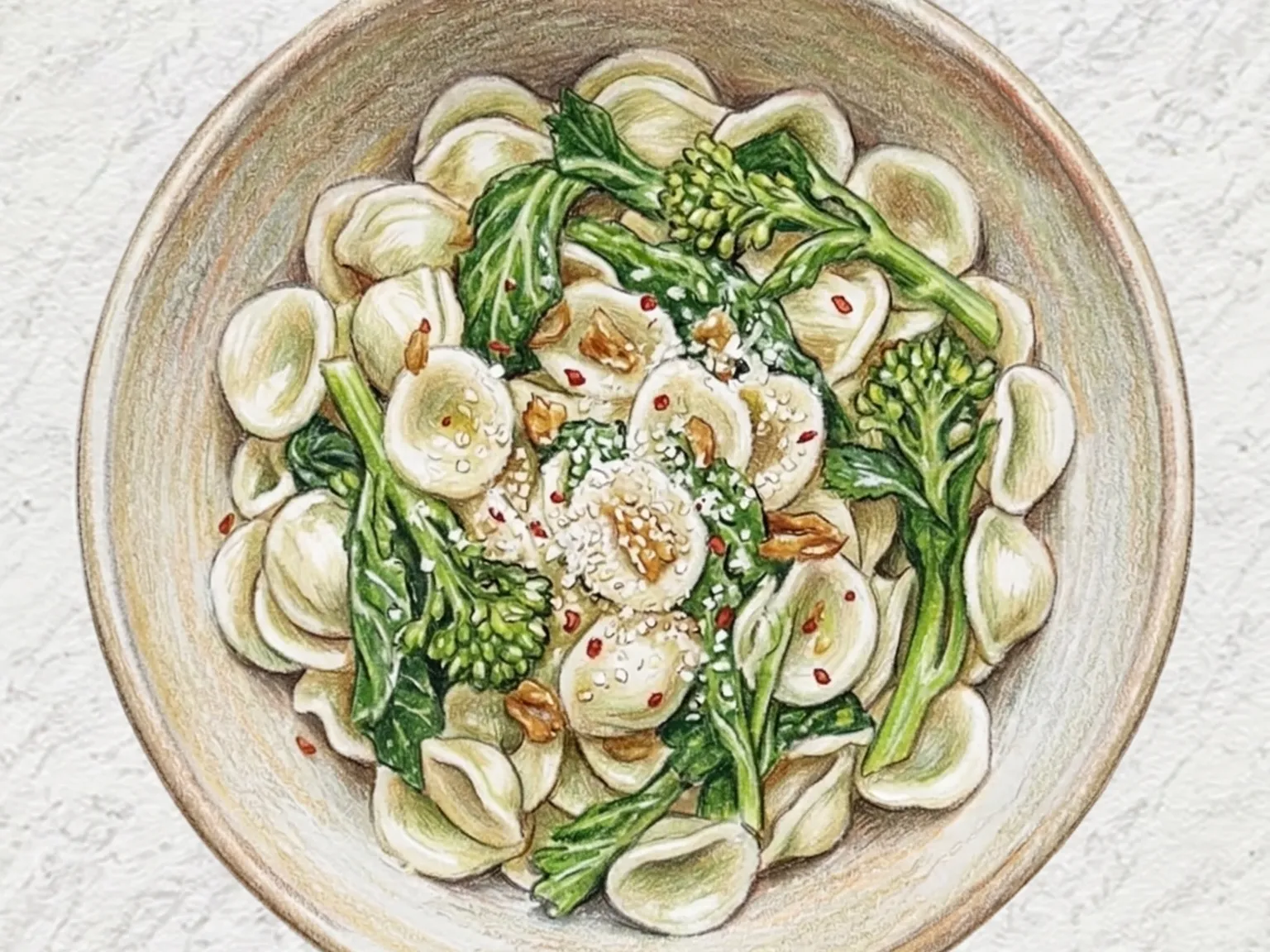
Orecchiette with broccoli rabe is a Southern Italian pasta from Puglia that pairs ear-shaped pasta with blanched broccoli rabe, garlic, anchovy, and dried chili in olive oil. Blanching the broccoli rabe for one to two minutes tames its bitterness, and cooking the pasta in the same water infuses it with the green's flavor. Garlic and anchovy fillets are warmed slowly in olive oil until the anchovy dissolves into a savory paste, providing salt and umami without needing additional seasoning. Dried chili flakes contribute a gentle background heat. Tossing the drained pasta and greens in the pan with a splash of pasta water emulsifies the oil into a light coating on every piece. Grated parmesan scattered on top adds a salty, nutty finish that balances the vegetal bitterness.

🎉 Special Occasion ⚡ Quick
Prep 12min Cook 15min 2 servings
Pasta al Limone (Italian Lemon Butter Cream Pasta)
Pasta Easy

Pasta al Limone (Italian Lemon Butter Cream Pasta)

Pasta al limone is a pasta from southern Italy that relies entirely on lemon zest, lemon juice, butter, cream, and Parmesan for its sauce, with no tomato and no meat to complicate the flavor. The citrus oils drawn from the zest dissolve into warm butter and spread their aroma evenly through the fat before any liquid is added, which is what gives the finished sauce its rounded, lingering lemon character rather than a sharp acidic bite. A ladleful of starchy pasta water is then added to emulsify everything into a glossy, clingy coating that holds to each strand of linguine without pooling at the bottom of the plate. Cooking the sauce over low heat throughout is critical: cream added to high heat separates and loses its silky texture. Linguine cooked al dente provides enough resistance to stand up to the light sauce without the combination feeling heavy or cloying. Total preparation from filling a pot with water to plating takes roughly twenty minutes, making it a realistic weeknight option despite its refined result.

🏠 Everyday 🎉 Special Occasion
Prep 10min Cook 12min 2 servings
Pasta alla Genovese (Neapolitan Slow-Braised Onion and Beef Ragu)
Pasta Hard

Pasta alla Genovese (Neapolitan Slow-Braised Onion and Beef Ragu)

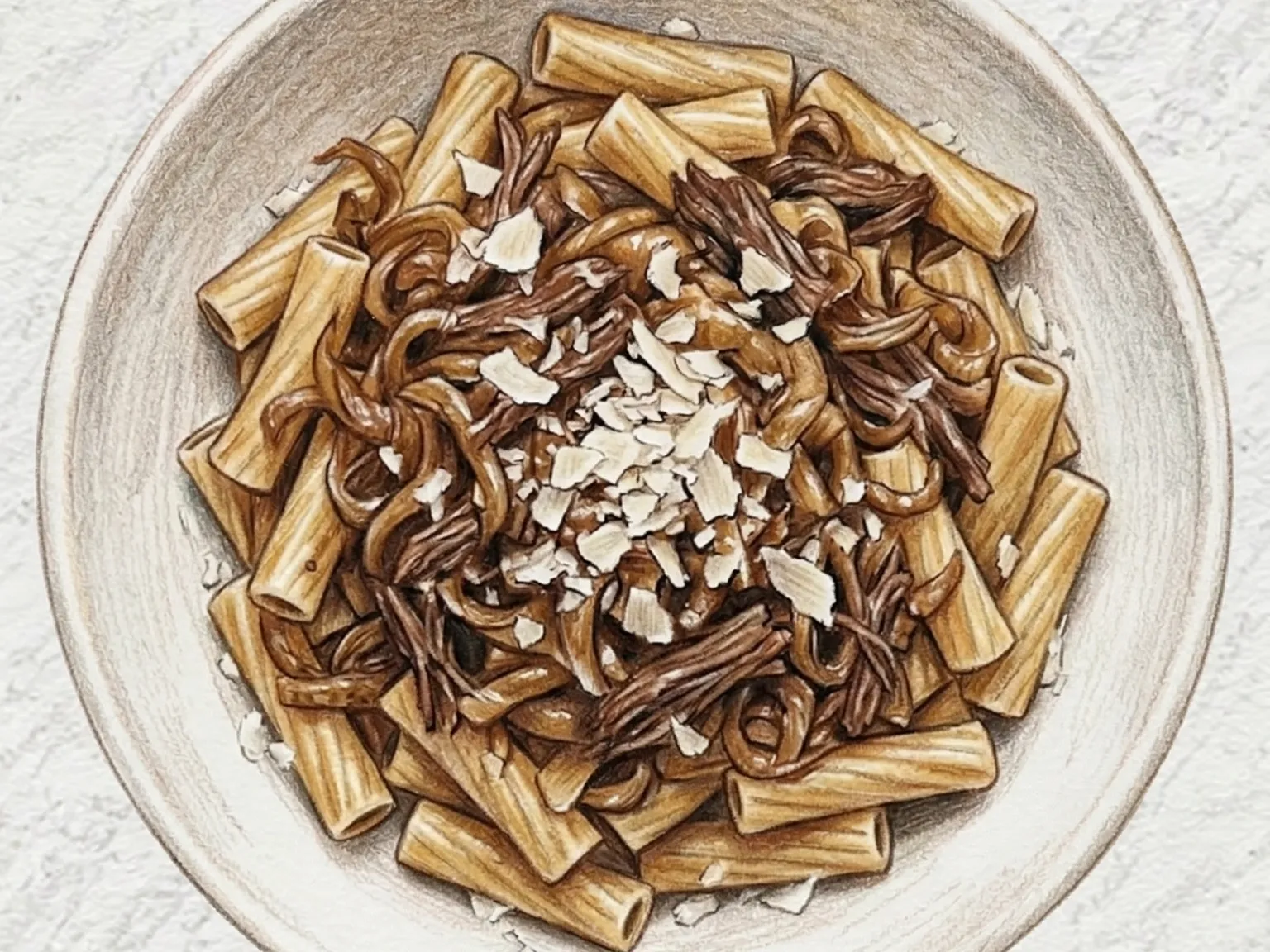
Pasta alla Genovese is a Neapolitan slow-cooked ragu that uses a large volume of onions braised together with beef chuck for at least two hours over low heat. No tomato is involved at any stage; the sauce draws all its sweetness from the onions, which gradually dissolve and caramelize into a thick, deeply savory base, while white wine and the rendered beef fat add richness and acidity. Once the onions have nearly melted into the sauce, the beef is shredded and folded back in, giving the finished ragu a dense, almost jam-like consistency with strands of meat throughout. Despite its name, the dish has no connection to Genoa or Ligurian basil pesto; it is a distinctly Neapolitan preparation, and the name is thought to trace back to Genoese cooks or merchants who settled in Naples. Ziti is the traditional pasta shape, served with a generous dusting of Parmigiano-Reggiano.

🎉 Special Occasion 🍺 Bar Snacks
Prep 25min Cook 120min 4 servings
Pasta alla Gricia (Roman Guanciale Pecorino Black Pepper Pasta)
Pasta Medium

Pasta alla Gricia (Roman Guanciale Pecorino Black Pepper Pasta)

This two-serving pasta uses 200 g spaghetti, 120 g guanciale, 60 g Pecorino Romano, and black pepper. Cut the guanciale into long strips about 5 mm wide and place it in a cold pan over low heat. Cook it slowly for about 8 minutes, lowering the heat if necessary, until the fat looks clear and the edges are crisp without being scorched. Grate the Pecorino very finely before boiling the pasta, because coarse shreds are more likely to seize into lumps. Cook the spaghetti in water seasoned with 1 teaspoon salt until 1 minute short of al dente, and reserve 1 cup of the starchy water before draining. Add the pasta to the guanciale pan with 1/2 cup of that water and toss over medium-low heat for about 1 minute. The liquid is ready for the cheese when the pork fat and water have joined into a glossy coating instead of separating in the pan. Turn off the heat, or reduce it to the lowest setting, and add the grated Pecorino and 1 teaspoon black pepper in several portions while tossing quickly with tongs. If the sauce becomes too tight, loosen it one spoonful at a time with the remaining pasta water. Serve immediately when a thin, smooth cheese emulsion coats the noodles and the guanciale still has crisp edges.

🎉 Special Occasion 🏠 Everyday
Prep 10min Cook 18min 2 servings
Pasta alla Norma (Sicilian Fried Eggplant Tomato Pasta)
Pasta Easy

Pasta alla Norma (Sicilian Fried Eggplant Tomato Pasta)

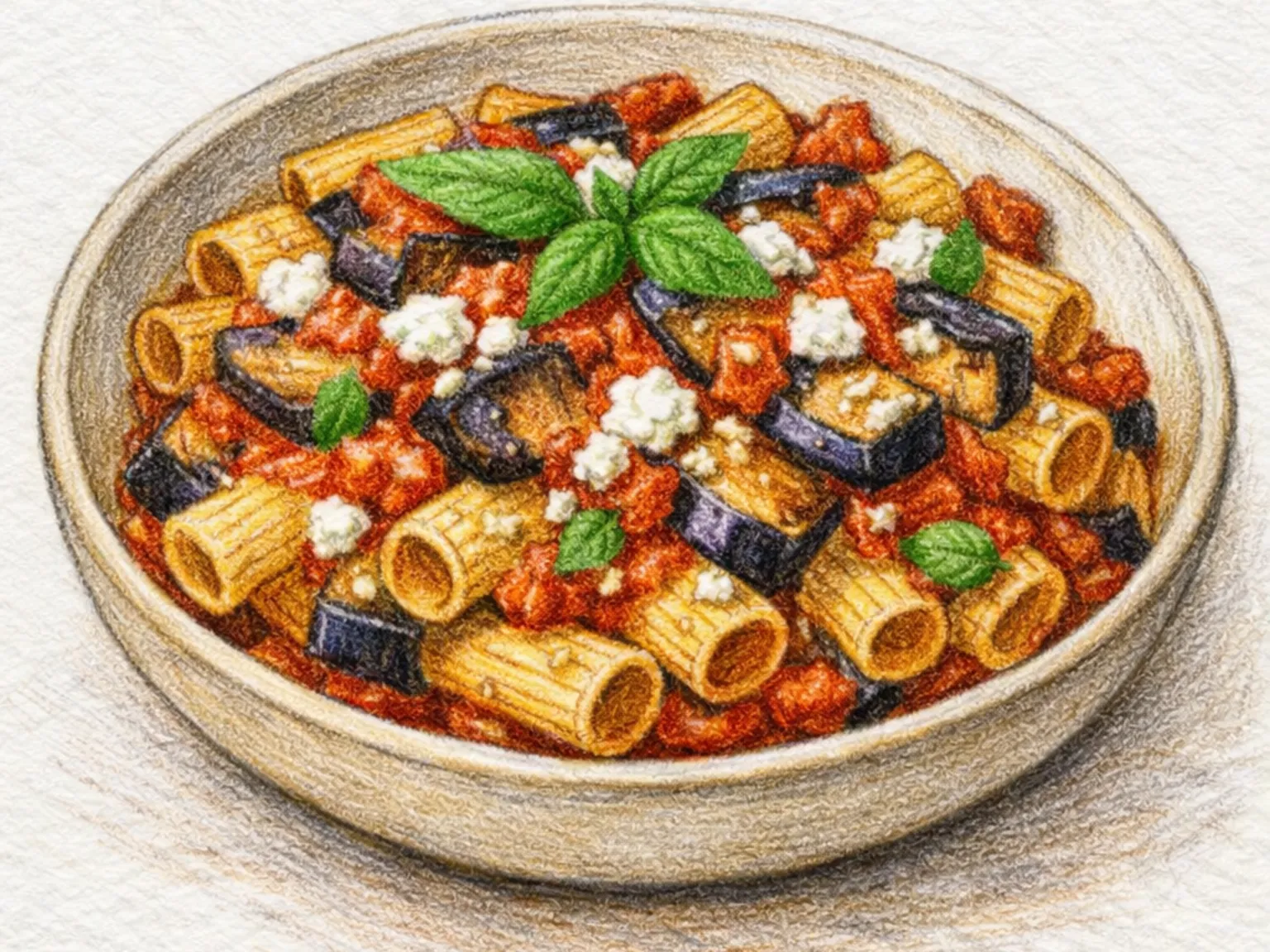
Pasta alla Norma is a Sicilian eggplant and tomato pasta associated with Catania. Cut 220 g eggplant into 1.5 cm cubes, salt the pieces, and leave them for 10 minutes. Pressing away the beads of moisture helps the eggplant brown instead of steaming and keeps the centers firm enough to hold their shape in the sauce. Spread the cubes in one layer in 2 tablespoons olive oil and turn them for 6 to 8 minutes until several sides are golden. Add 2 minced garlic cloves for only 30 seconds, then pour in 300 ml tomato passata and simmer for 5 to 7 minutes. Cook 220 g spaghetti until just short of al dente, transfer it to the pan 1 minute before the package time, and reserve some pasta water. Maintain medium-low heat and toss the noodles for 1 minute, adding the starchy water in small splashes until the tomato sauce coats them smoothly. Turn off the heat before adding 8 g fresh basil and 30 g parmesan. The finished plate combines browned eggplant with a soft center, a concentrated tomato sauce, fragrant basil, and a salty cheese finish.

🏠 Everyday 🎉 Special Occasion
Prep 15min Cook 20min 2 servings
Pasta all'Amatriciana (Roman Guanciale Tomato Pasta)
Pasta Medium

Pasta all'Amatriciana (Roman Guanciale Tomato Pasta)

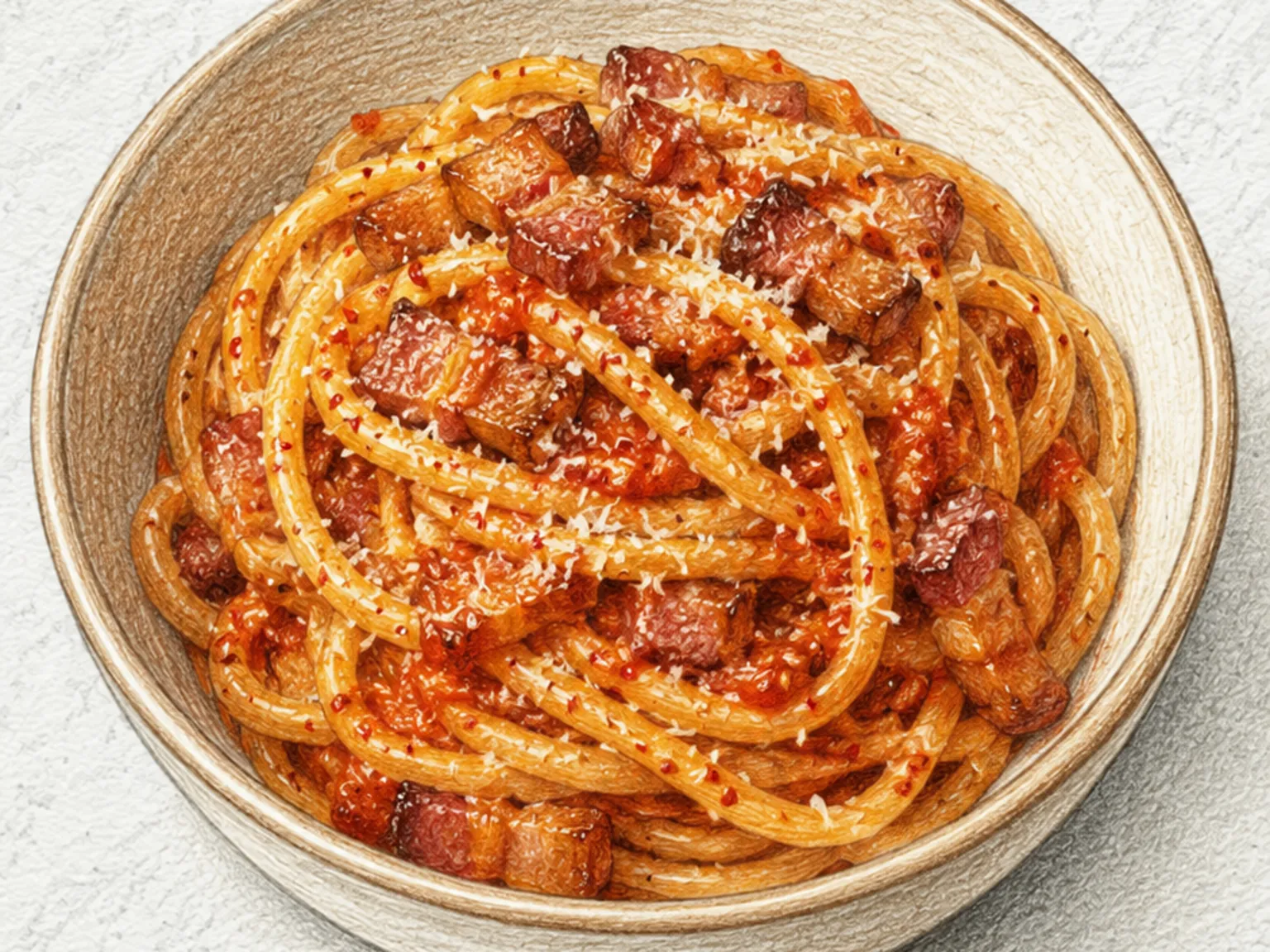
Pasta all'Amatriciana uses the clear fat slowly rendered from guanciale as the base of its tomato sauce, while a crisp portion of the pork is reserved for the final Pecorino topping. For 2 servings, prepare 200 g bucatini, 120 g guanciale, 300 g whole canned tomatoes, 40 g Pecorino Romano, 60 g onion, 0.5 teaspoon chili flakes, 1 tablespoon olive oil, and 0.75 teaspoon salt. Cut the guanciale into batons thick enough to crisp without drying out. Finely chop the onion and crush the tomatoes by hand before heating the pan. Put the olive oil and guanciale in a pan over medium-low heat. Cook for about 6 minutes, stirring often, until the fat renders clear and the edges become crisp. Lift out a small portion for topping and leave the rendered fat behind. Add the onion and cook over medium heat for 2 minutes, until softened and sweet. Stir in the chili flakes for only 20 seconds, then add the crushed tomatoes. Simmer over medium heat for 12 minutes. Cook the bucatini in water seasoned with the salt until al dente and reserve 120 ml pasta water before draining. Add the pasta to the sauce and toss over high heat for 1 minute. Splash in the starchy water gradually until the sauce looks glossy and coats the hollow noodles. Turn off the heat and finish with the Pecorino and reserved guanciale.

🎉 Special Occasion 🌙 Late Night
Prep 15min Cook 25min 2 servings
Pasta Bolognese
Pasta Medium

Pasta Bolognese

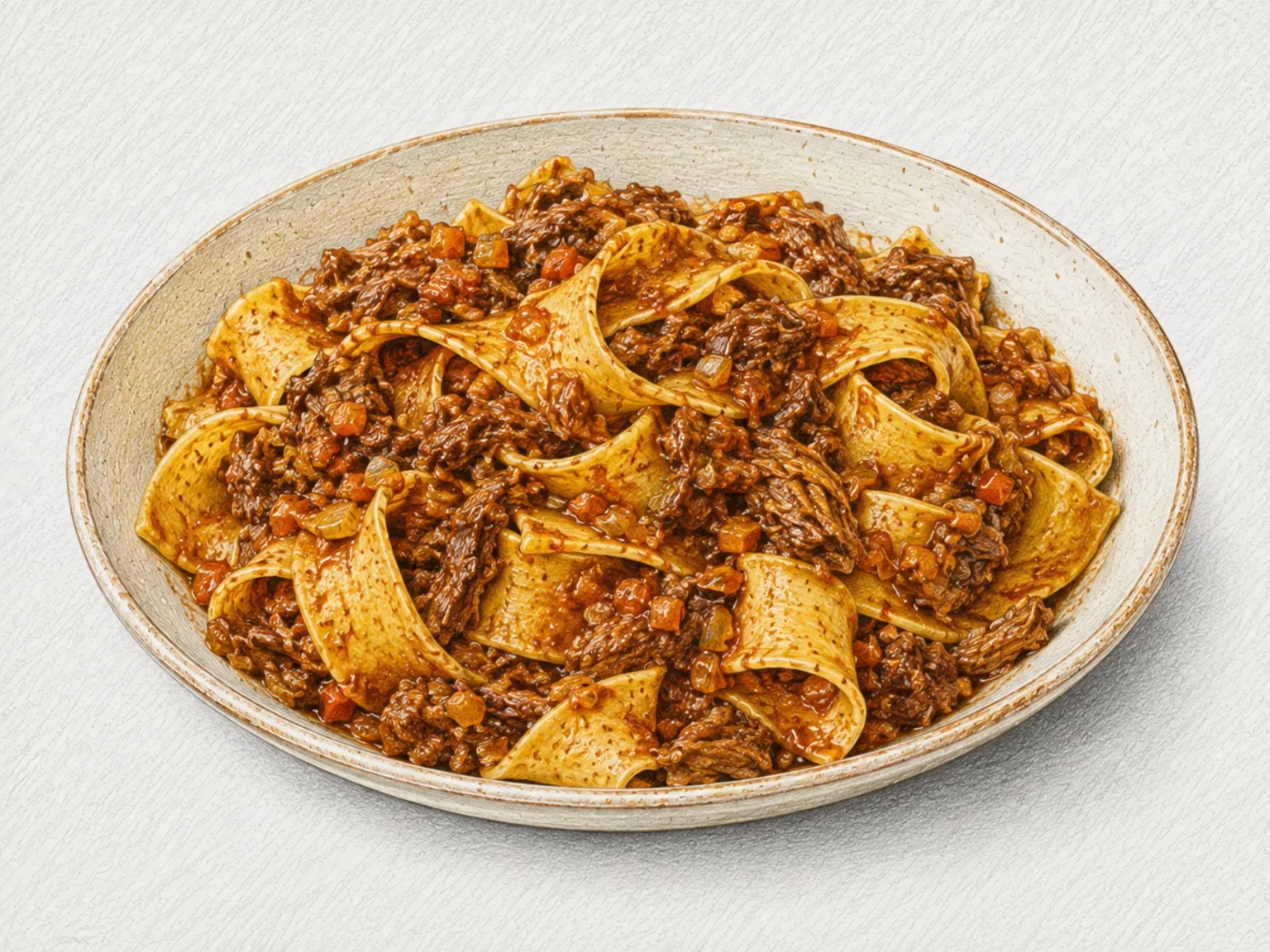
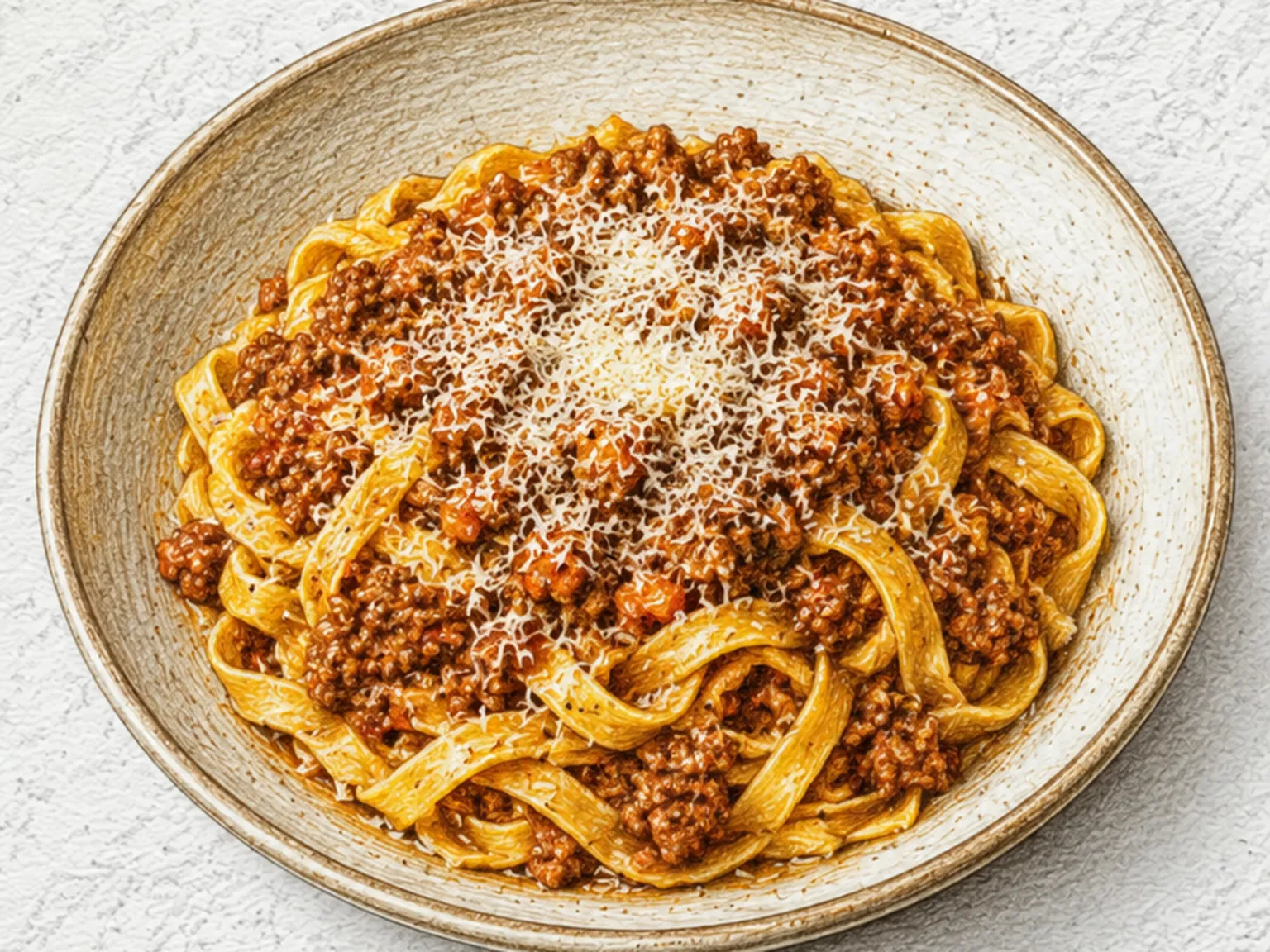
Pasta Bolognese is a slow-simmered meat ragu from Bologna in Emilia-Romagna, built on a soffritto of onion, carrot, and celery cooked down with a mixture of ground beef and ground pork. Browning the meat properly in a hot pan before any liquid is added creates a Maillard crust that contributes a depth of flavor that no amount of simmering can replicate. Red wine deglazes the pan, lifting every bit of browned fond from the bottom. Whole milk is then stirred in to soften the acidity and tenderize the proteins, which is the detail that separates a true Bolognese from a generic meat sauce. The ragu requires at least one hour of low, uncovered simmering for the fat to separate, the liquid to reduce, and the meat to break down into a cohesive sauce. Tagliatelle is the canonical pairing in the region, with the wide, egg-enriched ribbons catching the chunky sauce in every fold. Freshly grated Parmigiano-Reggiano finishes the dish. Cooking the tomato paste directly in the pan after the soffritto for two minutes caramelizes its natural sugars and removes raw bitterness before any liquid goes in.

🎉 Special Occasion 🍺 Bar Snacks
Prep 20min Cook 90min 4 servings
Pasta e Ceci (Italian Chickpea Stew Pasta)
Pasta Easy

Pasta e Ceci (Italian Chickpea Stew Pasta)

Pasta e ceci is an Italian one-pot dish in which small pasta cooks directly in a chickpea broth until the liquid becomes thick enough to resemble a stew. Divide 260 g cooked chickpeas into two portions, mashing one half and keeping the other whole. The mashed beans release starch and provide body, while the intact chickpeas keep a distinct bite. Soften 60 g finely chopped onion and 2 garlic cloves in 2 tablespoons olive oil over medium-low heat for about 4 minutes. Add 1 tablespoon tomato paste and 1 teaspoon rosemary and cook them for another minute, until the paste deepens in color and the herb is fragrant. Stir in both portions of chickpeas and 700 ml vegetable stock, then bring the pot to a boil. Add 160 g ditalini and simmer for about 8 minutes over medium-low heat. Frequent stirring is important once the liquid starts reducing because the small pasta releases more starch and can catch on the bottom. Serve as soon as the ditalini is tender and the broth clings to the chickpeas and pasta. The finished bowl has the creaminess of mashed legumes without added cream, plus whole beans for texture and a savory tomato and rosemary base.

🥗 Light & Healthy 🏠 Everyday
Prep 10min Cook 25min 2 servings
Pasta e Fagioli (Italian Rustic Bean and Pasta Soup)
Pasta Easy

Pasta e Fagioli (Italian Rustic Bean and Pasta Soup)

Pasta e fagioli thickens in two deliberate stages: roughly mashed cannellini beans give body to the broth, then ditalini cooked directly in the pot releases starch and absorbs liquid. Finely dice 1 onion, 2 celery stalks, and 1 carrot, and mince 3 garlic cloves. Drain 400 g canned cannellini beans and crush 400 g whole peeled tomatoes by hand. Warm 3 tablespoons olive oil in a heavy pot over medium heat. Cook the onion, celery, and carrot for about 6 minutes, stirring often so they soften without taking on hard brown edges. Add the garlic and 1 sprig fresh rosemary for 1 minute. Before the garlic browns, add the crushed tomatoes and scrape the bottom of the pot to release the cooked-on vegetable flavor. Simmer the tomatoes over medium-low heat for 10 minutes, until slightly thicker. Pour in 800 ml chicken stock and add the beans, then return the soup to a steady simmer. Lift out about one third of the beans, mash them roughly with a fork, and stir them back into the pot. Simmer for 5 minutes more, watching the broth become cloudy, smoother, and fuller without cream. Add 150 g ditalini and cook over medium heat, stirring frequently until al dente. The pasta will keep releasing starch and taking up broth, so if the pot becomes too thick, add water in small splashes rather than flooding it. Stop when the pasta retains a firm center and the mixture still eats like a soup rather than a solid pasta dish.

🏠 Everyday 🌙 Late Night
Prep 15min Cook 40min 4 servings
Pasta Primavera
Pasta Easy

Pasta Primavera

Pasta primavera is a vegetable-forward Italian pasta that stir-fries broccoli, zucchini, bell pepper, and green peas in olive oil with garlic before tossing with spaghetti. Cutting each vegetable to a similar size and adding them in stages preserves distinct textures, while a splash of pasta water emulsifies the oil into a light, glossy coating that clings to every strand without the need for cream or a heavy sauce. Parmesan is folded in off the heat to prevent clumping, melting smoothly into the dish. The result is a bright, clean pasta that lets the natural sweetness and fragrance of the vegetables take center stage. Swapping in whatever vegetables are at peak freshness is part of how this dish works, making it as adaptable as it is straightforward to prepare.

🥗 Light & Healthy ⚡ Quick
Prep 15min Cook 15min 2 servings

About Pasta

Cooking time and salt level are the two factors that make or break a pasta dish. With properly al dente noodles and a well-made sauce, restaurant-quality pasta is entirely achievable at home.