Charim

2686 Korean & World Recipes

2686+ Korean recipes, clean and organized. Ingredients to instructions, all at a glance.

Yuja Shrimp Basil Linguine
Pasta Easy

Yuja Shrimp Basil Linguine

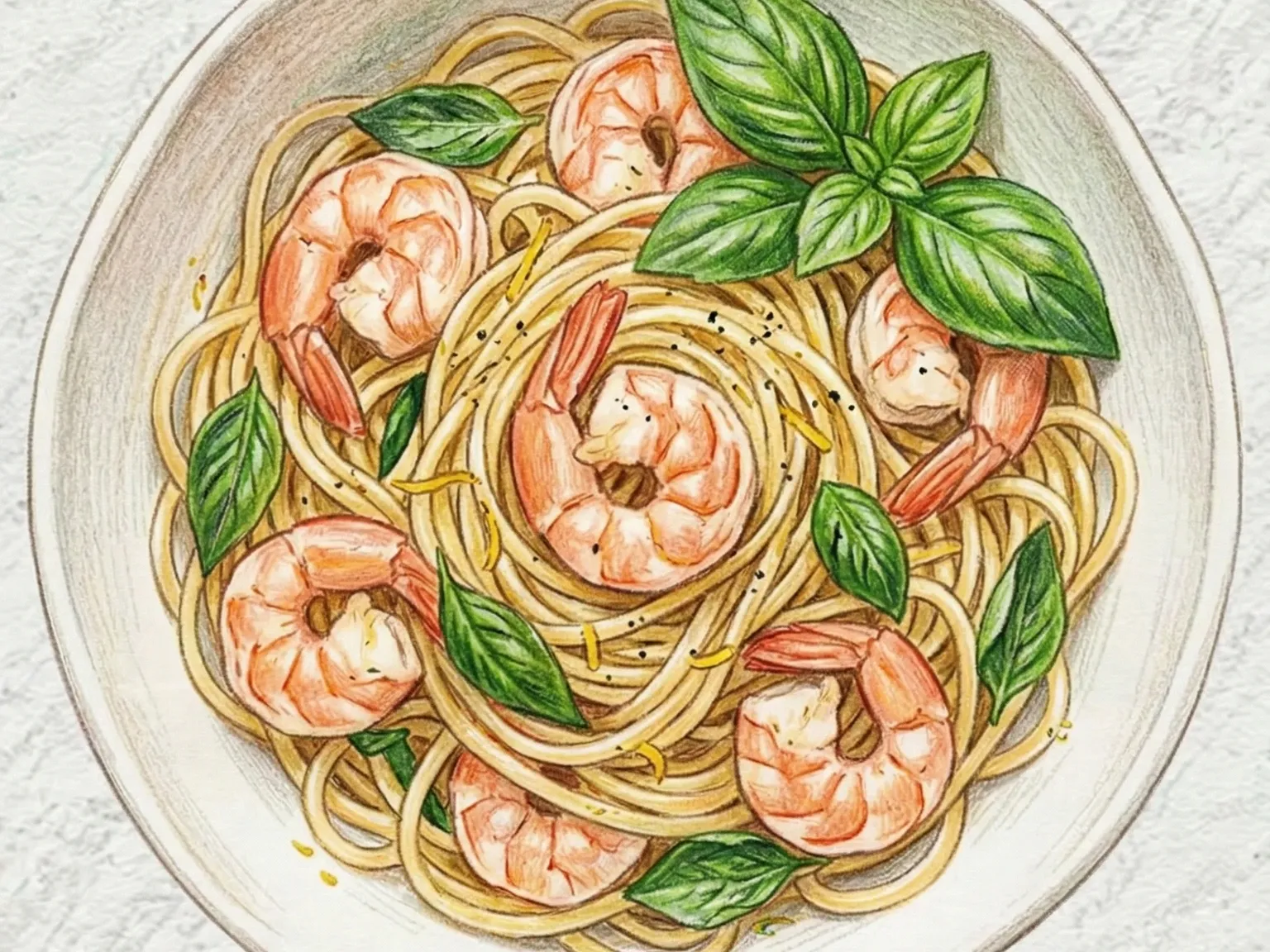
Yuja shrimp basil linguine keeps total shrimp cook time under three minutes to preserve a springy bite, deveining and patting them dry before searing. Garlic and red pepper flakes are gently sauteed in olive oil over low heat to build an aromatic base, and a splash of white wine cooks off quickly to add clean depth. Yuja marmalade brings citrus sweetness that is dialed in gradually since brands vary in sugar content, and three tablespoons of starchy pasta water bind the sauce into a light glaze that clings to the linguine. Basil leaves are folded in off the heat to keep their volatile oils intact, layering fresh herbal fragrance over the yuja's citrus notes.

Prep 12min Cook 15min 2 servings

Adjust Servings

2servings
servings

Instructions

  1. 1

    Devein shrimp and pat dry thoroughly with paper towels.

  2. 2

    Cook linguine al dente and reserve 3/4 cup pasta water.

  3. 3

    Heat olive oil and gently saute garlic with pepper flakes over low heat.

  4. 4

    Add shrimp and cook until pink, then pour in white wine and reduce briefly.

  5. 5

    Stir in yuja marmalade with 3 tbsp pasta water, then toss in linguine.

  6. 6

    Turn off heat and finish with basil, salt, and pepper.

🛒Shop Ingredients on Amazon

As an Amazon Associate, we may earn from qualifying purchases.

Tips

Yuja marmalade can be sweet, so start small and adjust.
Avoid overcooking shrimp; keep total shrimp cook time to 2-3 minutes.

Nutrition (per serving)

Calories
560
kcal
Protein
31
g
Carbs
63
g
Fat
18
g

More Recipes

Korean Zucchini Shrimp Stir-fry
Stir-fryEasy

Korean Zucchini Shrimp Stir-fry

Hobak-saeu-bokkeum is a light Korean stir-fry of thinly sliced zucchini and shrimp seasoned simply with soy sauce, cooking wine, and garlic. The zucchini softens and releases natural sweetness as it cooks, while the shrimp stay plump with a quick sear. The dish relies on the clean flavors of its core ingredients rather than heavy seasoning, keeping it mild and grease-free. It comes together in minutes, making it a go-to side dish for weeknight dinners and packed lunches.

🥗 Light & Healthy🏠 Everyday
Prep 12minCook 8min2 servings
Chamnamul Walnut Pesto Trofie
PastaEasy

Chamnamul Walnut Pesto Trofie

Chamnamul walnut pesto trofie coats twisted pasta shapes in a pesto made from Korean chamnamul (wild parsley), walnuts, Parmigiano, and olive oil. Chamnamul has a lighter, more herbaceous flavor than basil, with a faintly bitter finish that gives the pesto a distinctly Korean aromatic quality. Walnuts contribute a heavier, more robust nuttiness than pine nuts, thickening the sauce and anchoring the savory depth alongside the aged cheese. The spiral grooves of trofie trap the pesto in every fold, releasing flavor evenly with each bite. Adding enough olive oil during blending slows oxidation and keeps the chamnamul's green color from darkening too quickly.

🥗 Light & Healthy🎉 Special Occasion
Prep 15minCook 12min2 servings
Crown Daisy & Tofu Yuzu Salad
SaladsEasy

Crown Daisy & Tofu Yuzu Salad

Crown daisy and tofu yuzu salad presses firm tofu dry, sears it in a pan for six to eight minutes until the surface develops a golden crust, and pairs it with crown daisy, half-moon cucumber slices, and thinly sliced red onion in a yuzu marmalade dressing. The yuzu's bright citrus fragrance and subtle bitterness meet crown daisy's bold herbal aroma, and the two botanical notes amplify each other rather than compete. Soy sauce and sesame oil anchor the dressing with fermented depth and nuttiness, preventing the floral top notes from floating untethered. The tofu's soft, creamy interior contrasts with the fibrous crown daisy stems, and cucumber's cool moisture keeps the overall impression light. Avoiding frequent flipping during searing lets a proper crust form on the tofu's surface.

🥗 Light & Healthy
Prep 15minCook 8min2 servings
Korean Yuzu Salt Grilled Scallops
GrilledEasy

Korean Yuzu Salt Grilled Scallops

Gwanja yuja-sogeum-gui is a Korean yuzu-salt grilled scallop dish that demands thoroughly dry scallops-any residual moisture will steam rather than sear-seasoned with coarse salt and black pepper, then seared in olive oil over medium-high heat for ninety seconds per side to build a deep golden-brown crust. Lowering the heat and basting with melted butter coats each scallop in a nutty richness while preserving the bouncy, translucent center that defines a well-cooked scallop. The yuzu-lemon finishing sauce is applied only after the heat is turned off, because cooking would volatilize the citrus oils and flatten the bright, fragrant acidity that is the dish's signature. Each bite delivers a sequence of coarse salt crystals, warm butter, oceanic sweetness, and a clean citrus lift, finished with a visual scatter of chopped chives.

🍺 Bar Snacks
Prep 15minCook 10min2 servings
Gochujang Shrimp Cream Pasta
PastaMedium

Gochujang Shrimp Cream Pasta

Gochujang shrimp cream pasta merges fermented Korean chili paste with heavy cream into a single cohesive sauce. Shrimp are seared at high heat first to build a caramelized crust, then folded into the gochujang-cream mixture along with milk and garlic. The fermented depth of gochujang works differently from standard chili heat - it carries malty sweetness and umami that round out the dairy richness rather than clashing with it. Parmesan grated into the sauce adds salt and nuttiness, while reserved pasta water controls the consistency. The entire dish comes together in about 20 minutes, keeping the shrimp firm and the sauce glossy.

🎉 Special Occasion
Prep 15minCook 20min2 servings
Korean Shrimp Seaweed Soup
SoupsEasy

Korean Shrimp Seaweed Soup

Saeu-miyeok-guk is a Korean seaweed soup made with shrimp instead of the more common beef, producing a lighter bowl with a distinct marine character. The preparation begins by sautéing rehydrated seaweed and garlic in sesame oil, a step that reduces any raw ocean smell and builds a nutty base. Shrimp are added to the pan and cooked just until they begin to turn pink, at which point their natural sweetness melts into the oil. Water is poured in and the soup simmers on medium-low heat for twelve minutes, allowing the mineral-rich seaweed and the shellfish umami to merge into a cohesive broth. Soup soy sauce and salt provide the final seasoning. The texture of the slippery seaweed against the firm shrimp makes each spoonful interesting, and the overall effect is clean and ocean-forward - a lighter alternative to the traditional beef-based version.

🏠 Everyday
Prep 15minCook 20min2 servings
More Pasta →