Charim

2686 Korean & World Recipes

2686+ Korean recipes, clean and organized. Ingredients to instructions, all at a glance.

Korean Zucchini Soybean Paste Soup
Soups Easy

Korean Zucchini Soybean Paste Soup

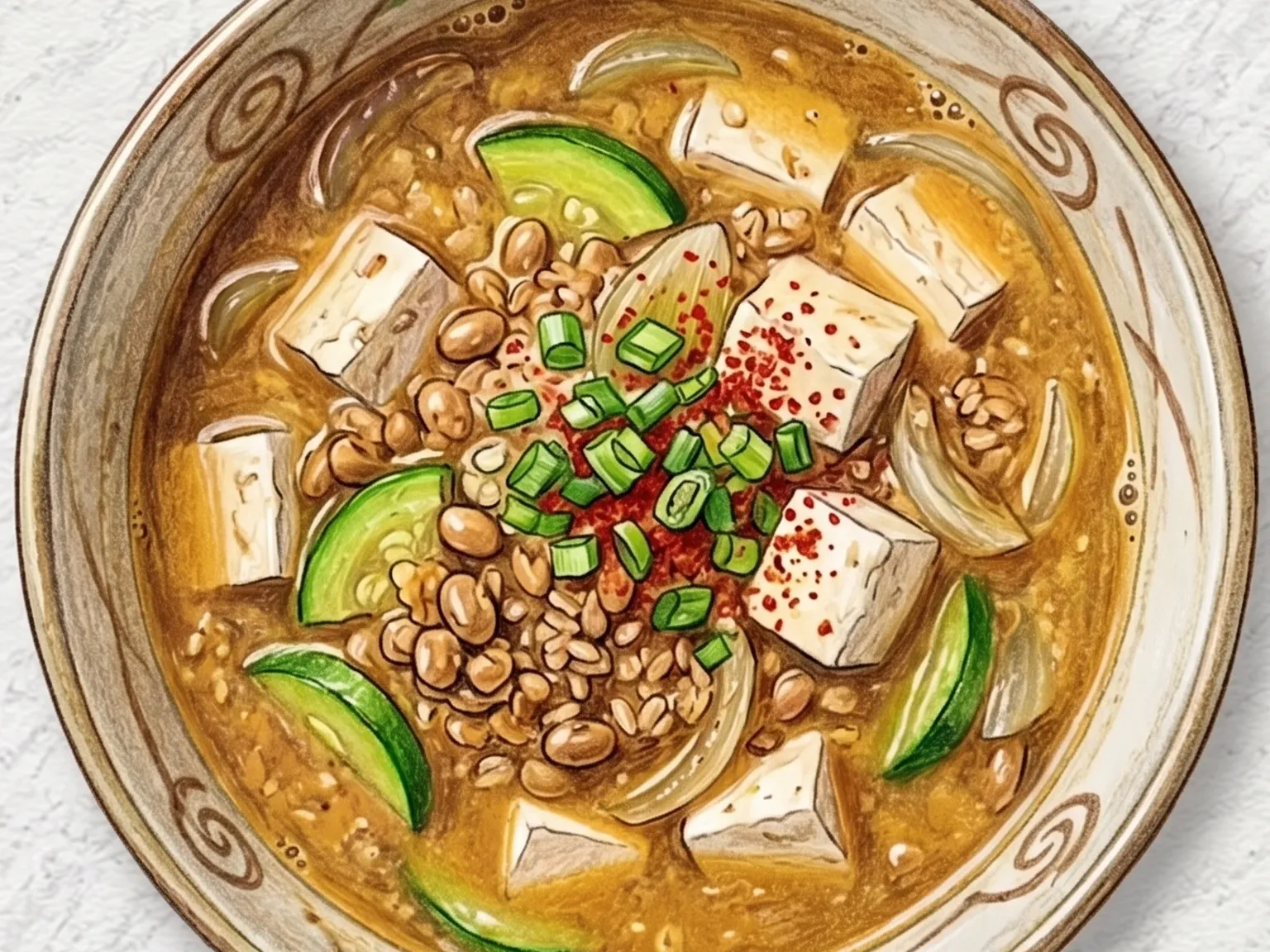
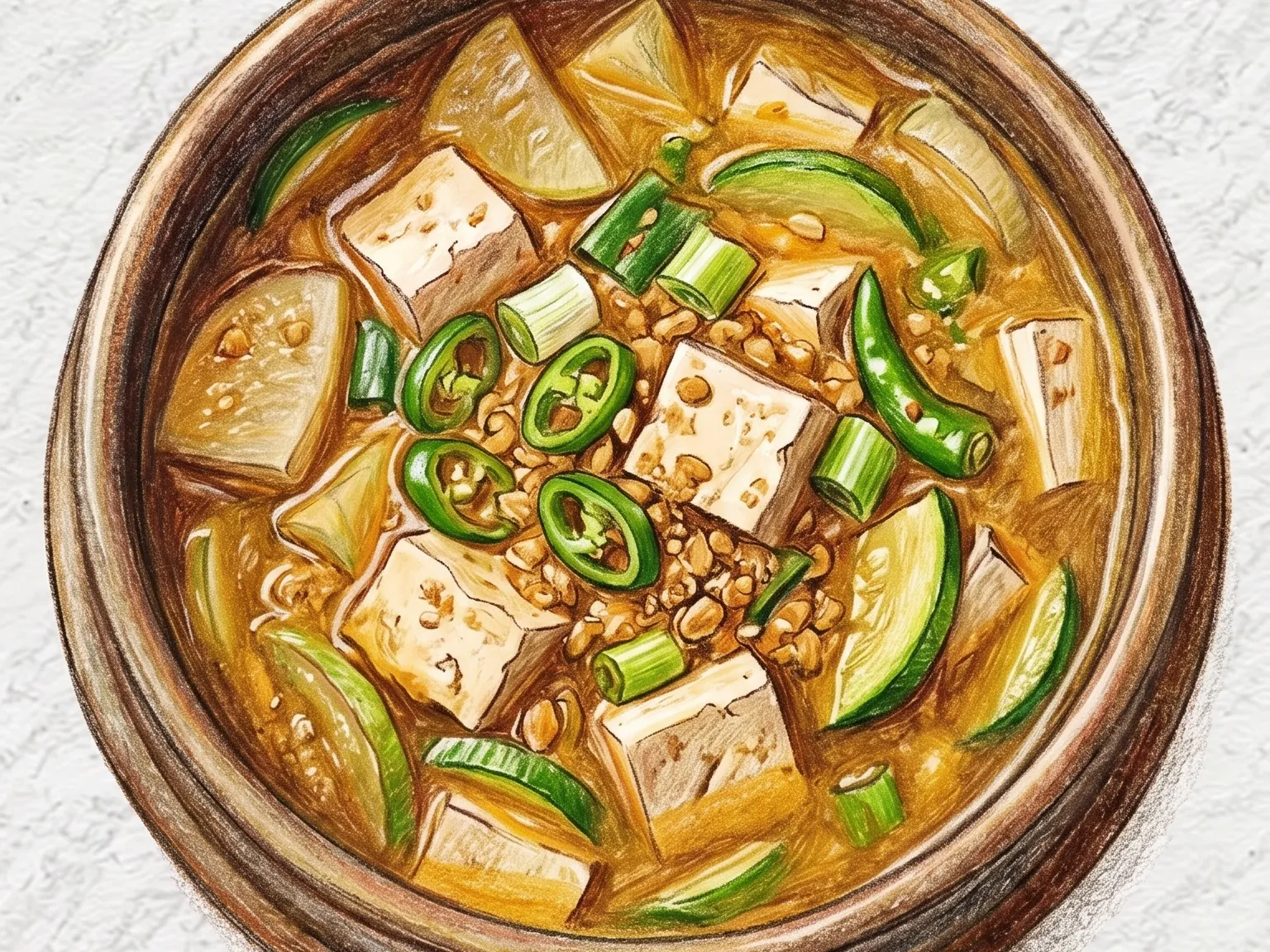
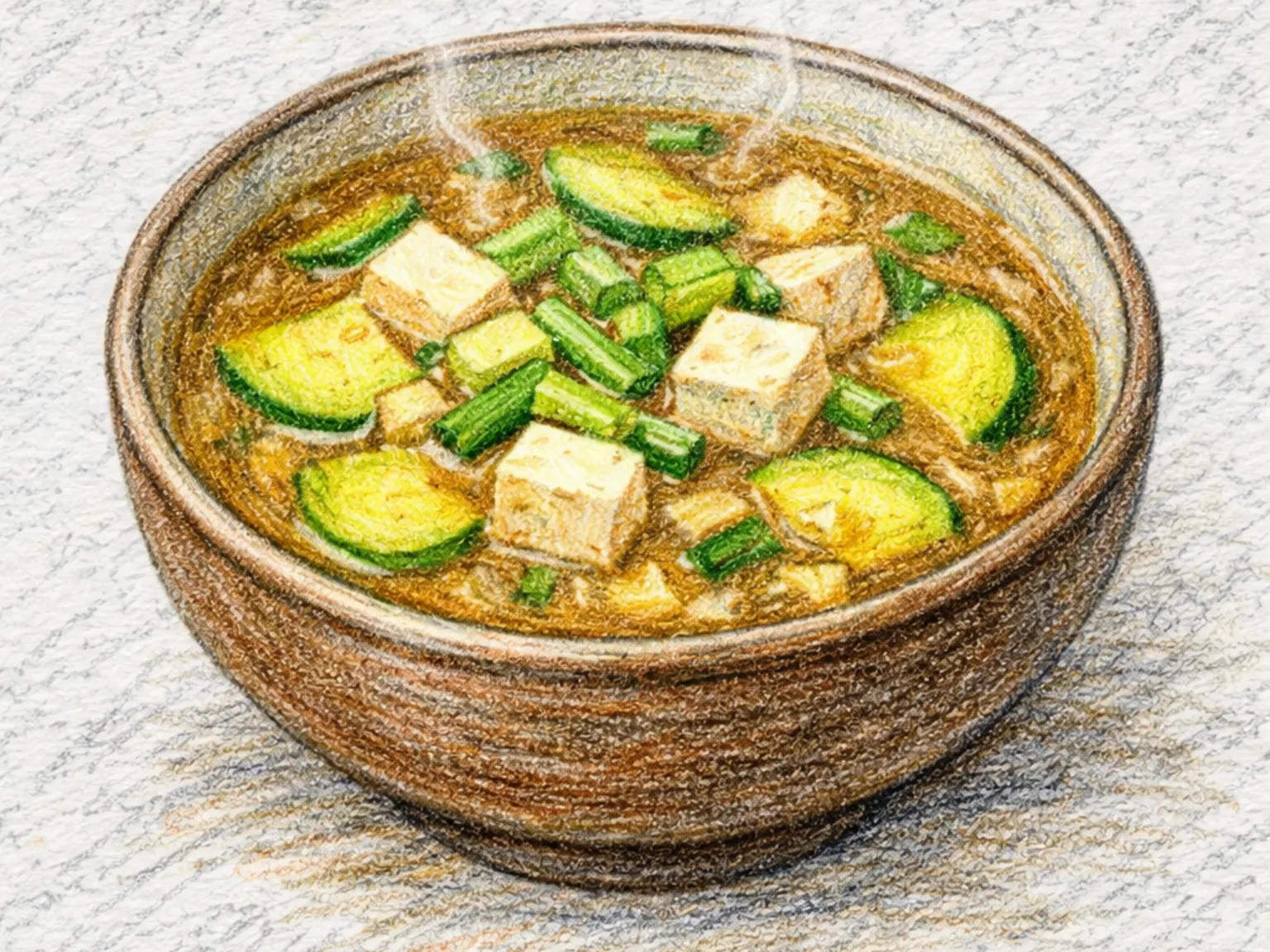
Aehobak doenjang-guk is the soup Koreans think of when they think of home - a bowl of soybean paste broth with soft zucchini that appears on dinner tables more often than any other guk. The foundation is anchovy-kelp stock, which provides a clean umami base for the doenjang to dissolve into. Zucchini is added after the broth has simmered with onion and garlic, cooking just five minutes so each half-moon slice holds its shape while releasing a gentle sweetness into the liquid. Cubed tofu goes in last, warming through without breaking apart. The finished soup is cloudy and golden, with the earthy funk of fermented soybean paste sitting underneath the vegetable sweetness. It is the kind of dish that Korean mothers make when nothing else seems right - uncomplicated, warm, and restorative.

Prep 10min Cook 15min 2 servings

Adjust Servings

2servings
servings

Instructions

  1. 1

    Slice zucchini into half-moons and cut onion and tofu into bite-size pieces.

  2. 2

    Bring stock to a boil and dissolve doenjang through a strainer.

  3. 3

    Add onion and garlic, then simmer for 3 minutes.

  4. 4

    Add zucchini and cook 5 minutes for natural sweetness.

  5. 5

    Add tofu, season with soup soy sauce, and simmer 3 more minutes.

  6. 6

    Finish with green onion for 1 minute and serve hot.

🛒Shop Ingredients on Amazon

As an Amazon Associate, we may earn from qualifying purchases.

Tips

Keep zucchini around 0.7 cm thick so it stays pleasantly textured.
Hold back a little doenjang and adjust after tasting.

Nutrition (per serving)

Calories
165
kcal
Protein
9
g
Carbs
14
g
Fat
8
g

More Recipes

Hobeop-guk (Korean Zucchini Shrimp Soup)
SoupsEasy

Hobeop-guk (Korean Zucchini Shrimp Soup)

Hobak-guk is a mild, clear Korean soup starring thinly half-moon-sliced zucchini. Small dried or fresh shrimp are often added, infusing the broth with a gentle seafood undertone that complements rather than overpowers the vegetable. The seasoning is pared back to soup soy sauce and minced garlic, allowing the zucchini's own soft sweetness to define the bowl. As the slices simmer, they turn translucent and tender while keeping just enough structure to hold their shape on a spoon. The entire soup comes together in about fifteen minutes, making it one of the fastest side dishes in the Korean home kitchen. A handful of sliced green onion stirred in at the end brings a bright finish to an otherwise understated bowl.

🏠 Everyday
Prep 10minCook 15min4 servings
Korean Spinach Soybean Paste Soup
SoupsEasy

Korean Spinach Soybean Paste Soup

Sigeumchi-doenjang-guk is a foundational Korean soup that combines spinach with soybean paste in anchovy-kelp stock, producing a broth that is earthy, warm, and deeply familiar to anyone who grew up eating Korean home cooking. Doenjang is dissolved into the simmering stock first, establishing a savory, slightly funky baseline. Spinach is added near the end and wilts within seconds, contributing a soft green color and a faint bitterness that, rather than clashing with the fermented paste, amplifies its complexity. Tofu is a common addition that gives the soup more substance and a creamy counterpoint to the leafy greens. Garlic and green onion handle the aromatics, and no chili is used, keeping the soup on the gentle end of the Korean flavor spectrum. The key technical point is timing: spinach left in boiling liquid too long turns dull and mushy, so experienced cooks drop it in and turn off the heat almost immediately. This soup is one of the most frequently prepared versions of doenjang-guk in Korean kitchens precisely because spinach is available year-round, affordable, and cooks in moments. It pairs seamlessly with any banchan spread and never competes for attention on the table.

🏠 Everyday
Prep 10minCook 15min2 servings
Korean Spring Cabbage Soybean Paste Soup
SoupsEasy

Korean Spring Cabbage Soybean Paste Soup

Spring cabbage and doenjang are simmered in rice-rinsing water, which adds a subtle starchy body to the broth. The thicker cabbage stems go in first to soften properly, while the tender leaves are added later to preserve their natural sweetness. Tofu, a touch of red chili flakes, and green onion round out the bowl, making it a seasonal home-style soup with layered flavor and gentle warmth.

🏠 Everyday
Prep 15minCook 20min4 servings
Korean Wild Chive Soybean Paste Soup
SoupsEasy

Korean Wild Chive Soybean Paste Soup

Dallae doenjang-guk is a springtime Korean soybean paste soup that showcases wild chives - dallae - a seasonal ingredient prized for its sharp, garlicky bite. The anchovy-kelp stock is first simmered with potato and onion to build body and sweetness, then doenjang is strained in and tofu added for a soft contrast. Wild chives go in only during the final minute of cooking, because their distinctive pungent aroma dissipates rapidly under heat; adding them too early makes them indistinguishable from ordinary green onion. A half teaspoon of gochugaru tints the broth a faint red and bridges the chili warmth with the chives' natural spiciness.

🏠 Everyday
Prep 12minCook 15min2 servings
Korean Brisket Soybean Paste Stew
StewsEasy

Korean Brisket Soybean Paste Stew

This version of doenjang jjigae adds thinly sliced beef brisket to the classic soybean paste stew. The marbled brisket renders its fat into the rice-rinsing water base, giving the broth a richer, more full-bodied character than the standard recipe. Potato, zucchini, tofu, and a cheongyang chili round out the pot, making each spoonful a mix of creamy, starchy, and spicy elements.

🏠 Everyday
Prep 10minCook 15min2 servings
Korean Soybean Paste Stew
StewsEasy

Korean Soybean Paste Stew

Doenjang jjigae is one of the most iconic stews in Korean home cooking. Fermented soybean paste is dissolved into a simple broth and simmered with tofu, potato, zucchini, and onion until everything melds together. Garlic and a Cheongyang chili add aromatic warmth and a mild kick that lifts the rich, earthy base. This is the kind of everyday stew that anchors a Korean meal, pairing effortlessly with rice and any combination of banchan.

🏠 Everyday
Prep 15minCook 25min4 servings
More Soups →