Charim

2686 Korean & World Recipes

2686+ Korean recipes, clean and organized. Ingredients to instructions, all at a glance.

Soups
Soups

Soups Recipes

168 recipes

Soups and broths are the backbone of a Korean meal, served alongside rice at nearly every table. From clear seaweed soup (miyeokguk) to rich ox-bone broth (gomtang) and spicy beef soup (yukgaejang), the variety is enormous. Each season brings its own favorites — chilled soups in summer and piping-hot stews in winter.

The secret to a great Korean soup lies in building a flavorful stock from anchovies, kelp, or beef bones. This collection covers classic and modern soup recipes you can recreate at home.

Korean Zucchini Soybean Paste Soup
SoupsEasy

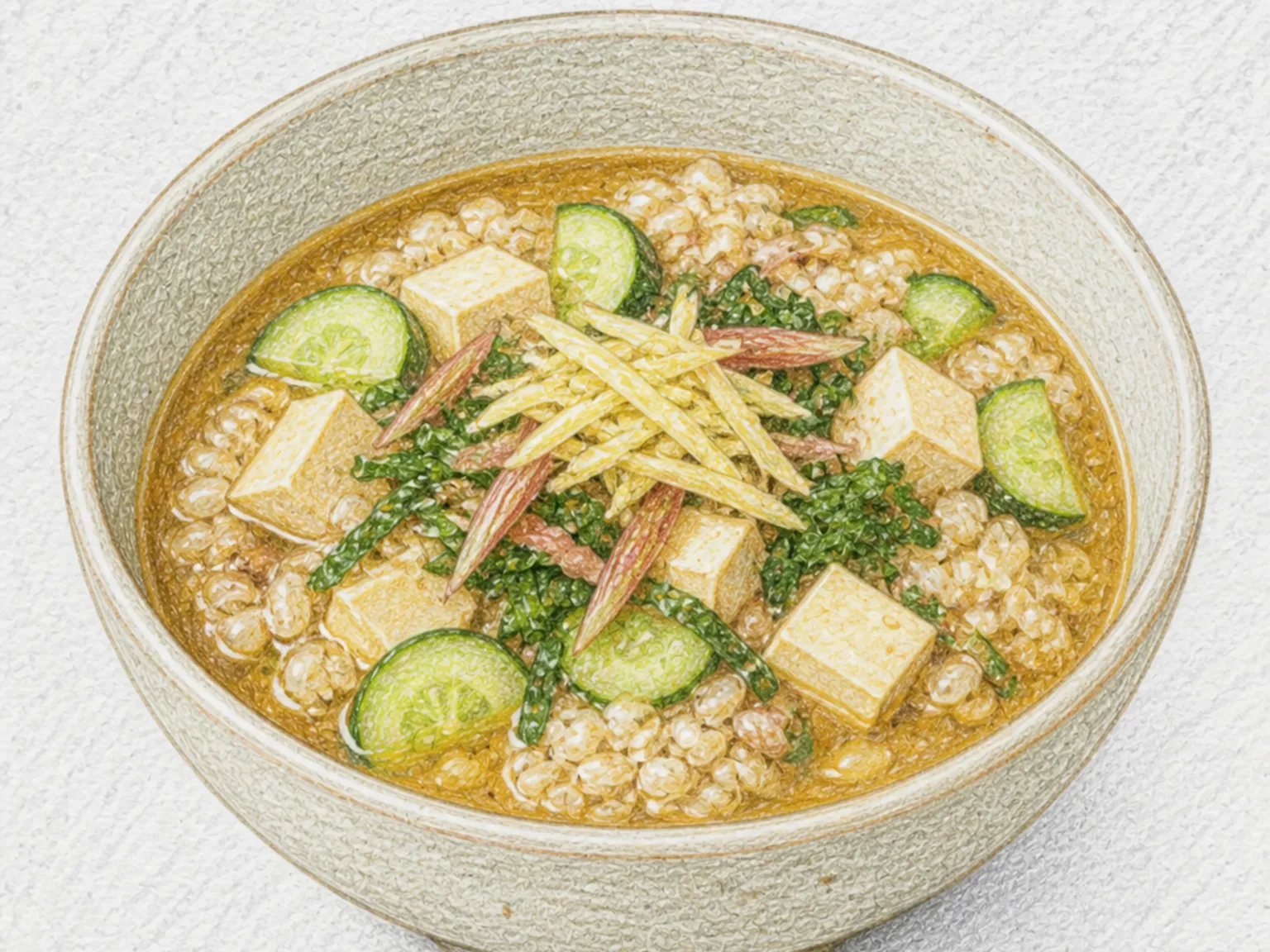
Korean Zucchini Soybean Paste Soup

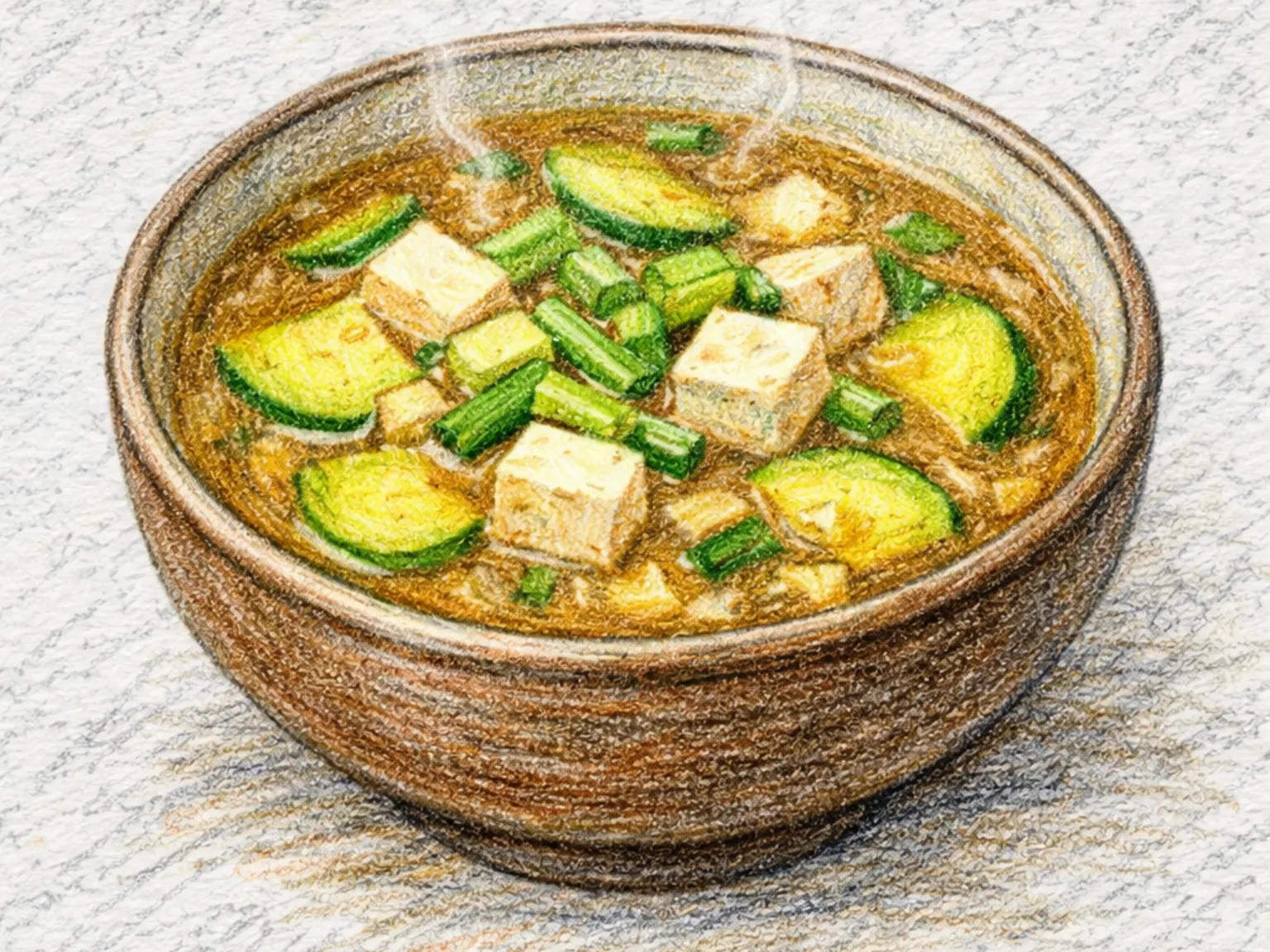
Aehobak doenjang-guk is the soup Koreans think of when they think of home - a bowl of soybean paste broth with soft zucchini that appears on dinner tables more often than any other guk. The foundation is anchovy-kelp stock, which provides a clean umami base for the doenjang to dissolve into. Zucchini is added after the broth has simmered with onion and garlic, cooking just five minutes so each half-moon slice holds its shape while releasing a gentle sweetness into the liquid. Cubed tofu goes in last, warming through without breaking apart. The finished soup is cloudy and golden, with the earthy funk of fermented soybean paste sitting underneath the vegetable sweetness. It is the kind of dish that Korean mothers make when nothing else seems right - uncomplicated, warm, and restorative.

🏠 Everyday
Prep 10minCook 15min2 servings
Korean Mallow Soup (Joseon-Era Doenjang Mallow Soup)
SoupsEasy

Korean Mallow Soup (Joseon-Era Doenjang Mallow Soup)

Auk-guk - mallow doenjang soup - has been part of Korean home cooking since the Joseon era, when auk (mallow) was one of the most commonly grown leafy greens in household gardens. The soup starts with an anchovy-kelp stock that provides a clean umami foundation. Doenjang is pushed through a sieve into the simmering broth to dissolve evenly without lumps, and garlic adds a quiet pungency beneath the fermented paste. Mallow leaves, torn by hand into rough pieces, wilt into the broth in under a minute. What sets auk-guk apart from other doenjang-guks is the mallow's distinctive texture - the leaves have a natural mucilage that gives the soup a slightly thickened, slippery quality on the tongue, unlike the clean broth of a spinach or radish version. Traditionally associated with nursing mothers in Korean folk wisdom, who ate it to promote milk production. The soup is at its best in early summer when fresh mallow is at peak tenderness.

🏠 Everyday
Prep 10minCook 15min2 servings
Korean Napa Cabbage Doenjang Soup
SoupsEasy

Korean Napa Cabbage Doenjang Soup

Baechu doenjang guk is a foundational Korean soup where napa cabbage simmers in anchovy-kelp stock seasoned with doenjang. Straining the doenjang through a sieve as it dissolves into the broth keeps the liquid clear while extracting its full fermented flavor. The cabbage stems go in first and cook for five minutes to release their sweetness before the leaves and cubed tofu are added. A small spoonful of gochujang introduces a mild heat and a reddish tint that adds visual and flavor complexity. Sliced cheongyang chili and scallion enter in the last two minutes, contributing sharpness without becoming soft. Since doenjang saltiness varies between brands, starting with a conservative amount and adjusting by taste prevents over-seasoning. As the cabbage softens completely, its natural sweetness seeps into the broth and balances the deep, earthy character of the fermented paste.

🏠 Everyday
Prep 12minCook 20min4 servings
Korean Napa Cabbage Clam Soup
SoupsEasy

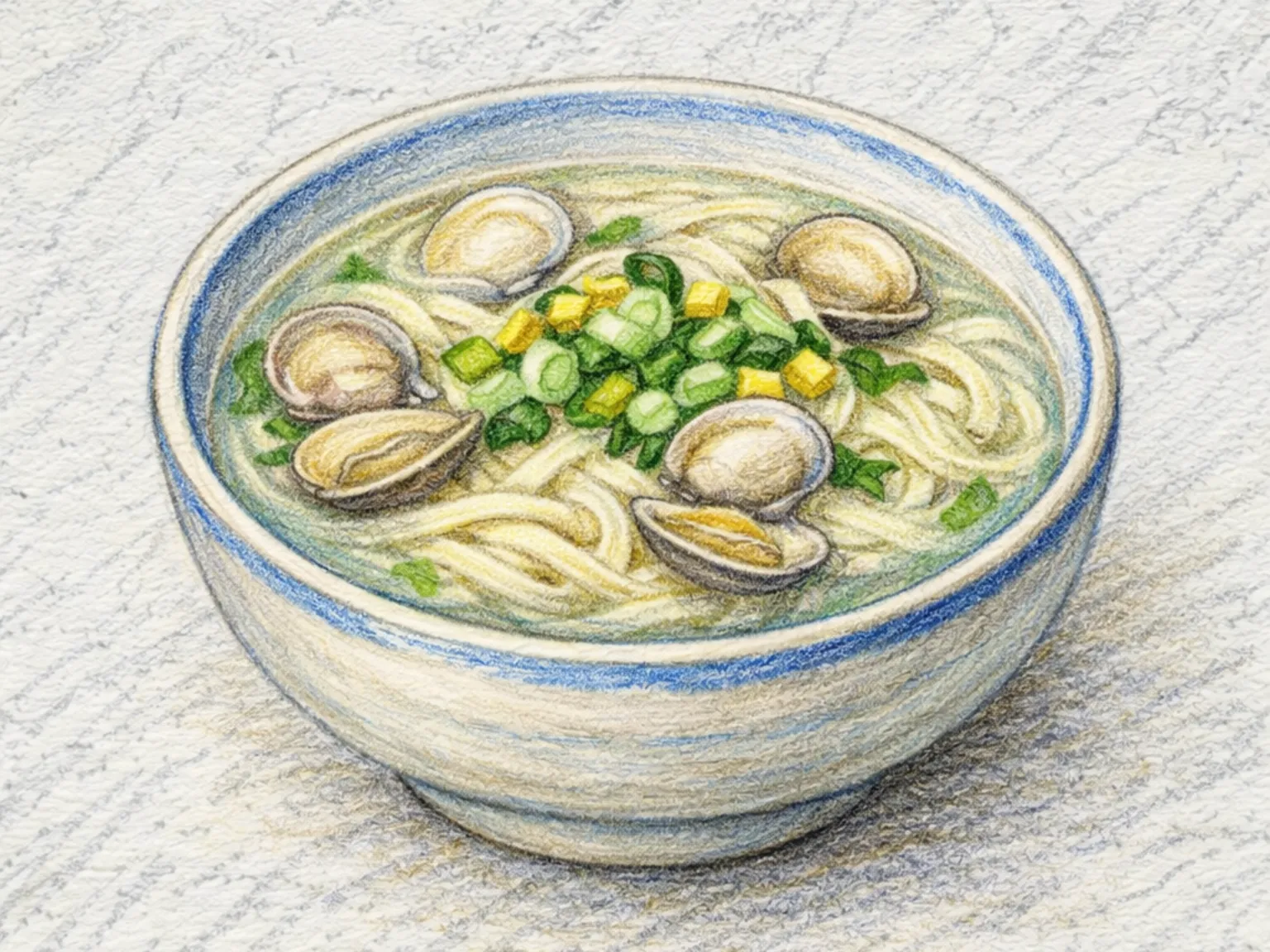
Korean Napa Cabbage Clam Soup

Baechu jogae guk is a clear Korean soup that draws its flavor entirely from clams and napa cabbage without any additional stock ingredients. The clams must be purged in salted water for at least two hours to expel all sand; skipping this step ruins the broth with grit. Starting from cold water with both the cabbage and clams allows the temperature to rise gradually, coaxing sweetness from the cabbage as it heats. Once the clam shells open, the heat is reduced and the broth is lightly seasoned with minced garlic and guk-ganjang. Sliced scallion is added near the end for freshness but is not overcooked. Since the clam liquor itself carries significant salinity, additional salt should be minimal and added only after tasting. The soup's appeal lies in its simplicity: no anchovy stock or kelp is needed because the marine depth of the clams and the vegetal sweetness of the cabbage together produce a clean, layered broth.

🏠 Everyday
Prep 20minCook 18min4 servings
Korean Clam Doenjang Soup
SoupsEasy

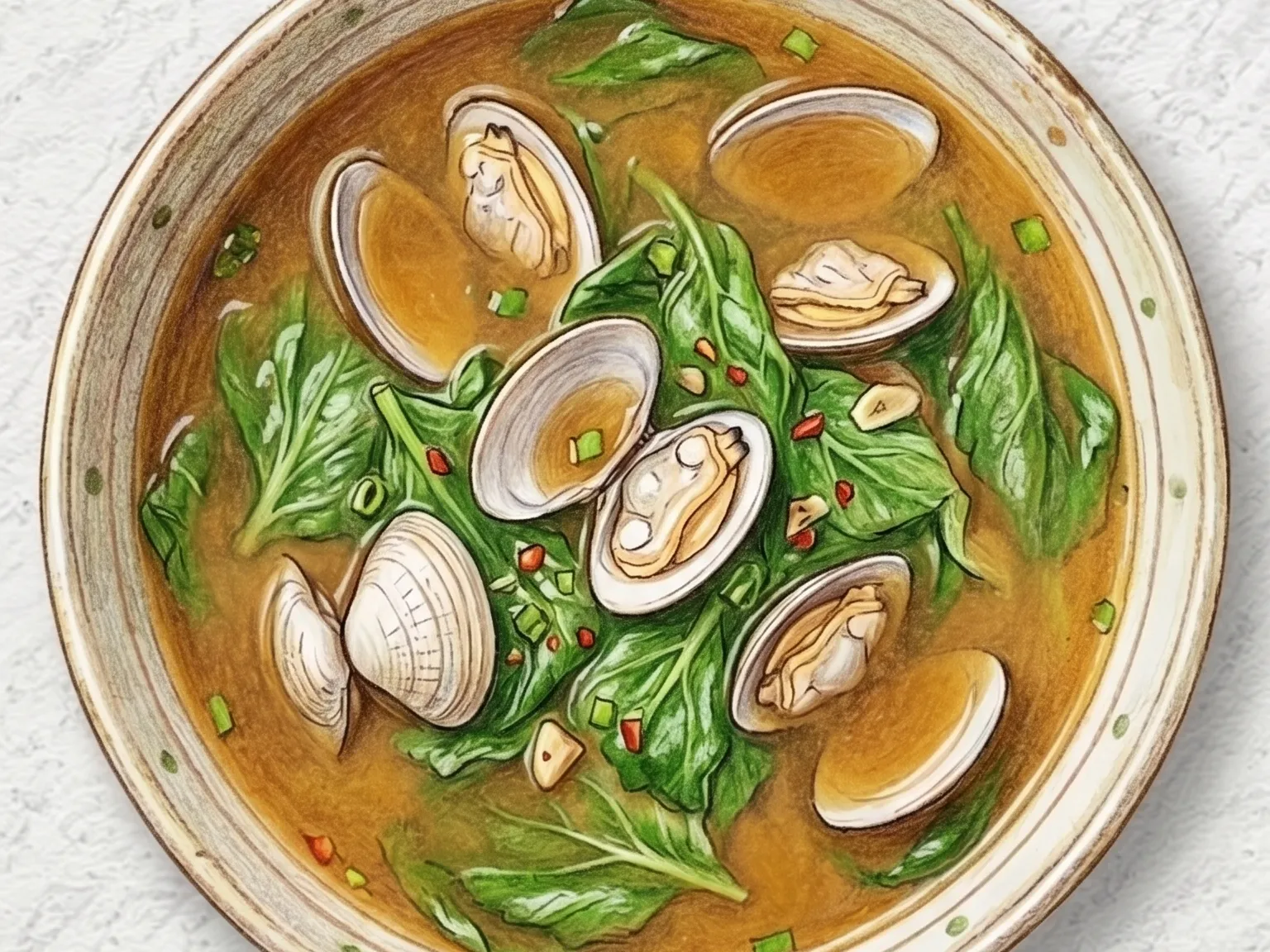
Korean Clam Doenjang Soup

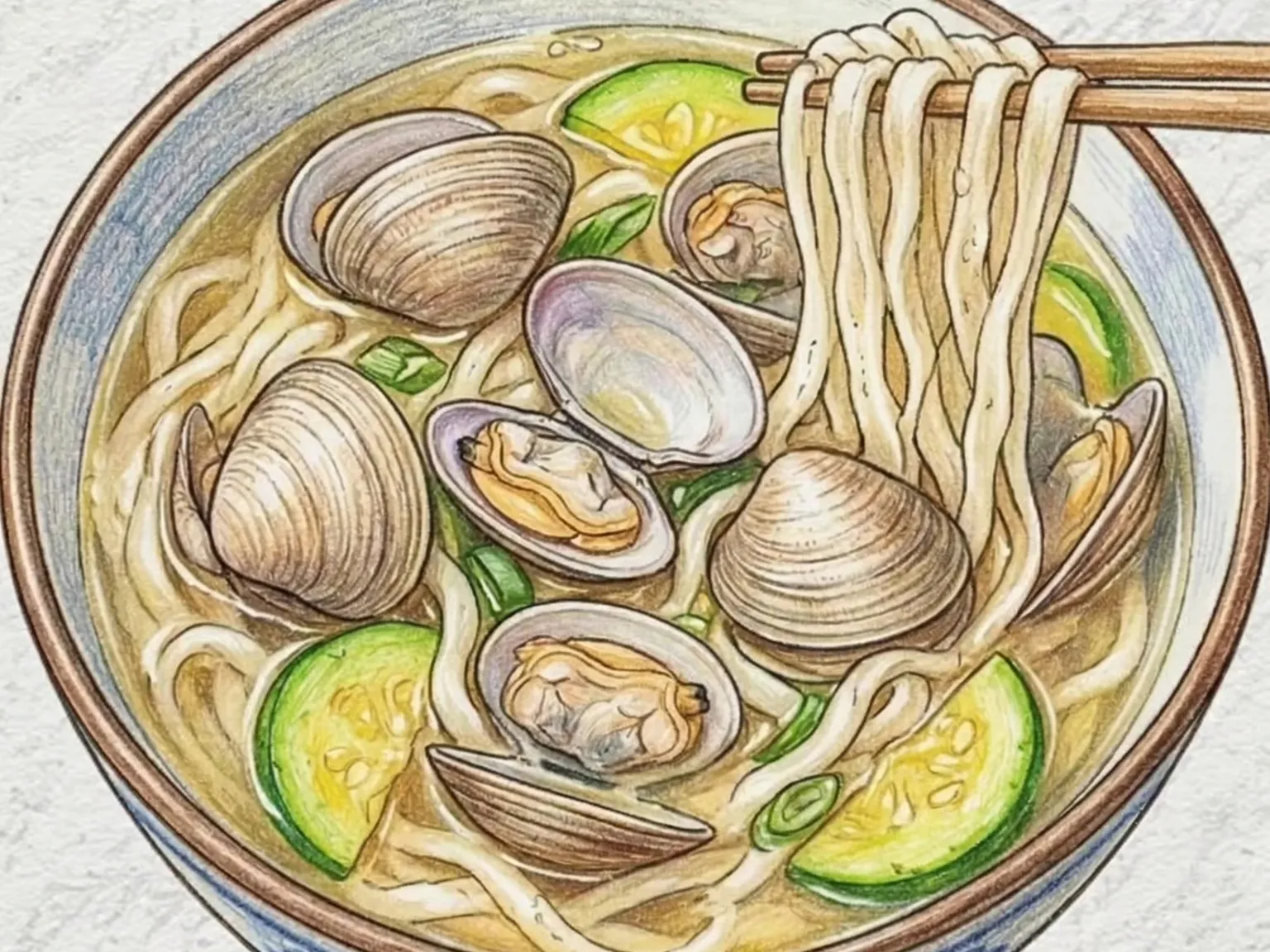
Bajirak doenjang guk is a Korean home-style soup where manila clams and doenjang combine to layer oceanic umami with fermented soybean depth. Starting the clams in cold water and bringing it to a boil draws their flavor out gradually, building a rich stock base as the temperature rises. The doenjang is dissolved through a strainer to keep the broth smooth and free of grainy particles, and its amount should be reduced from the usual quantity because the clams themselves contribute significant saltiness. Tofu and Korean zucchini add soft textures; the zucchini releases a gentle sweetness into the broth as it cooks through. Minced garlic harmonizes with the fermented aroma of the doenjang, and scallion added in the final minute preserves its fresh sharpness. No separate anchovy or kelp stock is needed because the clams provide enough umami on their own, making the soup's approach deliberately simple: just water, clams, and doenjang produce a broth with surprising depth.

🏠 Everyday
Prep 20minCook 15min2 servings
Korean Clear Puffer Fish Soup
SoupsMedium

Korean Clear Puffer Fish Soup

Cleaned puffer fish is simmered with Korean radish and water dropwort in a clear broth that highlights the fish's clean, delicate flavor. The radish goes in first to build a sweet base, and the puffer fish cooks for ten minutes to release its protein-rich, low-fat essence into the stock. Water dropwort added at the very end provides a fresh herbal lift, and only professionally prepared, food-safe puffer fish should ever be used.

🏠 Everyday
Prep 20minCook 30min2 servings
Korean Garlic Chive Egg Soup
SoupsEasy

Korean Garlic Chive Egg Soup

This simple home-style soup combines garlic chives, egg, and tofu in a light broth seasoned with soup soy sauce and garlic. Tofu cubes go in first to warm through, then beaten egg is poured in a slow stream and left undisturbed for thirty seconds to form silky ribbons. Chives and sesame oil are added in the final half-minute so their aroma stays vivid in the finished bowl.

🏠 Everyday Quick
Prep 10minCook 10min2 servings
Korean Buchu Honghap Guk (Chive Mussel Soup)
SoupsEasy

Korean Buchu Honghap Guk (Chive Mussel Soup)

Debearded mussels are simmered with radish in water to extract a briny, full-bodied stock, with rice wine added to neutralize any fishy notes. Soup soy sauce and garlic season the broth mid-cook, and Korean chives plus black pepper go in at the very end for a fragrant, clean finish. Cooking uncovered helps off-flavors escape, and any mussels that remain closed after five minutes should be removed.

🏠 Everyday
Prep 18minCook 20min2 servings
Bugeoguk (Korean Dried Pollack Soup)
SoupsEasy

Bugeoguk (Korean Dried Pollack Soup)

Korea's go-to morning-after cure - this light, soothing broth clears the head and settles the stomach in under 30 minutes. Dried pollock strips are stir-fried in sesame oil until fragrant, then simmered with tofu and beaten egg. The sesame oil step is essential - skipping it leaves the broth flat - and skimming the foam yields a cleaner stock. Substituting hwangtae (freeze-dried pollock) produces an even softer texture and deeper umami.

🏠 Everyday
Prep 15minCook 15min2 servings
Korean Pimpinella Tofu Soup
SoupsEasy

Korean Pimpinella Tofu Soup

Chamnamul (Korean pimpinella) brings a distinctive herbal fragrance to an anchovy-kelp stock base, creating a clear soup with pronounced aromatic character. Tofu is simmered first so it absorbs the savory broth, and the greens are added only at the end to preserve their bright scent. A finish of green onion and black pepper rounds out this two-serving soup that is light in body but strong in flavor definition.

🏠 Everyday
Prep 10minCook 12min2 servings
Korean Green Seaweed Tofu Soup
SoupsEasy

Korean Green Seaweed Tofu Soup

Salted cheonggak seaweed is desalinated in cold water, then simmered with tofu and onion in a broth built on perilla oil, tuna extract, and soup soy sauce. The seaweed introduces an oceanic brininess and a distinctive crunchy texture that contrasts with the soft tofu cubes. Sauteing onion and garlic in perilla oil first layers in a nutty aroma, and at 140 calories per serving, the soup stays notably light.

🥗 Light & Healthy🏠 Everyday
Prep 10minCook 12min2 servings
Korean Scallion Egg Soup (Quick Two-Ingredient Clear Broth)
SoupsEasy

Korean Scallion Egg Soup (Quick Two-Ingredient Clear Broth)

Daepa gyeran-guk is a Korean scallion and egg soup that comes together in under ten minutes with just two main ingredients. The technique of adding green onion in two stages is what gives it complexity: the first batch simmers for three minutes, sweetening the broth, while the second goes in raw at the end for a sharp, fresh bite. Egg must be drizzled in a thin stream over reduced heat and left undisturbed for thirty seconds - this creates silky ribbons rather than scrambled clumps. A splash of soup soy sauce and a drop of sesame oil round out the seasoning, turning the simplest of pantry ingredients into a bowl with surprising depth.

🏠 Everyday Quick
Prep 8minCook 10min2 servings
Korean Boiled Chicken Soup
SoupsMedium

Korean Boiled Chicken Soup

Dak-baeksuk is a Korean whole-chicken soup simmered for over fifty minutes with whole garlic cloves, jujubes, green onion, and ginger in a large pot of water. Skimming fat and foam throughout the cooking process is essential to achieving the signature clear broth - neglecting this step leaves the soup greasy and cloudy when reheated. The jujubes lend a subtle sweetness and the garlic, softened to a paste after the long simmer, dissolves into the liquid to create a mellow depth that needs nothing more than salt and pepper. The chicken is shredded against the grain for the softest possible texture, then returned to the hot broth so every bite of meat is saturated with the clean, aromatic stock.

🏠 Everyday
Prep 20minCook 70min4 servings
Korean Chicken Bone Broth Soup
SoupsMedium

Korean Chicken Bone Broth Soup

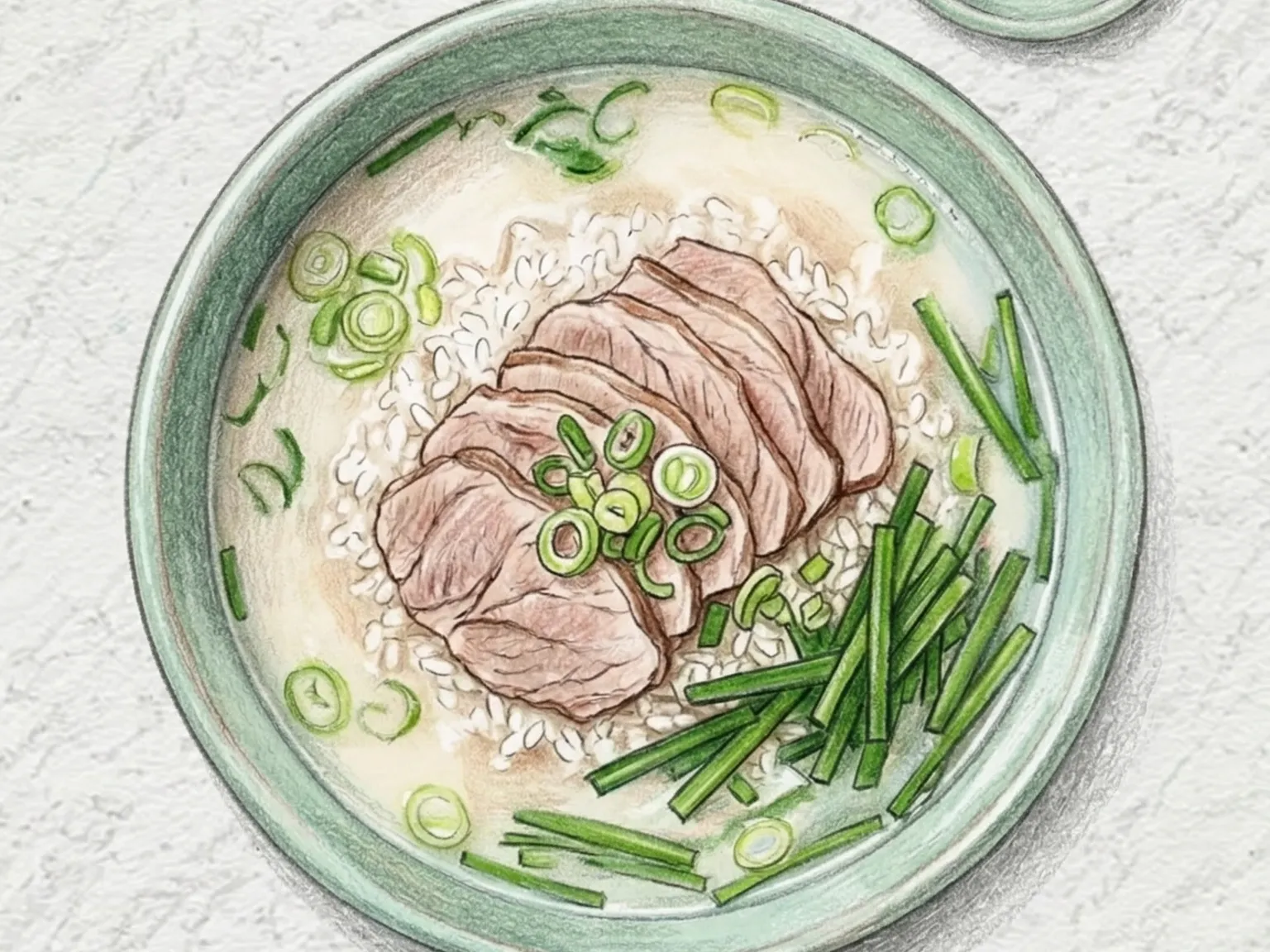
Dak-gomtang is a Korean chicken bone broth soup made by simmering a whole chicken with onion, garlic, and ginger over medium-low heat for at least fifty minutes. After the meat is removed and shredded, the bones go back into the pot for another fifteen minutes, releasing gelatin that gives the broth a silky body - when chilled, the liquid sets into a soft gel, a sign of its collagen richness. Skimming the fat layer after refrigeration produces a noticeably cleaner taste on reheating. The broth is seasoned simply with soup soy sauce and salt, and sliced green onion added at the end brings a fresh, sharp contrast to the mellow chicken flavor.

🏠 Everyday
Prep 20minCook 70min4 servings
Korean Chicken Radish Soup
SoupsMedium

Korean Chicken Radish Soup

Dak mu-guk is a Korean chicken and radish soup where blanched chicken thigh meat and thinly sliced radish simmer together into a clear, deeply flavored broth. Blanching the chicken for one minute before the main simmer removes impurities and is the key to keeping the broth transparent. Onion and ginger build the aromatic foundation over twenty minutes of gentle cooking, and the radish - cut into thin, flat squares rather than thick chunks - turns translucent quickly, releasing its natural sweetness into the liquid in just ten minutes. Soup soy sauce and diagonally sliced green onion finish the bowl, balancing the chicken's richness with a clean, vegetal note.

🏠 Everyday
Prep 20minCook 35min4 servings
Korean Spicy Chicken Soup
SoupsMedium

Korean Spicy Chicken Soup

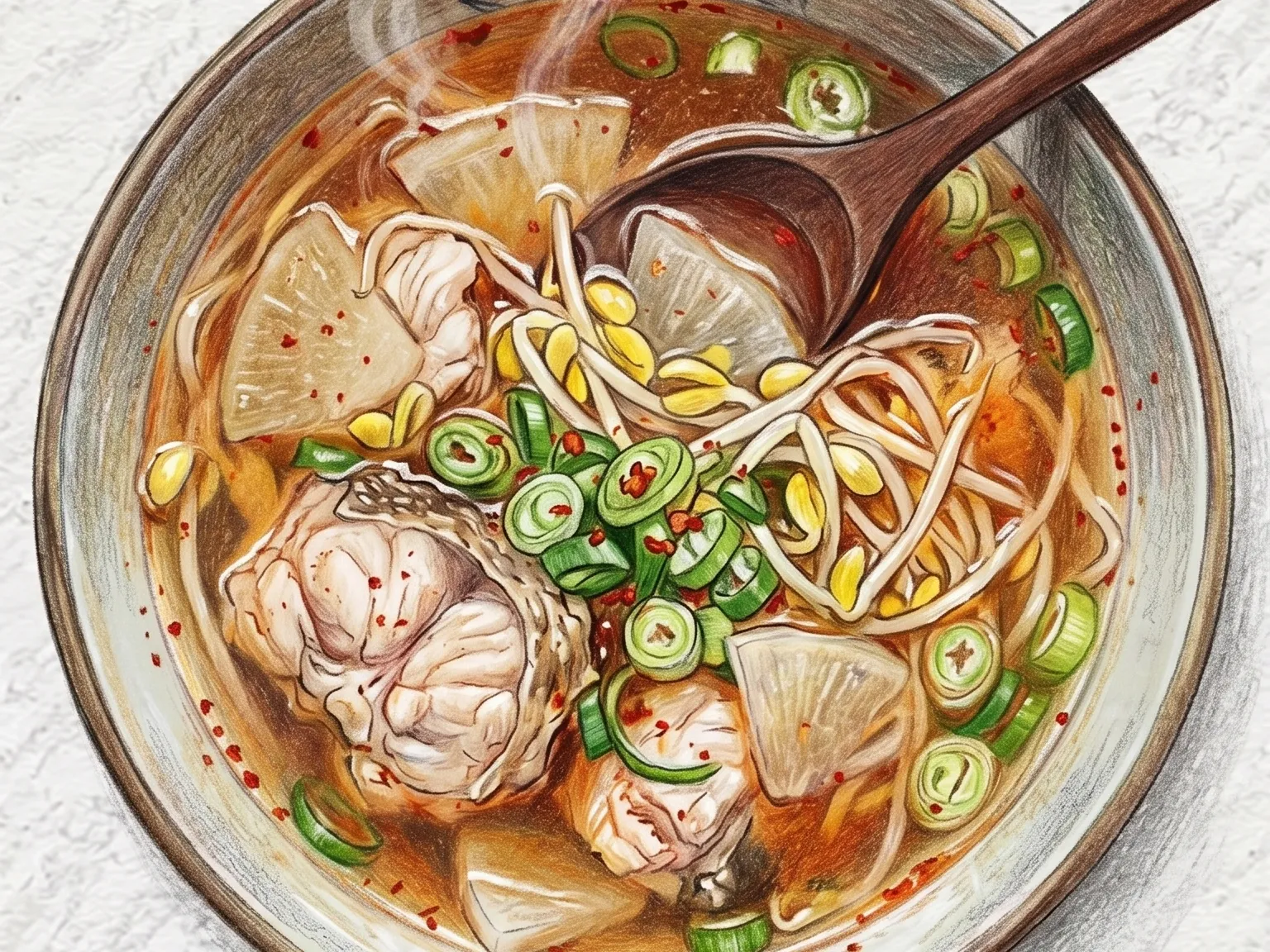
Dakgaejang is a spicy Korean chicken soup modeled on the classic beef yukgaejang, using a whole chicken boiled and shredded as the protein base. The shredded meat, rehydrated bracken fern, and bean sprouts are tossed in a seasoning of gochugaru, soy sauce, and sesame oil, then simmered in the reserved chicken broth. As the chili flakes dissolve into the oil, they create a broth that is simultaneously fiery and layered rather than one-dimensionally hot. Bracken adds a chewy, almost meaty resistance alongside the snappy bean sprouts, and making chili oil separately before stirring it in deepens the heat with a roasted, smoky undertone.

🏠 Everyday
Prep 20minCook 60min4 servings
Korean Perilla Radish Soup
SoupsEasy

Korean Perilla Radish Soup

Deulkkae mu-guk is a Korean radish soup enriched with perilla seed powder, giving it a distinctly nutty, creamy quality that sets it apart from plain radish broth. Thinly sliced daikon radish simmers in anchovy stock for ten minutes first, releasing a clean sweetness into the liquid. When perilla powder is stirred in, it transforms the thin broth into something noticeably thicker and more substantial - unlike sesame, perilla carries a heavier, earthier fat that coats the palate. Adding the powder just before turning off the heat preserves its toasted fragrance, which fades if it simmers too long.

🏠 Everyday
Prep 10minCook 20min4 servings
Dongjuk-tang (Korean Surf Clam Broth)
SoupsEasy

Dongjuk-tang (Korean Surf Clam Broth)

Dongjuk-tang is a Korean surf clam soup where purged clams simmer with radish in water to produce a briny, naturally sweet broth with almost no added seasoning. The radish goes in first for six minutes to build a sweet base, and the clams follow for three to four minutes - they are done the moment their shells open, and cooking any longer toughens the meat. Clams that remain shut after cooking must be discarded. Water dropwort stirred in at the end contributes a fresh, herbaceous fragrance, and a single cheongyang chili pepper adds a mild, lingering heat that tempers the ocean flavor without masking it.

🏠 Everyday
Prep 25minCook 12min2 servings
Korean Acorn Jelly Cold Broth Bowl
SoupsEasy

Korean Acorn Jelly Cold Broth Bowl

Dotori-muksabal is a chilled Korean acorn jelly broth bowl where sliced acorn jelly sits in a cold, tangy-sweet seasoned broth. Acorn jelly has a distinctly earthy, mildly astringent aftertaste and a firm, bouncy texture that becomes more pronounced when served cold. The broth - a mixture of chilled stock seasoned with soy sauce, vinegar, and sugar - must be thoroughly cold before pouring to keep the jelly's cool snap intact. Chopped kimchi adds fermented heat and julienned cucumber contributes crunch, both compensating for the jelly's neutral flavor with sharp contrasts. The dish is notably low in calories and high in fiber.

🥗 Light & Healthy🏠 Everyday
Prep 20minCook 10min2 servings
Korean Tofu Soy Broth Soup
SoupsEasy

Korean Tofu Soy Broth Soup

Clean, simple, and surprisingly deep - this dubu guk (Korean tofu soup) proves you need nothing more than soy broth, tofu, radish, and shiitake for a satisfying bowl. Radish boils first for seven minutes to sweeten the base, then shiitake and garlic cook for four more minutes, contributing enough umami that plain water and a single seasoning produce a surprisingly deep flavor. Tofu goes in last over low heat for just three minutes to preserve its edges - scooping it with a spoon rather than cutting with a knife creates rougher surfaces that absorb more broth. Substituting anchovy stock for water elevates the umami to another level entirely.

🏠 Everyday
Prep 10minCook 15min4 servings
Korean Young Napa Soybean Paste Soup
SoupsEasy

Korean Young Napa Soybean Paste Soup

Eolgari doenjang-guk is a soybean paste soup built on rice-rinse water, which softens the broth and adds a mild starchy sweetness. Young napa cabbage goes in near the end so it keeps its fresh, slightly grassy flavor without turning mushy. Anchovy powder lays down a quiet umami base, while a sliced cheongyang chili brings gentle heat that lingers on the finish. A scattering of green onion rounds out the bowl, making it a reliable weeknight soup that pairs well with plain steamed rice.

🏠 Everyday
Prep 15minCook 25min4 servings
Eomuk-guk (Fish Cake Radish Clear Soup)
SoupsEasy

Eomuk-guk (Fish Cake Radish Clear Soup)

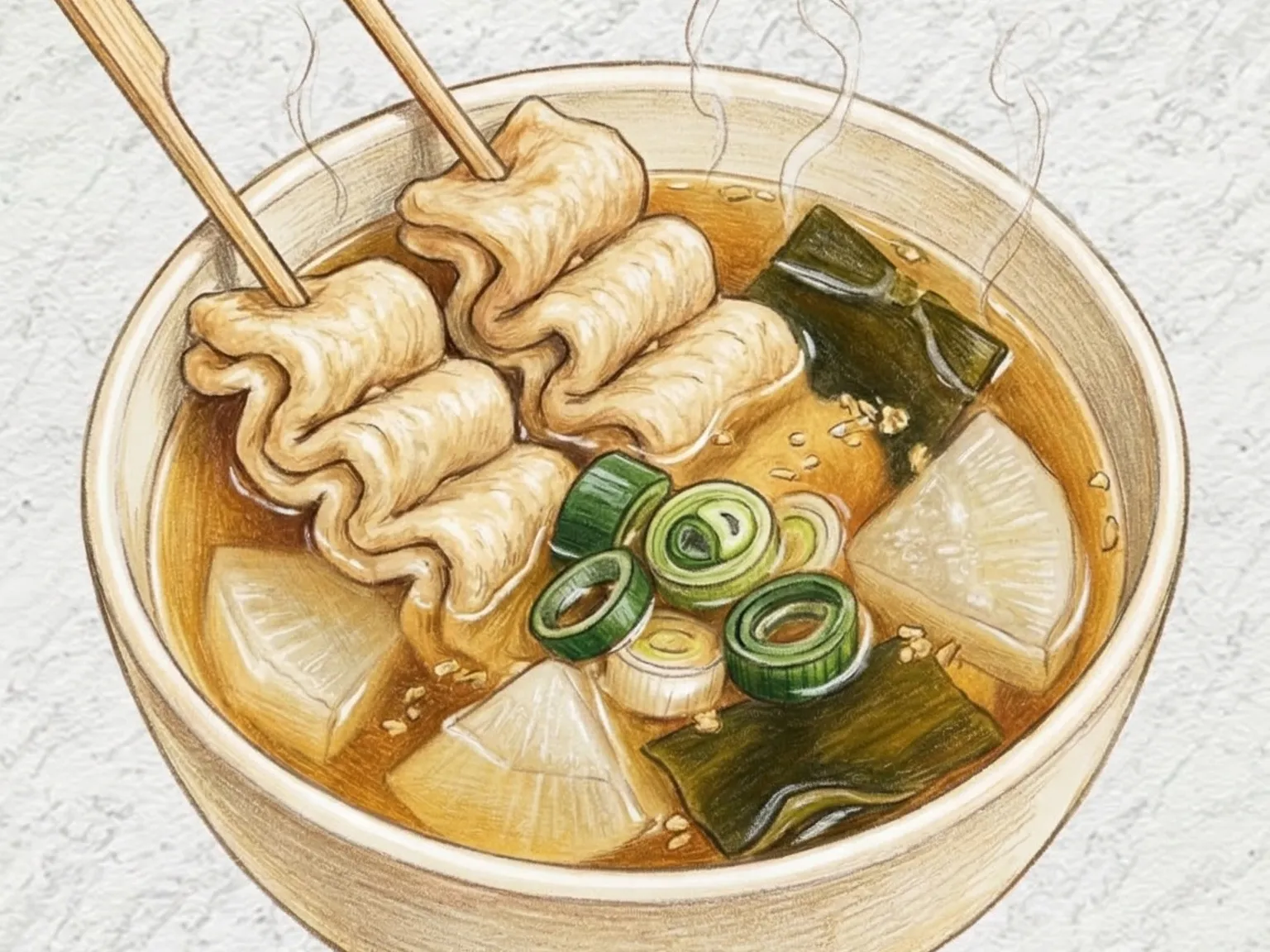
Eomuk-guk is a straightforward Korean fish cake soup that relies on radish-infused water for its clean, faintly sweet base. Sliced fish cakes simmer in the broth for six minutes, long enough to soak up the seasoning of soup soy sauce and garlic without falling apart. A finish of green onion and black pepper lifts the aroma and adds a touch of warmth. The entire pot comes together in about twenty minutes, making it a practical choice when you need a warm bowl in a hurry.

🏠 Everyday
Prep 10minCook 20min2 servings
Korean Spicy Freshwater Fish Soup
SoupsHard

Korean Spicy Freshwater Fish Soup

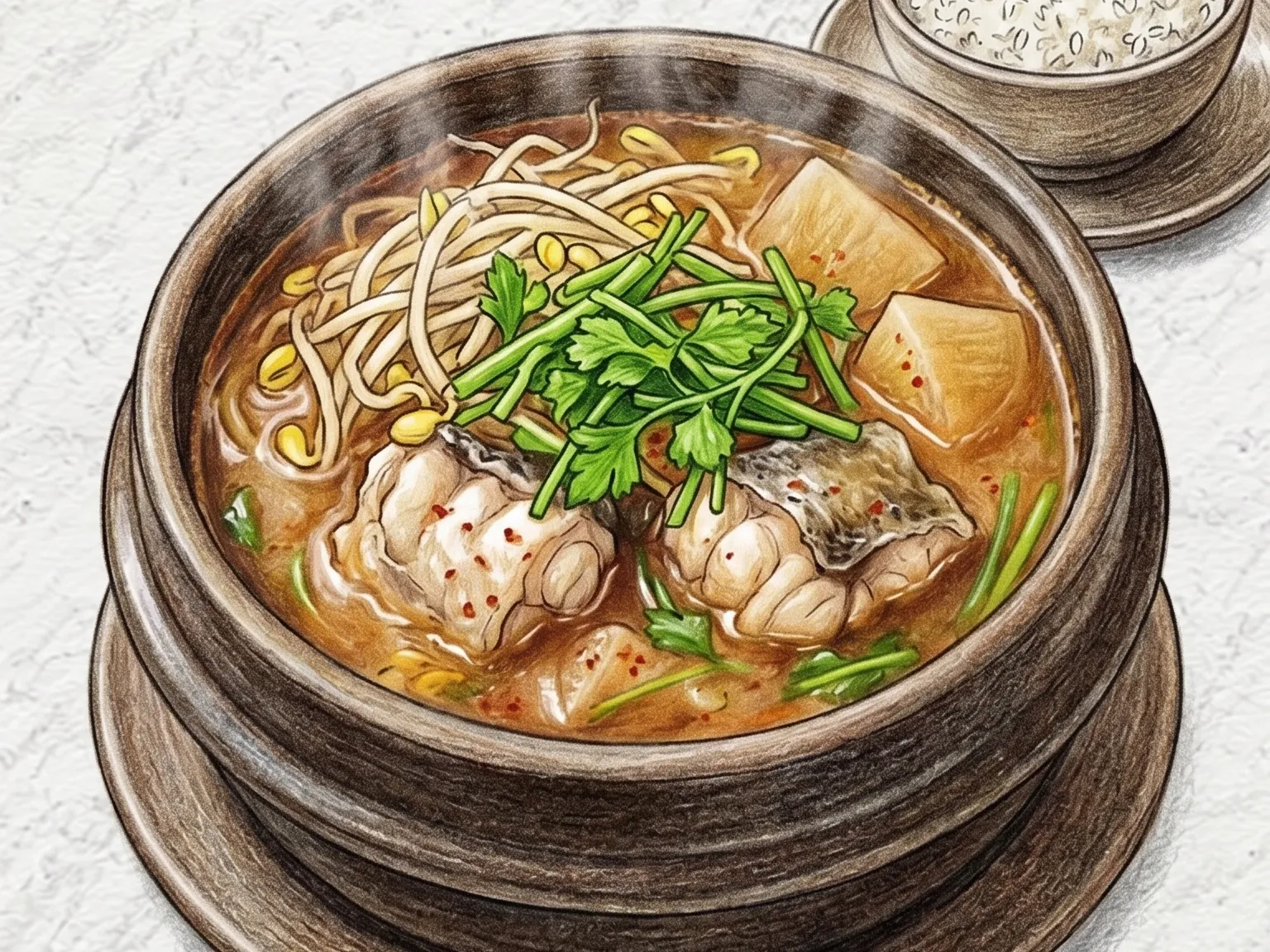
Eotang is a traditional Korean soup made by boiling whole freshwater fish for over forty minutes to extract every bit of flavor from the bones and flesh. The stock is strained twice through a fine sieve to remove all small bones, then returned to the pot with radish, doenjang, and garlic for another twenty minutes of simmering. Red chili flakes and green onion go in last, adding a sharp spiciness that balances the deep, earthy richness of the fish broth. The process is time-intensive, but the resulting soup has a thick body and concentrated flavor that lighter preparations cannot match.

🏠 Everyday🎉 Special Occasion
Prep 30minCook 80min2 servings
Korean Braised Short Ribs
SoupsHard

Korean Braised Short Ribs

Galbi-jjim is one of Korea's most celebrated braised dishes, built on thick-cut beef short ribs that simmer for over an hour in a glaze of soy sauce, Asian pear juice, sugar, garlic, and sesame oil. The long cooking breaks down the collagen in the ribs until the meat practically slides off the bone, while the sauce reduces into a dark, glossy coating that is simultaneously sweet, salty, and deeply savory. Radish and carrot chunks absorb the braising liquid and soften into something almost buttery, while chestnuts and jujubes, often added for holidays, contribute subtle sweetness and a festive look. The finished dish glistens on the plate, and a single spoonful of sauce over steamed rice is enough to make the grain disappear. Galbi-jjim appears on Chuseok and Lunar New Year tables but is equally welcome on an ordinary weekend when the house deserves to smell extraordinary.

🏠 Everyday🎉 Special Occasion
Prep 30minCook 60min4 servings