Korean Monkfish Spicy Stew
Quick answer
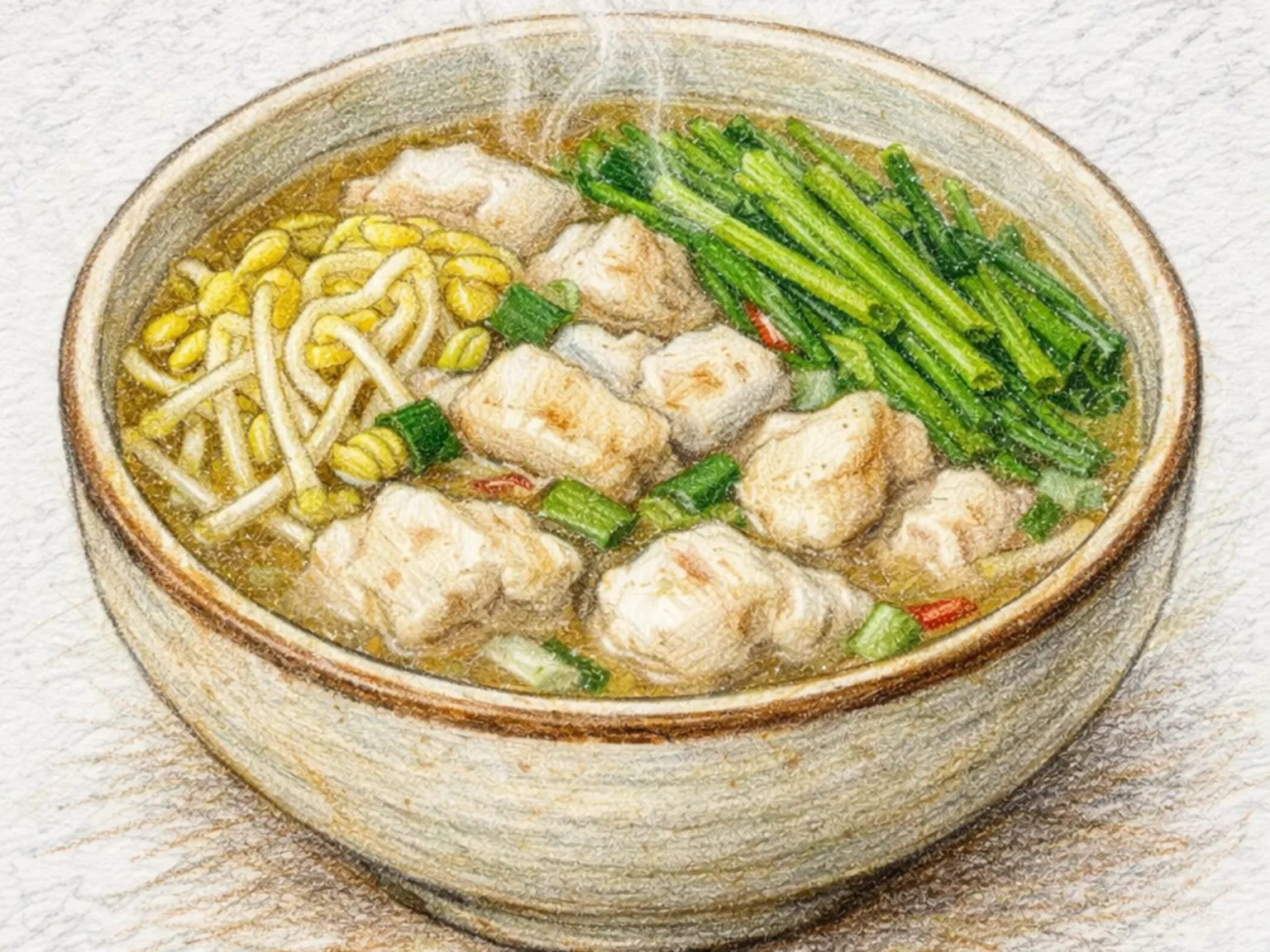
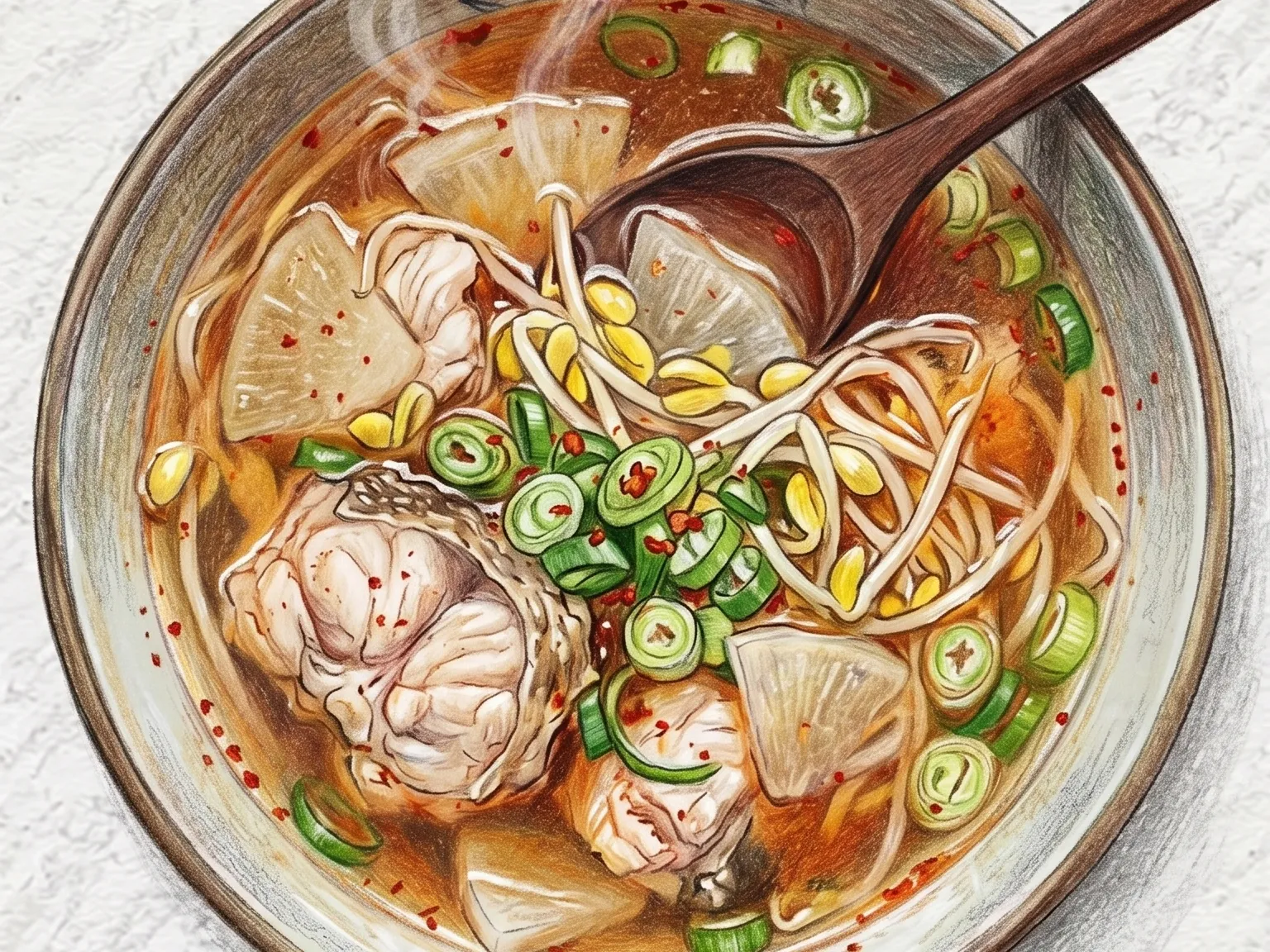
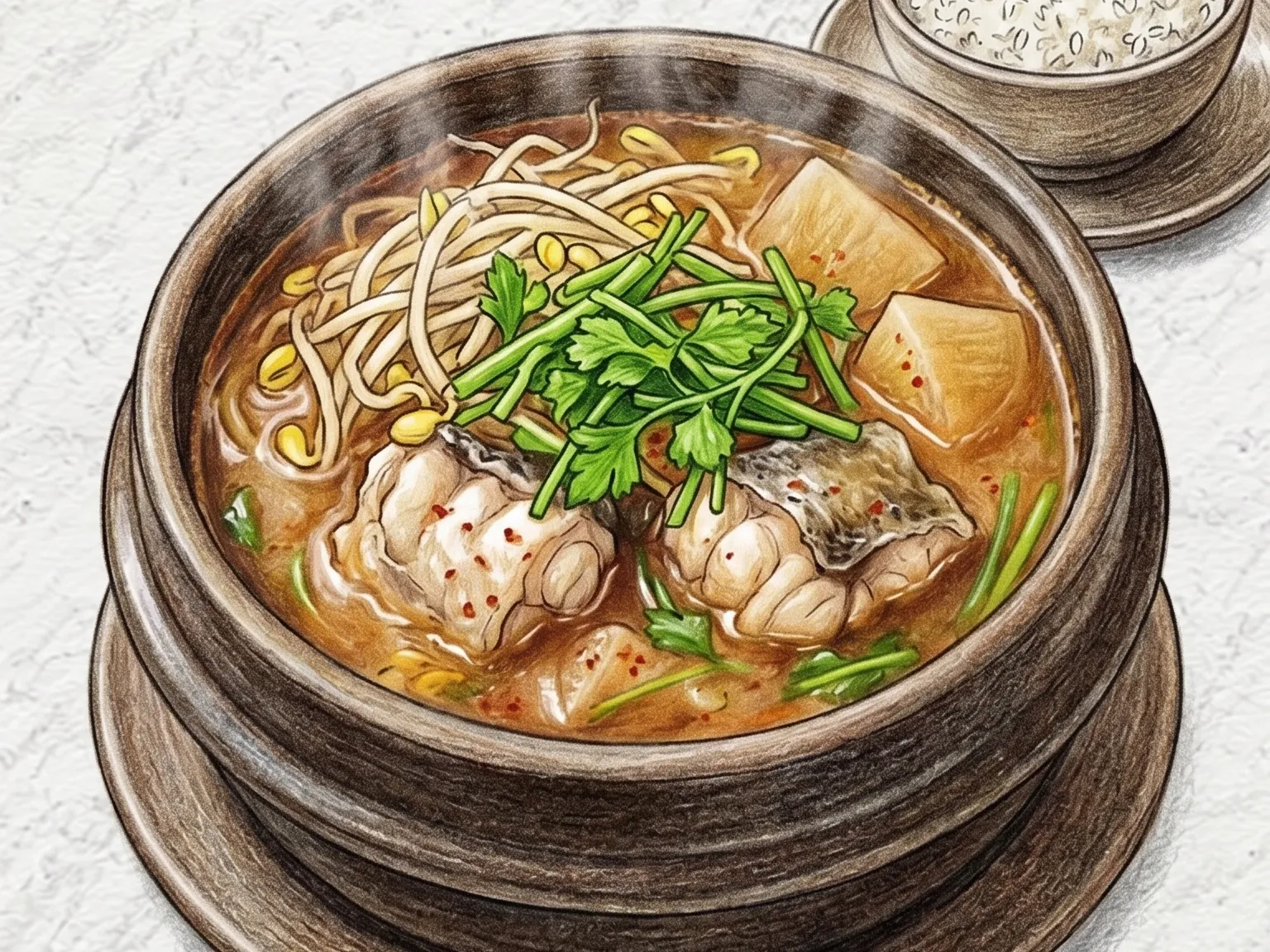
Agwi tang jjigae is a monkfish-based dish that occupies the middle ground between a clear soup and a more concentrated, heavily seasoned stew.
What makes this special
- Agwi tang jjigae clears the spicy monkfish broth with a touch of fermented doenjang to remove fishy odors and deepen flavors.
- Small amount of doenjang neutralizes fishy odor and adds fermented depth
- Gelatin from monkfish skin dissolves to naturally thicken the broth
Key ingredients
Core cooking flow
- 1 Clean 500g of monkfish under running water to remove impurities and slice 22...
- 2 Pour 1200ml of water into a pot with the sliced radish, bring to a boil over...
- 3 Mix 1.5 tbsp of chili flakes, 0.5 tbsp of doenjang, and 1 tbsp of minced gar...
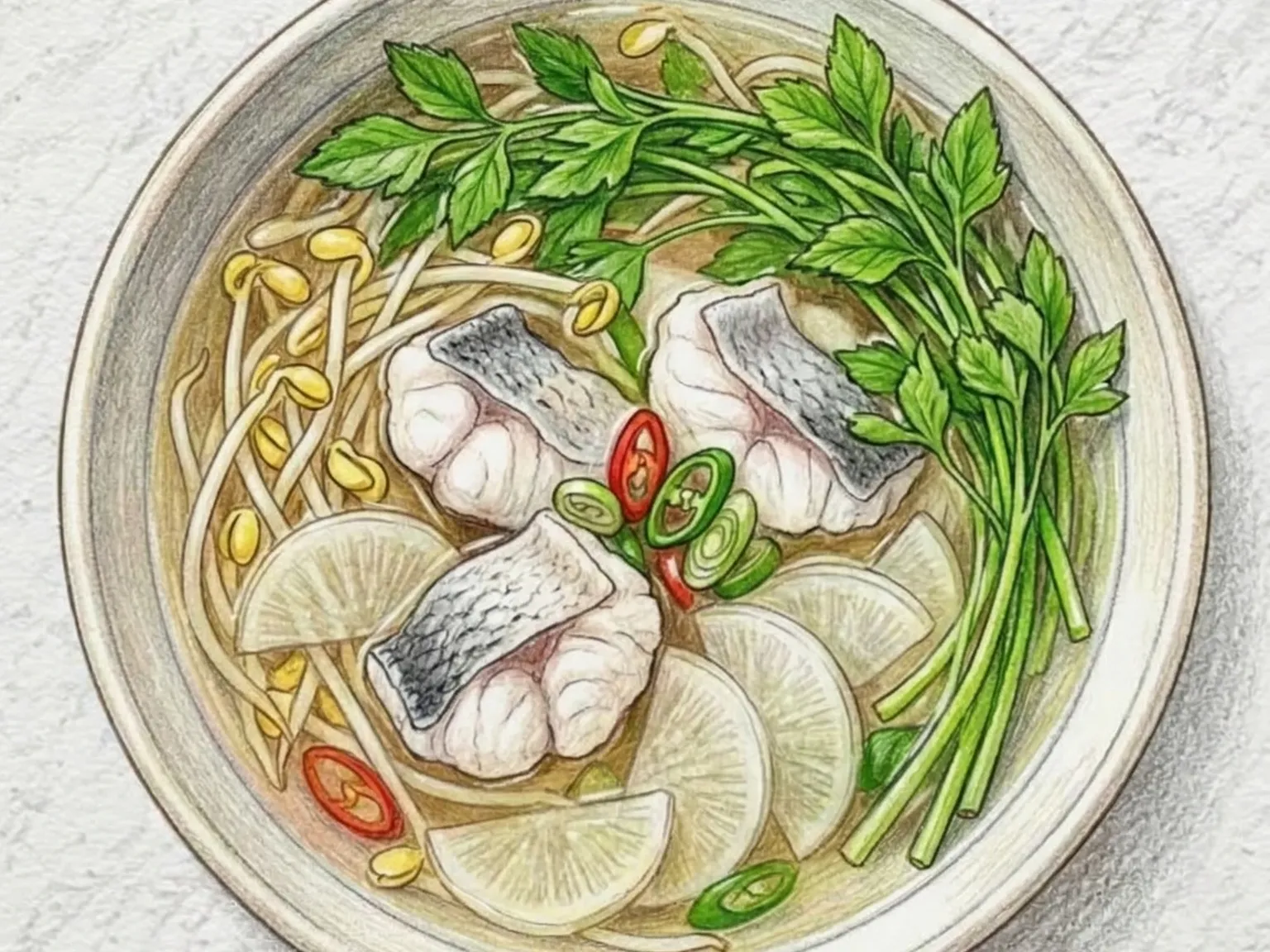
Agwi tang jjigae is a monkfish-based dish that occupies the middle ground between a clear soup and a more concentrated, heavily seasoned stew. It features a broth that is noticeably cloudier and carries a more intense flavor profile than what is typically found in either of those two distinct categories. The cooking process starts by simmering sliced radish in plain water for about ten minutes to establish a sweet and clear liquid base. After this time has passed, Korean red chili flakes and a small amount of fermented soybean paste are mixed into the pot. The soybean paste serves a specific purpose in this recipe, as it helps to neutralize any fishy smells from the monkfish while adding a foundational fermented taste to the overall broth. The monkfish is prepared over medium heat, which allows its gelatinous flesh to stay together in large, firm pieces rather than separating into flakes. To add both texture and bulk, bean sprouts are stirred into the pot to provide a crunch that balances the soft consistency of the fish. Water dropwort, which is called minari in Korean, is the final ingredient to be added. It is left to wilt in the remaining heat of the pot after the heat is reduced so that its unique herbal fragrance is infused into the liquid. Although the monkfish has a somewhat strange appearance, its flesh is thick and very sturdy, meaning it does not disintegrate even when cooked for a long period. Furthermore, the substantial layer of gelatin found under the skin melts into the soup as it simmers, providing a natural thickness to the broth without the use of any starch. When served with a bowl of hot steamed rice on a cold evening, this dish functions as a complete and satisfying meal.
Instructions
Read the steps as a cooking flow: prep, heat, seasoning, doneness control, and finish.
- 1Prep
Clean 500g of monkfish under running water to remove impurities and slice 220g of Korean radish into large, flat pieces about 0.5cm thick.
- 2Control
Pour 1200ml of water into a pot with the sliced radish, bring to a boil over high heat, and simmer for 10 minutes to extract a sweet base.
- 3Prep
Mix 1.5 tbsp of chili flakes, 0.5 tbsp of doenjang, and 1 tbsp of minced garlic into the broth, ensuring the paste dissolves to neutralize any fishy odors.
- 4Control
Add the monkfish and simmer on medium heat for 10 minutes, allowing the gelatin from the skin to thicken the broth naturally while keeping the meat firm.
- 5Heat
Incorporate 150g of bean sprouts and cook for 5 more minutes with the lid open to maintain a crunchy texture that contrasts with the soft monkfish.
- 6Control
Add 70g of water dropwort cut into 5cm pieces and simmer for 2 minutes until just wilted, allowing its unique herbal fragrance to permeate the spicy broth.
After the steps
Pick a recipe that fits this dish.
Continue with shared ingredients, meal pairings, or a similar method.
Recipes That Go Well With This
More Stews →Based on shared ingredients and meal pairing
Korean Mild Puffer Fish Stew
Bok-jiri-jjigae is a clear-broth stew built around puffer fish fillet simmered with Korean radish, bean sprouts, and water dropwort, seasoned lightly with soup soy sauce and salt. The dish relies entirely on the natural flavors of its core ingredients rather than heavy seasoning, so the quality of the puffer fish is the defining factor. Cooking the fish with its skin releases collagen into the broth, giving the liquid a subtle viscosity and sheen that plain fish stock cannot replicate. Radish goes in first and simmers until it turns translucent and releases its gentle sweetness into the base, while bean sprouts are added later to retain their characteristic crunch. Water dropwort and green onion go in last, their herbal fragrance layering over the clear, cooling broth just before serving. Depending on availability, different cuts can be incorporated alongside the fillet: the liver, roe sac, and skin each contribute distinct notes to the broth and change its character considerably. Beyond its role as an everyday meal, bok-jiri-jjigae has a long-standing reputation as a hangover remedy, prized for its restorative, cooling effect after a night of drinking. Soup soy sauce should be added gradually so the broth stays light and the natural flavor of the fish remains prominent. A sliced cheongyang chili added just before the end introduces sharp heat without muddying the clarity of the stock, and a block of soft tofu added alongside provides extra body and a smooth texture that absorbs the surrounding broth.
Korean Monkfish Soup (Spicy Southern Coastal Fish Broth)
Agwi-tang is the soup form of Korea's monkfish repertoire, originating along the fishing villages of the southern coast where the fish - known as agwi or agu depending on dialect - is caught and sold fresh daily. Where braised preparations like agwi-jjim build intensity through reduction and heavy sauce, the tang prioritizes the broth. Anchovy stock is the base; radish simmers in it for eight minutes to release its sweetness before the monkfish enters. As the fish cooks gently over medium heat, its collagen dissolves into the liquid and gives it body. The monkfish flesh itself is mild and gelatinous, a texture unlike most white fish. Bean sprouts go in at the end to contribute crunch against the soft fish. Sliced green onion and a hit of gochugaru cloud the broth red and add spice. In coastal towns this was morning food - hangover soup served steaming at predawn markets to fishermen and dock workers before the day started.
Korean Seaweed Roe Pot Rice
The preparation starts by layering finely diced radish at the bottom of a heavy pot before adding soaked rice. A specific technique defines this dish: warming the salted pollock roe and butter using only the residual heat of the vessel after the flame is extinguished. Avoiding direct heat prevents the roe's proteins from tightening into a dry or crumbly texture. Instead, the indirect warmth maintains a soft consistency where individual eggs pop and release their salty essence into the grains. As the butter melts, it coats each piece of rice, acting as a bridge between the sharp saltiness of the fish roe and the mild nature of the rice. Throughout the cooking process, the radish pieces release moisture upward, ensuring the rice remains hydrated while contributing a subtle sweetness and a clean finish. Before the meal begins, crumbling gamtae over the surface introduces a distinct oceanic scent that sits above the savory layers of butter and roe. Sliced scallions provide a sharp, crisp contrast to the overall richness. Pouring hot water into the pot at the end creates a toasted rice water that clears the palate. It is important to place the roe and butter within four minutes of turning off the heat to ensure the remaining warmth is sufficient to soften the ingredients.
Korean Pacific Saury Stew
Kkongchi jjigae is a budget-friendly Korean stew built around a single can of Pacific saury, making it one of the most practical jjigae to pull together from pantry staples. Korean radish and onion go into the pot alongside the fish, absorbing the bold, oily flavor of the canned saury as everything simmers together. The canning liquid is included in the pot as well, eliminating the need for a separate stock while adding the concentrated brininess of the fish directly to the broth. A half-tablespoon of doenjang tames the fishiness that canned fish can carry while adding a layer of fermented, savory depth, and gochugaru builds the characteristic spicy bite that makes this stew work as a proper rice banchan. Because canned saury is already fully cooked and the bones have softened in the canning process, the fish can go directly into the pot without any preparation and the pieces can be eaten bones and all. The whole stew comes together in under 30 minutes, making it a reliable weeknight option when time and budget are both short.
Serve with this
Korean Perilla Soybean Sprout Namul
Kongnamul, soybean sprouts, are among the most consumed vegetables in Korea, and this perilla-dressed version adds a nutty, full-bodied depth that the plain sesame oil variety lacks. The sprouts are steamed with the lid sealed for five minutes, which drives off the raw bean smell while keeping the heads firm and crunchy. Tossed with perilla powder, soup soy sauce, garlic, and sesame oil while still warm, the powder absorbs the moisture and dissolves into a pale coating that makes each sprout feel creamy on the tongue. Chopped scallion contributes a sharp, grassy contrast that balances the richness, and resting the finished dish for five minutes before serving lets the seasoning penetrate evenly so the flavor comes together more completely.
Korean-Style Cucumber Pickle
Oi pickle is a vinegar-brined cucumber pickle where one-centimeter-thick rounds are briefly salted to draw out surface moisture, then submerged in a hot brine of vinegar, water, sugar, salt, bay leaf, and whole black peppercorns. Pouring the hot brine directly over the salted cucumbers contracts their cell structure on contact, locking in a crunch that persists through multiple days of refrigeration. As the pickles rest, the sharp acidity of the vinegar softens and blends with the sugar into a balanced sweet-sour profile rather than a single piercing note. Bay leaf contributes a low, herbal background, and the peppercorns leave a faint heat at the finish that gives depth beyond plain vinegar sourness. The pickles are ready after twelve hours of chilling and keep well in a sealed container in the refrigerator for up to two weeks. Served alongside fried or fatty dishes, the clean acidity cuts through richness and refreshes the palate between bites.
Korean Stuffed Perilla Leaf Pancakes
Kkae-ip-jeon are pan-fried perilla leaf parcels stuffed with a filling of ground pork and firm tofu, coated in flour and egg. The tofu must be squeezed dry in a cloth before mixing; excess moisture causes the filling to spread and stick to the pan. Garlic chives and onion add crunch and fragrance to the mix, and the filling seasoned with soy sauce and black pepper pairs cleanly with the perilla's strong herbal character. Dusting with flour first, then dipping in egg, produces an even coating, and frying covered over medium-low heat for two minutes per side ensures the filling is cooked through to the center. The bite-sized pieces work well as a packed lunch side or as bar food.
Similar recipes
Korean Spicy Braised Monkfish
Agu-jjim originated as a specialized seafood preparation from Masan, which is a prominent port city located in the South Gyeongsang province of Korea. During the 1970s, fishmongers working in the harbor district of Odong-dong began a practice of braising unsold monkfish over high heat. They combined the fish with a substantial amount of bean sprouts and a thick chili paste, a combination that eventually led to the dish gaining recognition across the entire nation. The preparation involves coating pieces of monkfish in a heavy seasoning mixture made from gochugaru, gochujang, soy sauce, and garlic. These seasoned pieces are placed on top of a thick layer of bean sprouts and braised in a covered pot using high heat. Monkfish differs from many other types of white-fleshed fish because it possesses a firm and gelatinous texture that is particularly rich in collagen. This structural quality allows the fish to absorb the intense flavors of the seasoning without breaking into small pieces, ensuring the meat remains resilient and chewy throughout the entire cooking process. As the dish braises, the bean sprouts release their own moisture, which creates a natural braising liquid at the bottom of the pot. Water dropwort, known as minari in Korean, is introduced to the pot at the final stage of cooking. This ingredient provides an herbal flavor similar to celery that balances the heavy coating of chili and garlic while adding a certain brightness to the spice. Agu-jjim is typically served in a communal fashion on a large platter. It is considered a fundamental part of Korean social gatherings involving alcohol, where the intense heat of the spices is often paired with chilled beer or soju.
Korean Cod and Radish Soup
Daegu mu-tang is a Korean cod and radish soup in which the radish simmers first in anchovy broth for eight minutes to release its natural sweetness before the fish goes in. Cod fillets are briefly marinated in rice wine to neutralize any fishiness, then cooked gently - stirring must be kept to a minimum to keep the flesh in large, intact pieces. The finished broth is remarkably clear and light because cod carries very little fat, and the sweetness of the radish merges with the fish's mild umami to create a clean, layered depth. Crown daisy added in the final thirty seconds of cooking releases a sharp herbal fragrance that lifts the entire bowl. Many Koreans reach for this soup as a hangover remedy, prizing the cool, clean aftertaste it leaves.
Maeuntang (Spicy White Fish Radish Stew)
Maeuntang is a traditional Korean spicy fish stew centered on white-fleshed fish such as cod or frozen pollock. The fish is salted for ten minutes before cooking, which draws out excess moisture and the compounds responsible for fishiness, resulting in a cleaner-tasting broth. Radish goes into the pot first and simmers until its clean, mild sweetness dissolves into the water, forming the base. Gochujang, gochugaru, soup soy sauce, and minced garlic are then stirred in to build the spiced, savory broth. The fish and tofu are added together and cooked for ten minutes without being turned over. Instead, hot broth is repeatedly ladled over the top surface so the fish cooks evenly without the flesh breaking apart. Zucchini, green onion, and cheongyang chili are added in the final three minutes to preserve their color and slight crunch. A half tablespoon of doenjang stirred in at the end adds a secondary layer of umami that deepens and rounds out the broth considerably.