Stews Recipes
141 recipes
Korean stews (jjigae) are heartier and more intensely seasoned than soups, packed with vegetables, tofu, meat, or seafood. Kimchi jjigae, doenjang jjigae, and sundubu jjigae rank among the most beloved everyday meals, bubbling away in stone pots at the table.
The depth of flavor comes from fermented pastes — doenjang, gochujang, and gochugaru. Stews are also a practical way to use up leftover ingredients, making them a staple of home cooking.

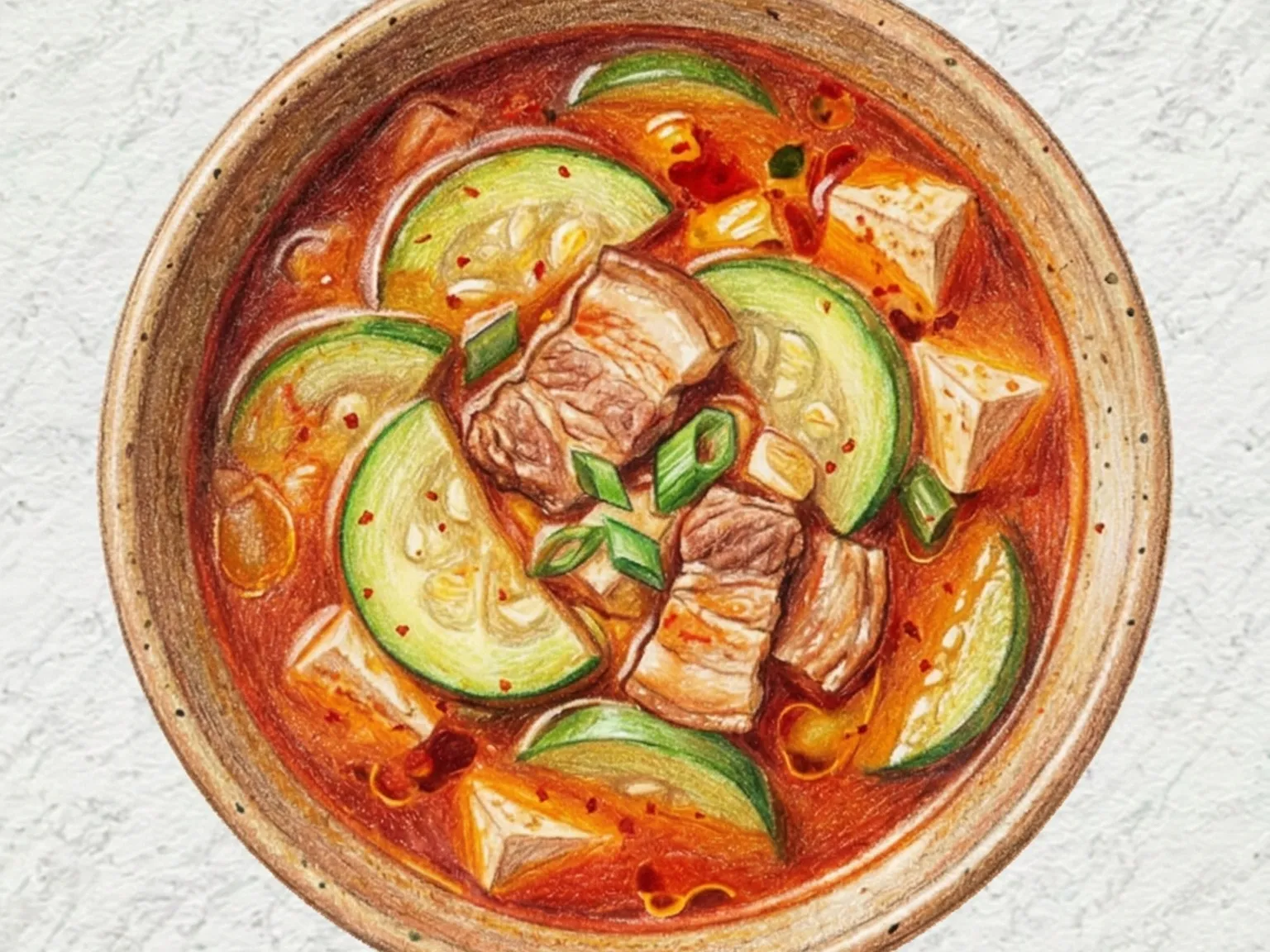
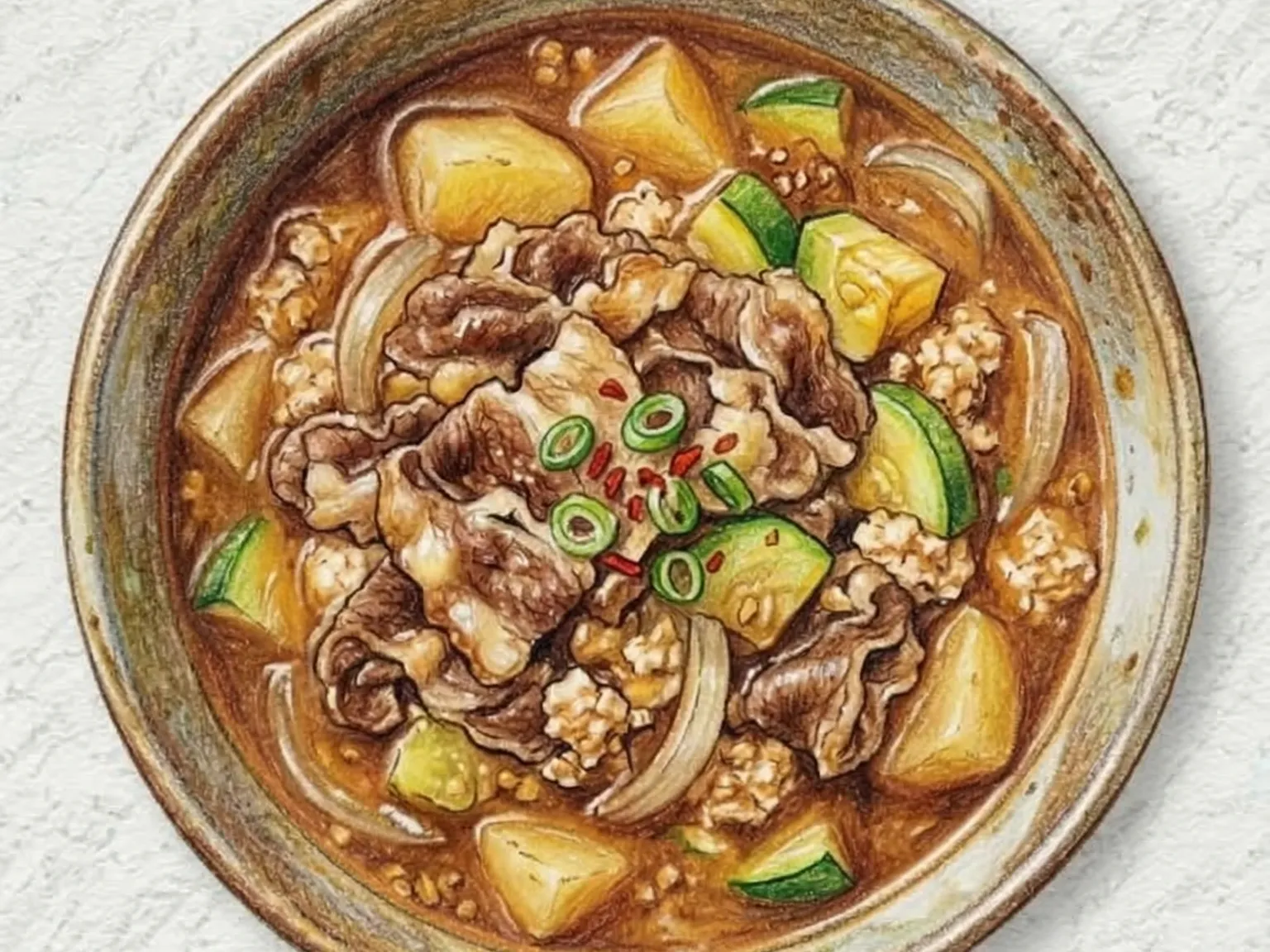
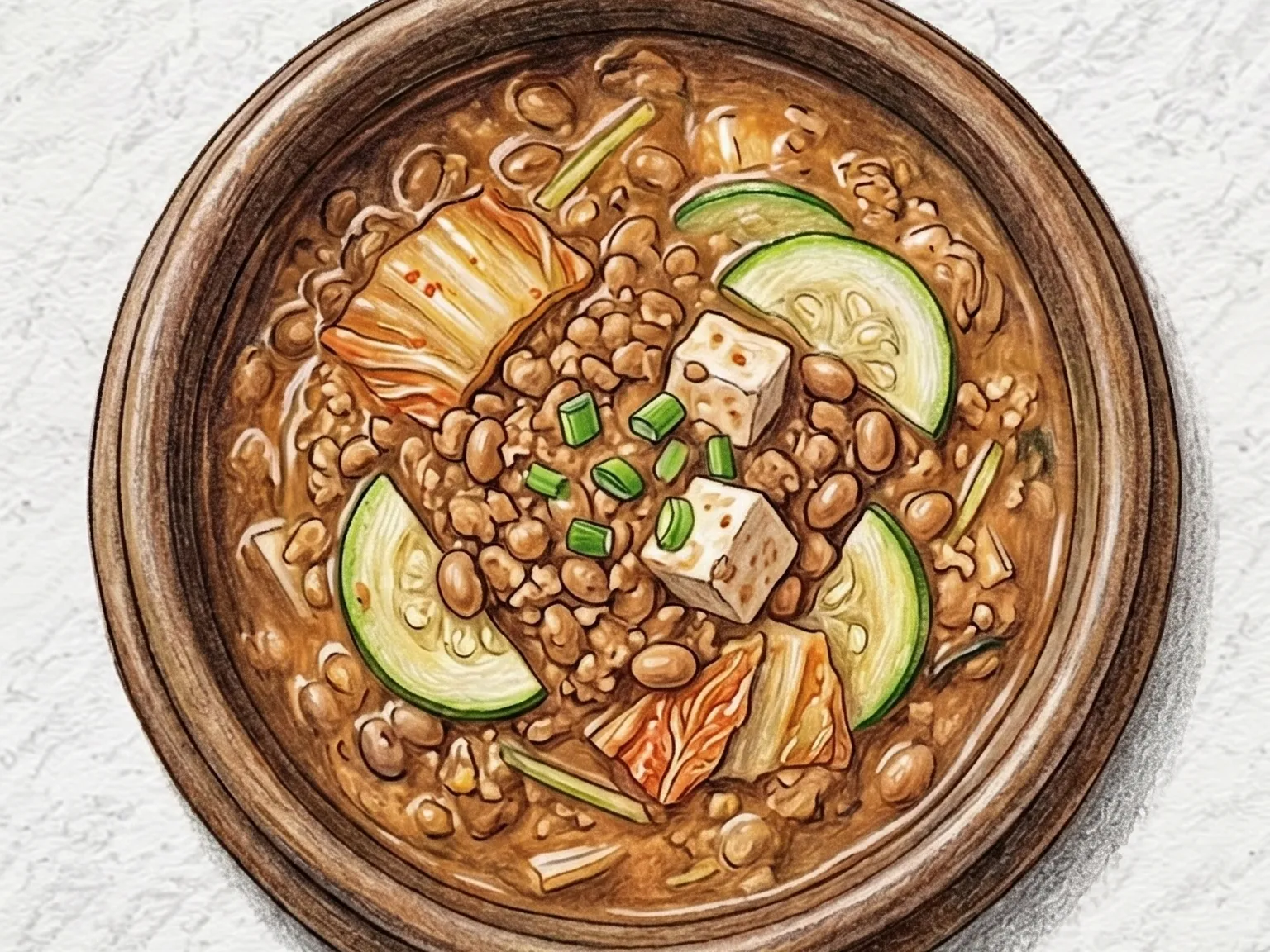
Korean Zucchini Pork Stew
Aehobak-jjigae is a home-style Korean stew that builds bold flavor from modest ingredients - pork, zucchini, and a spoonful each of gochujang and gochugaru. The pork is stir-fried first with garlic to render fat and build a savory fond at the bottom of the pot, then the chili paste is toasted into the fat before anchovy broth goes in. This layering technique gives the broth a depth that plain boiling cannot achieve. The zucchini cooks in the simmering liquid for just six minutes, softening into the stew while keeping enough structure to hold its half-moon shape. The broth finishes spicy and slightly sweet from the pork fat and vegetable sugars, with enough body to soak into a bowl of rice. A reliable weeknight meal that requires no special ingredients beyond a basic Korean pantry.

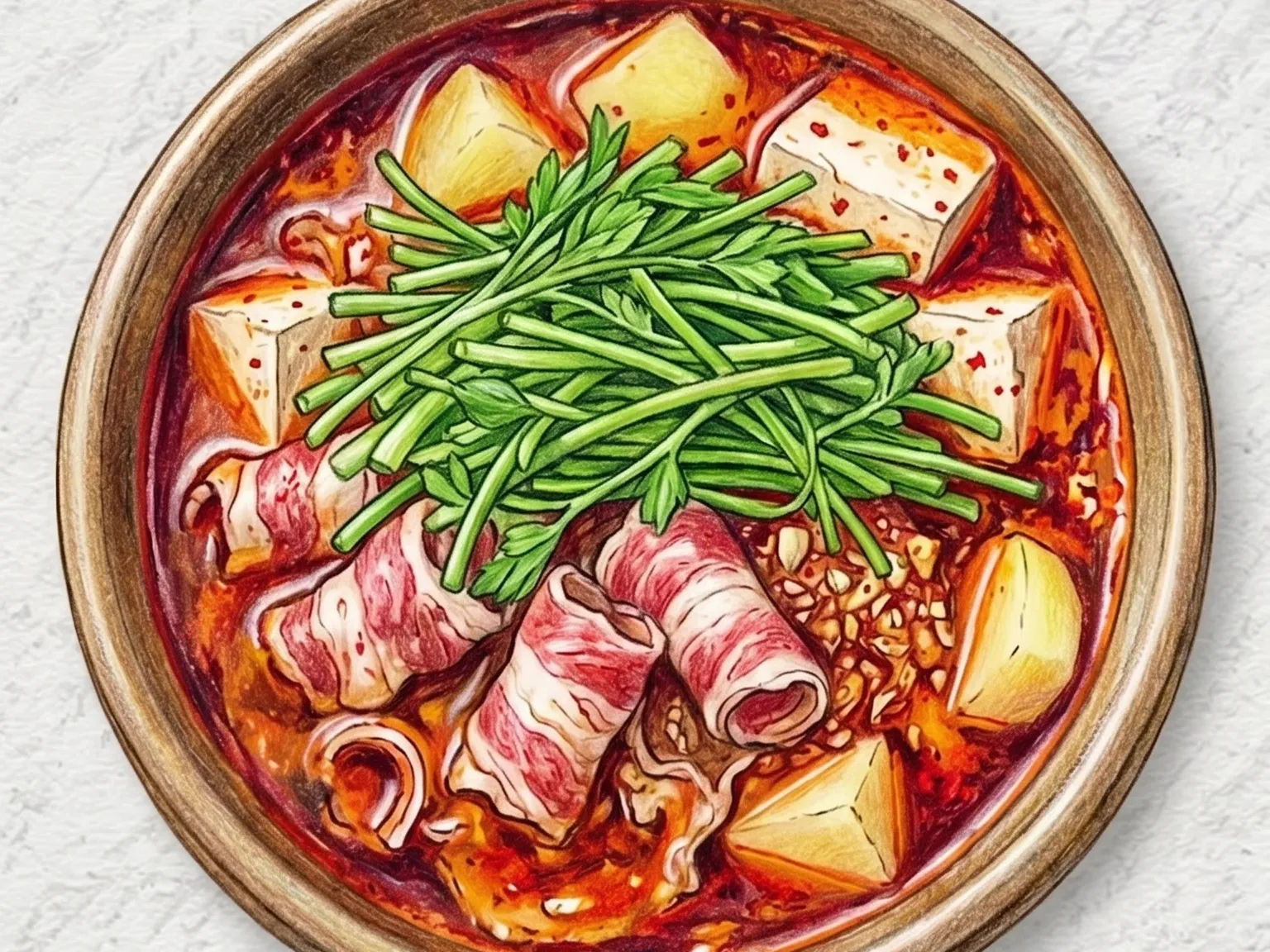
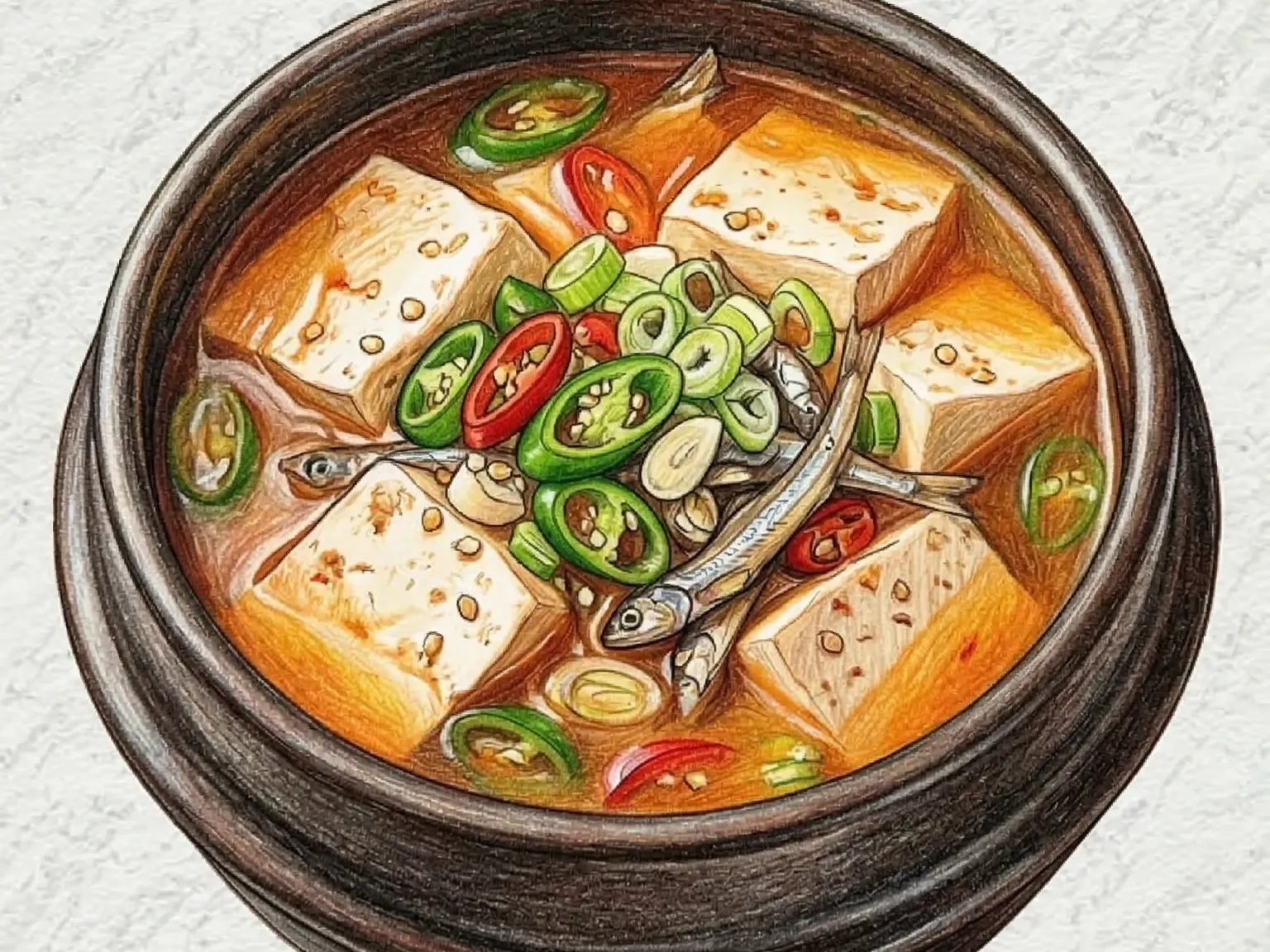
Korean Napa Cabbage Anchovy Stew
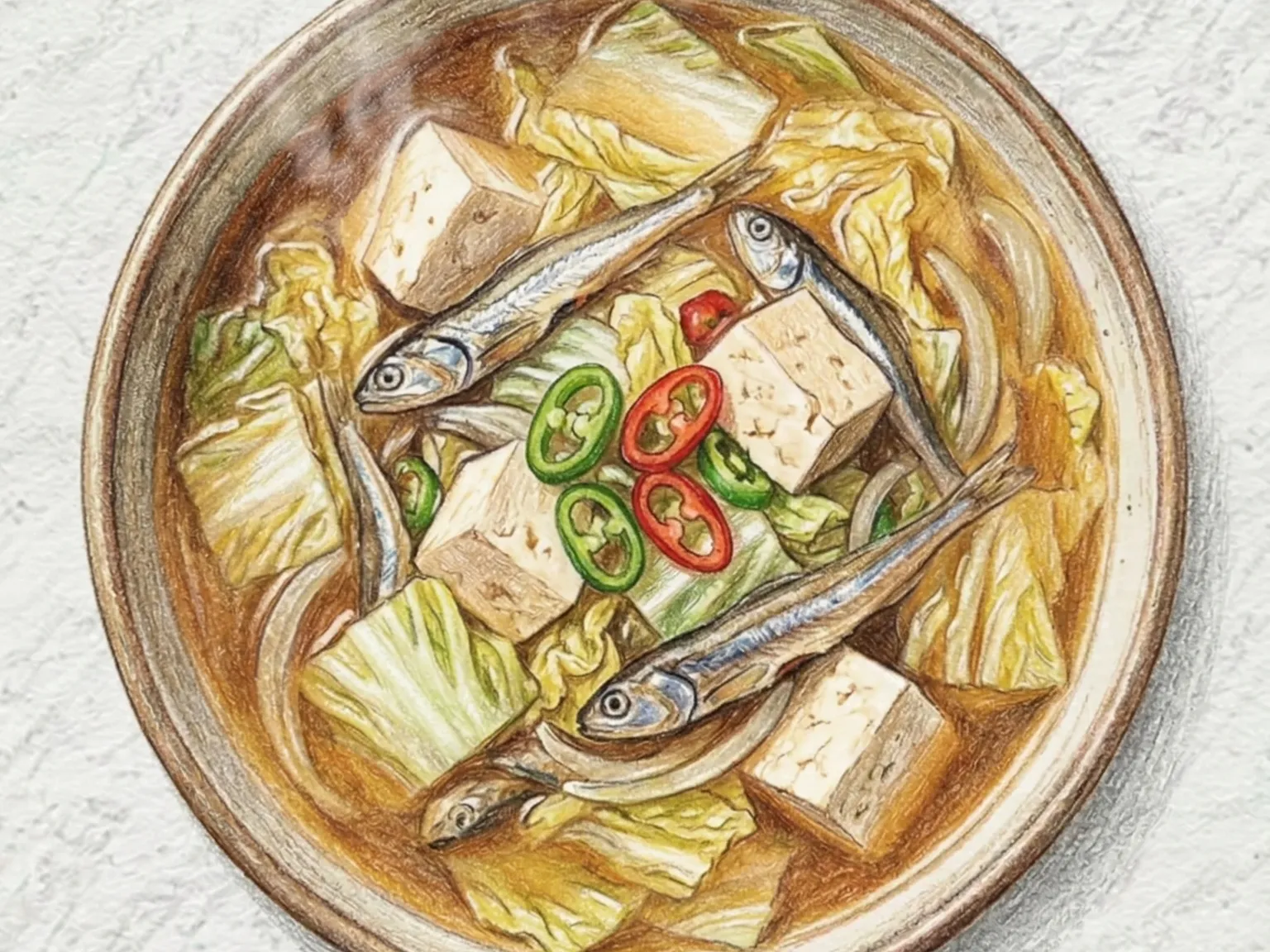
Baechu myeolchi jjigae is a homestyle Korean stew built on dried anchovy stock with napa cabbage as the main vegetable. Large dried anchovies and kelp are simmered for ten minutes to create a stock with deep umami, then strained for a clean base. Baby napa cabbage is cut into long vertical strips so the stems release their sweetness into the broth, naturally balancing the saltiness of the anchovy. Thick-cut tofu slabs are nestled between the cabbage pieces, and sliced onion adds another layer of sweetness. Diagonally cut cheongyang chili brings a sharp heat that enlivens the otherwise mild broth. Simmering for fifteen to twenty minutes allows the cabbage to soften fully and its sugars to dissolve into the liquid. The stew demonstrates a core principle of Korean home cooking: a well-made stock and a single good vegetable can produce depth without complicated seasoning.

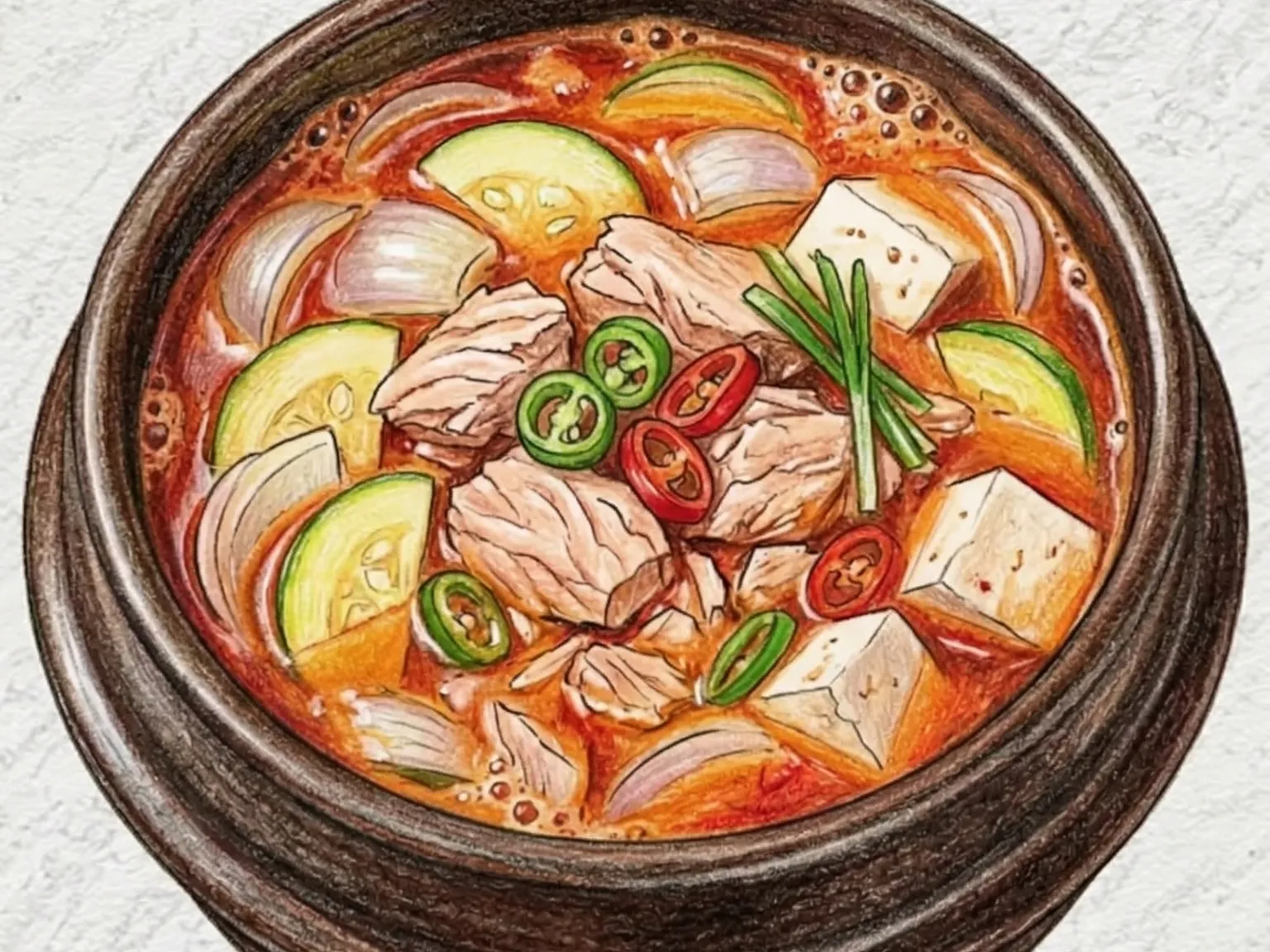
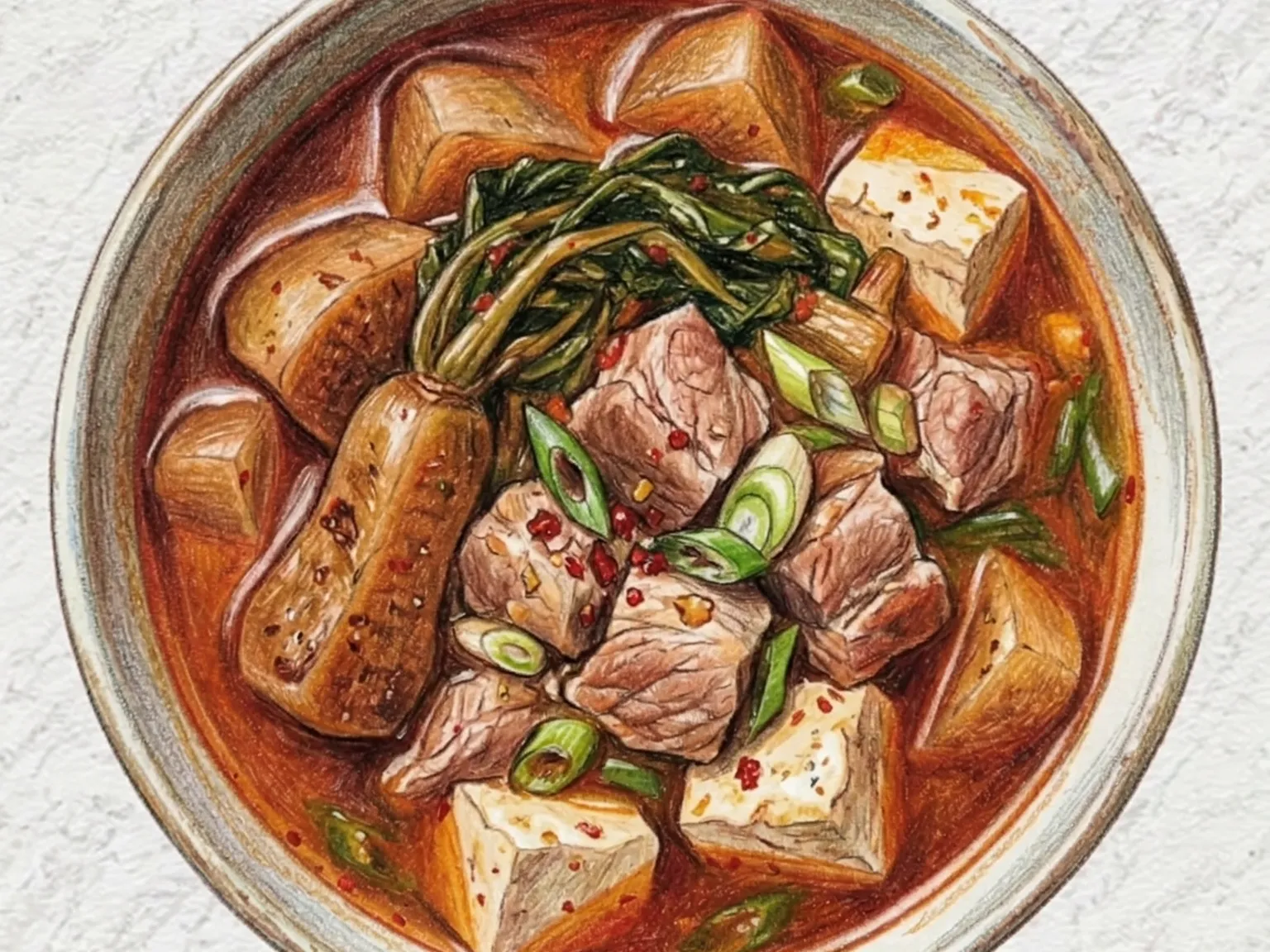
Korean White Kimchi Tofu Stew
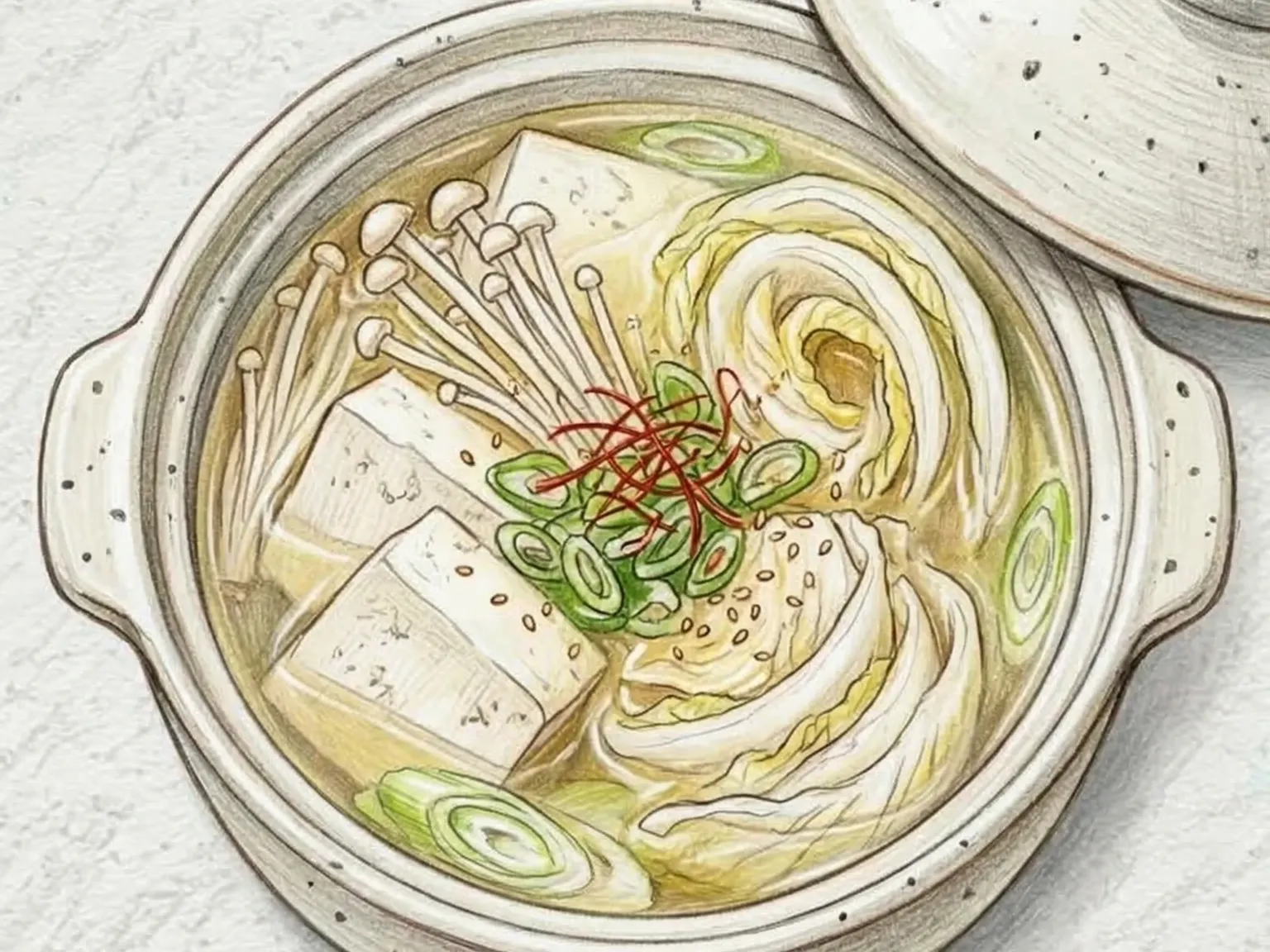
Baek kimchi dubu jjigae is a mild Korean stew where the gentle tang of white kimchi replaces the bold heat of regular kimchi. Anchovy-kelp stock provides the umami foundation, and chopped white kimchi is added so its fermented acidity dissolves into the broth, creating a refreshingly different direction from typical doenjang or kimchi stews. Thick tofu slabs go in after the broth reaches a boil to prevent them from crumbling, and enoki mushrooms are added in the final two minutes to keep their delicate texture. Guk-ganjang adjusts the salt level cautiously since the white kimchi already carries its own brine salinity. A sliced cheongyang chili introduces a controlled spicy note into the otherwise gentle broth. Unlike the intense red broth of standard kimchi jjigae, this version stays clear, lightly tart, and nearly fat-free, making it noticeably light on the stomach.

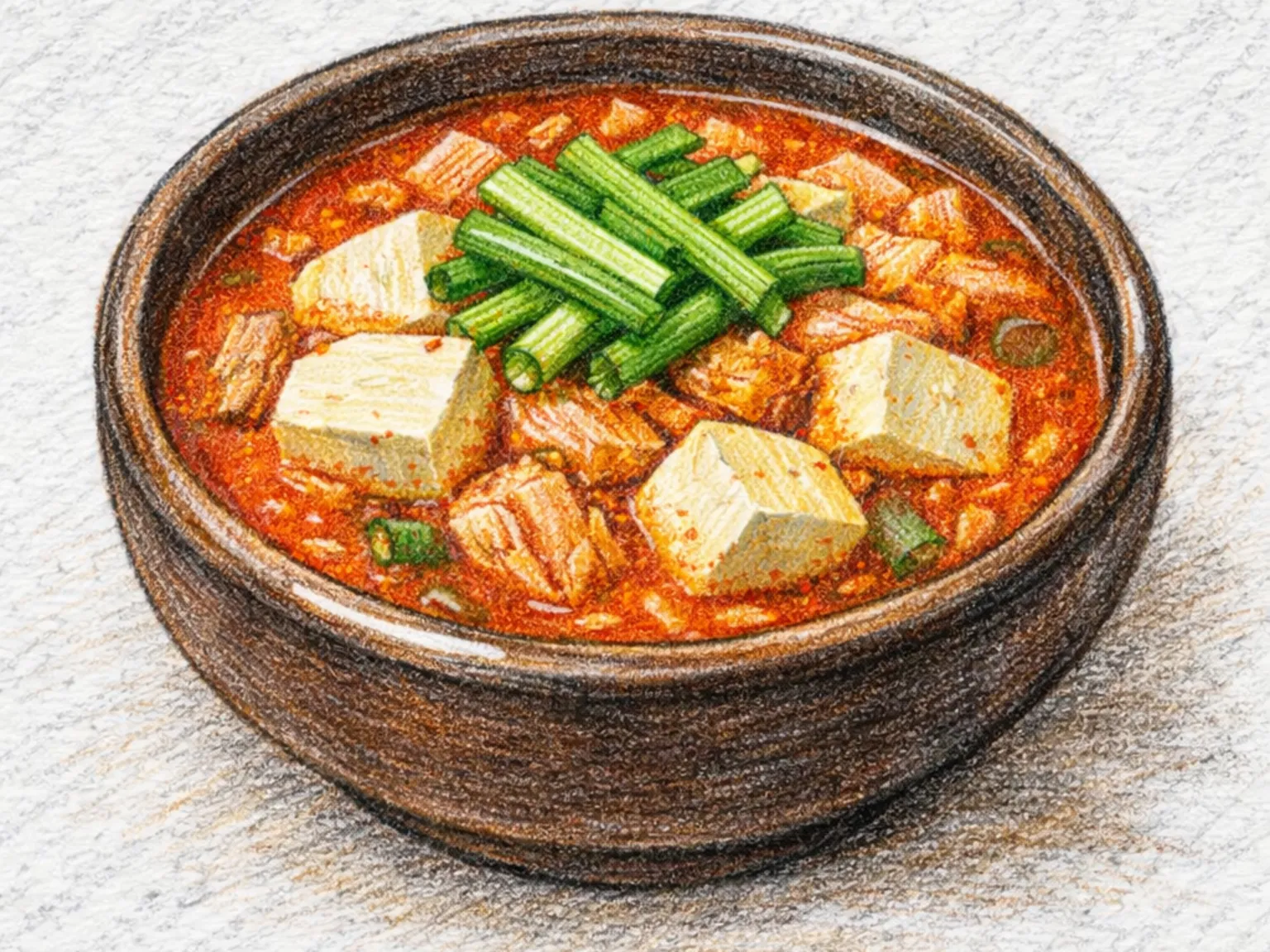
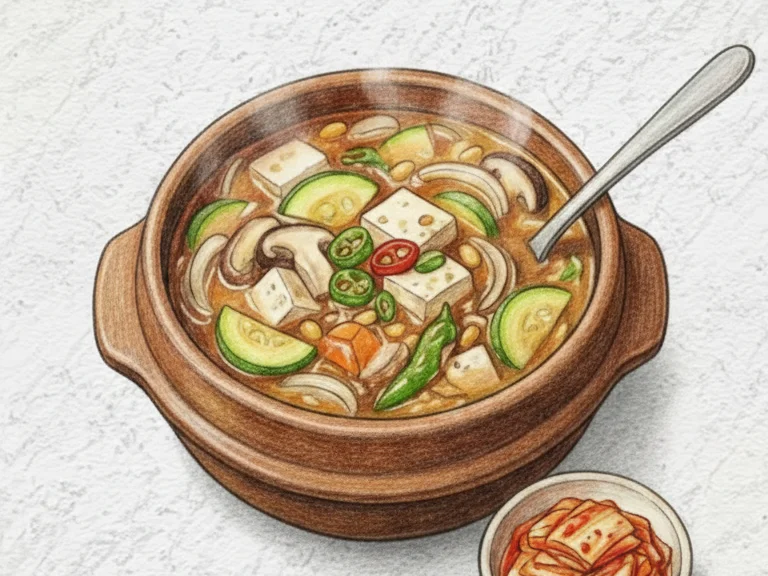
Korean Hard Clam Radish Stew
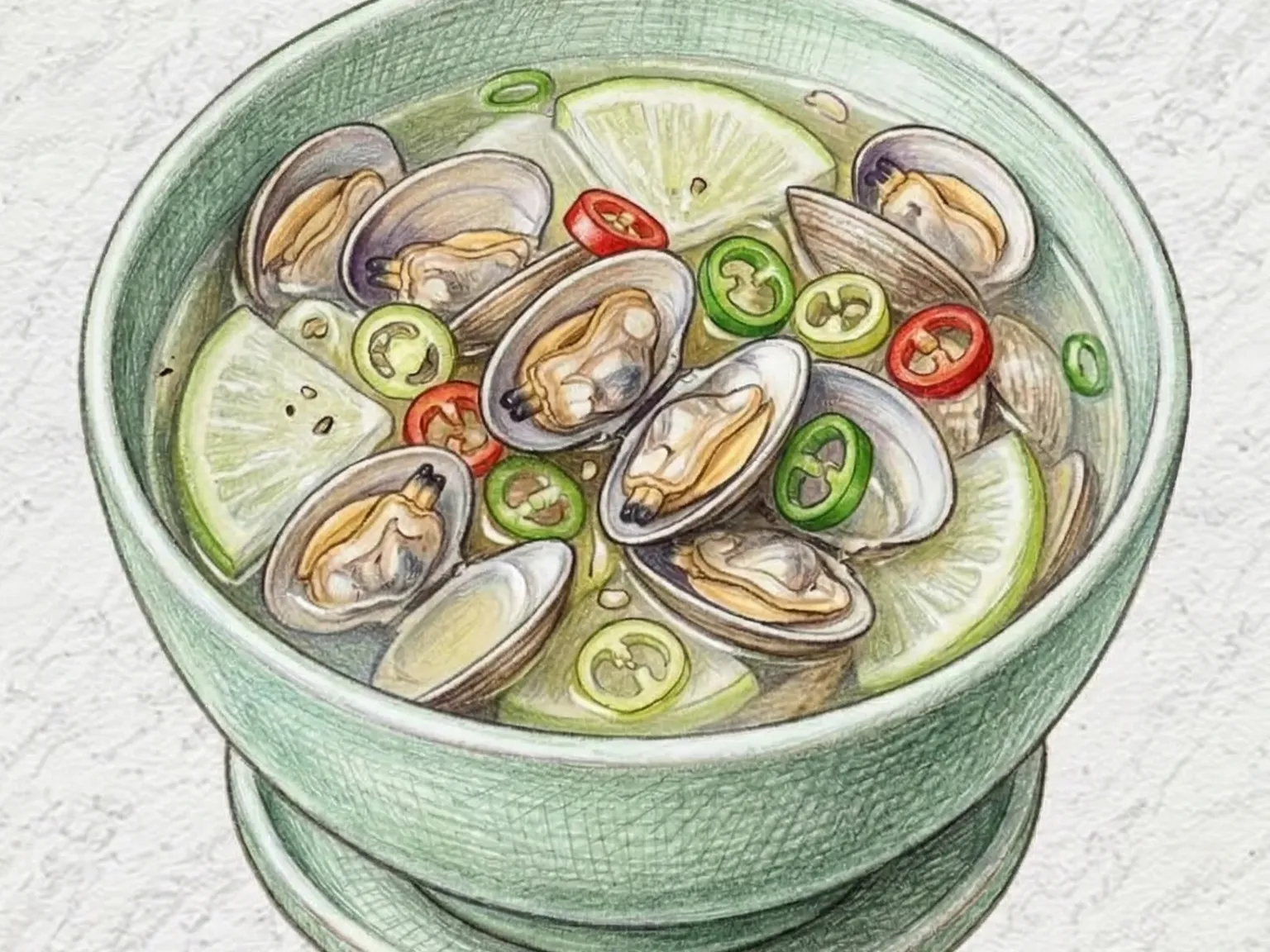
Sweet radish broth meets briny hard clams in this clean, deeply flavored Korean stew that needs no stock -- just clams, radish, and 35 minutes. The radish goes into the pot first and boils for ten minutes to release its natural sweetness, which forms the foundation of the broth before the clams are added. Once the clams open, their concentrated marine flavor layers over the radish sweetness, creating a broth that is both clean and deeply flavored. Seasoning is kept minimal with soup soy sauce and minced garlic, added after the clams open so the garlic cooks through without remaining raw. Thick-cut firm tofu absorbs the surrounding broth, acting as a sponge for the clam umami. Diagonally sliced cheongyang and red chilies go in last, contributing a mild heat and visual contrast to the pale broth. Any clams that fail to open must be removed to keep the liquid free of grit. The stew demonstrates how two primary ingredients, clams and radish, can produce a complex broth without relying on anchovy or kelp stock.

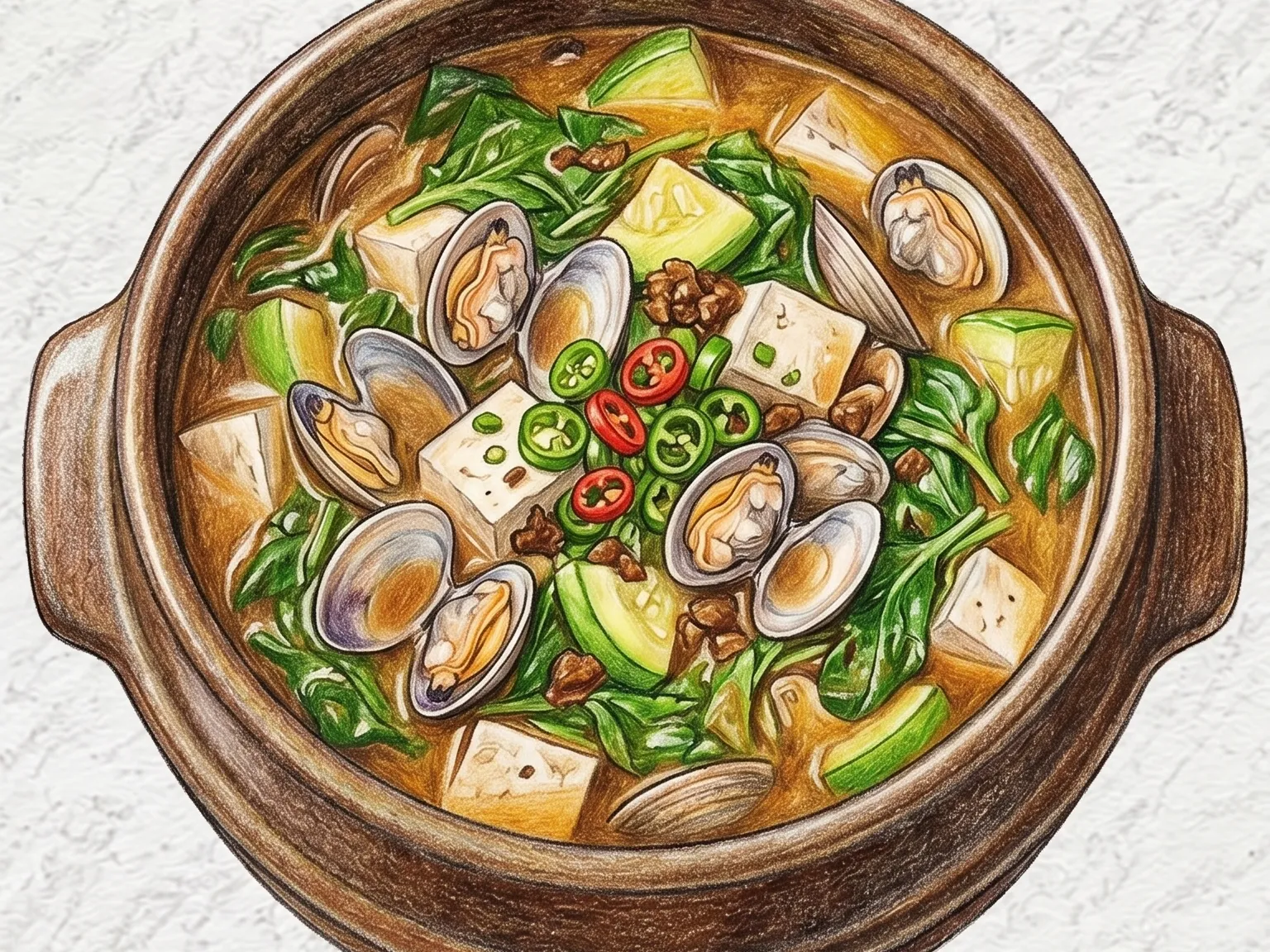
Korean Bajirak Miyeok Jjigae (Clam Seaweed Stew)
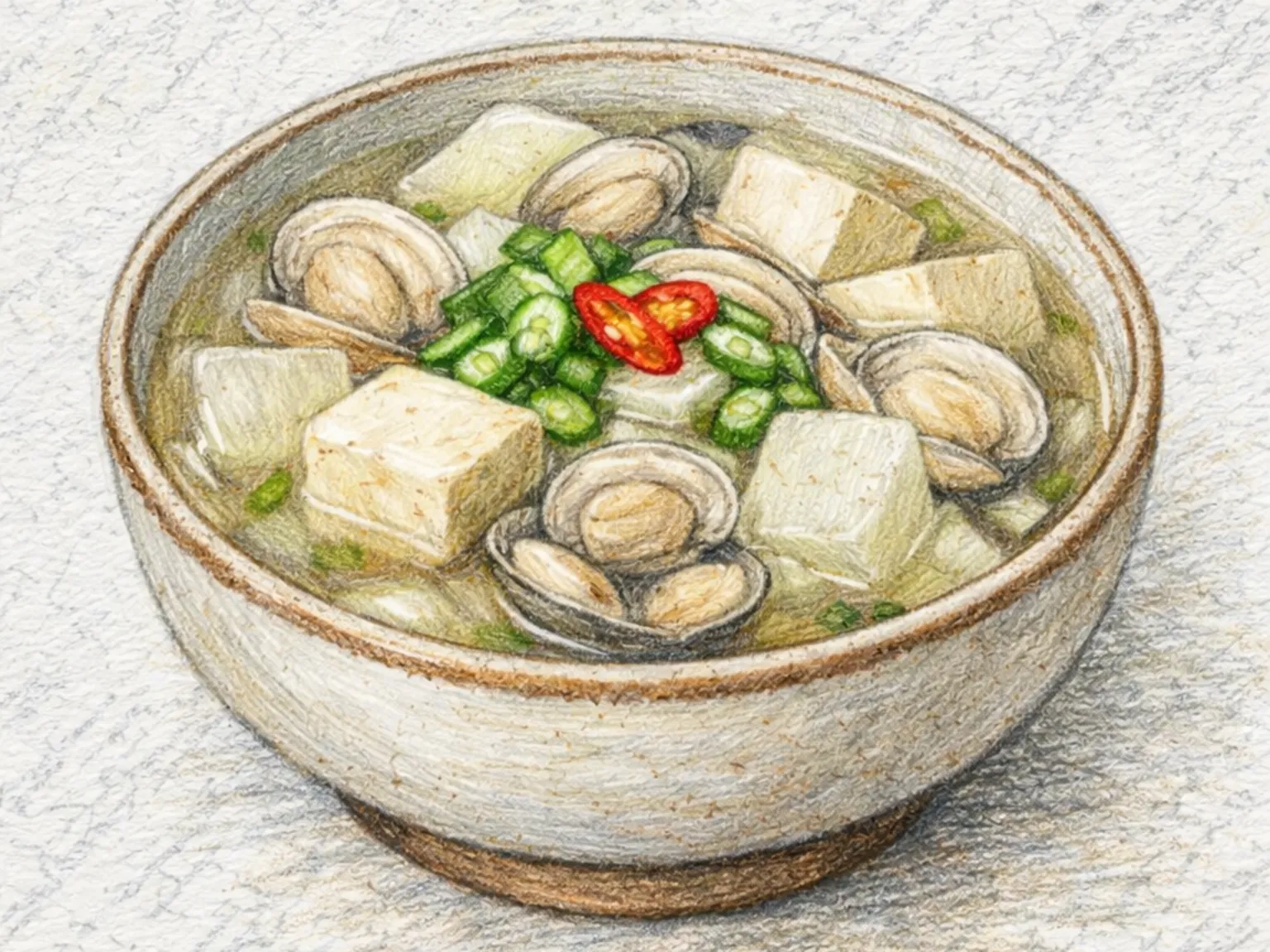
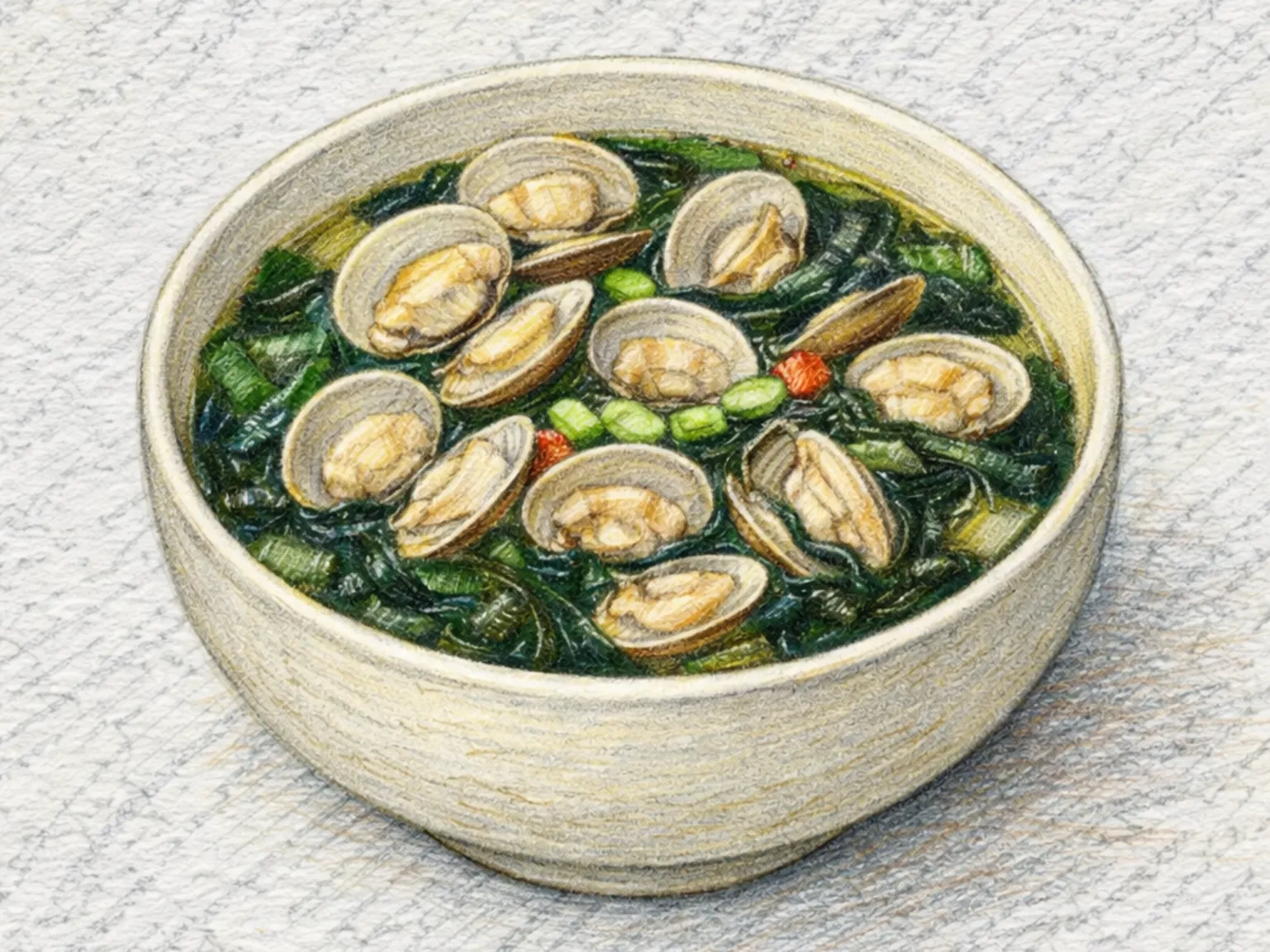
Bajirak miyeok jjigae is a Korean stew combining manila clams and soaked seaweed, layering shellfish umami with the mineral depth of sea vegetables. Clams start in cold water with radish, which adds a cool sweetness to the broth that balances the clams' natural saltiness as the temperature climbs. Once the shells open, rice wine removes any briny off-notes, and the stew is seasoned with soup soy sauce and minced garlic. The seaweed, soaked and cut into bite-sized pieces, must enter the pot only in the last five minutes; longer cooking turns it tough and unpleasantly slippery. Diagonally sliced scallion added at the end releases a fresh aroma across the surface of the stew. The iodine-rich character of the seaweed and the briny depth of the clams belong to the same marine family yet occupy different flavor registers, creating a broth with compound depth. Any clams that remain closed after cooking must be removed to prevent grit from contaminating the finished stew.

Korean Mushroom Bulgogi Jeongol
This hot pot brings together soy sauce-marinated sliced beef with shiitake and enoki mushrooms simmered in a generous broth. Sweet potato noodles soak up the savory stock, gaining a chewy, flavorful bite with every serving. The combination of earthy mushrooms, caramelized onion sweetness, and garlic-infused broth makes it a satisfying communal dish meant to be shared at the table.

Korean Beoseot Jjigae (Mushroom Stew)
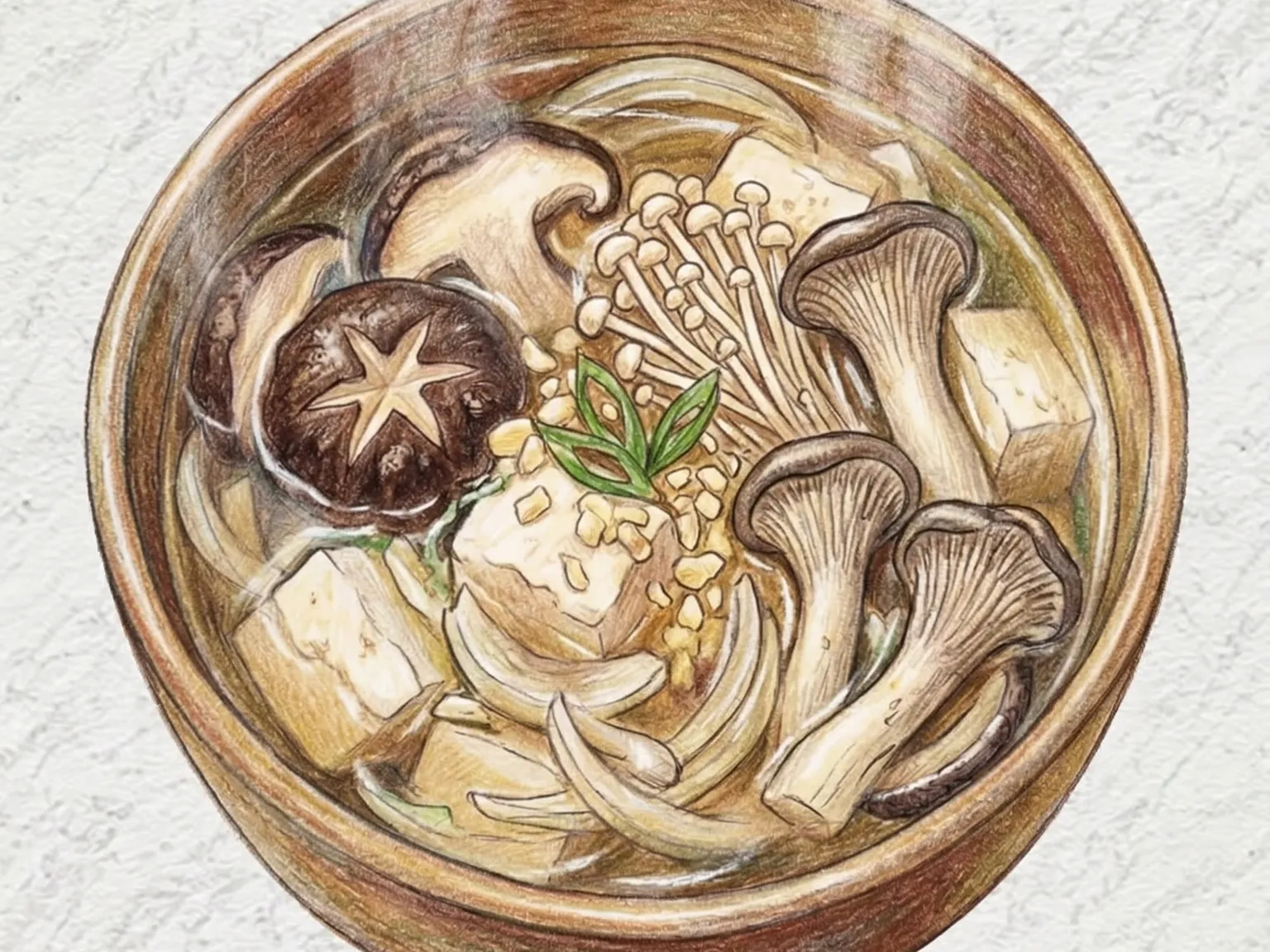
Oyster, shiitake, and enoki mushrooms are simmered in kelp-infused water to create a light, clean-flavored stew. Tofu and sliced onion add body and gentle sweetness, while soup soy sauce and garlic keep the seasoning understated. The result is a low-fat, warming dish where the distinct textures and umami of the mushrooms take center stage.

Korean Soy Pulp Stew (Okara with Aged Kimchi and Pork)
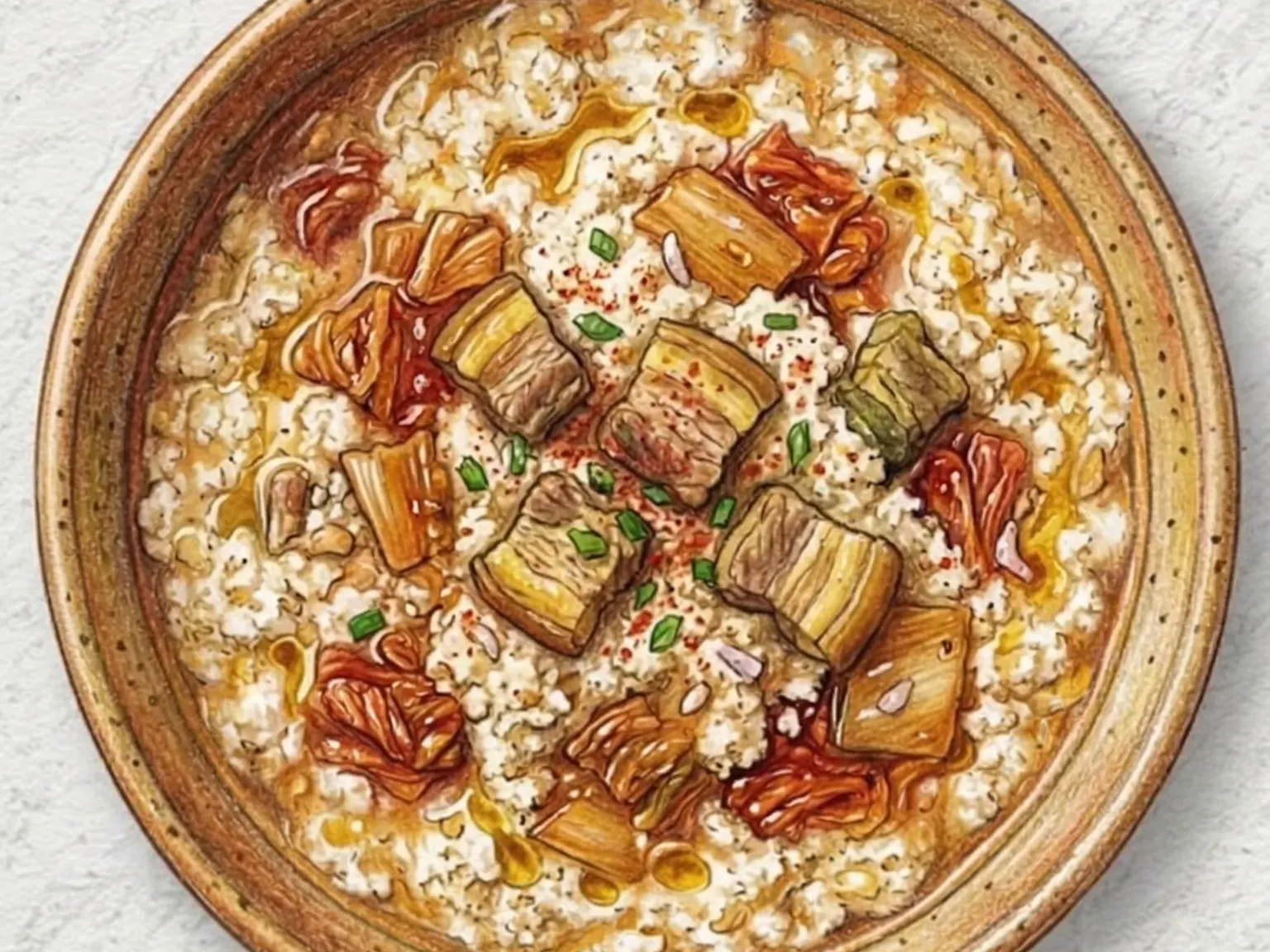
Biji jjigae is a stew made from soy pulp - the byproduct of tofu making - cooked with well-fermented aged kimchi and pork. The soy pulp gives the broth a thick, porridge-like consistency with a nutty undertone, while salted shrimp and perilla oil layer in depth. The tangy kimchi and rendered pork fat meld into the grainy texture, creating a hearty bowl that has been a staple of Korean home cooking for generations.

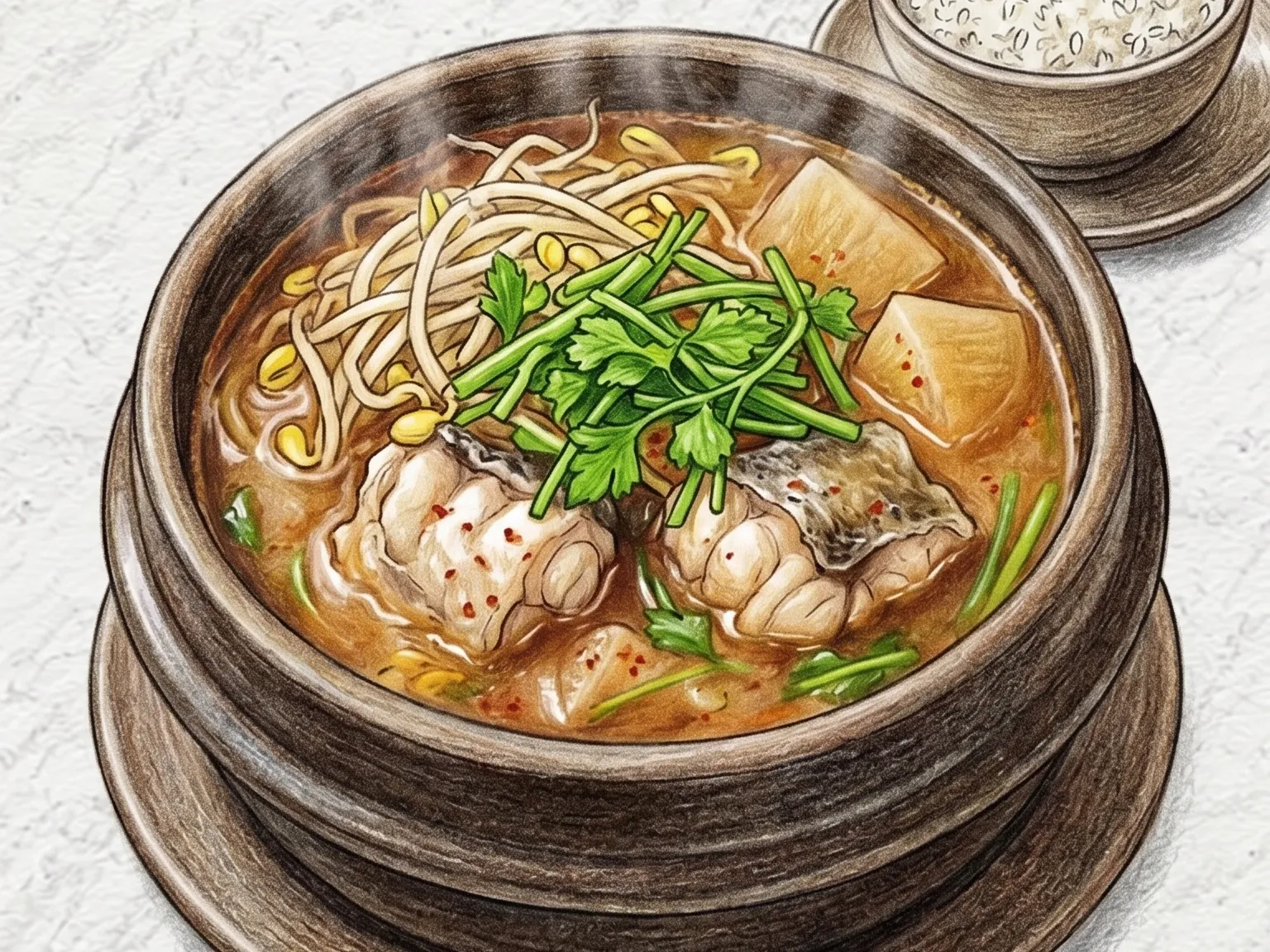
Korean Mild Puffer Fish Stew
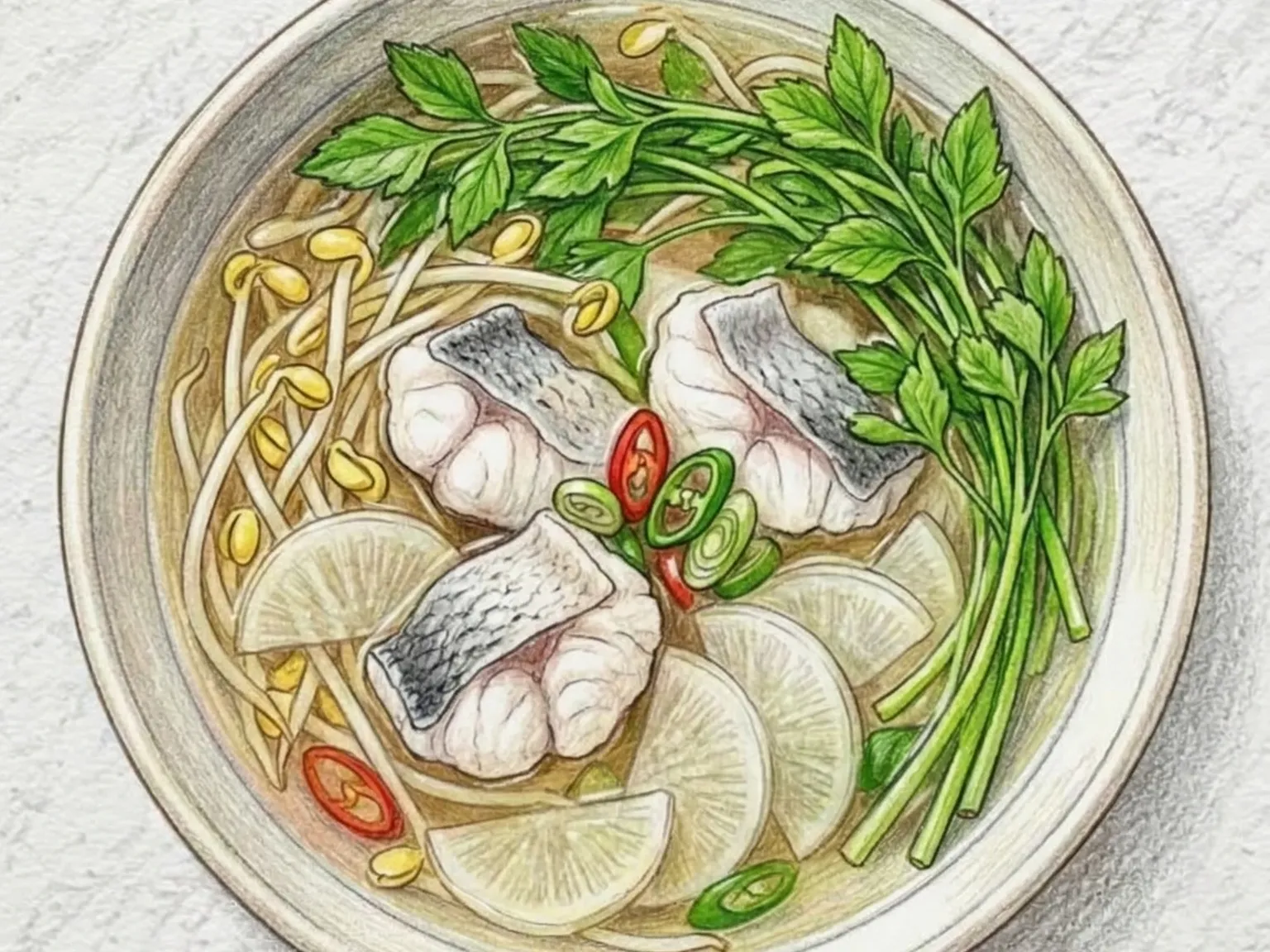
This clear-broth stew features puffer fish fillet simmered with Korean radish, bean sprouts, and water dropwort. The fish yields a firm, delicate bite, while the radish slowly releases its sweetness into the soup soy sauce-seasoned broth. Finished with fragrant water dropwort and green onion, it is a light yet restorative dish traditionally enjoyed as a hangover remedy.

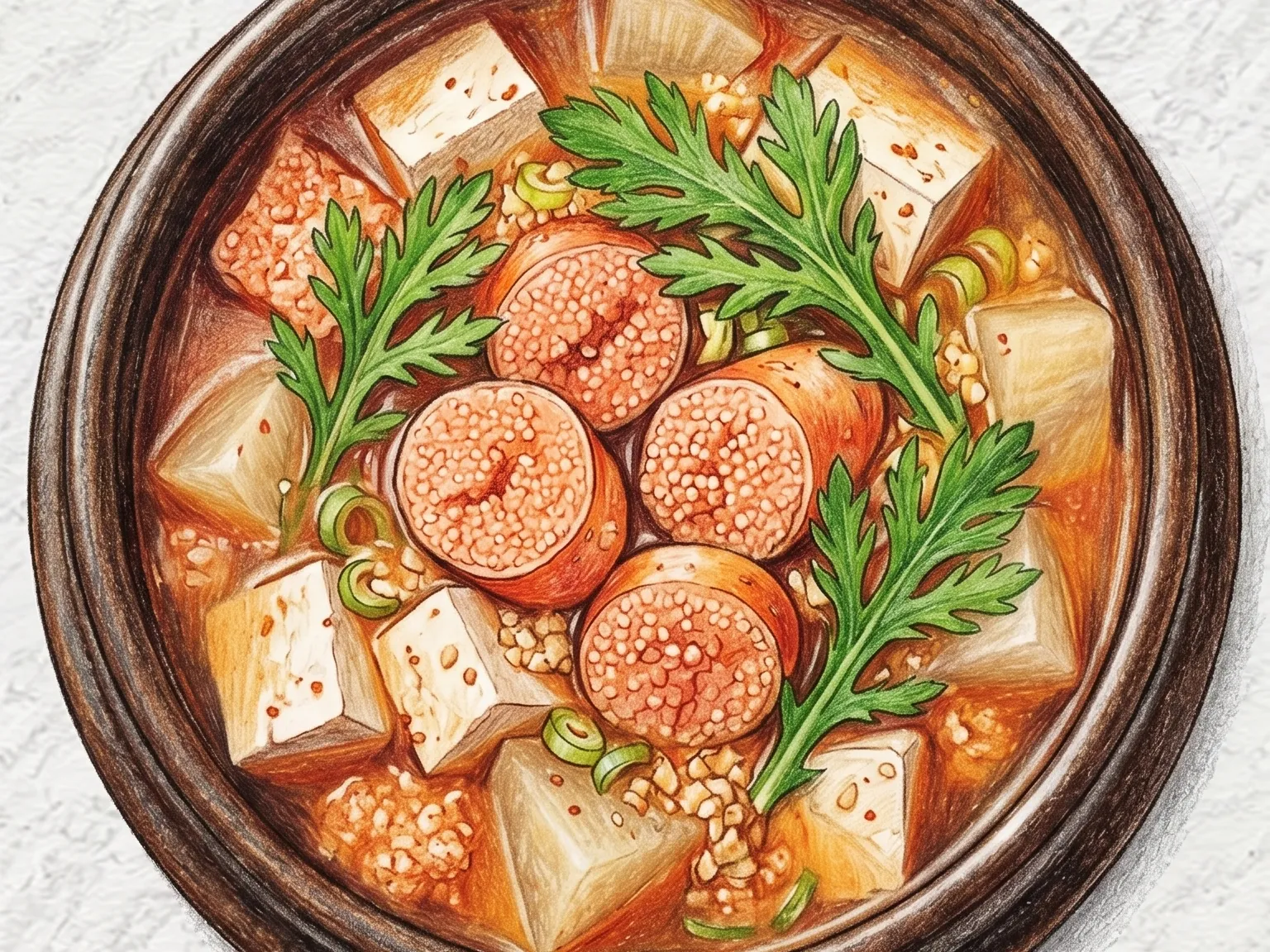
Korean Army Stew (Spam & Ramen Spicy Fusion Pot)
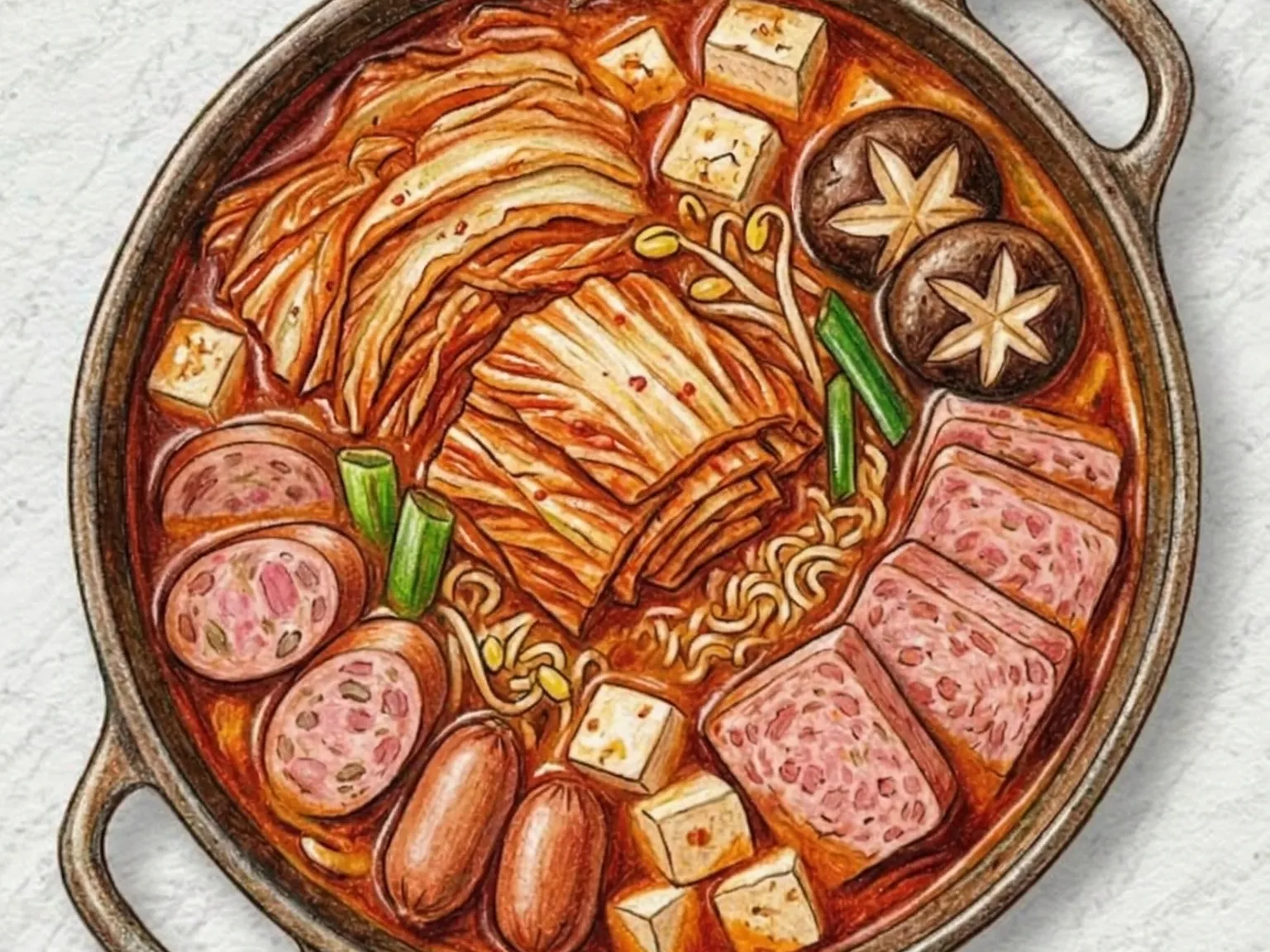
Budae jjigae piles Spam, sausages, instant ramen noodles, rice cakes, tofu, and kimchi into a single pot of spicy gochugaru-and-gochujang broth. Born near U.S. military bases in Uijeongbu after the Korean War, it blends Korean and American pantry staples into a bold, communal stew. Each ingredient contributes a different texture - from the chewy rice cakes to the springy noodles - all unified by the fiery, deeply seasoned stock.

Korean Seoul-Style Army Stew
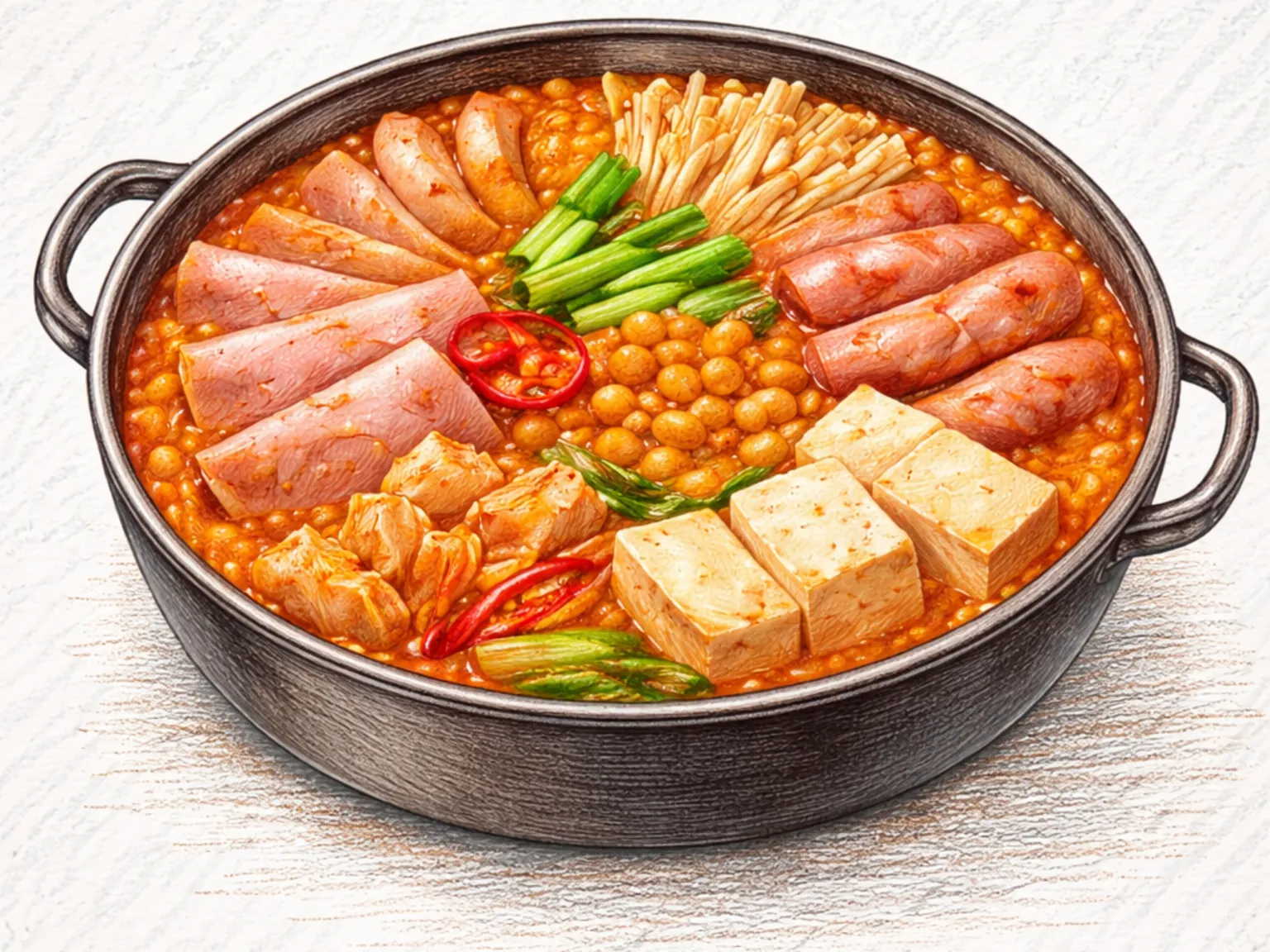
Seoul-style budae jjigae uses a rich anchovy stock base, setting it apart from versions that rely on plain water. Spam, mini sausages, baked beans, and kimchi simmer in the stock with gochujang and chili flakes, while the baked beans lend a subtle sweetness and creamy body to the broth. A block of instant ramen noodles goes in at the end to soak up the spicy, umami-rich soup.

Korean Beef and Octopus Hot Pot
Bulnak jeongol is a hot pot that pairs sliced beef with fresh octopus in an anchovy-kelp broth. The beef enriches the stock with a meaty depth, while the octopus adds a firm, bouncy chew that holds up through simmering. Napa cabbage and water dropwort lighten the pot with their fresh, vegetal notes, making the whole dish feel balanced despite its generous protein portions.

Korean Brisket Soybean Paste Stew
This version of doenjang jjigae adds thinly sliced beef brisket to the classic soybean paste stew. The marbled brisket renders its fat into the rice-rinsing water base, giving the broth a richer, more full-bodied character than the standard recipe. Potato, zucchini, tofu, and a cheongyang chili round out the pot, making each spoonful a mix of creamy, starchy, and spicy elements.

Korean Tuna Stew
A quick weeknight stew built around a single can of tuna. The tuna's oil and flaked meat dissolve into the broth along with gochugaru and soup soy sauce, creating a brothy base that is both spicy and full of umami. Zucchini and onion contribute natural sweetness, tofu softens into the stock, and a cheongyang chili brings an extra kick of heat.

Korean Tuna Kimchi Stew
Aged kimchi and canned tuna replace the more traditional pork in this streamlined kimchi jjigae. The tuna's oil enriches the broth quickly without a long simmer, while the well-fermented kimchi provides a deep sourness that anchors the stew's flavor. Firm tofu, onion, and green onion fill out the pot, and a spoonful of chili flakes keeps the heat level assertive.

Korean Hot Chili Anchovy Tofu Stew
Dried anchovies, cheongyang chilies, and tofu form the core of this spicy stew. The anchovies are simmered directly in the pot, releasing a concentrated umami that becomes the broth's backbone, while two cheongyang chilies deliver a sharp, lingering heat. Soup soy sauce and chili flakes round out the seasoning, and the soft tofu cubes offer a mild, cooling contrast to the fiery broth.

Korean Young Radish Kimchi Stew
This kimchi jjigae uses chonggak kimchi - small, whole ponytail radishes fermented in chili paste - instead of the usual napa cabbage kimchi. The radish pieces retain a crisp, crunchy bite even after simmering, giving the stew a texture that sets it apart. Pork shoulder and a generous pour of kimchi brine build a robust, tangy broth, with tofu added to balance the bold flavors.

Korean Loach Stew (Ground Loach & Perilla Seed Pot)
Chueo jjigae is a traditional Korean stew built around loach, a small freshwater fish that is ground and dissolved into the broth. Combined with dried radish greens, soybean paste, gochujang, and a generous amount of perilla seed powder, the stew develops a thick, porridge-like consistency with a deeply nutty flavor. It has long been valued as a nourishing autumn dish, and the interplay of fermented pastes with earthy greens gives it a distinctly rustic character.

Korean Wild Chive Clam Chili Stew
Fresh clams and wild chives come together in a gochujang-spiked anchovy broth for this seasonal stew. The clams open during simmering, releasing their briny liquor into the spicy stock, while the wild chives - added near the end - contribute a sharp, garlic-like bite that lifts the whole dish. Potato and tofu give the stew substance, and the interplay of sea-briny clam flavor with pungent spring chives makes it a distinctly early-spring recipe.

Korean Wild Chive Soybean Paste Stew
This doenjang jjigae features dalrae (wild chives), a prized spring ingredient in Korean cooking. Anchovy-kelp stock is simmered with soybean paste, tofu, zucchini, and onion, then finished with a generous handful of wild chives for their sharp, garlicky bite. A single Cheongyang chili adds gentle heat that complements the earthy depth of the doenjang. The wild chives wilt into the broth just enough to release their pungent aroma while retaining a slight crunch.

Korean Bellflower Root Tofu Stew
A hearty jjigae that pairs bellflower root (deodeok) with soft tofu in a rice-rinse water base. The broth gets its complex flavor from a blend of gochujang and doenjang, creating a spicy yet earthy profile. Bellflower root contributes a distinctly bitter-sweet, herbaceous note along with a firm, slightly chewy texture. The rice-rinse water thickens the broth naturally and mellows the stronger flavors into a balanced, warming bowl.

Korean Bellflower Root Pork Stew
This stew combines pork shoulder and bellflower root in a bold, chili-laced broth made with rice-rinse water. Gochujang, gochugaru, and soup soy sauce build layers of heat and umami, while oyster mushrooms add meaty depth. The bellflower root's slight bitterness cuts through the richness of the pork, keeping each spoonful clean on the palate. With generous chunks of meat and vegetables, it works well as a standalone main dish over steamed rice.

Korean Perilla Seed and Potato Stew
A comforting potato jjigae enriched with ground perilla seeds, which give the broth a nutty thickness reminiscent of a light porridge. Potatoes and zucchini simmer in anchovy stock until the potatoes begin to break down, naturally thickening the stew. Three tablespoons of perilla seed powder are stirred in to create the signature creamy, toasty flavor that defines this dish. Seasoned simply with soup soy sauce and garlic, it showcases how a few humble ingredients can produce a deeply satisfying meal.

Korean Perilla Radish Greens Shrimp Stew
Radish greens and medium shrimp come together in this stew with a rich, nutty broth thickened by four tablespoons of perilla seed powder. The radish greens provide a hearty, slightly fibrous chew that absorbs the savory broth well. Doenjang and soup soy sauce season the anchovy-kelp stock base, while the shrimp release their own briny sweetness as they cook. The result is a deeply flavored, rustic stew that balances the earthiness of perilla with the ocean freshness of shrimp.