Albondigas en Salsa (Spanish Meatballs in Tomato Sauce)
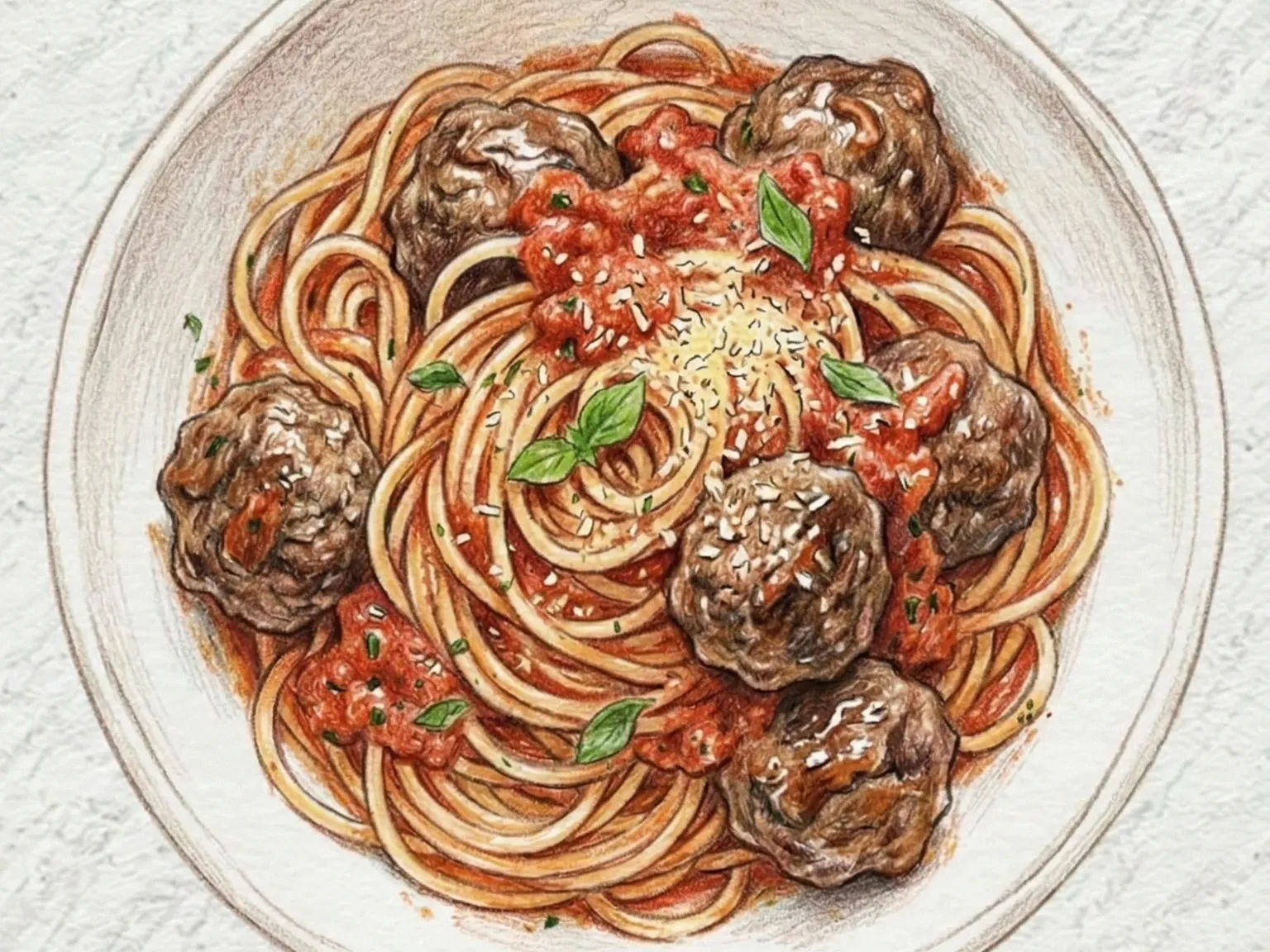
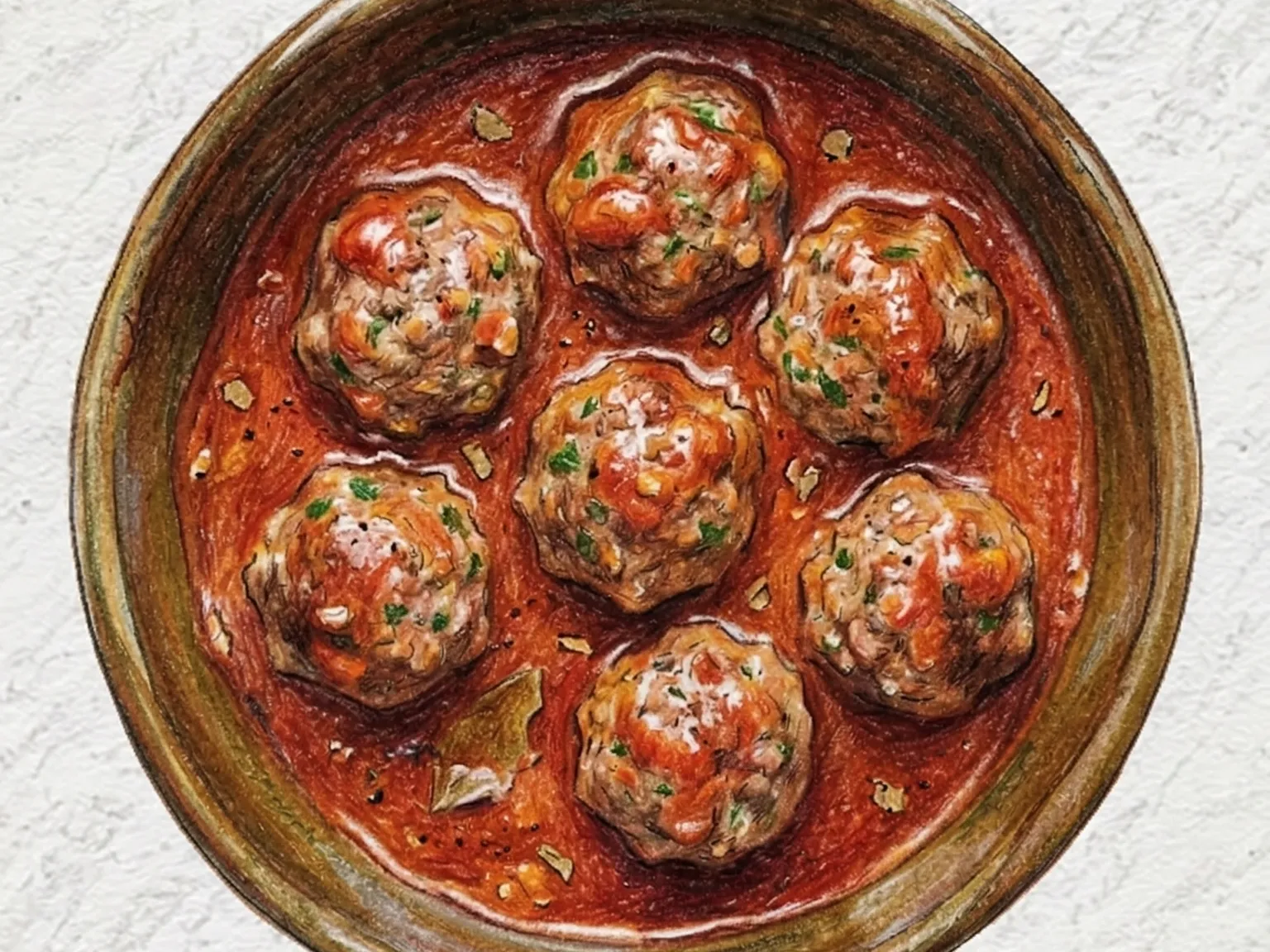
Tender, bread-softened meatballs simmered in a smoky paprika-tomato sauce until every bite soaks up the rich, glossy gravy -- Spain's ultimate weeknight comfort food. Ground pork and beef are mixed with soaked bread, egg, and garlic, then rolled small and browned in olive oil before simmering in a tomato-based sauce seasoned with smoked paprika and bay leaf. The bread in the mixture keeps the meatballs from turning dense, giving them a soft, almost spongy center that absorbs the sauce as they braise. The tomato sauce mellows over twenty minutes of gentle heat, losing its raw acidity and developing a concentrated sweetness that clings to each ball. Served with crusty bread to mop up the sauce, or spooned over plain rice, this is the kind of dish Spanish grandmothers make on weekday evenings without measuring anything.
Adjust Servings
Instructions
- 1
Mix ground beef, egg, breadcrumbs, and salt, then shape meatballs.
- 2
Brown the meatballs in oil until seared outside.
- 3
In the same pan, saute onion and garlic until softened.
- 4
Add tomatoes and paprika; simmer 5 minutes for the sauce.
- 5
Return meatballs and simmer gently for 15 minutes.
As an Amazon Associate, we may earn from qualifying purchases.
Tips
Nutrition (per serving)
More Recipes

Gazpacho
Gazpacho is a cold soup from Andalusia made by blending ripe tomatoes, cucumber, red bell pepper, red onion, and garlic with extra virgin olive oil and red wine vinegar. Soaking stale bread in water and blending it into the mixture releases starch that gives the soup its characteristic body and velvety texture. The olive oil wraps around the fresh vegetable flavors, while the vinegar sharpens the natural sweetness of the tomatoes into a balanced acidity. Chilling the blended soup for at least two hours allows the flavors to marry and deepen. Just before serving, a drizzle of olive oil and finely diced cucumber and pepper on top provide a textural contrast against the smooth, cold base.

Meatball Sub
Meatball sub starts by mixing ground beef with breadcrumbs, egg, and minced garlic, shaping the mixture into balls, and browning them in olive oil on all sides. The browned meatballs then simmer in tomato sauce on low heat for about 12 minutes until cooked through. Avoiding overmixing the meat mixture is critical - working it too much tightens the protein strands and produces dense, tough meatballs rather than tender ones. The sauce should be kept slightly thick so it does not immediately soak into the bread and turn it soggy. Warming the sub rolls before filling helps them absorb some sauce while still holding their shape. Mozzarella melted on top under a broiler or with a kitchen torch binds the meatballs and sauce together in every bite.

Gambas al Ajillo (Garlic Shrimp)
Gambas al ajillo cooks peeled shrimp in a generous pool of olive oil infused with thinly sliced garlic and dried red chili over low heat. The garlic must be cooked slowly to release its flavor into the oil without burning - the moment it turns golden, the shrimp go in and cook for two to three minutes until pink. A seasoning of salt, black pepper, and chopped parsley finishes the dish. The dried chili adds a gentle warmth that sharpens the garlic-scented oil and the natural sweetness of the shrimp. Sliced baguette served alongside is essential for soaking up the deeply flavored oil, and mopping the pan clean is the traditional way to enjoy every last drop.

Fabada Asturiana (White Bean and Chorizo Stew)
Fabada Asturiana is the signature bean stew of the Asturias region in northern Spain. Large, creamy faba beans are soaked overnight and then simmered slowly with chorizo, morcilla (blood sausage), and pork shoulder in a broth that gradually turns a deep reddish-orange from the rendered paprika fat in the chorizo. The long, gentle cooking allows the beans to absorb the smoky, meaty broth while releasing starch that thickens the liquid naturally without any added flour or cream. Morcilla contributes an earthy richness that rounds out the smokiness of the chorizo. The beans should be whole and intact when served, each one bursting with concentrated flavor. Traditionally eaten during the cold months, a generous bowlful with crusty bread constitutes a complete and deeply warming meal.

Nikujaga (Japanese Beef Potato Onion Soy-Sweet Stew)
Nikujaga is the quintessential Japanese home-cooked stew, often described as the dish that defines a mother's cooking in Japan. Thinly sliced beef, potatoes, onion, carrot, and shirataki noodles are simmered in a broth of dashi, soy sauce, mirin, and sugar. The dish traces its origins to the Meiji era, when a Japanese naval officer attempted to recreate British beef stew using local ingredients - resulting in a clear, soy-based braise rather than a thick, flour-bound stew. The potatoes absorb the seasoned liquid until soft at the edges but still holding shape, while shirataki noodles soak up flavor and add a springy contrast.

Caramel Flan
Caramel flan is a baked custard dessert built on the interplay between smooth egg custard and bittersweet caramel. Sugar is cooked in a dry pan until it reaches a deep amber, then poured into the bottom of a mold where it hardens into a glassy layer. The custard - eggs, milk, sugar, and vanilla - is poured on top and the whole assembly bakes in a water bath at gentle heat to prevent curdling. The slow, even cooking produces a texture that is perfectly smooth, without bubbles or grainy patches. Once chilled and unmolded, the caramel reliquefies into a flowing sauce that coats the pale custard in amber streaks. The flavor is a study in contrasts: the custard is milky and gently sweet, while the caramel adds a roasted, slightly bitter edge that prevents the dish from becoming cloying. It is served cold, and the clean wobble of a well-set flan is a point of pride.