Korean Spicy Fish Roe Stew
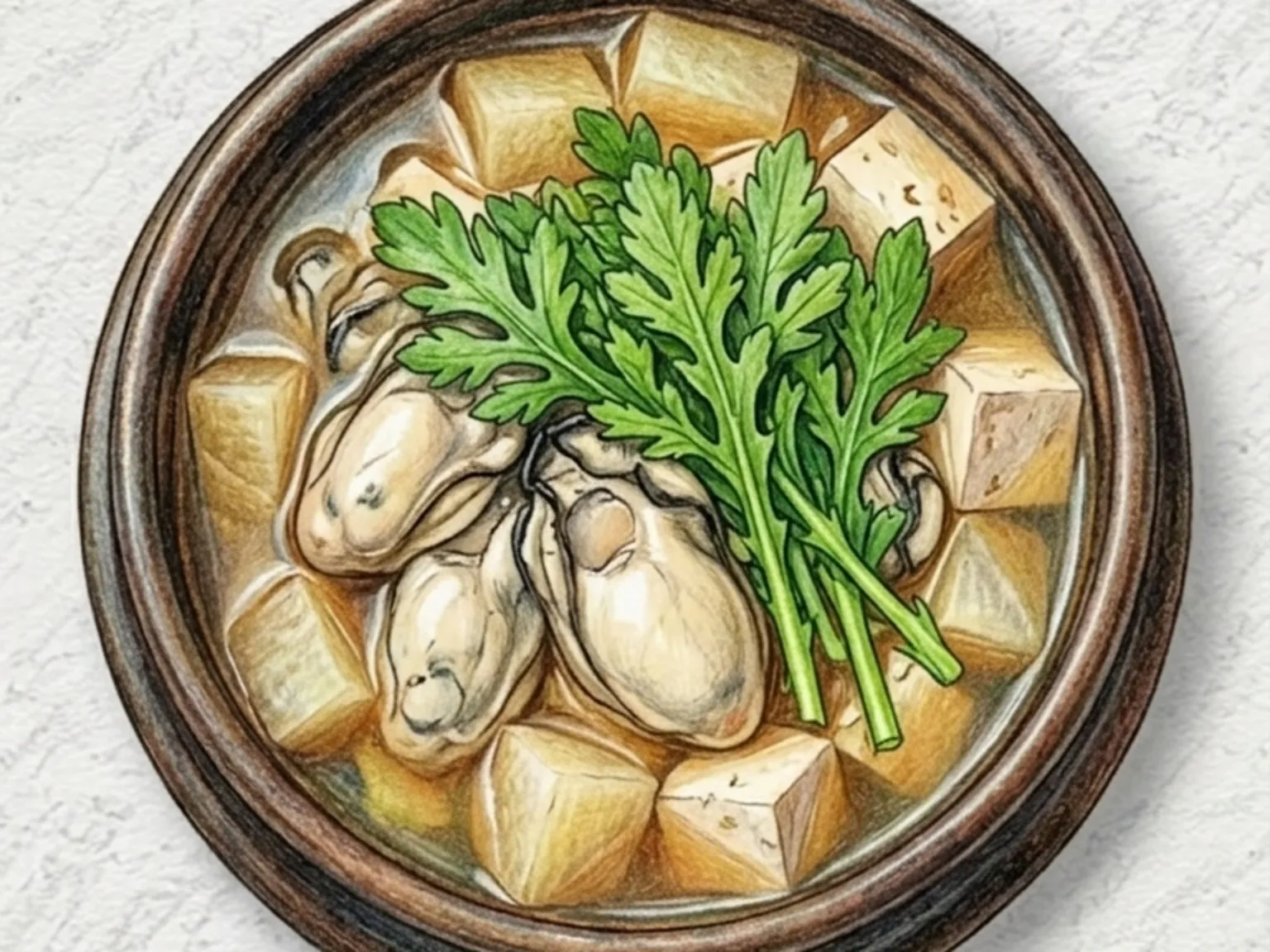
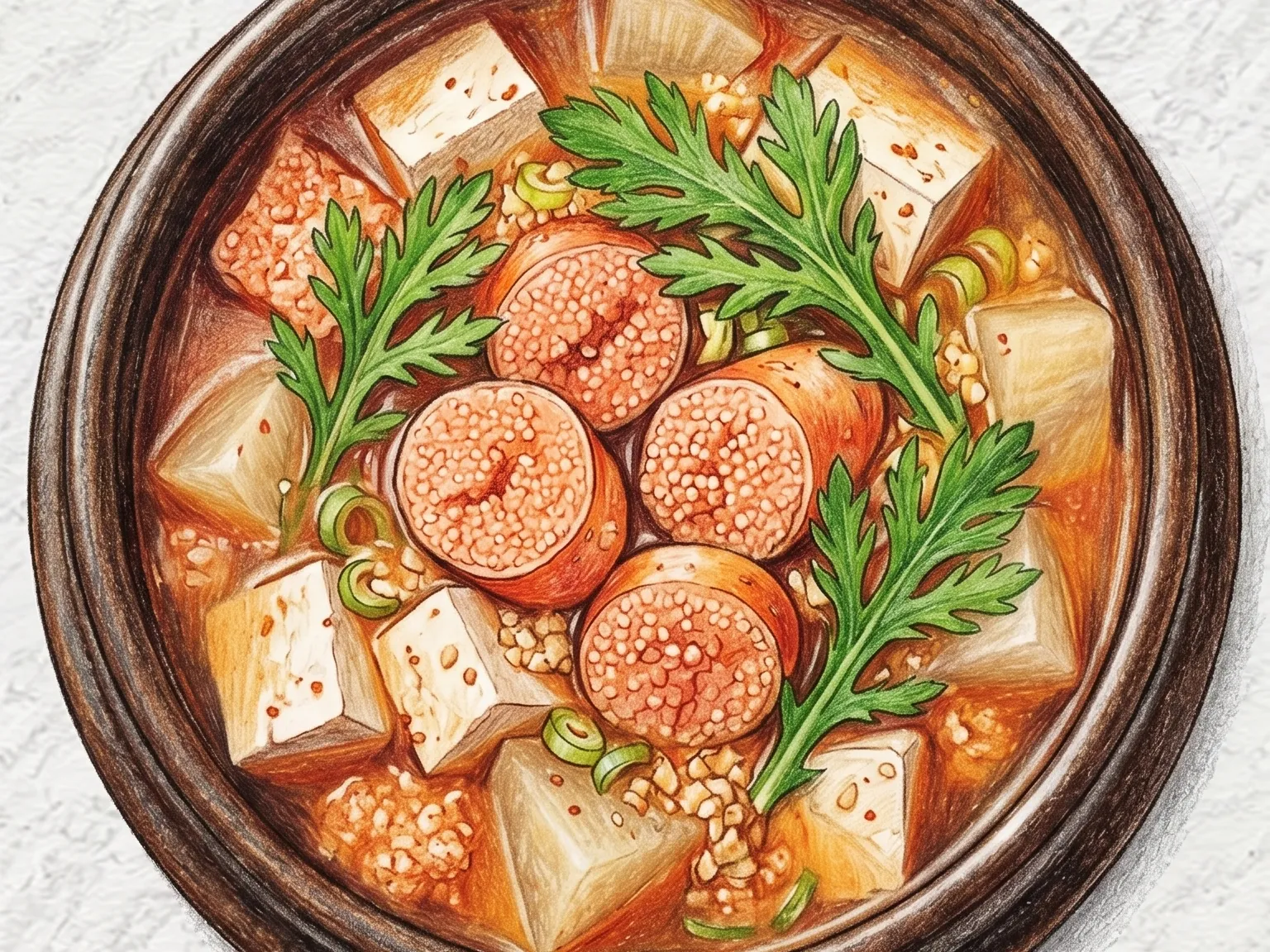
Altang is a Korean stew built around pollock roe - the egg sacs prized in Korean coastal cooking for their briny, concentrated marine flavor. The dish has long been associated with Korea's east coast fishing towns, where fresh roe is available during winter spawning season and needs to be used quickly. Anchovy-kelp stock simmers first with radish to establish a clean, sweet base before the roe and tofu go in. The roe sacs release their eggs into the broth as they cook, turning the liquid cloudy and giving it a rich, oceanic body. Gochugaru and doenjang season the stew with a spicy-fermented edge that cuts through the fishiness. Crown daisy greens - ssukgat - are dropped in at the last moment, contributing a sharp, herbaceous perfume. A popular hangover remedy in Korean drinking culture, altang is often ordered steaming hot at the end of a long evening.
Adjust Servings
Instructions
- 1
Rinse roe sacs gently and cut into serving pieces.
- 2
Slice radish and tofu, diagonally cut green onion, and trim crown daisy.
- 3
Boil radish in stock for 6 minutes.
- 4
Add chili flakes, soup soy sauce, and garlic to season the broth.
- 5
Add roe and tofu, simmer 5 minutes, then finish with crown daisy and green onion.
As an Amazon Associate, we may earn from qualifying purchases.
Tips
Nutrition (per serving)
More Recipes

Maeuntang (Spicy White Fish Radish Stew)
Maeuntang is a spicy Korean fish soup that uses white-fleshed fish such as cod or frozen pollock as its centerpiece. The fish is salted for ten minutes beforehand to firm the flesh and draw out impurities, while radish simmers in water to create a clean, sweet base. Gochujang, gochugaru, soup soy sauce, and garlic are stirred into the broth, and the fish and tofu are added together and cooked for ten minutes without flipping, using ladled broth to cook the top side evenly. Zucchini, green onion, and cheongyang chili are added in the final three minutes for color and crunch.

Korean Spring Blue Crab Stew
Kkotgetang is a classic Korean spicy crab stew made with 600g of whole blue crab simmered until the shells release their full flavor into the broth. Gochugaru and a touch of doenjang season the liquid with heat and fermented depth, while radish and zucchini turn sweet as they absorb the crab-infused stock. Two Cheongyang chilies push the spice level higher, and green onion adds a fresh finish. Picking the crab meat from the shell while sipping the hot, briny broth is half the enjoyment.

Korean Spicy Fish Stew (Mackerel in Chili-Radish Broth)
Saengseon jjigae is a spicy Korean fish stew made with mackerel or beltfish cut into chunks, simmered alongside daikon radish and zucchini. Gochujang, gochugaru, soy sauce, and garlic build a bold, peppery broth in an anchovy stock base. The radish neutralizes any fishiness while adding natural sweetness to the soup. Picking the flaky fish off the bone and eating it with spoonfuls of the fiery broth over rice is the traditional way to enjoy it.

Korean Seafood Stew (Shrimp, Squid & Clam Spicy Pot)
Haemul jjigae is a spicy Korean seafood stew loaded with shrimp, squid, and clams simmered in a broth seasoned with gochugaru and gochujang. Cubed tofu and sliced zucchini absorb the rich shellfish-infused liquid, adding substance to every spoonful. The clams release a briny sweetness that balances the heat from Korean chili peppers and red pepper flakes. Served bubbling in a stone pot with green onion scattered on top, it pairs naturally with steamed white rice.

Korean Spicy Pollock Stew
Dongtae-tang is a Korean spicy pollock stew made with frozen pollock, radish, tofu, and green onion in a gochugaru-laced broth. Radish is simmered first for ten minutes to establish a sweet, clean base, then chili flakes, soup soy sauce, and garlic transform the liquid into a vivid red, peppery stock. The pollock must be cut into large pieces after thawing and cooked for no more than ten minutes - overcooking draws a bitter, fishy taste from the bones and causes the flesh to disintegrate. Tofu and cheongyang chili added in the final five minutes absorb the spicy broth, softening its intensity while the chili seeds add sharp bursts of heat.

Korean Monkfish Soup (Spicy Southern Coastal Fish Broth)
Agwi-tang is the soup version of Korea's monkfish preparations, originating from the fishing villages along the southern coast where monkfish - called agwi or agu depending on dialect - is landed fresh. Unlike braised or stir-fried monkfish dishes, the tang form prioritizes a clear, brothy base built on anchovy stock. Radish simmers first for eight minutes, sweetening the liquid before the monkfish enters. The fish cooks gently at medium heat, its collagen dissolving into the broth and giving it body. Bean sprouts go in last, contributing a clean crunch that contrasts the soft fish flesh. A final addition of sliced green onion and a punch of gochugaru turns the broth a hazy red. This is hangover food in Korea's coastal towns - hot, spicy, and restorative, traditionally served steaming at dawn markets.