Korean Garlic-Grilled Skirt Steak
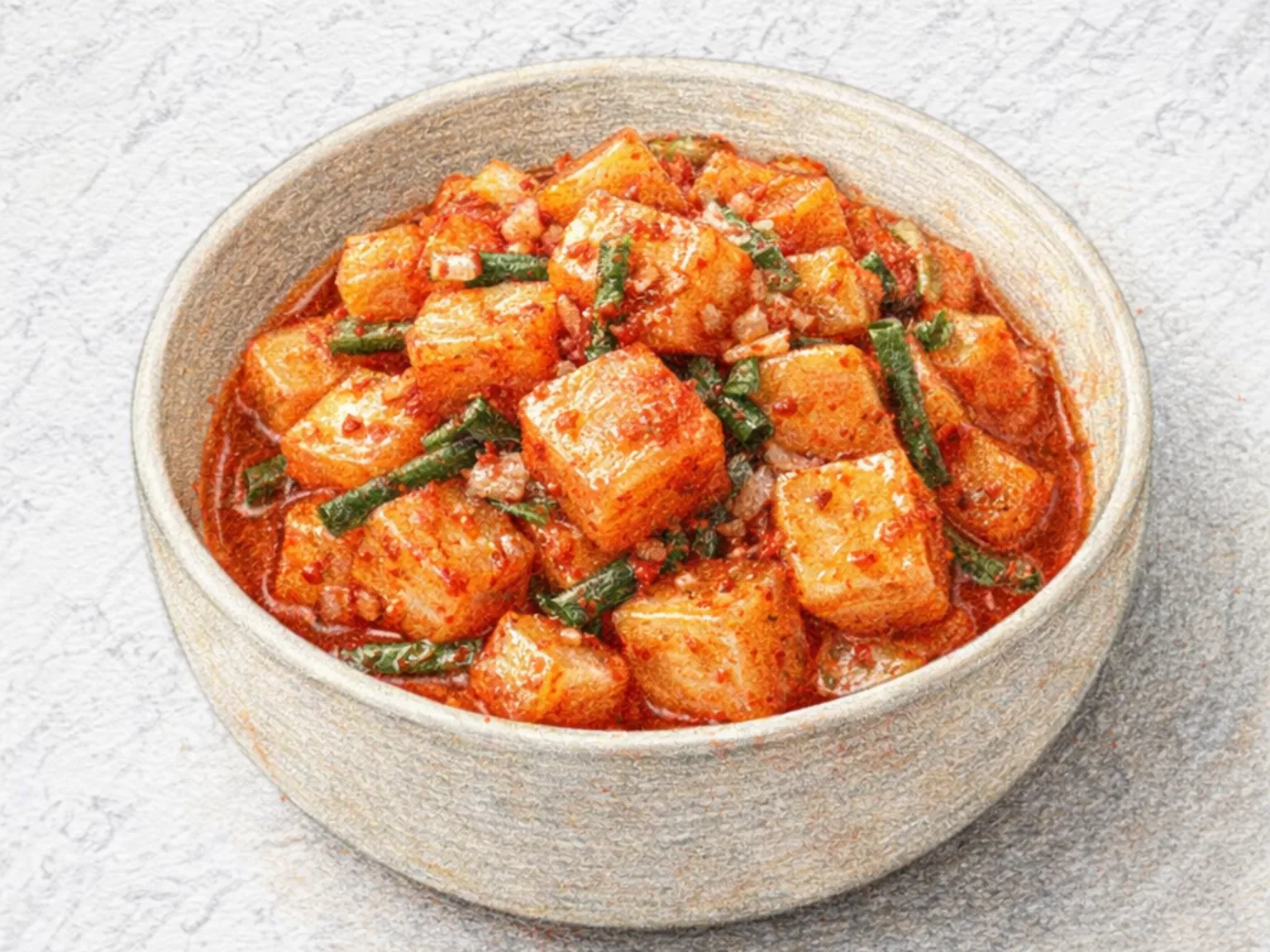
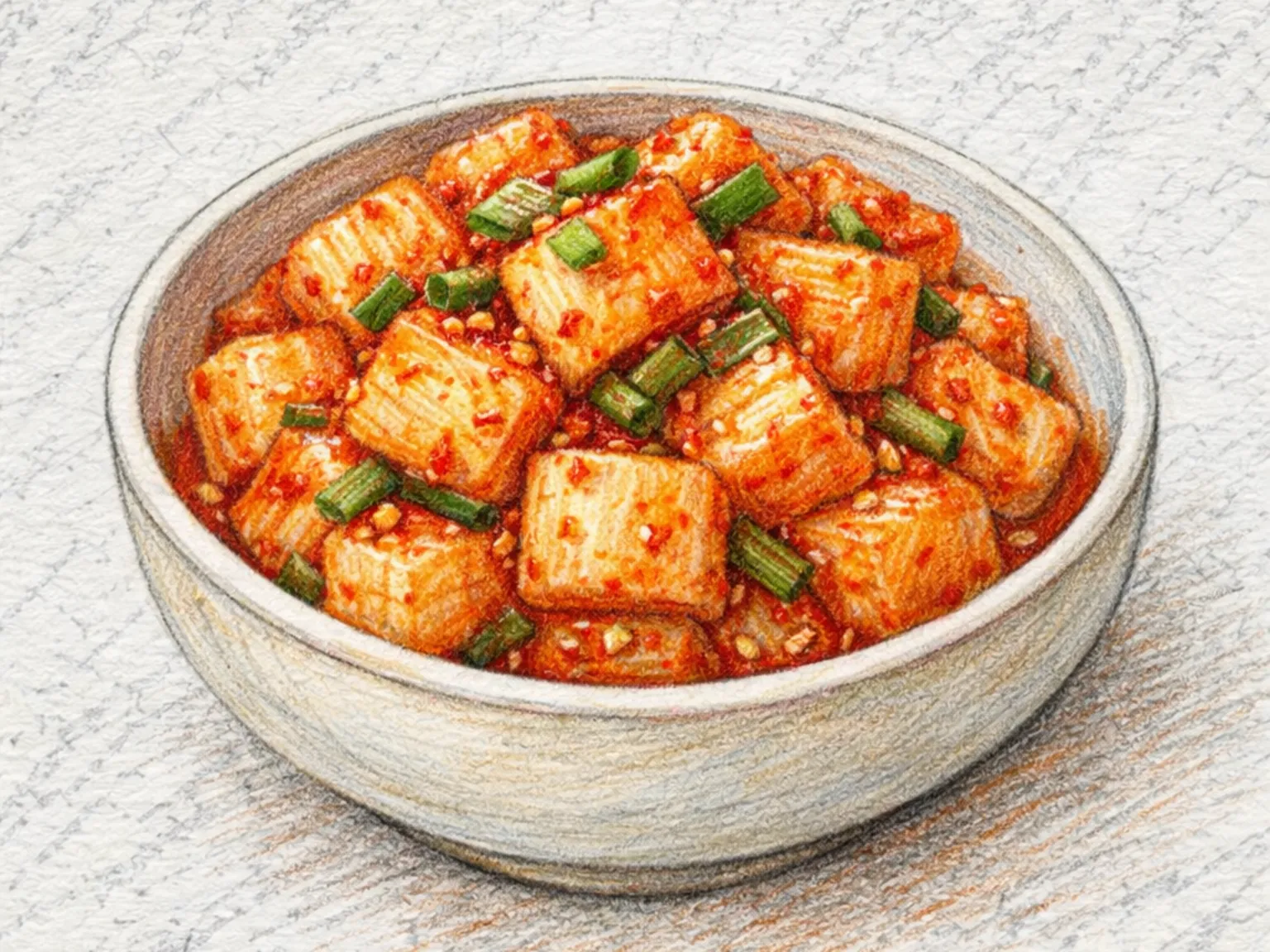
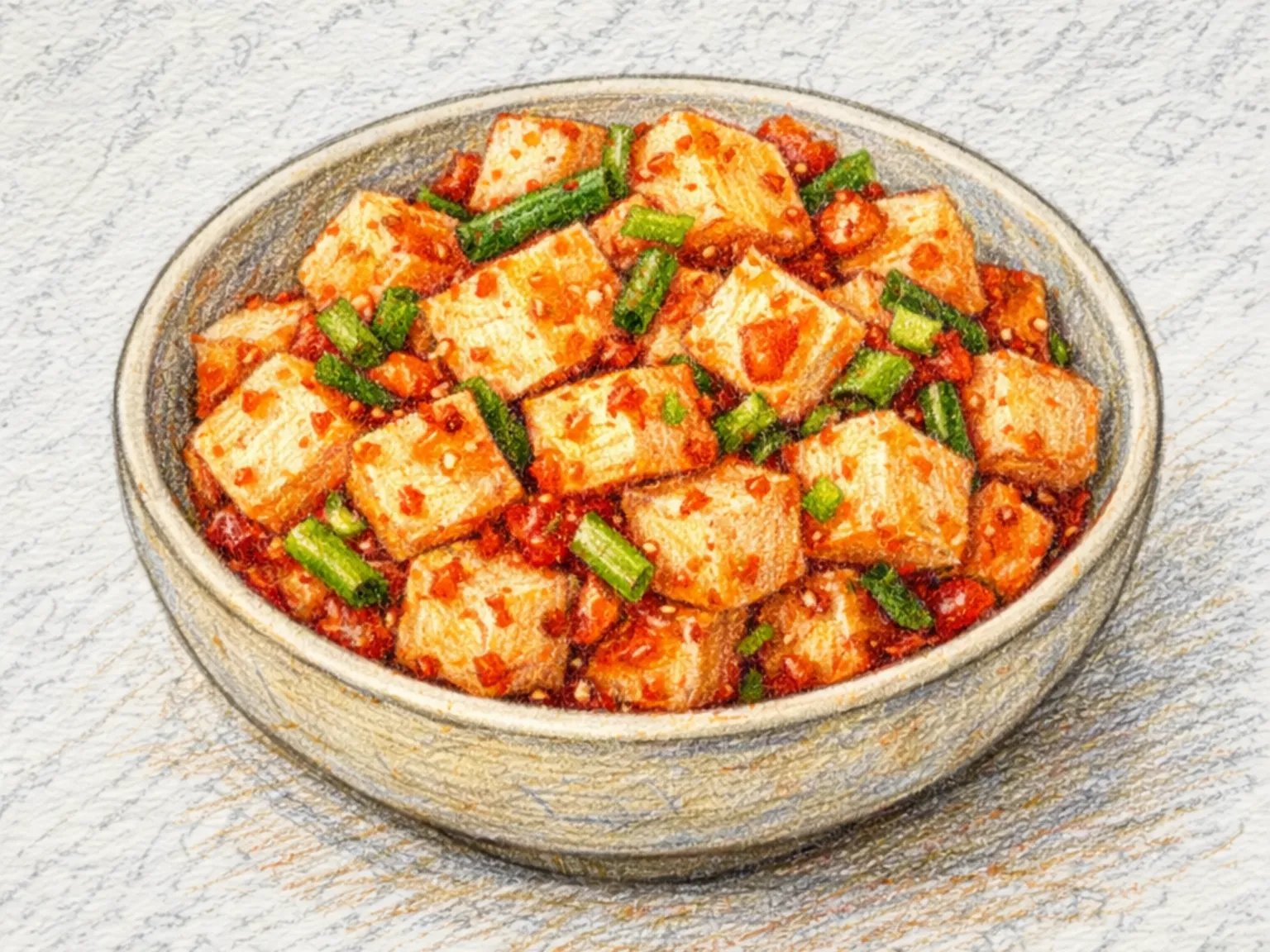
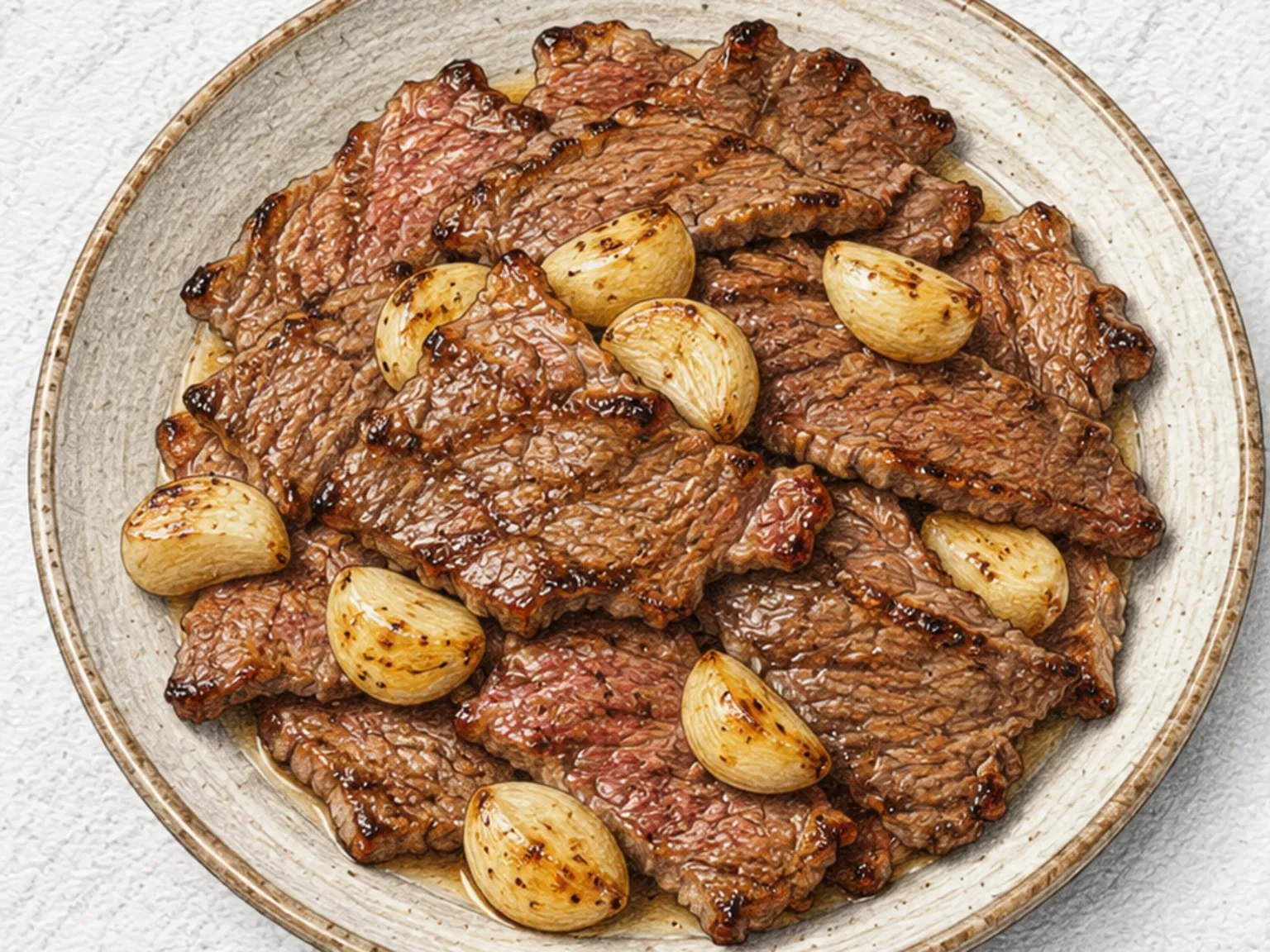
Anchangsal - Korean skirt steak, specifically the inner diaphragm cut - is one of the most prized beef parts in Korean barbecue culture, known for its coarse grain and intense beefy flavor. Each cow yields only a small amount, making it an expensive cut that Korean grill restaurants often list as a premium item. The meat is marinated briefly in soy sauce, sesame oil, minced garlic, and black pepper - heavy marinades would overwhelm the cut's natural character. On a blazing-hot charcoal grill, the thin slices cook in under a minute per side, with fat rendering along the coarse muscle fibers and creating charred, caramelized edges. Whole garlic cloves grill alongside, softening and sweetening as they roast. The combination of chewy, deeply flavored meat and mellow roasted garlic wrapped in a lettuce leaf with ssamjang is one of Korean barbecue's most satisfying bites.
Adjust Servings
Instructions
- 1
Trim sinew from anchangsal and cut into bite-sized pieces.
- 2
Mix soy sauce, syrup, sesame oil, wine, and pepper; marinate beef 20 minutes.
- 3
Halve garlic cloves and pre-sear on low heat for 3 minutes.
- 4
Increase to high heat and sear beef 1.5 minutes per side.
- 5
Season with coarse salt and rest for 1 minute.
- 6
Plate with roasted garlic and garnish with chopped chives.
As an Amazon Associate, we may earn from qualifying purchases.
Tips
Nutrition (per serving)
More Recipes

Korean Marinated Beef Short Rib Grill
Beef ribs or bulgogi-cut slices are marinated for at least an hour in a blend of soy sauce, Korean pear juice, sugar, minced garlic, sesame oil, and black pepper. The pear's natural enzymes break down connective tissue while the soy-sugar combination penetrates deep into the meat. On a high-heat grill, the sugars in the marinade caramelize rapidly, forming a glossy, dark-brown glaze with visible char marks. Thin-cut pieces cook through in under four minutes total, and the interplay of charcoal smoke with the sweet-salty marinade defines the signature taste of Korean yangnyeom-gui.

Korean Stuffed Squid Grill
Ojingeo-sun-gui is grilled stuffed squid-a Korean dish where cleaned squid tubes are filled with a mixture of soaked glutinous rice, crumbled tofu, diced carrot, soy sauce, and sesame oil, sealed with toothpicks, and grilled over medium heat with frequent turning. The glutinous rice needs at least three hours of soaking to cook through inside the squid's body cavity, and the tofu must be pressed dry in cheesecloth to prevent the filling from becoming waterlogged. Filling only seventy to eighty percent of each tube is essential because the rice expands as it cooks; overstuffed squid will burst on the grill. When sliced into 1.5-centimeter rounds, each piece reveals concentric layers-the chewy squid exterior, a sticky ring of glutinous rice, and a soft tofu core at the center.

Korean Grilled Pork Skirt Meat
Galmaegisal-gui is grilled pork skirt meat from the diaphragm, lightly seasoned with soy sauce, garlic, and black pepper, then seared fast over charcoal or a screaming-hot pan. Each pig yields only 200 to 300 grams of this cut, making it a rare find that Korean barbecue enthusiasts seek out for its coarse grain, strong chew, and distinctive porky richness similar to beef skirt steak. The meat is thin enough that each side needs less than a minute over maximum heat-just long enough for the surface to caramelize while the center stays slightly pink, since overcooking toughens the fibers and destroys the springy texture. Dipping each piece immediately into a dish of sesame oil mixed with salt layers the smoky char with a warm, nutty richness.

Korean Grilled Mixed Mushrooms
Mushroom-gui is a Korean grilled mixed mushroom dish combining king oyster, shiitake, and oyster mushrooms, seasoned simply with butter, minced garlic, salt, and black pepper. Each mushroom variety contributes a different texture: king oyster offers a dense, meaty chew from its thick stem, shiitake delivers concentrated umami from its cap, and oyster mushrooms add a delicate, silky shred. The key technique is to resist stirring the mushrooms after placing them in the pan-their high water content must evaporate first before the surfaces can brown and develop flavor. Adding butter partway through rather than at the start prevents it from burning while still infusing the mushrooms with its richness.

Yukgaejang (Fiery Shredded Beef and Vegetable Soup)
Yukgaejang is a fiery Korean beef soup that starts with brisket simmered until it can be pulled apart along the grain into long, thin shreds. The shredded meat is then hand-mixed with red pepper flakes, soup soy sauce, sesame oil, and minced garlic so the seasoning penetrates each strand before the final cook. Bracken fern, bean sprouts, and generous lengths of green onion join the pot, and everything boils together for thirty minutes in the brisket stock, which turns a deep red from the chili. The fern contributes an earthy chew, the sprouts add a clean crunch, and the green onion breaks down into the broth, lending natural sweetness that tempers the heat.

Kimchi Soegogi-guk (Fermented Kimchi Beef Soup)
Kimchi-soegogi-guk is a Korean soup that unites two powerhouse ingredients-well-fermented kimchi and beef-in a ruddy, aromatic broth. The beef is stir-fried in sesame oil first, building a savory foundation, then chopped kimchi joins the pan and cooks until its acidity mellows and merges with the rendered fat. Water is added, and as the pot simmers, the kimchi continues to break down, thickening the liquid and staining it a deep red. Soup soy sauce and garlic adjust the seasoning, while blocks of tofu absorb the surrounding flavors and provide a soft counterpoint to the chewy beef. The finished soup is robust and warming, with the tangy complexity of aged kimchi meeting the clean savoriness of beef in every spoonful. It pairs inseparably with a bowl of steamed rice, which soaks up the broth and balances the heat.