Korean Anchovy Broth Thin Noodle Soup
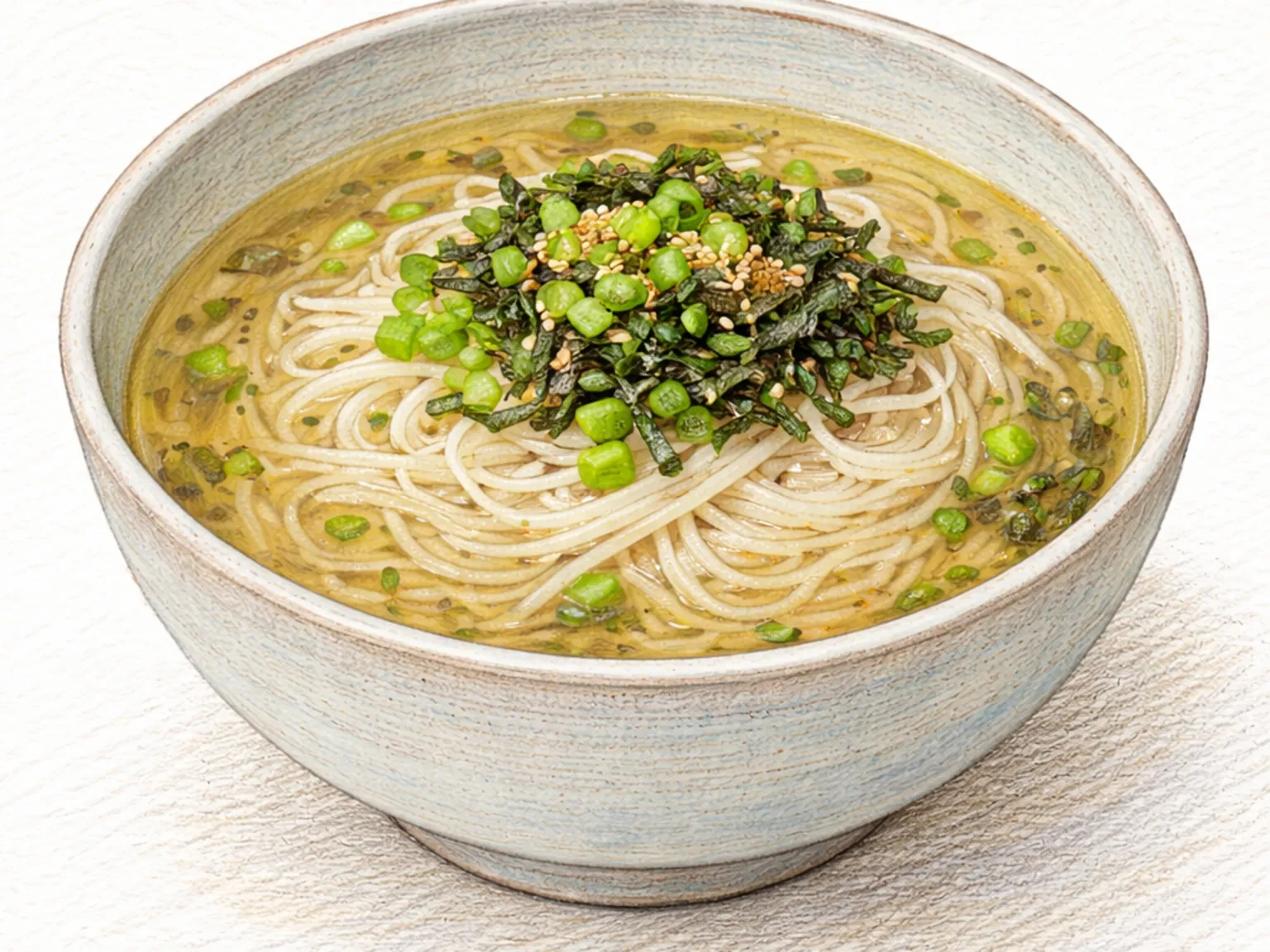
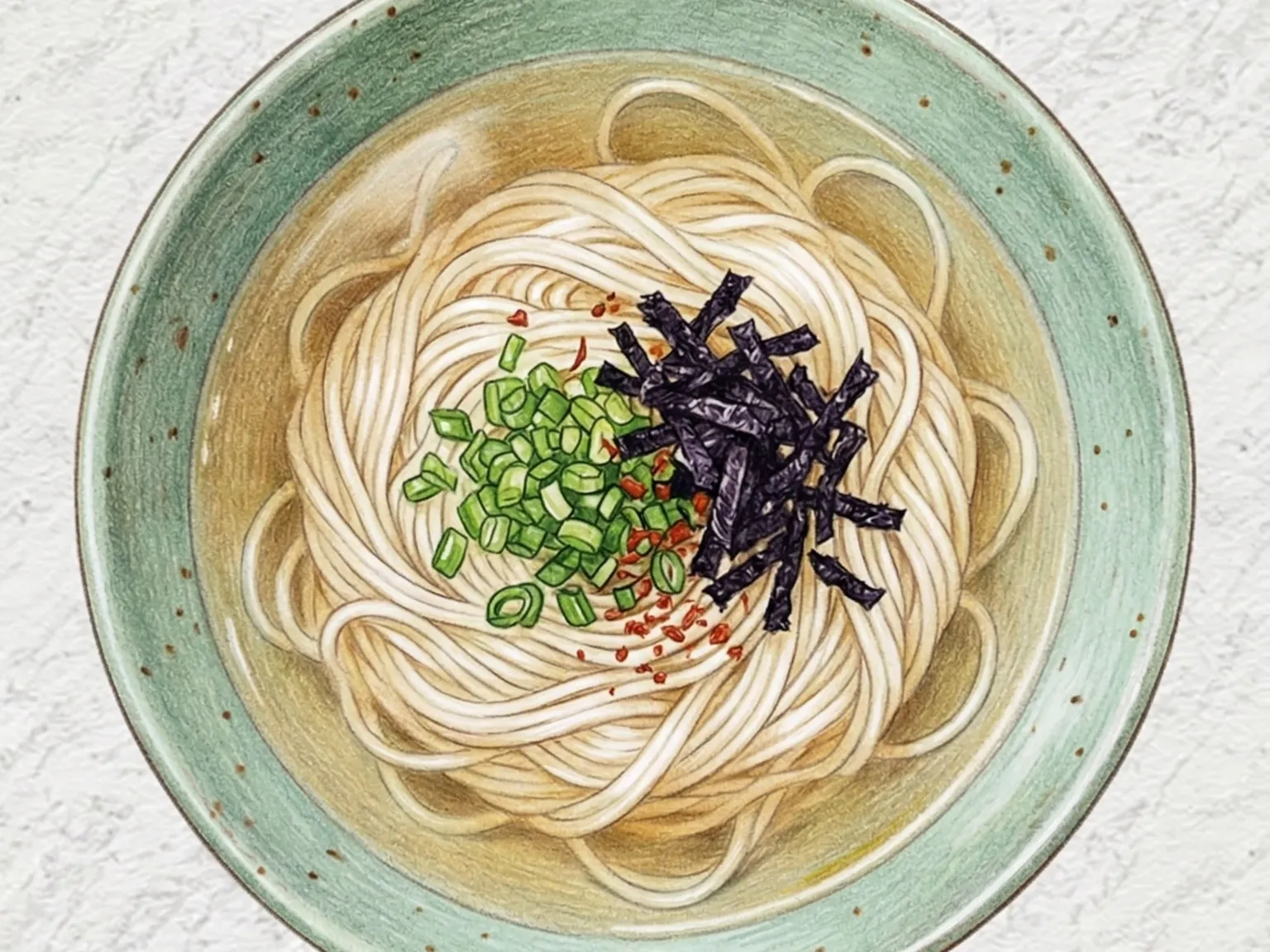
Anchovy somyeon is the noodle soup Korean families turn to when the kitchen has nothing special - dried anchovies, a strip of kelp, and a bundle of thin wheat noodles are all it takes. The broth is built by simmering dried anchovies and dashima in water for fifteen minutes, then straining for a clear, umami-rich liquid with a faint oceanic sweetness. Somyeon - hair-thin wheat noodles - cook in a separate pot to prevent their starch from clouding the broth, then are rinsed under cold water until the strands separate cleanly. The noodles sit in a bowl of the hot broth, topped with sliced scallion, a drop of sesame oil, and sometimes a sheet of toasted gim. The appeal lies in its restraint: no chili, no fermented paste, just clean anchovy flavor meeting springy noodles. Korean mothers have served this as a quick lunch for generations, and it remains comfort food in its most distilled form.
Adjust Servings
Instructions
- 1
Simmer anchovies and kelp in 1.2L water for 15 minutes, then remove.
- 2
Boil noodles 3 minutes, then rinse under cold water.
- 3
Season the stock with soup soy sauce and salt.
- 4
Place noodles in a bowl and pour hot broth over.
- 5
Top with green onion, roasted seaweed, and sesame oil.
As an Amazon Associate, we may earn from qualifying purchases.
Tips
Nutrition (per serving)
More Recipes

Korean Banquet Noodles (Thin Noodles in Anchovy Kelp Broth)
Janchi-guksu is a classic Korean celebration noodle soup with thin wheat noodles served in a clear broth made from dried anchovies and kelp. The broth achieves a gentle, layered umami from the anchovies, complemented by kelp's subtle sweetness, and seasoned with soup soy sauce for a clean taste. Sauteed zucchini and carrot sit on top as garnishes alongside egg crepe strips and crumbled roasted seaweed, adding color and textural variety. Originating as a dish served at weddings and festive gatherings, it remains a symbol of simple hospitality.

Korean Doenjang Thin Noodle Soup
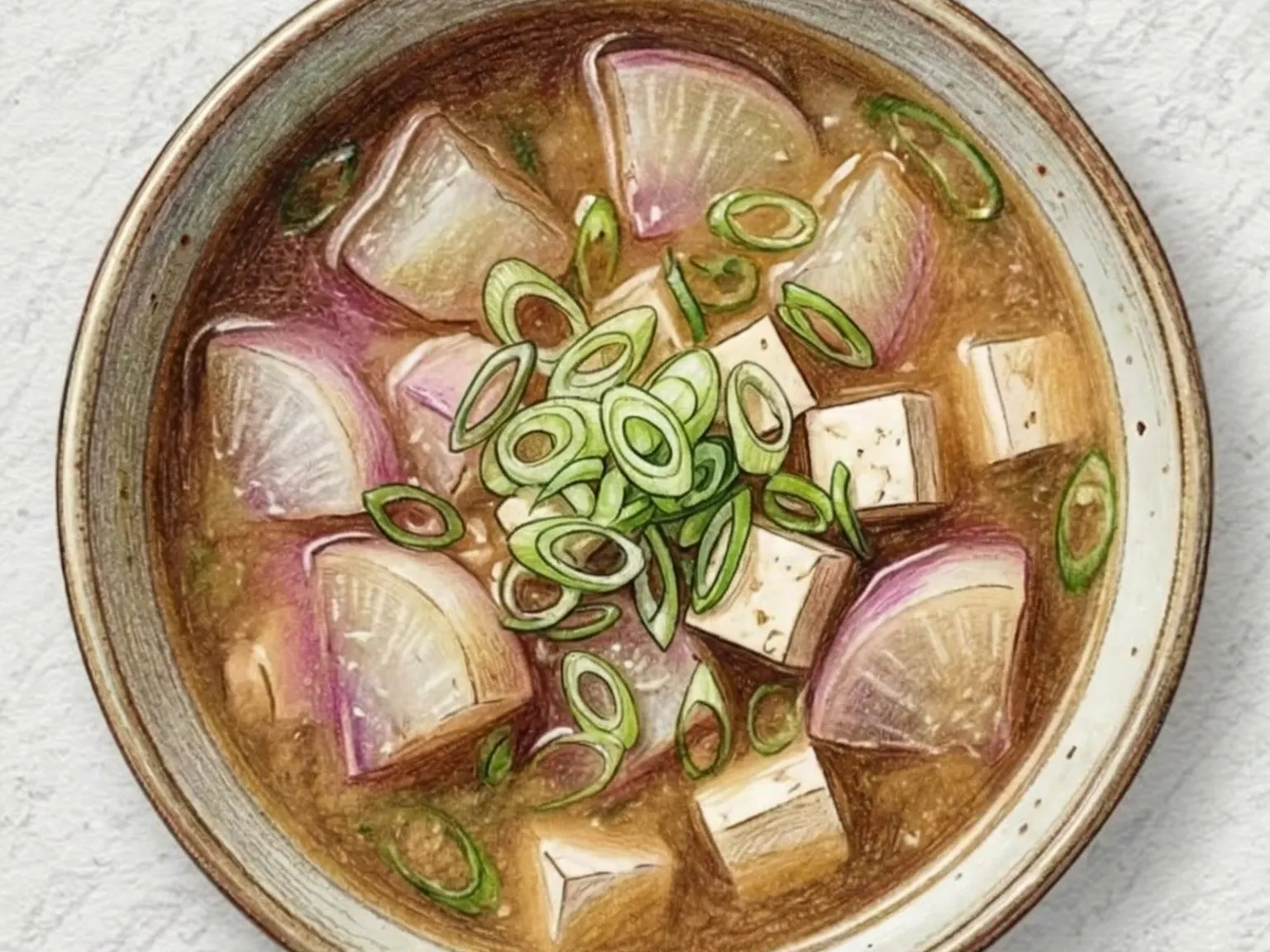
Doenjang somyeon is a simple Korean noodle soup of thin wheat noodles in an anchovy broth flavored with fermented soybean paste. Potato, zucchini, and onion - whatever is on hand in the refrigerator - go into the broth first, releasing moisture and natural sugars that round out the doenjang's earthy depth. The somyeon cook in just three to four minutes, so they go in last to avoid becoming soggy. Sliced green onion scattered on top adds a bright, fresh note to the fermented broth. The ingredient list is short and flexible, making this a practical weeknight dinner with more flavor depth than its simplicity suggests.

Korean Beef Bone Broth Thin Noodles
Gomguk somyeon serves thin wheat noodles in a deeply extracted beef bone broth that has simmered until it turns cloudy and rich with dissolved collagen. The broth coats the palate with a heavy, lingering umami, and sliced boiled beef laid on top adds a meaty, lean contrast. Seasoning stays minimal - just salt and black pepper - so the broth's natural intensity speaks for itself. A scattering of sliced green onion on the surface cuts through the richness with a fresh, sharp note.

Korean Soft Tofu Noodle Soup
Sundubu guksu is a Korean noodle soup made by simmering silken tofu in anchovy-based broth with knife-cut wheat noodles. As the soft tofu breaks apart during cooking, it naturally thickens the broth into a creamy consistency without any dairy. The combination of anchovy umami and mild tofu keeps the flavor clean yet full. Total cooking time is around 25 minutes, and the recipe requires minimal seasoning. It is one of the simpler Korean noodle soups to prepare at home.

Korean Napa Cabbage Doenjang Soup
Baechu doenjang guk is a foundational Korean soup where napa cabbage simmers in anchovy-kelp stock seasoned with doenjang. Straining the doenjang through a sieve as it dissolves into the broth keeps the liquid clear while extracting its full fermented flavor. The cabbage stems go in first and cook for five minutes to release their sweetness before the leaves and cubed tofu are added. A small spoonful of gochujang introduces a mild heat and a reddish tint that adds visual and flavor complexity. Sliced cheongyang chili and scallion enter in the last two minutes, contributing sharpness without becoming soft. Since doenjang saltiness varies between brands, starting with a conservative amount and adjusting by taste prevents over-seasoning. As the cabbage softens completely, its natural sweetness seeps into the broth and balances the deep, earthy character of the fermented paste.

Korean Abalone Radish Soup
Jeonbok-muguk is a refined Korean soup that simmers sliced abalone and radish in a kelp-based broth. The preparation often begins by sautéing the abalone-innards included-in sesame oil, which turns the broth a faint green and introduces a concentrated marine richness that kelp alone cannot match. Radish slices cook alongside, softening and releasing a mild sweetness that counterbalances the abalone's salinity. Soup soy sauce and garlic are the only added seasonings, deliberately minimal so the abalone's distinctive flavor remains in focus. The abalone retains its firm, chewy bite even after simmering, providing a satisfying texture against the soft radish. In Korea, abalone soup signals a special-occasion meal or a gesture of care, yet the cooking itself is straightforward enough for a weeknight dinner.