Charim

2686 Korean & World Recipes

2686+ Korean recipes, clean and organized. Ingredients to instructions, all at a glance.

Anpan (Japanese Sweet Red Bean Filled Soft Milk Bun)
BakingMedium

Anpan (Japanese Sweet Red Bean Filled Soft Milk Bun)

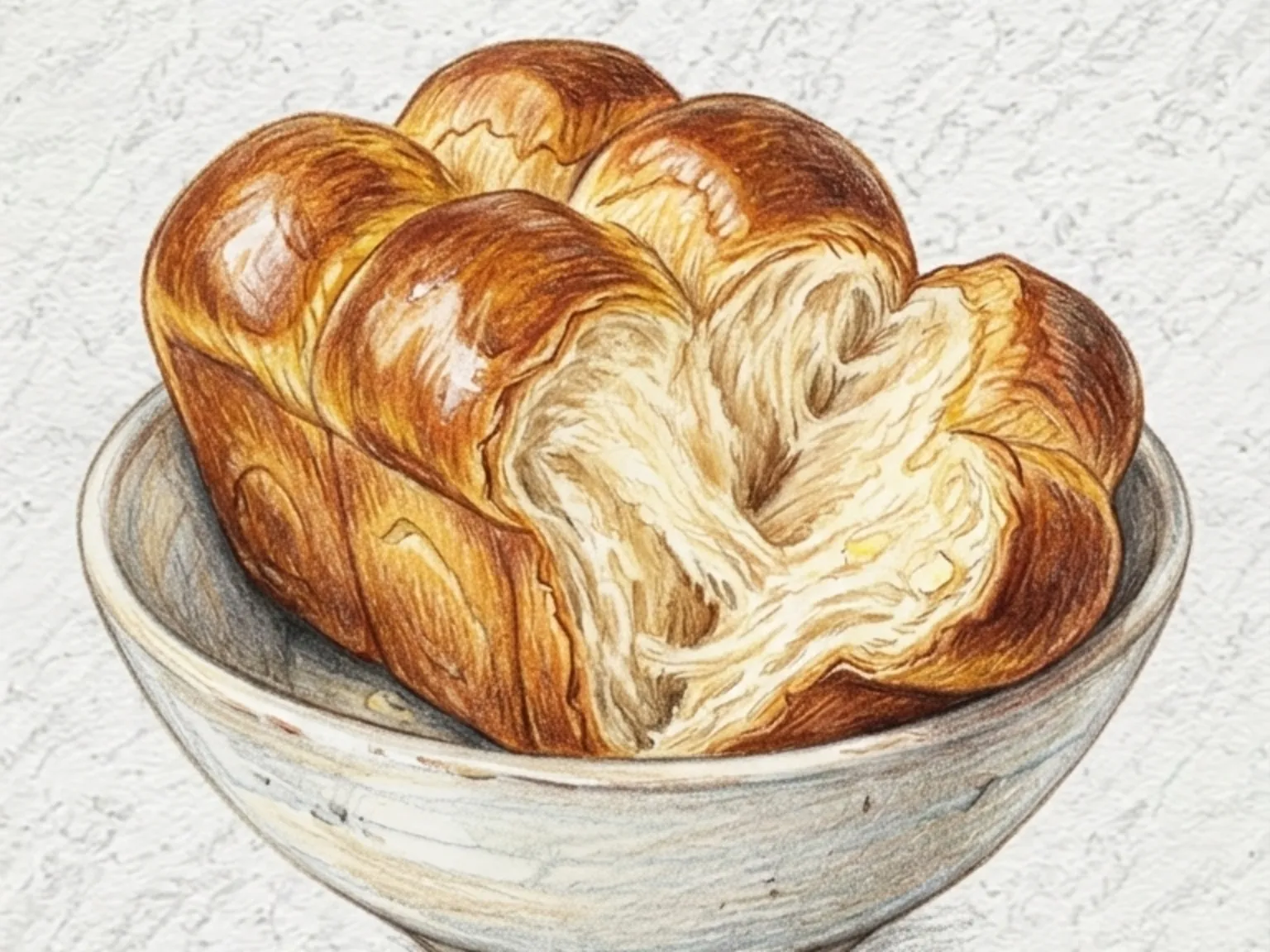
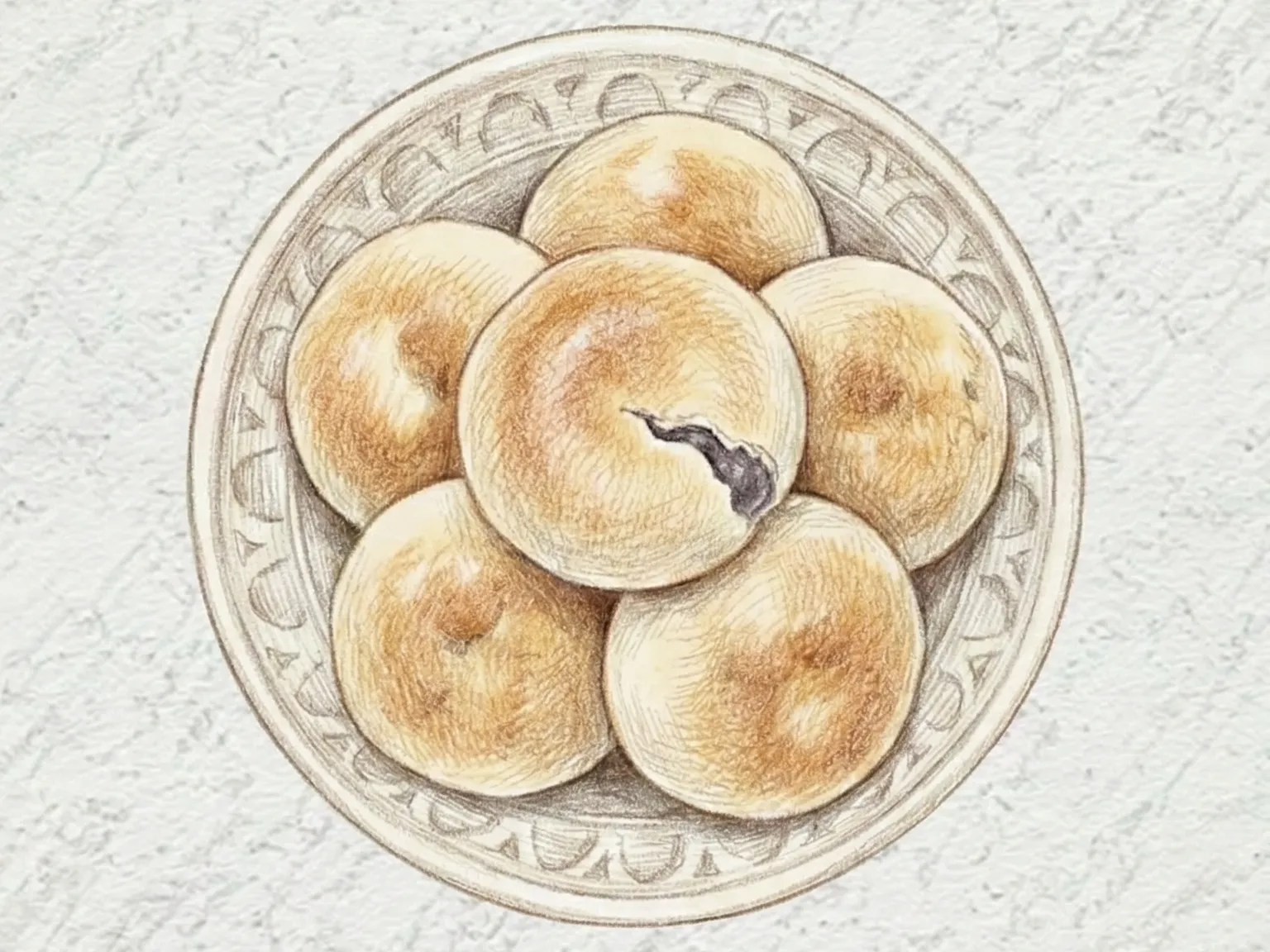
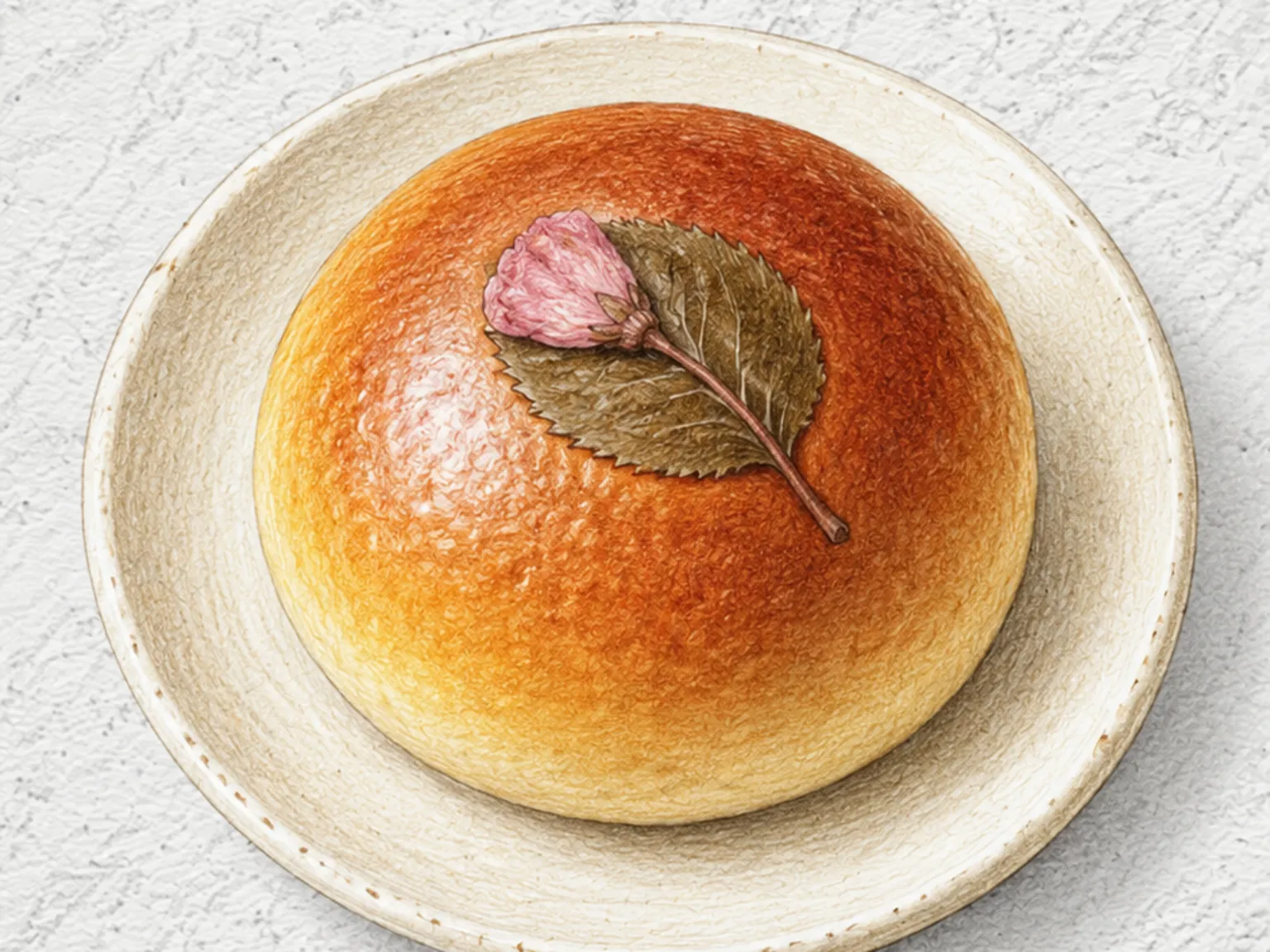
Anpan was created in 1874 by Kimuraya bakery in Tokyo's Ginza district, making it one of Japan's first fusion foods - Western bread technique meeting Japanese bean-paste confection. The dough is enriched with milk, butter, and egg, producing a soft, pillowy crumb that tears apart in cottony layers. Inside, a generous ball of anko - sweet red bean paste made by simmering azuki beans with sugar until they collapse into a smooth or chunky filling - provides a concentrated sweetness with an earthy, bean-forward taste. A single pickled cherry blossom petal pressed into the top of the bun before baking is the traditional Kimuraya signature, adding a faint saltiness and floral note. The bun became so popular that it was presented to Emperor Meiji in 1875, cementing its status as a national snack. Today it is found in every Japanese convenience store and bakery, unchanged in concept for over 150 years.

Prep 30minCook 15min8 servings

Adjust Servings

2servings
servings

Instructions

  1. 1

    Mix flour, sugar, salt, and yeast; add milk and egg, knead to combine.

  2. 2

    Add butter and knead for 10 minutes until smooth and elastic.

  3. 3

    Cover and proof for 1 hour until doubled.

  4. 4

    Divide anko into 8 portions (~37g each); divide and round dough into 8 pieces.

  5. 5

    Flatten each dough piece, wrap around anko, and seal tightly.

  6. 6

    Place seam-side down, proof 40 minutes, brush with egg wash, and sprinkle black sesame.

  7. 7

    Bake at 180°C for 13-15 minutes.

🛒Shop Ingredients on Amazon

As an Amazon Associate, we may earn from qualifying purchases.

Tips

Seal seams tightly and place them down to prevent filling from leaking.
Chill the anko beforehand so it firms up and is easier to wrap.

Nutrition (per serving)

Calories
280
kcal
Protein
8
g
Carbs
48
g
Fat
6
g

More Recipes

Korean Sweet Red Bean Bun
Street foodMedium

Korean Sweet Red Bean Bun

Danpat-ppang is a Korean sweet red bean bun made from a yeasted dough of bread flour, sugar, butter, and egg, put through a one-hour first rise and thirty-minute second rise before baking at 180 degrees Celsius for fifteen minutes. Each bun is filled with about thirty grams of sweet red bean paste and sealed shut, so the paste softens into a dense, sweet layer inside as the bread bakes. An egg wash on the surface gives the bun a glossy brown finish, while the yeast-risen crumb stays pillowy and moist. The concentrated sweetness of the red bean filling contrasts with the mild, bread-y dough, making this one of the most iconic items in Korean bakeries.

🧒 Kid-Friendly
Prep 90minCook 15min8 servings
Japanese Melon Bread (Crispy Cookie-Crusted Sweet Bun)
BakingMedium

Japanese Melon Bread (Crispy Cookie-Crusted Sweet Bun)

A Japanese sweet bun that wraps a soft, yeasted bread dough in a layer of cookie dough, then bakes both together so the exterior crisps into a shell while the interior stays fluffy. The bread dough, made with bread flour, milk, and butter, is kneaded and proofed until pillowy; the cookie dough, a simple blend of cake flour, sugar, butter, and egg, is chilled until firm enough to drape over the risen bread rounds. The contrast between the shattering cookie crust and the cloud-soft bread beneath is what defines melon pan. Scoring a crosshatch pattern on the cookie layer with a bench scraper mimics the rind of a melon and gives the bun its name and iconic look. Rolling the tops in granulated sugar before proofing adds sparkle and an extra layer of crunch. Baking at 170 degrees Celsius for 13 to 15 minutes sets the cookie shell without over-browning it; the bread inside continues to steam and rise, pushing against the firming crust and creating the characteristic dome shape. Best eaten within hours of baking, while the crust still audibly cracks.

🧒 Kid-Friendly
Prep 40minCook 15min8 servings
Anmitsu (Japanese Agar Jelly Red Bean Fruit Dessert)
BakingEasy

Anmitsu (Japanese Agar Jelly Red Bean Fruit Dessert)

Anmitsu is a Japanese dessert with roots in the Meiji era, evolving from mitsumame - a simpler dish of agar cubes and boiled peas - when sweet azuki bean paste was added to create a more substantial treat. The base is kanten jelly, made from agar-agar dissolved in water, set into a firm, translucent block, and cut into cubes that have a clean snap unlike gelatin's wobble. Around the jelly, the bowl is arranged with seasonal fruits - mandarin segments, peach slices, cherries - alongside a mound of tsubuan (coarsely mashed sweet red beans) and small balls of shiratama mochi that are chewy and glutinous. A separate pitcher of kuromitsu - dark brown sugar syrup from Okinawa - is poured over at the table, its deep molasses-like sweetness tying the disparate elements together. Each spoonful brings a different combination of textures: crisp jelly, soft fruit, sticky mochi, and grainy bean paste.

🧒 Kid-Friendly
Prep 20minCook 10min2 servings
Dorayaki (Sweet Red Bean Pancake Sandwich)
BakingEasy

Dorayaki (Sweet Red Bean Pancake Sandwich)

Dorayaki is a Japanese confection consisting of two small, round pancakes sandwiching a filling of sweet red bean paste. The batter is made from eggs, sugar, honey, and flour, then cooked on a griddle over low heat on one side only, producing pancakes with a smooth top surface and an evenly browned underside. Honey in the batter adds moisture retention, keeping the pancakes soft and springy even after cooling, and lending a subtle floral sweetness that complements the red bean filling. The sweetness of the pancakes themselves is deliberately modest, allowing the dense, earthy sweetness of the anko to take center stage. Each dorayaki is palm-sized, making it a convenient handheld snack.

🧒 Kid-Friendly
Prep 15minCook 15min4 servings
Mochi Daifuku (Soft Rice Cake Stuffed with Red Bean Paste)
BakingEasy

Mochi Daifuku (Soft Rice Cake Stuffed with Red Bean Paste)

Glutinous rice flour is mixed with water and sugar, steamed or microwaved until it becomes a translucent, stretchy mass, then dusted with starch and wrapped around a ball of sweet red bean paste. The outer mochi shell is soft and pliable, yielding to the teeth with a slow, elastic pull before giving way to the dense sweetness of the filling inside. Because the dough begins to firm and lose its characteristic chew within hours, daifuku is best eaten the day it is made. Swapping the red bean for fresh strawberry or ice cream produces popular seasonal and modern variations. The starch coating - typically potato or cornstarch - serves a dual purpose: preventing the pieces from sticking to each other and adding a dry, powdery contrast to the otherwise tacky surface.

🧒 Kid-Friendly
Prep 20minCook 10min4 servings
Steamed Pork Buns
AsianHard

Steamed Pork Buns

Nikuman is a Japanese steamed pork bun descended from Chinese baozi but adapted to local tastes over generations. Yeasted wheat dough is kneaded, left to rise, then filled with a mixture of ground pork seasoned with soy sauce, ginger, and sesame oil, along with finely chopped cabbage. After pleating and steaming, the bun emerges snow-white and pillowy, with a moist, savory filling inside. Opening the steamer releases a cloud of fragrant steam carrying notes of ginger and soy. In Japan, nikuman is synonymous with winter convenience-store snacks - warming your hands around the bun before biting into the hot, juicy filling.

🎉 Special Occasion
Prep 40minCook 20min4 servings
More Baking