Charim

2686 Korean & World Recipes

2686+ Korean recipes, clean and organized. Ingredients to instructions, all at a glance.

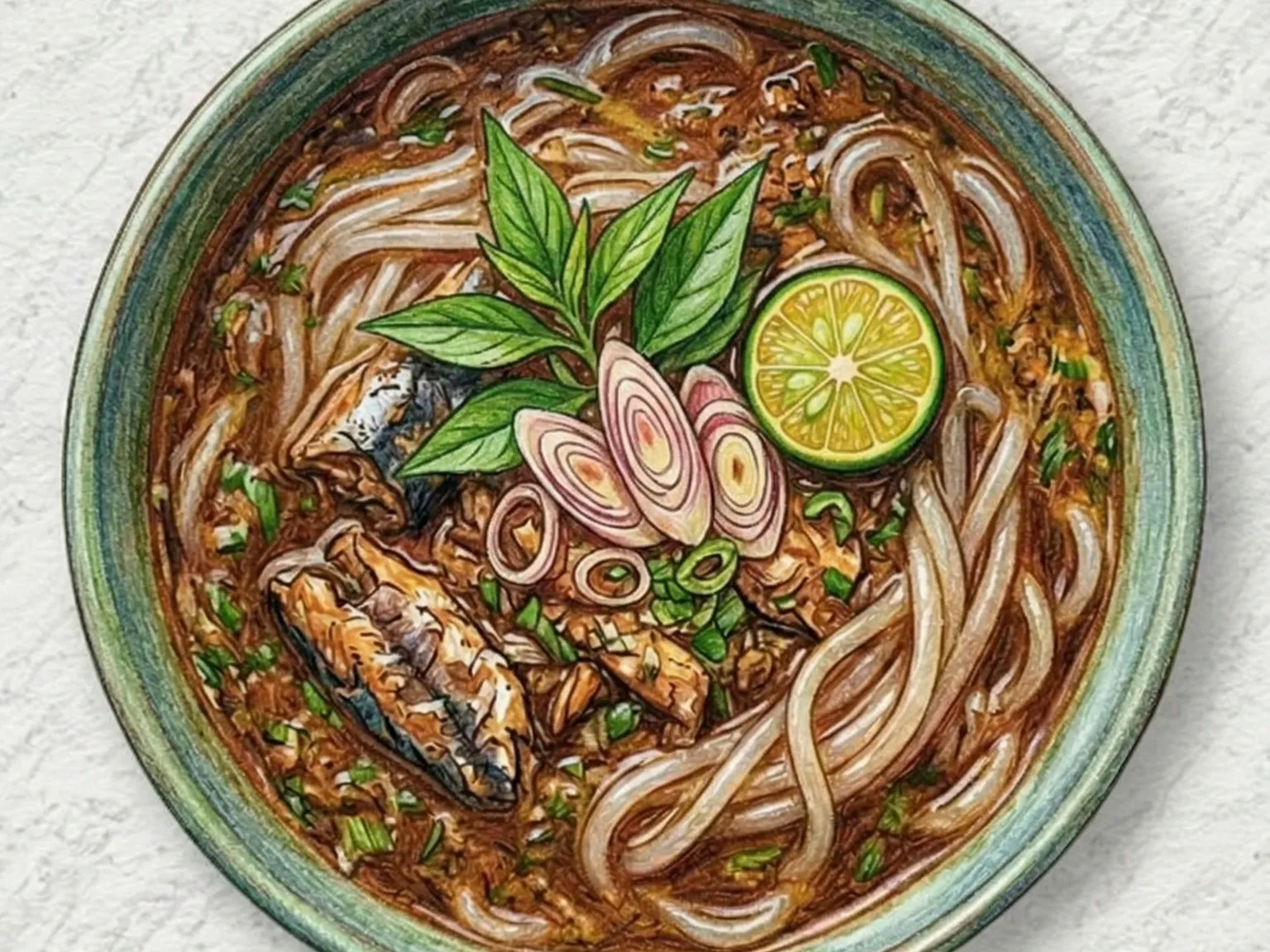
Tamarind Fish Noodle Soup
Asian Medium

Tamarind Fish Noodle Soup

Asam laksa is Penang's signature noodle soup, recognized by UNESCO as one of Malaysia's cultural treasures. Unlike the coconut-rich curry laksa of Singapore, this version is built on a tamarind-soured fish broth - tart, briny, and intensely aromatic. Mackerel is poached whole, flaked, and returned to a broth infused with torch ginger flower, lemongrass, and galangal ground into a paste. The sourness from tamarind hits first, followed by a slow wave of chili heat and the ocean depth of fish sauce. Thick rice noodles sit in the bowl, their chewy resistance contrasting the thin, punchy broth. Shredded cucumber, mint, and a spoonful of sweet prawn paste stirred in at the table complete the balance.

Prep 25min Cook 35min 4 servings

Adjust Servings

2servings
servings

Instructions

  1. 1

    Poach mackerel briefly in salted water to reduce fishiness, then remove.

  2. 2

    Blend onion, garlic, and ginger into a fine aromatic paste.

  3. 3

    Saute the paste with chili powder, then add 1.5L water.

  4. 4

    Add tamarind paste and fish sauce, then simmer 15 minutes.

  5. 5

    Flake the mackerel into the broth and simmer 5 more minutes.

  6. 6

    Cook noodles, place in bowls, ladle over broth, and top with cucumber and mint.

🛒Shop Ingredients on Amazon

As an Amazon Associate, we may earn from qualifying purchases.

Tips

Tamarind strength varies by brand, so adjust gradually.
Add mint at the end to keep its aroma fresh.

Nutrition (per serving)

Calories
560
kcal
Protein
30
g
Carbs
63
g
Fat
20
g

More Recipes

Mee Bandung (Malaysian Johor Shrimp Tomato Gravy Noodles)
AsianMedium

Mee Bandung (Malaysian Johor Shrimp Tomato Gravy Noodles)

Mee bandung is a noodle dish from Johor in southern Malaysia, built around a thick, rust-colored gravy made from shrimp, tomato paste, and chili paste. The sauce has a distinctive character - simultaneously sweet, spicy, and briny - that sets it apart from the brothier noodle soups common elsewhere in the country. Yellow wheat noodles sit in the gravy rather than float in it, and the topping of whole shrimp, hard-boiled egg, and sliced scallions rounds out the bowl. The gravy clings to each strand of noodle, landing somewhere between a soup and a stir-fry in consistency. It is a night market staple in Johor Bahru and across southern Malaysia, rarely found outside that region.

🎉 Special Occasion
Prep 20minCook 20min2 servings
Singaporean Spicy Noodle Soup
NoodlesMedium

Singaporean Spicy Noodle Soup

Laksa is a spicy coconut noodle soup from Singapore and Malaysia. The dish starts with a laksa paste - typically containing lemongrass, galangal, shrimp paste, and chili - stir-fried in oil until intensely fragrant. Coconut milk and shrimp stock are added to build a thick, aromatic broth, which is then seasoned with fish sauce. Shrimp and fried tofu puffs simmer briefly in the broth, providing protein without overcooking. Rice vermicelli is soaked in hot water until pliable and placed in the bowl before the broth is ladled over. Bean sprouts, halved boiled eggs, and a wedge of lime are arranged on top. Store-bought laksa paste works well for convenience, though homemade paste yields a more layered, complex flavor. Full-fat coconut milk is recommended over light versions for the proper creamy body.

🎉 Special Occasion
Prep 20minCook 25min2 servings
Char Kway Teow (Penang Wok-Fried Flat Rice Noodles with Prawns)
AsianMedium

Char Kway Teow (Penang Wok-Fried Flat Rice Noodles with Prawns)

Char kway teow originated in Penang as a cheap, filling meal for Chinese laborers - flat rice noodles fried fast over high heat with whatever protein was affordable that day. Wide rice noodles hit a scorching wok with prawns, cockles, egg, bean sprouts, Chinese chives, and slices of lap cheong sausage, while dark soy sauce and oyster sauce stain the noodles a deep caramel brown. The dish lives or dies by wok hei - the elusive smoky breath of the wok that only comes from cooking at extreme temperatures, tossing the noodles through open flame. Traditionally fried in pork lard rather than vegetable oil, the rendered fat coats every strand with a richness that lighter oils cannot replicate. Penang's hawker stalls cook one plate at a time, refusing to batch, because cramming the wok would steam the noodles instead of searing them. The result, when done right, carries a charred, slightly bitter edge beneath the salty-sweet sauce that makes it one of Southeast Asia's most celebrated street dishes.

🏠 Everyday🌙 Late Night
Prep 15minCook 12min2 servings
Otak-Otak (Southeast Asian Grilled Fish Paste in Banana Leaf)
AsianMedium

Otak-Otak (Southeast Asian Grilled Fish Paste in Banana Leaf)

Otak-otak is a grilled fish paste preparation found across Southeast Asia, with strong traditions in Malaysia and Singapore. Fresh white fish is blended to a smooth paste with coconut milk, egg white, and red curry paste, then spread onto sections of banana leaf, folded, and grilled over charcoal. The banana leaf chars at the edges, imparting a gentle smokiness that penetrates the soft fish cake inside. Kaffir lime leaves add a bright citrus note that lifts the richness of the coconut. The finished texture is closer to a firm custard than a Western fish cake - smooth, moist, and yielding.

🎉 Special Occasion
Prep 25minCook 15min2 servings
Bak Kut Teh (Malaysian Pork Rib Herbal Pepper Broth Soup)
AsianMedium

Bak Kut Teh (Malaysian Pork Rib Herbal Pepper Broth Soup)

Bak kut teh - 'meat bone tea' in Hokkien - originated with Chinese laborers in colonial-era Malaya who slow-simmered pork ribs with medicinal herbs to sustain through long workdays. The Klang Valley style, now most widely known, features a broth dominated by garlic and white pepper rather than Chinese herbal flavors, resulting in a clear, pale soup with an assertive peppery kick that warms from the throat down. Whole heads of garlic soften to a paste-like sweetness over the long simmer, while the pork ribs give up their collagen until the meat slides cleanly off the bone. The broth is traditionally poured over rice or eaten with fried dough sticks (youtiao) for dipping. In Kuala Lumpur's Klang district, bak kut teh shops open before dawn, serving it as a fortifying breakfast.

🎉 Special Occasion
Prep 15minCook 80min4 servings
Korean Spicy Beef Soup Noodles
NoodlesMedium

Korean Spicy Beef Soup Noodles

Yukgaejang guksu starts with a deep broth made by simmering beef brisket until the liquid turns rich and full-bodied. The meat is shredded along the grain and returned to the pot alongside fernbrake, bean sprouts, and green onion that have been seasoned with gochugaru, sesame oil, and garlic before a brief stir-fry. This pre-seasoning step lets the chili heat dissolve into the oil, producing a rounded spiciness rather than raw powder burn. Korean soup soy sauce adjusts the salt level without clouding the broth's color. Thin wheat somyeon noodles are boiled separately and added at the end so they absorb the broth without turning mushy. Swapping in glass noodles changes the texture to a chewier, more slippery bite that holds onto the soup longer.

🏠 Everyday
Prep 15minCook 20min2 servings
More Asian →