Charim

2686 Korean & World Recipes

2686+ Korean recipes, clean and organized. Ingredients to instructions, all at a glance.

Asian
Asian

Asian Recipes

211 recipes

The Asian category gathers popular dishes from Japan, China, Thailand, Vietnam, India, and beyond. Curry, stir-fried noodles, mapo tofu, pad Thai, and pho are among the Asian favorites commonly enjoyed in Korean households.

Each country brings its own signature spices and sauces, so even the same ingredients can produce completely different flavors. With a few key pantry items — coconut milk, fish sauce, curry powder, doubanjiang — you can recreate the tastes of Asia at home.

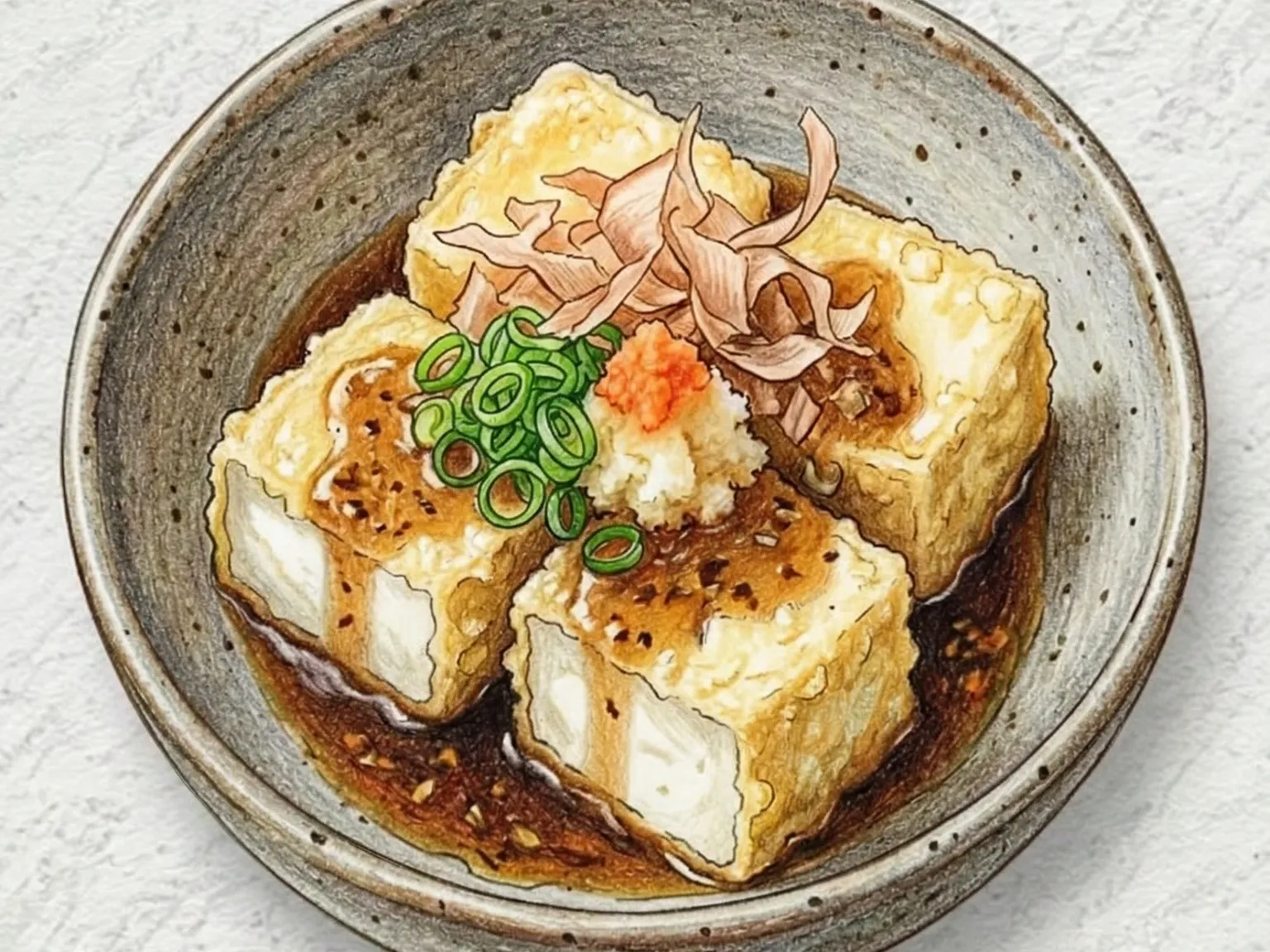
Agedashi Tofu (Japanese Crispy Fried Tofu in Dashi Broth)
AsianEasy

Agedashi Tofu (Japanese Crispy Fried Tofu in Dashi Broth)

Agedashi tofu is a staple of Japanese izakaya menus, dating back to Edo-period cookbooks where it appeared as a way to elevate plain tofu into a drinking snack. Firm tofu is patted dry, dusted in potato starch, and fried until a paper-thin golden shell forms around the still-custard interior. The crust holds up just long enough against a hot dashi-soy-mirin broth ladled over at serving, softening at the edges while the center stays crisp. Grated daikon on top cuts through the oil with a sharp, cooling bite. The dish lives in the tension between textures - eat too slowly and the crust dissolves entirely into the broth.

🍺 Bar Snacks
Prep 15minCook 12min2 servings
Aloo Gobi (Indian Cauliflower Potato Curry)
AsianEasy

Aloo Gobi (Indian Cauliflower Potato Curry)

Aloo gobi is one of North India's most recognized vegetarian dishes, found on dhabas and home tables across Punjab and Uttar Pradesh. Potatoes and cauliflower florets cook together in a dry preparation - no gravy, just oil, cumin seeds, turmeric, and chili powder forming a thin spice crust on every piece. The technique relies on covering the pan to let trapped steam cook the vegetables through while the base stays dry enough to develop light browning. Cauliflower edges turn nutty and slightly charred, while potato cubes hold their shape with a floury interior. It pairs naturally with roti or plain rice, and tastes equally good at room temperature in a lunchbox the next day.

🍱 Lunchbox
Prep 15minCook 25min2 servings
Aloo Methi (Indian Potato Fenugreek Dry Stir-Fry)
AsianEasy

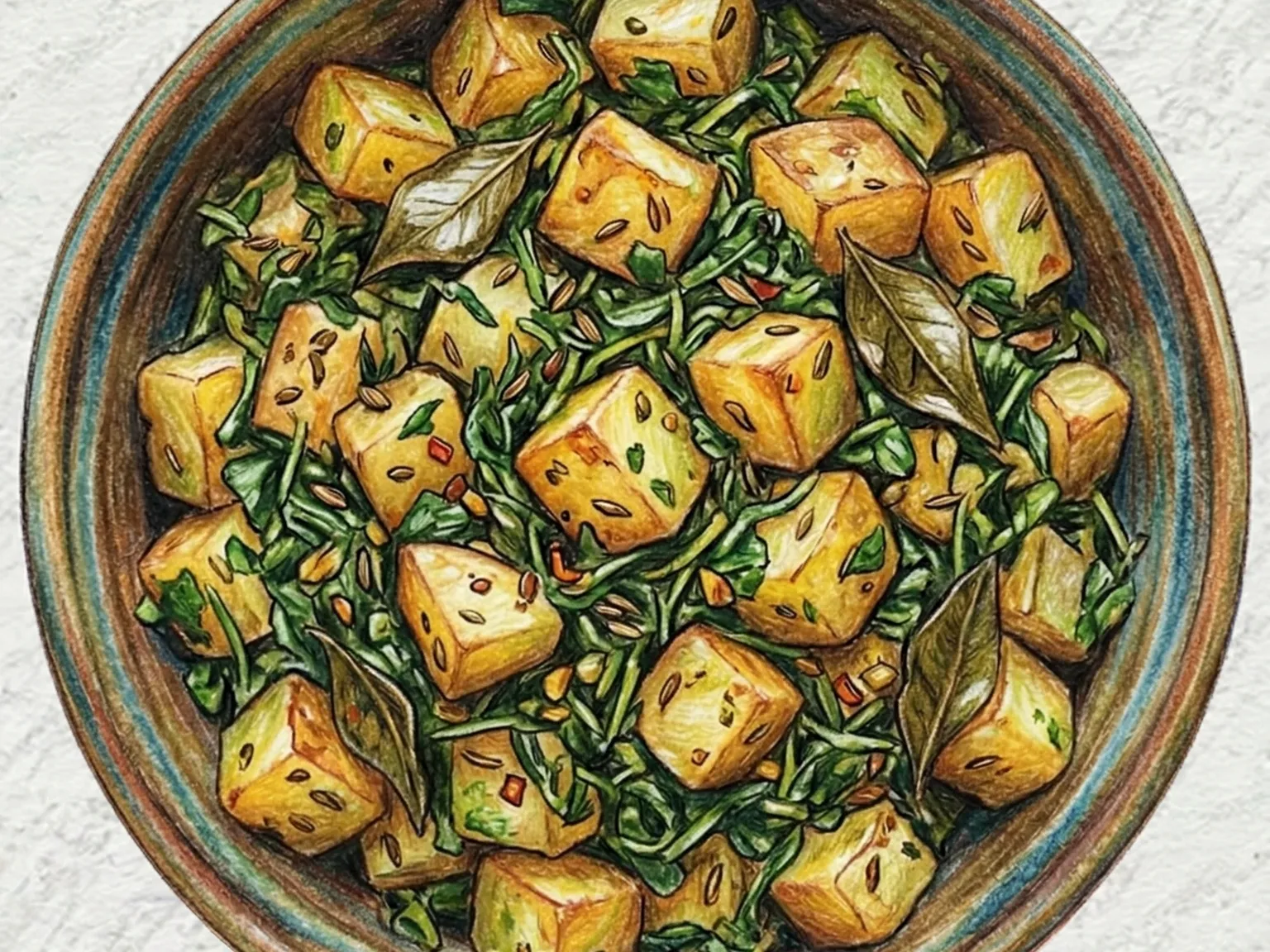
Aloo Methi (Indian Potato Fenugreek Dry Stir-Fry)

Aloo methi is a North Indian home-cooking classic built on the pairing of starchy potatoes and bitter fenugreek leaves - two ingredients that balance each other naturally. Fresh methi leaves have a pronounced earthy bitterness that mellows into a warm, maple-like aroma once they hit the hot pan. The potatoes are diced and cooked covered until fork-soft, absorbing cumin, turmeric, and chili along the way. When methi leaves fold in at the end, their residual moisture evaporates quickly, concentrating that herbaceous flavor into every bite. In Indian households, this dish often appears alongside dal and rice for a weeknight dinner that comes together in under thirty minutes.

🏠 Everyday
Prep 15minCook 20min3 servings
Aloo Paratha (Punjabi Spiced Potato Stuffed Flatbread)
AsianMedium

Aloo Paratha (Punjabi Spiced Potato Stuffed Flatbread)

Aloo paratha is a cornerstone of Punjabi breakfast culture - served hot off the tawa with a knob of butter, yogurt, and pickled mango on the side. The technique involves wrapping spiced mashed potato inside whole wheat dough, then rolling it flat without tearing so the filling stays sealed. On a dry, scorching-hot griddle, the bread puffs slightly as steam from the potato expands inside, creating flaky layers where oil has been brushed. The filling carries garam masala, green chili, and chopped cilantro, giving each bite a warmth that builds gradually. Street vendors in Delhi and Amritsar stack them high on charcoal-heated tawas, selling them wrapped in newspaper through the morning rush.

🏠 Everyday🍱 Lunchbox
Prep 25minCook 15min2 servings
Aloo Tikki Chaat (Indian Fried Potato Patty Street Snack)
AsianEasy

Aloo Tikki Chaat (Indian Fried Potato Patty Street Snack)

Aloo tikki chaat is one of India's most layered street foods, originating from the chaat stalls of Uttar Pradesh and now found across the subcontinent. Mashed potato patties are shallow-fried until the exterior forms a deep golden crust while the inside stays soft and yielding. The real architecture happens after frying: cold whisked yogurt, sweet tamarind chutney, sharp green mint chutney, diced raw onion, and a shower of chaat masala all land on the hot tikki at once. Each bite delivers competing temperatures and textures - warm and crunchy against cold and creamy, with the chutneys pulling between sweet, sour, and herbal. It must be assembled and eaten immediately; the crust softens within minutes under the sauces.

🧒 Kid-Friendly
Prep 20minCook 15min2 servings
Ants Climbing a Tree (Sichuan Glass Noodles with Minced Pork)
AsianEasy

Ants Climbing a Tree (Sichuan Glass Noodles with Minced Pork)

Ants climbing a tree - mayi shang shu - is a Sichuan home dish whose name comes from the way tiny bits of minced pork cling to translucent glass noodles, resembling ants on branches. The noodles are soaked just until pliable, never fully softened, because they finish cooking in the pan where they absorb the braising liquid entirely. Doubanjiang - Sichuan's fermented chili-bean paste - provides a funky, spicy backbone, while soy sauce deepens the color to amber. The final dish should be nearly dry, with every strand of noodle saturated in the sauce and studded with meat. It is an everyday dish in Sichuan households, often made when the kitchen has little more than pantry staples on hand.

🏠 Everyday🌙 Late Night
Prep 15minCook 12min2 servings
Tamarind Fish Noodle Soup
AsianMedium

Tamarind Fish Noodle Soup

Asam laksa is Penang's signature noodle soup, recognized by UNESCO as one of Malaysia's cultural treasures. Unlike the coconut-rich curry laksa of Singapore, this version is built on a tamarind-soured fish broth - tart, briny, and intensely aromatic. Mackerel is poached whole, flaked, and returned to a broth infused with torch ginger flower, lemongrass, and galangal ground into a paste. The sourness from tamarind hits first, followed by a slow wave of chili heat and the ocean depth of fish sauce. Thick rice noodles sit in the bowl, their chewy resistance contrasting the thin, punchy broth. Shredded cucumber, mint, and a spoonful of sweet prawn paste stirred in at the table complete the balance.

🎉 Special Occasion
Prep 25minCook 35min4 servings
Ayam Bakar (Indonesian Grilled Chicken in Sweet Soy Marinade)
AsianMedium

Ayam Bakar (Indonesian Grilled Chicken in Sweet Soy Marinade)

Ayam bakar - literally 'roasted chicken' in Malay-Indonesian - is a staple at warungs and open-air grills across Java, Sumatra, and Bali, where the smoke of coconut-shell charcoal becomes part of the seasoning. The chicken is first simmered in a marinade of sweet soy sauce (kecap manis), garlic, coriander, turmeric, and lime juice until partially cooked and deeply stained. Then it moves to a hot grill where the sugar-heavy glaze caramelizes into dark, lacquered patches with a faint char. The result is sticky-sweet on the surface with a persistent spice warmth underneath, and the meat stays moist because of the pre-cooking step. Often served alongside steamed rice, raw cucumber, and a sambal that brings sharp chili heat to cut through the sweetness.

🎉 Special Occasion
Prep 25minCook 30min4 servings
Ayam Goreng (Indonesian Spiced Fried Chicken Without Coating)
AsianMedium

Ayam Goreng (Indonesian Spiced Fried Chicken Without Coating)

Ayam goreng is Indonesia's answer to fried chicken, but the technique diverges sharply from Western versions - there is no flour coating. Instead, chicken pieces are simmered in a paste of garlic, ginger, coriander, turmeric, and coconut milk until the liquid reduces to almost nothing and the spices have permeated the meat to the bone. Only then does the chicken hit hot oil, where the coconut-milk residue on the skin fries into a thin, uneven crust with a deep golden hue. The flavor is aromatic rather than salty, with turmeric's earthiness and coriander's citrus notes layered into every bite. Street stalls across Jakarta and Yogyakarta serve it with sambal, lalapan (raw vegetables), and steamed rice.

🎉 Special Occasion
Prep 25minCook 25min4 servings
Ayam Gulai (Indonesian Spiced Coconut Chicken Curry)
AsianMedium

Ayam Gulai (Indonesian Spiced Coconut Chicken Curry)

Ayam gulai is a Minangkabau curry from West Sumatra, where coconut milk and a complex spice paste define the regional cuisine known as Padang food. The base - a rempah of shallots, garlic, ginger, galangal, turmeric, and candlenuts - is fried low and slow until oil separates, signaling that the paste is properly cooked. Chicken pieces braise in this spiced coconut sauce for thirty minutes or more, until the meat nearly falls off the bone and the gravy thickens to a bright yellow, oily consistency. The flavor is rich and layered: turmeric and galangal provide warmth, kaffir lime leaves add a citrus top note, and the coconut fat carries everything across the palate. In Padang restaurants, it sits in a stack of small plates brought to the table, and you pay only for what you eat.

🎉 Special Occasion
Prep 20minCook 40min4 servings
Ayam Lemak Cili Padi (Malay Coconut Chicken with Bird's Eye Chili)
AsianMedium

Ayam Lemak Cili Padi (Malay Coconut Chicken with Bird's Eye Chili)

Ayam lemak cili padi is a Malay kampung dish - village cooking at its most direct. Chicken simmers in a thin coconut milk broth spiked with bird's eye chilies, turmeric, lemongrass, and sliced shallots. The coconut milk stays light and soupy rather than reduced to a thick gravy, keeping the dish from becoming heavy. Bird's eye chilies deliver a sharp, immediate heat that lingers long after each spoonful, distinct from the slow burn of dried chili pastes. Turmeric tints the broth pale gold and adds an earthy bitterness beneath the coconut sweetness. This is comfort food across Malaysia's east coast states, typically served with steamed rice that soaks up the fragrant, spicy broth.

🎉 Special Occasion
Prep 20minCook 35min4 servings
Ayam Penyet (Javanese Smashed Fried Chicken with Sambal)
AsianMedium

Ayam Penyet (Javanese Smashed Fried Chicken with Sambal)

Ayam penyet - meaning 'smashed chicken' in Javanese - is an East Javanese street dish where the chicken is deliberately flattened with a pestle after frying. First braised in turmeric-galangal water until cooked through, then deep-fried until the skin blisters and turns mahogany. The final smash on a stone mortar cracks the crust open, exposing the moist interior and creating irregular surfaces that catch the sambal. That sambal - pounded fresh from bird's eye chili, shallot, tomato, and shrimp paste - is the true centerpiece, fiercely hot and funky. Served on a banana leaf with steamed rice, fried tofu, and raw vegetables, it is a full meal assembled in street-stall speed.

🎉 Special Occasion
Prep 20minCook 25min2 servings
Baingan Bharta (Punjabi Flame-Roasted Smoky Eggplant Mash)
AsianMedium

Baingan Bharta (Punjabi Flame-Roasted Smoky Eggplant Mash)

Baingan bharta traces its roots to Punjab, where eggplants are roasted directly over an open flame until the skin blackens and the flesh collapses into a smoky pulp. That charring is not a shortcut - it is the defining flavor of the dish, lending a campfire depth that no oven can replicate. The mashed pulp is then sauteed with onion, tomato, green chili, and ginger until the mixture thickens and the raw edges of the aromatics mellow out. The final texture is rough and chunky rather than smooth, with pockets of charred eggplant skin adding bitter contrast. It is traditionally scooped up with makki ki roti (cornmeal flatbread) during Punjab's winter months, though plain naan or rice work equally well.

🏠 Everyday🎉 Special Occasion
Prep 20minCook 25min4 servings
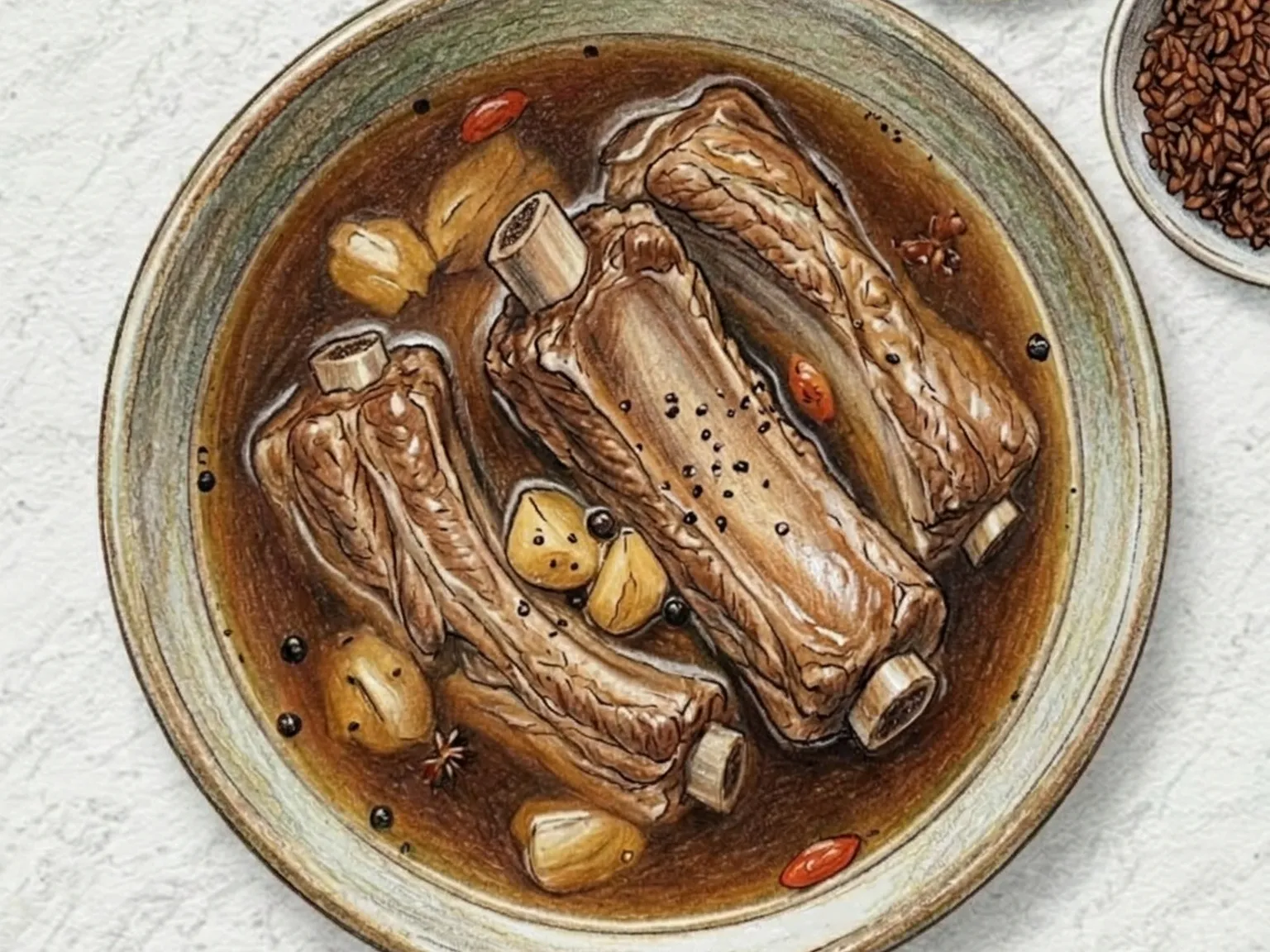
Bak Kut Teh (Malaysian Pork Rib Herbal Pepper Broth Soup)
AsianMedium

Bak Kut Teh (Malaysian Pork Rib Herbal Pepper Broth Soup)

Bak kut teh - 'meat bone tea' in Hokkien - originated with Chinese laborers in colonial-era Malaya who slow-simmered pork ribs with medicinal herbs to sustain through long workdays. The Klang Valley style, now most widely known, features a broth dominated by garlic and white pepper rather than Chinese herbal flavors, resulting in a clear, pale soup with an assertive peppery kick that warms from the throat down. Whole heads of garlic soften to a paste-like sweetness over the long simmer, while the pork ribs give up their collagen until the meat slides cleanly off the bone. The broth is traditionally poured over rice or eaten with fried dough sticks (youtiao) for dipping. In Kuala Lumpur's Klang district, bak kut teh shops open before dawn, serving it as a fortifying breakfast.

🎉 Special Occasion
Prep 15minCook 80min4 servings
Banh Beo (Hue Steamed Rice Cakes with Shrimp and Scallion Oil)
AsianMedium

Banh Beo (Hue Steamed Rice Cakes with Shrimp and Scallion Oil)

Banh beo comes from Hue, the old imperial capital of central Vietnam, where it is served as a snack on tiny saucer-shaped plates that each hold a single rice cake. A thin rice flour batter is poured into each dish and steamed until it sets into a soft, slightly sticky disc - translucent at the edges and opaque in the center. Toppings are minimal but precise: dried shrimp ground to a coarse powder, crispy fried shallots, and a drizzle of scallion oil that pools in the concave surface. The dipping sauce - nuoc cham - ties everything together with its sweet-sour-salty balance. Eating banh beo means scraping each little cake off its plate with a flat spoon, one by one, at a pace that makes this a meditative street-food experience.

🎉 Special Occasion
Prep 25minCook 20min4 servings
Banh Canh Cua (Vietnamese Thick Crab and Pork Noodle Soup)
AsianMedium

Banh Canh Cua (Vietnamese Thick Crab and Pork Noodle Soup)

Banh canh cua is a southern Vietnamese noodle soup where the broth and noodles are equally thick - a departure from the clear, delicate soups of Hanoi. The base is built from crab shells and pork bones simmered together, then strained and thickened with tapioca starch until it coats the back of a spoon. Hand-cut tapioca-rice noodles have a distinctive chew - slippery and dense, unlike any wheat or rice noodle. Chunks of crab meat and a crab-paste egg custard float in the milky broth, making each bowl intensely rich with ocean flavor. Street vendors in Ho Chi Minh City and Can Tho ladle it from giant pots at dawn, serving it as a morning meal with fried shallots and fresh herbs on the side.

🎉 Special Occasion
Prep 20minCook 30min2 servings
Banh Cuon (Hanoi Steamed Rice Rolls with Pork and Mushroom)
AsianHard

Banh Cuon (Hanoi Steamed Rice Rolls with Pork and Mushroom)

Banh cuon is a Hanoi breakfast specialty - translucent rice sheets steamed on fabric stretched over boiling water, then filled and rolled in seconds by practiced hands. The batter is nothing more than rice flour and water, spread tissue-thin to produce a wrapper so delicate it tears if handled roughly. Inside, a filling of minced pork and finely chopped wood ear mushrooms provides a savory, slightly crunchy core. The rolls are served at room temperature with fried shallots, sliced Vietnamese sausage, and a bowl of nuoc cham for dipping. What sets banh cuon apart is its texture - silky, almost slippery on the tongue, with none of the chew associated with other rice-based wraps.

🎉 Special Occasion
Prep 30minCook 25min3 servings
Banh Khot Recipe — Crispy Vietnamese Mini Shrimp Pancakes
AsianMedium

Banh Khot Recipe — Crispy Vietnamese Mini Shrimp Pancakes

Learn how to make banh khot, crispy Vietnamese mini shrimp pancakes from Vung Tau. Rice flour and coconut milk batter is poured into hot round molds, creating golden cups with custardy centers and a whole shrimp pressed into each one. Wrapped in lettuce and fresh herbs, then dipped in nuoc cham - ready in just 45 minutes.

🎉 Special Occasion
Prep 25minCook 20min2 servings
Bánh Mì (Vietnamese Crispy Baguette Sandwich with Pork and Pickles)
AsianMedium

Bánh Mì (Vietnamese Crispy Baguette Sandwich with Pork and Pickles)

Banh mi is the product of French colonialism meeting Vietnamese resourcefulness - a baguette made with rice flour for extra crispness, filled with ingredients that span both culinary traditions. The bread itself is the foundation: lighter and airier than a French baguette, with a shattering crust that flakes when bitten. Fillings vary by region and stall, but the classic Saigon version layers pate, cold cuts, pickled daikon and carrot, sliced cucumber, cilantro, and jalapeno. The pickled vegetables provide a tart crunch that offsets the richness of the meat and pate. Assembled in under a minute at street carts across Ho Chi Minh City, it costs less than a dollar and delivers one of the most complete flavor experiences in Southeast Asian street food - crunchy, sour, herbal, spicy, and fatty in every bite.

🎉 Special Occasion🍱 Lunchbox
Prep 20minCook 10min2 servings
Banh Xeo (Vietnamese Sizzling Turmeric Rice Crepe with Shrimp)
AsianMedium

Banh Xeo (Vietnamese Sizzling Turmeric Rice Crepe with Shrimp)

Banh xeo - named for the sizzling sound ('xeo') the batter makes hitting a hot pan - is a Vietnamese crepe found across the country in regional variations. The batter is a simple mix of rice flour, coconut milk, and turmeric, poured thin into a wide, oiled pan where it crackles into a lacy, shatteringly crisp shell. Shrimp, sliced pork, and bean sprouts fill one half before the crepe is folded over. In southern Vietnam, banh xeo are plate-sized and served with a mountain of lettuce, herbs, and pickled carrots for wrapping. The eating ritual matters as much as the cooking: tear a piece of crepe, wrap it in lettuce with mint and perilla, dip in nuoc cham, and eat in one bite. The interplay between the hot, oily crunch and cool, herbal freshness defines the experience.

🎉 Special Occasion
Prep 20minCook 18min2 servings
Bao Zai Fan (Cantonese Claypot Rice with Chinese Sausage)
AsianHard

Bao Zai Fan (Cantonese Claypot Rice with Chinese Sausage)

Bao zai fan - claypot rice - is a Cantonese winter dish that has been served in Hong Kong's dai pai dong stalls and Guangzhou's old-quarter restaurants for over a century. Raw rice cooks directly in a heated clay vessel with Chinese sausage, cured meats, or marinated chicken layered on top, so their rendered fats drip down and season the grains as they absorb the liquid. The clay holds heat long after leaving the flame, continuing to toast the bottom layer of rice into a golden, crackling crust called fan jiu - the most coveted part of the dish. A sauce of dark soy, light soy, sugar, and sesame oil is poured over at the table and stirred through, staining the white rice amber and releasing a rush of caramelized soy fragrance. The textural range within a single pot - sticky-soft grains on top, chewy middle layer, and shattering crust at the bottom - is what keeps this dish central to Cantonese comfort food despite the time it demands.

🎉 Special Occasion
Prep 20minCook 25min2 servings
Beef Rendang (Indonesian Dry Coconut Braised Beef Curry)
AsianHard

Beef Rendang (Indonesian Dry Coconut Braised Beef Curry)

Rendang originated among the Minangkabau people of West Sumatra, where it was developed as a preservation method - cooking meat in coconut milk and spices until all moisture evaporates, allowing it to last for days in tropical heat without refrigeration. The process begins with a rempah paste of shallots, garlic, ginger, galangal, turmeric, and lemongrass pounded by mortar, then fried in coconut oil until the raw edge disappears. Beef chunks braise in coconut milk for two to three hours, during which the liquid reduces progressively - first a wet curry, then a thick sauce, and finally a dry coating where the coconut oil separates and fries the meat in its own spice crust. The finished pieces are dark brown, almost black at the edges, with a concentrated flavor that layers heat from chili, warmth from galangal, and a deep sweetness from the caramelized coconut. UNESCO recognized rendang as part of Minangkabau intangible heritage, and it consistently ranks among the world's most celebrated dishes.

🎉 Special Occasion
Prep 30minCook 180min4 servings
Biang Biang Mian (Xi'an Hand-Pulled Belt Noodles with Chili Oil)
AsianHard

Biang Biang Mian (Xi'an Hand-Pulled Belt Noodles with Chili Oil)

Biang biang mian takes its name from the sound the dough makes when the cook slaps it against the counter to stretch it into wide, belt-like ribbons - a technique practiced in Xi'an and across Shaanxi Province for centuries. The noodle dough is made from high-gluten flour and rested until pliable, then pulled by hand into strips as wide as a belt and as long as an arm, with an irregular thickness that creates varied chew in every bite. The cooked noodles are dressed with a simple topping of minced garlic, chili flakes, Sichuan peppercorn powder, and chopped scallion, over which smoking-hot rapeseed oil is poured at the table - the sizzle activates the aromatics and blooms the chili into a fragrant, rust-colored oil that coats each strand. Soy sauce and black vinegar are stirred through, adding a salty-sour backbone. The character of the biang biang - written in one of Chinese script's most complex characters with over fifty strokes - is said to encode the sounds of the kitchen: slapping dough, sizzling oil, and the satisfied sighs of eaters.

🎉 Special Occasion
Prep 35minCook 15min2 servings
Bicol Express (Filipino Pork Belly in Spicy Coconut Cream Stew)
AsianMedium

Bicol Express (Filipino Pork Belly in Spicy Coconut Cream Stew)

Bicol Express is named after the railway line that once connected Manila to the Bicol region in southeastern Luzon - an area famous for its love of coconut and chili peppers. Thinly sliced pork belly simmers in a mixture of coconut milk and coconut cream with shrimp paste (bagoong), garlic, onion, and a generous amount of finger-length chilies and bird's eye chilies. The coconut milk reduces slowly over medium heat, splitting into oil as the liquid evaporates, at which point the pork begins to fry in the rendered coconut fat. The finished dish is nearly dry - the sauce has thickened into a creamy, oily coating that clings to the pork and chilies. The shrimp paste adds a deep, funky salinity beneath the coconut sweetness, and the chili heat builds over successive spoonfuls rather than hitting immediately. Despite its name suggesting a modern invention, the combination of coconut, chili, and fermented shrimp is an ancient Bicolano flavor profile. It pairs inseparably with steamed white rice, which absorbs the rich, spicy sauce.

🎉 Special Occasion
Prep 15minCook 35min4 servings