Bacalhau a Bras Recipe  -  Classic Portuguese Salt Cod with Eggs and Crispy Potatoes
Western Medium

Bacalhau a Bras Recipe - Classic Portuguese Salt Cod with Eggs and Crispy Potatoes

Quick answer

Bacalhau a bras is one of the most beloved preparations among the hundreds of ways Portugal cooks salt cod, born from the long history of Atlantic cod fishing.

What makes this special

  • Portuguese Bacalhau a Bras combines shredded salt cod, thin potatoes, and soft scrambled eggs.
  • Salt cod desalted 24 to 48 hours, then hand-shredded into fine strands
  • Eggs stirred off-heat only to creamy curds, never fully scrambled
Total time
40 min
Level
Medium
Servings
2 servings
Ingredients
8
Calories
610 kcal
Protein
39 g

Key ingredients

salted codpotatoesonioneggsolive oil

Core cooking flow

  1. 1 Soak 250g salted cod in cold water for 24 to 48 hours, changing the water se...
  2. 2 Cut 300g potatoes into very thin matchsticks and dry them well so they crisp instead of steaming.
  3. 3 Warm 2 tablespoons olive oil in a large pan over medium heat.

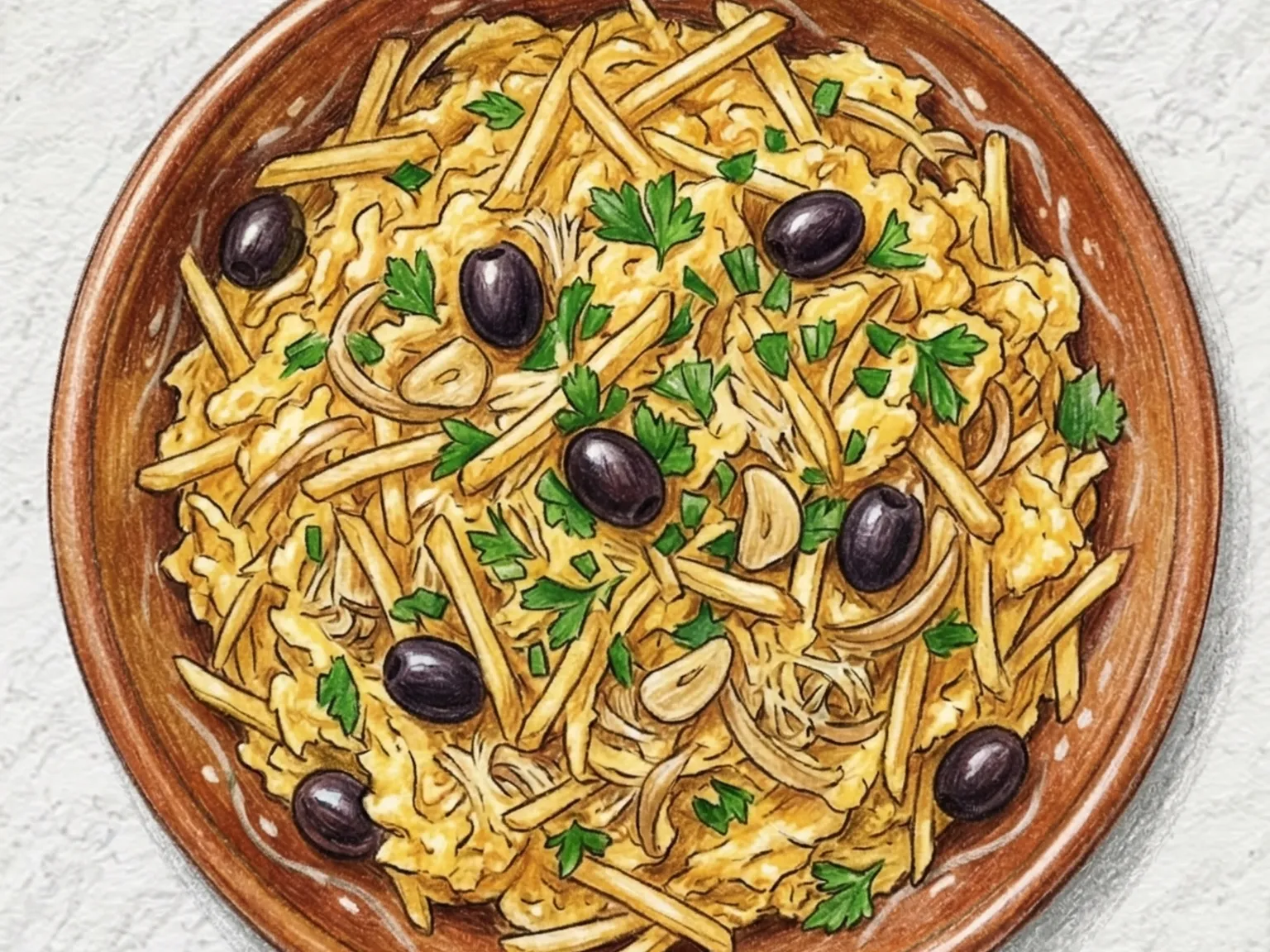
Bacalhau a bras is one of the most beloved preparations among the hundreds of ways Portugal cooks salt cod, born from the long history of Atlantic cod fishing. The salt cod is soaked for 24 to 48 hours with frequent water changes to draw out the salt, then shredded by hand into fine strands. Potatoes cut matchstick-thin are fried until crisp, and the shredded cod is sauteed in olive oil with onion until the onion turns translucent and the fish edges take on a little color. Beaten eggs are poured in and stirred gently off the heat so they form creamy curds that bind the potatoes and fish together without scrambling fully. The finished dish is a golden mound of inseparably tangled crisp potato, silky egg, and salty cod fiber. Black olives and parsley add a sharp salty accent and herbal note. Named after a 19th-century Lisbon tavern keeper, this is a fixture of Portuguese tascas and Sunday family lunches.

Prep 20min Cook 20min 2 servings

Instructions

Read the steps as a cooking flow: prep, heat, seasoning, doneness control, and finish.

6 steps
  1. 1
    Season

    Soak 250g salted cod in cold water for 24 to 48 hours, changing the water several times so the salinity drops evenly.

    Check carefully for skin and bones, then shred the flesh by hand into fine strands.

  2. 2
    Heat

    Cut 300g potatoes into very thin matchsticks and dry them well so they crisp instead of steaming.

    Fry in oil, or bake in the oven, until deeply golden and crisp, then keep them separate for later mixing.

  3. 3
    Control

    Warm 2 tablespoons olive oil in a large pan over medium heat.

    Add 120g sliced onion and 2 minced garlic cloves, then cook until the onion turns translucent, softens, and smells sweet without browning too hard.

  4. 4
    Control

    Add the shredded cod to the pan and saute over medium heat for 2 to 3 minutes.

    When the edges take on a little color and the pan is not watery, fold in the crisp potatoes gently.

  5. 5
    Step

    Beat 3 eggs in a bowl, pour them evenly over the pan, and immediately lower the heat.

    Stir slowly from the bottom so the eggs form creamy curds that bind the cod and potatoes without turning dry.

  6. 6
    Finish

    Turn off the heat before the eggs fully set, letting residual heat finish the dish while it stays moist.

    Sprinkle with 1 tablespoon parsley and 0.5 teaspoon black pepper, and add black olives if available.

After the steps

Pick a recipe that fits this dish.

Continue with shared ingredients, meal pairings, or a similar method.

Recipes That Go Well With This

More Western →

Based on shared ingredients and meal pairing

Bacalhau com Natas (Portuguese Salt Cod Cream Gratin)
Shared ingredient: salt cod Western

Bacalhau com Natas (Portuguese Salt Cod Cream Gratin)

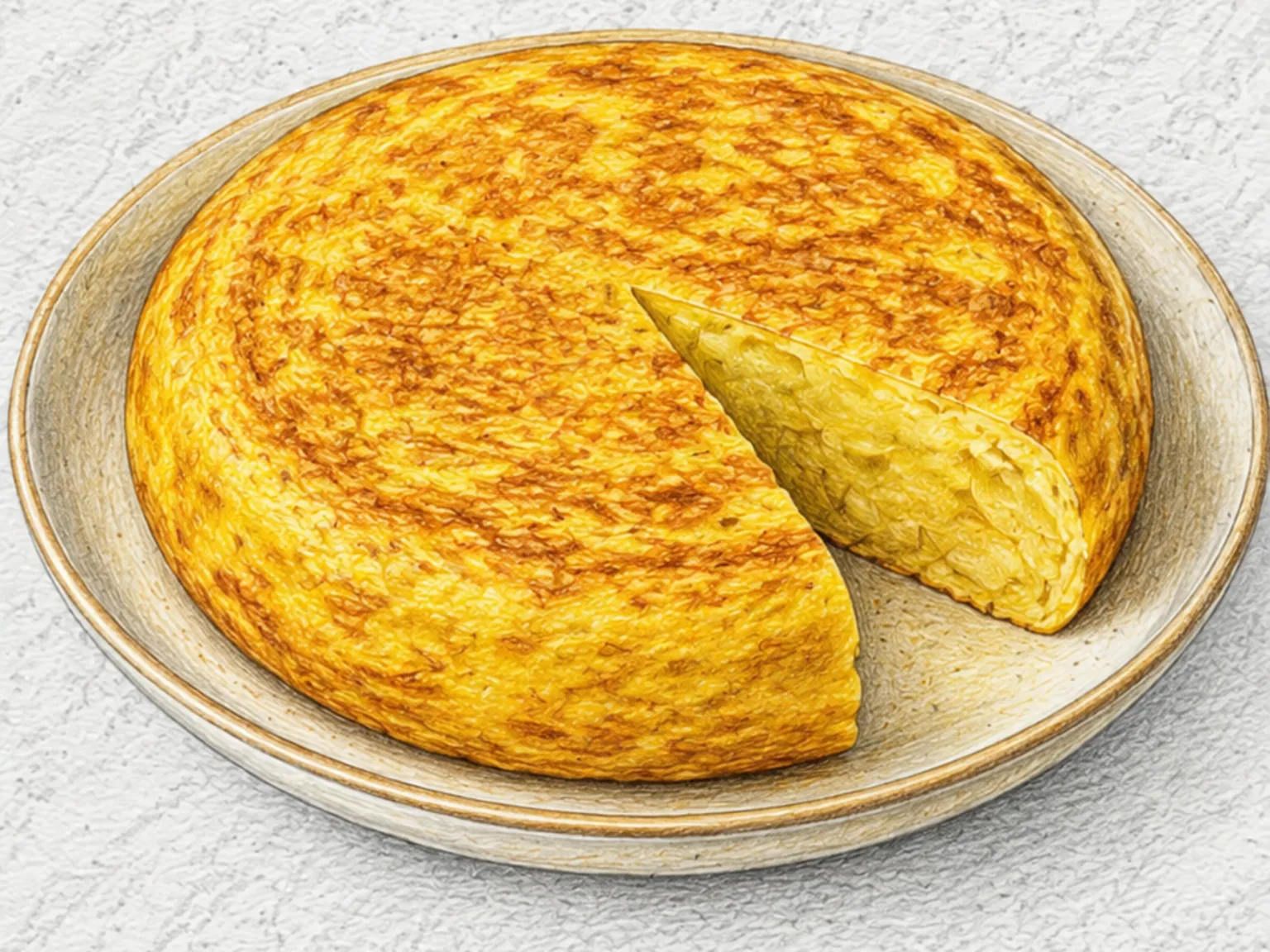
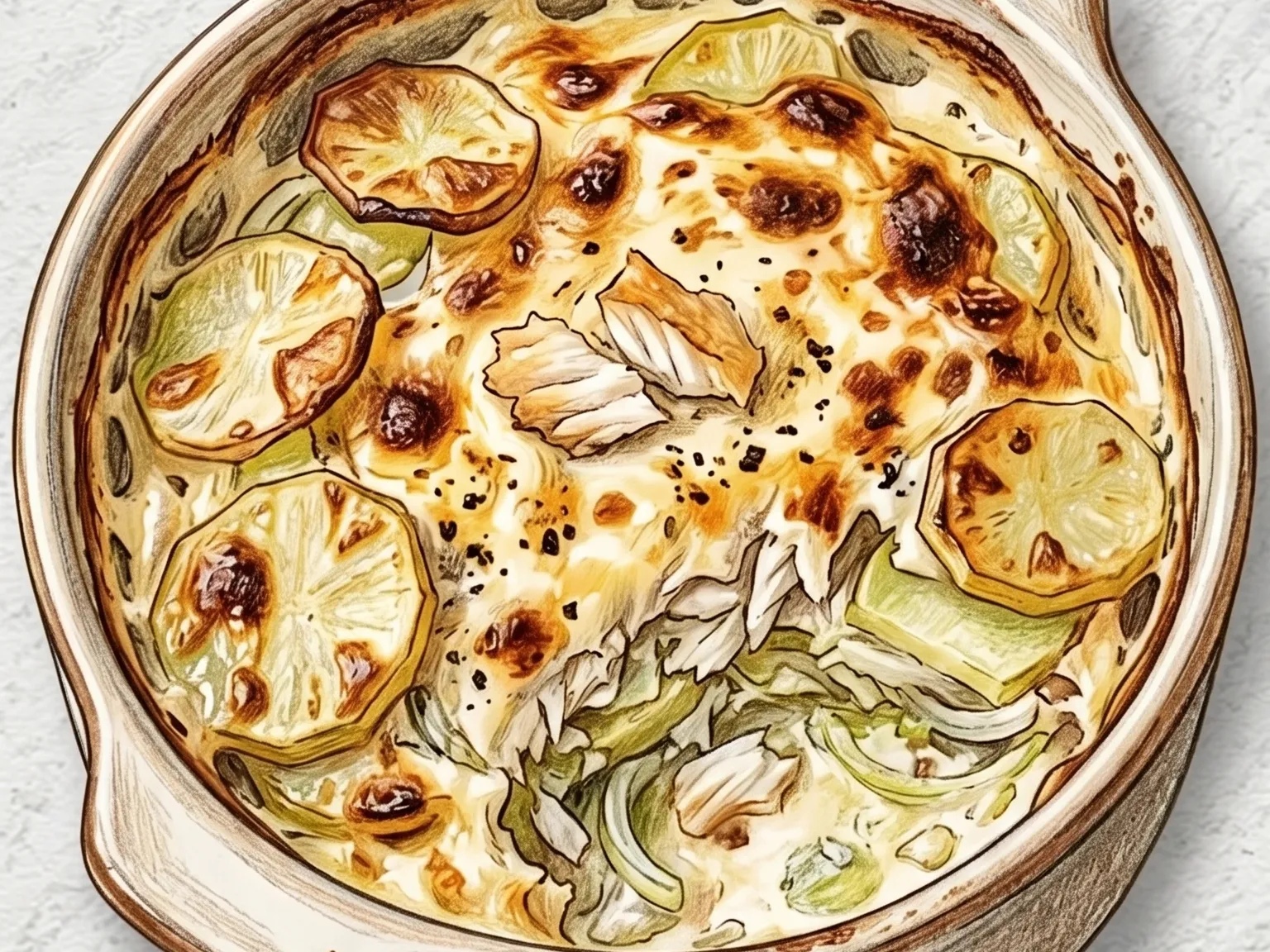
Bacalhau com natas - salt cod with cream - is a Portuguese casserole-style gratin that layers desalted cod, potatoes, and softened onion beneath a thick blanket of cream-enriched bechamel, then bakes until the surface blisters and turns golden brown. The cod requires prolonged soaking, typically forty-eight hours or more with several water changes, to draw out enough salt while preserving the firm, flaky texture of the fish. It is then briefly poached and separated into large pieces that retain structure in the baking dish rather than dissolving into the sauce. Thinly sliced potatoes, parboiled until just softened, alternate with the fish in even layers, and sweet, slowly cooked onion fills the gaps between them. A bechamel made with heavy cream - natas in Portuguese - is poured over everything, seeping into the crevices before baking begins. As the dish heats, the cream sauce tightens, potato edges that protrude through the surface curl and crisp, and the top develops scattered patches of deep gold where the milk proteins have caramelized. The result is simultaneously rich and precise: the cod residual mineral salinity cuts through the cream smoothness and prevents the dish from becoming cloying. Bacalhau com natas is a fixture of the Portuguese Christmas Eve meal known as consoada, appearing alongside other salt cod preparations at a table where bacalhau takes on a near-ritual significance.

Caldo Verde (Portuguese Potato Soup with Kale and Sausage)
Shared ingredient: potatoes Western

Caldo Verde (Portuguese Potato Soup with Kale and Sausage)

Caldo verde is Portugal's most emblematic soup, originating in the Minho region of the north and eaten across the country at festivals, family tables, and everyday meals. A base of potatoes and onion is simmered in water until the potatoes fall completely apart, then blended smooth so the natural starch thickens the soup without any added cream, flour, or roux. The result is a velvety texture built entirely from vegetables and water. Sliced smoked chourico or linguica is added next, and as the sausage heats through its rendered fat and smoky salt diffuse through the broth, adding depth and richness that a plain potato soup cannot offer. Collard greens or kale are cut into the thinnest possible ribbons and cooked for only the final eight minutes, which keeps the color vivid green and the texture slightly resistant to the bite. Overcooking dulls the color to olive and turns the leaves soft and stringy. A drizzle of olive oil over each bowl and thick slices of broa, a dense Portuguese cornbread, alongside the soup allow the broth to soak into the crumb and complete what is otherwise a simple but deeply satisfying meal.

Kimchi Lentil Ragu Tagliatelle
Serve together Pasta

Kimchi Lentil Ragu Tagliatelle

Kimchi lentil ragu tagliatelle is a plant-forward pasta where lentils simmer with tomato puree, wine, and finely diced onion, carrot, and celery for 35 minutes, breaking down into a thick sauce with a meaty texture that contains no actual meat. The Korean-inflected soffritto builds the aromatic base, and as the lentils cook through they release starch that naturally thickens the ragu without any additional binder. Fermented kimchi is added late in the process, preserving its sharp acidity and keeping the fermented flavor present and distinct rather than cooked away. A small amount of sugar smooths the combined tartness of tomato and kimchi so neither dominates. The wide, flat tagliatelle ribbons hold the heavy sauce well, and every strand picks up the full depth of the braise. Without a gram of meat, the dish delivers genuine richness and staying power.

Portuguese Egg Tart (Flaky Pastry with Caramelized Custard)
Similar recipe Baking

Portuguese Egg Tart (Flaky Pastry with Caramelized Custard)

Flaky puff pastry shells are pressed into muffin tins and filled with a rich egg yolk custard, then baked at very high heat until the tops blister with dark caramelized spots. Those charred patches are not a mistake but the defining feature of the tart, contributing a bittersweet complexity that balances the sweet, creamy filling below. The custard sets to a trembling consistency that is firm enough to hold when the tart is lifted but soft enough to melt on the tongue. Vanilla extract added to the custard rounds out the egg richness with a floral note. Straining the custard through a fine sieve before filling ensures a perfectly smooth texture. The extreme oven temperature is what separates these from ordinary custard tarts, as it caramelizes the surface in minutes while keeping the interior silky.

Serve with this

Kimchi Tofu Caesar Salad
Salads Medium

Kimchi Tofu Caesar Salad

Sautéing the kimchi drives off moisture and concentrates its umami into an intense, savory punch that replaces anchovies in a traditional Caesar. Pan-browned tofu cubes develop a crisp shell around their soft interior, standing in for crouton-like protein. The dressing mixes mayonnaise with plain yogurt for a lighter body than classic Caesar, sharpened with lemon juice and garlic. Grated parmesan adds the expected salty depth, and crisp romaine provides the essential crunch that holds the heavy flavors in check. Homemade bread croutons round out the textural contrast.

🥗 Light & Healthy 🏠 Everyday
Prep 18min Cook 8min 2 servings
Dongdongju (Korean Unfiltered Fermented Rice Wine)
Drinks Hard

Dongdongju (Korean Unfiltered Fermented Rice Wine)

Dongdongju is a traditional Korean unfiltered rice wine made by steaming short-grain and sweet rice together, then fermenting the cooked grain with nuruk starter and a small amount of dry yeast for seven days. Unlike makgeolli, it passes through a coarse sieve only once, leaving rice grains floating on the surface -- a trait that gives the drink its name and provides a distinctly chewy grain texture with each sip. Stirring the mash twice daily ensures the nuruk breaks down the starches evenly throughout fermentation, and keeping the temperature low after day three prevents the batch from over-fermenting. A pinch of salt added at the finish tempers residual sweetness without flattening the fermented grain character. Home-brewed dongdongju tends to carry a more pronounced rice fragrance and a heavier body than commercial makgeolli, and its flavor shifts noticeably day by day as fermentation continues.

🍺 Bar Snacks 🎉 Special Occasion
Prep 30min Cook 40min 8 servings
Saenggang Jeonggwa (Candied Ginger)
Desserts Medium

Saenggang Jeonggwa (Candied Ginger)

Saenggang jeonggwa is a traditional Korean candied ginger prepared by slicing fresh ginger thin, blanching it twice to reduce the raw heat, then simmering the pieces slowly in a glaze of sugar and grain syrup. A ten-minute soak in cold water draws out the sharpest bite first, and two rounds of boiling soften the pungency further while leaving the clean, aromatic core intact. The slices are cooked on low heat until the syrup reduces to a thick, glossy coat on the surface, at which point lemon juice is added to introduce an acidity that keeps the sweetness from becoming cloying. Once dried on a rack and rolled in granulated sugar, the finished pieces carry a crisp, crystalline shell on the outside. On the first bite, the sugar crust shatters, and the chewy, syrup-saturated ginger beneath releases a slow, building warmth that lingers well after the piece is finished.

🎉 Special Occasion 🧒 Kid-Friendly
Prep 15min Cook 45min 4 servings

Similar recipes

Deviled Eggs
Western Easy

Deviled Eggs

Deviled eggs are a classic American appetizer made by hard-boiling eggs for ten minutes from a cold water start, then transferring them immediately to an ice bath to cool completely before peeling and halving. Full cooling prevents the yolk from developing a gray-green ring around its edge and allows the shell to separate cleanly, producing smooth, even white halves that serve as natural vessels for the filling. The yolks are mashed thoroughly with mayonnaise, Dijon mustard, lemon juice, salt, and black pepper until the mixture is completely smooth and uniform in texture. The mustard's sharp bite and the lemon juice's acidity cut through the fatty richness of the yolk, lifting the overall flavor and giving each bite a creamy yet bright quality that prevents the filling from feeling heavy. If the mixture is too stiff, a small addition of mayonnaise loosens it to a pipeable consistency; a piping bag with a star tip produces the cleanest, most defined presentation. A light dusting of smoked or sweet paprika over the top adds a faint warmth and creates a vivid red-and-white color contrast against the pale egg white base, completing the visual as well as the flavor.

🎉 Special Occasion ⚡ Quick
Prep 15min Cook 10min 4 servings
Korean Soy-Braised Pork and Potatoes
Stir-fry Medium

Korean Soy-Braised Pork and Potatoes

Dwaejigogi-gamja-jorim is a Korean braised side dish of pork shoulder and potatoes simmered together in a soy-based seasoning until the liquid reduces to a thick glaze. The pork is browned first in a hot pot to develop a seared surface, then water, soy sauce, sugar, garlic, and gochugaru are added and the whole pot is brought to a simmer. As the liquid reduces, the pork releases its fat and juices into the broth, enriching the sauce. The potatoes cook through in this liquid, drawing in the seasoning and emerging with a glossy, salty-sweet coating on the outside and a fluffy, starchy interior. Onion softens and releases its natural sweetness during cooking, moderating the saltiness of the soy base. The dish is finished when the liquid has reduced to just enough to coat the ingredients. Served with rice, the potatoes and braising liquid together function almost as a sauce. Protein and starch cooked together in a single pot make this a practical, satisfying meal.

🏠 Everyday 🍱 Lunchbox
Prep 15min Cook 35min 4 servings
Cottage Pie
Western Medium

Cottage Pie

Cottage pie is a British comfort dish that layers a rich ground-beef filling under buttery mashed potatoes and bakes the whole thing until the top is golden and the interior is bubbling. The filling starts with beef browned alongside diced onion and carrot, then simmers with tomato paste, Worcestershire sauce, beef stock, and green peas until the liquid reduces to a thick, concentrated sauce that holds its shape in the dish. Adding beef stock to the simmer deepens the flavor considerably compared to water alone. The potatoes must be mashed immediately after draining while still steaming hot: mashing cool potatoes produces a gluey texture instead of a smooth, creamy layer. Scoring the surface with a fork before the dish goes into the oven creates ridges that catch the heat and brown in the oven at 200 degrees Celsius over twenty minutes, adding a lightly crisp layer over the soft interior. During baking, the heat from the filling rises through the potato crust, allowing the two layers to exchange aromas. The defining characteristic of the dish is the contrast between the deeply savory, umami-packed meat layer below and the soft, golden, buttery potato crust above.

🎉 Special Occasion 🍺 Bar Snacks
Prep 25min Cook 45min 4 servings

Tips

Keep the eggs slightly creamy for authentic texture.
Adding black olives gives a more traditional flavor.

Nutrition (per serving)

Calories
610
kcal
Protein
39
g
Carbs
34
g
Fat
33
g