Charim

2686 Korean & World Recipes

2686+ Korean recipes, clean and organized. Ingredients to instructions, all at a glance.

Korean Napa Cabbage Perilla Soup
Soups Easy

Korean Napa Cabbage Perilla Soup

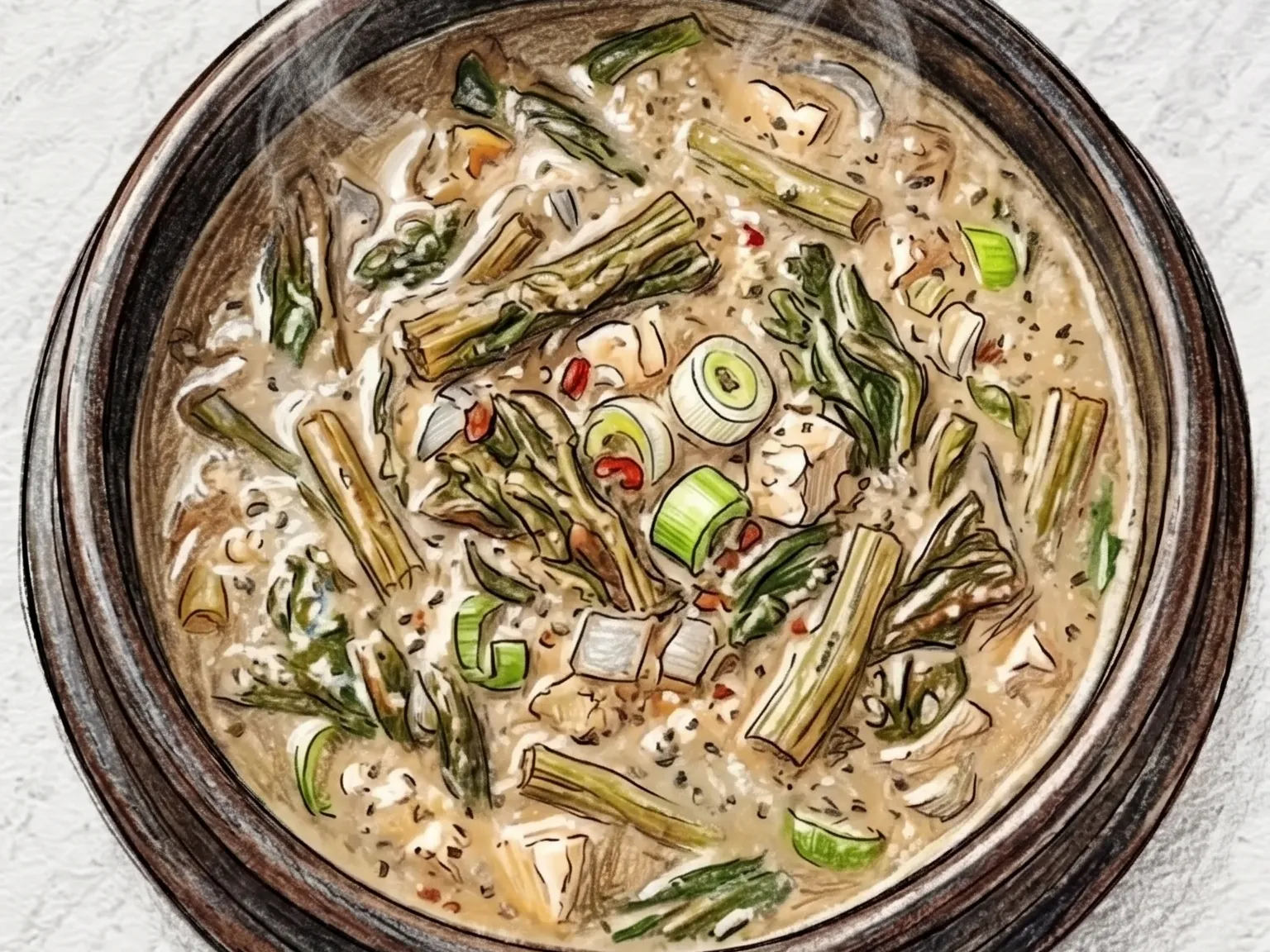
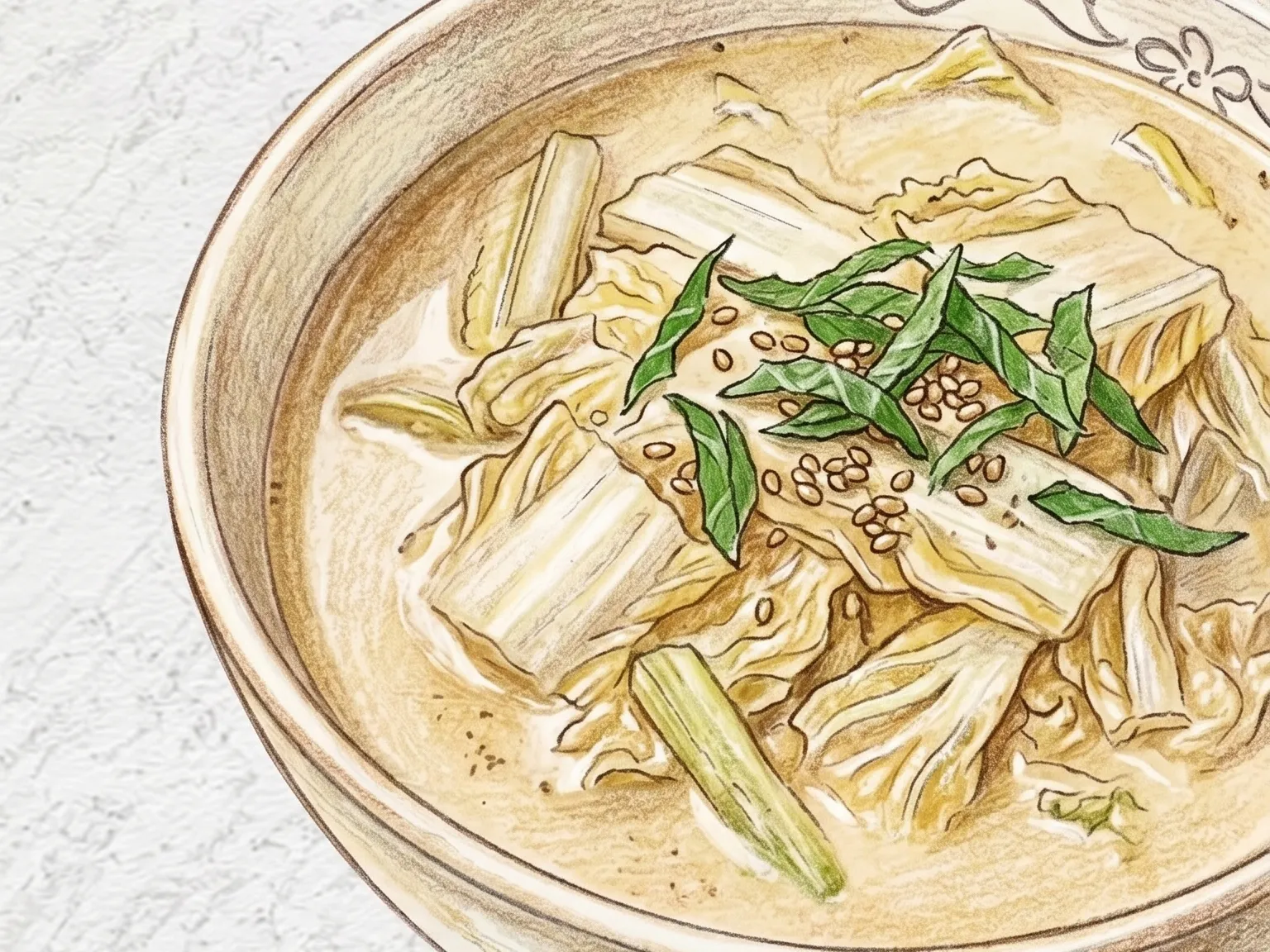
Baechu deulkkae-guk is a Korean soup that layers three forms of comfort - soft-cooked napa cabbage, fermented doenjang, and ground perilla seeds - into a bowl that is nutty, earthy, and gently warming. The cabbage is simmered in anchovy-kelp stock until the white stems turn translucent and the leaves nearly dissolve into the broth, releasing a mild natural sweetness. Doenjang dissolved into the stock provides the fermented backbone, while ground perilla seeds - stirred in during the final minutes - thicken the broth into a pale, creamy suspension with a distinctive nutty aroma that sesame cannot replicate. The perilla must be added late and off high heat to prevent grittiness and preserve its volatile fragrance. This soup belongs to the Korean tradition of deulkkae-guk - perilla-based soups - that includes versions with dried radish greens, mushrooms, and other winter vegetables. It is a cold-weather staple, often the first dish Korean mothers make when autumn temperatures drop, and pairs naturally with a bowl of steamed white rice.

Prep 12min Cook 22min 4 servings

Adjust Servings

2servings
servings

Instructions

  1. 1

    Separate napa cabbage stems and leaves, then cut into large pieces.

  2. 2

    Add rice-rinse water to a pot, dissolve doenjang through a strainer, and bring to a boil.

  3. 3

    Add cabbage stems first and cook 8 minutes, then add the leaves.

  4. 4

    Add garlic and perilla powder, then simmer on low for 7 minutes.

  5. 5

    Add chopped green onion and chili, then adjust seasoning with salt.

🛒Shop Ingredients on Amazon

As an Amazon Associate, we may earn from qualifying purchases.

Tips

Rice-rinse water gives doenjang broth a softer, deeper flavor.
Overcooking perilla powder can make the soup heavy.

Nutrition (per serving)

Calories
145
kcal
Protein
6
g
Carbs
12
g
Fat
9
g

More Recipes

Korean Napa Cabbage Doenjang Soup
SoupsEasy

Korean Napa Cabbage Doenjang Soup

Baechu doenjang guk is a foundational Korean soup where napa cabbage simmers in anchovy-kelp stock seasoned with doenjang. Straining the doenjang through a sieve as it dissolves into the broth keeps the liquid clear while extracting its full fermented flavor. The cabbage stems go in first and cook for five minutes to release their sweetness before the leaves and cubed tofu are added. A small spoonful of gochujang introduces a mild heat and a reddish tint that adds visual and flavor complexity. Sliced cheongyang chili and scallion enter in the last two minutes, contributing sharpness without becoming soft. Since doenjang saltiness varies between brands, starting with a conservative amount and adjusting by taste prevents over-seasoning. As the cabbage softens completely, its natural sweetness seeps into the broth and balances the deep, earthy character of the fermented paste.

🏠 Everyday
Prep 12minCook 20min4 servings
Korean Napa Cabbage Clam Soup
SoupsEasy

Korean Napa Cabbage Clam Soup

Baechu jogae guk is a clear Korean soup that draws its flavor entirely from clams and napa cabbage without any additional stock ingredients. The clams must be purged in salted water for at least two hours to expel all sand; skipping this step ruins the broth with grit. Starting from cold water with both the cabbage and clams allows the temperature to rise gradually, coaxing sweetness from the cabbage as it heats. Once the clam shells open, the heat is reduced and the broth is lightly seasoned with minced garlic and guk-ganjang. Sliced scallion is added near the end for freshness but is not overcooked. Since the clam liquor itself carries significant salinity, additional salt should be minimal and added only after tasting. The soup's appeal lies in its simplicity: no anchovy stock or kelp is needed because the marine depth of the clams and the vegetal sweetness of the cabbage together produce a clean, layered broth.

🏠 Everyday
Prep 20minCook 18min4 servings
Korean Napa Cabbage Anchovy Stew
StewsEasy

Korean Napa Cabbage Anchovy Stew

Baechu myeolchi jjigae is a homestyle Korean stew built on dried anchovy stock with napa cabbage as the main vegetable. Large dried anchovies and kelp are simmered for ten minutes to create a stock with deep umami, then strained for a clean base. Baby napa cabbage is cut into long vertical strips so the stems release their sweetness into the broth, naturally balancing the saltiness of the anchovy. Thick-cut tofu slabs are nestled between the cabbage pieces, and sliced onion adds another layer of sweetness. Diagonally cut cheongyang chili brings a sharp heat that enlivens the otherwise mild broth. Simmering for fifteen to twenty minutes allows the cabbage to soften fully and its sugars to dissolve into the liquid. The stew demonstrates a core principle of Korean home cooking: a well-made stock and a single good vegetable can produce depth without complicated seasoning.

🏠 Everyday
Prep 10minCook 20min2 servings
Korean Radish Greens Perilla Soup
SoupsMedium

Korean Radish Greens Perilla Soup

Mucheong-deulkkae-guk is a Korean soup that layers two of the cuisine's most comforting flavors - fermented soybean paste and ground perilla seeds - over a base of dried radish greens. The greens are boiled until tender, dressed with doenjang, and then simmered in anchovy-kelp stock with a generous scoop of perilla seed powder. As the powder dissolves, the broth turns from clear to opaque and takes on a creamy, nutty character that clings to the greens and pools richly over steamed rice. Garlic and green onion build the aromatic framework, while the radish greens themselves contribute a mild, earthy chew that makes the soup feel substantial despite having no meat. This is a dish most commonly associated with rural home cooking, where dried radish greens are a pantry staple preserved from the autumn harvest. The combination of doenjang and perilla creates a umami density that is quietly addictive - the kind of soup that never appears on trendy restaurant menus but occupies a permanent place in the memory of anyone who grew up eating it.

🏠 Everyday
Prep 20minCook 30min4 servings
Korean Cabbage Oyster Soup
SoupsEasy

Korean Cabbage Oyster Soup

Baechu gul guk is a Korean winter soup that pairs seasonal napa cabbage with fresh oysters in a clear broth. The oysters are gently rinsed in salted water to remove grit and any briny off-flavors, then added only in the final one to two minutes of cooking so they stay plump rather than shriveling. Napa cabbage and daikon radish go in first and simmer until their natural sugars dissolve into the water, sweetening the broth without any added sugar. Seasoning is limited to minced garlic and guk-ganjang, kept restrained because the oysters contribute their own salinity. Thinly sliced scallion floated on top releases a fresh aroma with each spoonful. Overcooking the oysters risks both a rubbery texture and a bitter aftertaste, making their timing the single most critical step. The finished soup layers the soft sweetness of cabbage, the clean coolness of radish, and the marine depth of oyster into one bowl.

🏠 Everyday
Prep 15minCook 20min4 servings
Korean Napa Cabbage Doenjang Porridge
RiceEasy

Korean Napa Cabbage Doenjang Porridge

Baechu doenjang juk is a Korean porridge where soaked rice is first toasted in sesame oil to build a nutty base, then simmered slowly in anchovy stock with dissolved doenjang, napa cabbage, and onion. Toasting the rice grains in oil before adding liquid gives the finished porridge a roasted depth that plain boiled rice cannot achieve. The doenjang is strained through a sieve into the stock so the porridge remains smooth without grainy bits. Finely chopped onion melts into the broth as it cooks, contributing a quiet sweetness, while the napa cabbage softens until it nearly dissolves into the texture of the porridge. Stirring frequently over medium-low heat for at least twenty minutes ensures the rice breaks down evenly. A drop of sesame oil and a seasoning adjustment with guk-ganjang finishes the dish. The result is a bowl that feels gentle on the stomach while carrying the full fermented complexity of doenjang.

🥗 Light & Healthy🏠 Everyday
Prep 10minCook 30min2 servings
More Soups →