Charim

2686 Korean & World Recipes

2686+ Korean recipes, clean and organized. Ingredients to instructions, all at a glance.

Korean Cabbage Doenjang Stir-Fry

Korean Cabbage Doenjang Stir-Fry

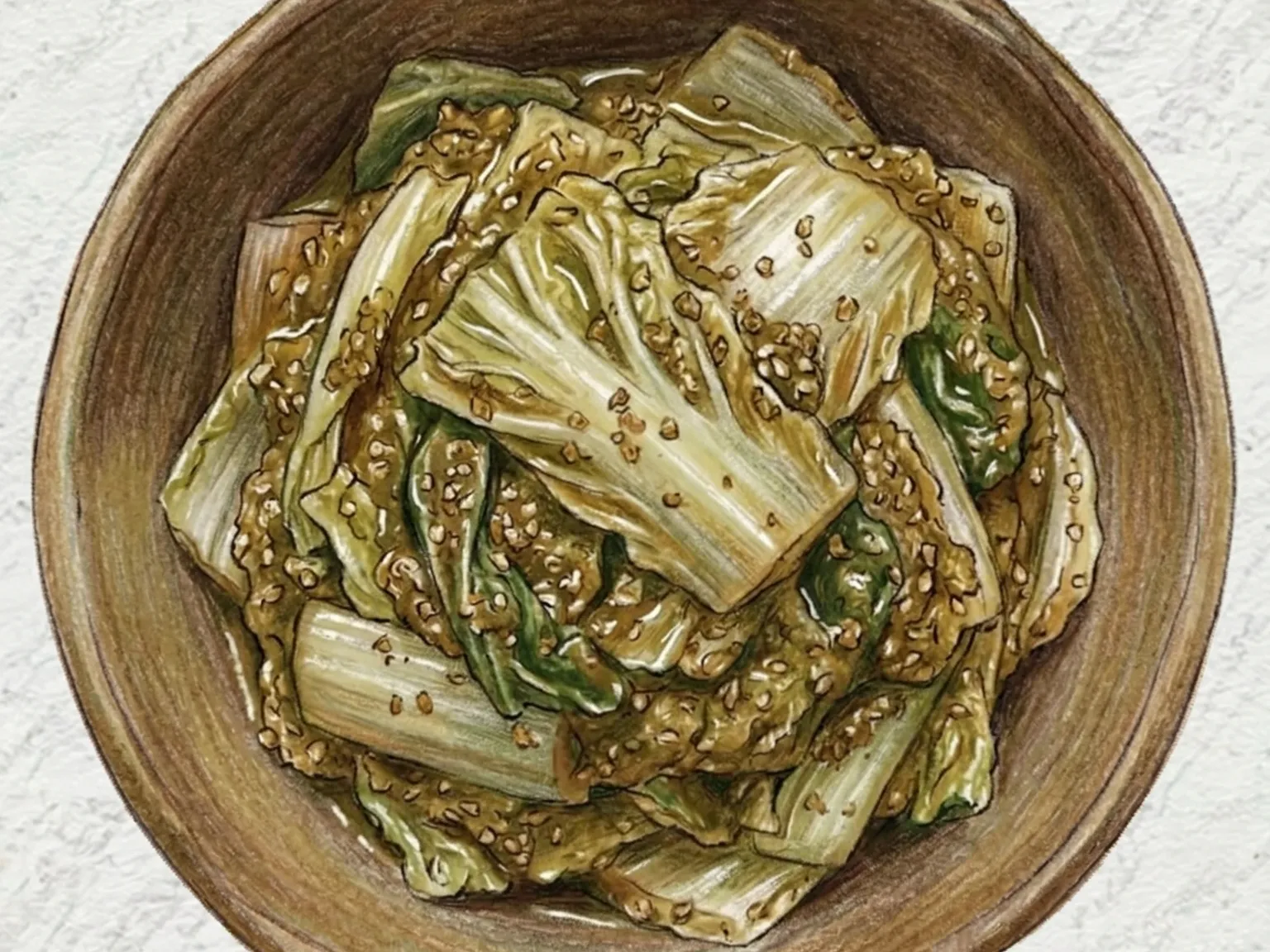
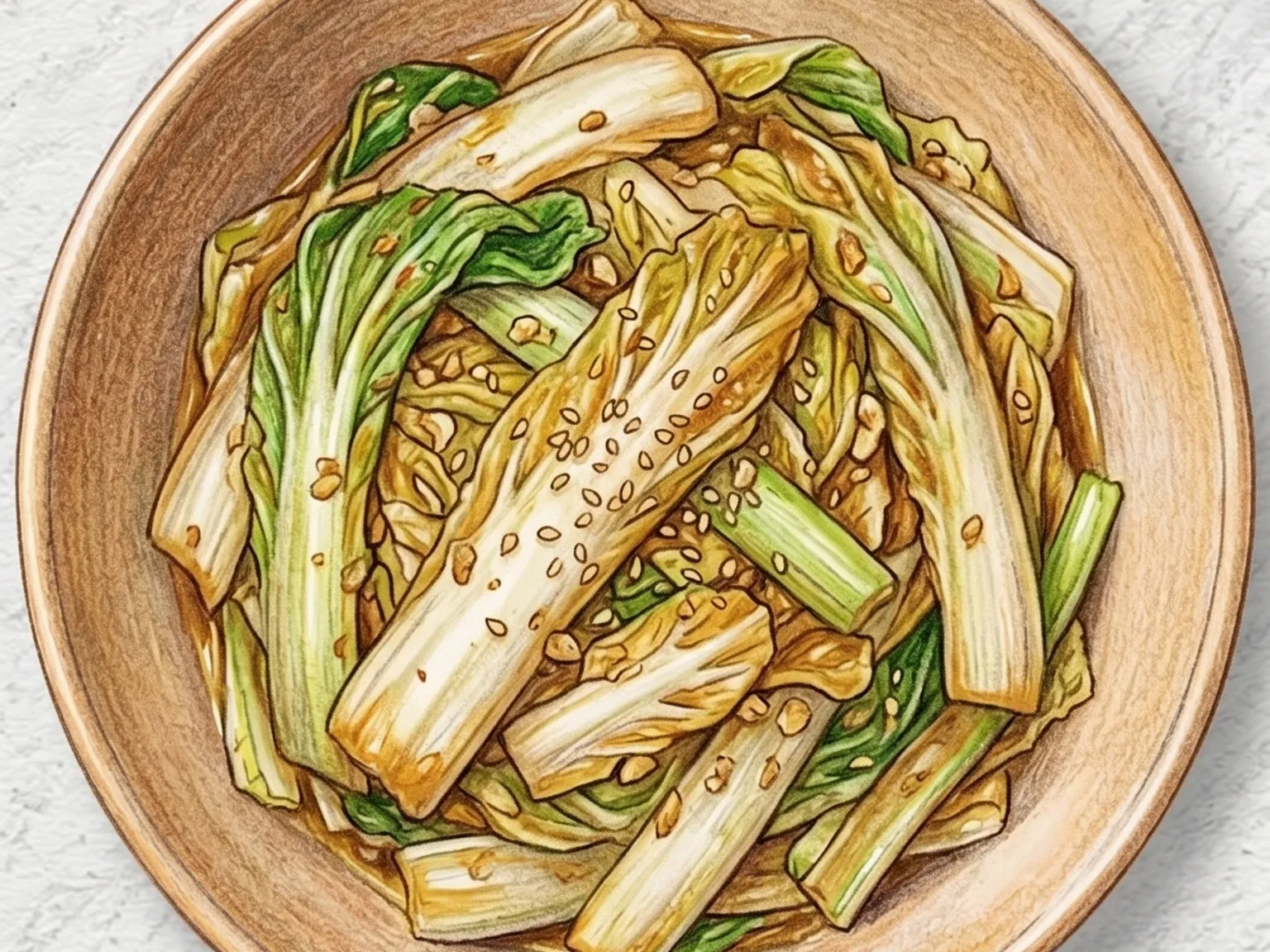
Baechu doenjang bokkeum is a Korean home-style side dish where napa cabbage is stir-fried with doenjang (fermented soybean paste) in perilla oil. The cabbage goes into a hot pan first and is tossed until slightly wilted, then the doenjang is added and the heat lowered so the paste can spread evenly and coat each piece. Minced garlic is fried together, its sharpness blending into the fermented depth of the doenjang. The thicker stem pieces go in before the leaves to preserve their crunch, while the leafy parts are added later to prevent them from turning limp. A final drizzle of perilla oil just before removing from heat reinforces the nutty aroma, and toasted sesame seeds are scattered on top. Despite the minimal seasoning, the interplay between the natural sweetness of napa cabbage and the salty complexity of doenjang gives this dish a satisfying depth.

Prep 5min Cook 8min 2 servings

Adjust Servings

2servings
servings

Instructions

  1. 1

    Cut cabbage into large pieces.

  2. 2

    Stir-fry garlic in perilla oil.

  3. 3

    Add cabbage and stir-fry; add doenjang and toss.

  4. 4

    Sprinkle with sesame seeds and serve.

🛒Shop Ingredients on Amazon

As an Amazon Associate, we may earn from qualifying purchases.

Tips

Remove from heat as soon as the cabbage is just wilted for the best texture.

Nutrition (per serving)

Calories
100
kcal
Protein
4
g
Carbs
10
g
Fat
5
g

More Recipes

Korean Tofu and Kimchi Stir-Fry
Stir-fryEasy

Korean Tofu and Kimchi Stir-Fry

Dubu-kimchi-bokkeum is a Korean classic that combines pan-fried tofu with well-fermented napa cabbage kimchi in a quick stir-fry. The tofu offers a mild, creamy contrast to the tangy, spicy fermented kimchi. A small amount of pork belly is often added, its rendered fat softening the kimchi's acidity and binding the flavors together. It is a versatile dish served equally well as a drinking snack or a hearty side with steamed rice.

🏠 Everyday🌙 Late Night
Prep 10minCook 15min2 servings
Korean Spicy Webfoot Octopus Stir-Fry
Stir-fryEasy

Korean Spicy Webfoot Octopus Stir-Fry

Jjukkumi-bokkeum is a Korean seafood stir-fry of small webfoot octopus tossed with vegetables in a fiery gochujang and gochugaru sauce over high heat. The octopus must be cooked quickly to stay chewy; overcooking turns it tough, so heat control is key. The bold, spicy kick from the chili paste is the defining character of this dish, tempered by the natural sweetness of onions and scallions. Spring jjukkumi with roe inside adds a popping texture when bitten, making the seasonal version especially prized.

🏠 Everyday🌙 Late Night
Prep 15minCook 10min2 servings
Korean Gochujang Pork Belly Stir-Fry
Stir-fryEasy

Korean Gochujang Pork Belly Stir-Fry

Gochujang samgyeop bokkeum stir-fries pork belly in a bold gochujang glaze without any added oil, relying entirely on the rendered fat from the belly slices. That fat carries the spicy-sweet sauce deep into each piece, creating a concentrated, layered flavor. Soy sauce and sugar moderate the chili heat, while onion and green onion brighten the dish with fresh aromatics and a bit of crunch. It is a straightforward dish that takes only 20 minutes yet delivers a punch of flavor suitable for both a weekday dinner over rice and a casual drinking snack.

🏠 Everyday🌙 Late Night
Prep 10minCook 10min2 servings
Korean Potato and Sausage Stir-Fry
Stir-fryEasy

Korean Potato and Sausage Stir-Fry

Gamja sausage bokkeum pairs thinly sliced potatoes with bite-sized sausage pieces, stir-fried in a blend of soy sauce, ketchup, and a touch of sugar. The sausage renders just enough fat to coat the potatoes in a savory glaze, while the ketchup adds a mild sweetness that children especially enjoy. It comes together in under 30 minutes and works well as a lunchbox staple or a quick weeknight side. The combination of starchy potatoes and smoky sausage makes it universally crowd-pleasing.

🏠 Everyday🍱 Lunchbox
Prep 10minCook 15min2 servings
Korean Stir-Fried Dried Seaweed
Side dishesEasy

Korean Stir-Fried Dried Seaweed

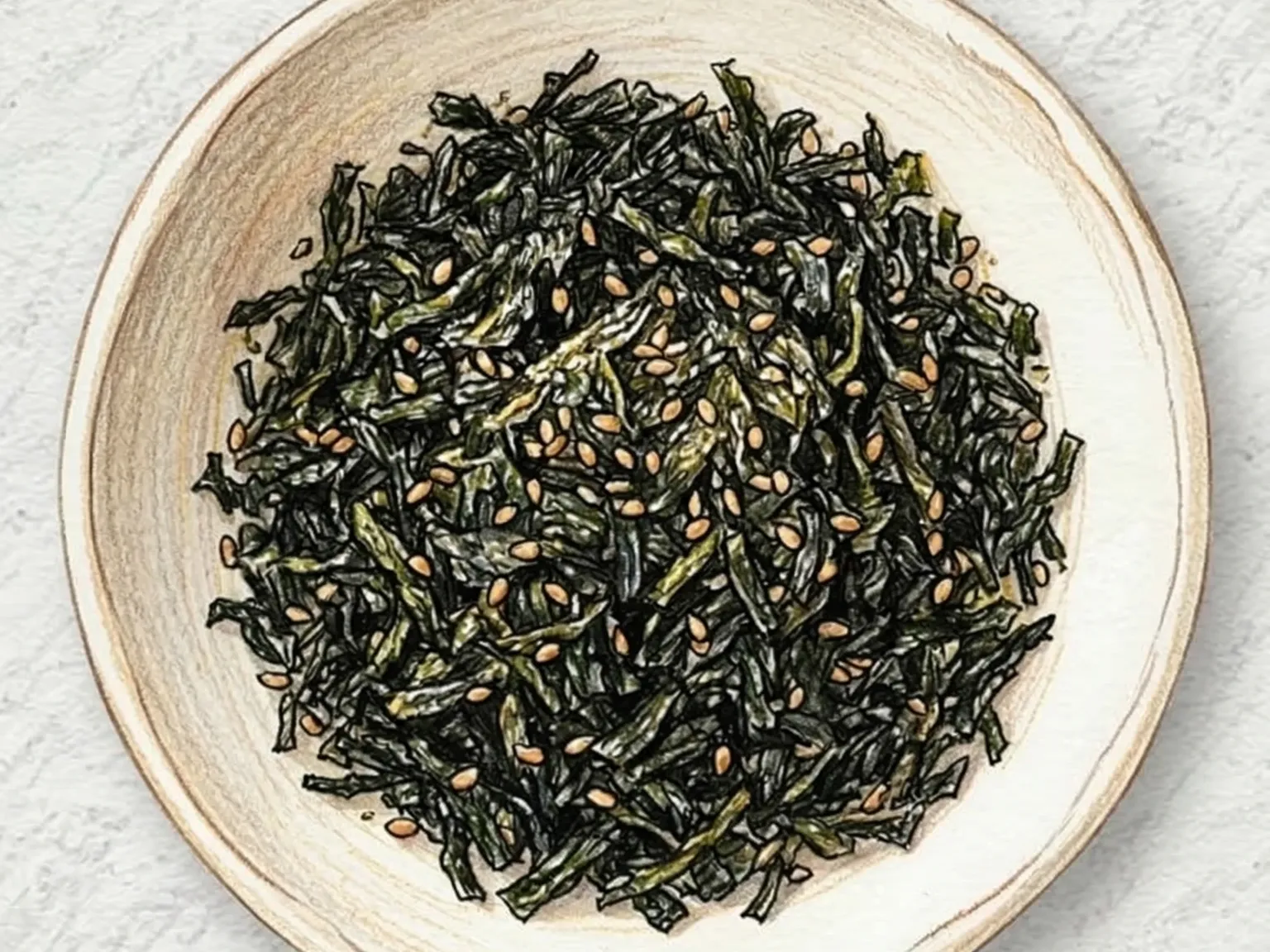
Gim bokkeum - stir-fried dried seaweed - is the original Korean 'rice thief,' a banchan so compelling it makes a bowl of plain rice vanish. Dried seaweed sheets are crumbled by hand and toasted slowly over low heat in sesame oil until every trace of moisture is gone, concentrating the seaweed's nuttiness into an intensely savory crunch. A small amount of soy sauce and sugar adds a sweet-salty edge, finished with sesame seeds. The technique demands restraint: too much heat or oil and the seaweed turns soggy instead of crisp. It keeps refrigerated for over a week and doubles as a filling for jumeokbap (rice balls) or onigiri-style triangle kimbap.

🏠 Everyday🍱 Lunchbox
Prep 5minCook 3min2 servings
Korean Mallow Soup (Joseon-Era Doenjang Mallow Soup)
SoupsEasy

Korean Mallow Soup (Joseon-Era Doenjang Mallow Soup)

Auk-guk - mallow doenjang soup - has been part of Korean home cooking since the Joseon era, when auk (mallow) was one of the most commonly grown leafy greens in household gardens. The soup starts with an anchovy-kelp stock that provides a clean umami foundation. Doenjang is pushed through a sieve into the simmering broth to dissolve evenly without lumps, and garlic adds a quiet pungency beneath the fermented paste. Mallow leaves, torn by hand into rough pieces, wilt into the broth in under a minute. What sets auk-guk apart from other doenjang-guks is the mallow's distinctive texture - the leaves have a natural mucilage that gives the soup a slightly thickened, slippery quality on the tongue, unlike the clean broth of a spinach or radish version. Traditionally associated with nursing mothers in Korean folk wisdom, who ate it to promote milk production. The soup is at its best in early summer when fresh mallow is at peak tenderness.

🏠 Everyday
Prep 10minCook 15min2 servings
More Stir-fry →