Charim

2686 Korean & World Recipes

2686+ Korean recipes, clean and organized. Ingredients to instructions, all at a glance.

Stir-fry
Stir-fry

Stir-fry Recipes

188 recipes

Stir-frying is one of the most common cooking methods in Korean home kitchens. Classics like spicy pork stir-fry (jeyuk-bokkeum), squid stir-fry, and japchae showcase the range of flavors — from fiery gochujang-based sauces to sweet soy glazes.

Cooking over high heat for a short time keeps ingredients crisp and vibrant. With a few staple sauces like gochujang, soy sauce, and oyster sauce, the possibilities are endless — and dinner is on the table in minutes.

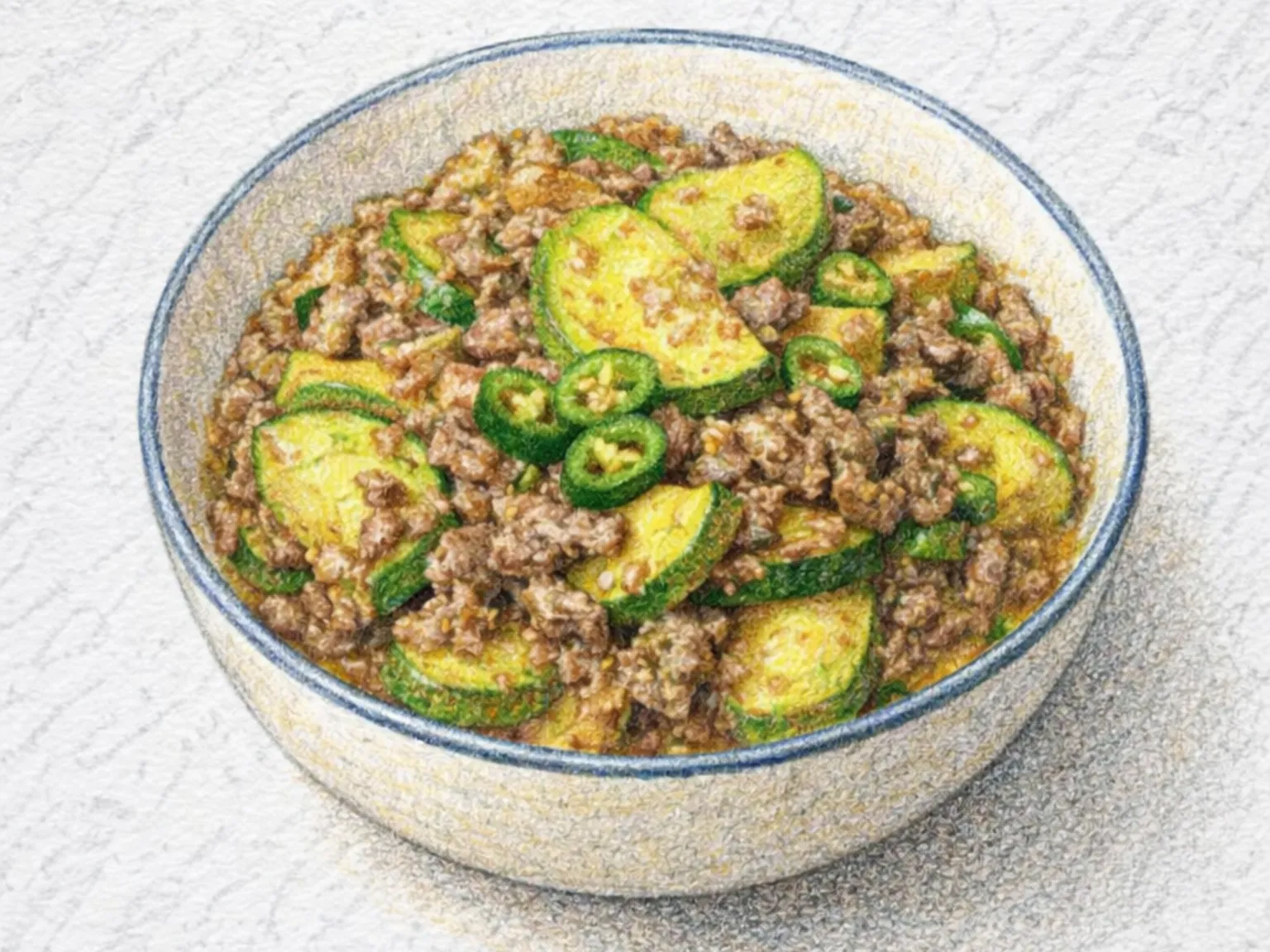
Korean Stir-Fried Zucchini and Beef Brisket with Doenjang
Stir-fryMedium

Korean Stir-Fried Zucchini and Beef Brisket with Doenjang

This dish pairs two everyday Korean ingredients - thinly sliced beef brisket and young zucchini - in a doenjang-based stir-fry that comes together in under fifteen minutes. Brisket goes into the hot pan first, rendering its fat into a cooking medium that carries the fermented paste's flavor into the vegetables. The doenjang and soup soy sauce create a funky, salty glaze that clings to each half-moon of zucchini as it softens but keeps a slight resistance at the center. Cheongyang chili sliced in at the end adds a sharp, clean heat that lifts the heaviness of the beef fat. A final drizzle of perilla oil off-heat gives an herbal finish. It is a weeknight banchan that packs enough protein to double as a main course over steamed rice.

🏠 Everyday🍱 Lunchbox
Prep 10minCook 11min2 servings
Korean Braised Monkfish in Spicy Soy Sauce
Stir-fryMedium

Korean Braised Monkfish in Spicy Soy Sauce

Agwi-jorim - braised monkfish - is a gentler preparation than the fiery agu-jjim, focusing on a soy-based braising sauce rather than a chili-paste coating. Thick slices of Korean radish line the bottom of the pot, cooking first to release their natural sweetness into the liquid. The monkfish goes on top and simmers covered in a mixture of soy sauce, gochugaru, garlic, and water that reduces slowly into a concentrated glaze. The radish acts as both a buffer preventing the delicate fish from sticking and a flavor sponge that becomes the best part of the dish. As the liquid reduces, the sauce thickens and stains both fish and radish a deep amber. The finished dish has a more balanced, less aggressive flavor profile than agu-jjim, with soy saltiness and radish sweetness in equal proportion to the chili heat.

🏠 Everyday
Prep 20minCook 30min4 servings
Korean Andong-style Soy Bulgogi
Stir-fryMedium

Korean Andong-style Soy Bulgogi

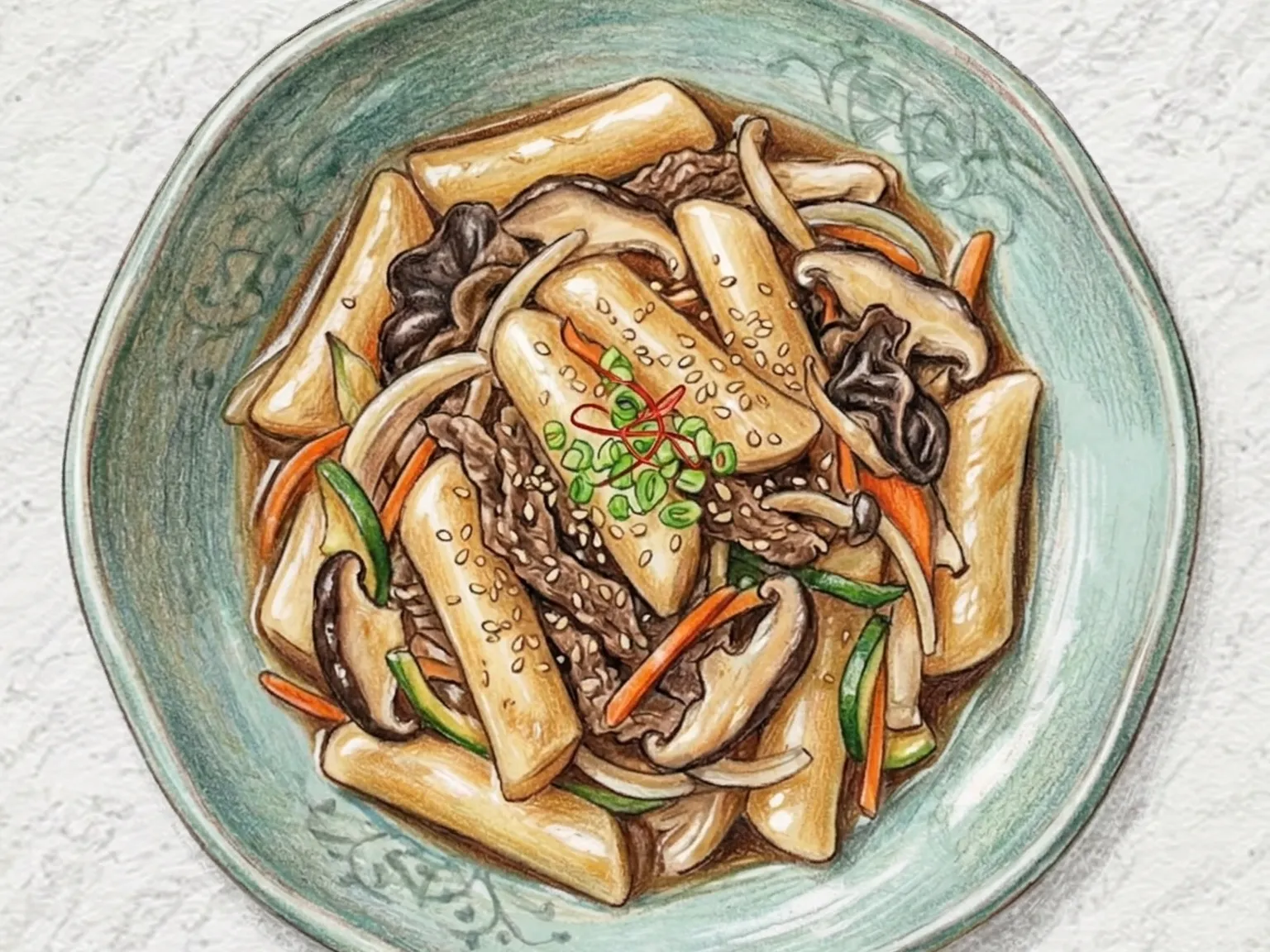
Andong-style bulgogi differs from the Seoul version in one fundamental way: it is not grilled. In Andong - a city in North Gyeongsang Province known for preserving Joseon-era culinary customs - bulgogi is braised in a shallow pan with the marinade and vegetables rather than cooked over open flame. Thinly sliced beef is marinated in soy sauce, sugar, sesame oil, garlic, and pear juice, then layered with glass noodles, onion, scallion, and mushroom in a wide, flat pan. As the liquid simmers down, the sweet soy marinade reduces into a glaze that coats every ingredient. The result is wetter and more intensely seasoned than grilled bulgogi, with the noodles soaking up the concentrated braising liquid. This style appears at Andong's ancestral rite ceremonies and family gatherings, where the dish is served communally from the pan it was cooked in.

🏠 Everyday🌙 Late Night
Prep 25minCook 12min4 servings
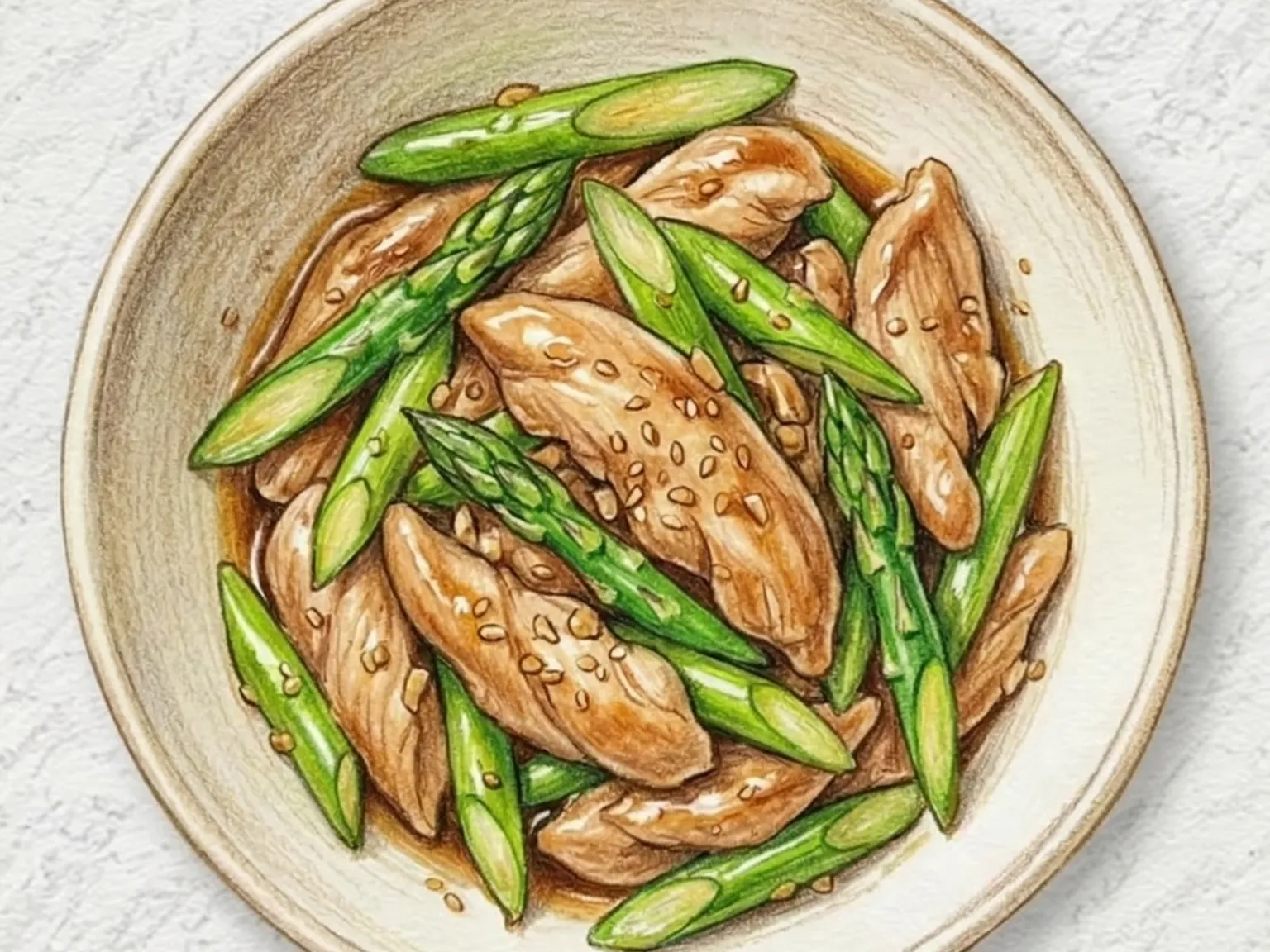
Korean Aseuparageoseu Dak Ganjang Bokkeum (Asparagus Soy Chicken Stir-fry)
Stir-fryEasy

Korean Aseuparageoseu Dak Ganjang Bokkeum (Asparagus Soy Chicken Stir-fry)

This Korean stir-fry marries chicken tenderloin with asparagus in a soy-based glaze - a modern home-cooking creation that balances lean protein with a vegetable that arrived in Korean kitchens only in the last few decades. The chicken is sliced thin against the grain and marinated briefly in soy sauce, garlic, and sesame oil so it stays moist during the fast stir-fry. Asparagus is cut on a sharp diagonal to expose maximum surface area for the sauce to cling to, and its woody ends are snapped off rather than cut. High heat is essential: the chicken sears quickly without releasing moisture, and the asparagus retains its bright green color and crisp snap. A finishing glaze of soy sauce, sugar, and oyster sauce caramelizes lightly in the pan, coating both ingredients in a thin, glossy layer. The dish is deliberately light - clean soy saltiness and vegetal freshness without the heaviness of a gochujang-based sauce.

🏠 Everyday🍱 Lunchbox
Prep 12minCook 9min2 servings
Korean Pork and Asparagus Stir-fry
Stir-fryEasy

Korean Pork and Asparagus Stir-fry

A Korean weeknight stir-fry that pairs pork shoulder or belly with asparagus and red bell pepper in a soy-garlic sauce. The pork is sliced thin and marinated in soy sauce, minced garlic, and a pinch of sugar to coax out caramelization on the hot pan. Cooking the meat first over high heat renders out its fat, which becomes the medium for stir-frying the vegetables. Asparagus goes in next for barely a minute - just enough to turn its raw starchiness into a clean, grassy snap. Bell pepper adds pops of natural sweetness and color contrast. The sauce is restrained: soy, a touch of oyster sauce, and sesame oil, keeping the focus on the interplay between the pork's umami depth and the vegetables' brightness. The entire cook from cold pan to finished plate takes under twelve minutes, making it one of the fastest protein-and-vegetable banchan in the Korean home repertoire.

🏠 Everyday🍱 Lunchbox
Prep 12minCook 10min2 servings
Korean Napa Cabbage Shrimp Stir-fry
Stir-fryEasy

Korean Napa Cabbage Shrimp Stir-fry

Baechu saeu bokkeum is a Korean stir-fry of napa cabbage and medium shrimp seasoned with soy sauce and fish sauce. The shrimp are deveined and scored along the back so they curl attractively and absorb seasoning more readily. They go into a hot oiled pan first for thirty seconds to sear the surface, then are removed while the cabbage stems are stir-fried until slightly wilted. Soy sauce, fish sauce, and minced garlic are added along with the cabbage leaves, and the shrimp return to the pan for a final thirty-second toss so everything seasons evenly. Sliced cheongyang chili and scallion go in last for a hit of heat and freshness. The entire stir-fry stays under three to four minutes of active cooking, which preserves the crunch of the cabbage stems and the firm bite of the shrimp. The combination of soy sauce and fish sauce provides a layered saltiness that brings out the natural sweetness of both the cabbage and the shrimp.

🏠 Everyday🍱 Lunchbox
Prep 14minCook 8min2 servings
Korean Clam Stir-Fry (Manila Clams with Butter, Garlic and Chili)
Stir-fryEasy

Korean Clam Stir-Fry (Manila Clams with Butter, Garlic and Chili)

Bajirak bokkeum is a Korean clam stir-fry where purged manila clams are cooked quickly over high heat with butter, garlic, and cheongyang chili. Rice wine goes in first and the lid is closed so the alcohol steam helps the clams open rapidly while neutralizing any briny off-notes. Once the shells open, butter is added and emulsifies with the released clam juices, forming a naturally salty, rich sauce without any additional effort. Generous sliced garlic infuses the butter sauce with depth, and the cheongyang chili cuts through the richness with its sharp heat. A small amount of soy sauce adjusts the seasoning, kept restrained because the clams carry their own salinity. Scallion is tossed in at the very end for a final layer of aroma before the pan comes off the heat. Total cooking time stays under three to four minutes to prevent the clam meat from shrinking and toughening. The remaining sauce in the pan is intensely flavored and pairs exceptionally well with bread for soaking up every last drop.

🏠 Everyday🌙 Late Night
Prep 15minCook 10min2 servings
Korean Sea Breeze Herb Shrimp Stir-fry
Stir-fryMedium

Korean Sea Breeze Herb Shrimp Stir-fry

Bangpungnamul saeu bokkeum is a Korean stir-fry that pairs coastal hogfennel herb with medium-sized shrimp in a quick, high-heat preparation. The shrimp are briefly marinated in cooking wine to neutralize any off-flavors, then seared in oil and set aside. Minced garlic is sauteed in the same pan before adding the herb and sliced red chili, which are tossed rapidly over high heat to retain their texture. Soy sauce and sesame oil provide the seasoning, and the shrimp are returned to the pan for a final toss. The herb's slightly bitter edge contrasts with the natural sweetness of the shrimp, creating a balanced flavor without heavy sauce. The dish finishes in under nine minutes and is low in calories, making it a light banchan option.

🥗 Light & Healthy🏠 Everyday
Prep 14minCook 9min2 servings
Korean Stir-fried Mushrooms
Stir-fryEasy

Korean Stir-fried Mushrooms

Oyster mushrooms and shiitake mushrooms are stir-fried over high heat to drive off moisture and concentrate their natural umami into every bite. Wiping the mushrooms with a damp cloth rather than rinsing preserves the volatile compounds responsible for their earthy aroma. The pan must be hot enough that the mushrooms sear rather than steam; when the edges turn lightly golden, a deep nuttiness develops that water-logged mushrooms never achieve. Soy sauce supplies the salt, and black pepper adds a sharp accent without overpowering the mushrooms' own flavor. Sesame oil is drizzled in after the heat is turned off so its fragrance stays intact instead of burning away. A handful of sliced green onion tossed in at the end contributes color and a fresh bite. At roughly 120 calories per serving, this side dish fits comfortably into a calorie-conscious meal while delivering satisfying texture and depth.

🥗 Light & Healthy🏠 Everyday
Prep 12minCook 8min2 servings
Korean Mushroom Perilla Seed Stir-Fry
Stir-fryEasy

Korean Mushroom Perilla Seed Stir-Fry

Three varieties of mushroom, shiitake, enoki, and oyster, are stir-fried on high heat until their moisture evaporates, then coated in ground perilla seed powder that releases a wave of nutty fragrance the moment it hits the hot pan. Each mushroom contributes a distinct texture: shiitake offers a firm chew, enoki brings delicate strands, and oyster adds thick, meaty bites. The perilla powder should be added only in the final minute of cooking; longer exposure to heat turns its oils acrid rather than aromatic. Soy sauce and a pinch of salt adjust the seasoning, while a finishing drizzle of sesame oil rounds off the dish with a gentle richness. At around 90 calories per serving, it works as an everyday side without weighing down the meal, and the unsaturated fats in perilla seeds add nutritional value beyond what the low calorie count might suggest.

🏠 Everyday🌙 Late Night
Prep 10minCook 10min4 servings
Korean Soy-Glazed Mushroom Stir-Fry
Stir-fryEasy

Korean Soy-Glazed Mushroom Stir-Fry

Oyster mushrooms and shiitake are sauteed in melted butter, then finished with a quick pour of soy sauce that reduces into a glossy glaze on the surface of each piece. The butter permeates the mushrooms during cooking, building a rich, almost nutty base note, while the soy sauce caramelizes slightly under high heat to add a salty-sweet coating. Sliced garlic goes into the butter first, infusing the fat with its pungent aroma before the mushrooms are added. Cooking everything over strong heat is non-negotiable; low temperatures cause the mushrooms to release water and stew rather than sear. With only five ingredients, the dish relies entirely on the interplay between butter richness and soy depth to deliver a level of flavor that belies its simplicity. Spooned over steamed rice, it turns a plain bowl into a satisfying meal.

🏠 Everyday🌙 Late Night
Prep 10minCook 10min2 servings
Korean Beurokolli Dubu Doenjang Bokkeum (Broccoli Tofu Doenjang Stir-fry)
Stir-fryEasy

Korean Beurokolli Dubu Doenjang Bokkeum (Broccoli Tofu Doenjang Stir-fry)

Broccoli florets and firm tofu are stir-fried in a sauce made by dissolving doenjang in water, creating a Korean vegetarian side with deep fermented-bean umami. Pan-searing the tofu in perilla oil until golden before combining it with the other ingredients prevents it from crumbling during the stir-fry and gives each cube a crisp shell encasing a soft interior. The broccoli is blanched for only 40 seconds to lock in its crunch, then added to the pan where the doenjang sauce coats each floret, suppressing any raw green bitterness and replacing it with a mellow savoriness. Because doenjang is already quite salty, the soy sauce should be adjusted at the very end after tasting. A sprinkle of sesame seeds at the finish adds one more layer of nuttiness. The dish provides both plant-based protein from the tofu and fiber from the broccoli in a single, well-balanced plate.

🏠 Everyday🍱 Lunchbox
Prep 15minCook 11min4 servings
Korean Beurokolli Saeu Bokkeum (Broccoli Shrimp Stir-fry)
Stir-fryEasy

Korean Beurokolli Saeu Bokkeum (Broccoli Shrimp Stir-fry)

Peeled and deveined shrimp are seasoned with cooking wine and pepper, then stir-fried over high heat alongside blanched broccoli for a dish that finishes in minutes. The shrimp reach their ideal texture the instant they turn pink; any time beyond that causes the proteins to tighten and the flesh to become rubbery. Briefly blanching the broccoli beforehand means it releases less water in the pan, keeping the sauce concentrated and clinging to the ingredients rather than pooling at the bottom. Soy sauce and oyster sauce form the savory backbone, while sliced garlic infused into the oil at the start lays down a fragrant base that carries through every bite. Bell pepper adds a crisp snap and a splash of color, rounding out a plate that delivers both protein and vitamin C in a light, quick-cooking format.

🥗 Light & Healthy🏠 Everyday
Prep 10minCook 10min2 servings
Korean Garlic Chive & Clam Stir-fry
Stir-fryMedium

Korean Garlic Chive & Clam Stir-fry

Clams purged in salt water are steamed with rice wine until their shells open, then stir-fried with garlic chives, soy sauce, and oyster sauce. The rice wine strips away any briny off-notes while amplifying the clean oceanic umami, and the liquid the clams release as they open becomes a built-in sauce. Garlic chives go in during the last 40 seconds only; longer exposure to heat wilts them into a stringy mass and disperses their aroma. Sliced red chili contributes more visual contrast than actual spice, and a final drizzle of sesame oil smooths out the flavors. Any clam that fails to open after steaming should be discarded for safety. The dish works equally well as a drinking snack alongside soju or as a protein-rich side at the dinner table.

🍺 Bar Snacks🏠 Everyday
Prep 18minCook 9min2 servings
Korean Garlic Chive Duck Stir-fry
Stir-fryMedium

Korean Garlic Chive Duck Stir-fry

Sliced smoked duck is cooked first to render its fat, and that rendered fat becomes the cooking medium for onion, oyster mushrooms, and a gochujang-based sauce. Because the duck releases enough oil on its own, additional cooking fat is barely needed, and the smoky flavor trapped in the rendered fat transfers directly into the vegetables. The gochujang and oligosaccharide syrup create a sweet-spicy glaze that counterbalances the richness of the duck, while garlic chives are tossed in only during the final minute over high heat so they keep their vivid green color and bright herbal finish. Perilla oil drizzled after the flame is off adds a final aromatic layer that elevates the entire plate. If the duck releases more fat than desired, pouring off all but one tablespoon keeps the dish cleaner without sacrificing flavor.

🍺 Bar Snacks🏠 Everyday
Prep 15minCook 14min4 servings
Korean Stir-fried Chives and Shrimp
Stir-fryEasy

Korean Stir-fried Chives and Shrimp

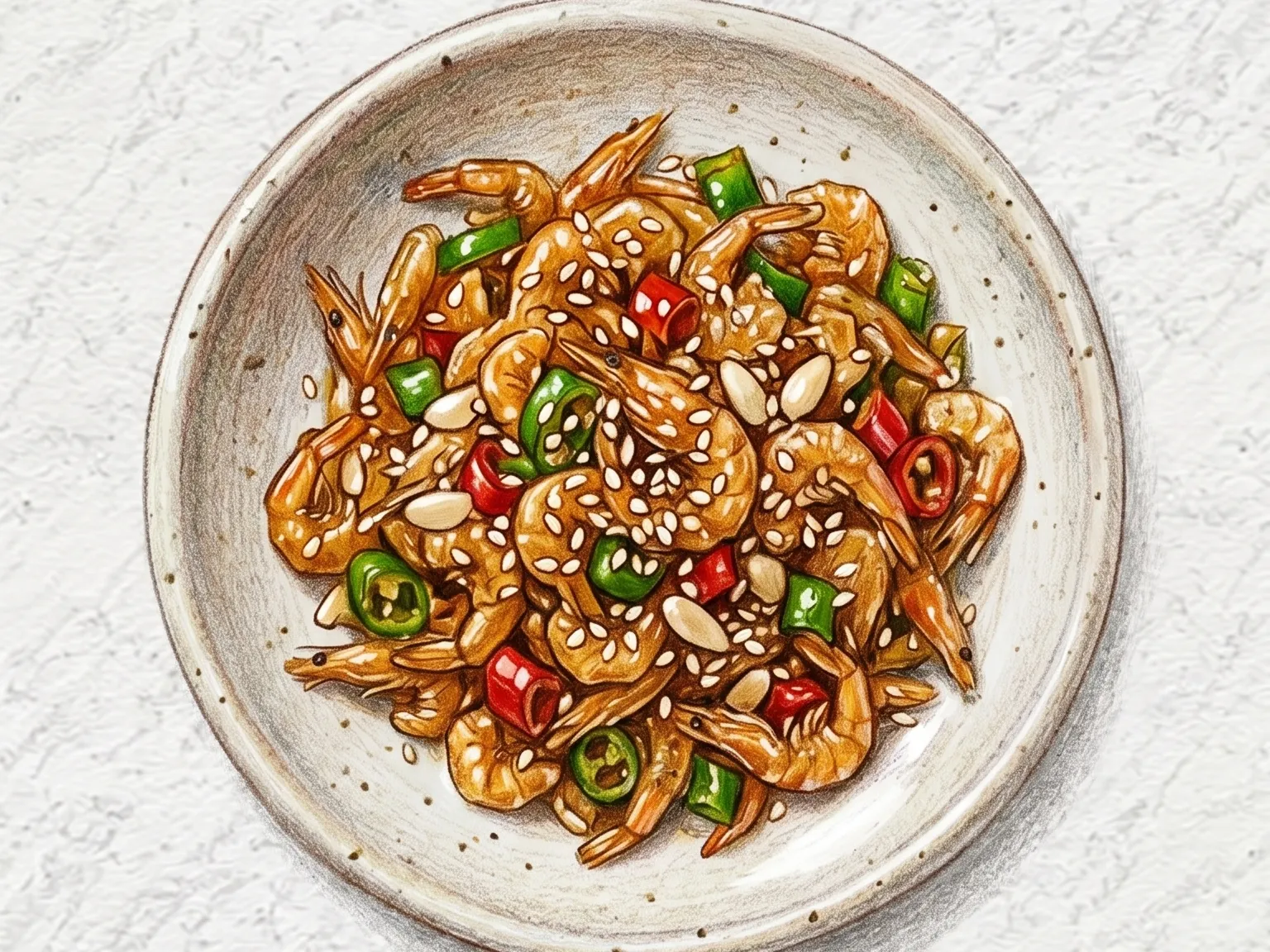
Deveined shrimp are dried thoroughly and seared over high heat until their shells turn pink, then tossed briefly with garlic chives for a stir-fry that takes under ten minutes from cutting board to plate. Removing every trace of surface moisture before the shrimp hit the pan is the single most important step; residual water generates steam and turns the sear into a braise, leaving the shrimp pale and soft instead of lightly caramelized. Sliced garlic goes into the oil first to build an aromatic base that clings to every ingredient. One tablespoon of soy sauce paired with a teaspoon of oyster sauce amplifies the natural seafood umami without tipping the dish into excessive saltiness, and black pepper sharpens the finish. The chives must go in last and cook for no more than sixty seconds; any longer and they lose their vivid color and turn stringy. At 220 calories with 26 grams of protein per serving, this dish fills the role of a satisfying yet light side that pairs well with steamed rice or slides neatly into a packed lunch.

🏠 Everyday🍱 Lunchbox
Prep 12minCook 8min2 servings
Korean Busan-Style Stir-fried Fish Cake
Stir-fryEasy

Korean Busan-Style Stir-fried Fish Cake

Square fish cake sheets are blanched for twenty seconds to strip away residual processing oil, then stir-fried with julienned onion and carrot in a soy sauce and oligosaccharide glaze that defines the Busan approach to this classic side dish. Skipping the blanching step leaves a greasy, industrial aftertaste that no amount of seasoning can mask. The onion and carrot go into the pan first and cook for two minutes, long enough to release their natural sugars, which merge with the oligosaccharide syrup when it hits the heat and caramelizes into a thin, glossy coating on every strip of fish cake. High heat and a cook time under three minutes are essential; fish cake left on the stove too long loses moisture and turns rubbery. Minced garlic fried briefly in oil at the start provides an aromatic backbone, while diagonally sliced green onion added at the end brings a fresh bite. A final sprinkle of sesame seeds rounds out the flavor. The dish holds up well at room temperature, making it a reliable addition to lunchboxes.

🏠 Everyday🍱 Lunchbox
Prep 12minCook 10min4 servings
Japanese Braised Pork Belly
Stir-fryHard

Japanese Braised Pork Belly

Thick cubes of pork belly are blanched for five minutes to purge impurities, then simmered for fifty minutes in water with ginger and green onion until the fat layers turn translucent and yielding. The parboiled meat is transferred to a fresh pot with soy sauce, mirin, and sugar, where it braises over medium-low heat for another thirty minutes as the liquid reduces by half and lacquers each piece in a dark, glossy coat. Mirin carries away any residual off-odors along with its alcohol while depositing a gentle sweetness into the pork, and ginger neutralizes the musky quality that belly fat can develop during long cooking. Boiled eggs added to the braising liquid absorb the soy-mirin mixture through their whites, turning amber and picking up flavor all the way to the yolk. Cooling the finished dish and reheating it once transforms the texture further: collagen that dissolved during cooking sets into a gel while cold, then melts again upon warming, thickening the sauce into something close to a demi-glace. Skimming the solidified fat from the chilled surface removes excess grease without dulling the flavor.

🏠 Everyday🎉 Special Occasion
Prep 20minCook 90min4 servings
Korean Chicken Breast and Celery Stir-fry
Stir-fryEasy

Korean Chicken Breast and Celery Stir-fry

Bite-sized chicken breast pieces are marinated in soy sauce and minced ginger for ten minutes, then stir-fried over high heat with diagonally cut celery and thinly sliced onion. The ginger penetrates the meat during the brief rest, suppressing any bland poultry odor while leaving a bright, peppery note in the background. Soy sauce hitting the hot pan triggers a Maillard reaction on the chicken surface, building a thin crust of caramelized flavor that keeps the interior moist. Celery goes in only during the last two minutes so its stalks retain their crunch; including the leaves intensifies the herbal finish considerably. A teaspoon of oligosaccharide syrup gives the sauce just enough body to coat each piece evenly rather than sliding off, and sliced red chili scattered in at the end adds visual energy more than actual heat. At 295 calories and 36 grams of protein per serving, this dish slots naturally into a post-workout meal or a calorie-conscious lunchbox without feeling like a compromise.

🥗 Light & Healthy🏠 Everyday
Prep 14minCook 9min2 servings
Stir-fried Bok Choy (Bok Choy with Garlic and Oyster Sauce Glaze)
Stir-fryEasy

Stir-fried Bok Choy (Bok Choy with Garlic and Oyster Sauce Glaze)

Halved bok choy is stir-fried with sliced garlic over high heat for two minutes, then finished with oyster sauce and soy sauce in a one-minute reduction that glazes every leaf and stem. The thick white stalks need more heat than the tender green leaves, so placing them cut-side down first or adding the leaves halfway through prevents the greens from turning to mush while the stems stay undercooked. Oyster sauce lends a concentrated umami depth to the otherwise mild vegetable, and a splash of 40 milliliters of water helps the sauce flow between the tightly packed stems so seasoning reaches every layer. Black pepper and sesame oil are added only after the pan leaves the flame so their volatile aromas stay intact on the plate. Bok choy continues to release moisture after plating, so serving immediately is critical to preserving the contrast between crisp stalks and just-wilted leaves. At 105 calories per serving, this is a light side dish that still delivers meaningful amounts of vitamin A and calcium.

🏠 Everyday🍱 Lunchbox
Prep 8minCook 6min2 servings
Korean Stir-Fried Bok Choy and Tofu with Doubanjiang
Stir-fryEasy

Korean Stir-Fried Bok Choy and Tofu with Doubanjiang

Firm tofu is patted completely dry and pan-seared in oil for three minutes until golden on each side, then set aside while green onion and garlic are stir-fried in the same pan to build an aromatic base. Doubanjiang, soy sauce, sugar, and water are combined into a sauce directly in the pan; the fermented chili bean paste brings both salt and heat in high concentration, so the soy sauce should be added sparingly and adjusted only after a final taste. Bok choy stems and leaves are separated and added at different stages: stems first for two minutes of direct heat, leaves last for just one minute, so the stalks remain firm while the greens wilt to a silky texture. One teaspoon of sugar softens the sharp salinity of the doubanjiang, rounding the finish into something warm rather than aggressive. When the seared tofu cubes return to the pan, their crisp exterior absorbs the sauce like a sponge, releasing a burst of spicy, fermented flavor with each bite. At 290 calories and 17 grams of protein, the dish proves that a satisfying protein intake does not require meat.

🏠 Everyday🍱 Lunchbox
Prep 12minCook 10min2 servings
Korean Stir-fried Mung Bean Jelly
Stir-fryEasy

Korean Stir-fried Mung Bean Jelly

Mung bean jelly is cut into thick strips, blanched for thirty seconds to remove surface starch, then stir-fried gently with julienned carrot and onion in a soy sauce seasoning. The brief blanch firms up the jelly's exterior just enough to survive the tossing in the pan without crumbling, and washing away the starch allows the jelly to absorb the flavors of its companion vegetables more readily. Low heat and a careful hand are non-negotiable; aggressive stirring breaks the strips into shapeless lumps. The carrot contributes a faint natural sweetness, and the onion releases a light caramel note as it softens, both of which fill in the jelly's inherently neutral taste with understated warmth. Chopped green onion added at the very end lifts the dish with a sharp, fresh bite. One tablespoon of sesame oil swirled in after the flame is off coats everything in a glossy sheen and a final wave of nuttiness. At 180 calories and 9 grams of fat, this is a low-calorie side with enough fiber to sit gently in the stomach.

🏠 Everyday🍱 Lunchbox
Prep 15minCook 8min2 servings
Korean Aster Greens Beef Stir-fry
Stir-fryMedium

Korean Aster Greens Beef Stir-fry

This stir-fry pairs fragrant chwi-namul greens with thinly sliced bulgogi-cut beef, merging the wild greens' herbal bitterness with the meat's umami. The beef is pre-seasoned with soy sauce and cooking wine, and as it cooks the seasoning naturally transfers into the greens. Onion softens during cooking and adds sweetness that tempers the overall saltiness. A finishing drizzle of perilla oil brings a nutty aroma, and whole sesame seeds provide small bursts of texture. It works as a hearty side that adds protein to an otherwise vegetable-focused table.

🏠 Everyday🍱 Lunchbox
Prep 18minCook 12min4 servings
Korean Soy Glazed Pork Neck Stir-fry
Stir-fryMedium

Korean Soy Glazed Pork Neck Stir-fry

This dish stir-fries thinly sliced pork neck with soy sauce and oyster sauce over high heat. The two sauces form a glossy coating on the meat's surface, delivering a balance of salty and sweet in each bite. Large diagonal-cut green onion pieces soften in the heat, turning translucent and releasing their natural sweetness and sharp fragrance. Onion cooks down alongside, losing moisture and lightly caramelizing to thicken the sauce. The quick, high-heat cooking keeps the pork neck moist and prevents it from toughening.

🏠 Everyday🍱 Lunchbox
Prep 15minCook 14min4 servings