Charim

2686 Korean & World Recipes

2686+ Korean recipes, clean and organized. Ingredients to instructions, all at a glance.

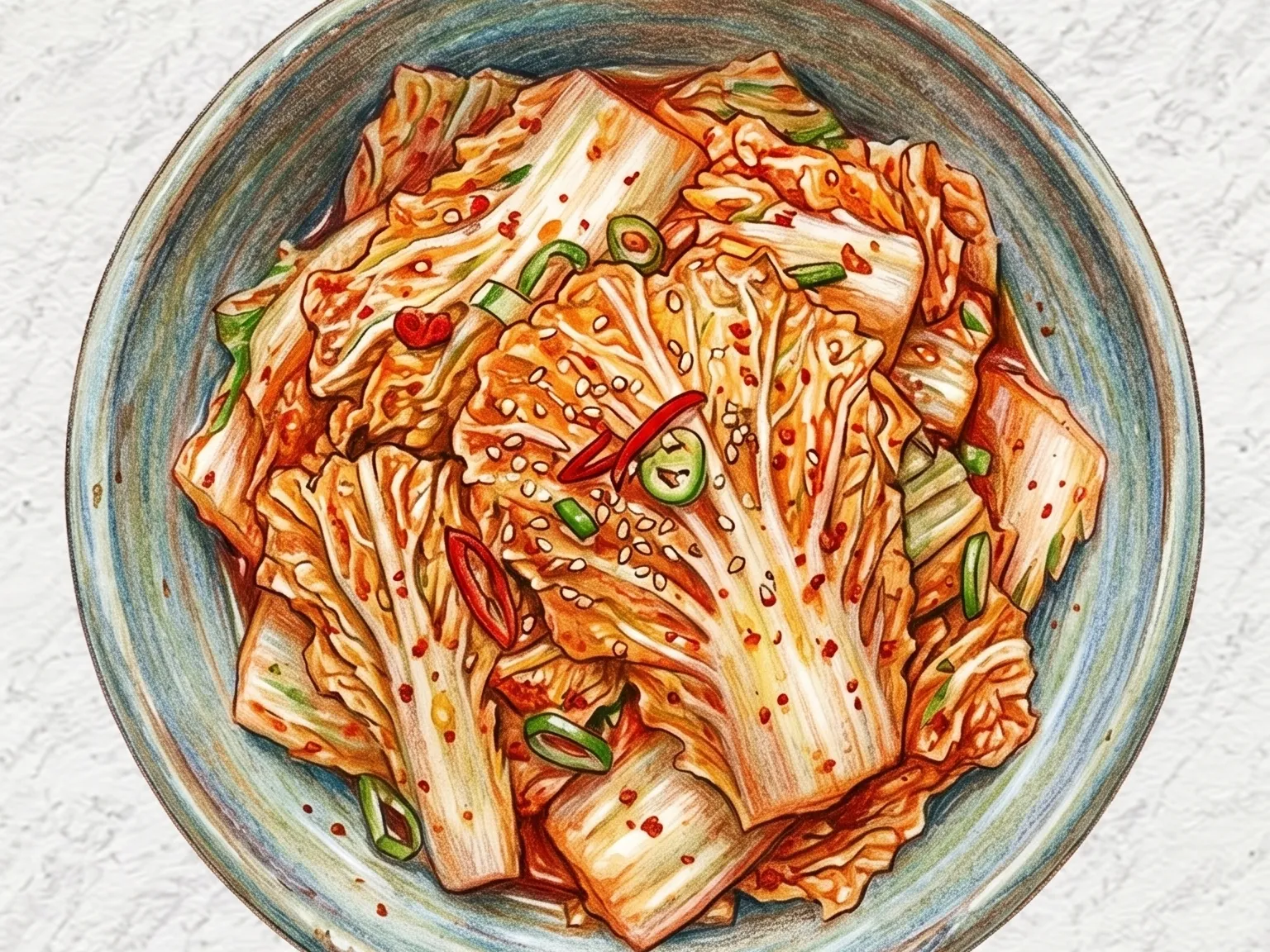
Korean Fresh Cabbage Kimchi

Korean Fresh Cabbage Kimchi

Geotjeori is kimchi's unfermented cousin - raw napa cabbage dressed in gochugaru seasoning and eaten immediately. The leaves are tossed with red pepper flakes, anchovy fish sauce, garlic, and sugar, drawing out just enough moisture to form a light, spicy brine. Unlike aged kimchi, geotjeori tastes bright and vegetal with the clean crunch of fresh cabbage intact. Koreans pair it with grilled pork belly or doenjang-jjigae.

Prep 20min06 servings

Adjust Servings

2servings
servings

Instructions

  1. 1

    Cut cabbage into bite-sized pieces.

  2. 2

    Mix red pepper, fish sauce, garlic, and sugar to make seasoning.

  3. 3

    Toss cabbage thoroughly with seasoning.

  4. 4

    Finish with sesame oil and sesame seeds.

🛒Shop Ingredients on Amazon

As an Amazon Associate, we may earn from qualifying purchases.

Tips

Best eaten immediately after mixing while still crisp.

Nutrition (per serving)

Calories
35
kcal
Protein
2
g
Carbs
5
g
Fat
1
g

More Recipes

Korean Kohlrabi Kimchi (Cubed Gochugaru Fermented Crisp)
KimchiEasy

Korean Kohlrabi Kimchi (Cubed Gochugaru Fermented Crisp)

Kolrabi kimchi is made by cutting kohlrabi into 2 cm cubes, brining them in coarse salt, and mixing with gochugaru, fish sauce, minced garlic, and plum syrup before fermentation. Kohlrabi contains less moisture and has a denser structure than Korean radish, so its crisp texture holds up well even after days of fermentation, and its natural sweetness creates a clear contrast against the spicy seasoning. Fish sauce provides a fermented savory base while plum syrup adds both acidity and sweetness to keep the flavors in balance. Eaten fresh, it tastes clean and salad-like; after three to four days, the umami deepens noticeably.

🍱 Lunchbox
Prep 30min4 servings
Korean Kimchi Porridge (Fermented Kimchi Pork Rice Porridge)
RiceEasy

Korean Kimchi Porridge (Fermented Kimchi Pork Rice Porridge)

Well-fermented napa kimchi is chopped, stir-fried with ground pork in sesame oil, then slow-simmered with soaked rice and water for thirty minutes. Extended cooking softens the raw heat of the chili while spreading the fermentation tang evenly through the porridge, and the pork builds a savory backbone. Soup soy sauce adjusts the salt, and a scatter of sesame seeds adds a final nutty note. The more sour the kimchi, the more complex the finished juk becomes - a traditional Korean porridge meant to warm and soothe when appetite or digestion needs a gentle reset.

🏠 Everyday
Prep 10minCook 40min2 servings
Korean Fresh Lettuce Geotjeori
Side dishesEasy

Korean Fresh Lettuce Geotjeori

Sangchu-geotjeori is a last-minute lettuce salad where 120 grams of lettuce, torn into bite-size pieces, is tossed for no more than 20 seconds in a dressing of red pepper flakes, soy sauce, vinegar, plum syrup, minced garlic, and sesame oil. The lettuce must be thoroughly dried after washing so the dressing adheres to the leaves rather than pooling at the bottom. Thinly sliced onion adds crunch and a sharp edge that complements the mild bitterness of the lettuce. Plum syrup provides a fruity sweetness that is more subtle than granulated sugar, while the vinegar tempers the chili heat. Serving immediately is critical - within minutes the leaves begin to wilt, losing the crisp texture that defines this dish.

🏠 Everyday🍱 Lunchbox
Prep 10min2 servings
Korean Fresh Eggplant Kimchi
KimchiEasy

Korean Fresh Eggplant Kimchi

Gaji kimchi is a fresh, no-fermentation eggplant kimchi made by steaming eggplant until soft, tearing it along the grain, and tossing it with gochugaru, fish sauce, garlic, and sesame oil. Tearing rather than cutting exposes the fibrous interior so the seasoning reaches deep into every strand. Scallions add a fresh, sharp lift, and sesame seeds provide a nutty finish. Since no fermentation is required, this kimchi can be eaten immediately after preparation, making it especially useful in summer when a quick banchan is needed. Mixed into a bowl of cold leftover rice, the seasoning soaks into the grains for a satisfying one-bowl meal.

🍱 Lunchbox
Prep 20minCook 10min2 servings
Korean Cabbage Kimchi (Crunchy Green Cabbage Kimchi)
KimchiEasy

Korean Cabbage Kimchi (Crunchy Green Cabbage Kimchi)

Yangbaechu kimchi is a Korean cabbage kimchi made by salting green cabbage and tossing it with chili flakes, fish sauce, and minced garlic. The thicker leaves and lower moisture content of green cabbage compared to napa cabbage result in a noticeably crunchier texture that persists through fermentation. The natural sweetness of cabbage softens the heat from the chili seasoning, while carrot and scallion pieces add color and freshness. Six hours of fermentation at room temperature followed by refrigeration lets the tanginess develop gradually. It serves as a lighter alternative when traditional napa kimchi feels too heavy.

🏠 Everyday🍱 Lunchbox
Prep 30minCook 10min4 servings
Kimchi Soegogi-guk (Fermented Kimchi Beef Soup)
SoupsEasy

Kimchi Soegogi-guk (Fermented Kimchi Beef Soup)

Kimchi-soegogi-guk is a Korean soup that unites two powerhouse ingredients-well-fermented kimchi and beef-in a ruddy, aromatic broth. The beef is stir-fried in sesame oil first, building a savory foundation, then chopped kimchi joins the pan and cooks until its acidity mellows and merges with the rendered fat. Water is added, and as the pot simmers, the kimchi continues to break down, thickening the liquid and staining it a deep red. Soup soy sauce and garlic adjust the seasoning, while blocks of tofu absorb the surrounding flavors and provide a soft counterpoint to the chewy beef. The finished soup is robust and warming, with the tangy complexity of aged kimchi meeting the clean savoriness of beef in every spoonful. It pairs inseparably with a bowl of steamed rice, which soaks up the broth and balances the heat.

🏠 Everyday
Prep 10minCook 30min4 servings
More Side dishes